-
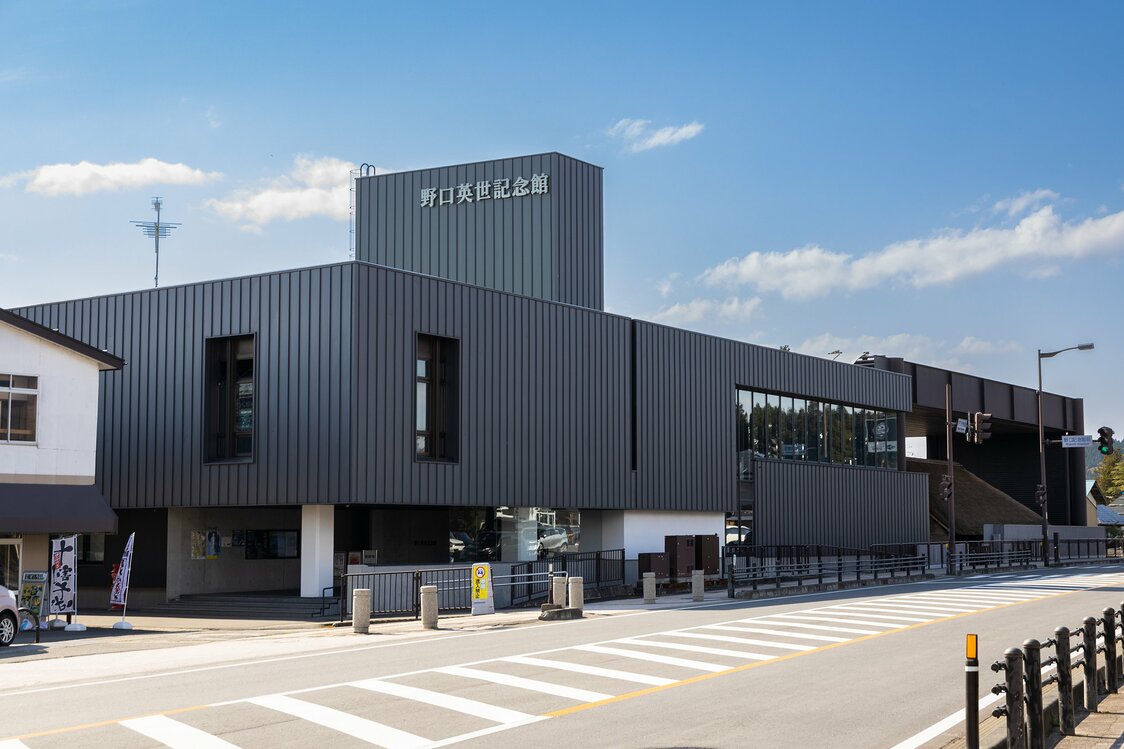
The museum stands just off of National Route 49. The structure’s space on the right side shelters the farmhouse where Noguchi was born in 1876.
-
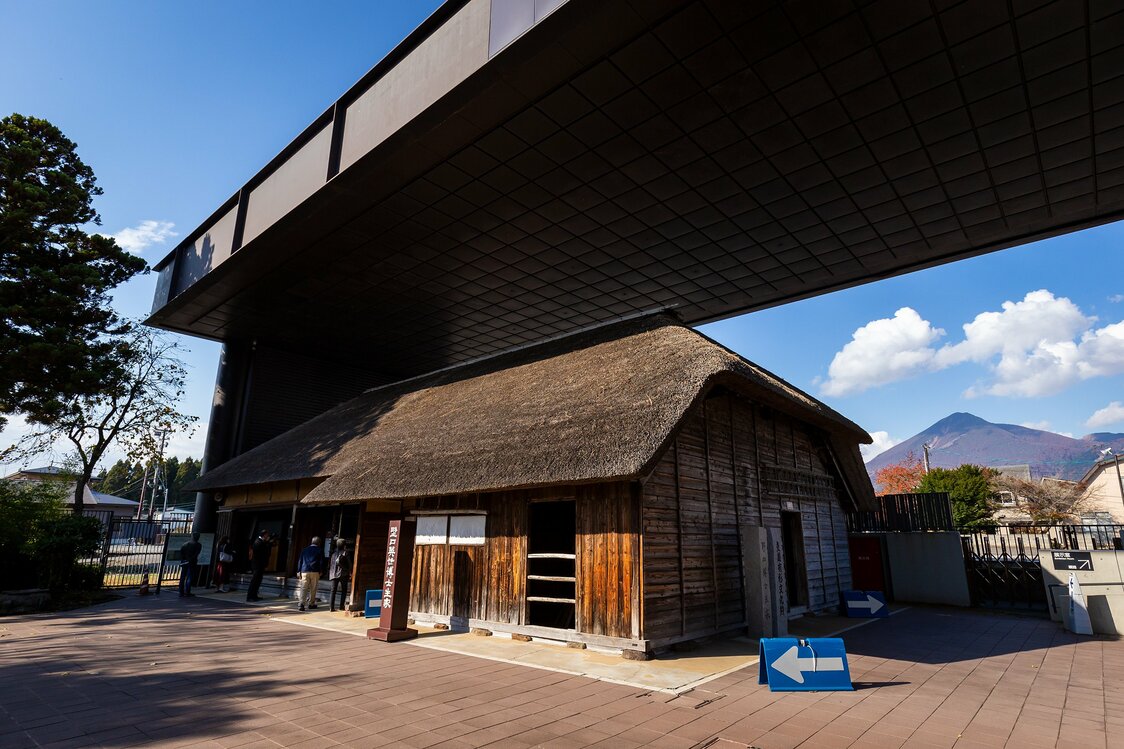
The Noguchi home, with the protective roof overhead and the 1,816-meter peak of Mount Bandai in the background.
-
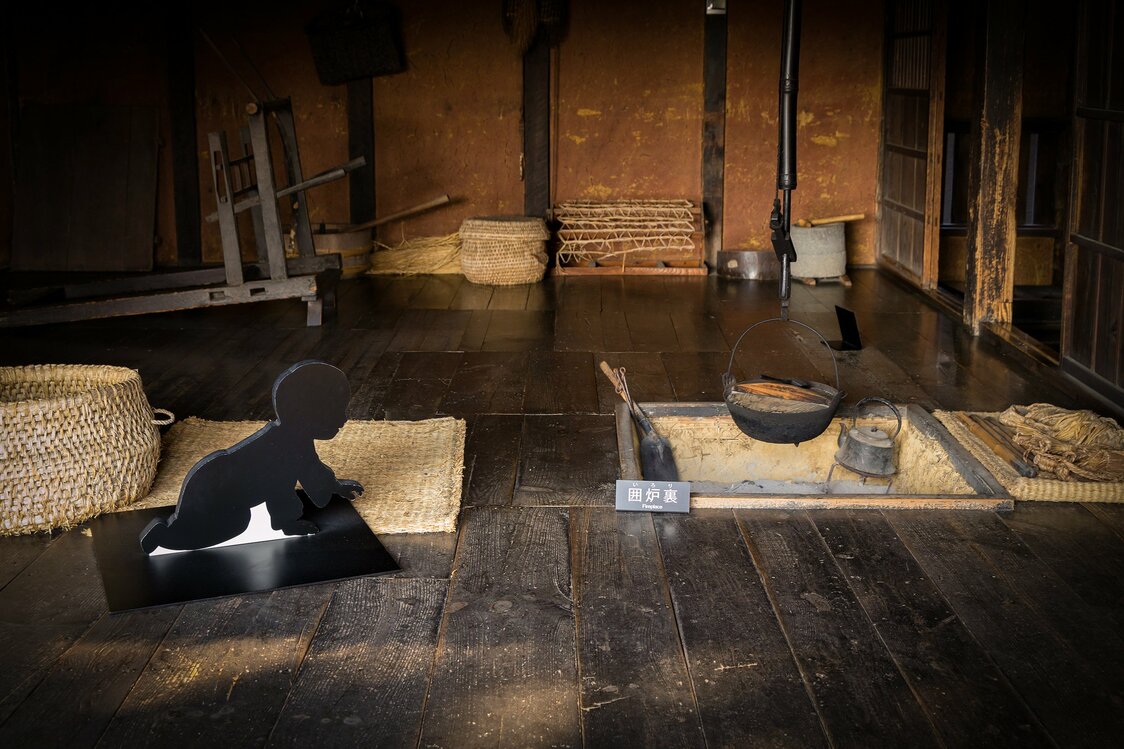
At right, the firepit that would change the course of the young Noguchi’s life.
-
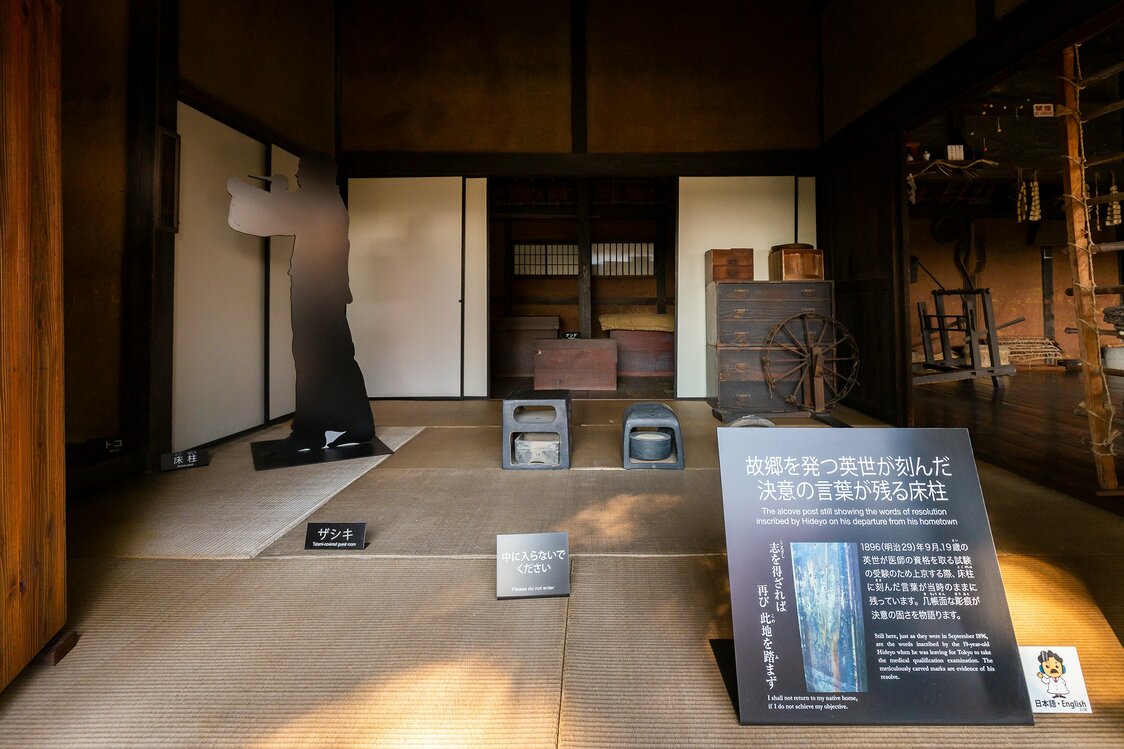
The pillar at left, indicated by the man-shaped sign, still bears the marks of the young Noguchi’s knife.
-
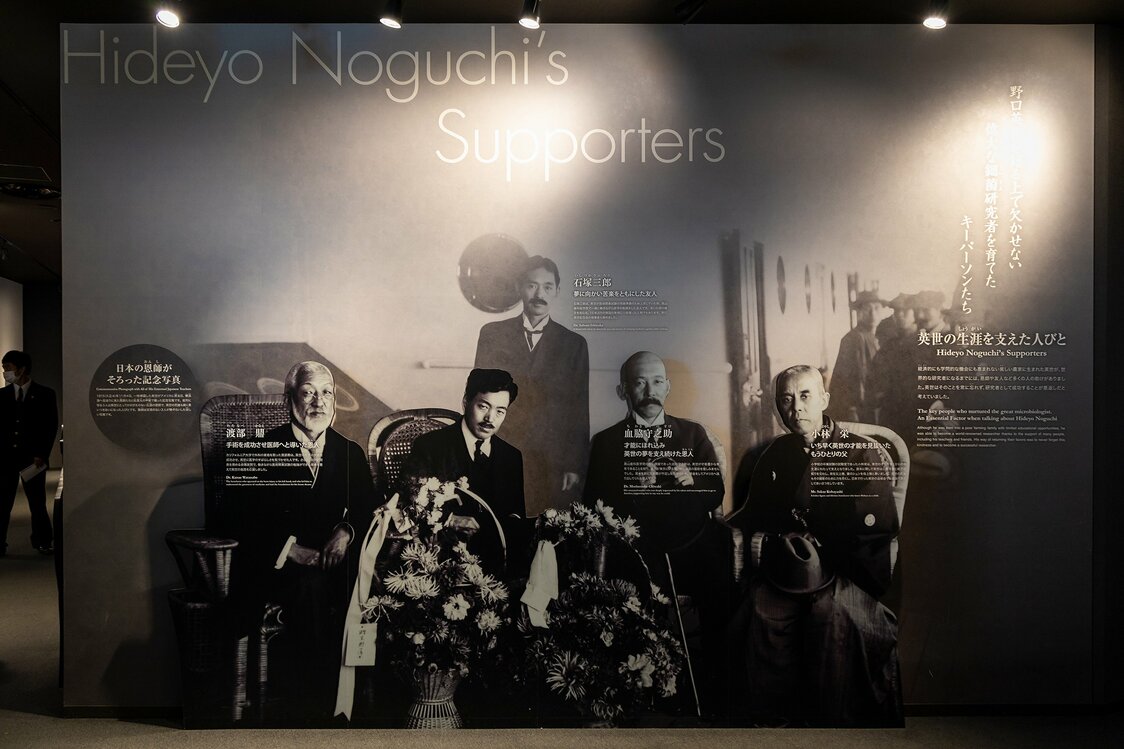
Noguchi, seated at second from left, poses with key figures in his life in 1915, during his only trip back to Japan after leaving for the United States in 1900. From the left are Watanabe Kanae, the doctor who first operated on Noguchi’s burned hand; Chiwaki Morinosuke, a dentist who served as mentor and sponsor to Noguchi; and Kobayashi Sakae, an educator who opened the path to learning for the young Aizu boy. At the rear stands Ishizuka Saburō, Noguchi’s lifelong friend and colleague at the Takayama College of Dentistry, where Chiwaki secured him a job.
-
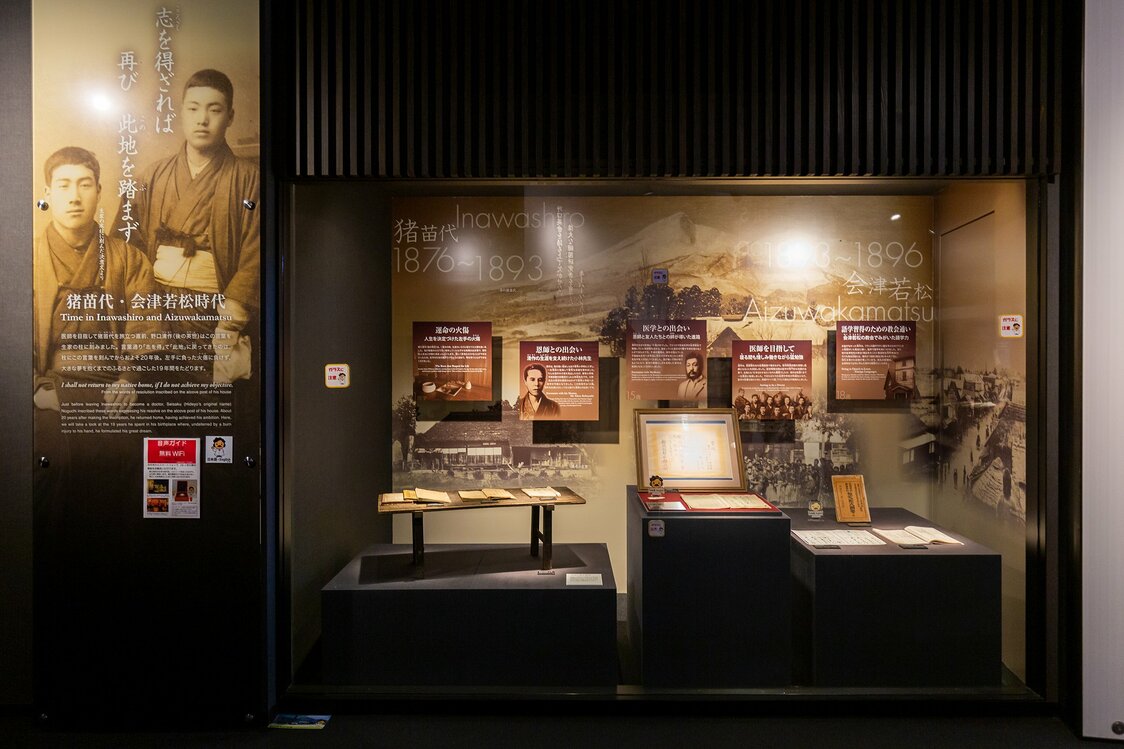
A museum display detailing Noguchi’s time in Inawashiro and Aizu-Wakamatsu. The large photo at left, the first ever taken of Noguchi, shows him standing at right, his hand swaddled in post-operation linen, along with his friend Yago Yasuhei.
-
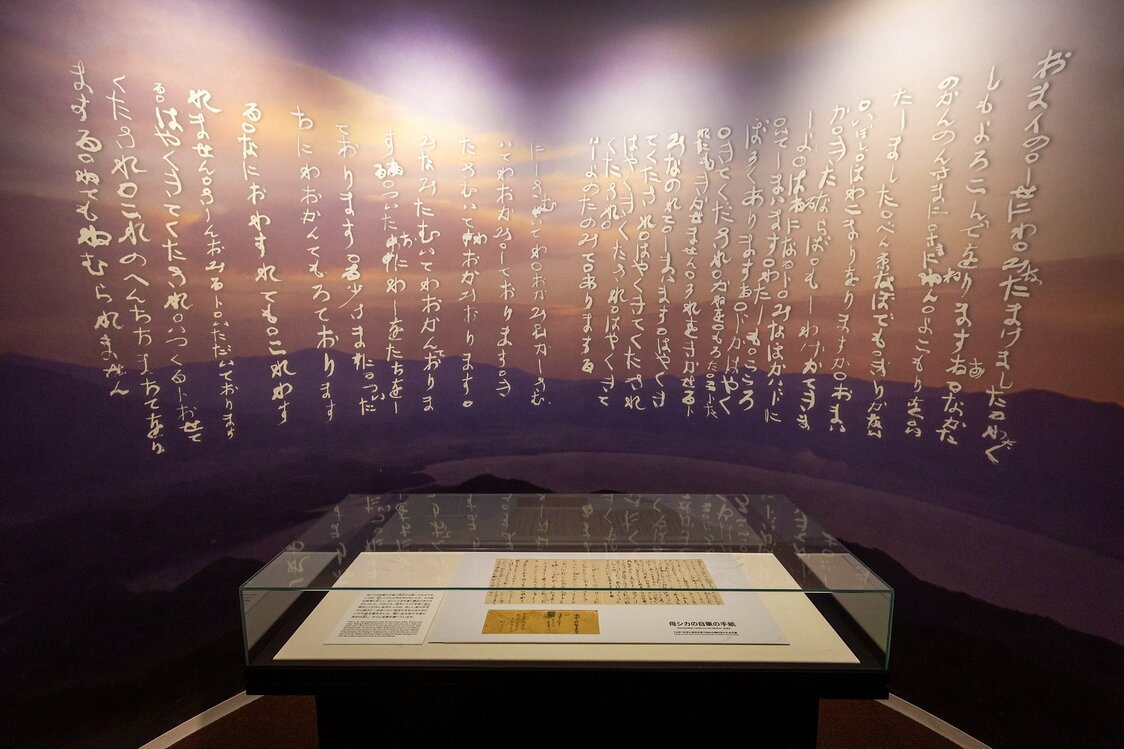
Noguchi always kept this letter from Shika, his mother, as a memento; its plaintive urging that he come home to Japan convinced him to return in 1915.
-
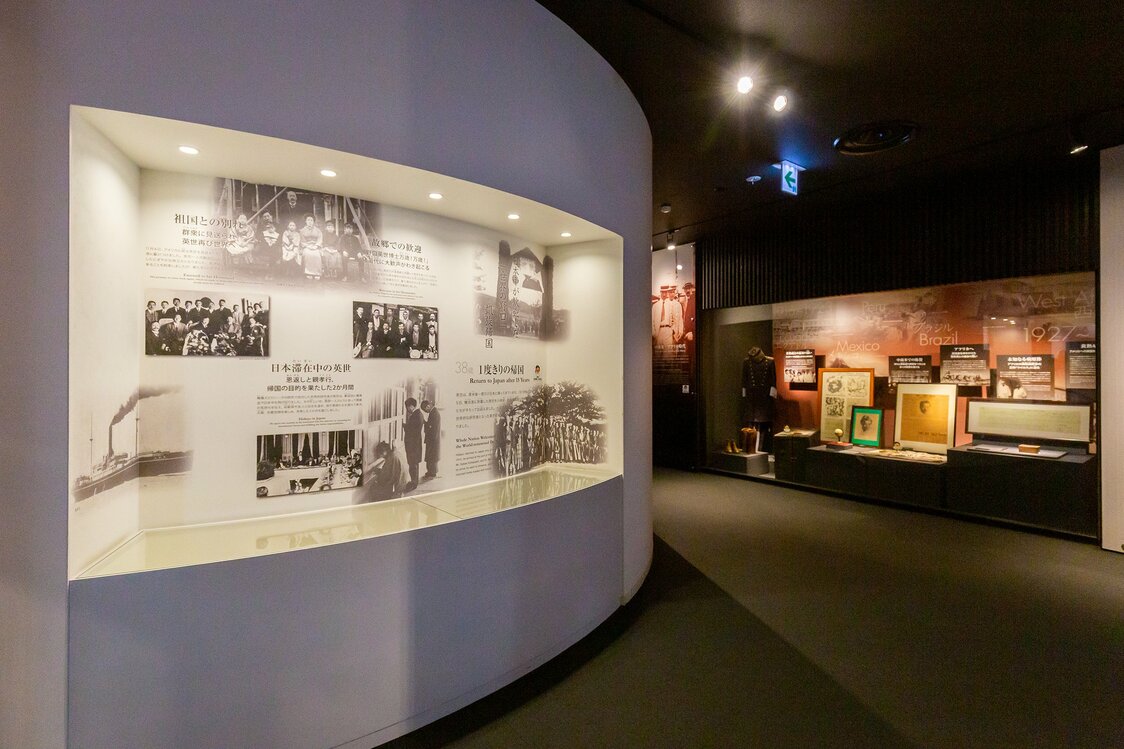
Photographs depicting the hero’s welcome Noguchi enjoyed all around Japan when he came back in 1915.
-
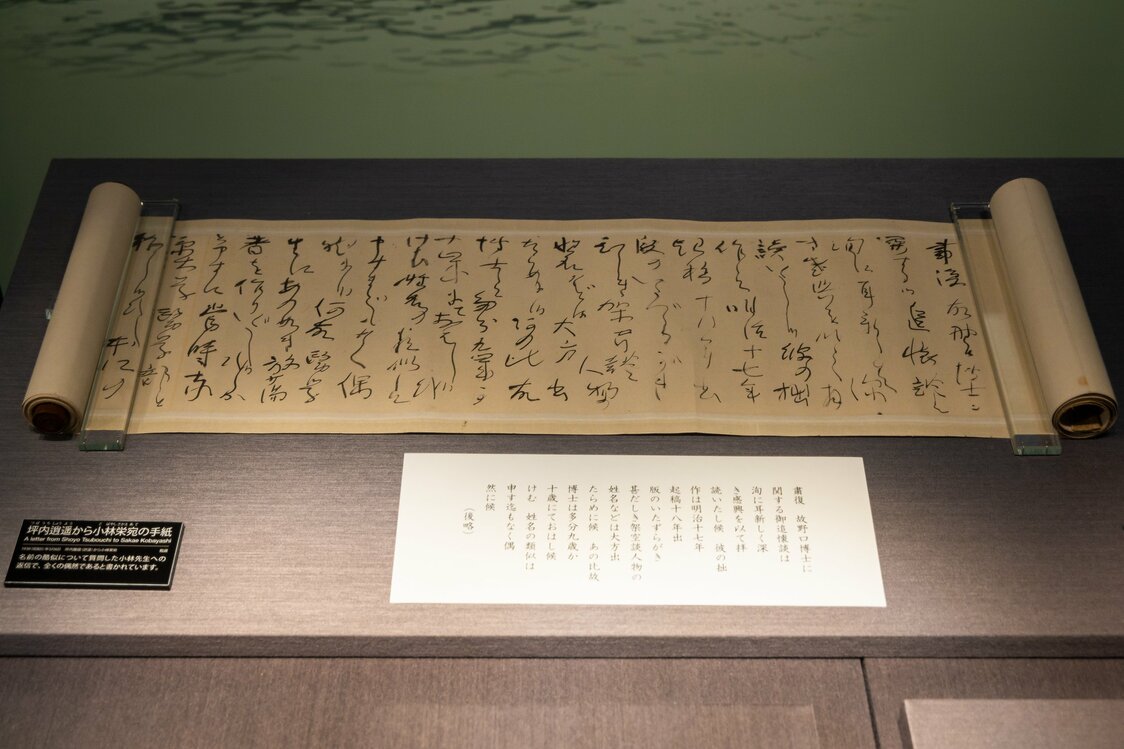
A letter from Tsubouchi Shōyō to Kobayashi Sakae, penned after Noguchi’s death, explains that his book had been written when Noguchi was only nine or so, and was not patterned after his behavior in Tokyo later in life.
-
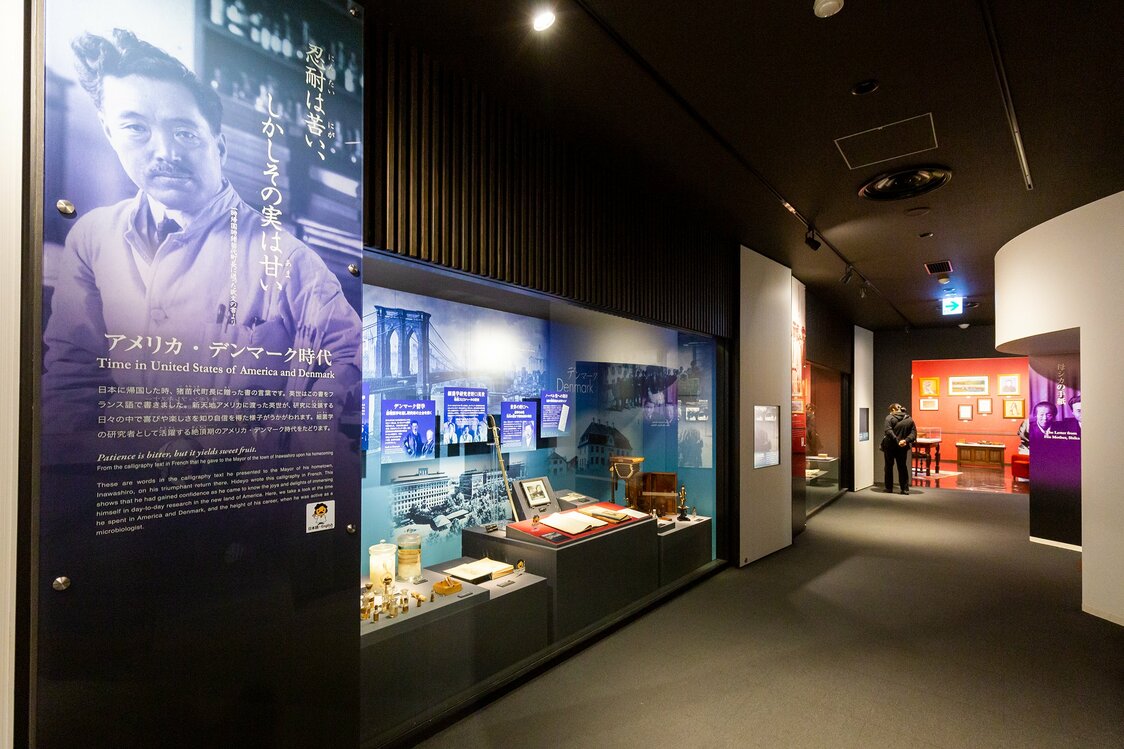
Displays chronicle his years of success in the United States and Denmark.
-
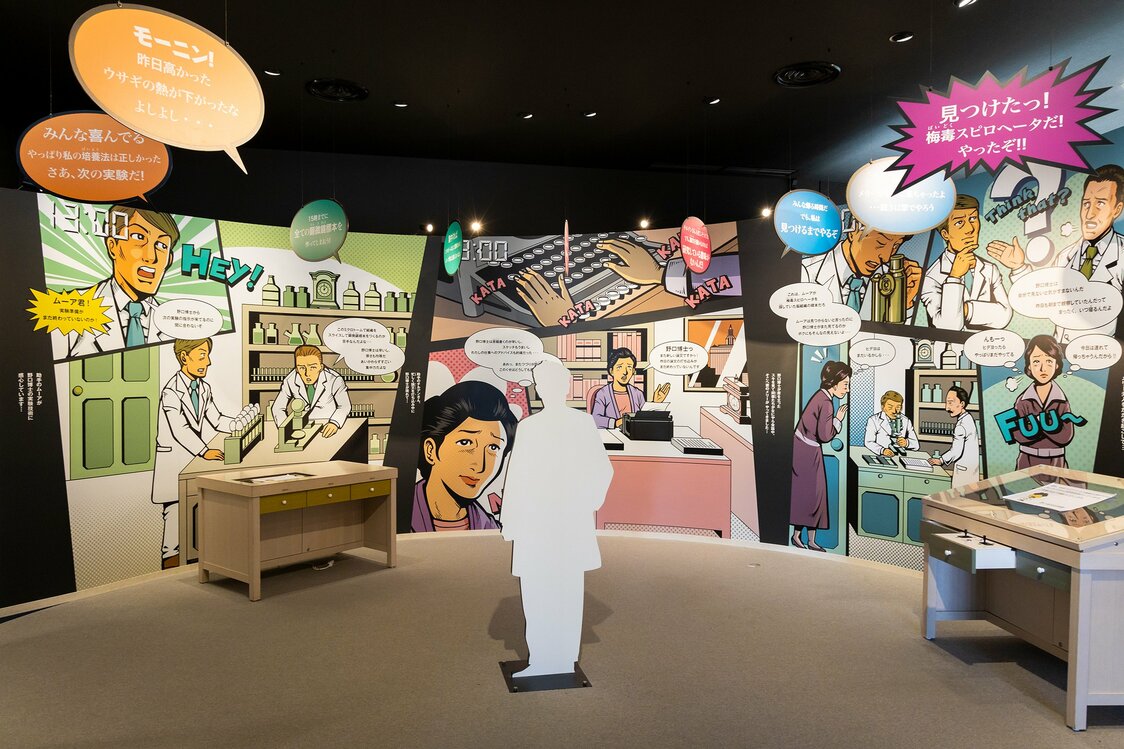
“A Day in the Life of Dr. Noguchi” chronicles his activities in the laboratories of the Rockefeller Institute.
-
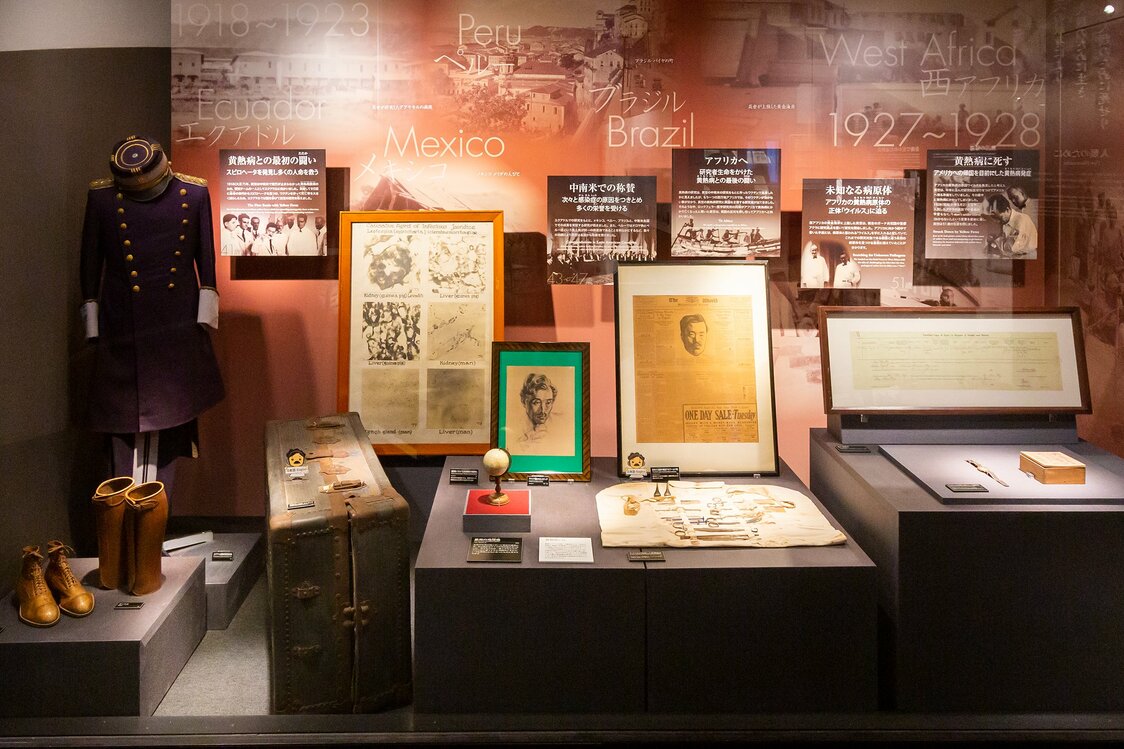
Noguchi’s work was hailed in South America; in Ecuador he was named an honorary colonel of the army.
-
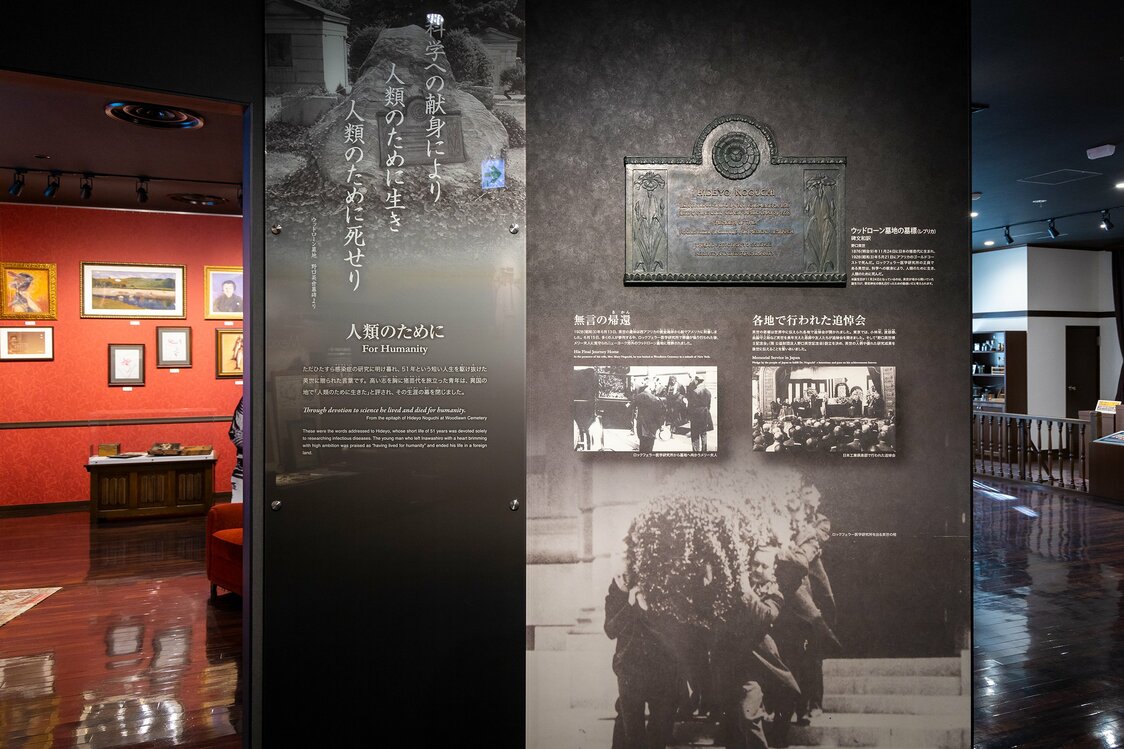
Photos from Noguchi’s funeral in New York and a replica of his tombstone, which stands in Woodlawn Cemetery.
-
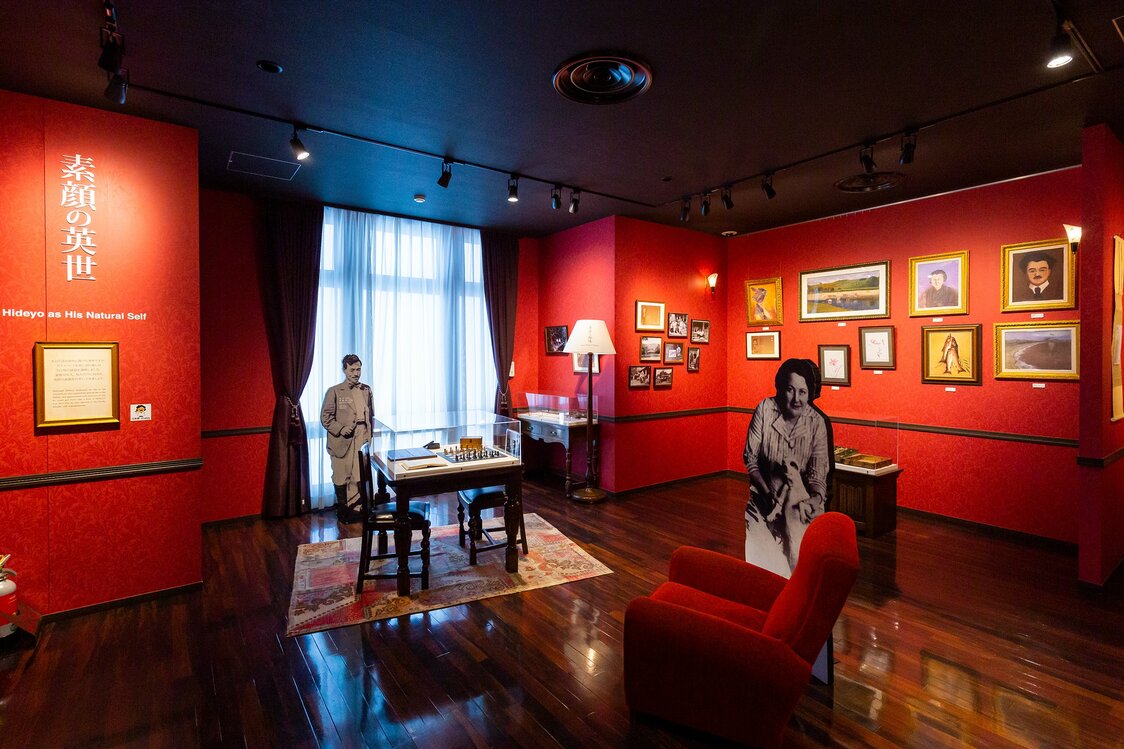
Paintings by Noguchi decorate the walls, and a favorite chess board sits on the table, ready for a match.
-
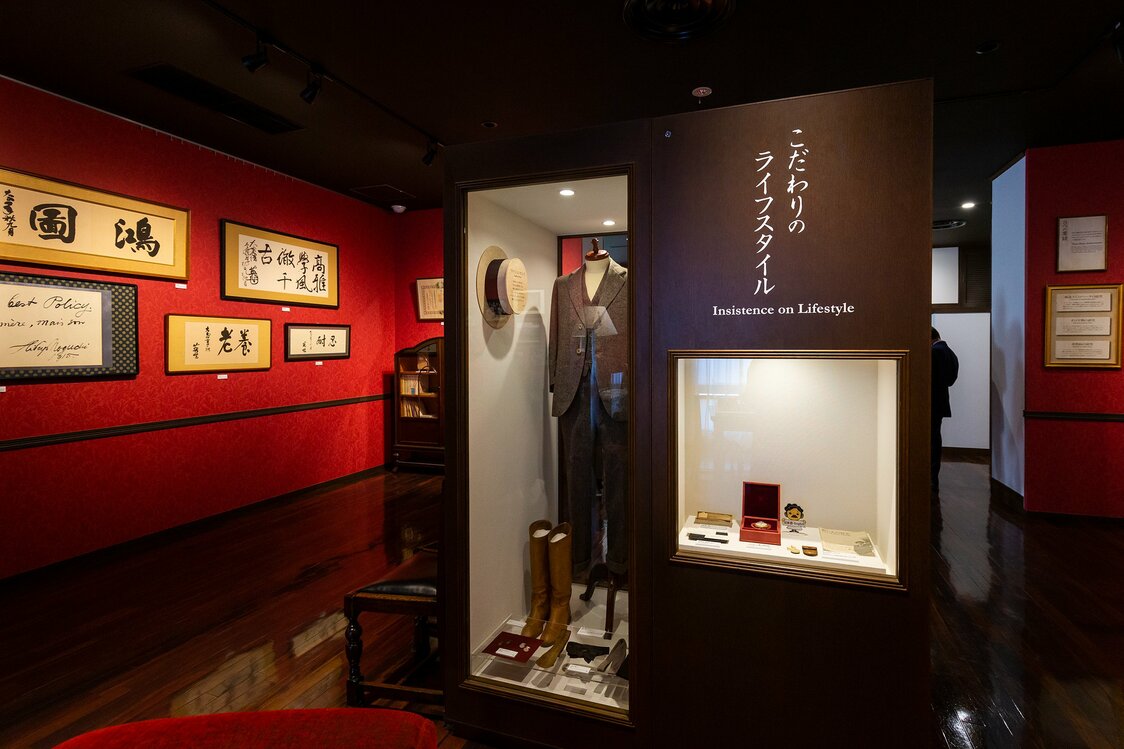
Fascinated by new things and a follower of fashion, Noguchi wore stylish suits and boots and was a dedicated user of dental floss. On the wall at left are calligraphic works he wrote himself.
-
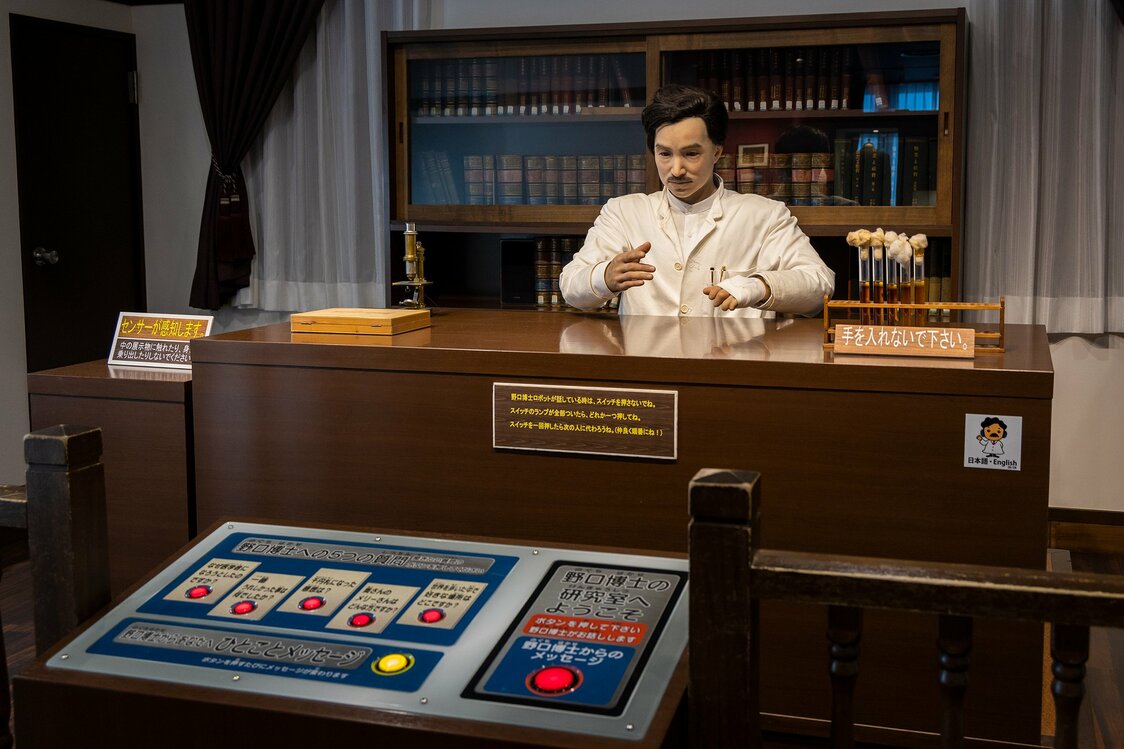
The Noguchi robot answers visitors’ questions with plenty of natural expressions and motions.
-
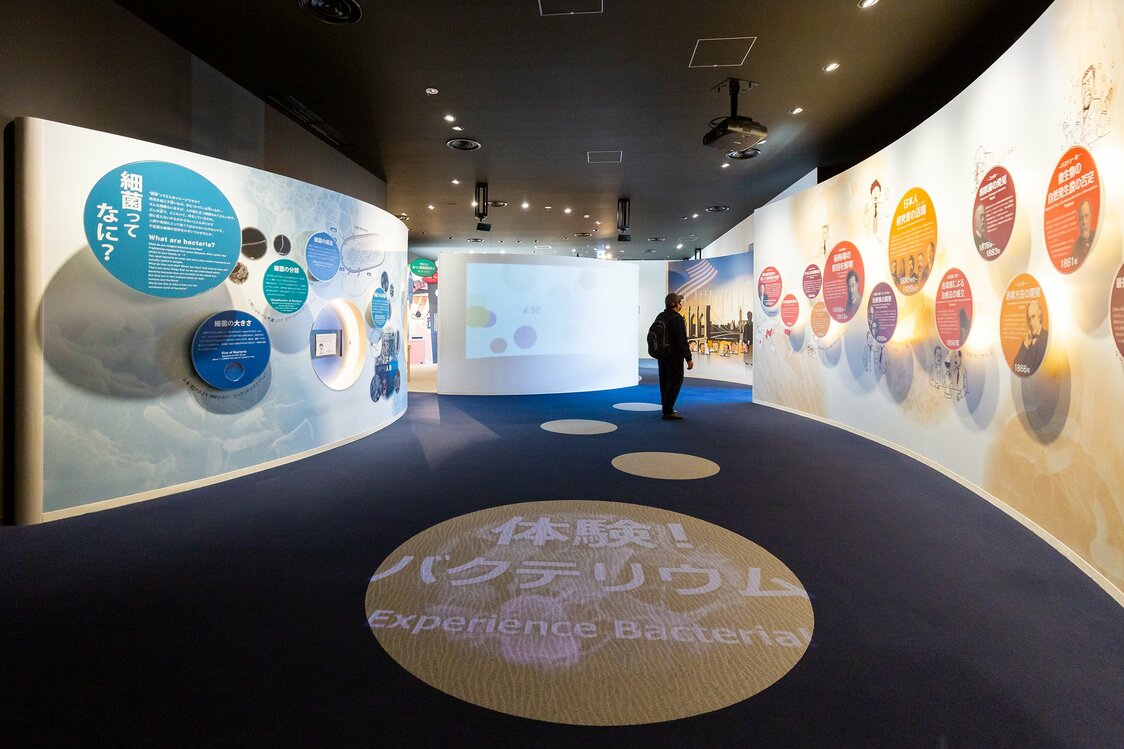
A scientific section of the museum shares basic information on bacteria and the history of infectious disease research.
-
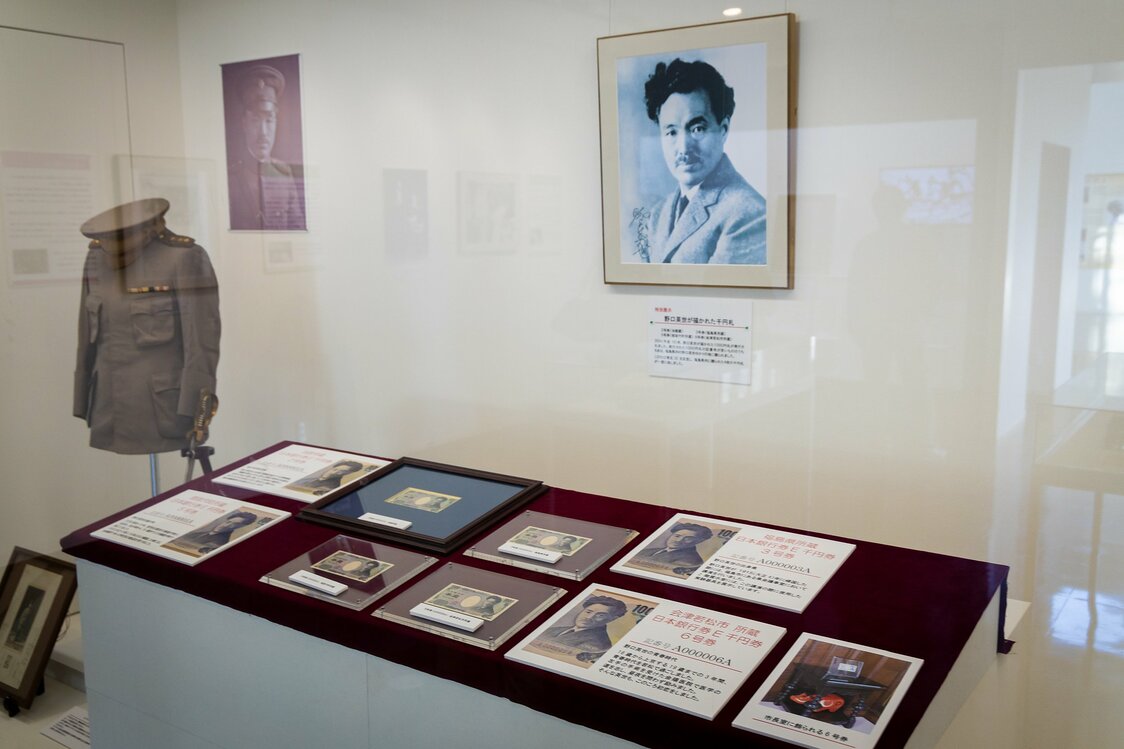
The photograph that was the basis for the portrait on the thousand-yen note is part of an exhibit on the currency.


 Read in other languages