-
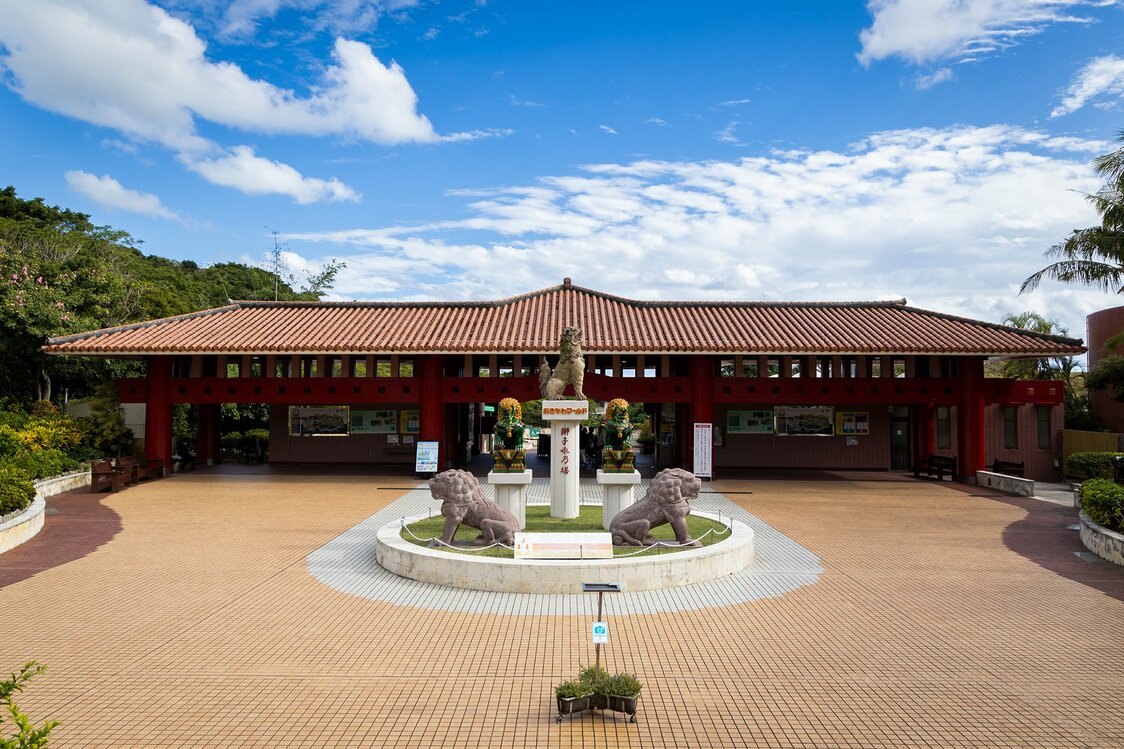
The entrance of Okinawa World features a traditional red-tiled roof and the Shishiku-no-Tō monument displaying Okinawa’s lion-like shīsa.
-
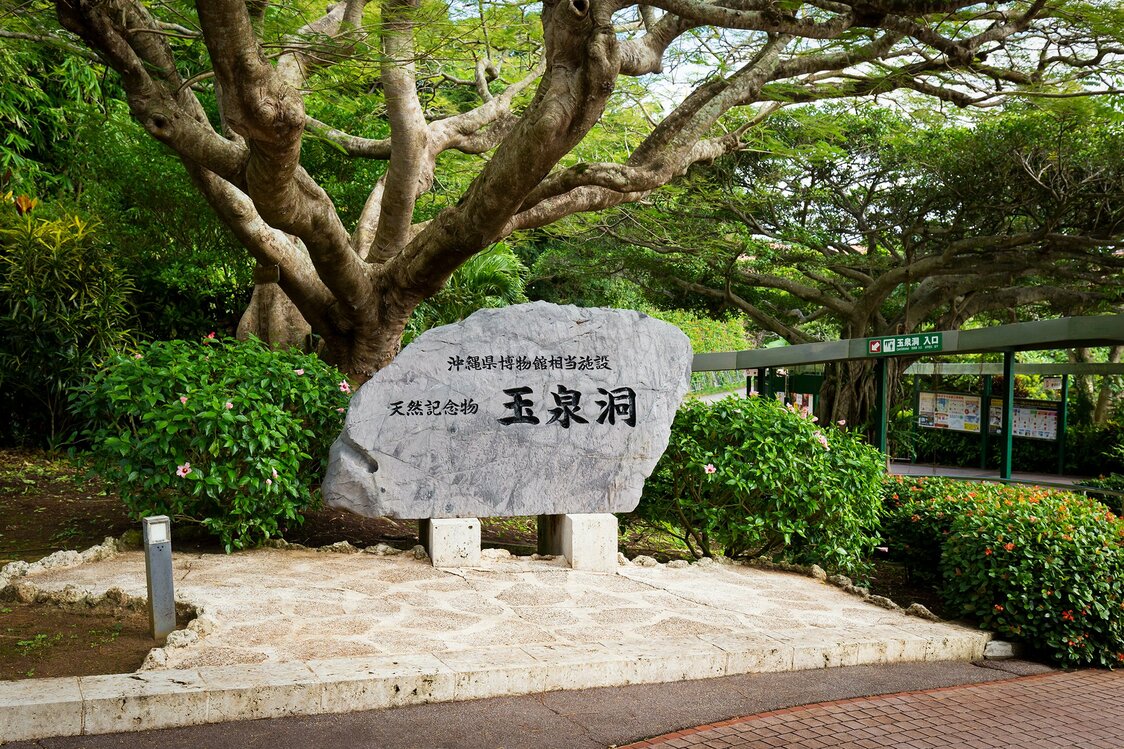
A large stone marks the entrance to the Gyokusendō limestone cave.
-
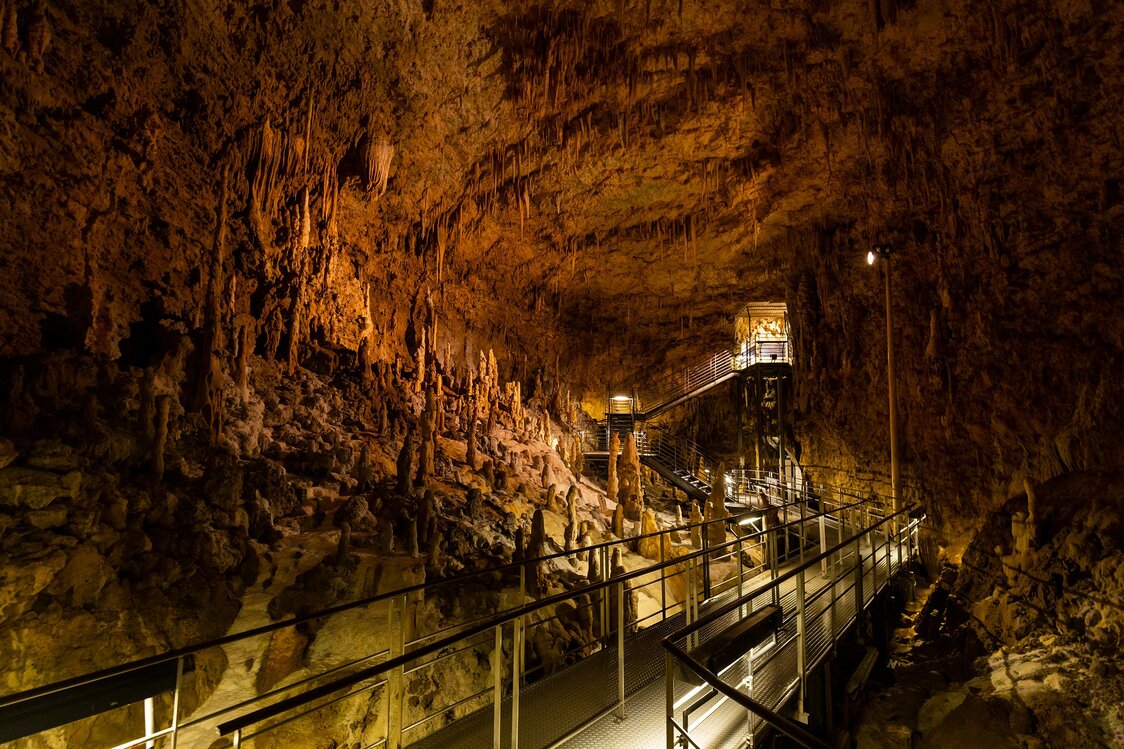
Stalactites and stalagmites jut from the walls of Gyokusendō’s cavernous Tōyōichidō chamber.
-
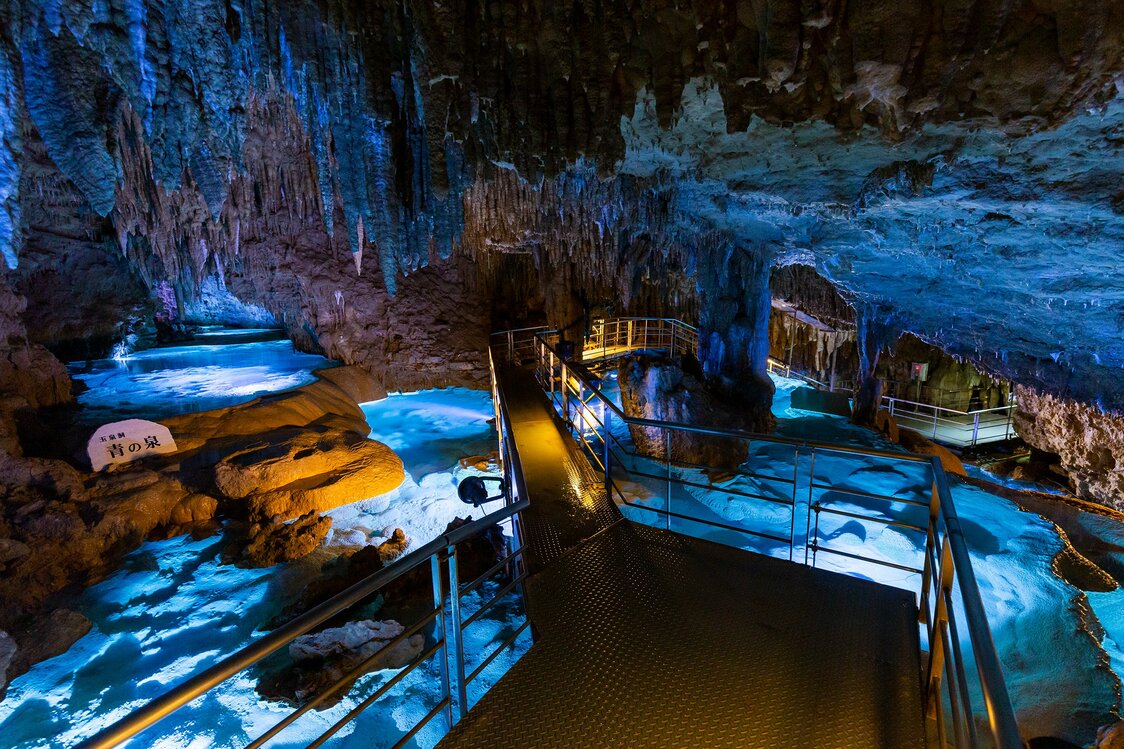
The iridescent blue Ao no Izumi is one of the many underground pools in the cave.
-
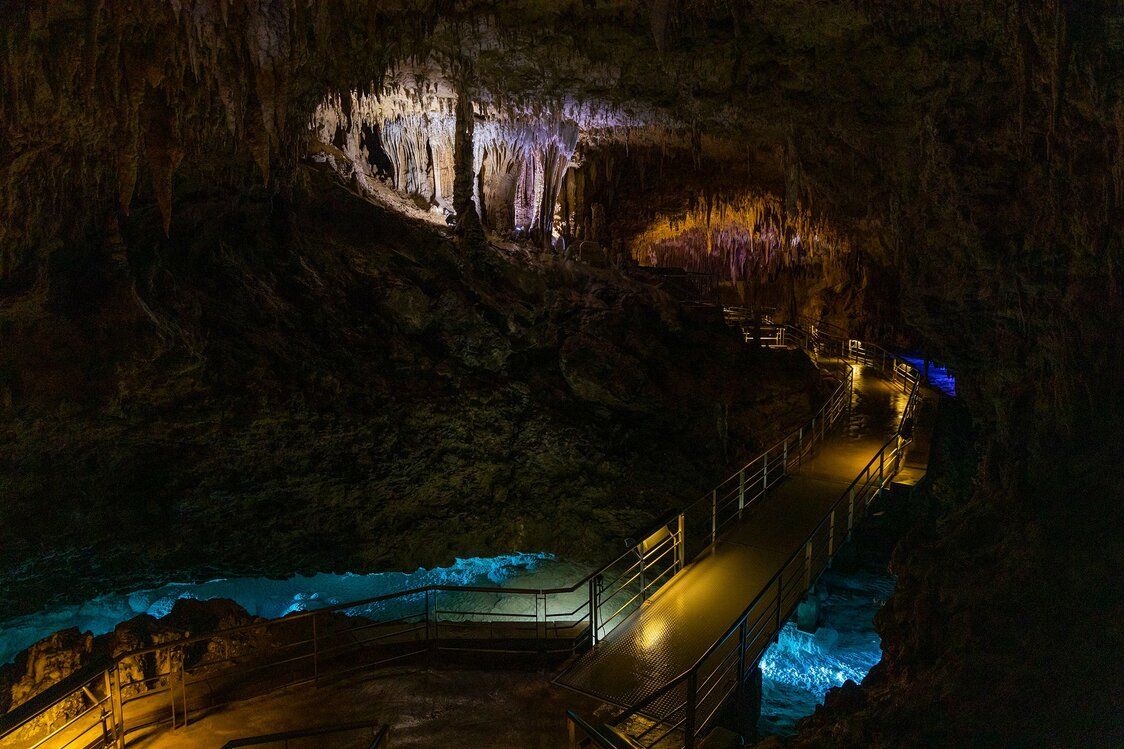
Colored lights enhance the mystical underground atmosphere.
-

A wide variety of fruiting plants grow in the tropical orchard, including many local specialties.
-
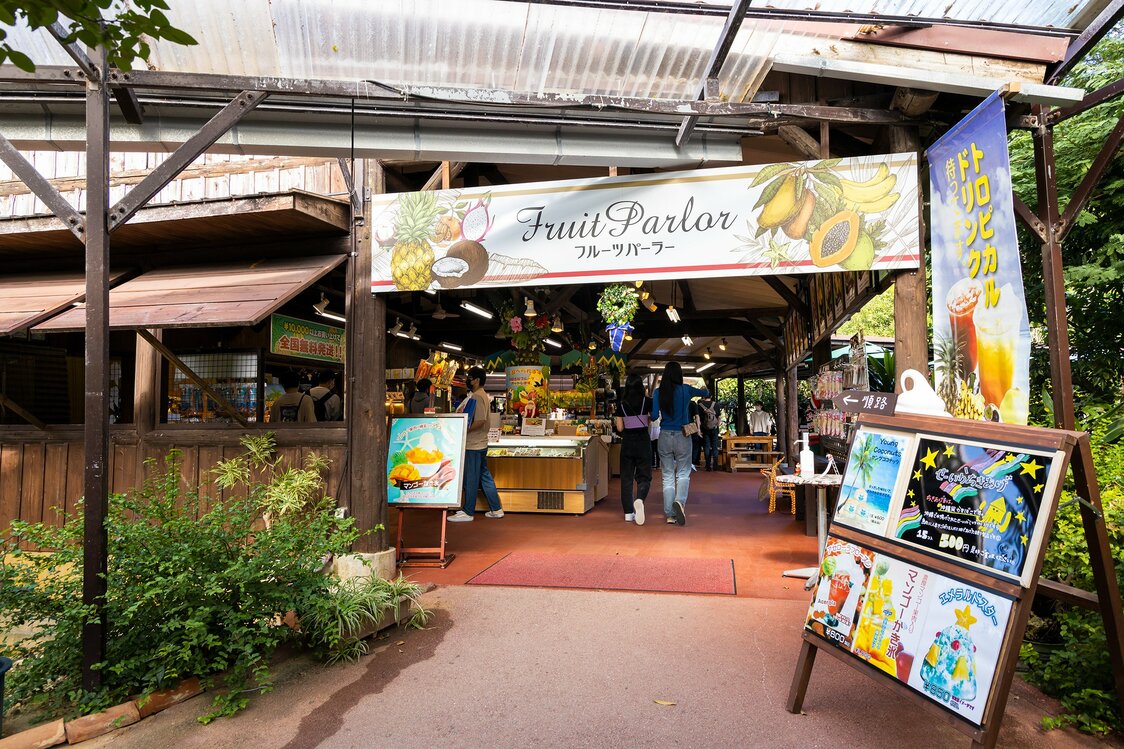
Visitors can enjoy treats like fresh juice at the Fruit Parlor refreshment stand.
-
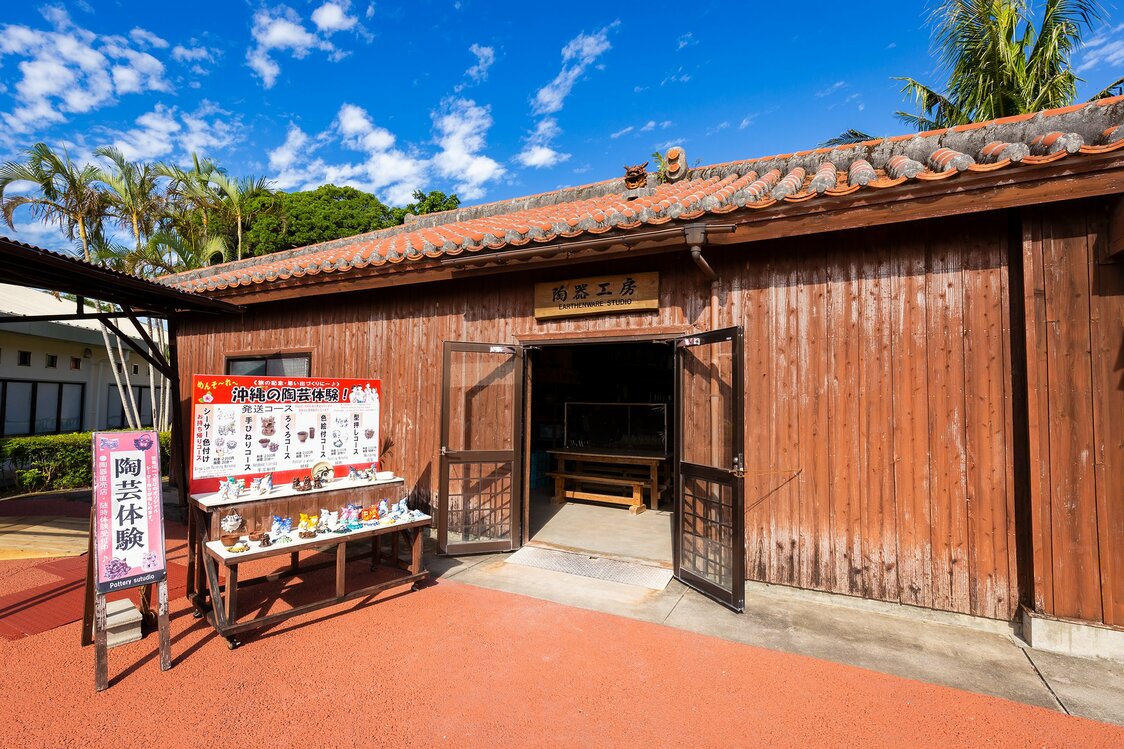
A yachimun ceramics workshop inside a traditional house.
-
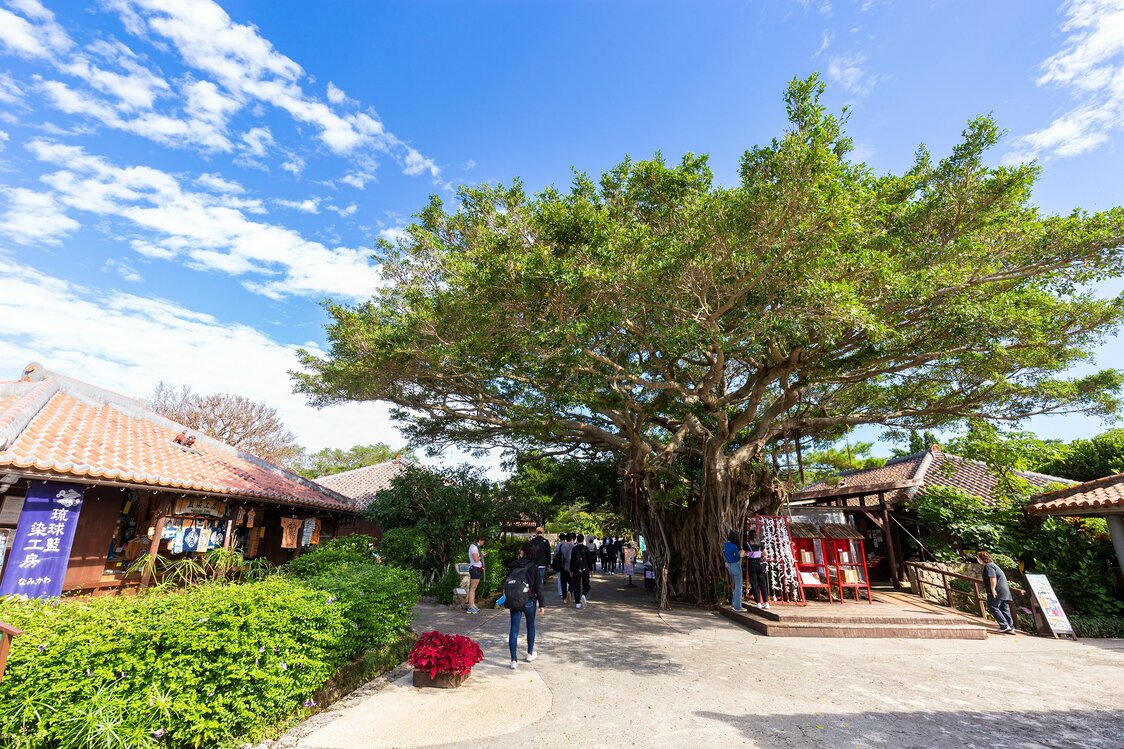
Traditional houses with red-tiled roofs in the Kingdom Village.
-
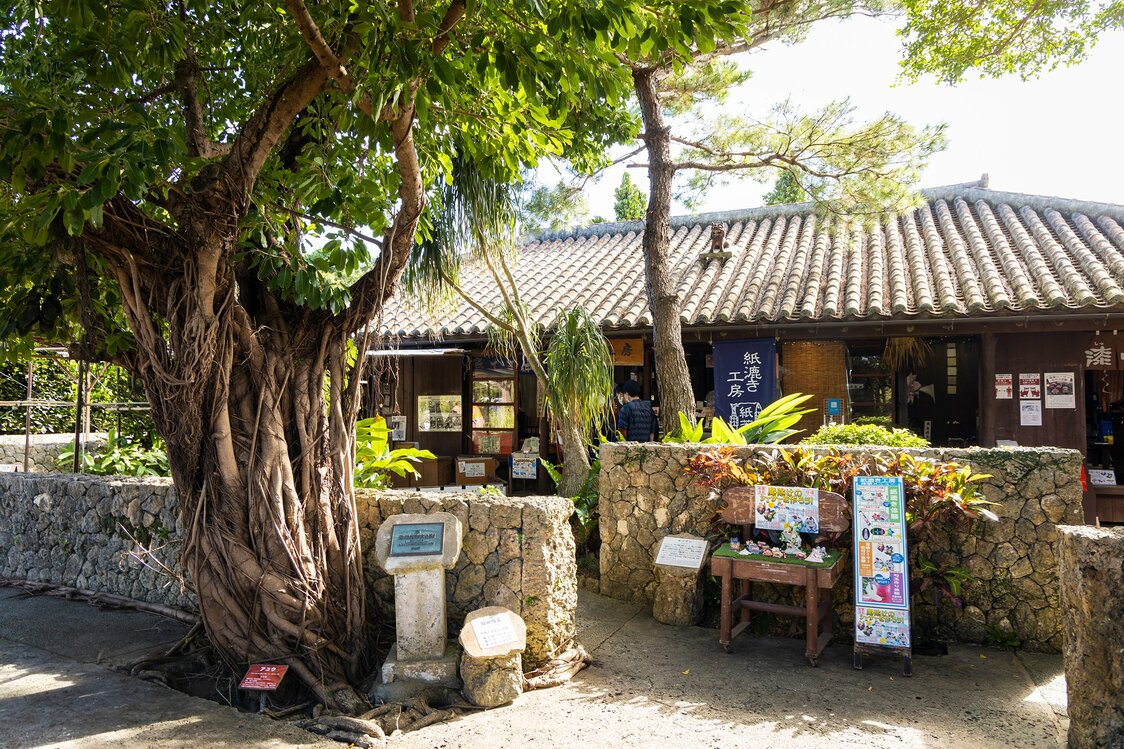
The former Taba family residence is registered an important cultural property. It houses a workshop for traditional paper making.
-
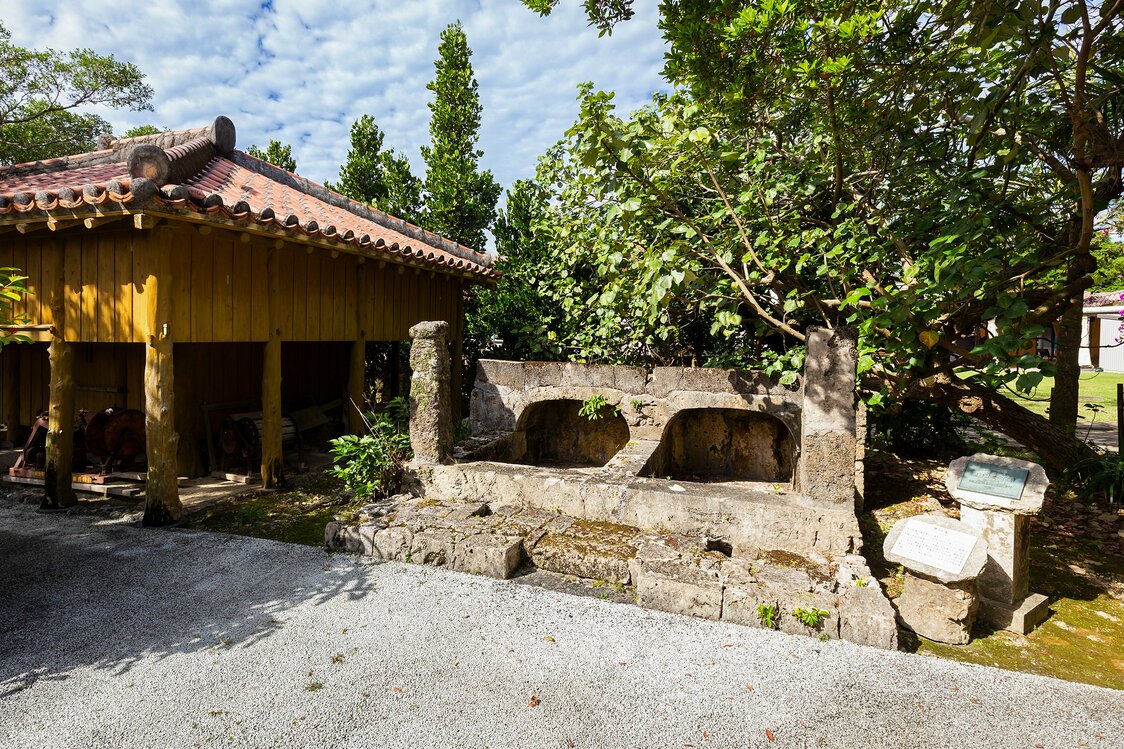
A fūru at the former residence of the Chinen family dates from the nineteenth century. The stone structure served as a latrine and pen, with the human excrement used to feed pigs. Fūru were used until fairly recently, but were banned in the postwar period as unsanitary.
-
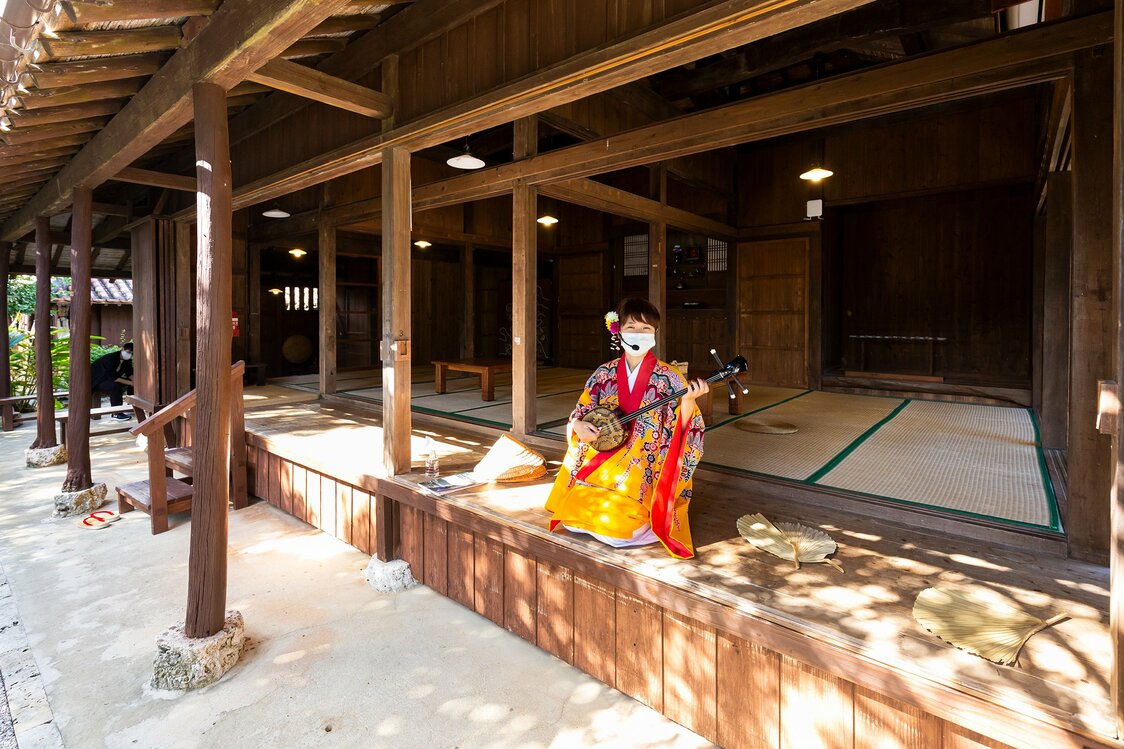
A performer plays a sanshin, a traditional Okinawan three-string instrument similar to a shamisen. Visitors are welcome to give it a try.
-
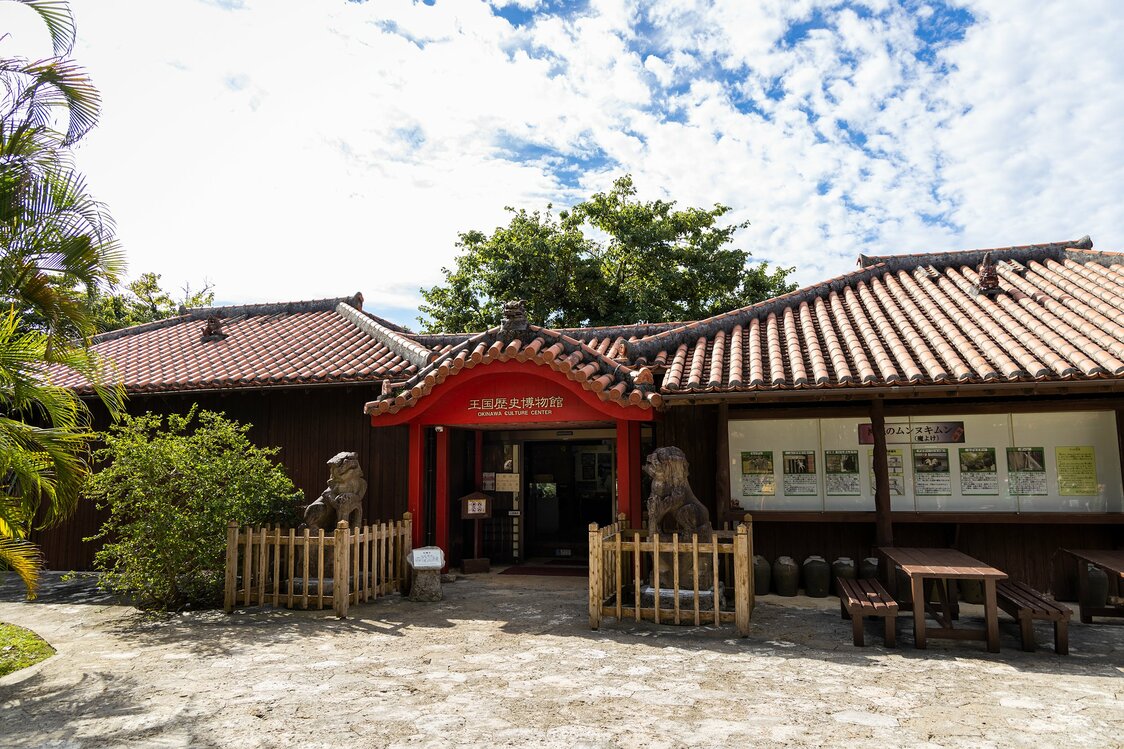
The Okinawa Culture Center. Like many other buildings in the park, it has a red-tiled roof in the traditional Okinawan style.
-
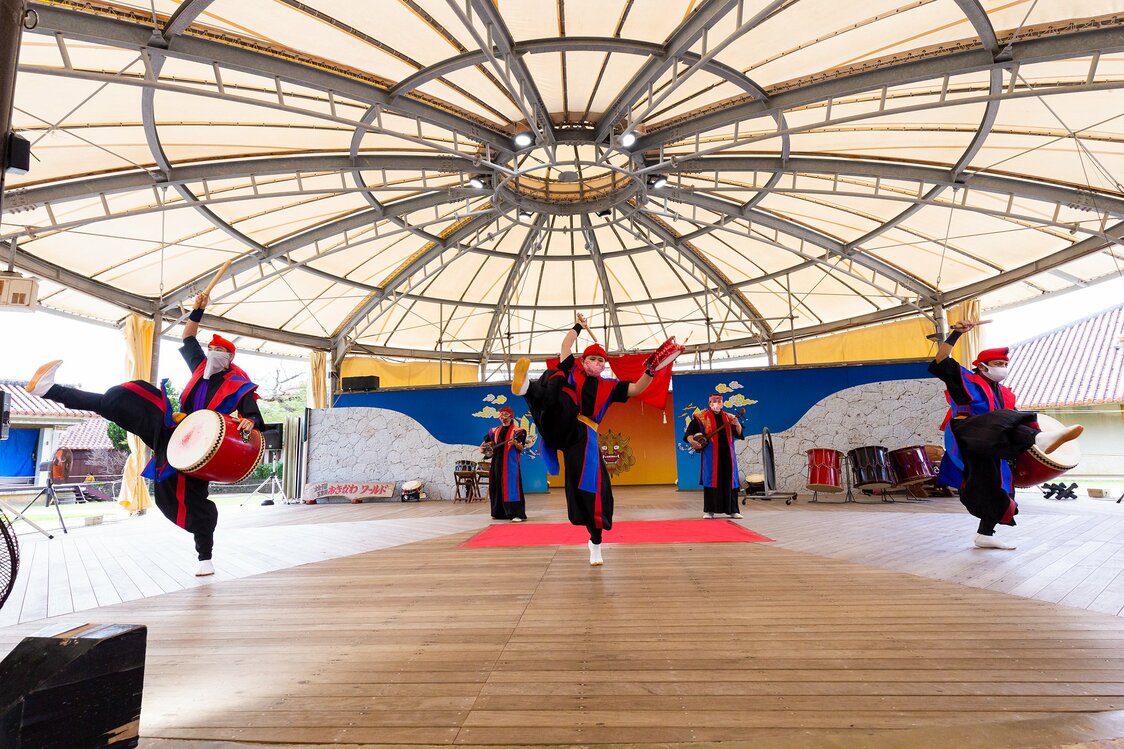
Dancers perform in the Super Eisā Show, which lasts around 30 minutes.
-
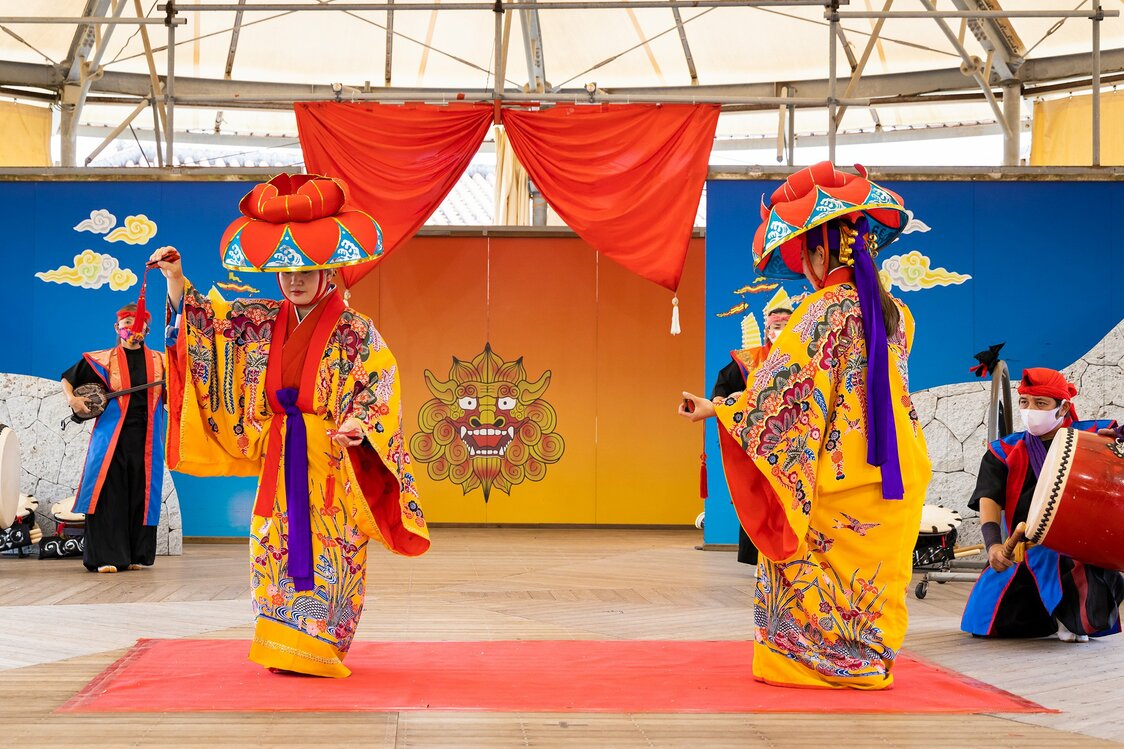
A performance of the Okinawan dance yuchidaki. There are also shows of the Okinawan version of the shishimai lion dance and the angama from the Yaeyama Islands.
-
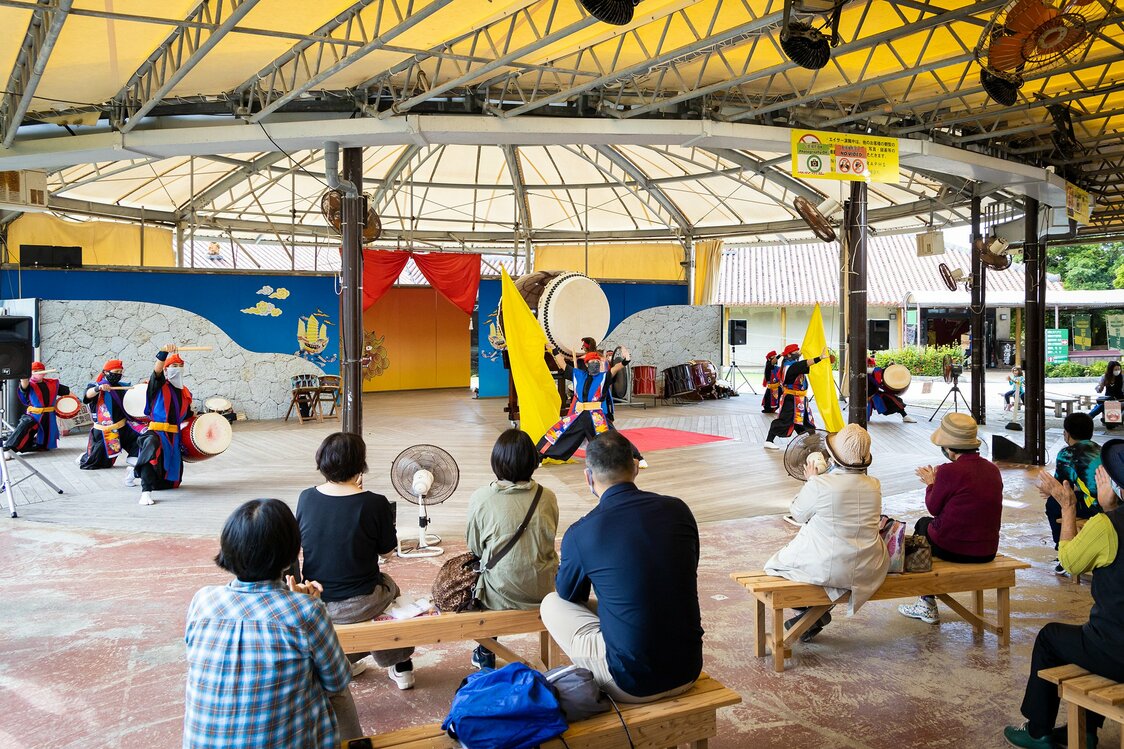
The spacious, open-air performance pavilion.
-
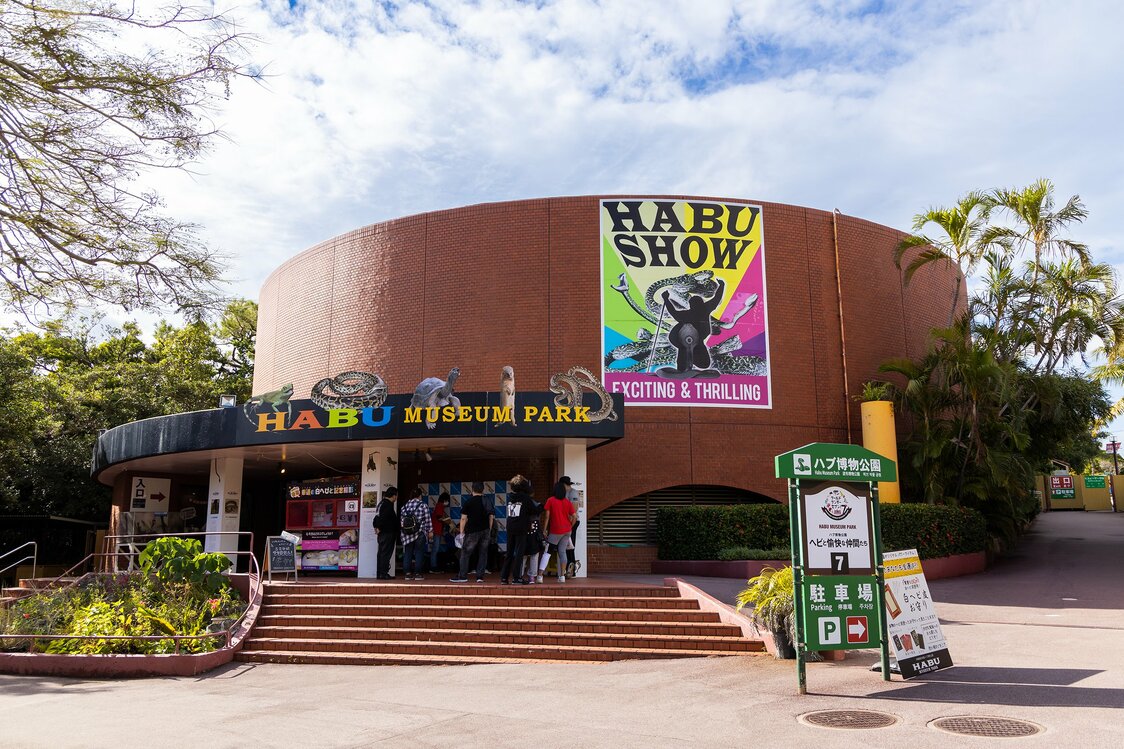
The Habu Museum Park has exhibits on different species of lizards and other animals found in Okinawa.
-
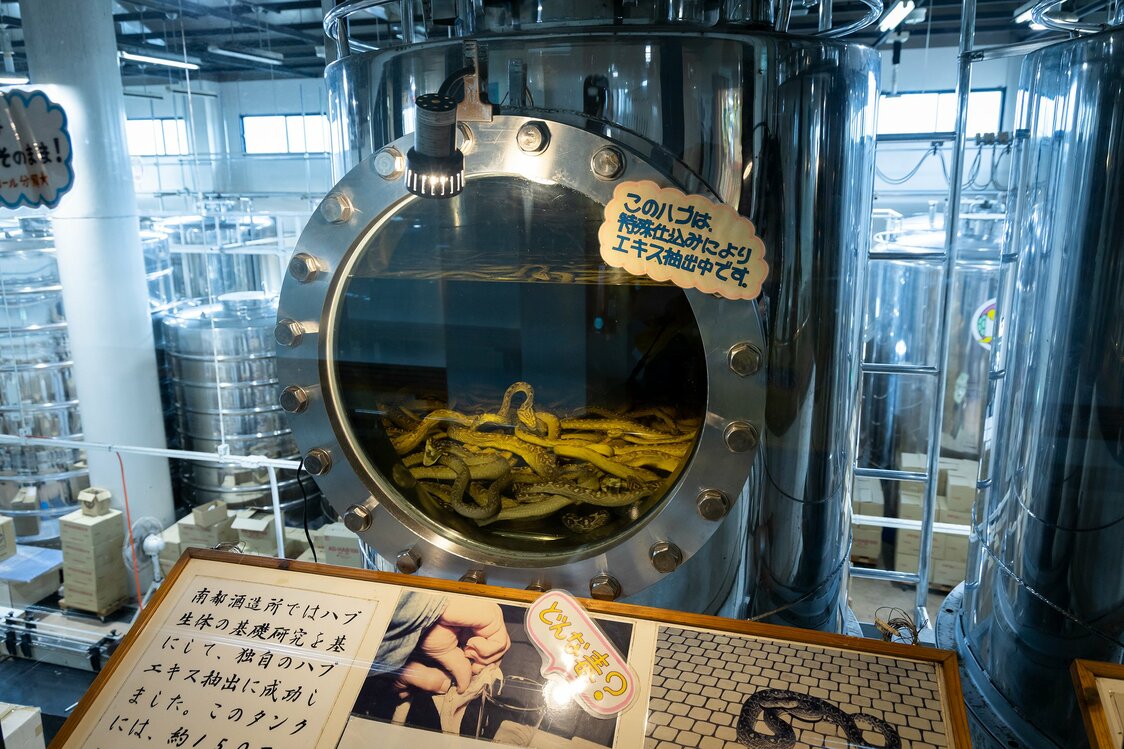
A snake-filled vat of habushu.
-
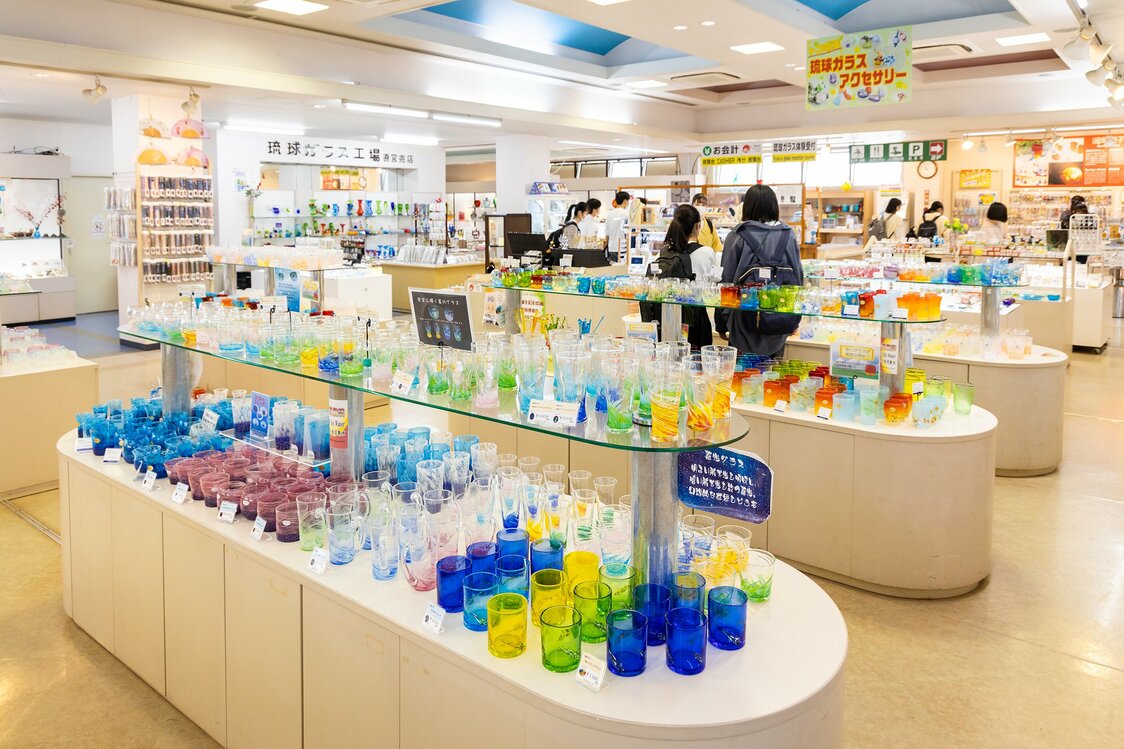
Souvenir shopping at the park’s shop is the perfect way to finish a visit.


 Read in other languages