-
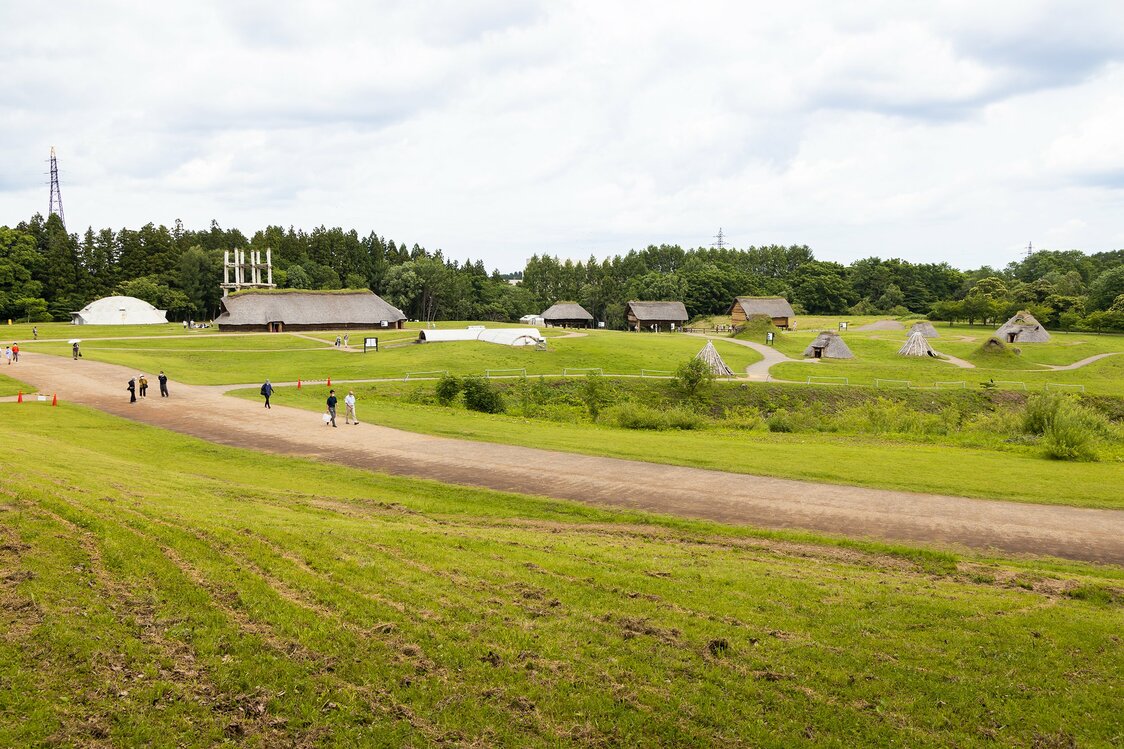
The Sannai Maruyama Jōmon site.
-
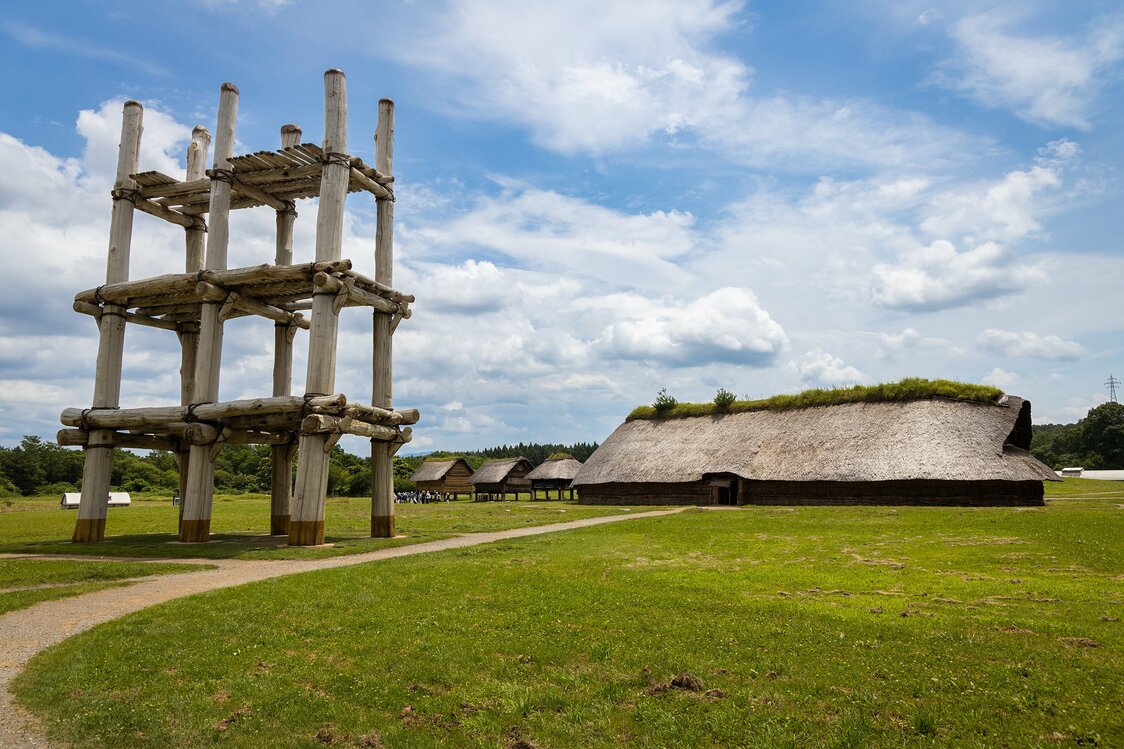
A towering pillar-supported structure, left, and reconstructed pit dwelling have come to symbolize the Sannai Maruyama site.
-
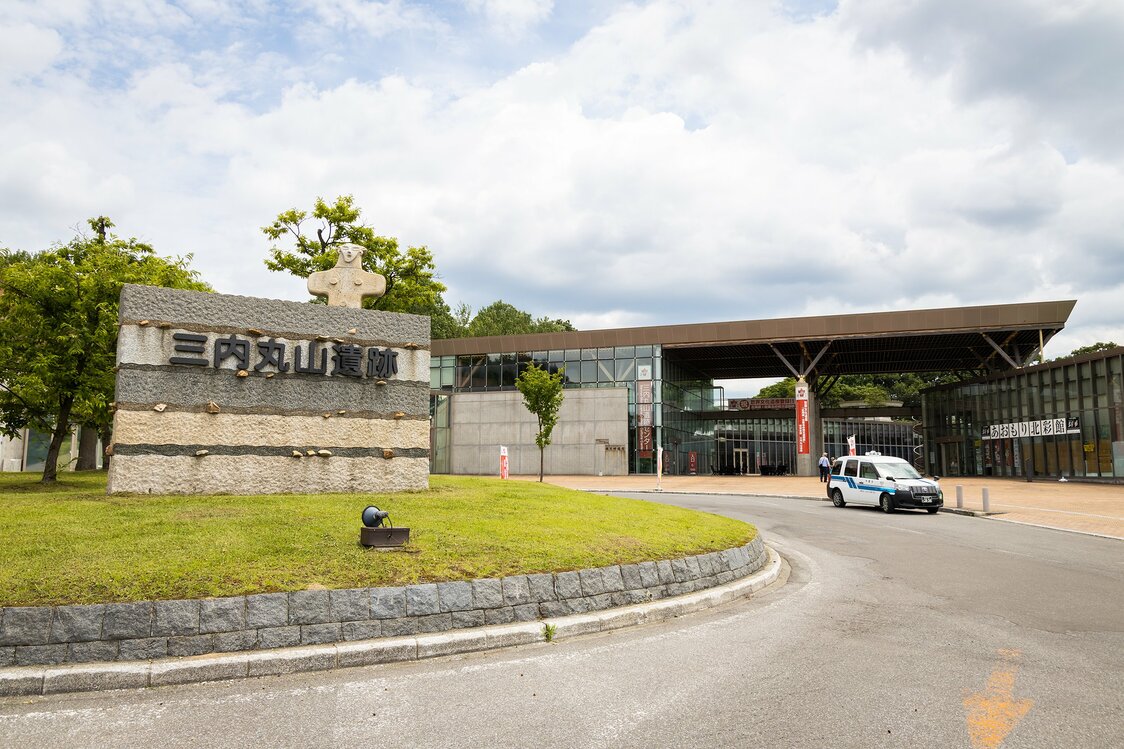
The front entrance of the Sannai Maruyama site.
-
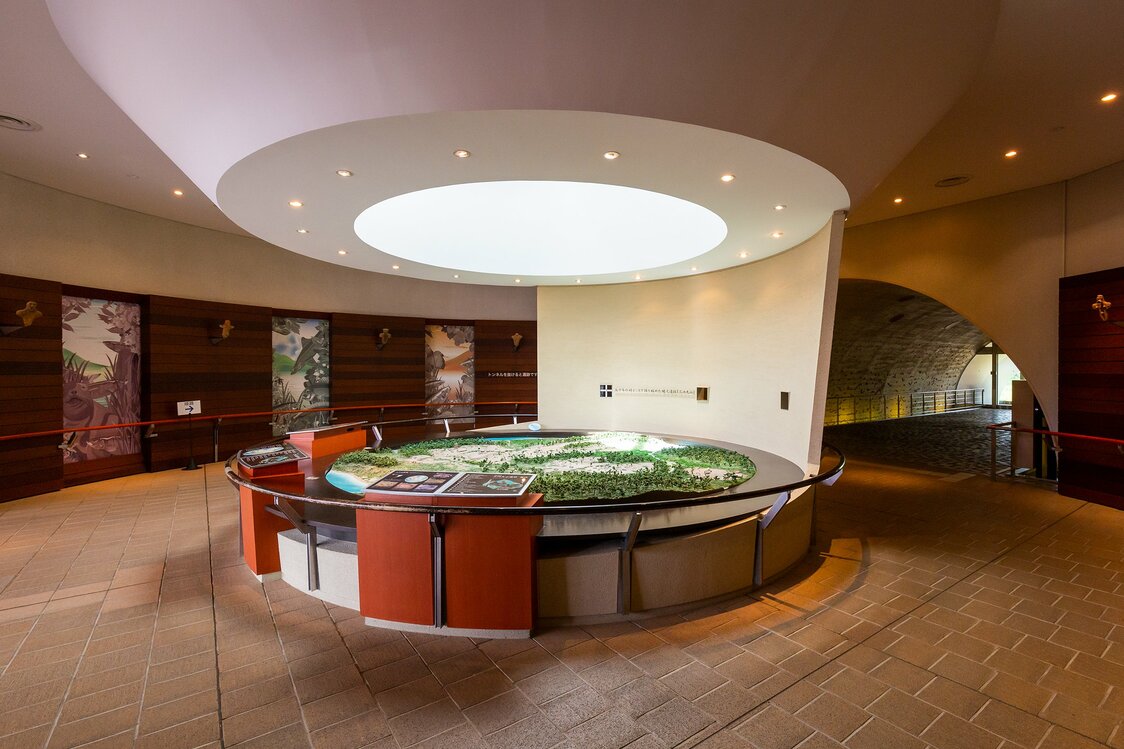
A diorama of the site greets visitors at the entrance of the Sannai Maruyama Jōmon Culture Center.
-
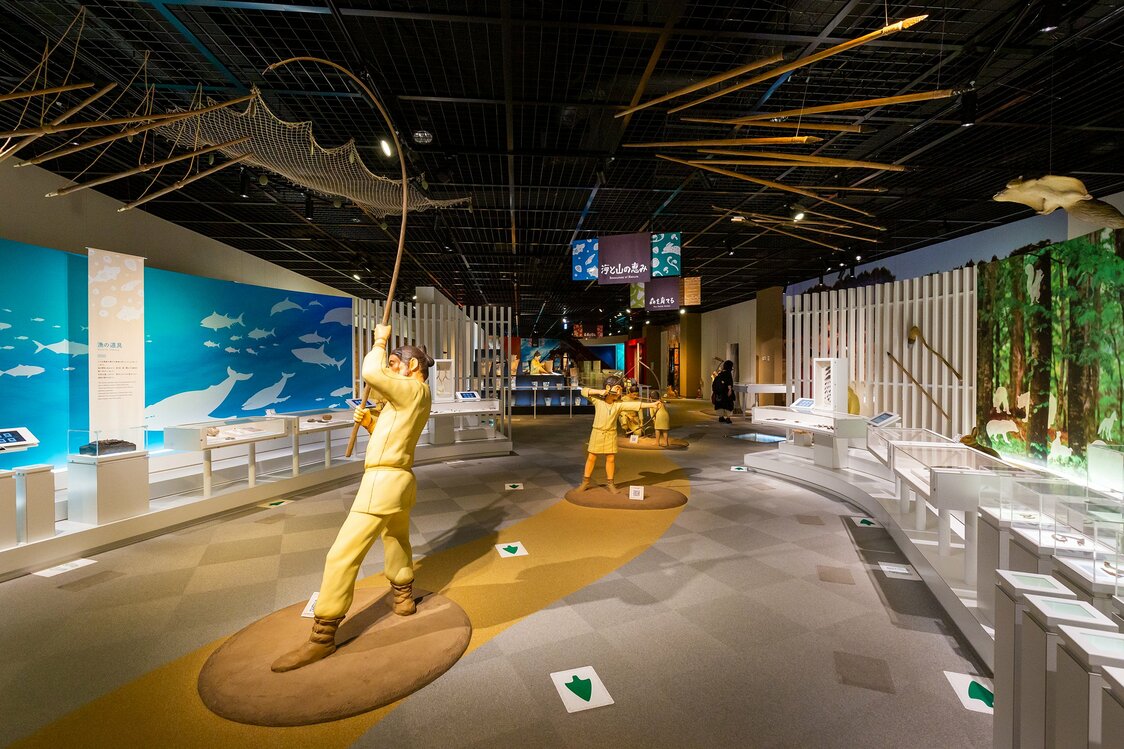
An exhibit at the Sanmaru Museum recreates life during the Jōmon period.
-
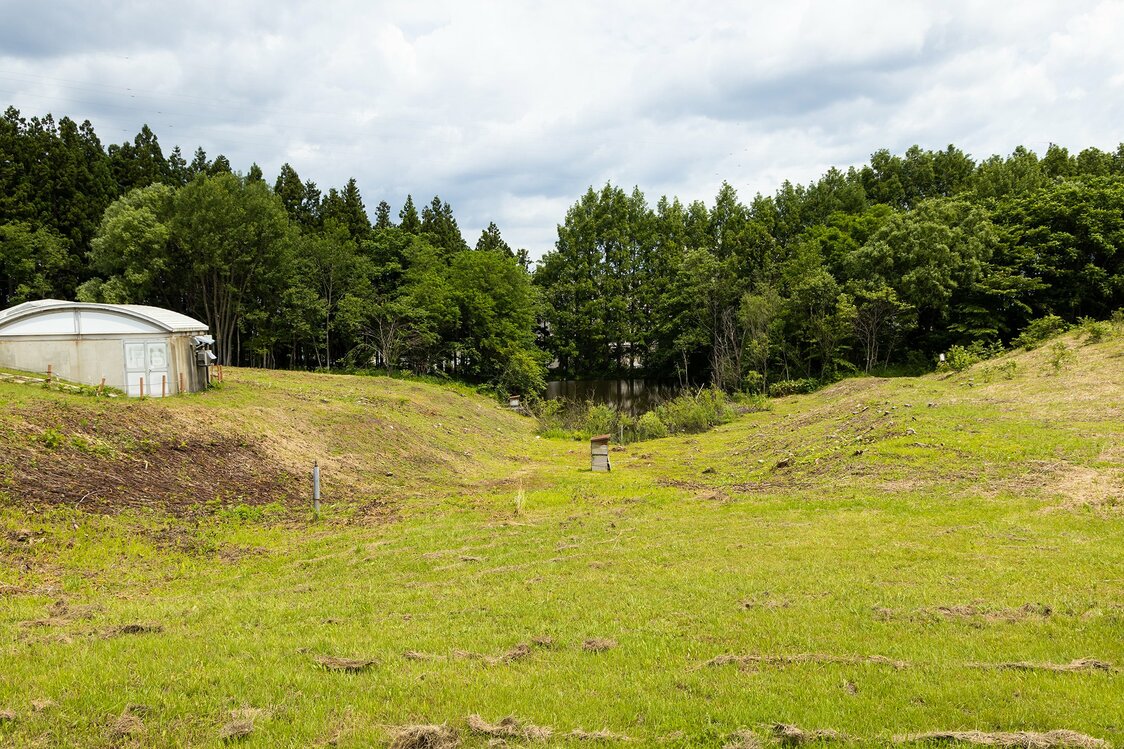
The Kitanotani midden. Cool, wet soil conditions at the garbage mound aided in preservation of artifacts. Excavation of the midden uncovered refuse of domestic life like lacquerware, wooden utensils, nuts and seeds, and animal and fish bones.
-
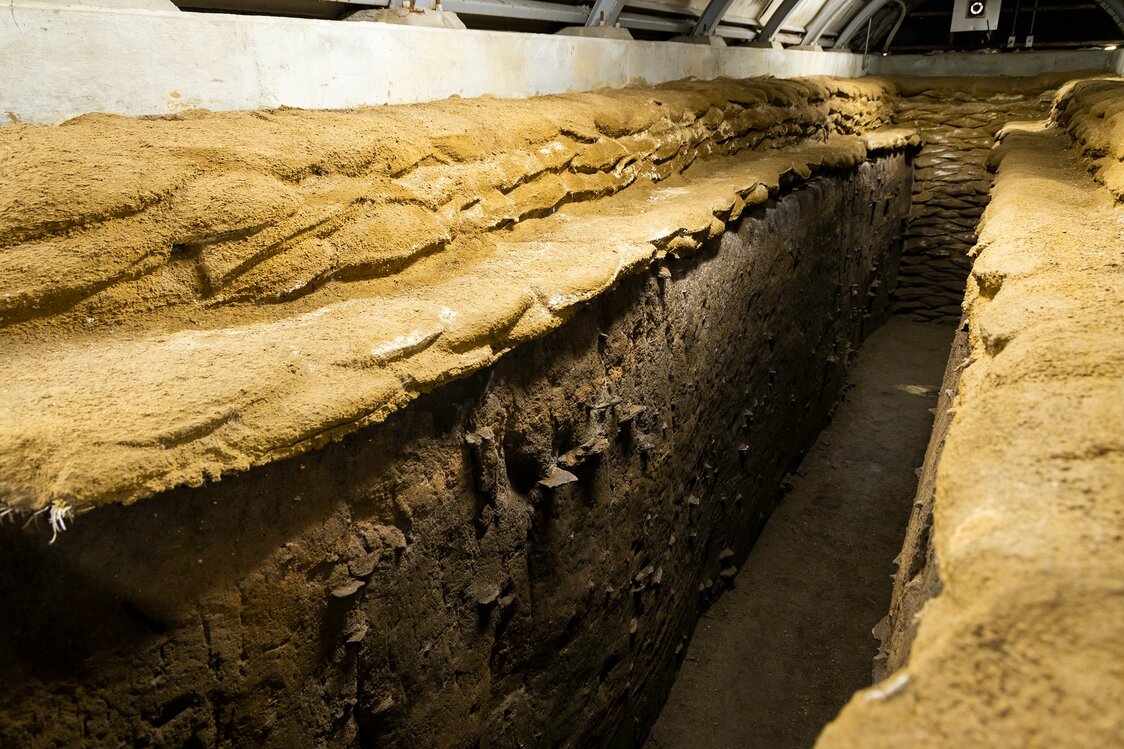
An exhibit showing artifacts in different layers of soil.
-
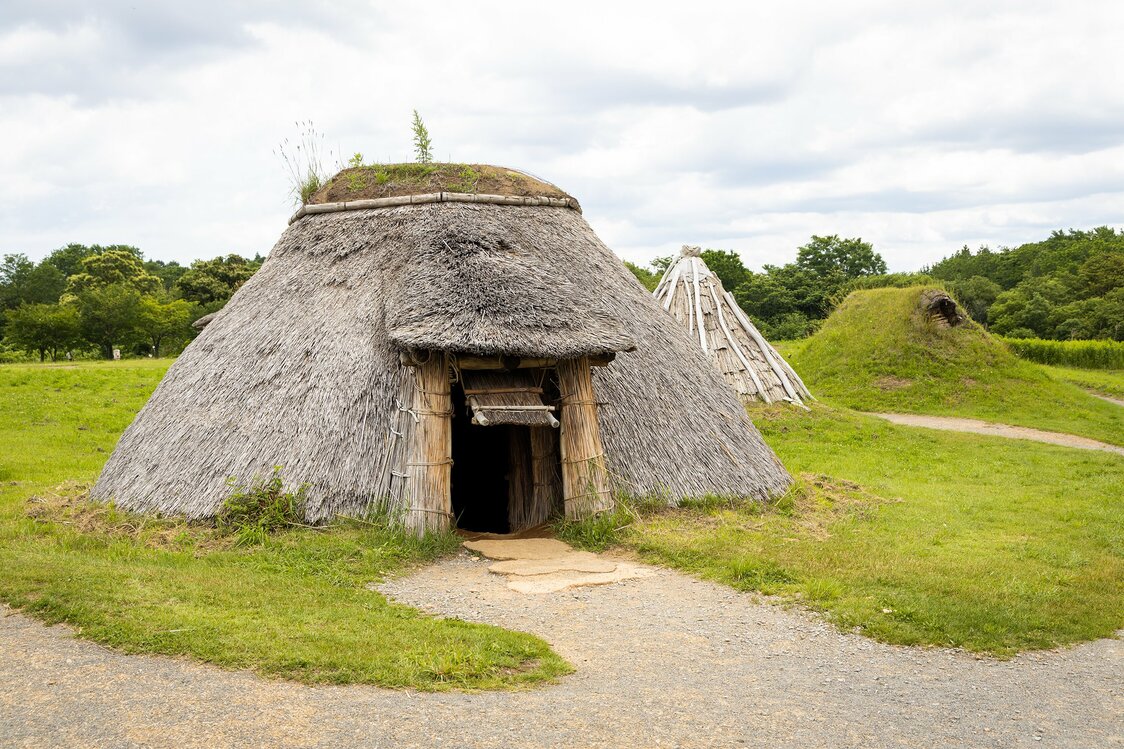
A reconstructed pit dwelling. These simple residences feature a fireplace in the center of the floor.
-
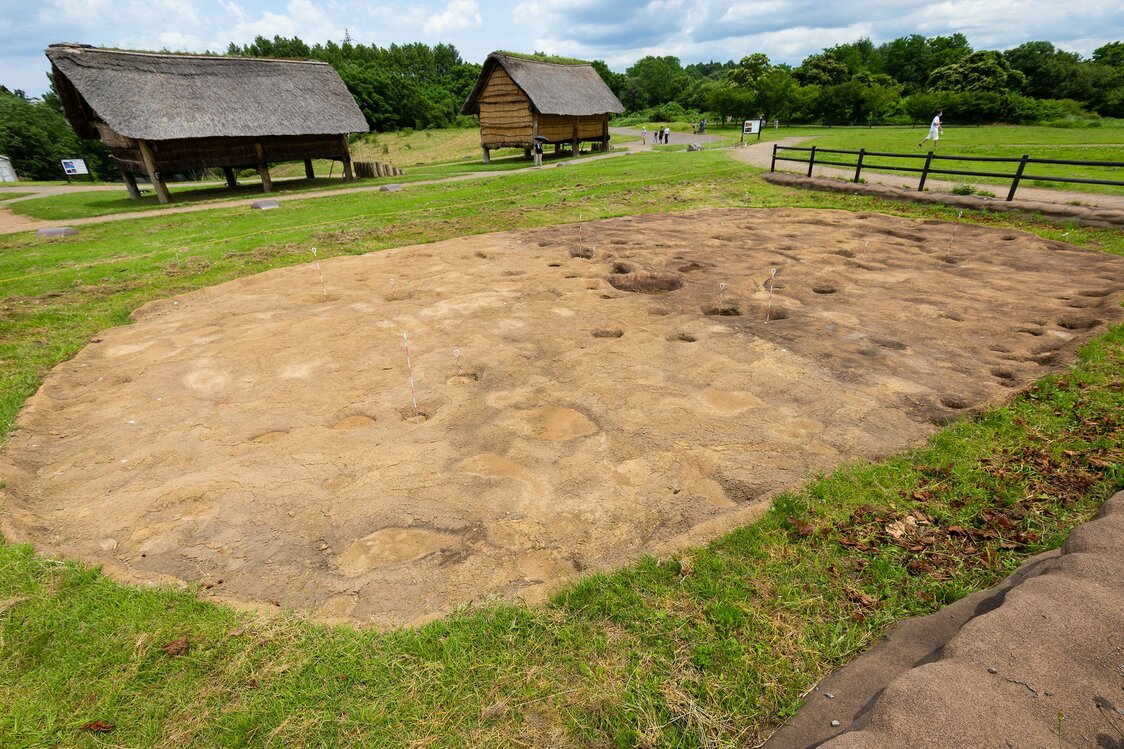
The remains of a large pit dwelling. It is thought that these large structures also served as communal meeting and work spaces.
-
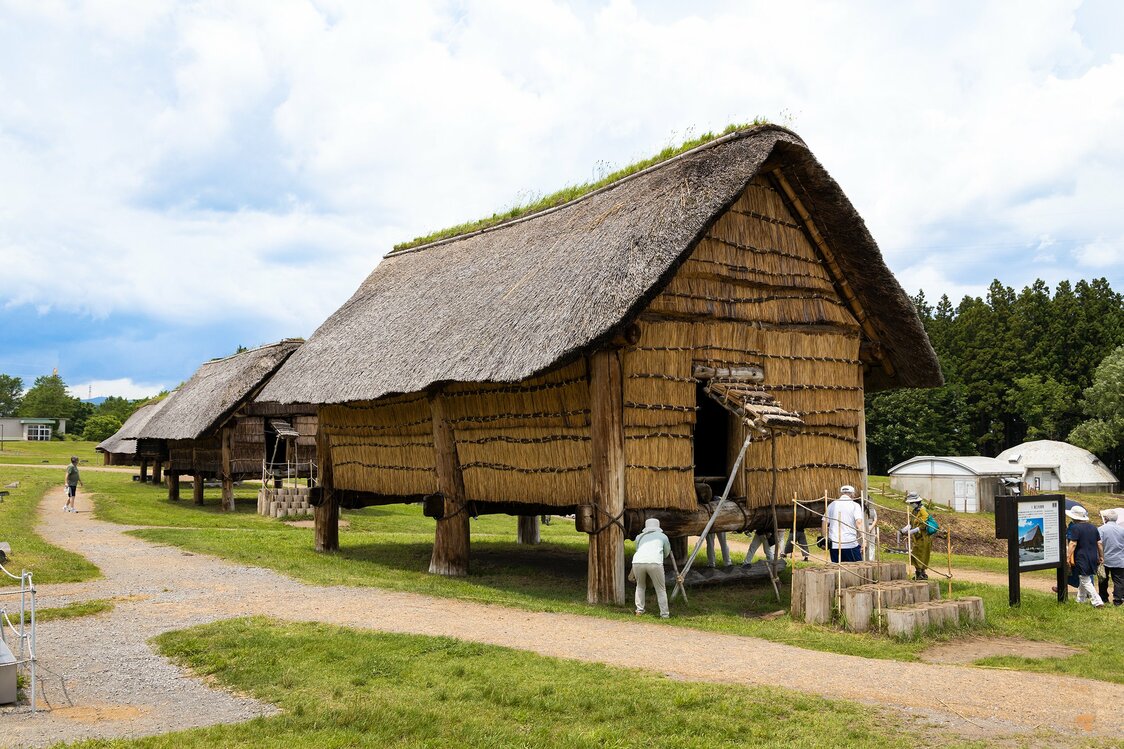
A group of reconstructed raised, pillar-supported buildings at Sannai Maruyama.
-
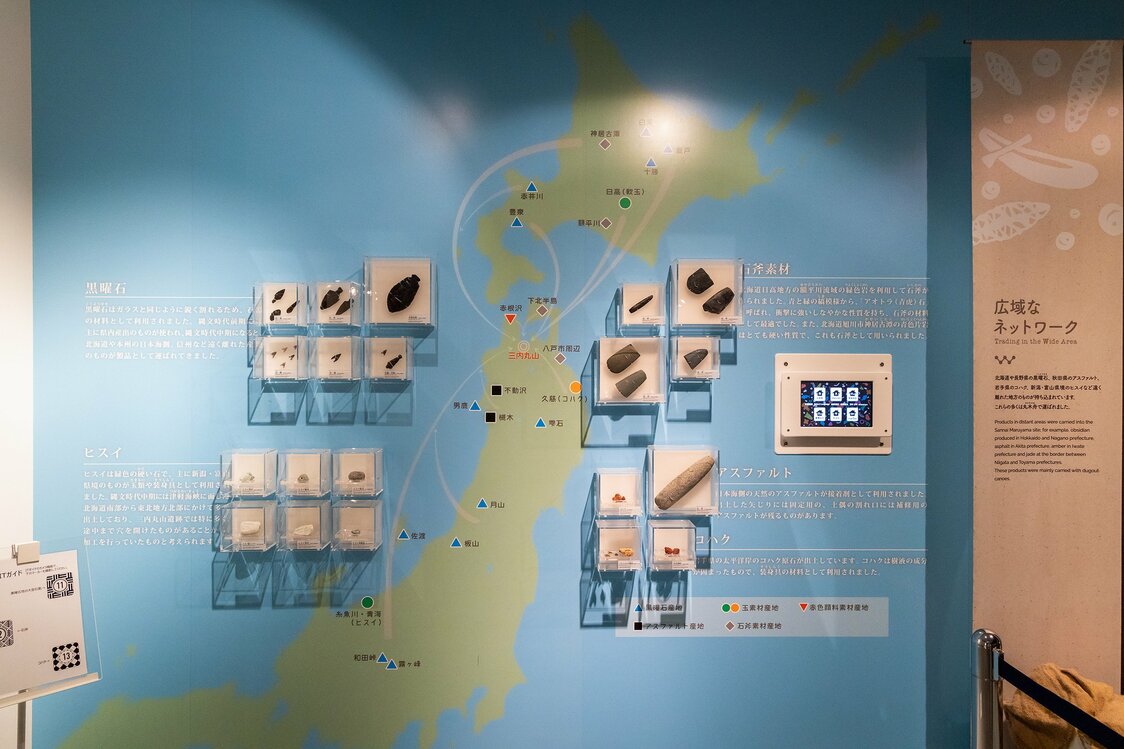
The origin of many artifacts excavated at Sannai Maruyama show the settlement was part of a broad trade network encompassing northern Japan and Hokkaidō.
-
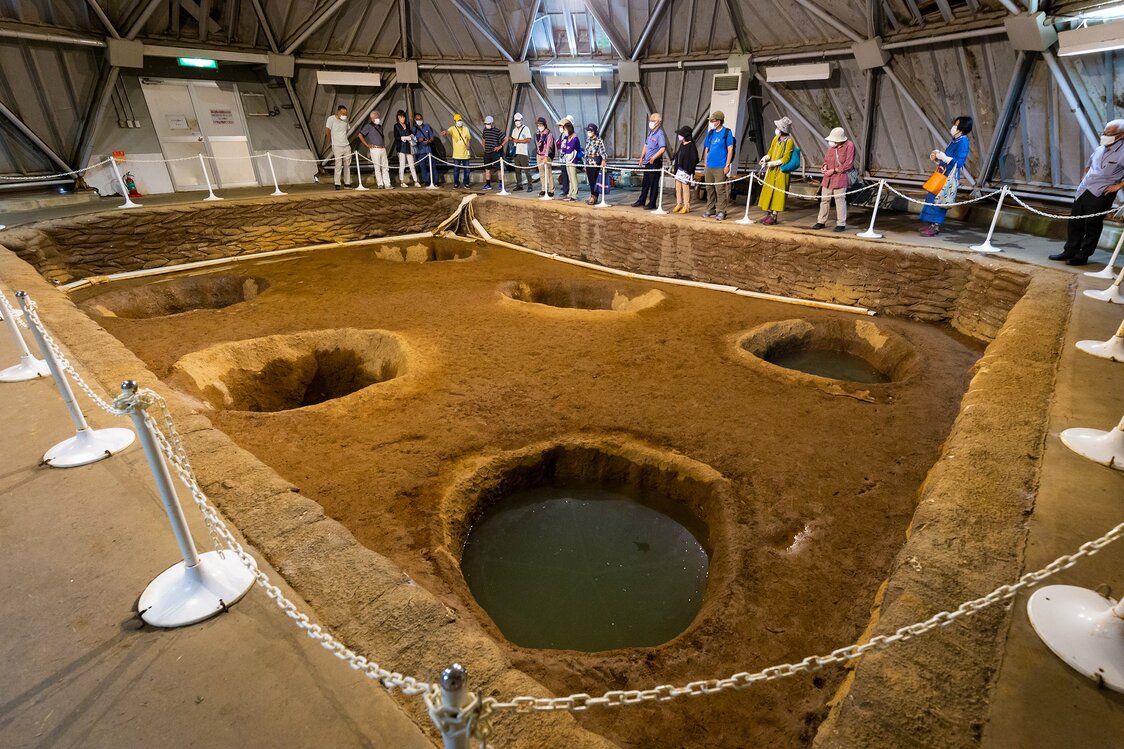
Visitors can view the pillar holes, which are preserved inside a protective dome.
-
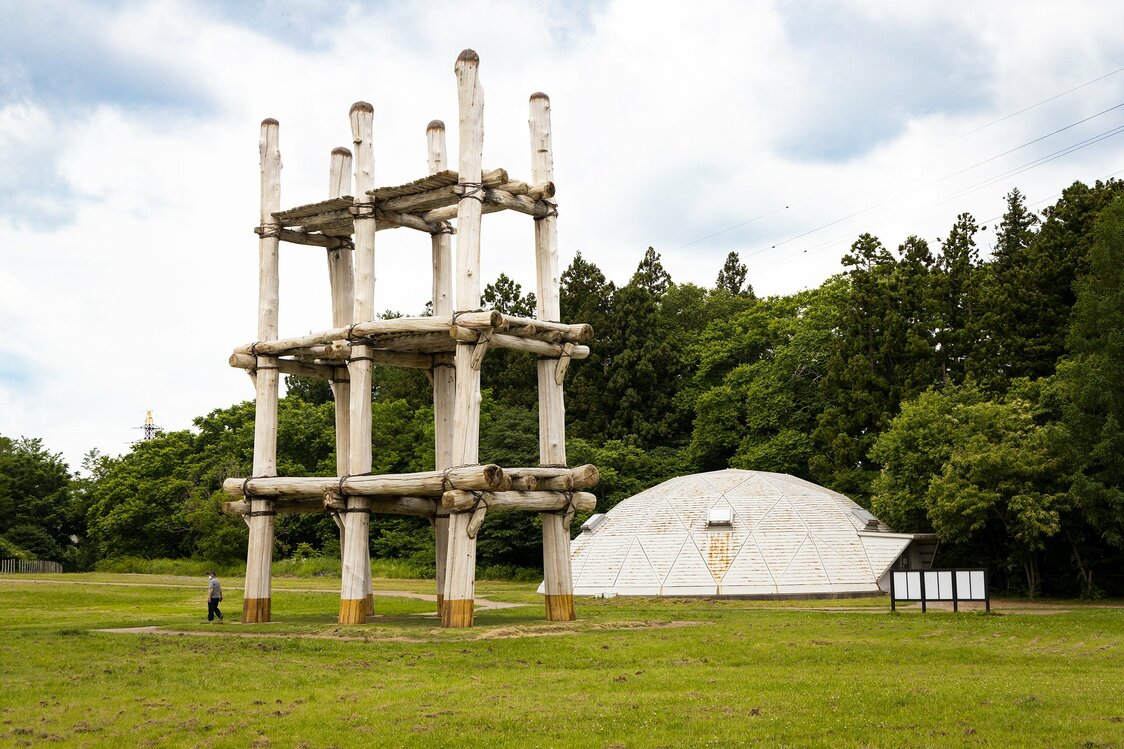
A reconstruction of the pillar-supported building stands next to the original site of the structure.
-
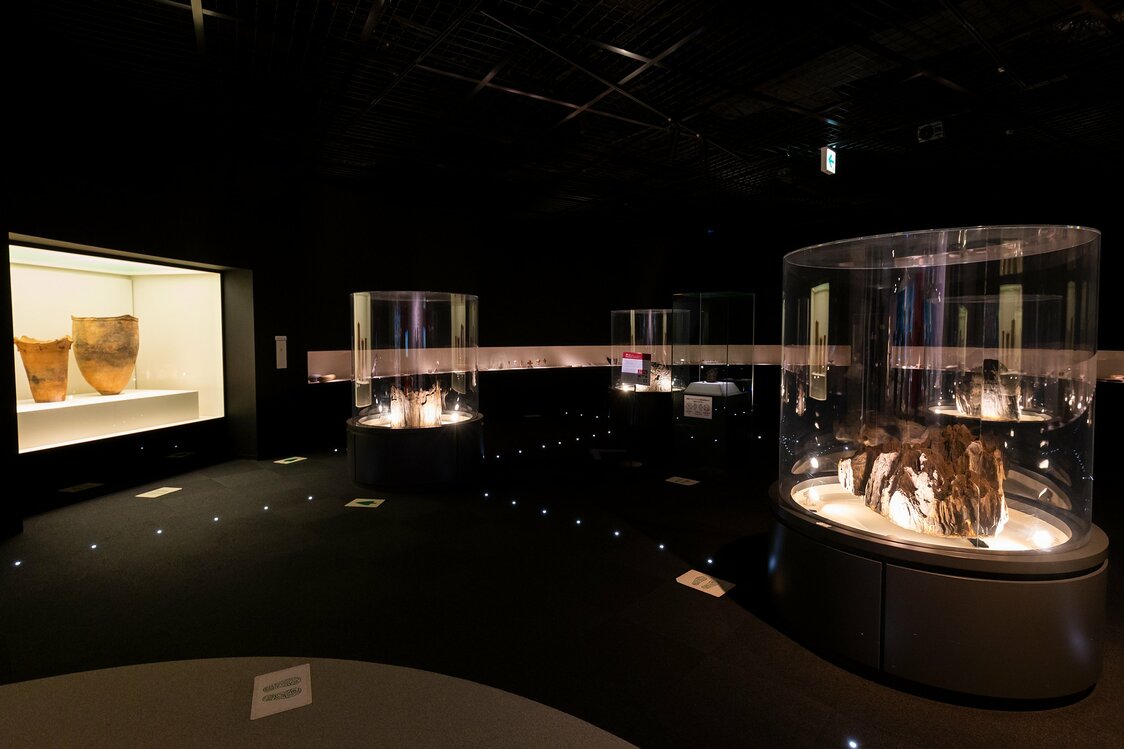
Sanmaru Museum’s Heart of the Jōmon People exhibit includes many artifacts designated important cultural properties.
-
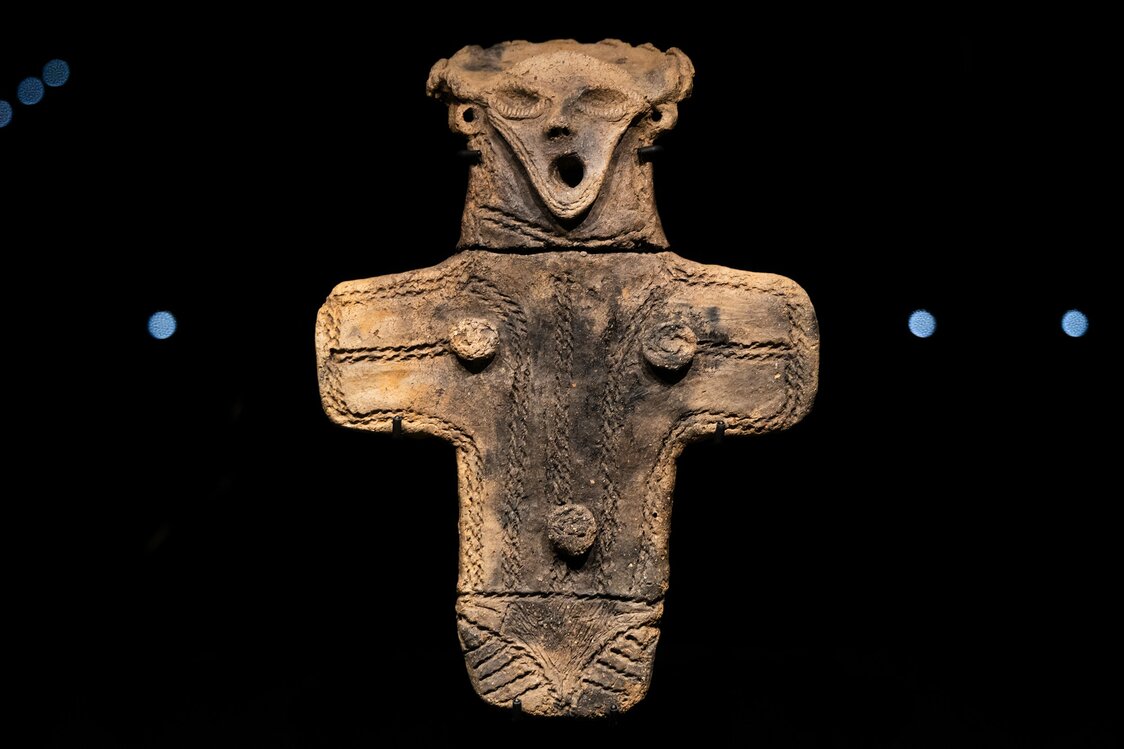
A large, flat clay figurine unearthed at Sannai Maruyama. Designated an important cultural property, it is one of the site’s most recognized artifacts.
-
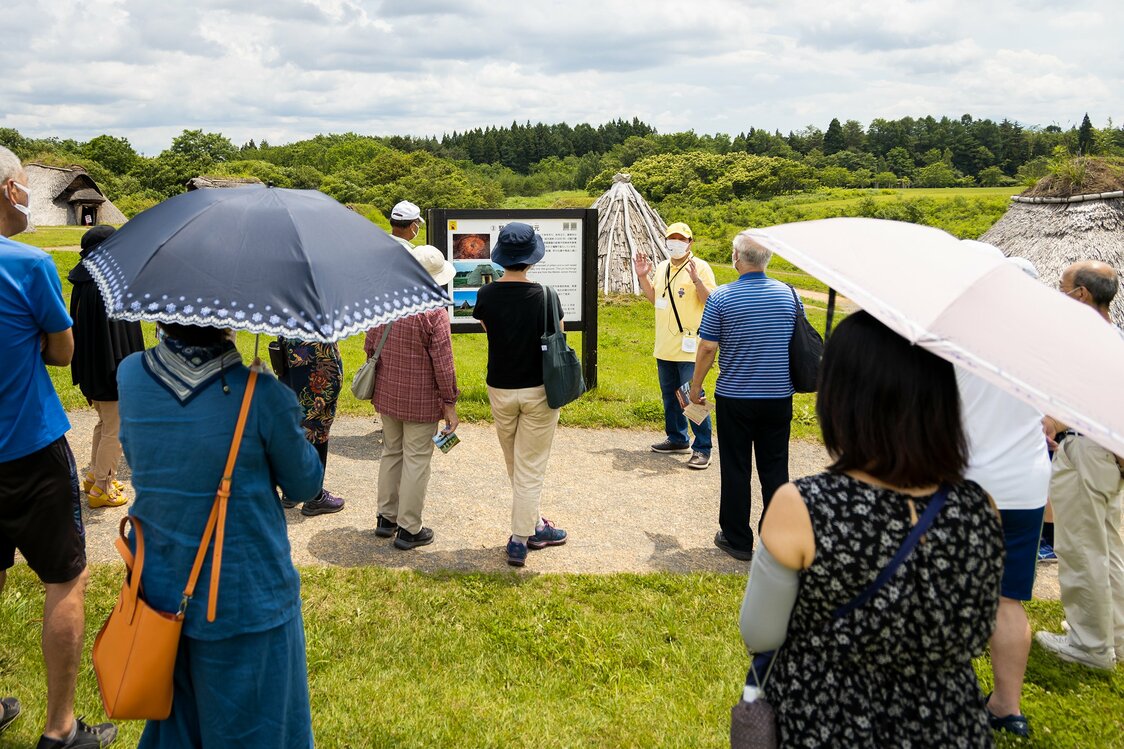
Participants of a guided tour. Many guides also take part in excavation work, providing them a unique insight into the history of the site.
-
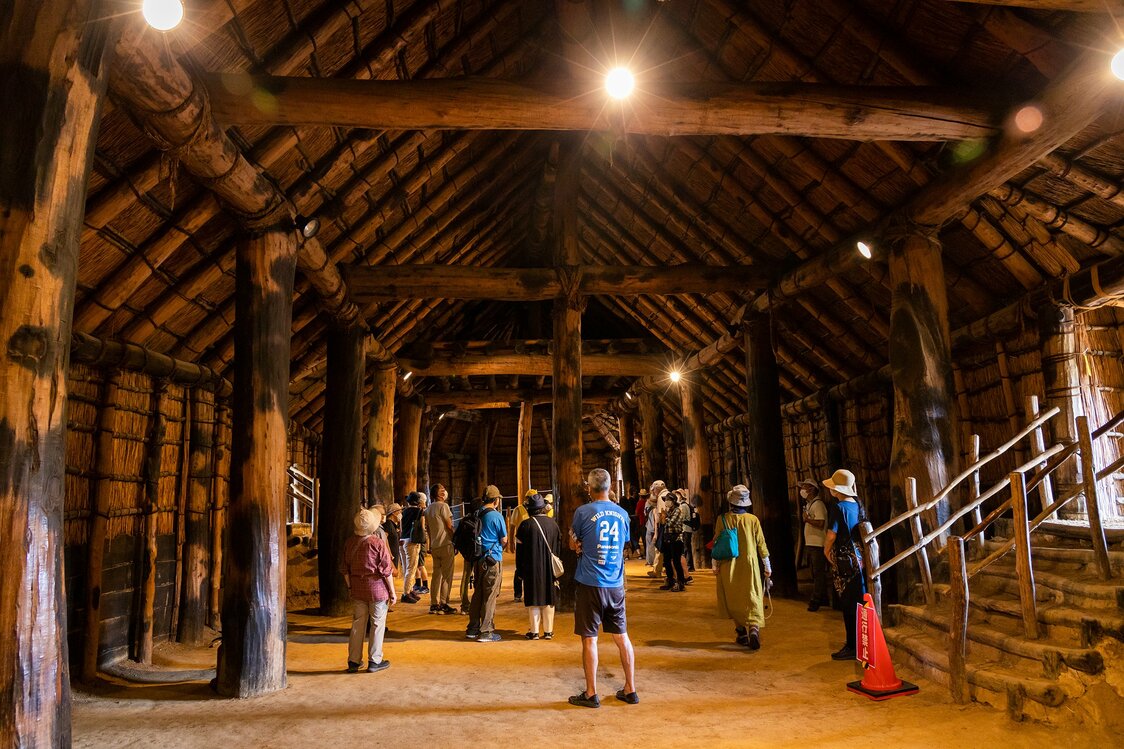
Tours include the inside of reconstructed pit dwelling and other structures, giving participants a close-up look at life in the Jōmon period.
-
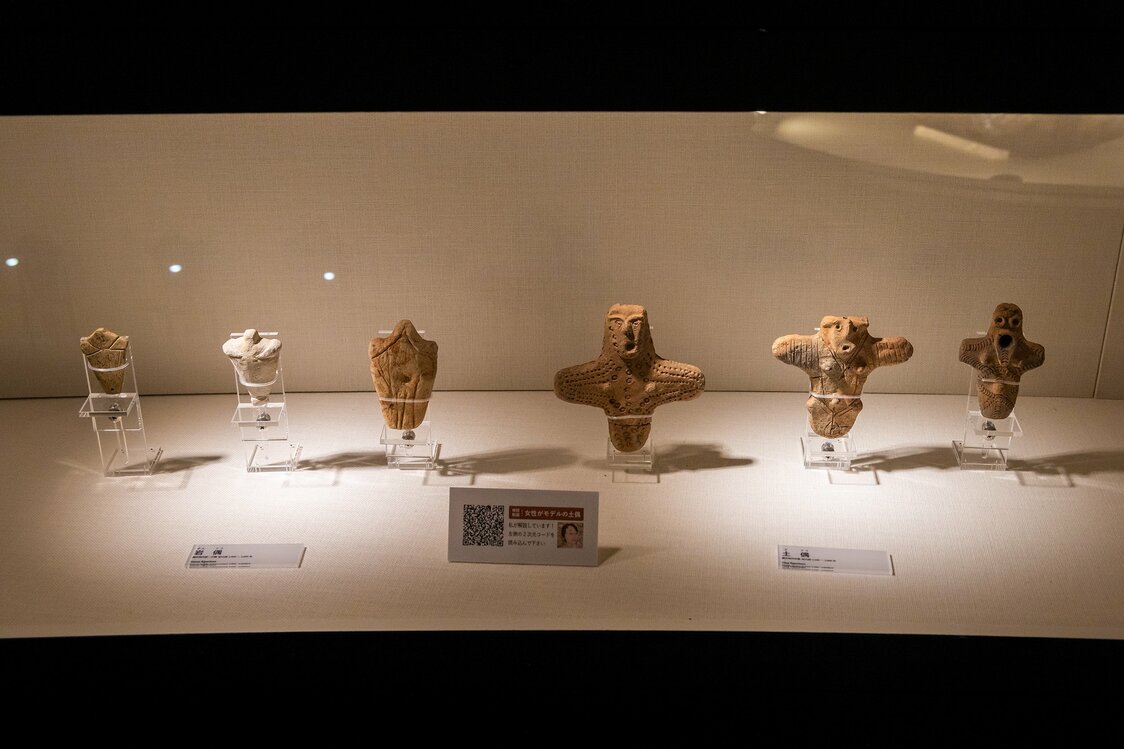
QR codes at exhibits allow visitors to access audio and visual explanations of pieces on their smartphones and other devices.
-
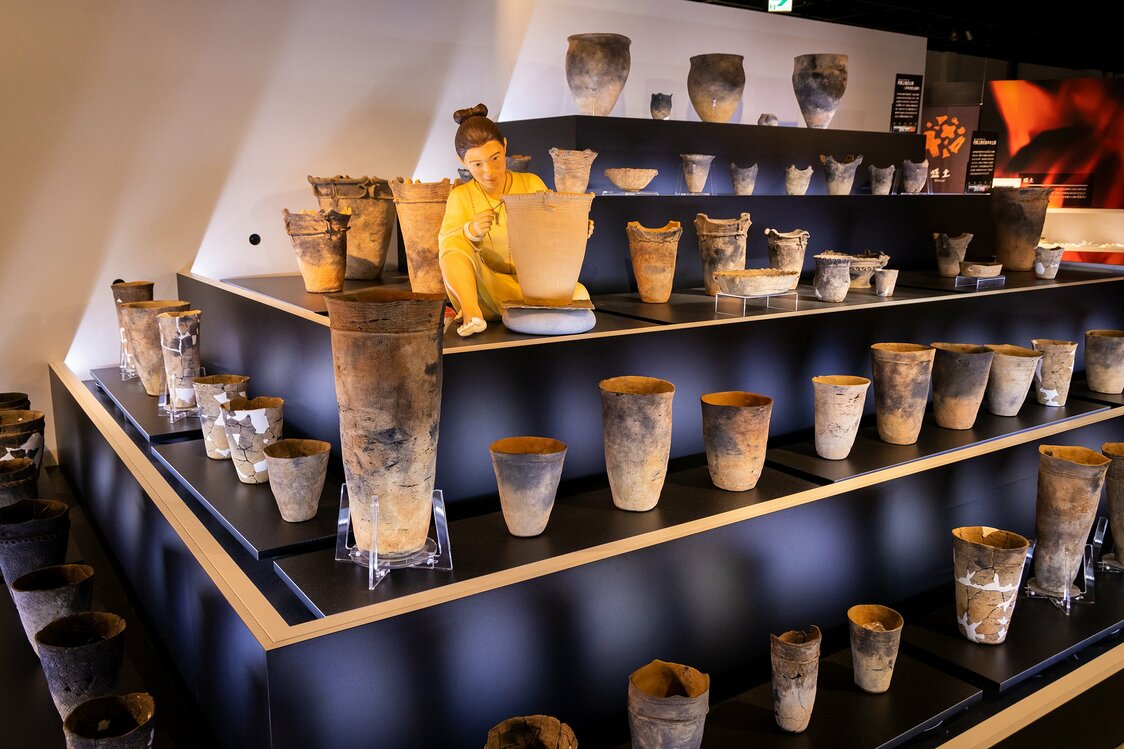
An array of earthenware pots makes for an impressive display.
-
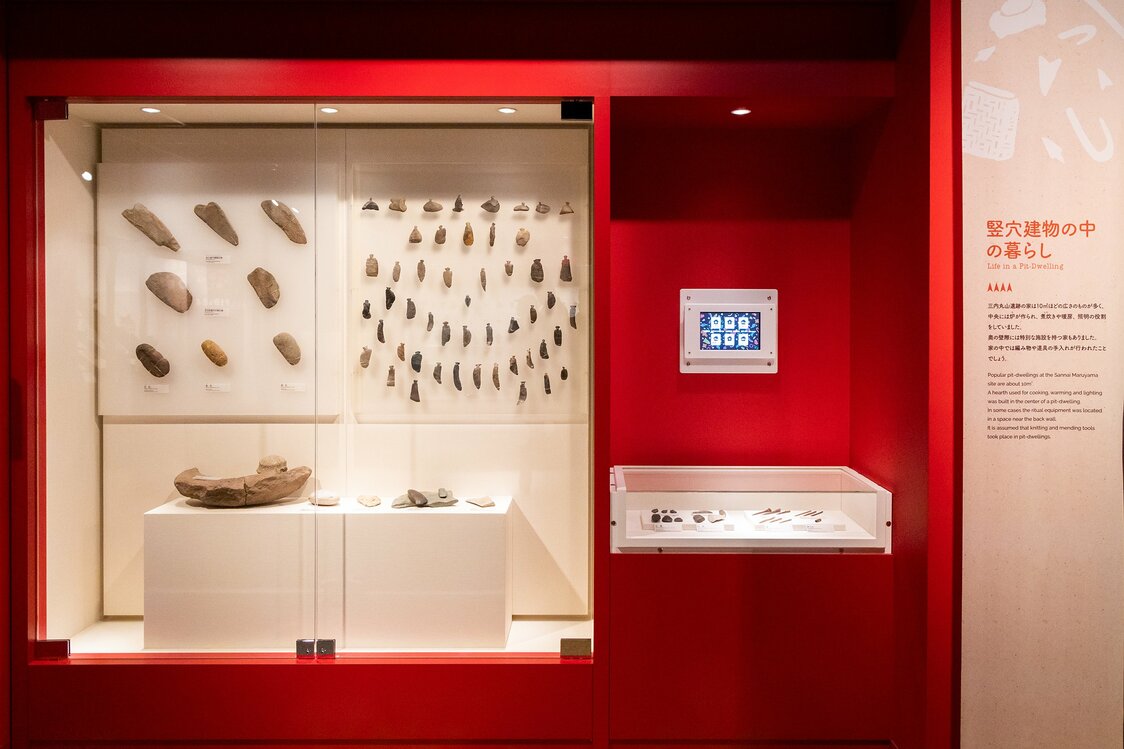
Knife blades, needles, and other stone tools on display.
-
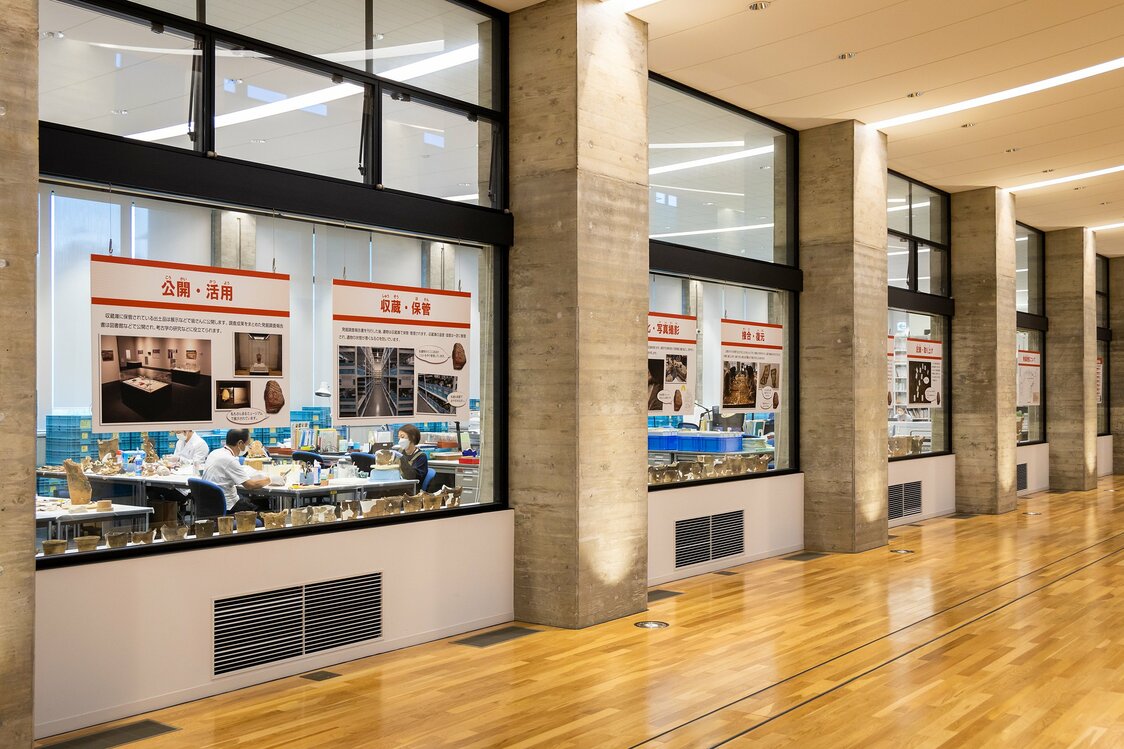
Staff restore artifacts inside the glass-walled workroom. Panels explain the workflow.
-
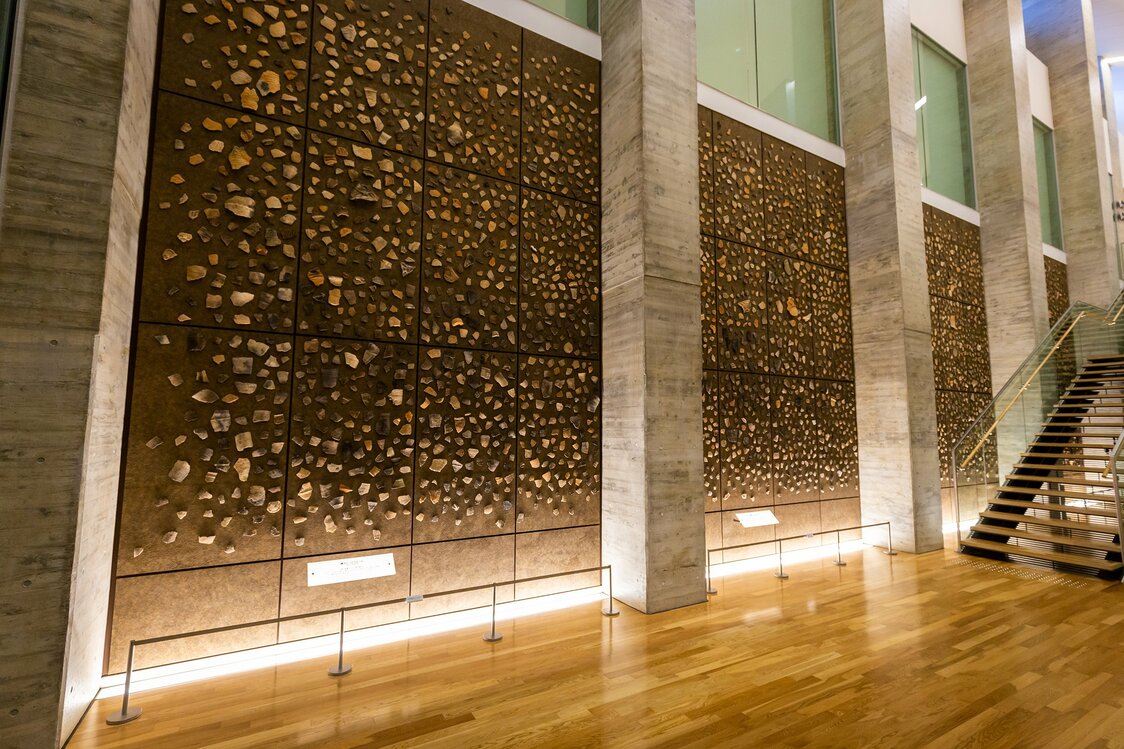
A cross section of a mound reveals a profusion of pottery shards.
-
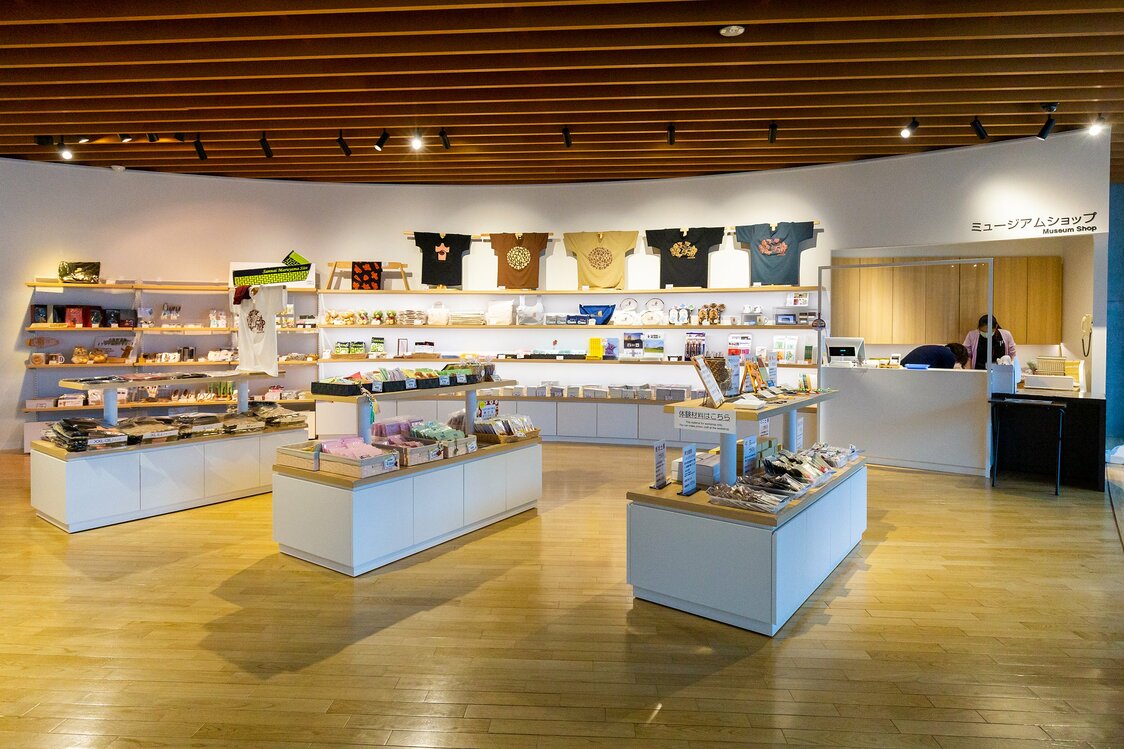
The museum shop offer replicas of artifacts along with Sannai Maruyama-branded items like T-shirts and stationery.
-
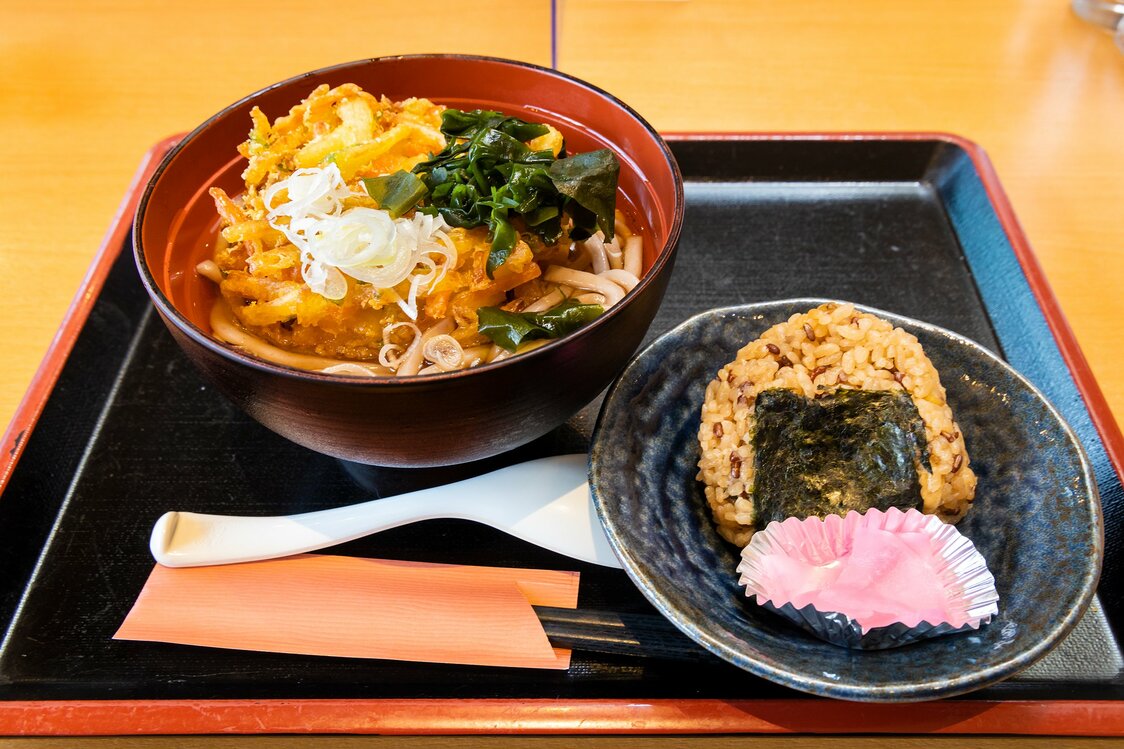
Ancient cuisine: “Jōmon udon” made with chestnuts, acorns, and yams and a rice ball containing red rice, scallops, and wild vegetables.
-
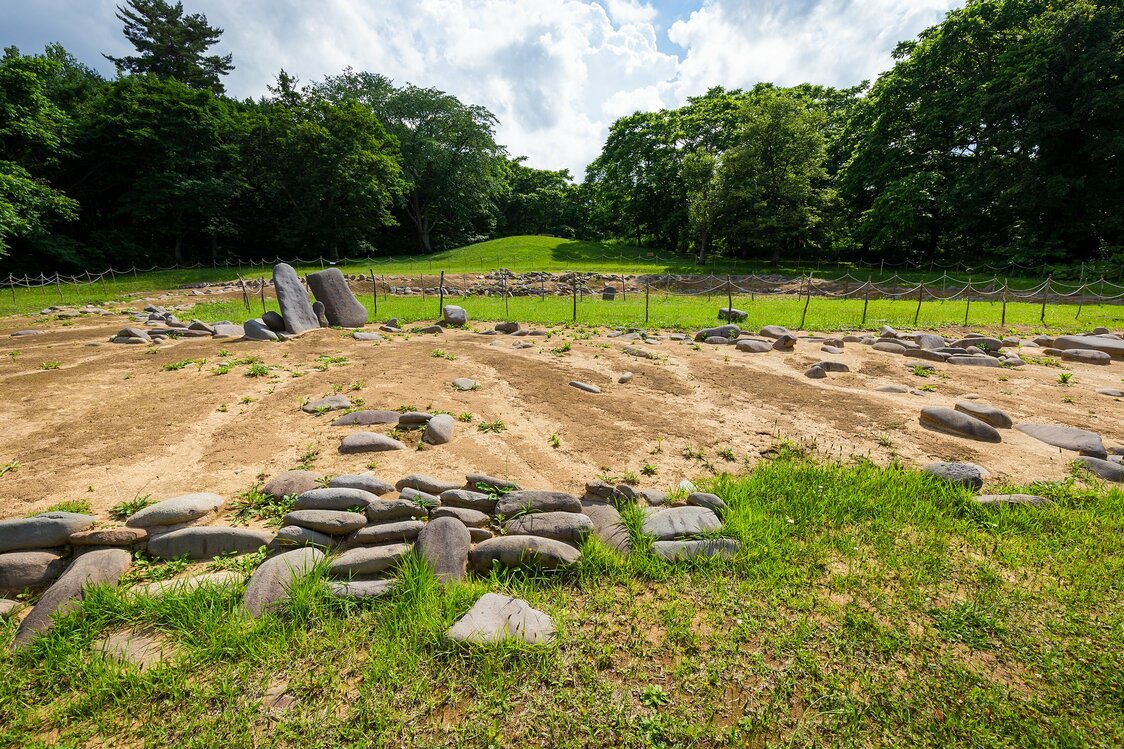
Stone circles at the nearby Komakino archeological site.


 Read in other languages