-
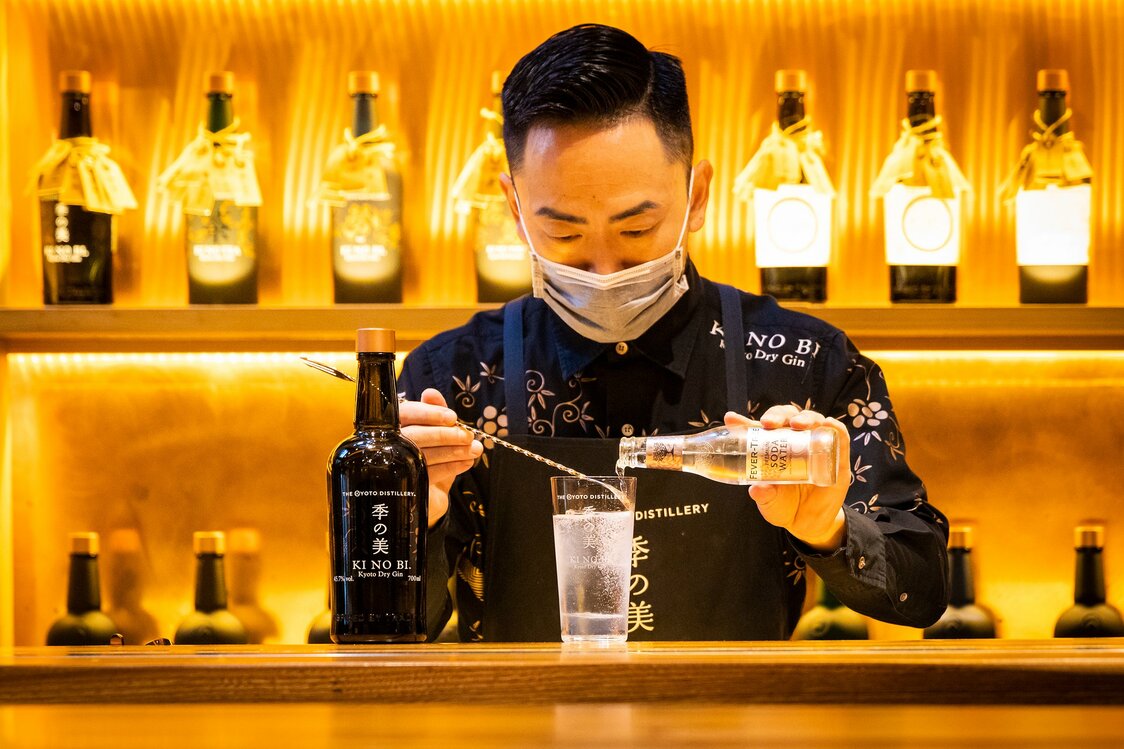
A bartender mixes a drink at the House of Ki no Bi, Kyoto Distillery’s brand shop. Most people drink gin mixed with tonic, but plain soda helps bring out the gin’s uniquely clean delicacy.
-
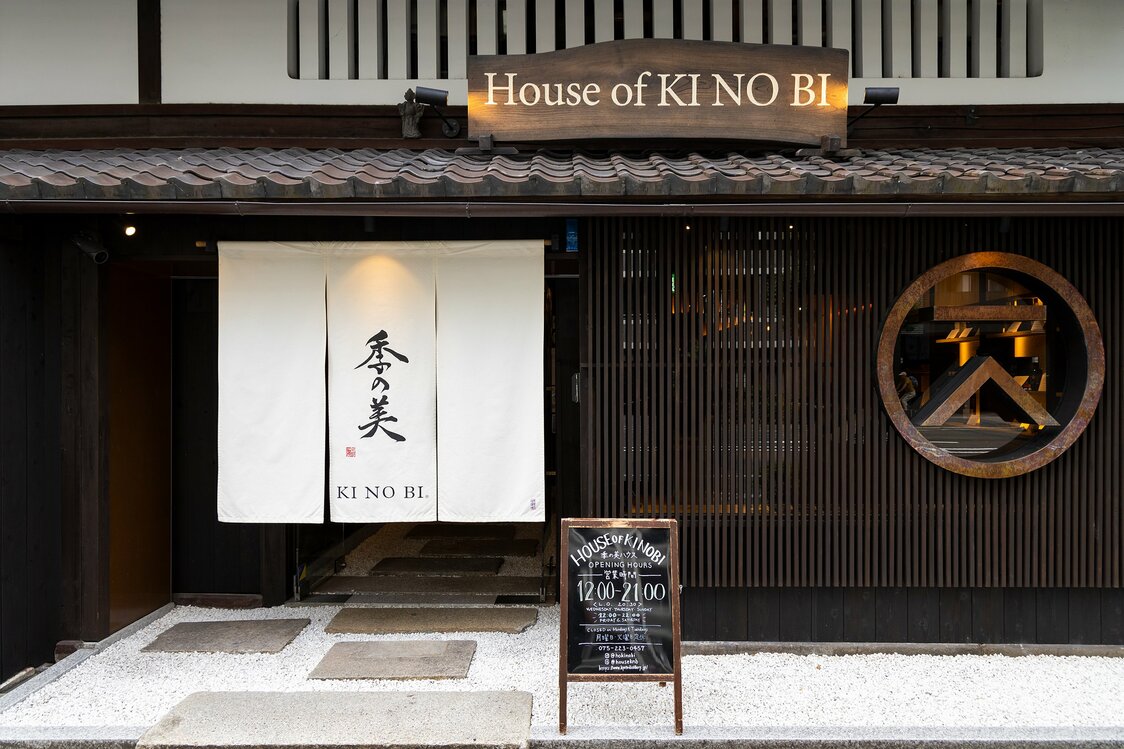
The House of Ki no Bi is near Kyoto’s city office and the Kyoto Gyoen National Garden.
-
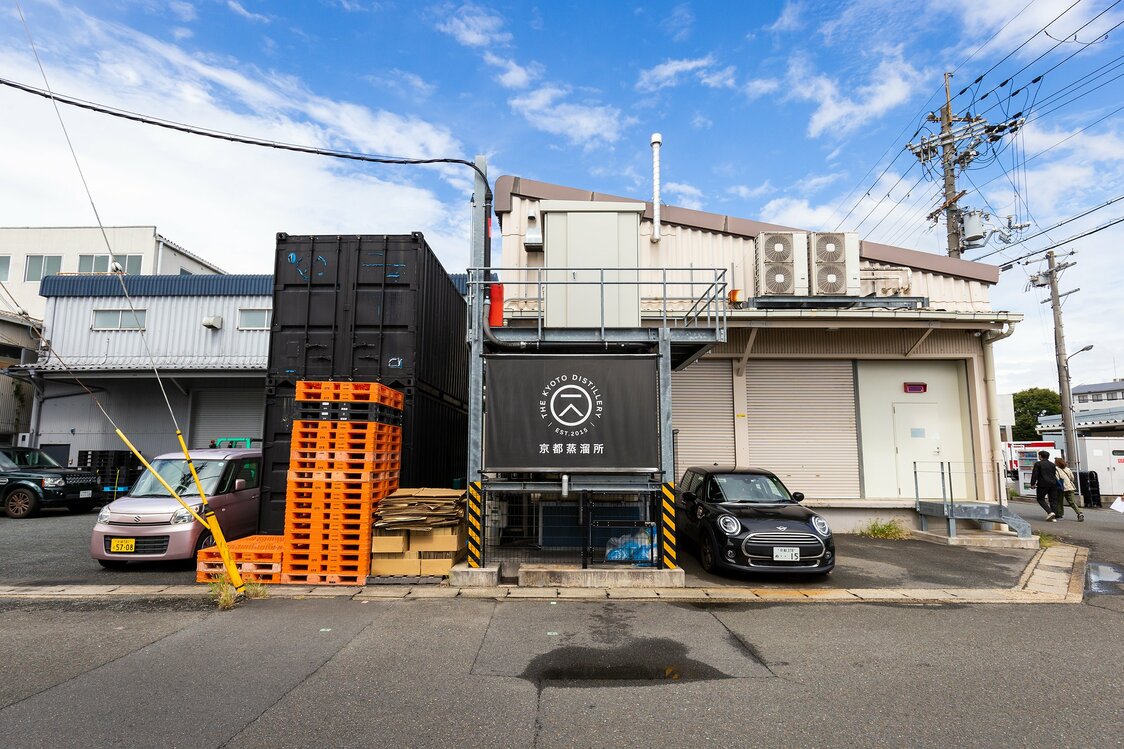
The Kyoto Distillery in the Kisshōin Shimanomazumechō neighborhood of Kyoto’s Minami Ward. It is usually closed to the public.
-
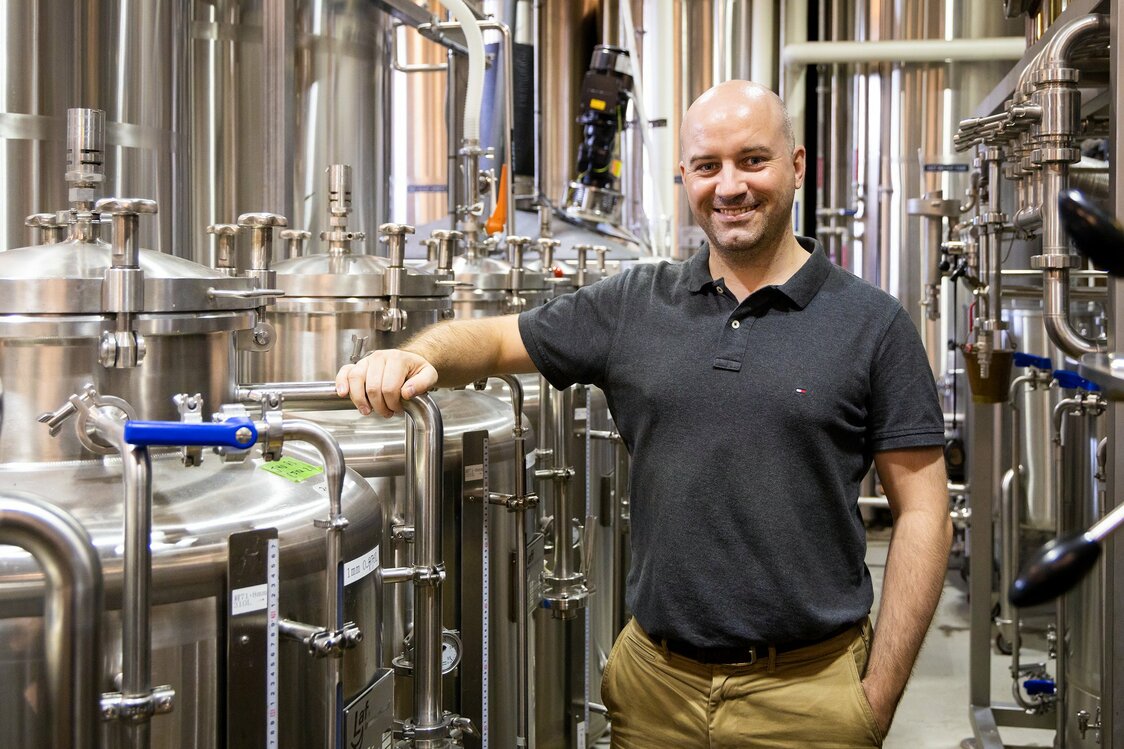
Ireland-born product manager Liam Morrissey is in charge of distillation.
-
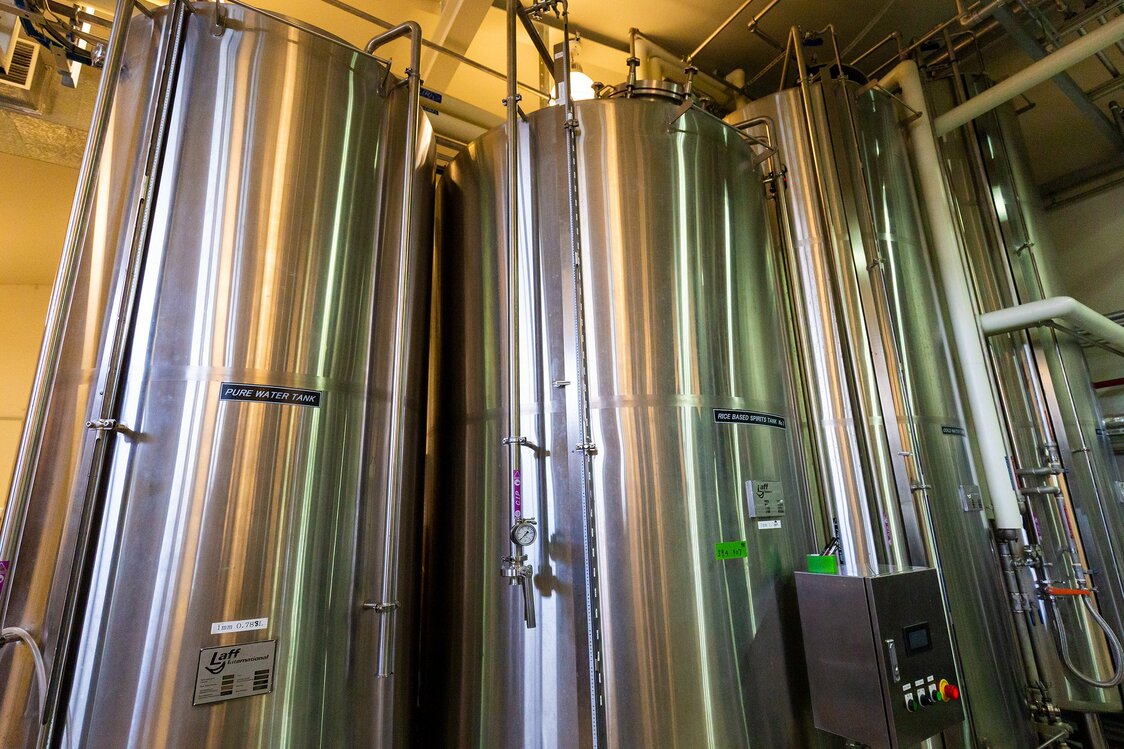
The tank at the far left holds the famous Fushimi water, while the one in the center contains the base spirit.
-
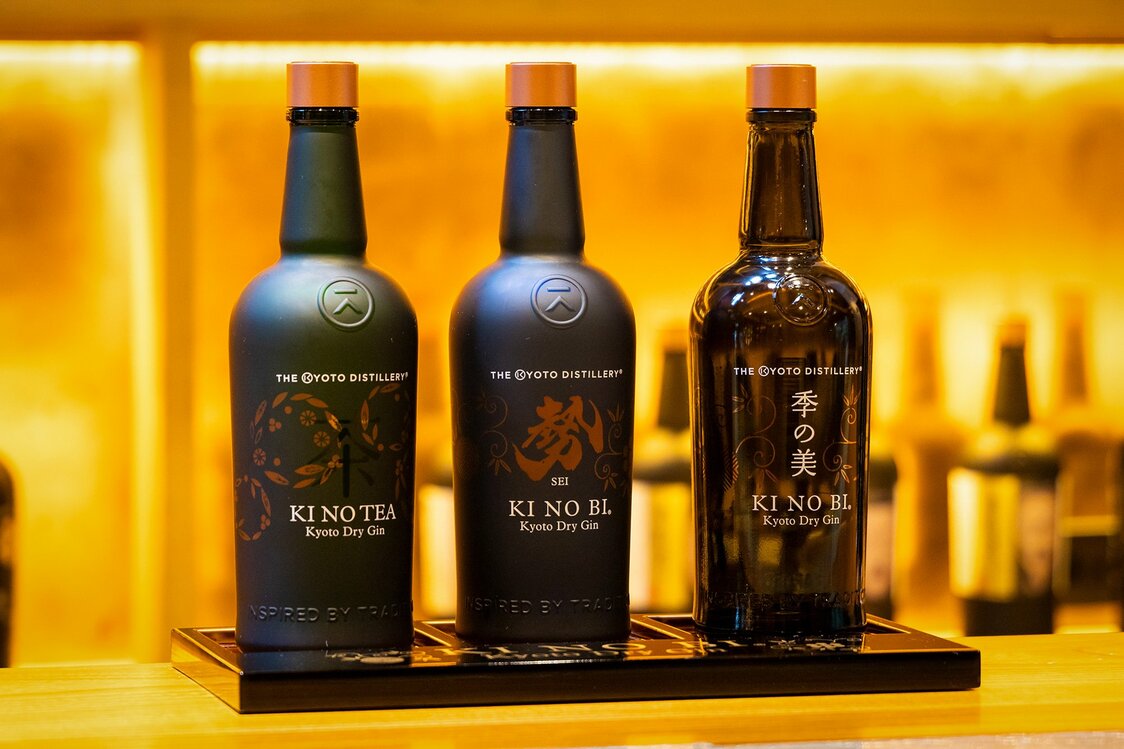
From left, dry gin labels Ki no Tea, Ki no Bi Sei, and Ki no Bi. Sei has a higher alcohol content, making it more suited for use in cocktails.
-
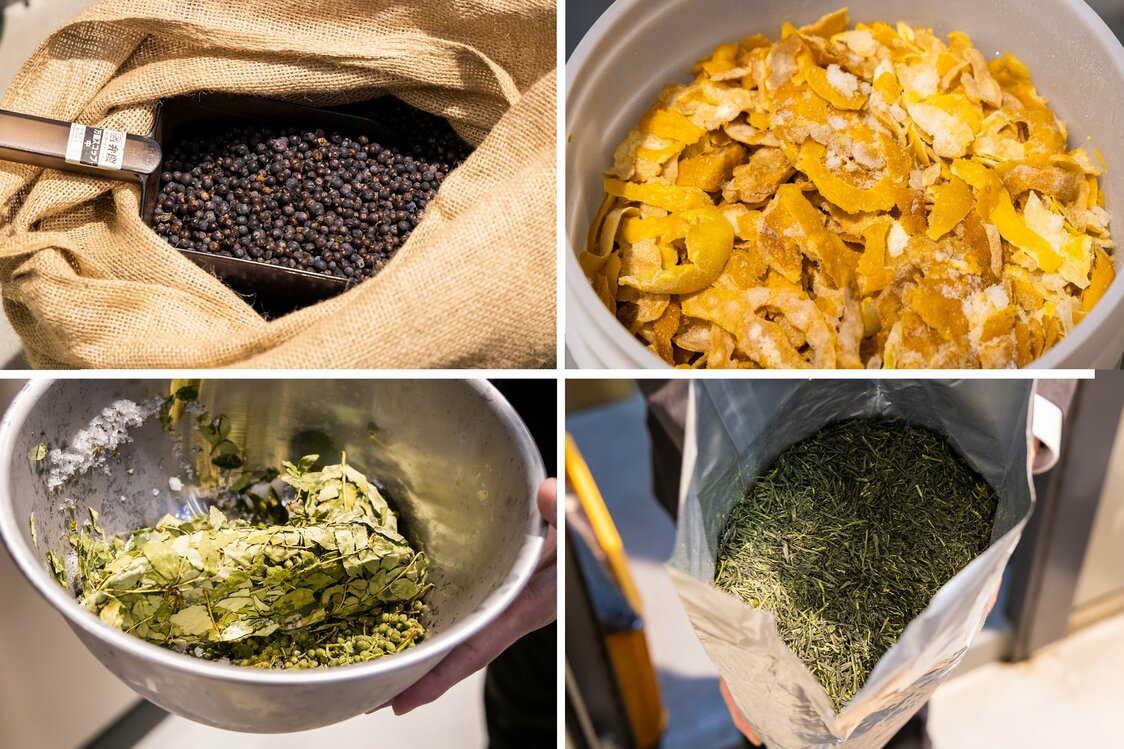
The juniper berries (top left) come from Macedonia and the yuzu (top right) from Kyoto, to which the distillers add Japanese-grown lemons (bottom left), and Kyoto-grown sanshō. They add kinome (bottom right) for spice since using sanshō alone would be overpowering. The gyokuro tea comes from a historic tea shop.
-
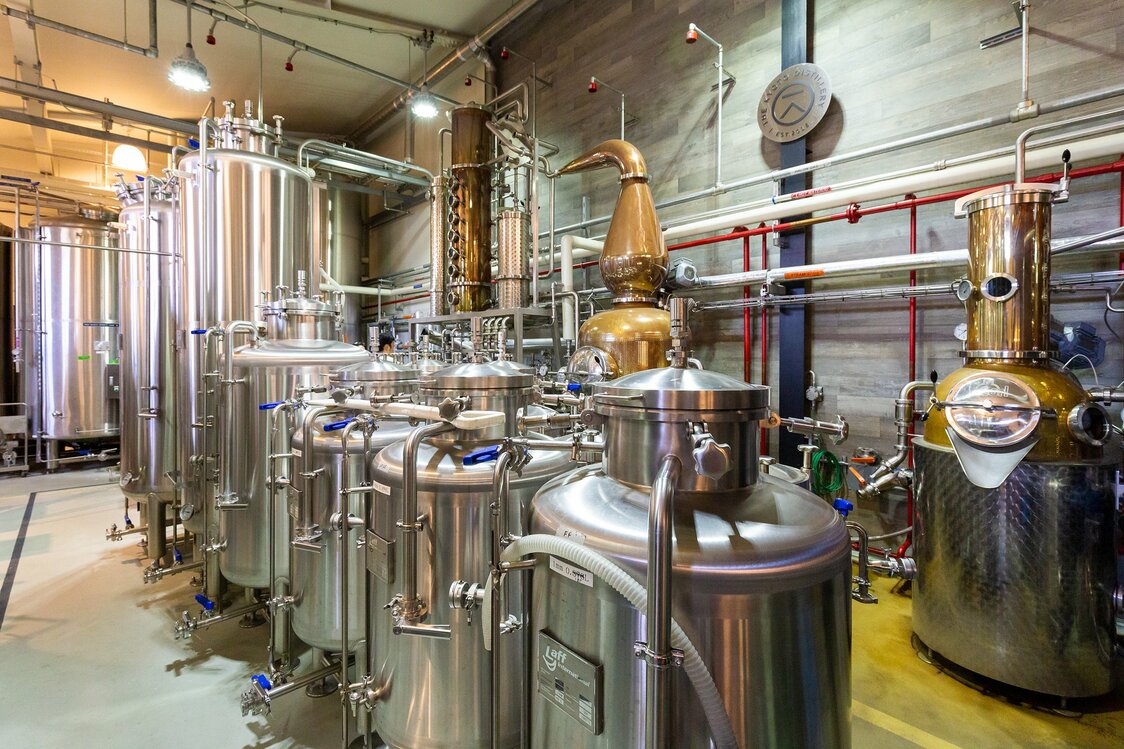
The tanks lined up in the foreground contain individual elements. The copper still in the center background plays a central role in the gin-making process.
-
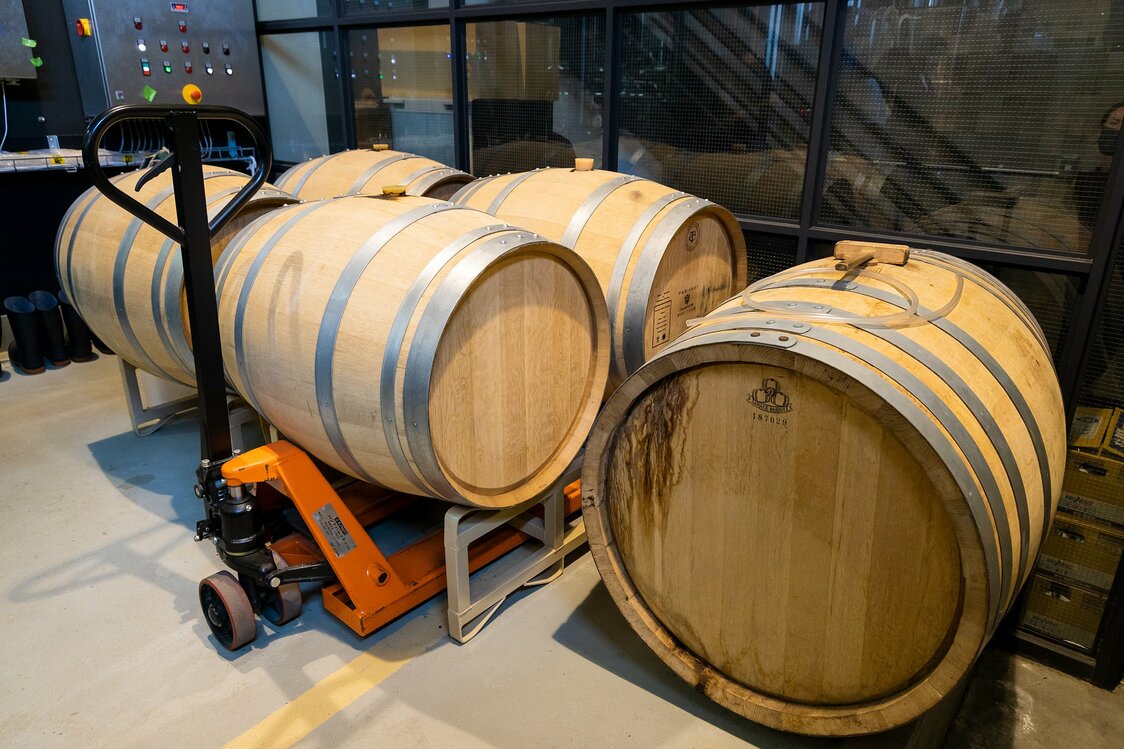
Whisky barrels are used to age Ki no Bi Edition K, a popular limited production gin, to add another layer of aroma.
-
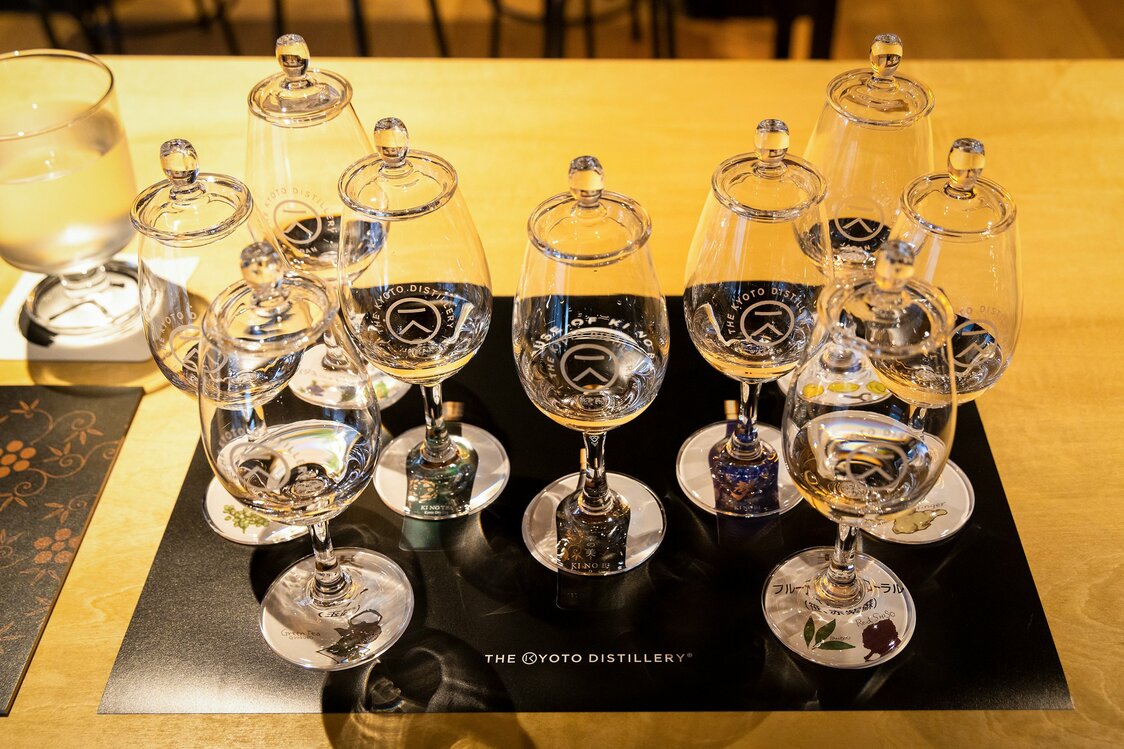
The seminar includes tastings of the distillery’s dry gin labels Ki no Bi, Ki no Tea, and Ki no Bi Sei, as well as the six base elements.
-
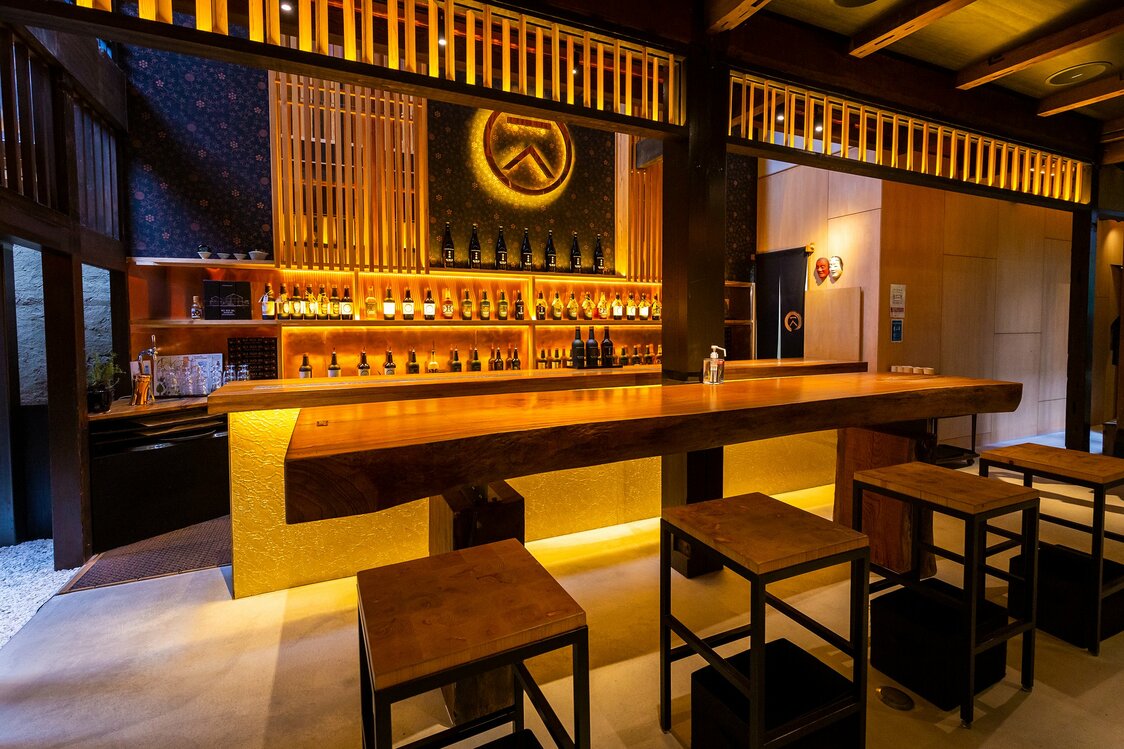
Ki no Bi no Ma is a bar offering a diverse range of cocktails featuring the house gin.
-
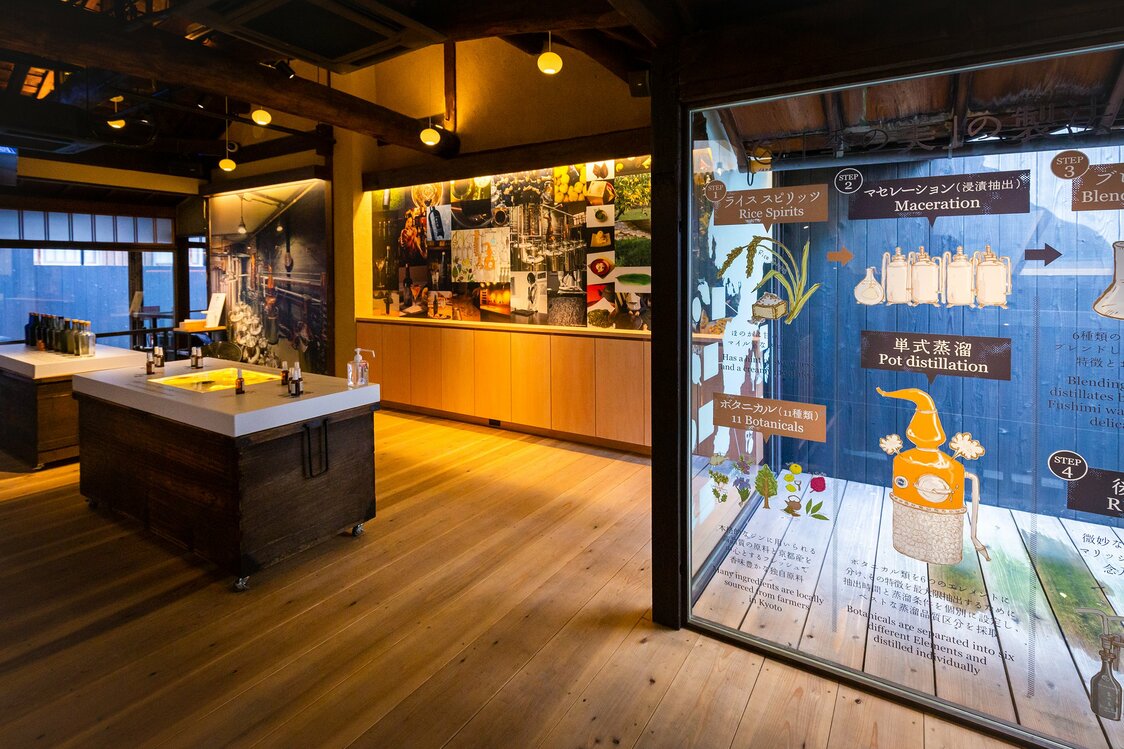
The second floor Tenji no Ma has exhibits explaining the history and varieties of gin and the botanicals that go into the spirit.
-
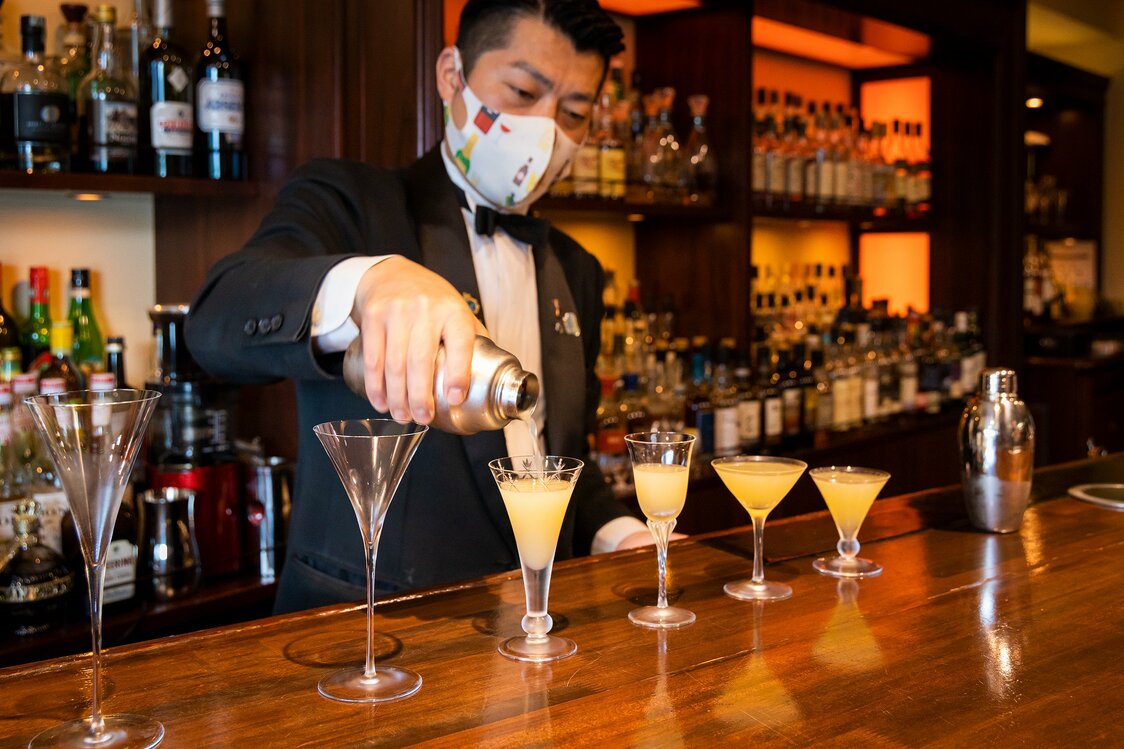
A bartender make a cocktail with Ki no Bi Amanohashidate Wine Cask at Bar K6 in Kyoto’s Kiyamachi.
-
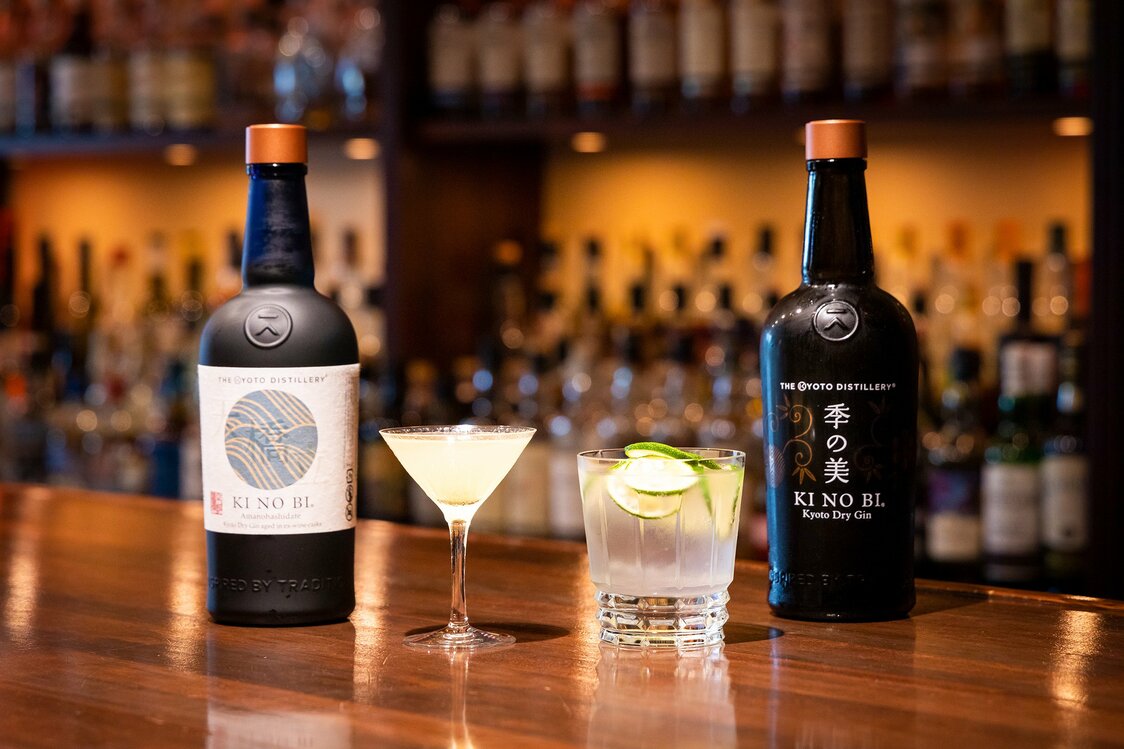
On the left is an Amanohashidate white lady with orange liqueur, lemon juice, and a touch of red wine salt, with a sudachi gin and tonic made with Ki no Bi on the right.


 Read in other languages