-
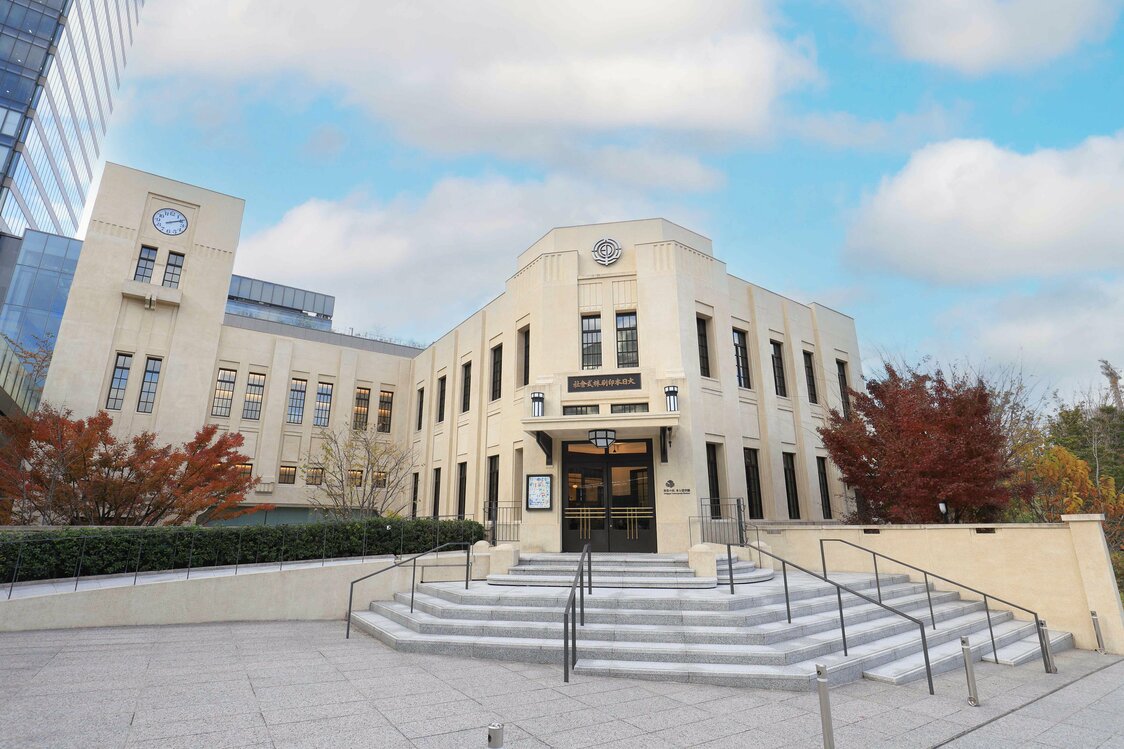
The Ichigaya Letterpress Factory has been restored to its appearance at the time of construction in 1926. Dai Nippon Printing used it as an office building until 2010.
-
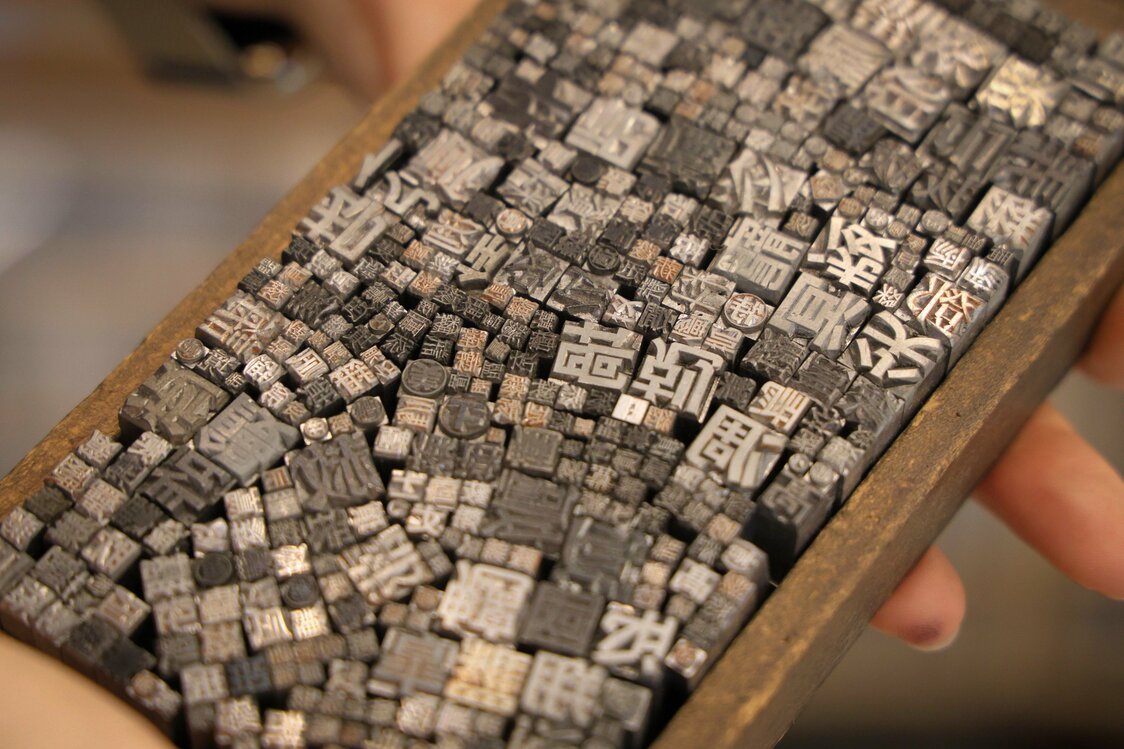
Rarely used characters carved by hand. Engraving a character in reverse on a surface only a few millimeters long and wide required true craftsmanship.
-
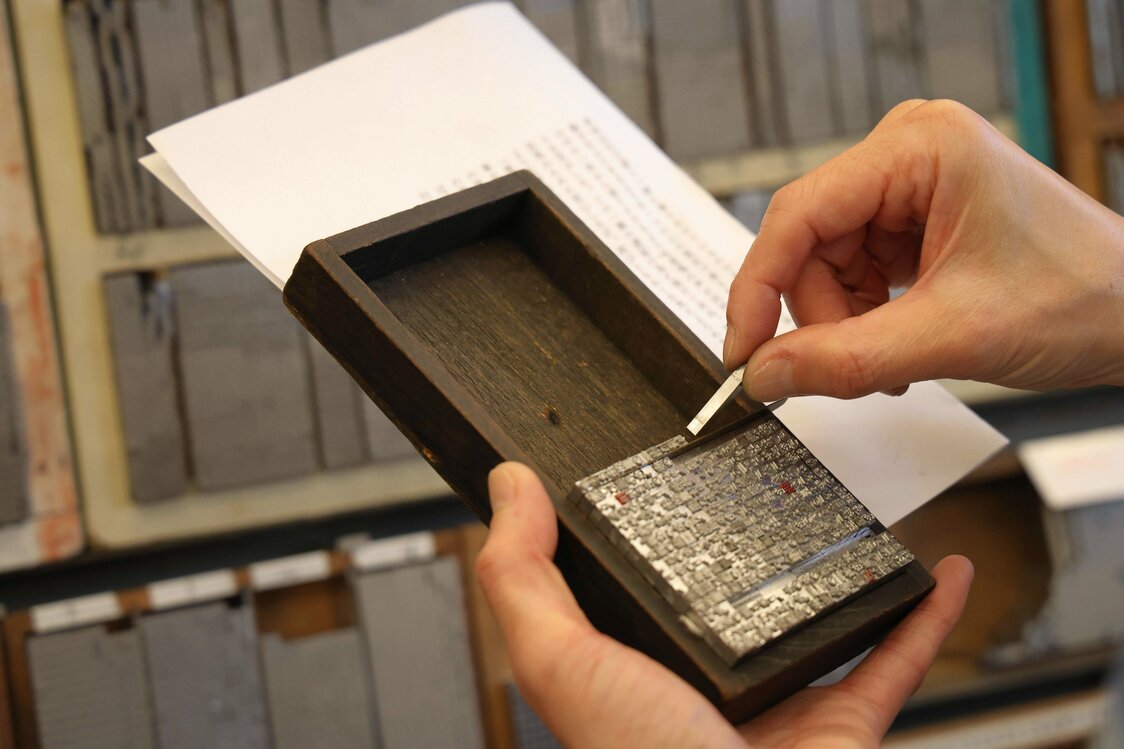
A technician holds the manuscript and composing stick in one hand while collecting the type.
-
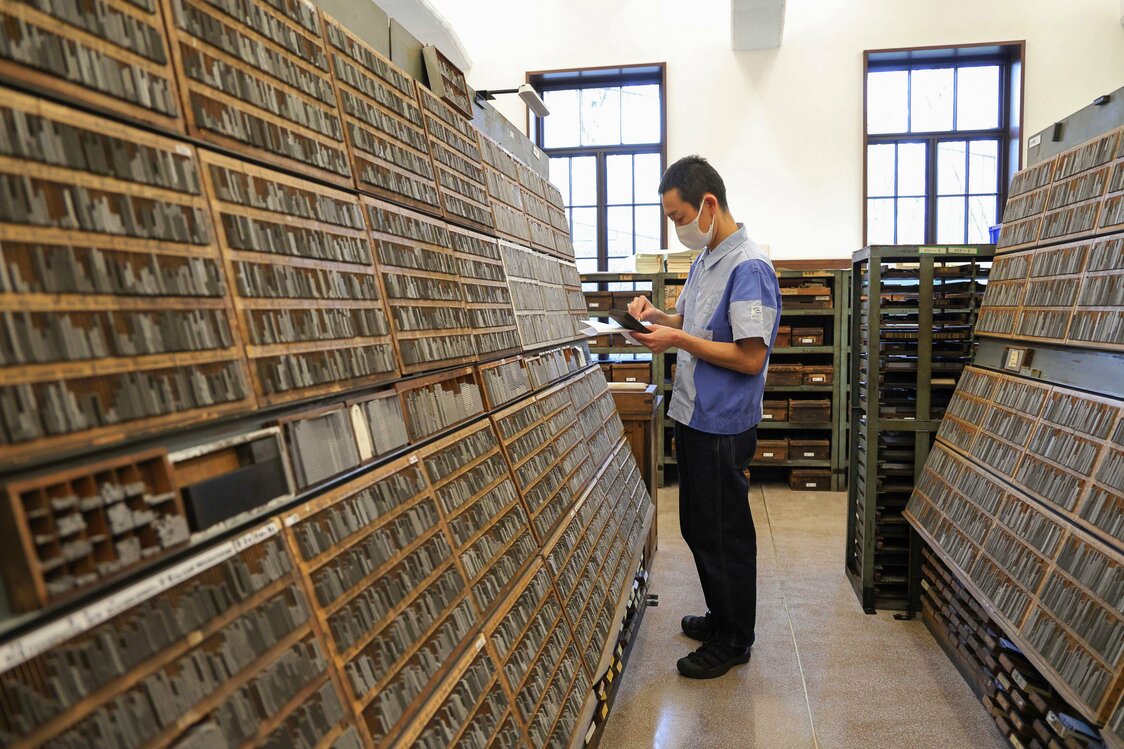
Picking out type from tightly packed shelves.
-
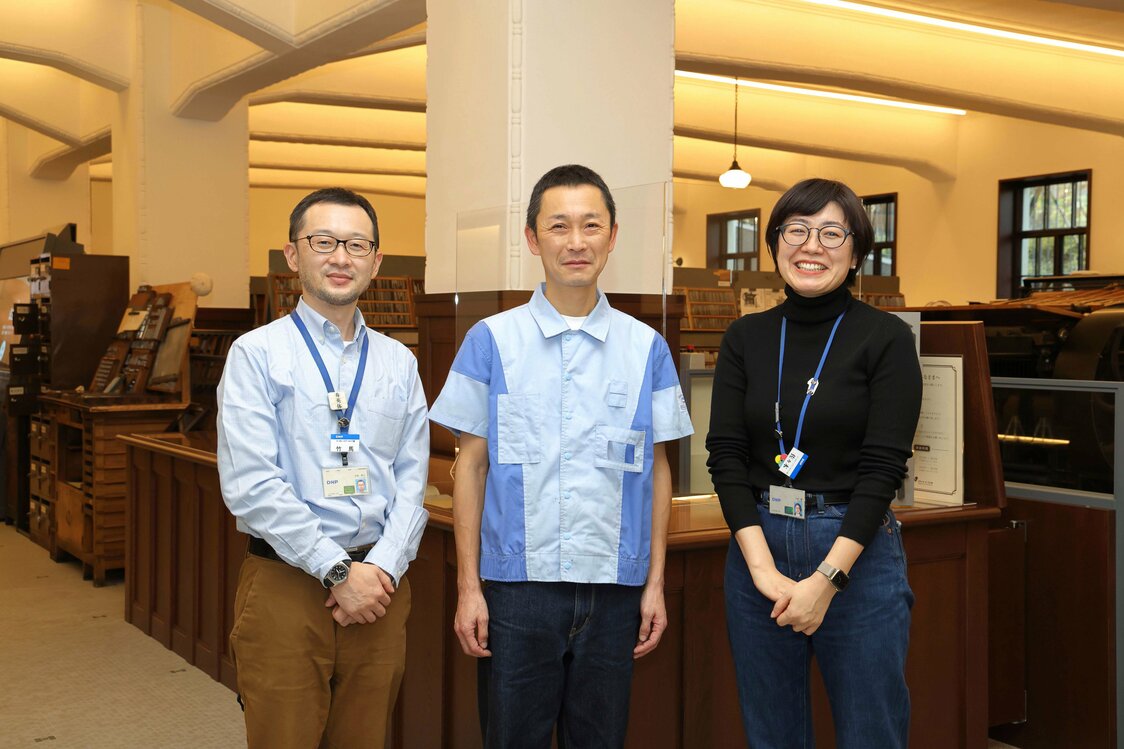
DNP employees involved in the running the Ichigaya Letterpress Factory. From left, Chikuma Toshiyuki, the bunsen expert Sekikawa Shin’ichi, and Sasaki Ai.
-
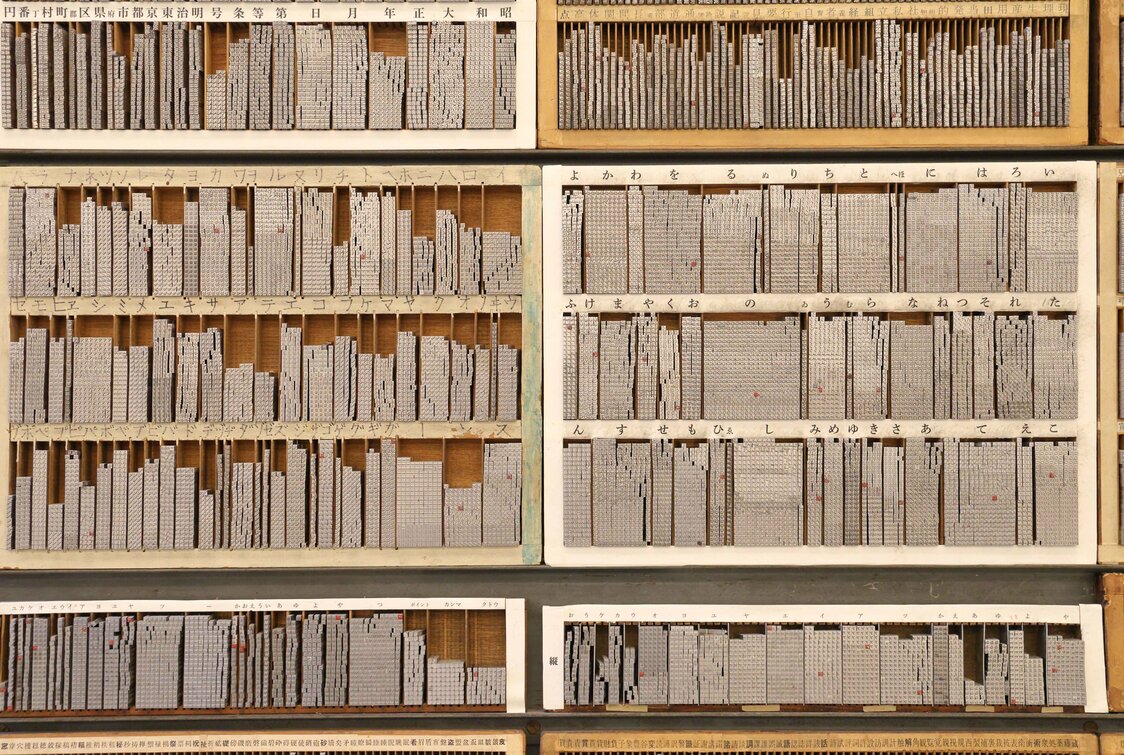
Amid the shelves of characters, の stands out for the sheer number of pieces.
-
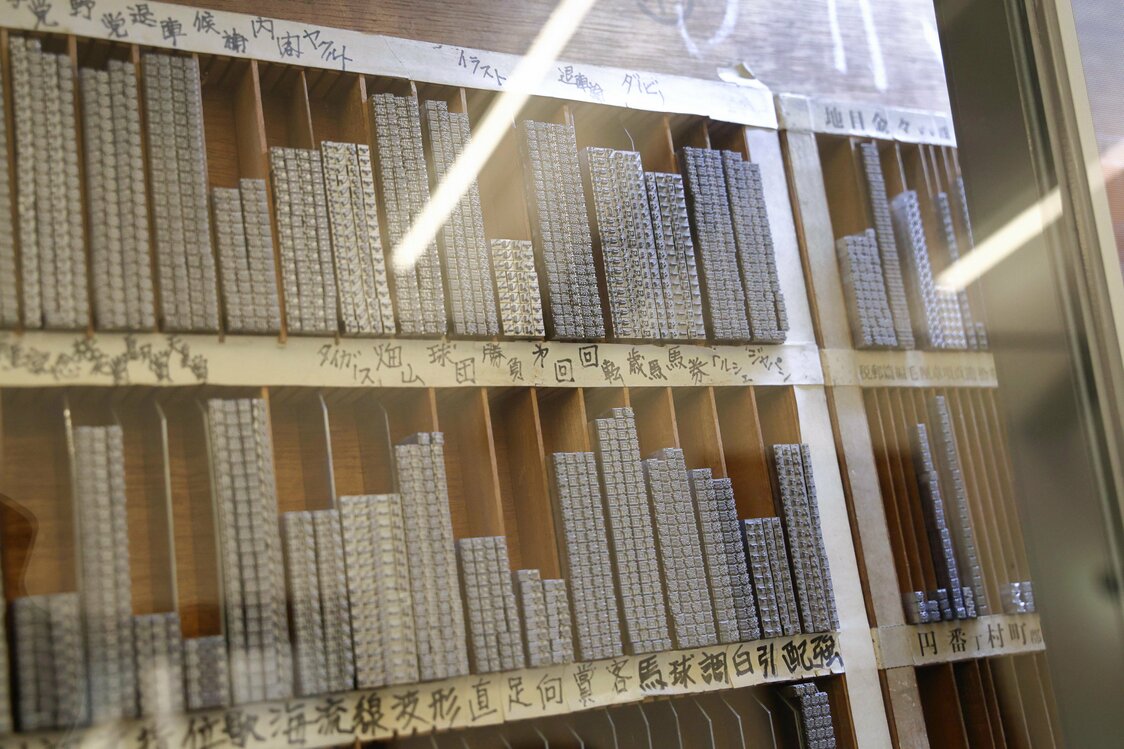
A case with common compounds used until 2003. Among the pieces are トルシエ for Philippe Troussier, the manager of the Japanese men’s national soccer team until 2002, and 畑山, the surname of Hatakeyama Takanori, a champion boxer who retired in the same year.
-
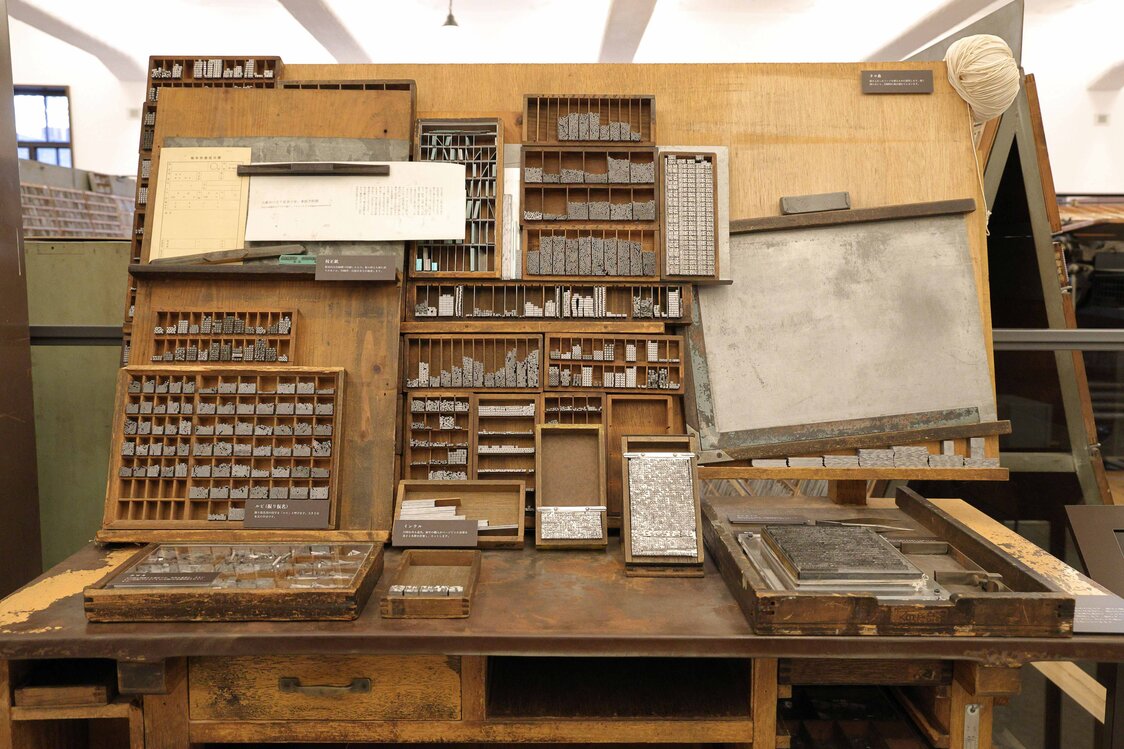
A typesetting desk.
-
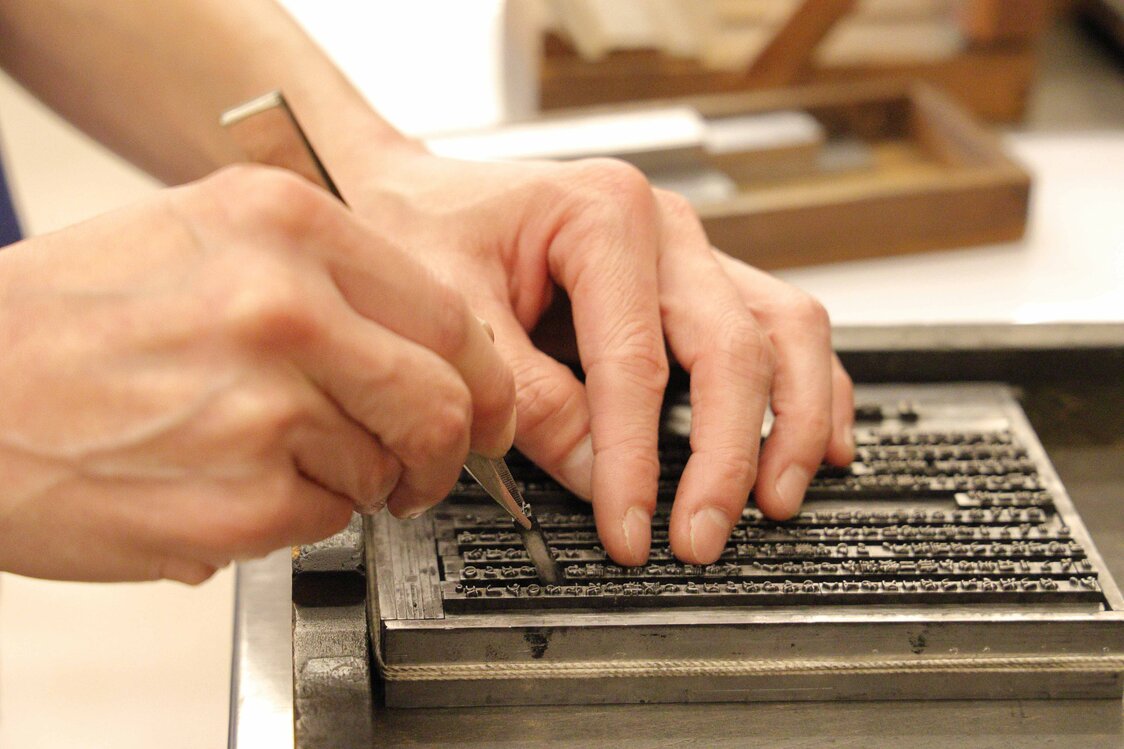
Making changes during the editing process requires careful use of tweezers to avoid disturbing adjacent text.
-
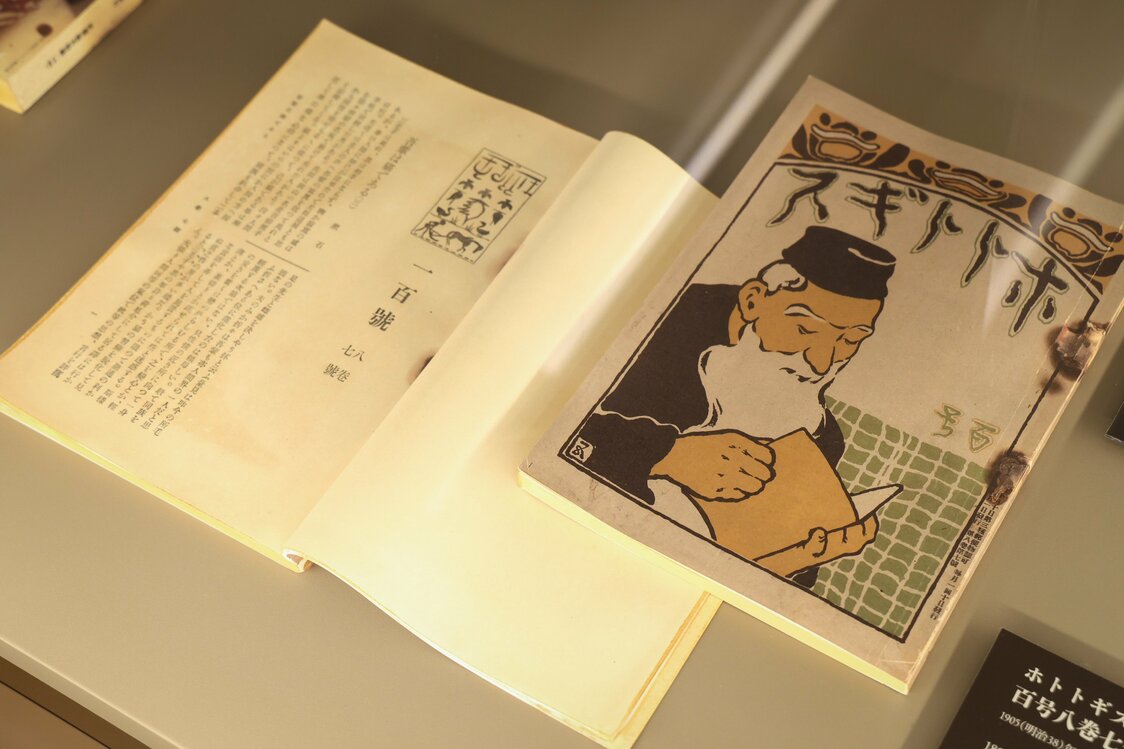
The museum exhibits valuable magazines and books. Shown here is an edition of literary magazine Hototogisu from 1905 that includes the first instalment of Natsume Sōseki’s Wagahai wa neko de aru (trans. by Itō Aiko and Graeme Wilson as I Am a Cat).
-
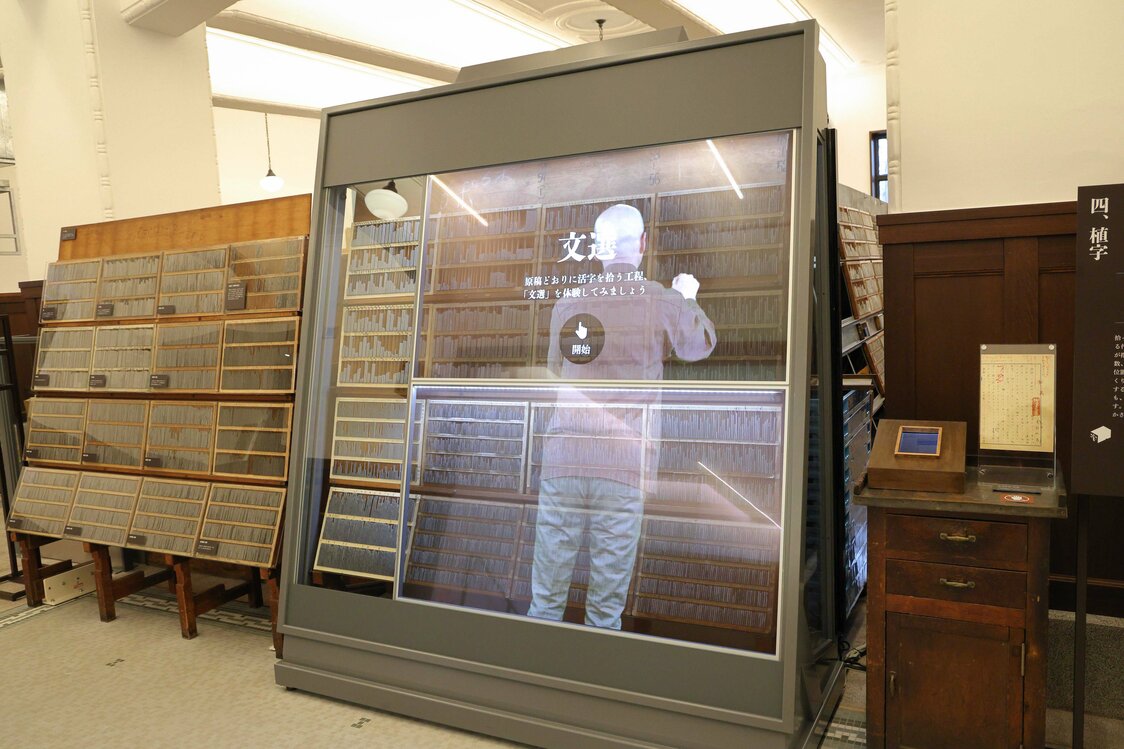
Visitors can try their hand at being bunsen technicians by searching for virtual type displayed on glass panels.
-
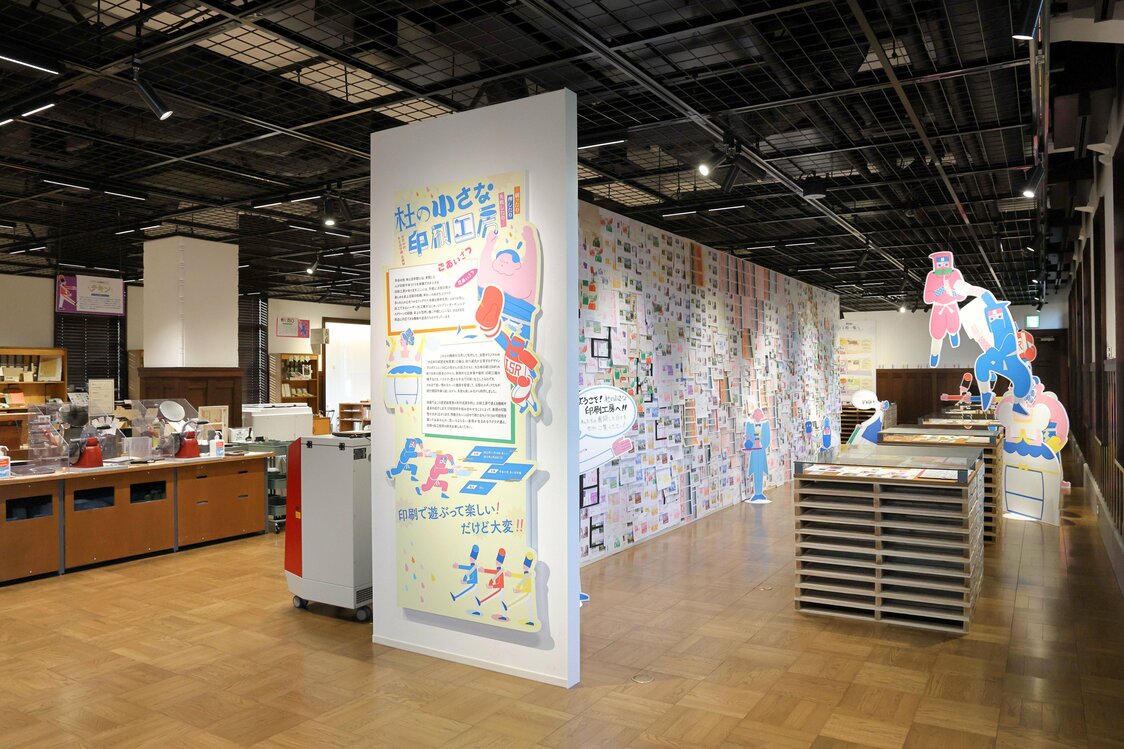
The museum’s second floor includes a shop for books and magazines, a hands-on workshop area, and exhibitions related to printing and bookmaking.


 Read in other languages