-
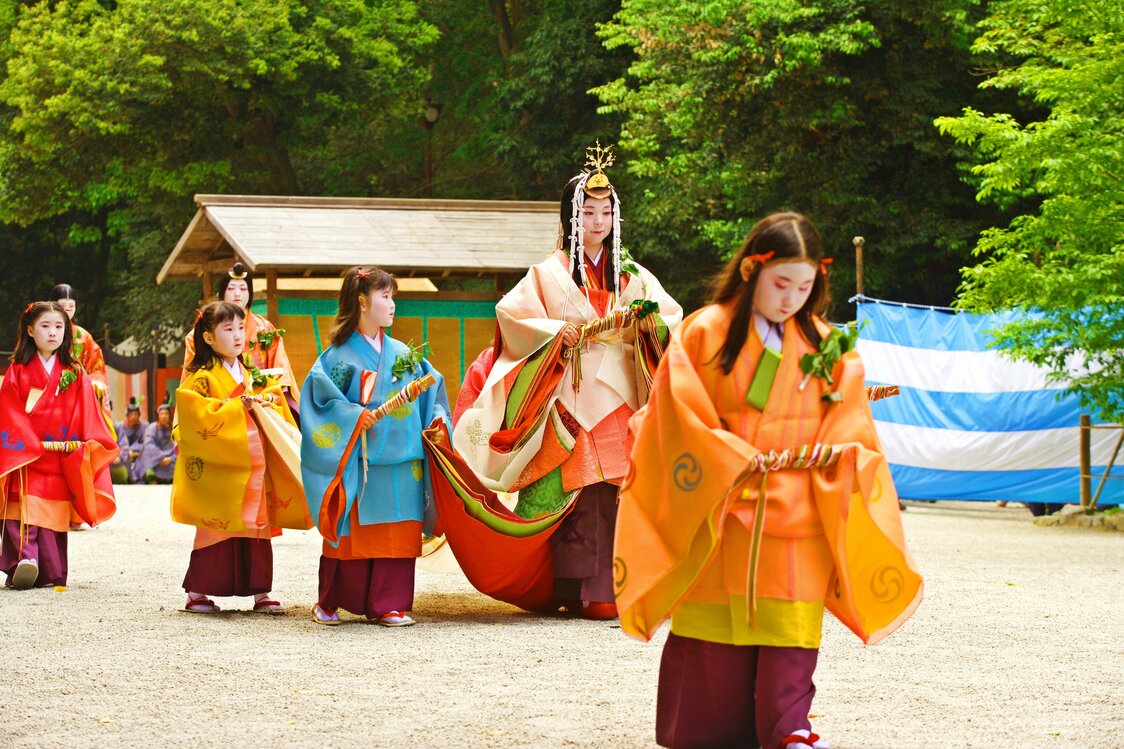
Imperial princesses dedicated to the shrine were called saiō. Nowadays, a woman with the title of saiō-dai participates in the procession as their representative. (© Edit Plus)
-
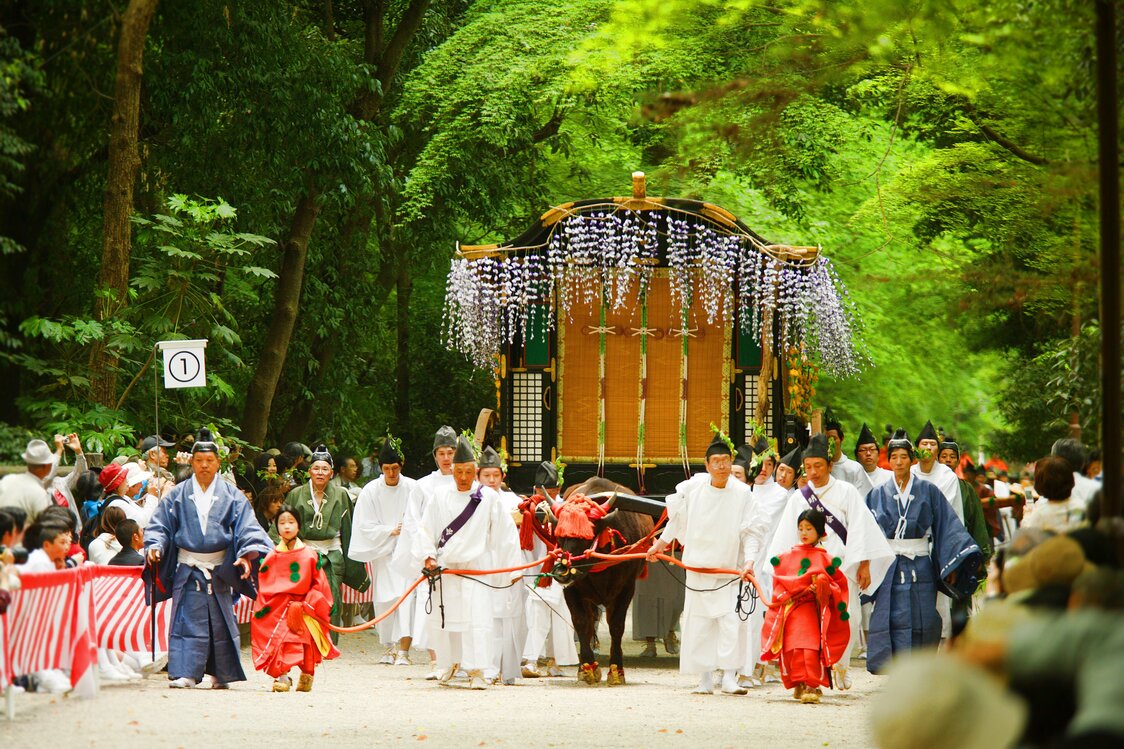
Twigs from katsura trees and heart-shaped leaves of the futaba-aoi decorate the hair of the saiō-dai and the clothing of procession participants. Paid spectator seating is available along the procession route at the Kyoto Imperial Palace and the approach to the shrines. (© Edit Plus)
-
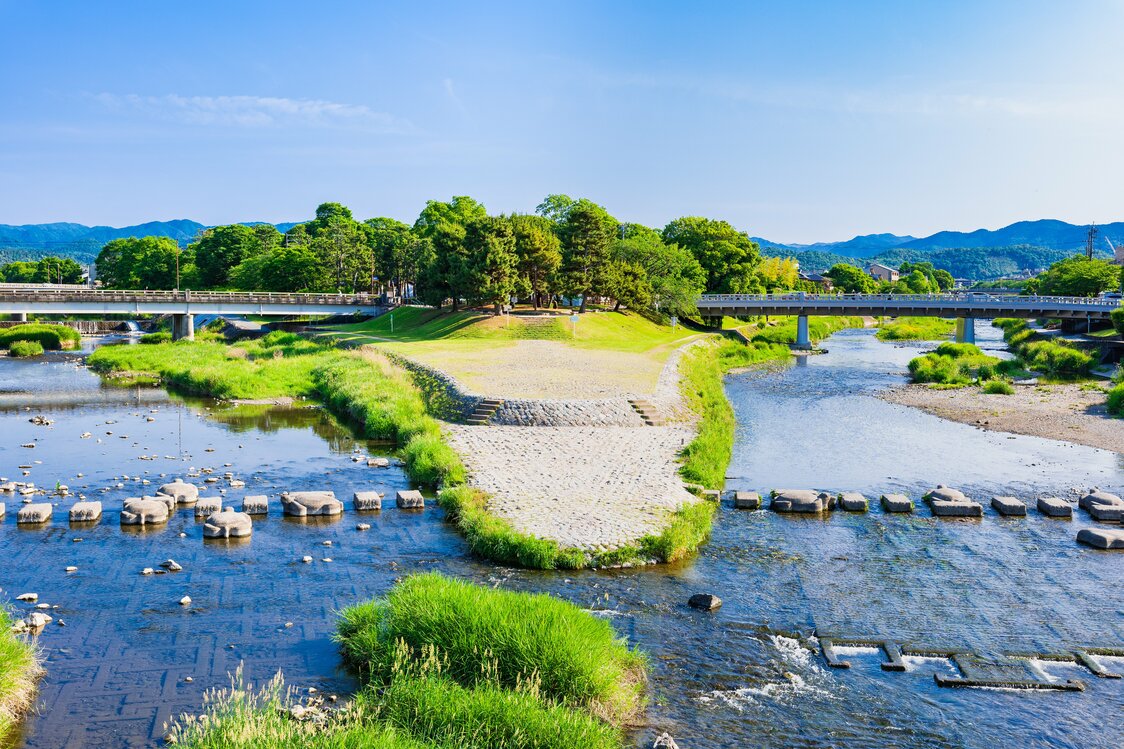
Shimogamo Shrine lies in a forest facing the Kamogawa delta at the confluence of the Kamo and Takano rivers. The bridge to the right leads to Demachiyanagi, the closest rail station. (© Pixta)
-
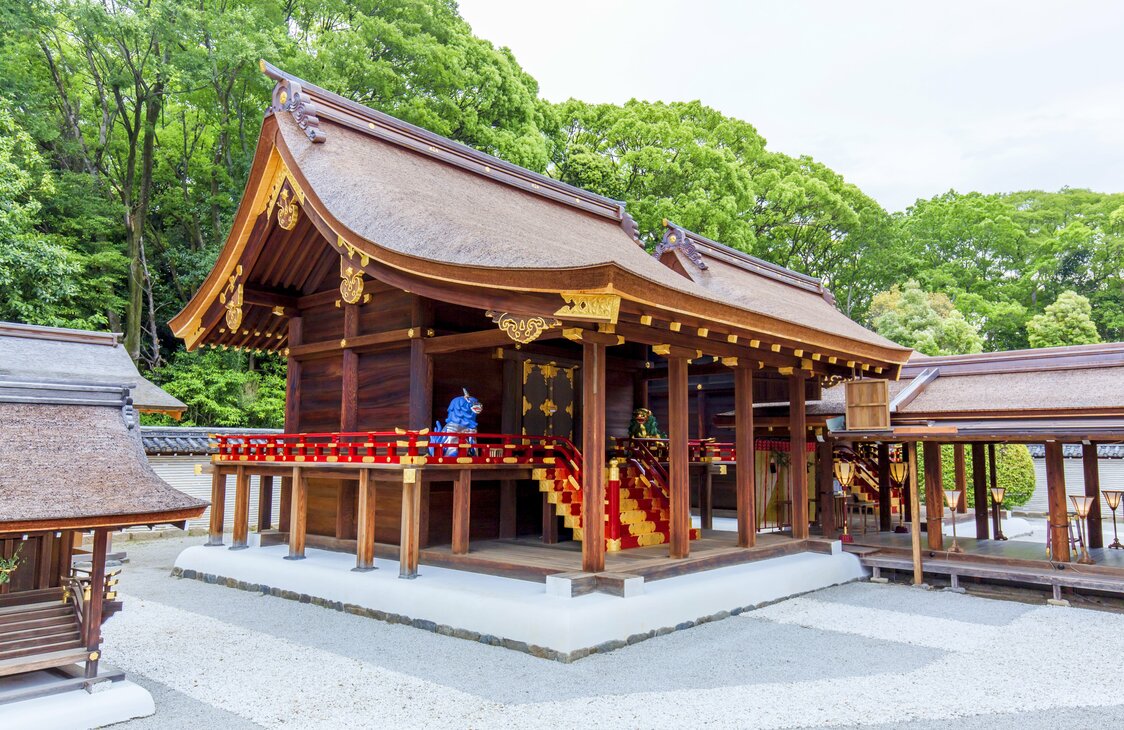
The West and East Sanctuaries, both designated national treasures, sit side by side. (© Edit Plus)
-
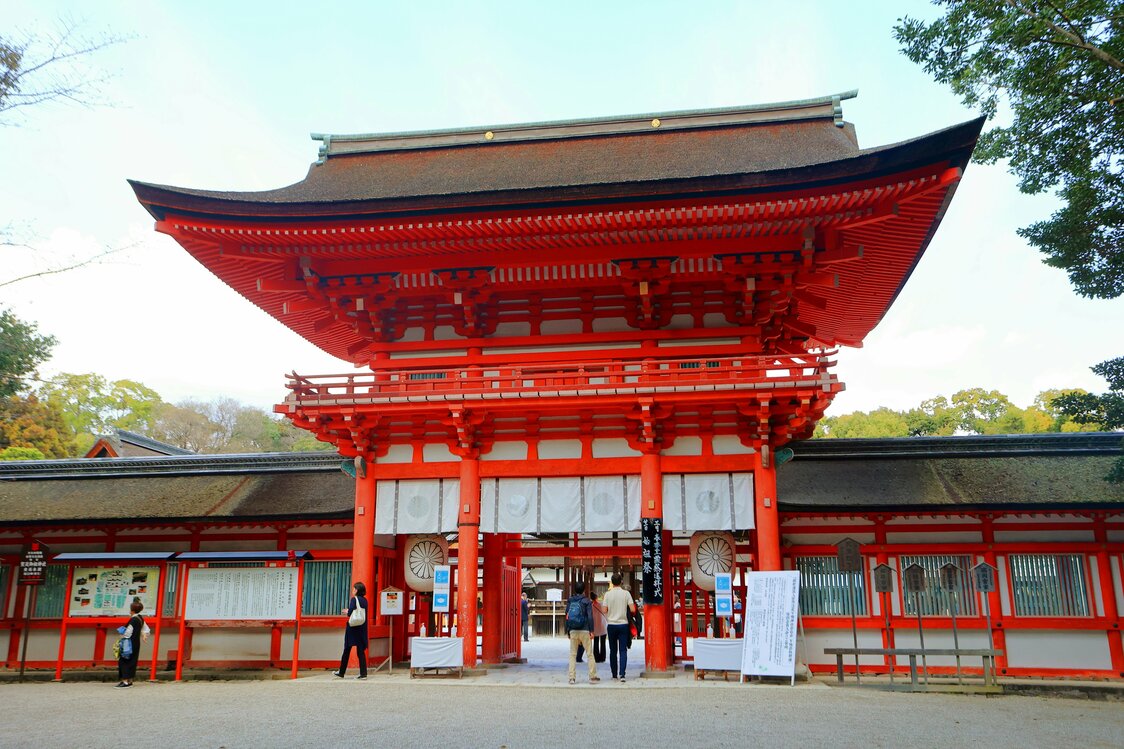
The shrine’s brilliant vermillion Rōmon two-storied gate stands 13 meters tall. (© Edit Plus)
-
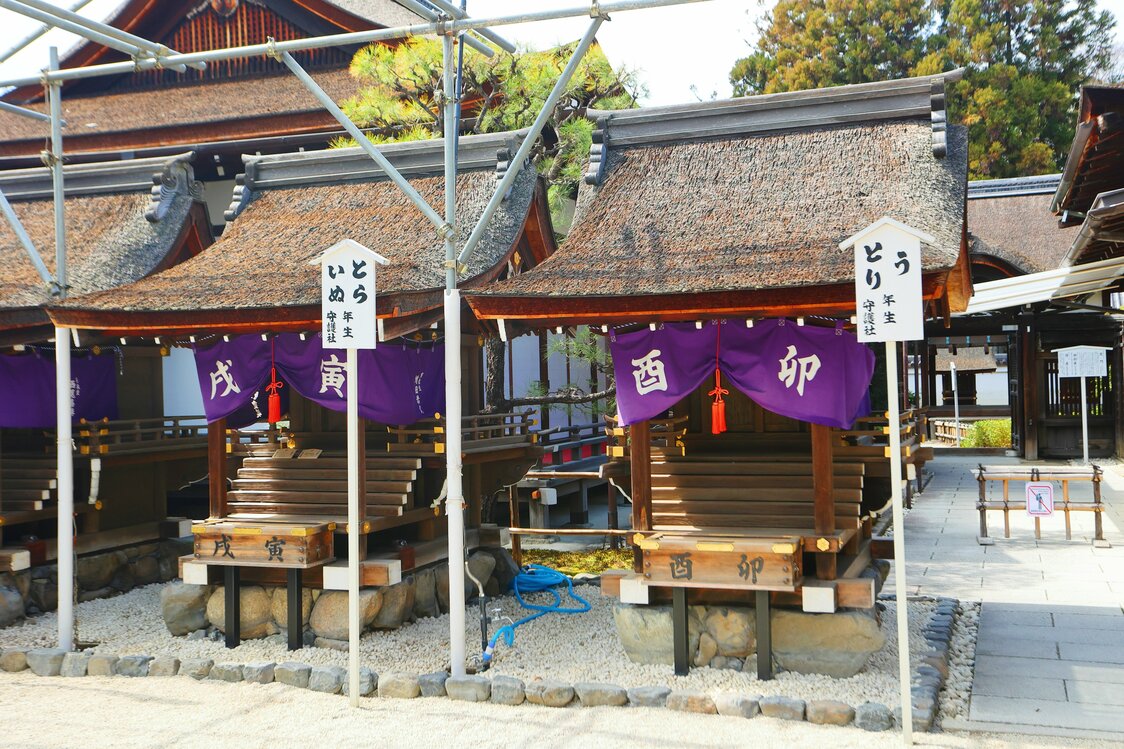
The Kotosha shrines are the protectors of the 12 signs of the Chinese zodiac. (© Edit Plus)
-
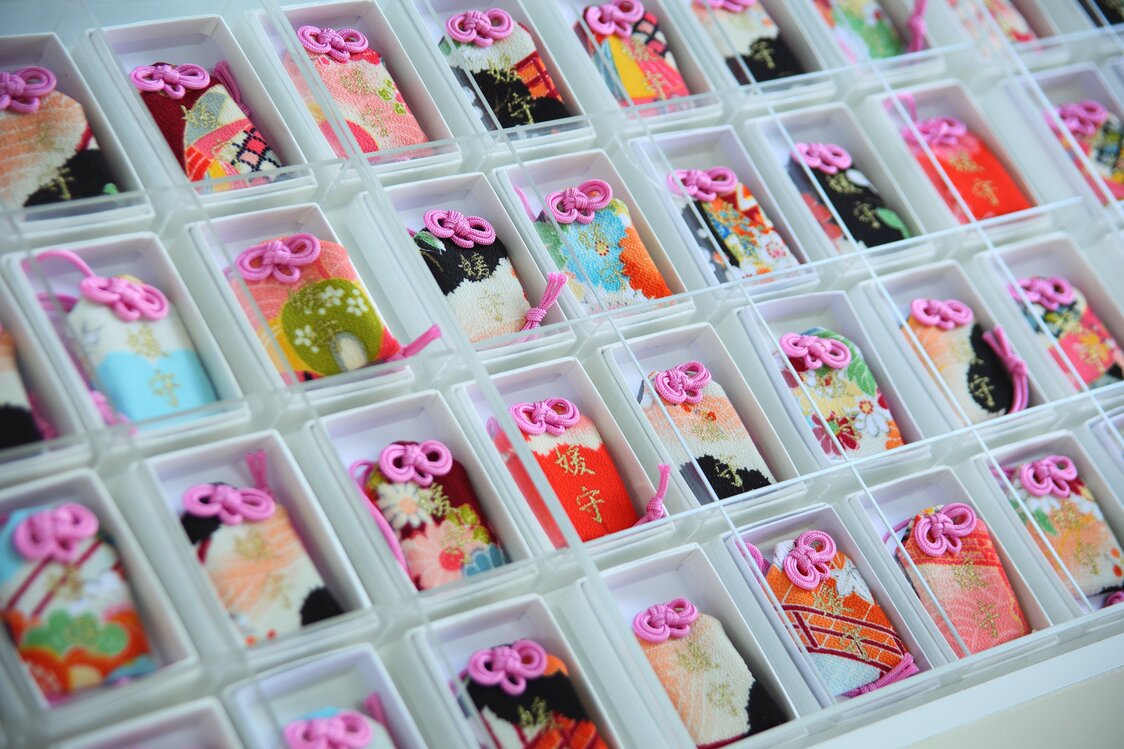
These amulets on sale at the main shrine office are all made from different-patterned fabrics. (© Edit Plus)
-
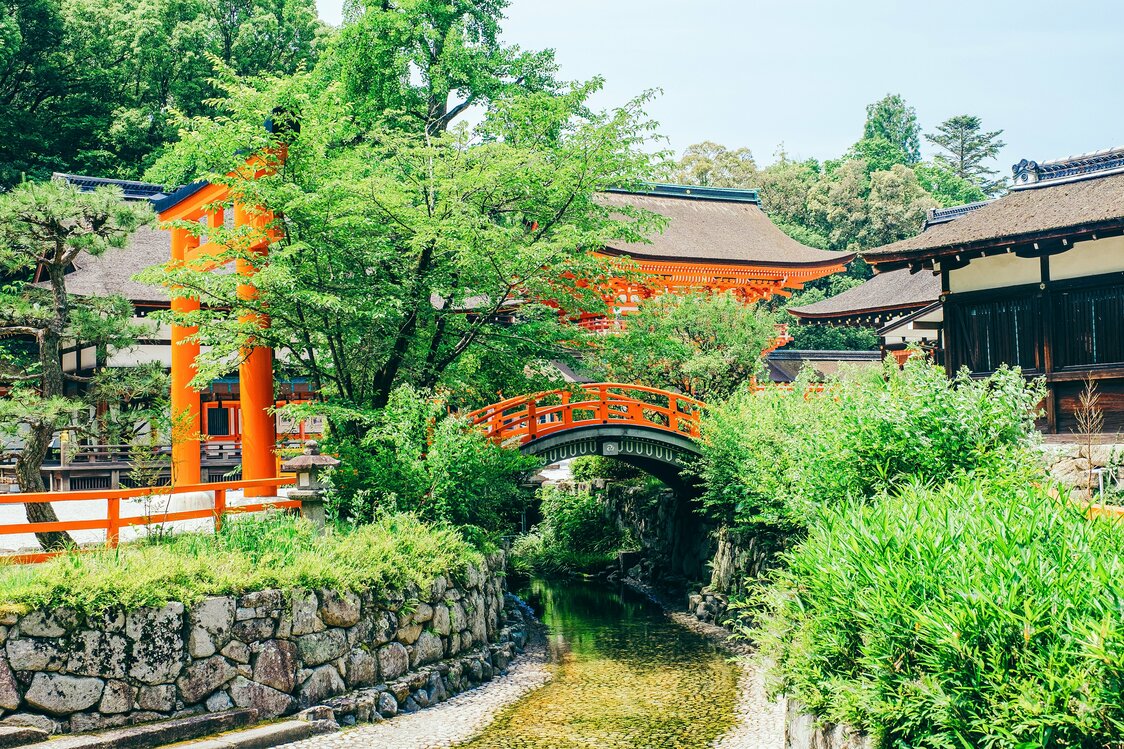
This vermillion arched bridge marks the site of Mitarashi Pond, to the right of the shrine’s main hall. (© Pixta)
-
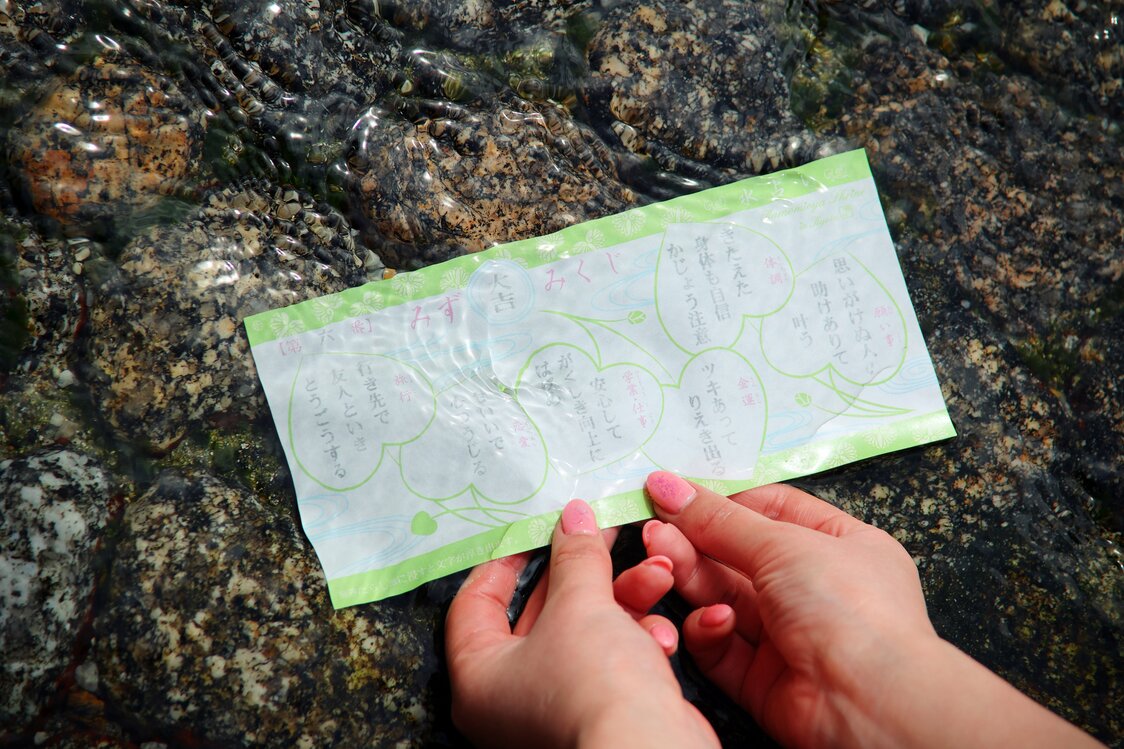
This special fortune-telling slip, sold at the Mitarashi shrine office, reveals its message when dipped in water. The paper is watermarked with the shrine’s futaba-aoi crest. What fortune will the water reveal? (© Edit Plus)
-
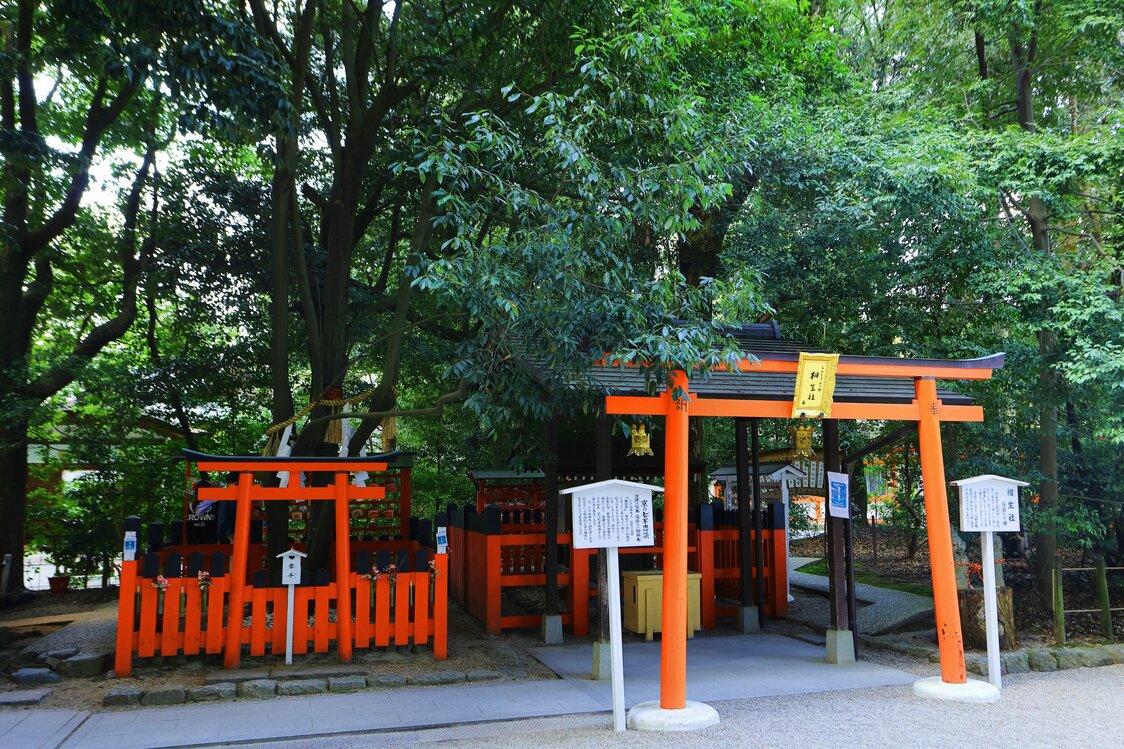
This shrine is popular among people seeking romantic relationships. Men and women offer ema votive tablets here in the hope of finding a compatible life partner. (© Edit Plus)
-

The many items for sale at shrine offices include woven cords with the futaba-aoi motif and popular fortune-telling slips bought by people hoping to find a partner. These slips have such a long history that they are mentioned in the eleventh century Tale of Genji. (© Pixta)
-
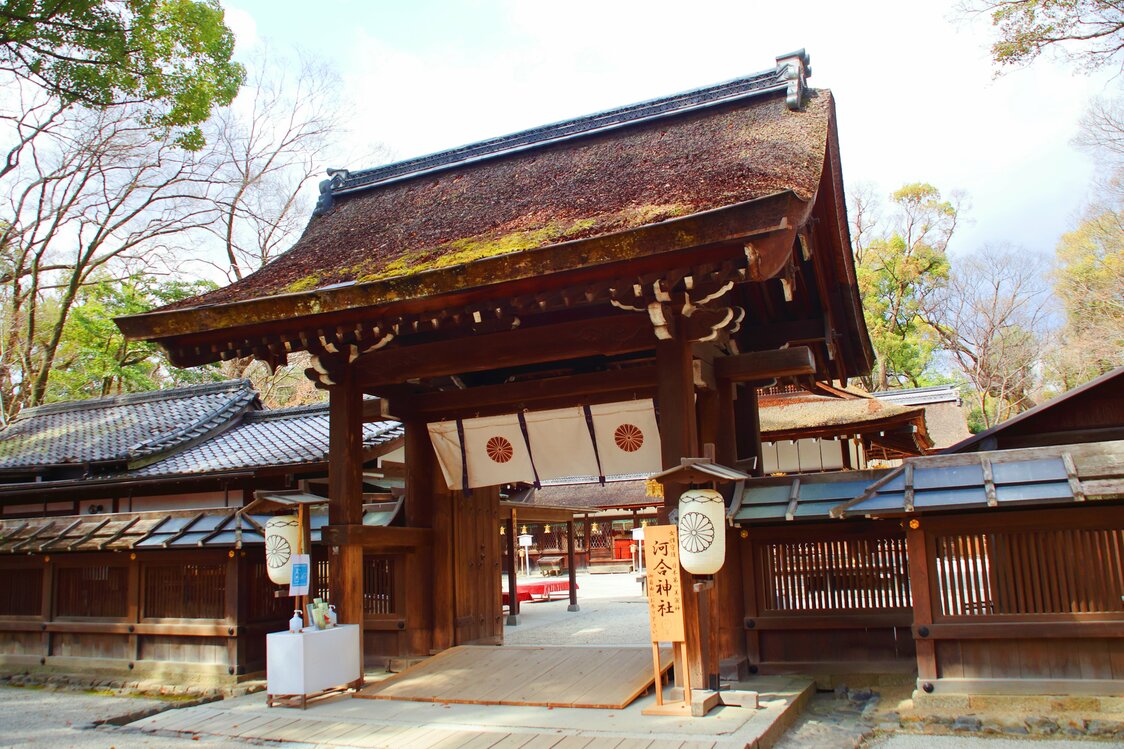
This shrine was the childhood home of Kamo no Chōmei, author of the 1212 Hōjōki (trans. An Account of My Hut), one of Japan’s three great collections of literary jottings. (© Edit Plus)
-
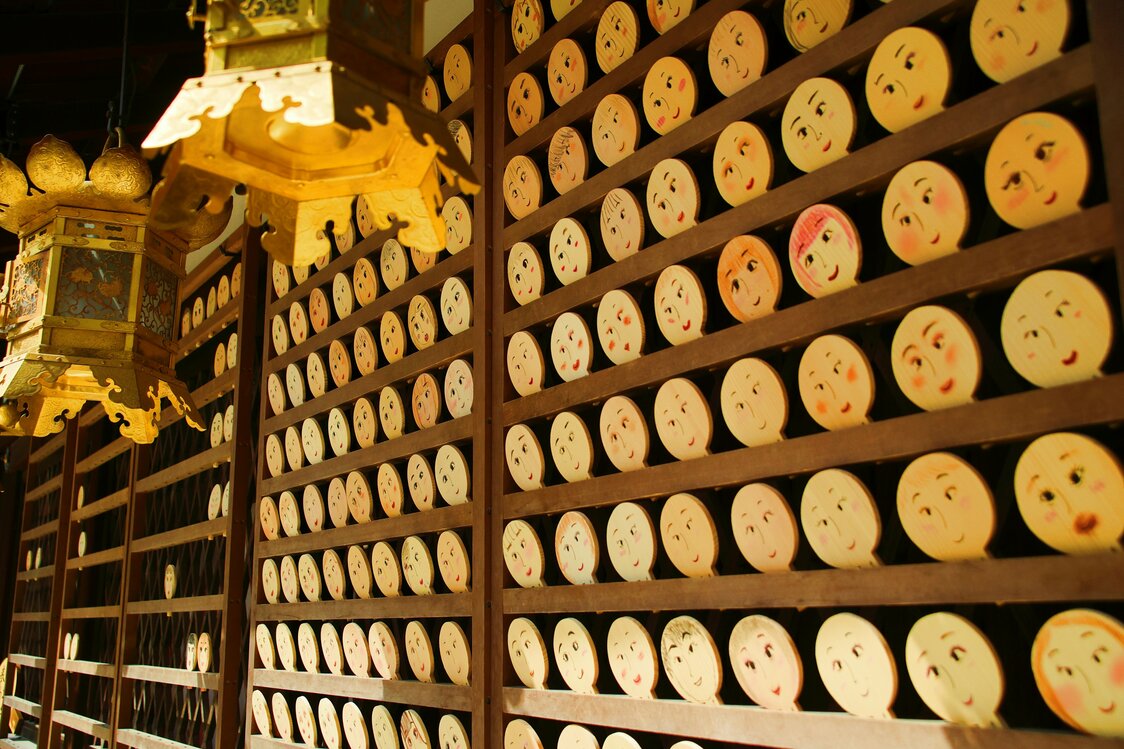
Women can draw faces on the hand mirror-shaped ema in a room set aside for that purpose. (© Edit Plus)
-

Tadasu no Mori is home mainly to deciduous species like elms and zelkovas. Due to the effects of climate change, though, more oaks and other evergreens are growing there now. (© Pixta)
-
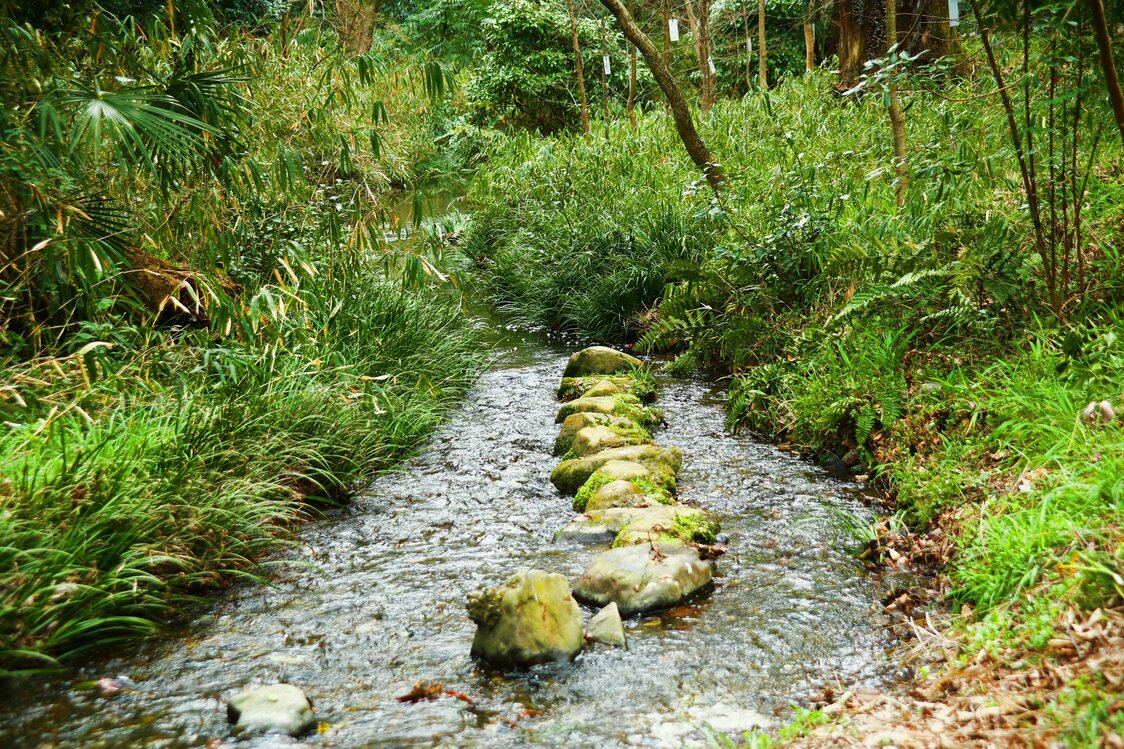
In early June, a gathering takes place to view fireflies released in this stream. (© Edit Plus)
-
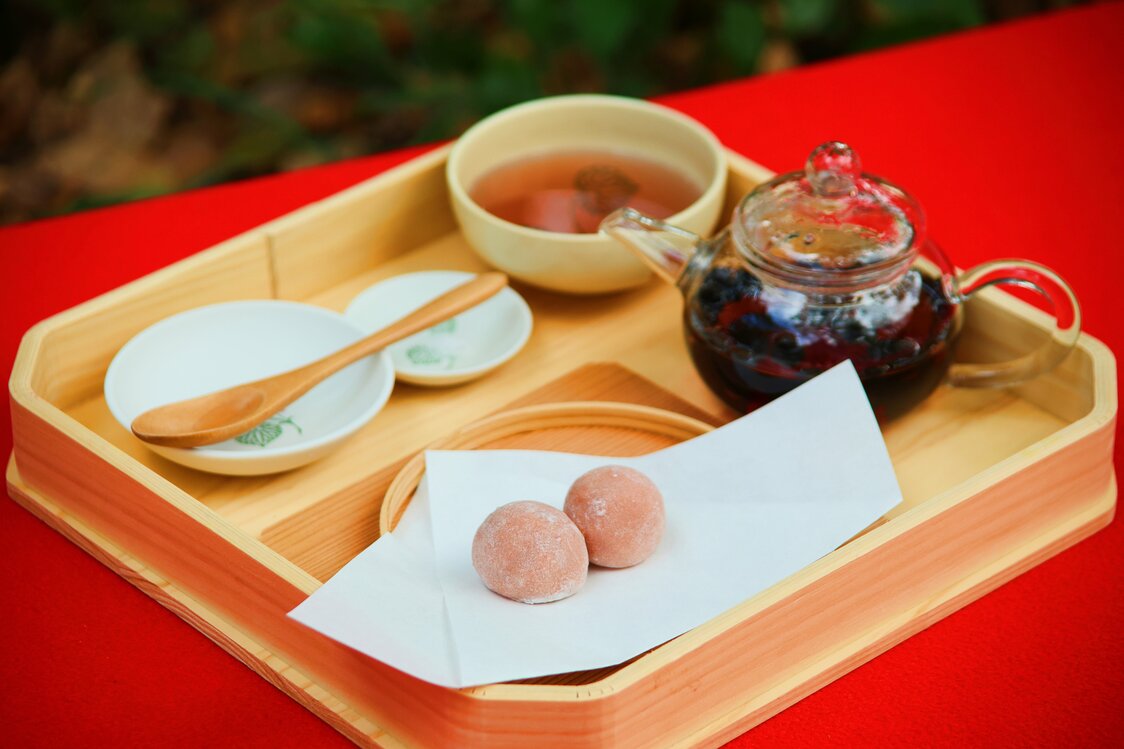
Sarumochi and black soybean tea. After drinking the tea, patrons can place the beans on a saucer and enjoy them with a sprinkling of salt. (© Edit Plus)
-
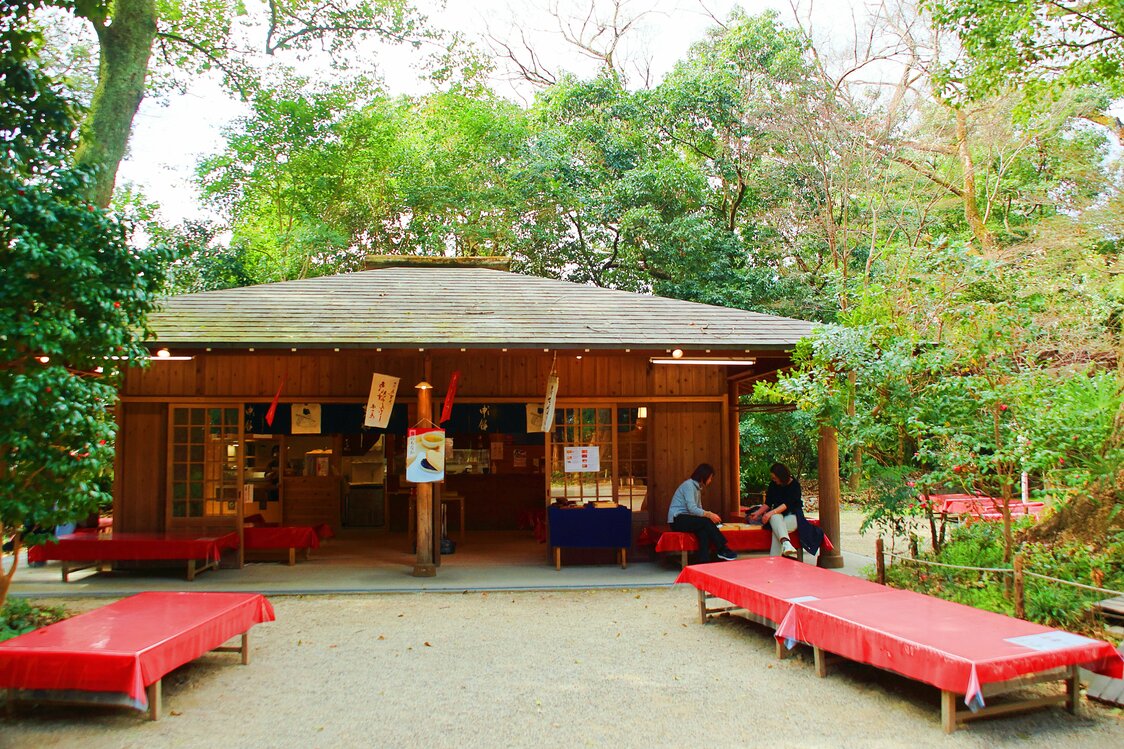
Saruya’s famous sweets and tea are also available for takeout or purchase as souvenirs. (© Edit Plus)


 Read in other languages