-
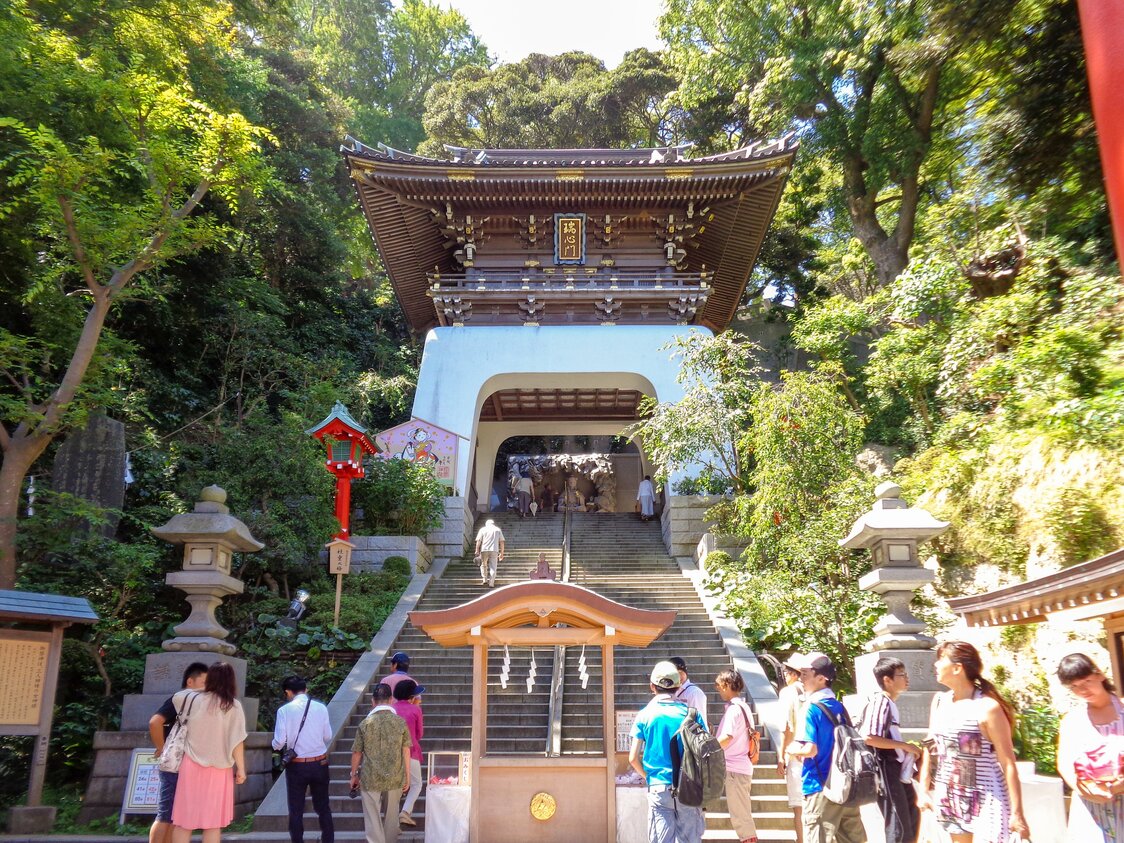
The gate of Enoshima Shrine is modeled on the mythical Ryūgū-jō, the undersea palace of Japanese folklore. (Courtesy Enoshima Shrine)
-
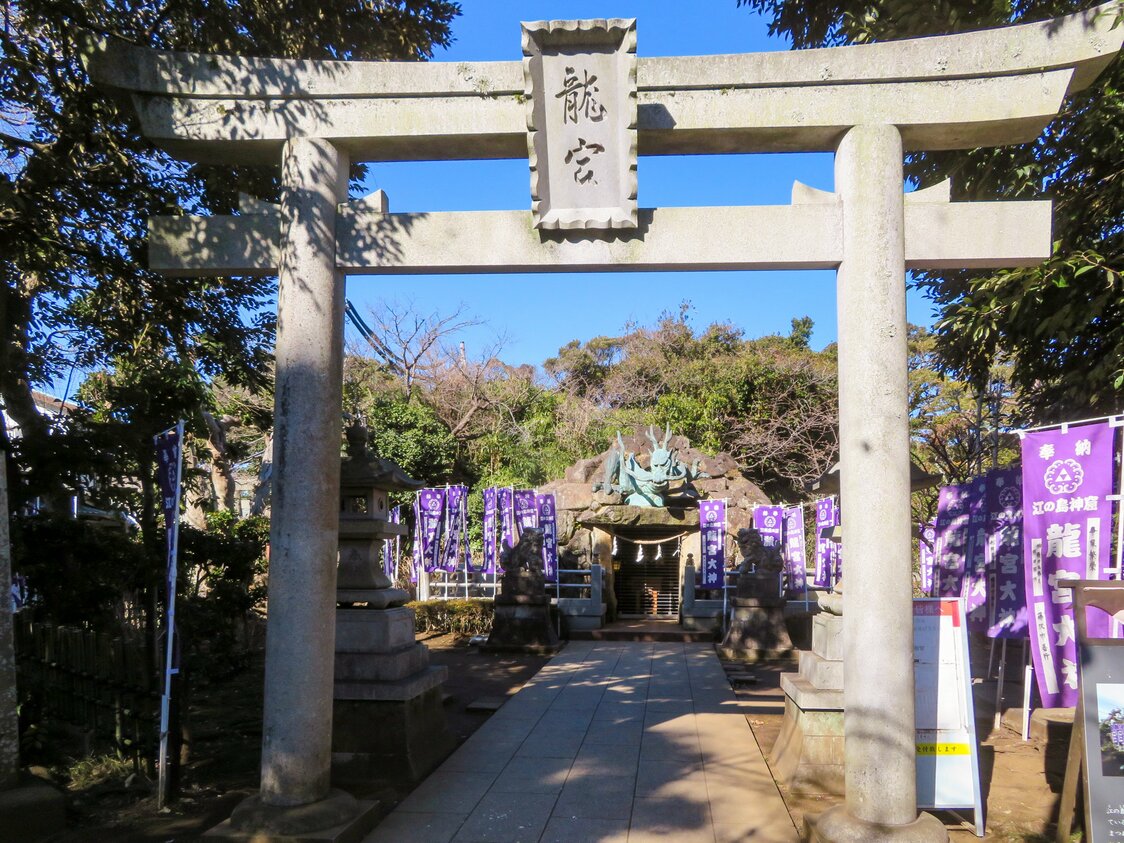
Wadatsumi no Miya Shrine stands atop the grotto where the dragon supposedly lived. (© Shibuya Nobuhiro)
-
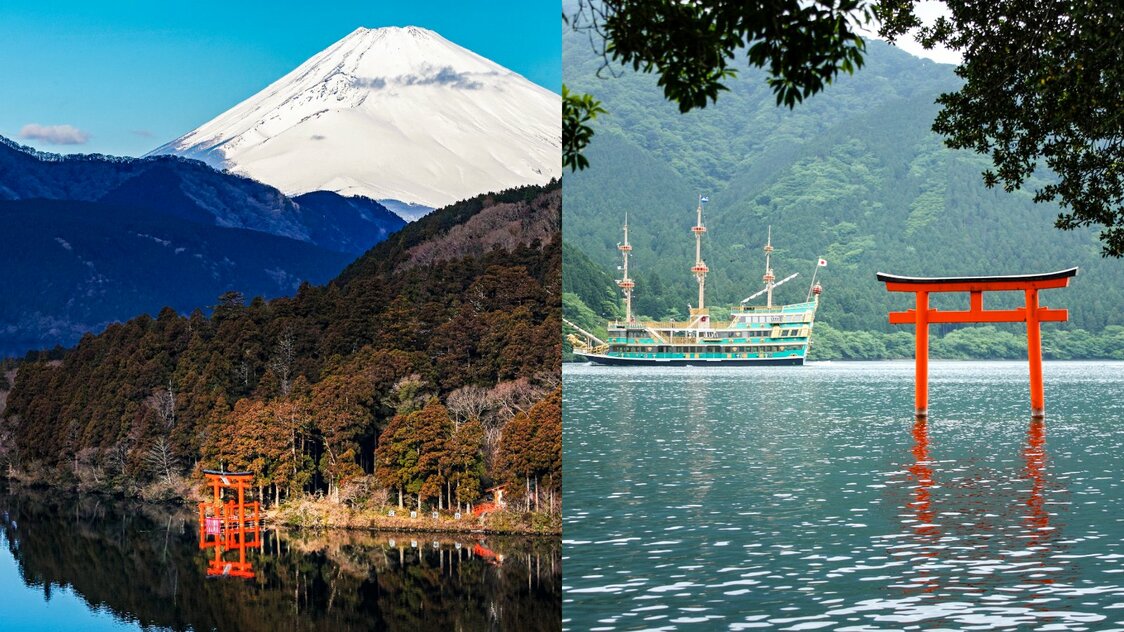
Hakone Shrine’s “peace torii” (left), a favorite of photographers, and the “floating torii” near the pier where tour boats dock. (© Pixta)
-
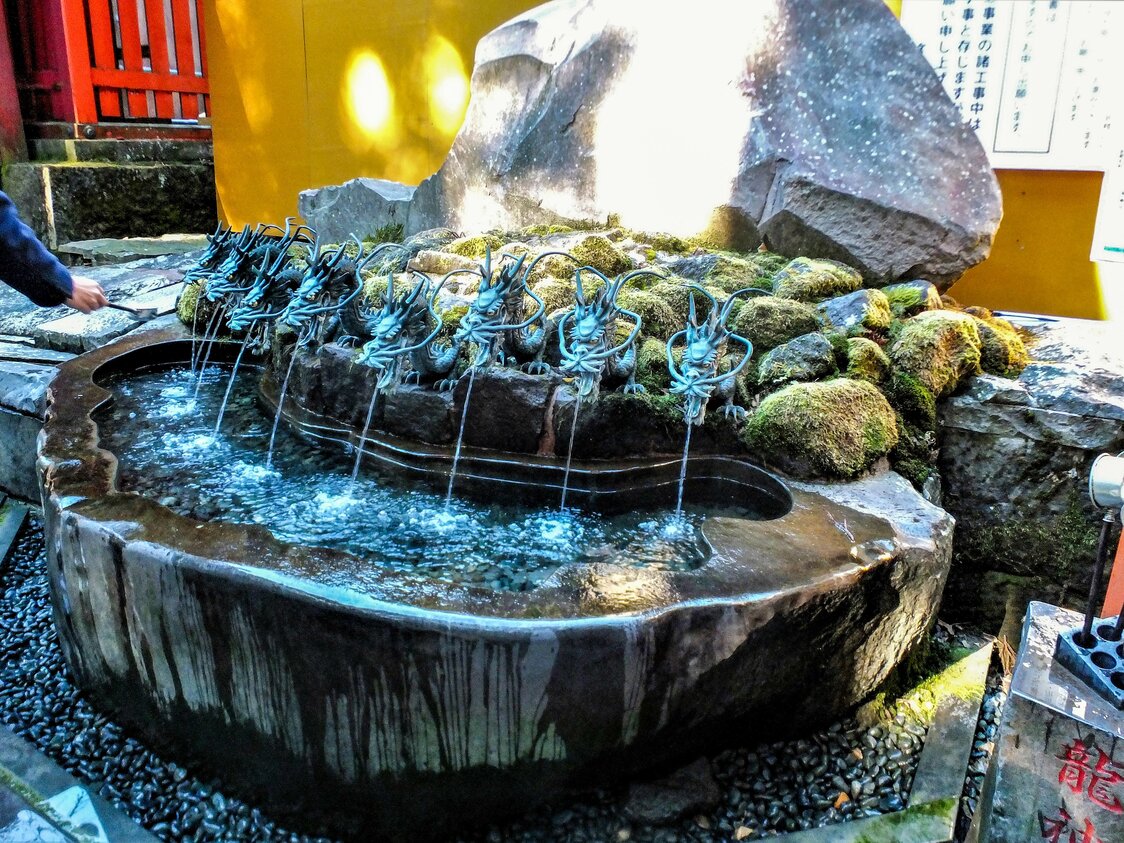
The temizuya basin at Kuzuryū Shrine. The water pouring from the dragons’ mouths is thought to wash away all impurities. (© Shibuya Nobuhiro)
-
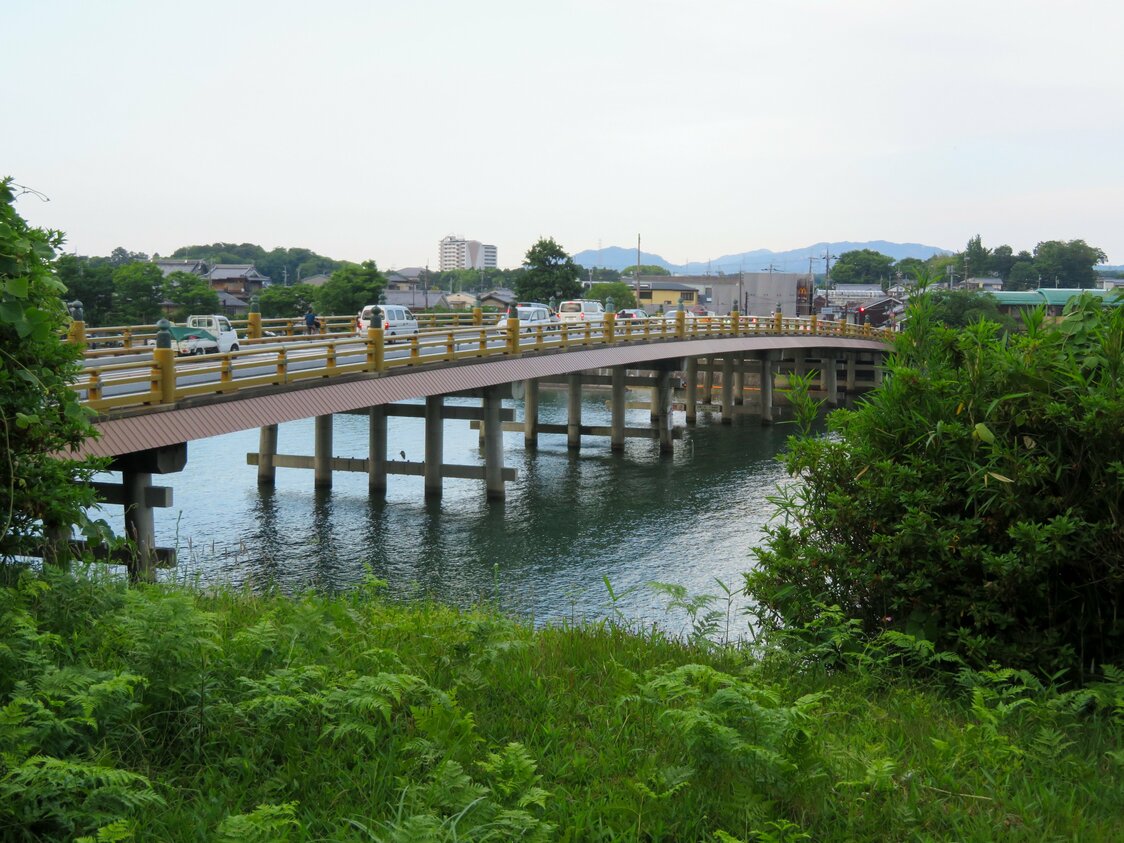
The Seta no Karahashi bridge features in a Ryūgū legend. (© Shibuya Nobuhiro)
-
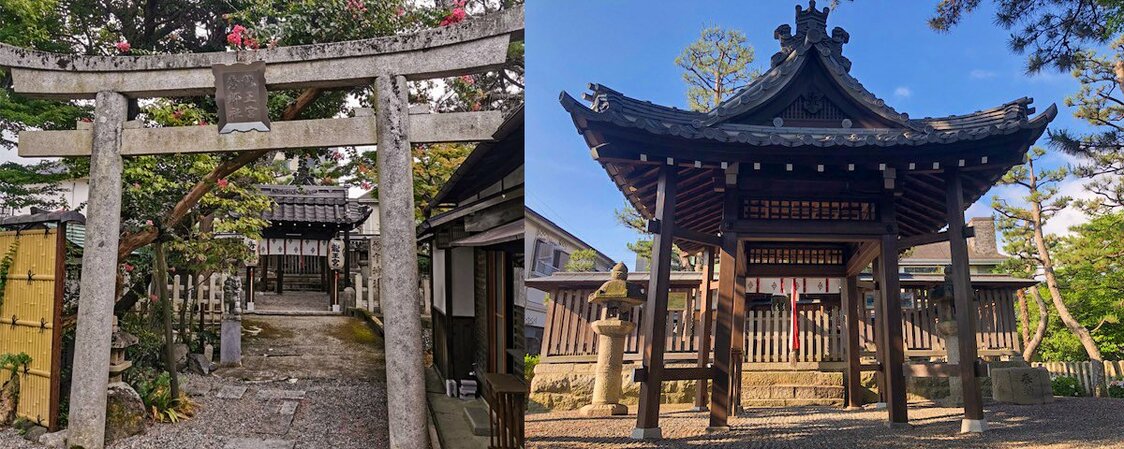
From left: The unprepossessing shrine lies at the eastern end of the bridge; the worship hall enshrining the dragon deity and Hidesato. (Courtesy Setabashi Ryūgūhidesato Shrine)
-
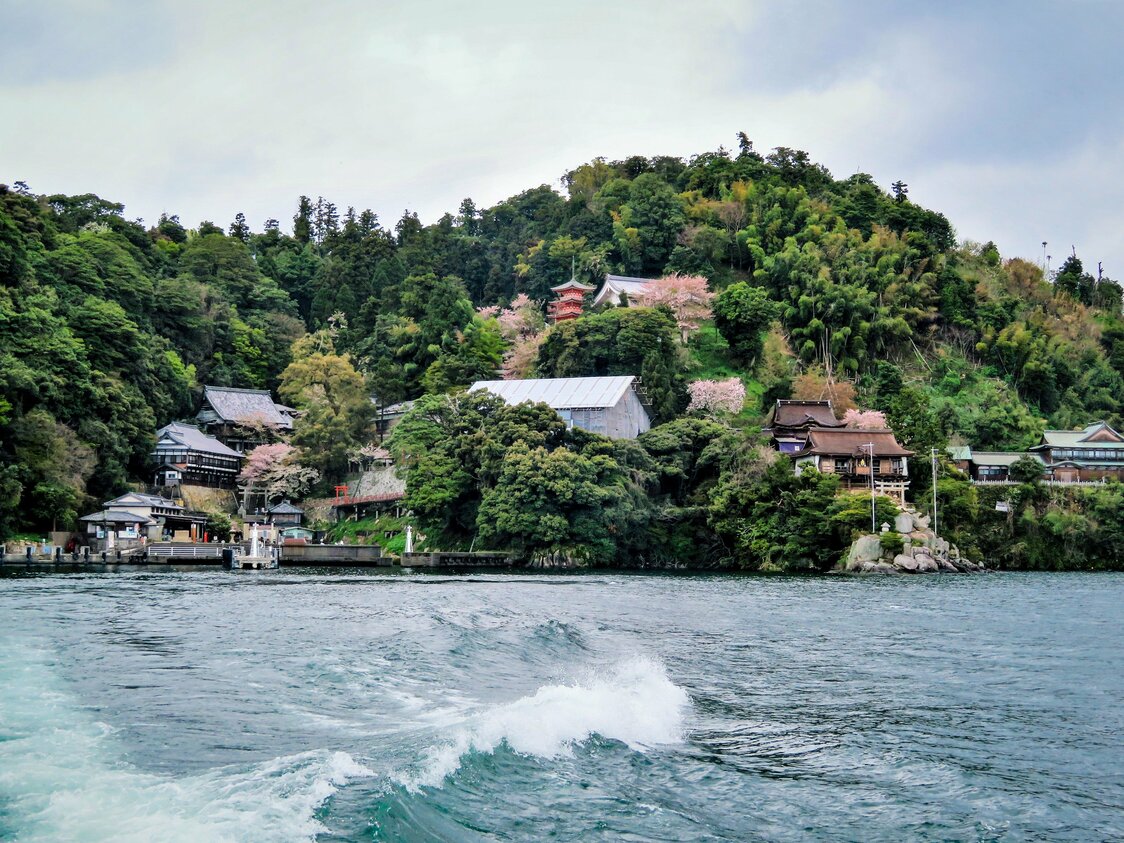
The Tsukubusuma Shrine on the banks of Lake Biwa. (© Shibuya Nobuhiro)
-
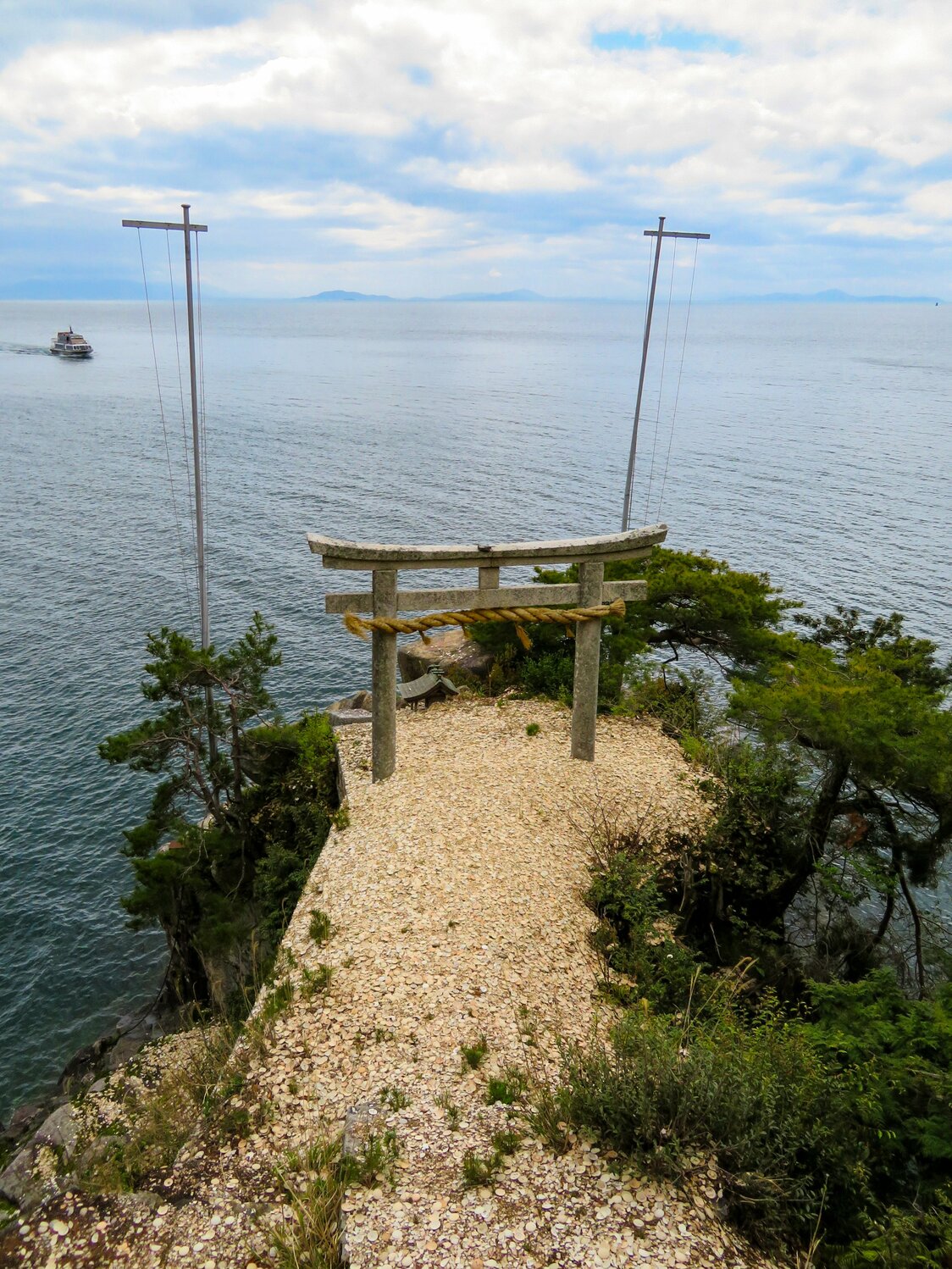
The interior of the shrine grounds are off limits, and worshippers instead throw clay plates from a hall at the front. (© Shibuya Nobuhiro)
-
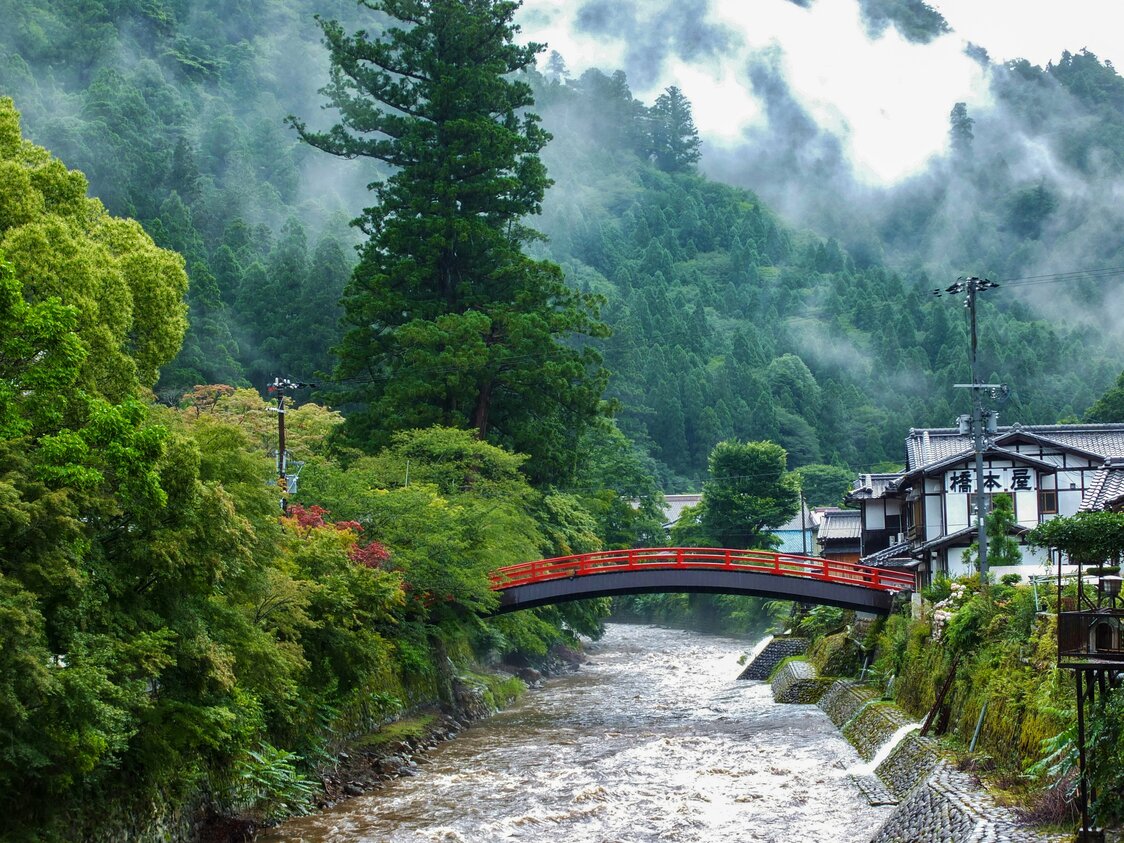
A picturesque arched bridge over the Murō River, near Ryūketsu Shrine. (© Shibuya Nobuhiro)
-
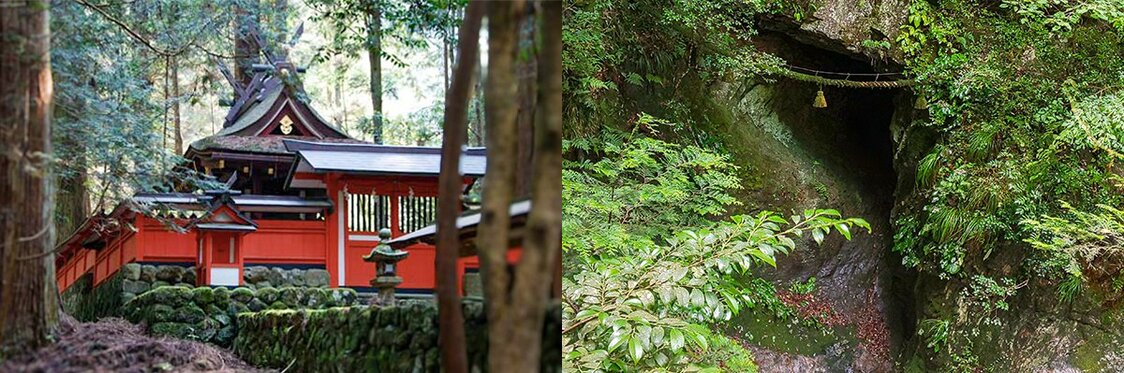
Ryūketsu Shrine’s main hall (left) and the Kisshō Ryūketsu, which is a 30-minute walk up the mountain. (Courtesy Murō Ryūketsu Shrine)
-
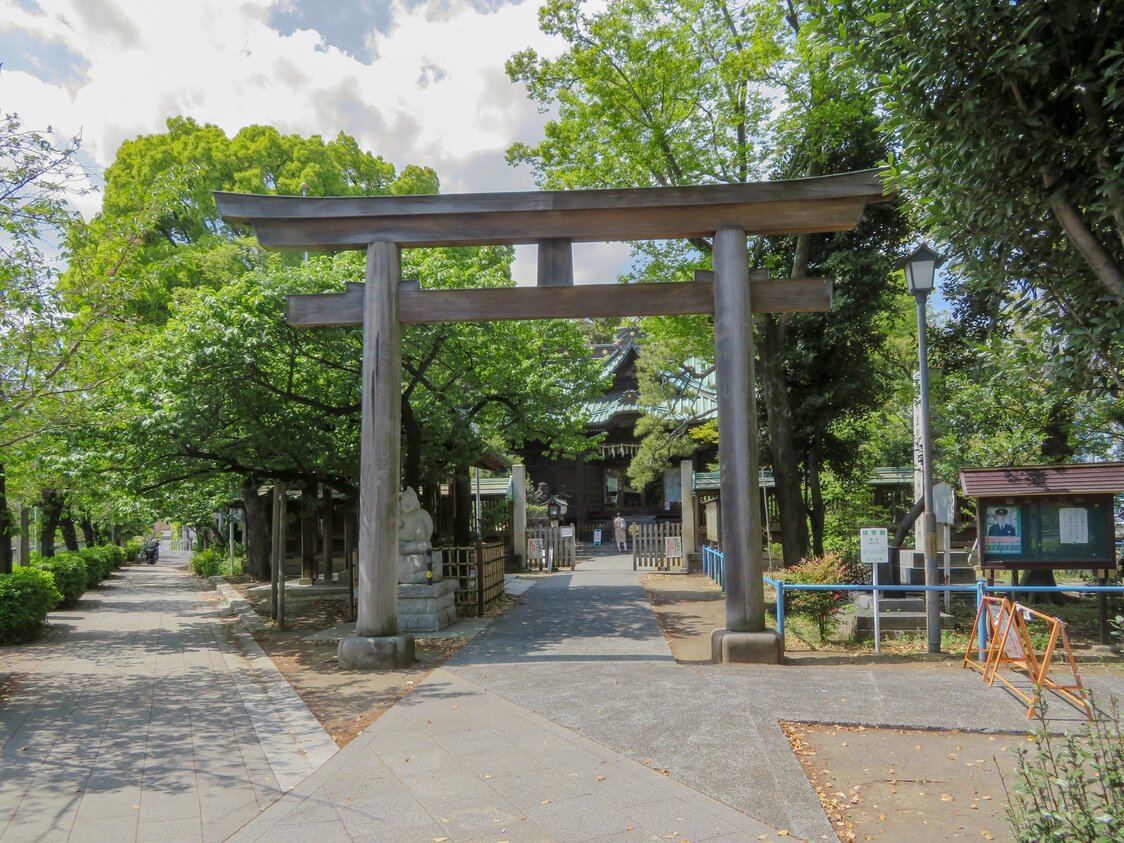
Ebara Shrine, favored by long-ago military leaders, was the protector of Shinagawa. (© Shibuya Nobuhiro)
-
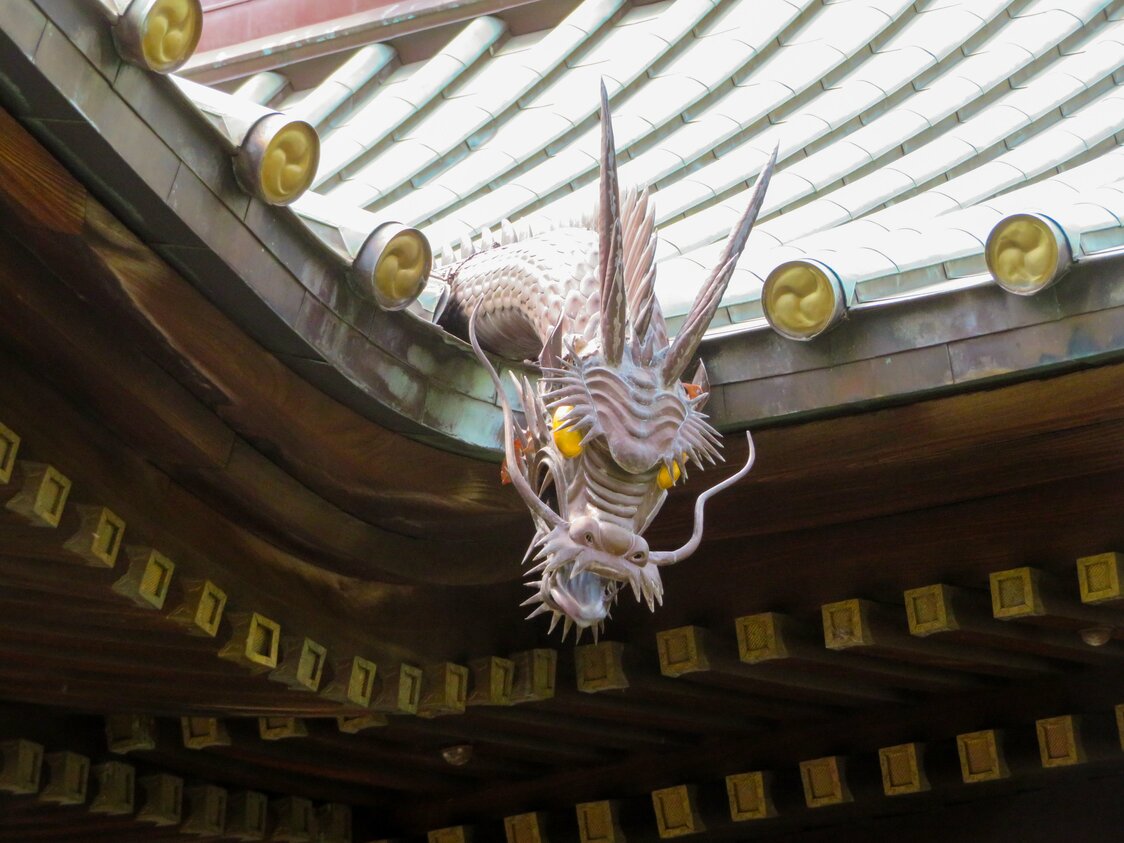
A dragon looks down from the prayer hall’s roof. (© Shibuya Nobuhiro)


 Read in other languages