-
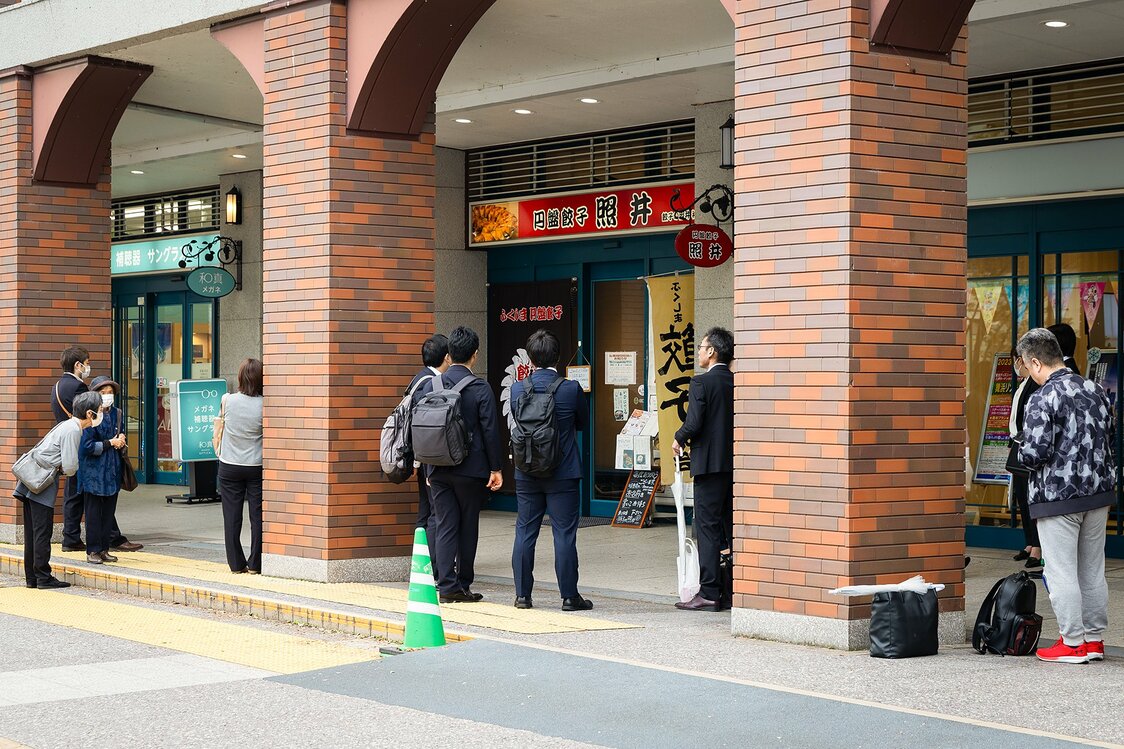
Gyōza no Terui at Fukushima Station is popular with lovers of gyōza. (© Nippon.com)
-
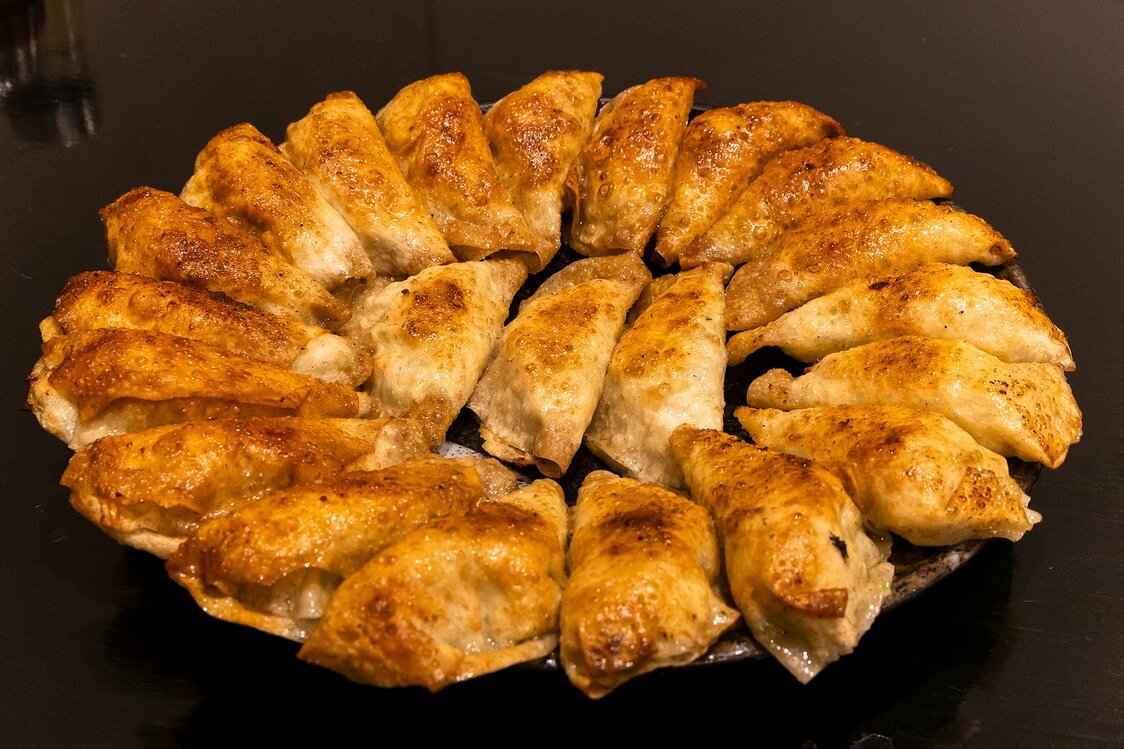
Terui’s pan-fried dumplings are crispy enough to be mistaken as deep-fried. (© Nippon.com)
-
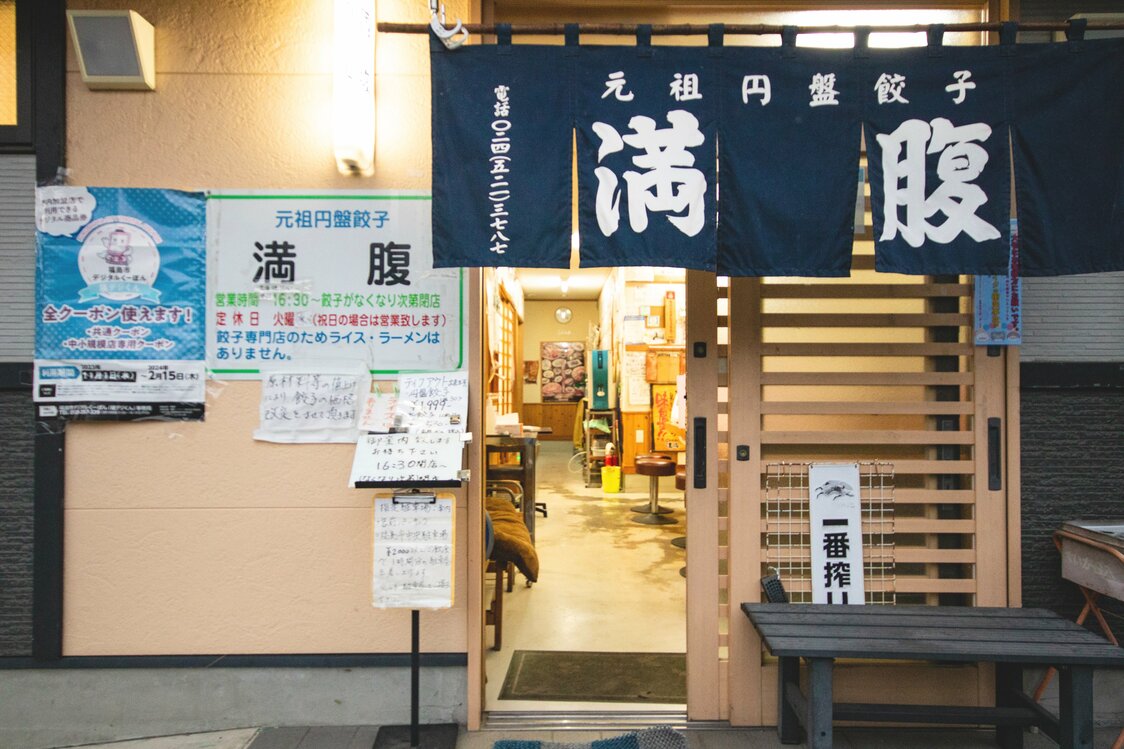
Manpuku stands in a quiet residential neighborhood that was once a bustling shopping district. (© Nippon.com)
-
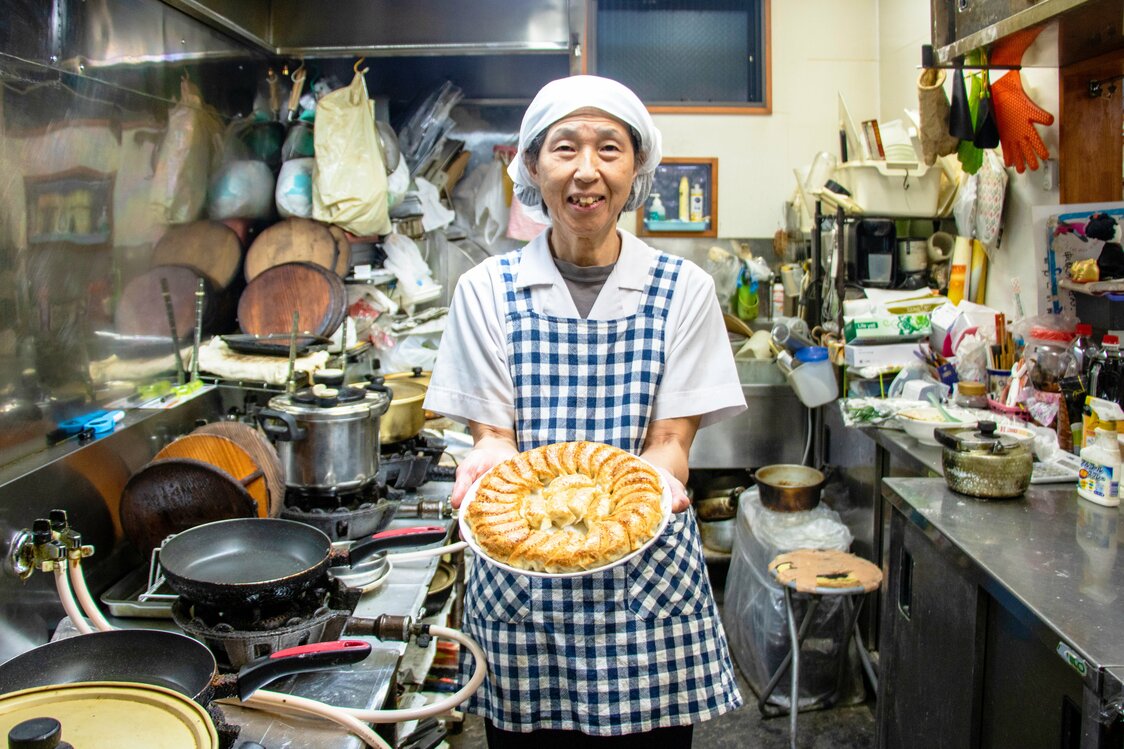
Shiino Jinko is in charge of frying up enban gyōza at Manpuku. (© Nippon.com)
-
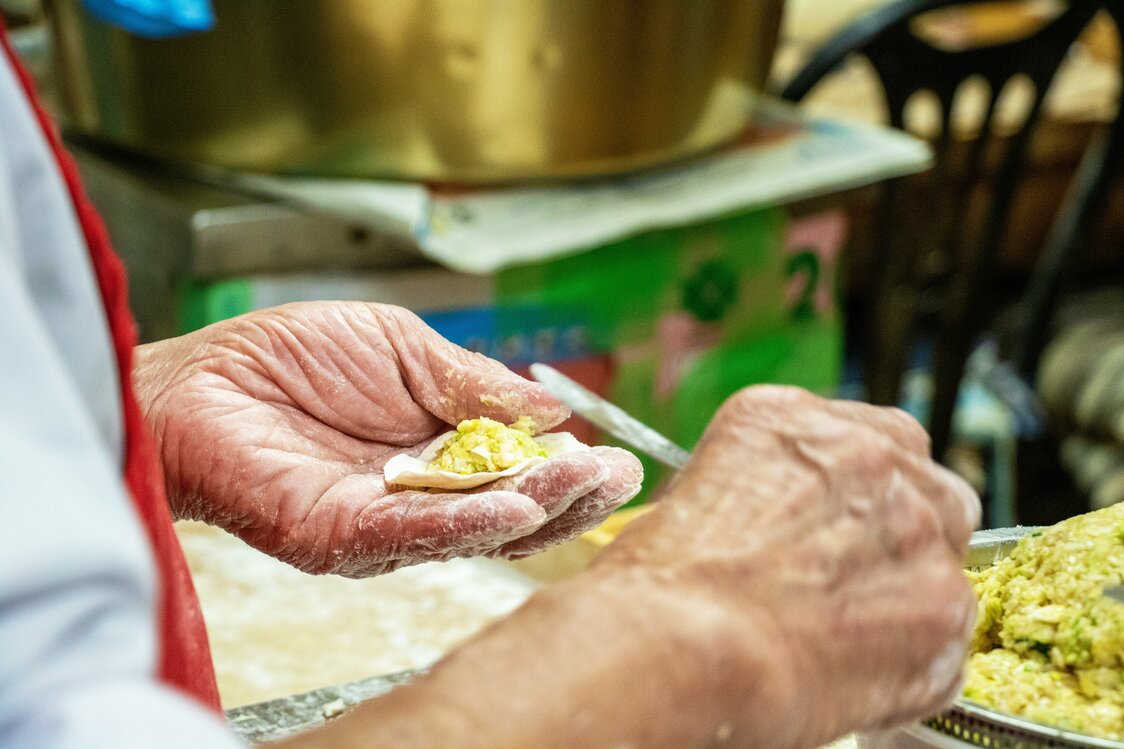
At Manpuku, dough for the wrappers is hand-kneaded and allowed to rest for two days, assuring extra chewiness. The simple filling consists of ground pork flavored with napa cabbage, Chinese chives, spring onions, garlic, and ginger. (© Nippon.com)
-
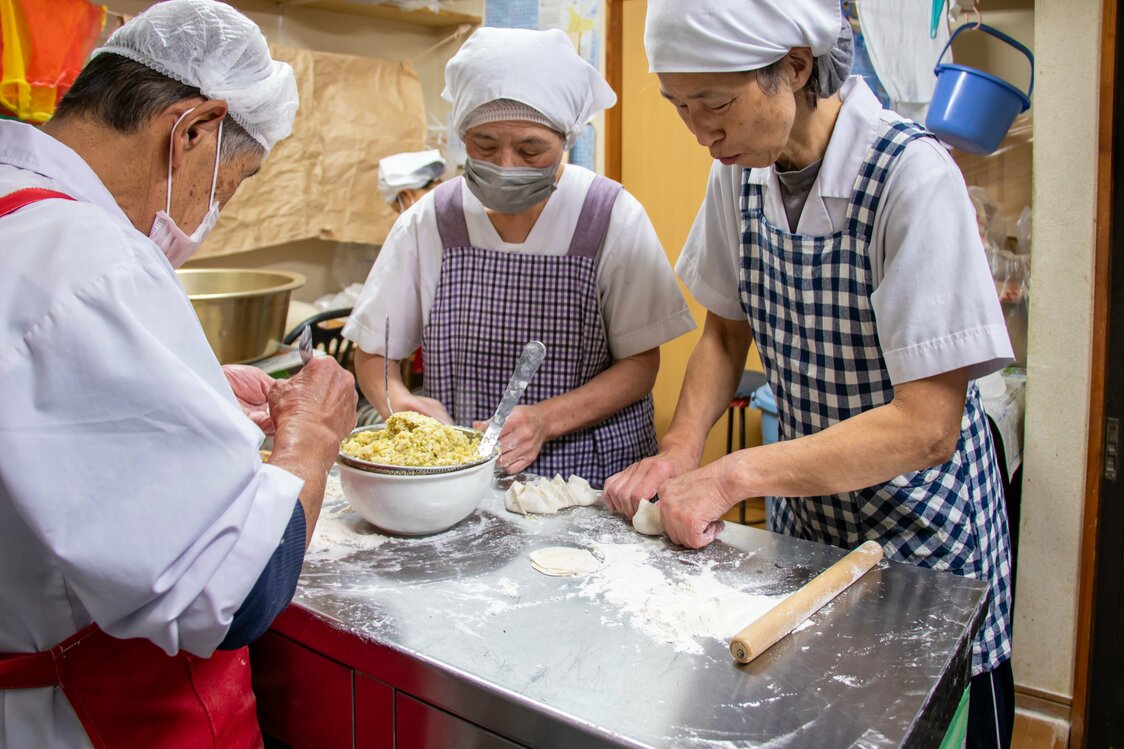
With some days seeing over 3,000 dumplings go out, wrapping work starts hours before doors open. (© Nippon.com)
-

Manpuku’s style is to brown the gyōza, then drop the heat to low and steam the dumplings for about 10 minutes. (© Nippon.com)
-
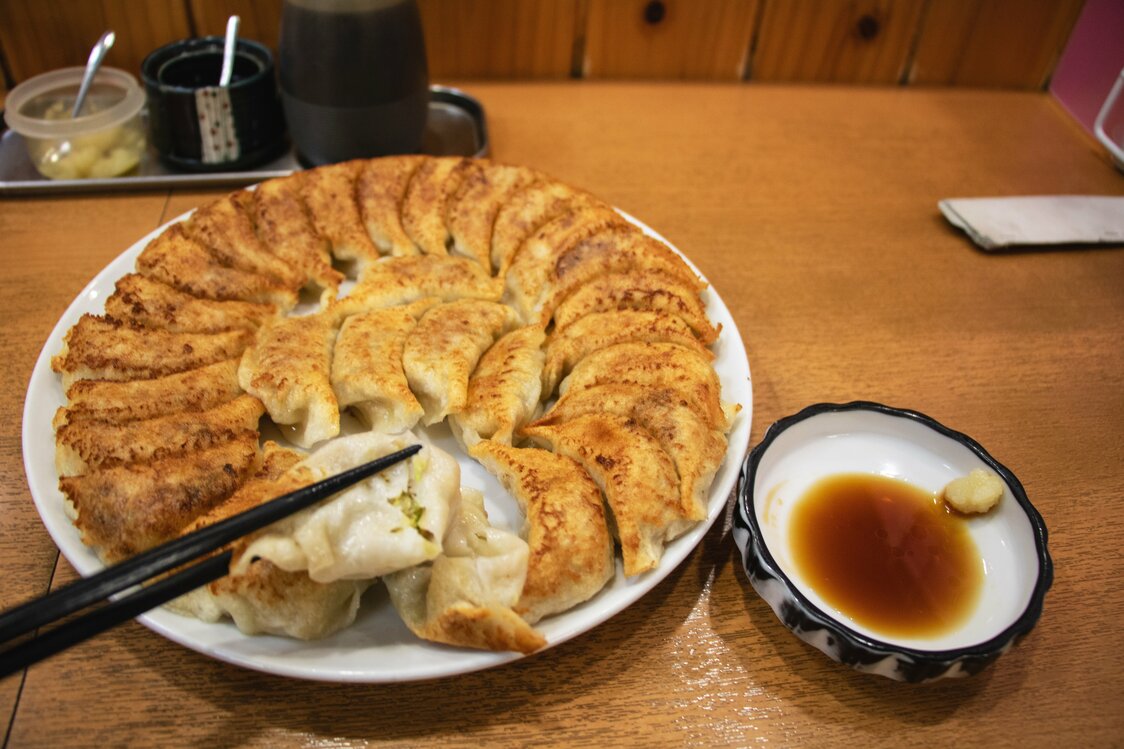
The shop’s special sauce is three parts vinegar, two parts soy sauce, and one part rāyu. Guests can add grated garlic to taste. (© Nippon.com)
-
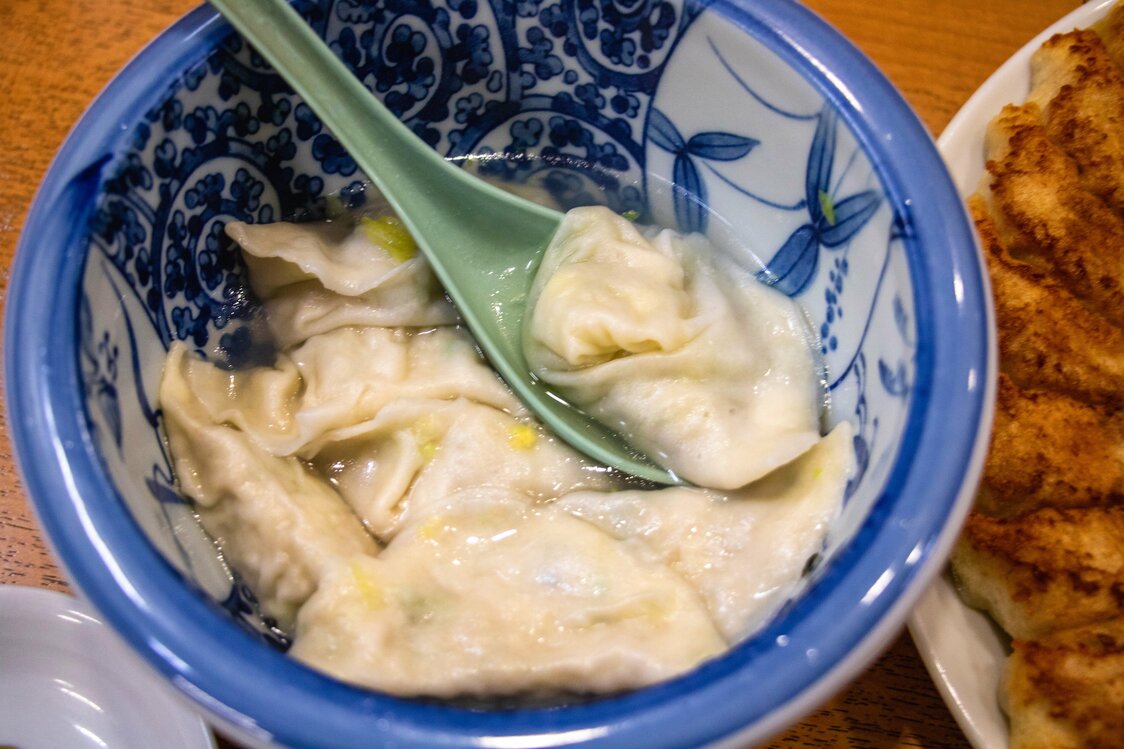
Suigyōza are a great way to enjoy the chewiness of the dumpling wrapping. (© Nippon.com)
-
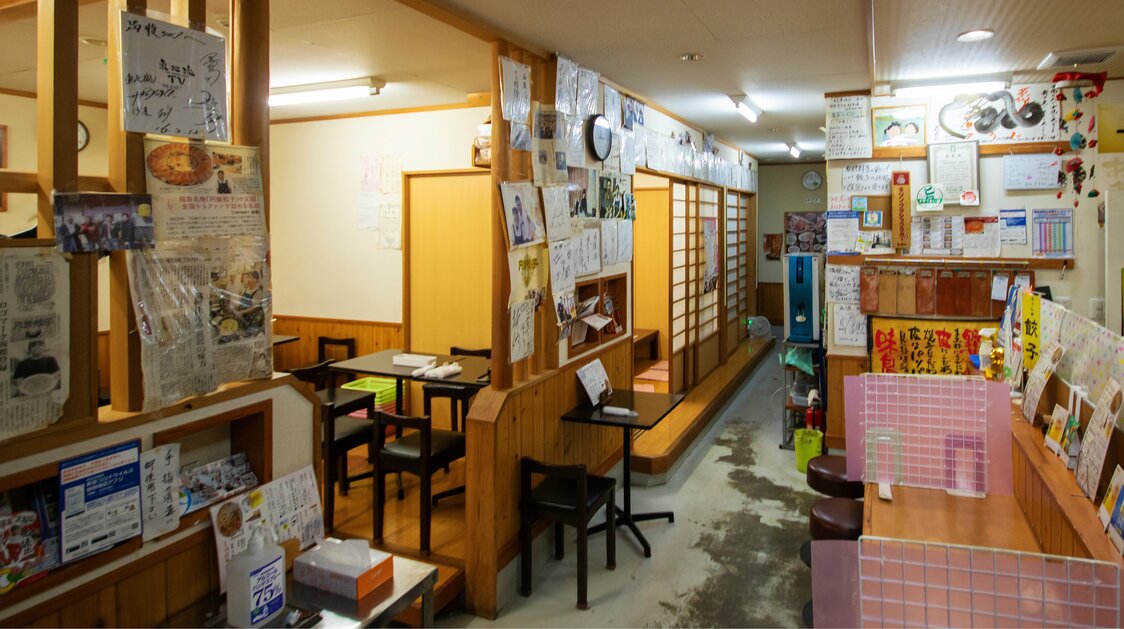
The interior of Manpuku. Messages from satisfied customers, including celebrities, line the walls. (© Nippon.com)
-
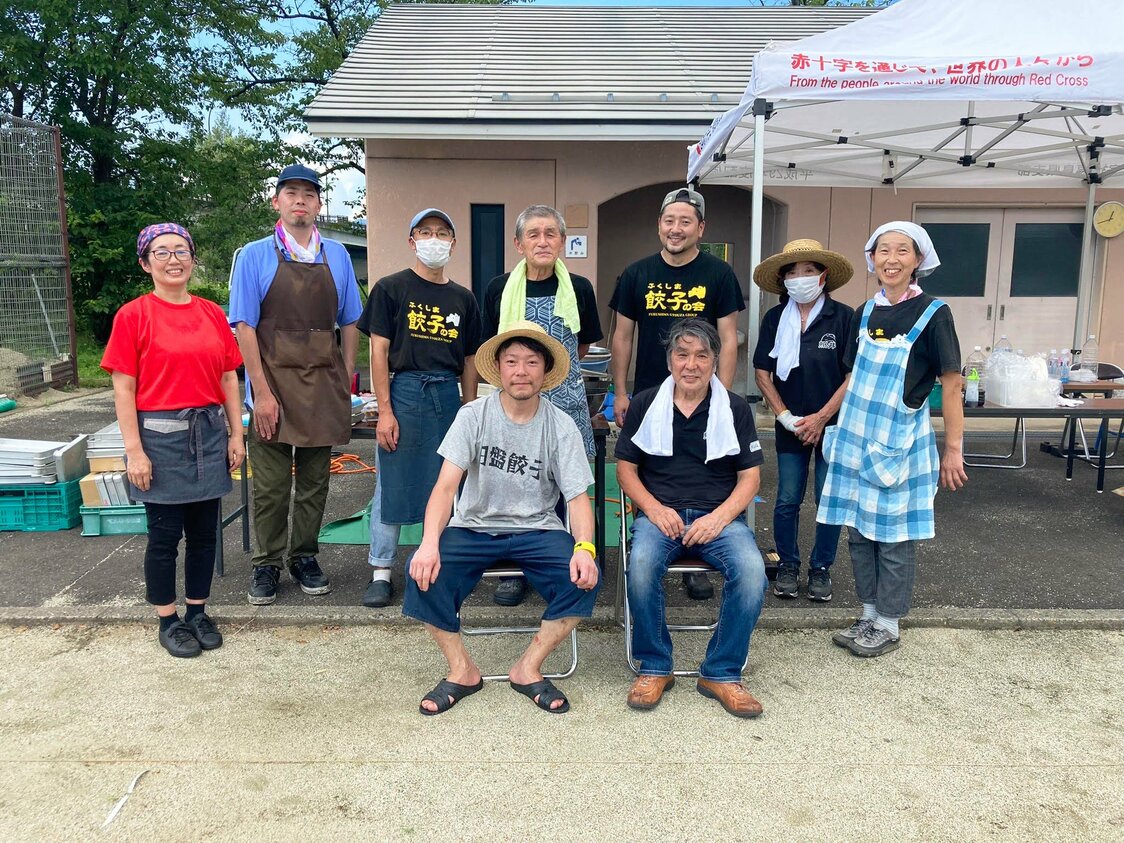
Tsukahara Hitoshi (front left), owner of Chinese restaurant Bokuten and chair of the Fukushima Gyōza Group, with fellow members at a promotional event. (© Fukushima Gyōza Group)
-
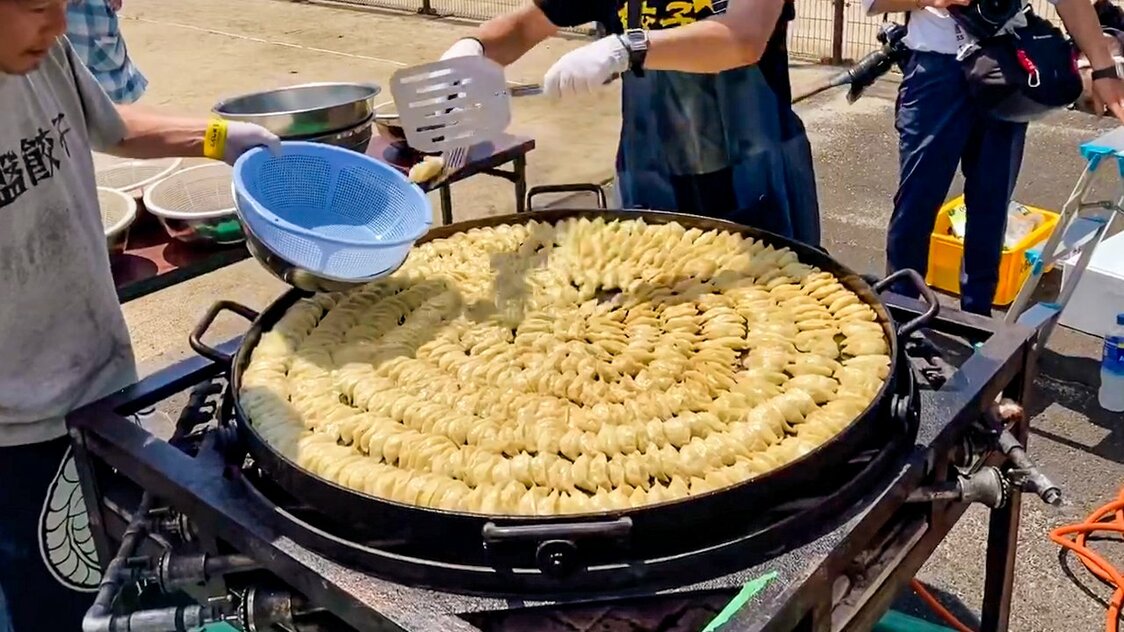
The group holds a variety of events, including a performance of frying up 700 gyōza at a time in giant frypans. (© Fukushima Gyōza Group)


 Read in other languages