-
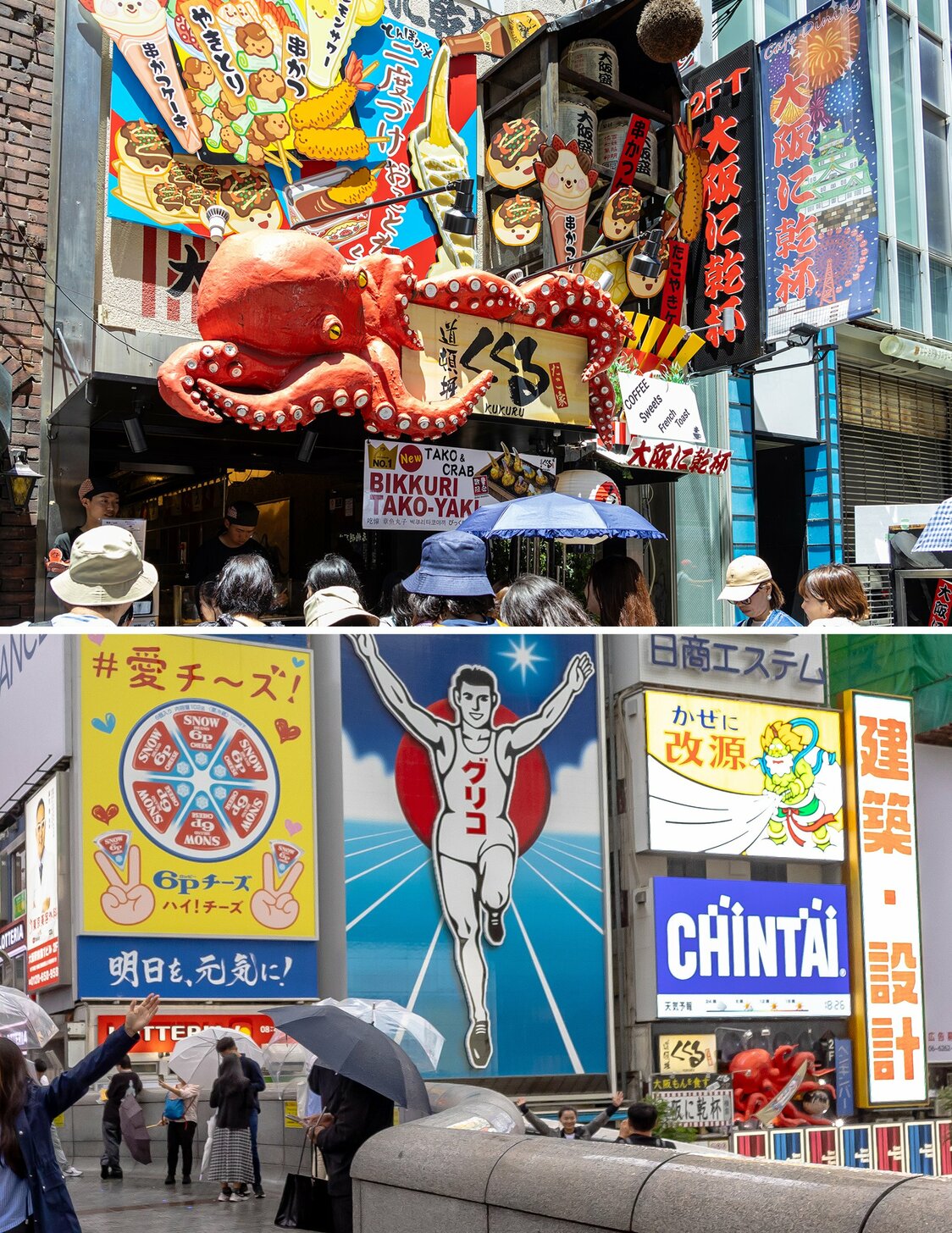
The Kukuru main shop is marked by a massive octopus sign (above) and another is clearly visible from the bridge Ebisubashi. (© Nippon.com)
-
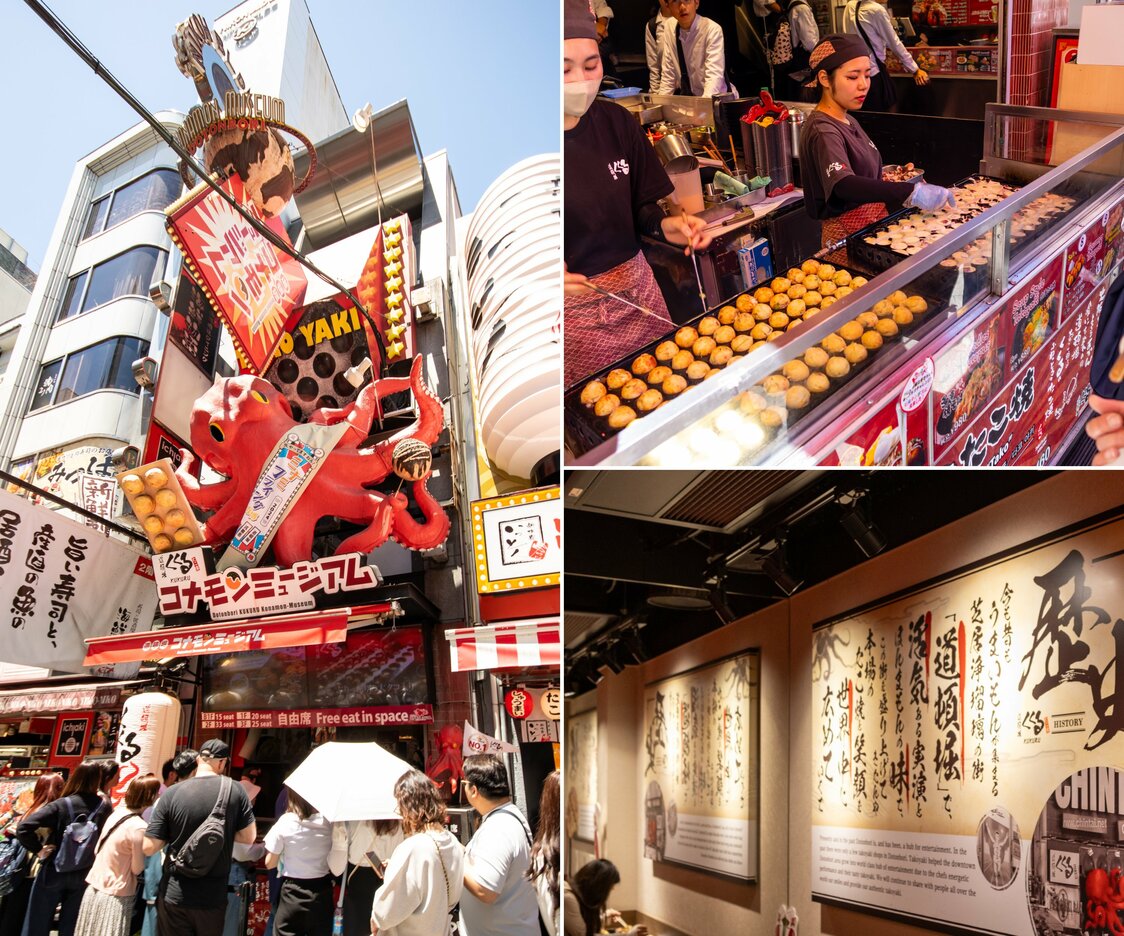
Standing in the middle of a line of shops with their own 3D signs, the museum is another target for long lines. Panel displays inside introduce konamon food culture. (© Nippon.com)
-
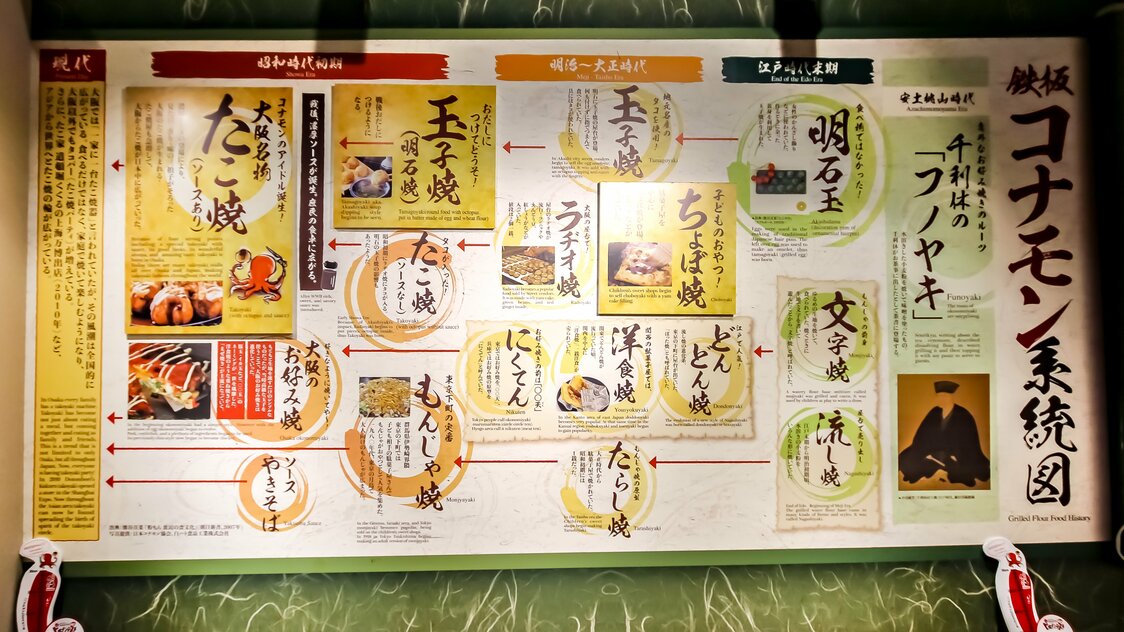
The building is filled with konamon trivia, such as the different historical roots of similar dishes. (© Nippon.com)
-
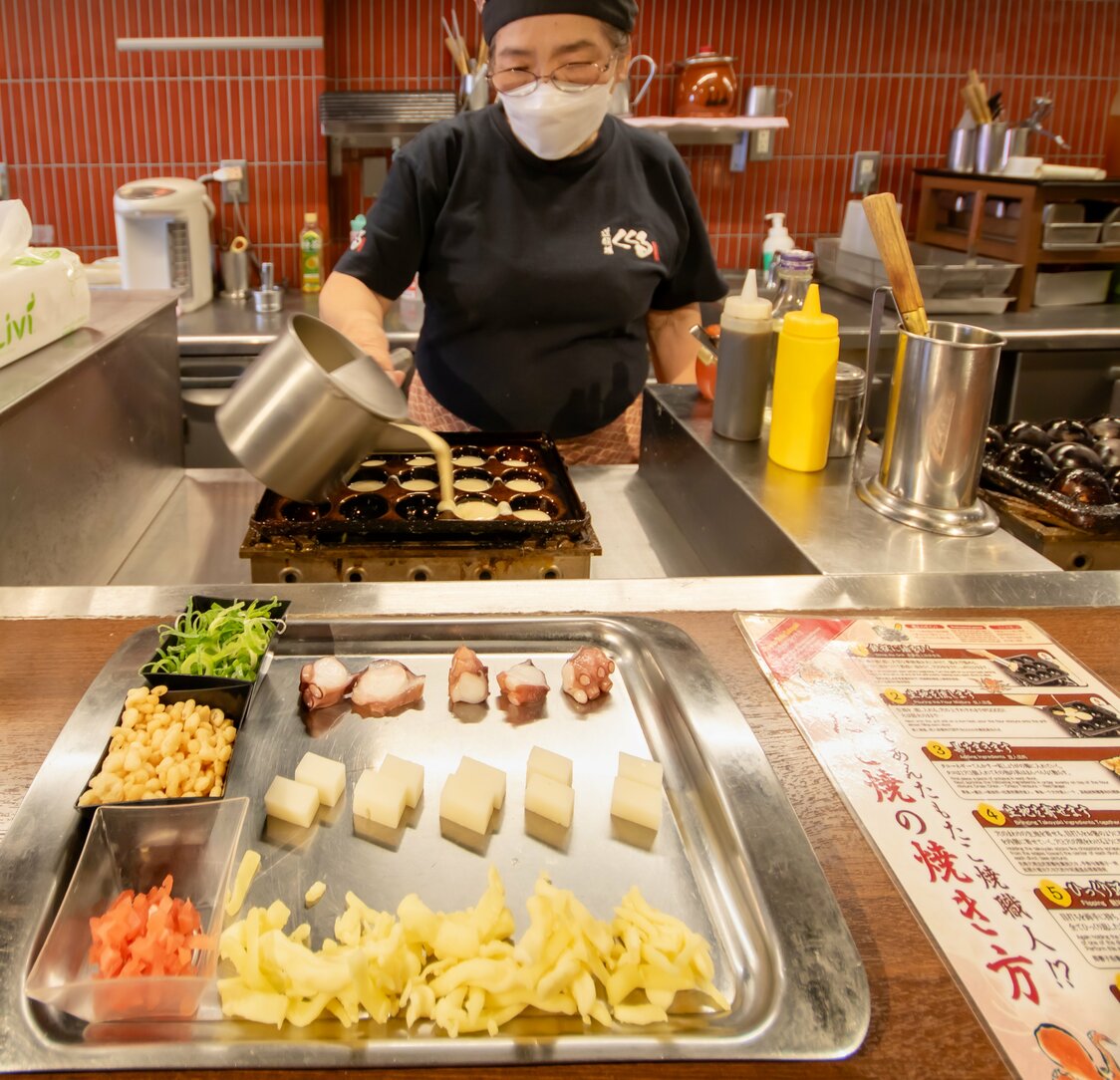
A personal lecture on expert skills. The chef is there to help out in case of trouble, so even cooking beginners can join with confidence. (© Nippon.com)
-
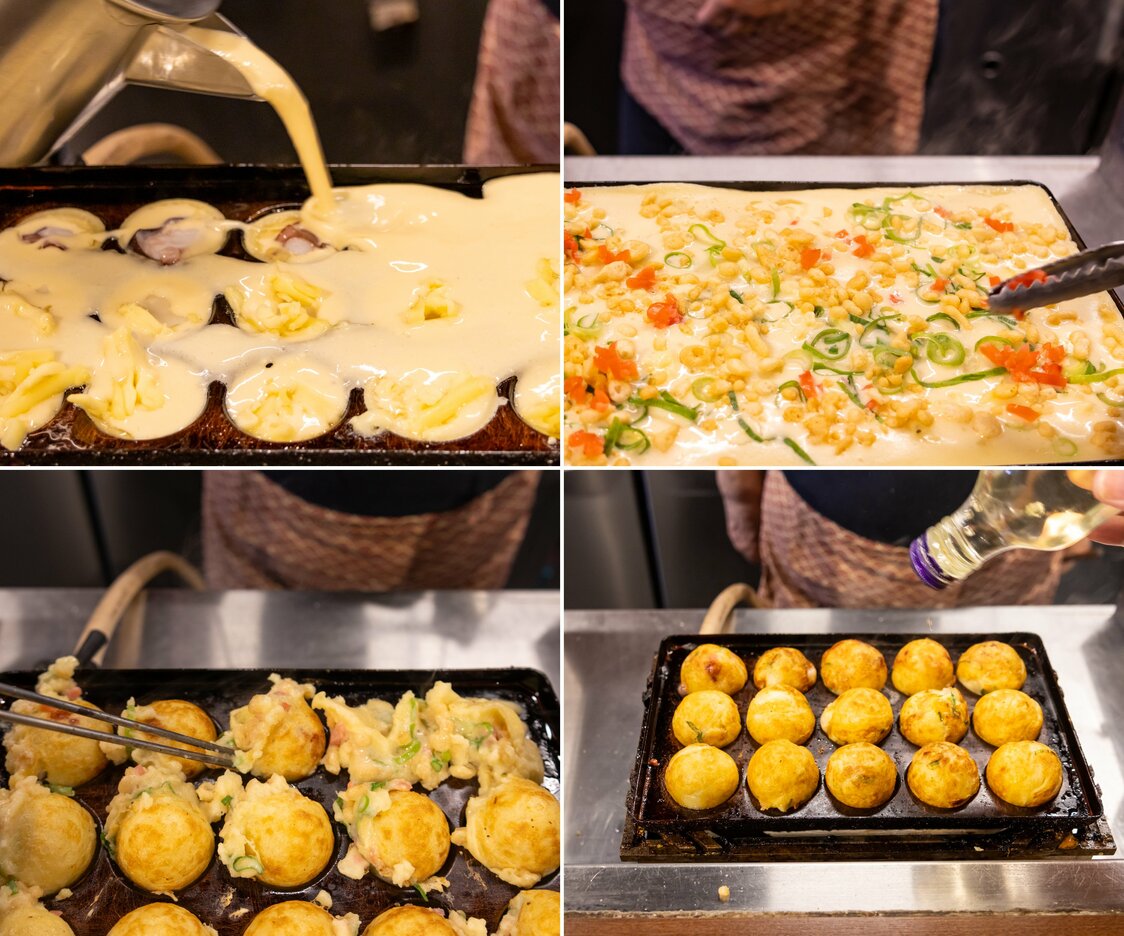
Adding the batter in two separate pours and avoiding any pressure when turning the balls are the keys to a light, fluffy texture. One Kukuru secret is punching up the aroma by adding white wine. (© Nippon.com)
-
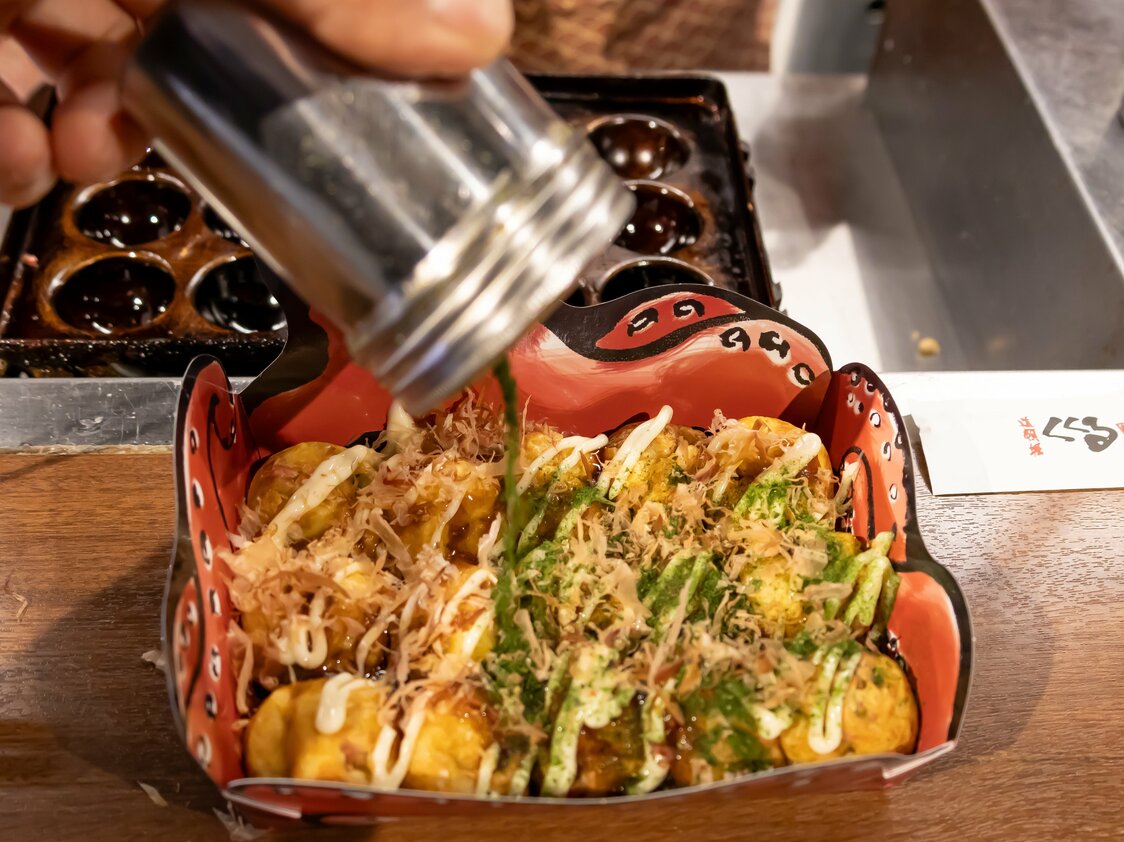
Visitors can feel like a true takoyaki chef using the same ingredients and tools as the pros. (© Nippon.com)
-
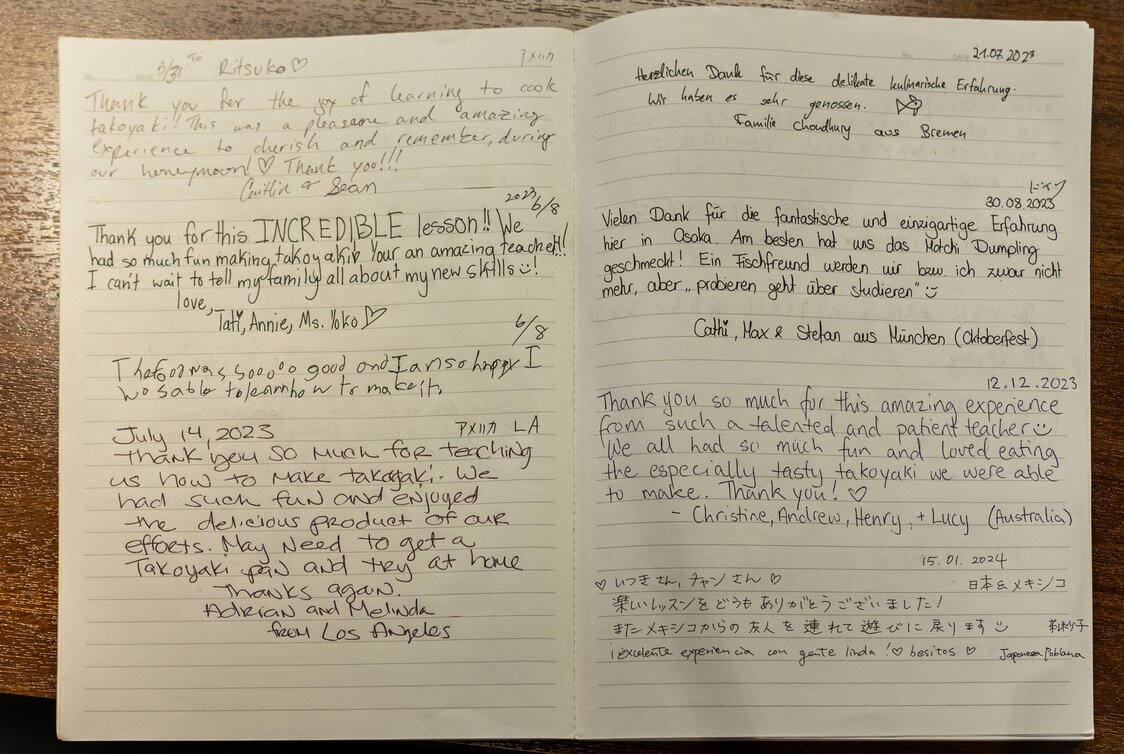
The notebook is an international record. (© Nippon.com)
-
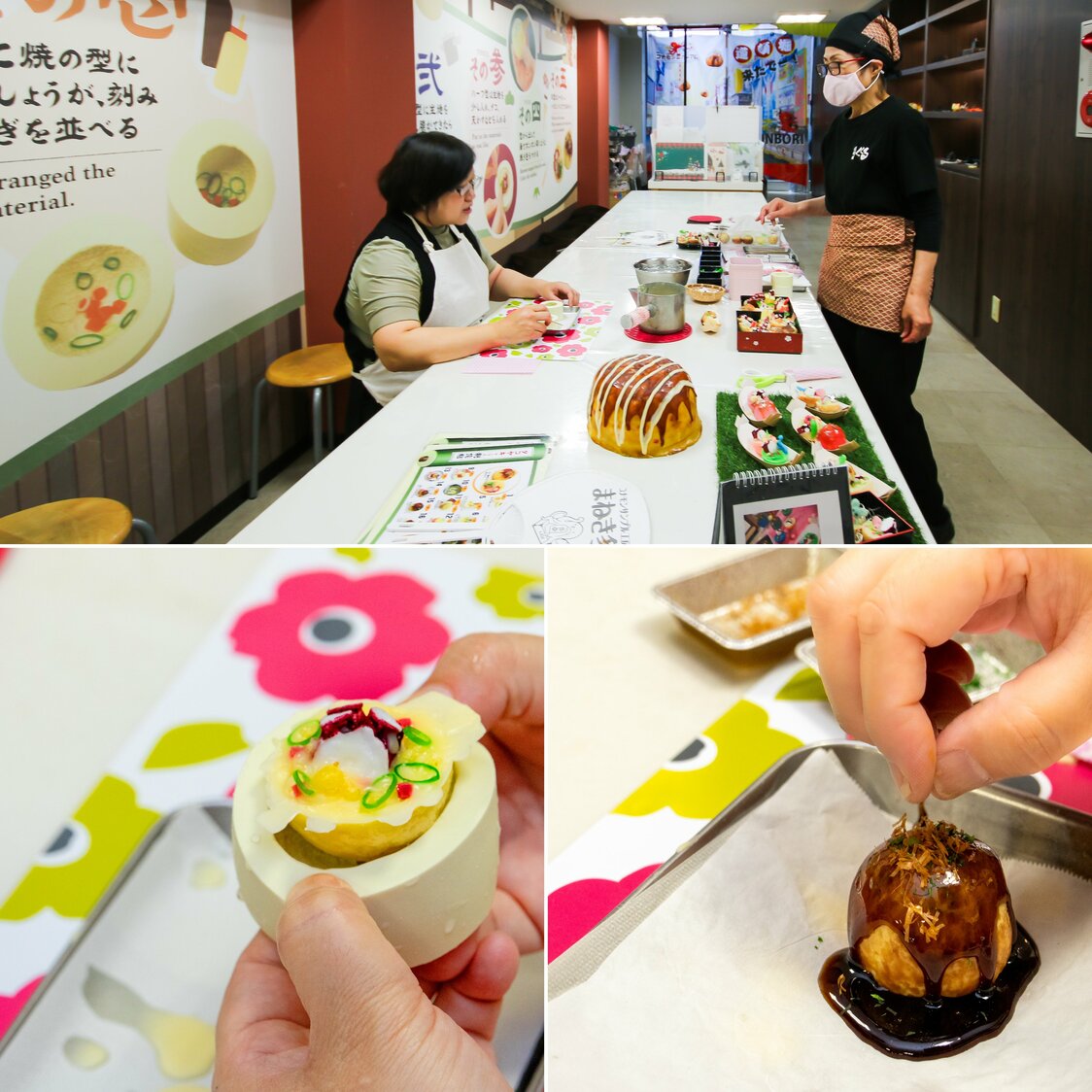
These models are made by molding wax melted in hot water, but look good enough to eat. (© Nippon.com)
-
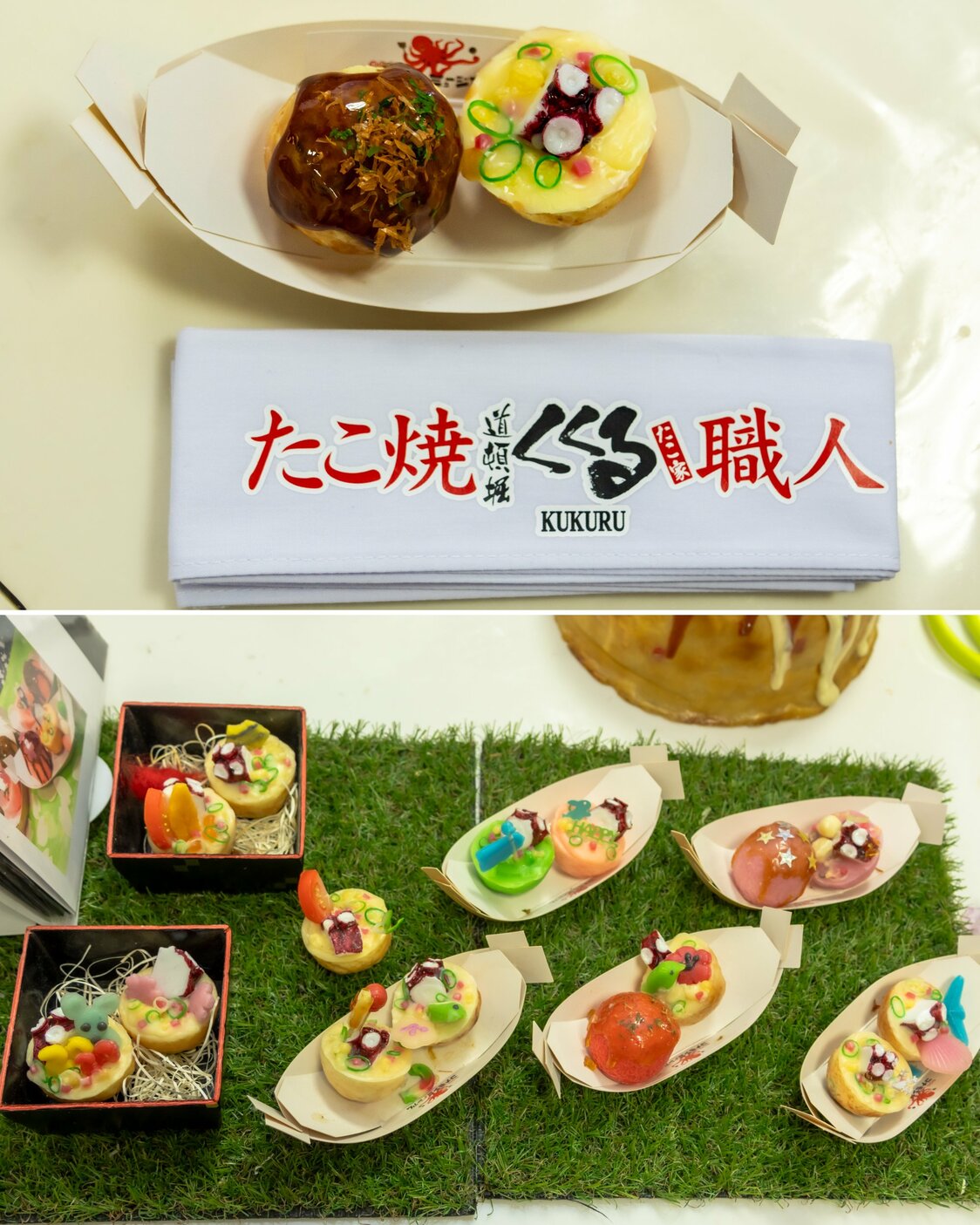
The decorations allow for massive variety. When you finish, you get a commemorative headband. (© Nippon.com)
-
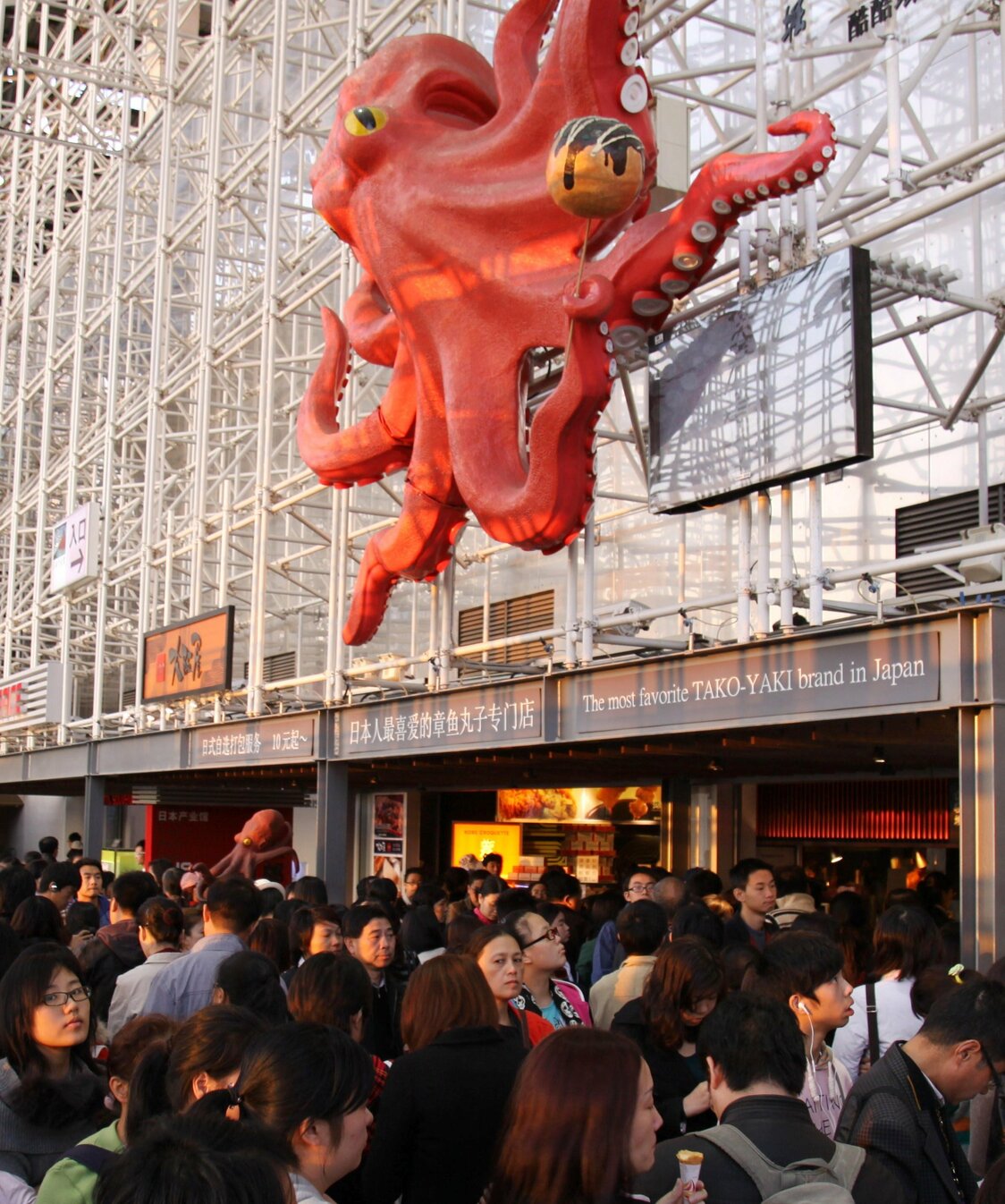
The Shanghai World Expo was Kukuru’s third appearance at a global gathering, after the Osaka International Garden and Greenery Exposition in 1990 and the Aichi World Expo in 2005. Taken on October 30, 2010, in Shanghai. (© Jiji)
-

Will this scarlet octopus, which has already spread to nearby Soemonchō and the Midōsuji Minami branches, spread its tentacles across the globe? (© Nippon.com)


 Read in other languages