-
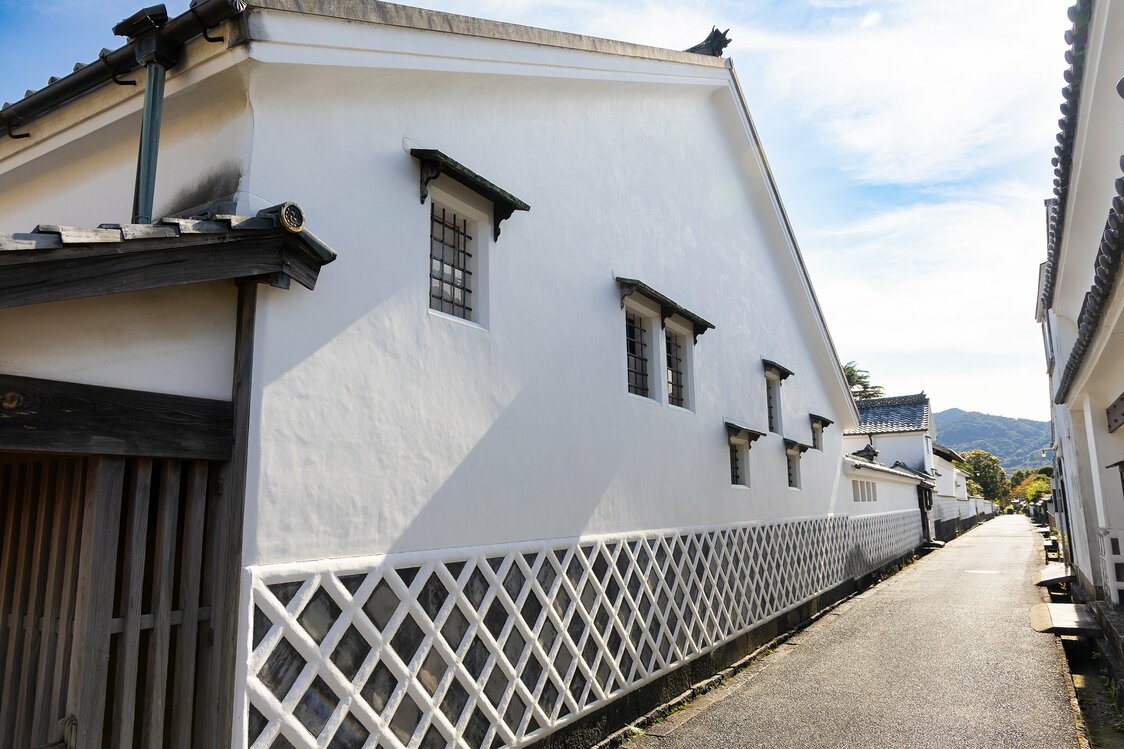
The Kikuya Yokochō area of Hagi was home to many figures of the Meiji Restoration, including Takasugi Shinsaku. (© Nippon.com)
-
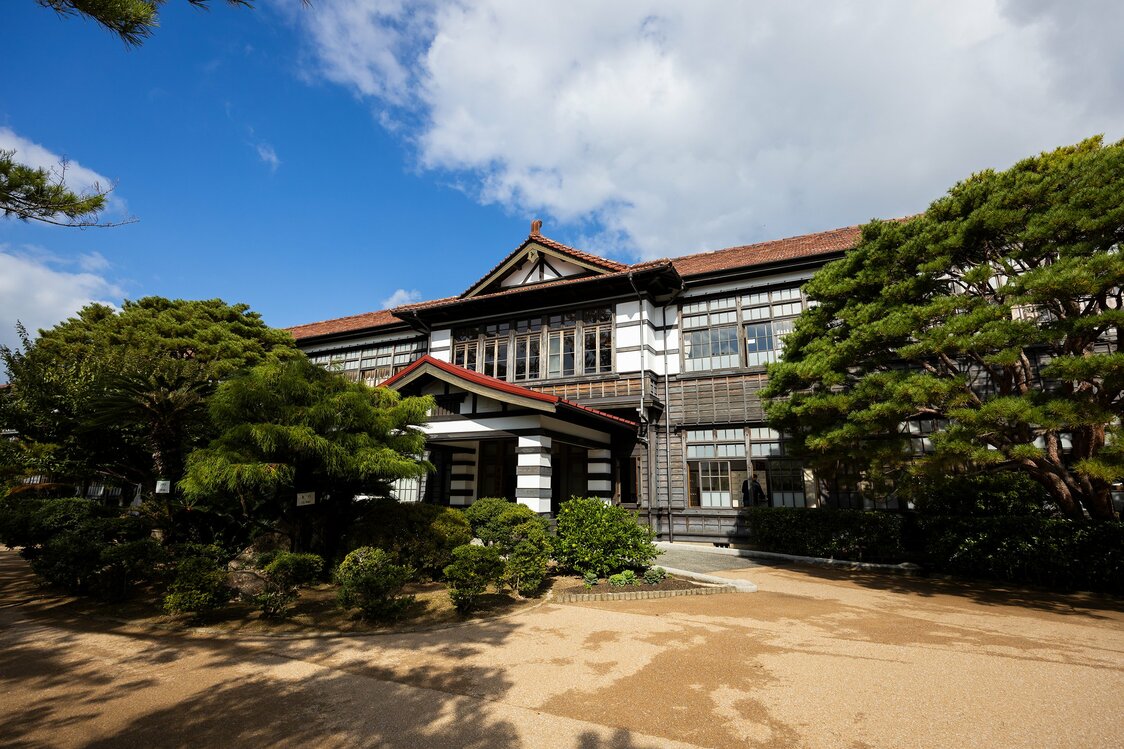
The main building of Meirin Gakusha is a nationally registered tangible cultural property. (© Nippon.com)
-
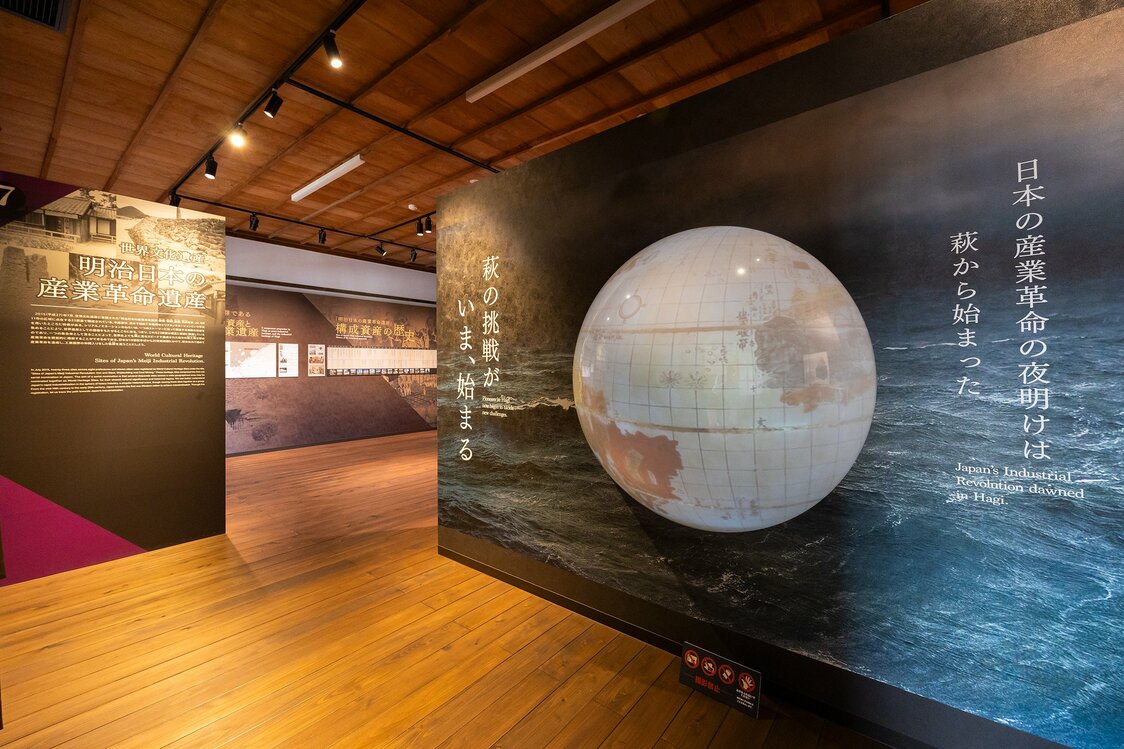
A display at the World Heritage Visitor Center (© Nippon.com)
-
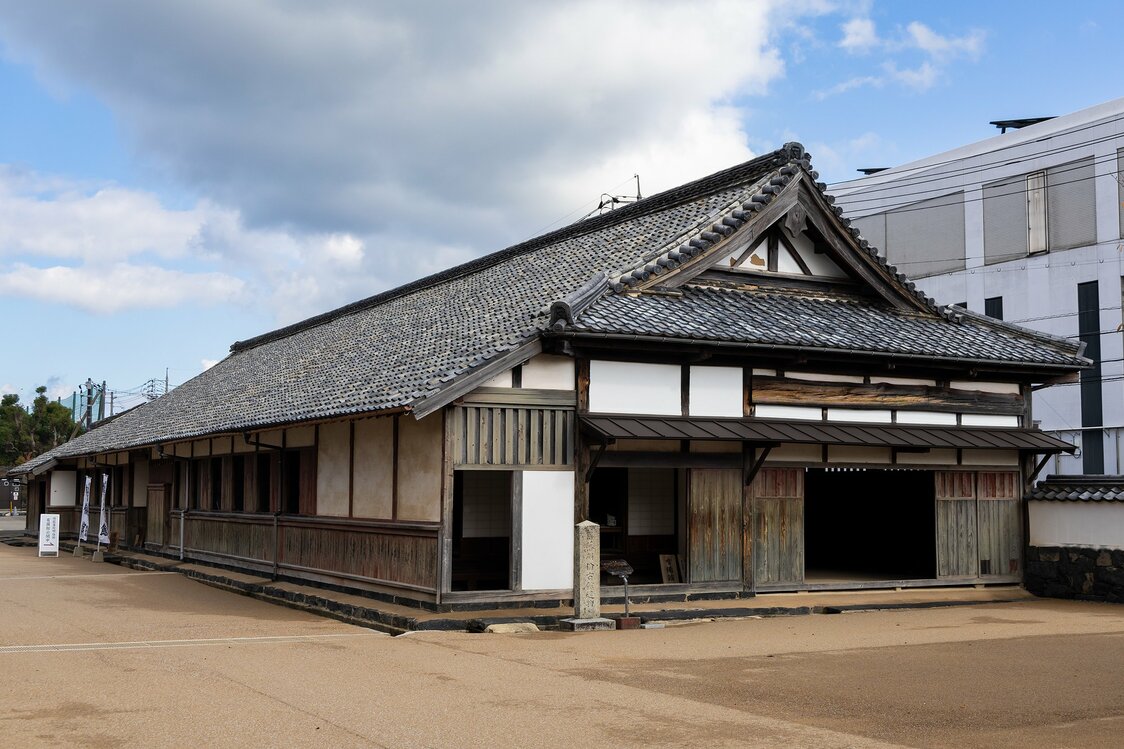
The Yūbikan was part of the original domain school’s dōjō for sword and spear arts. (© Nippon.com)
-
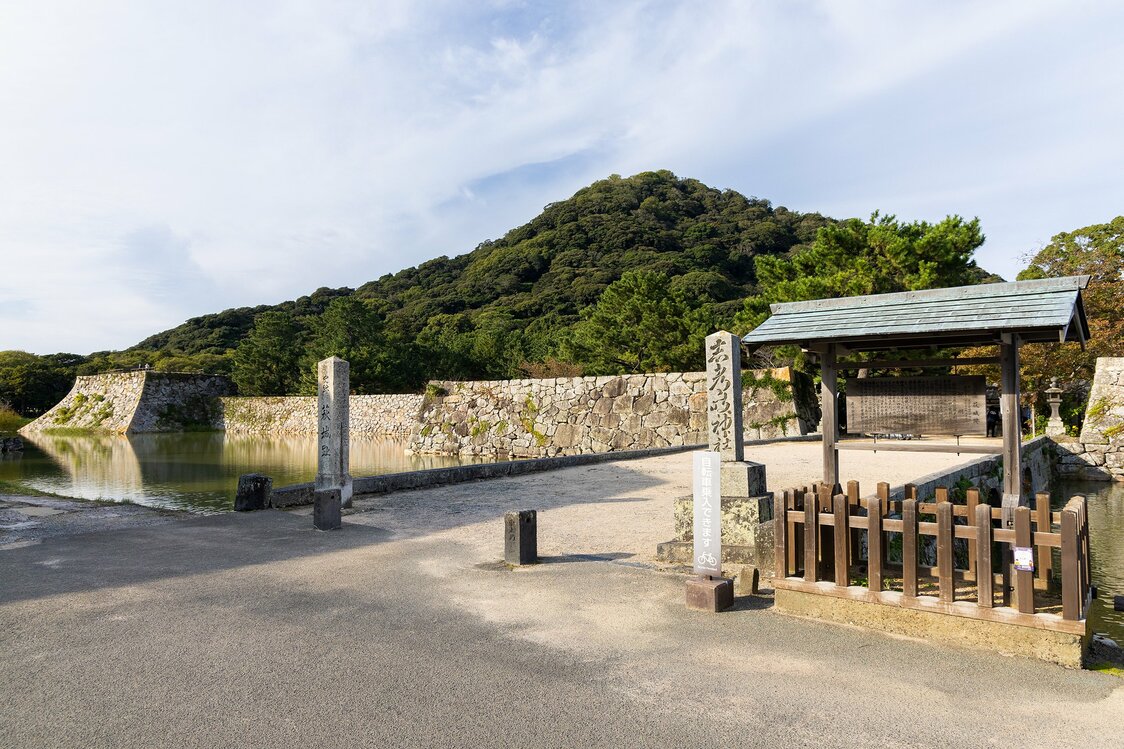
The Hagi castle ruins are now part of Hagi Castle Shizuki Park. (© Nippon.com)
-
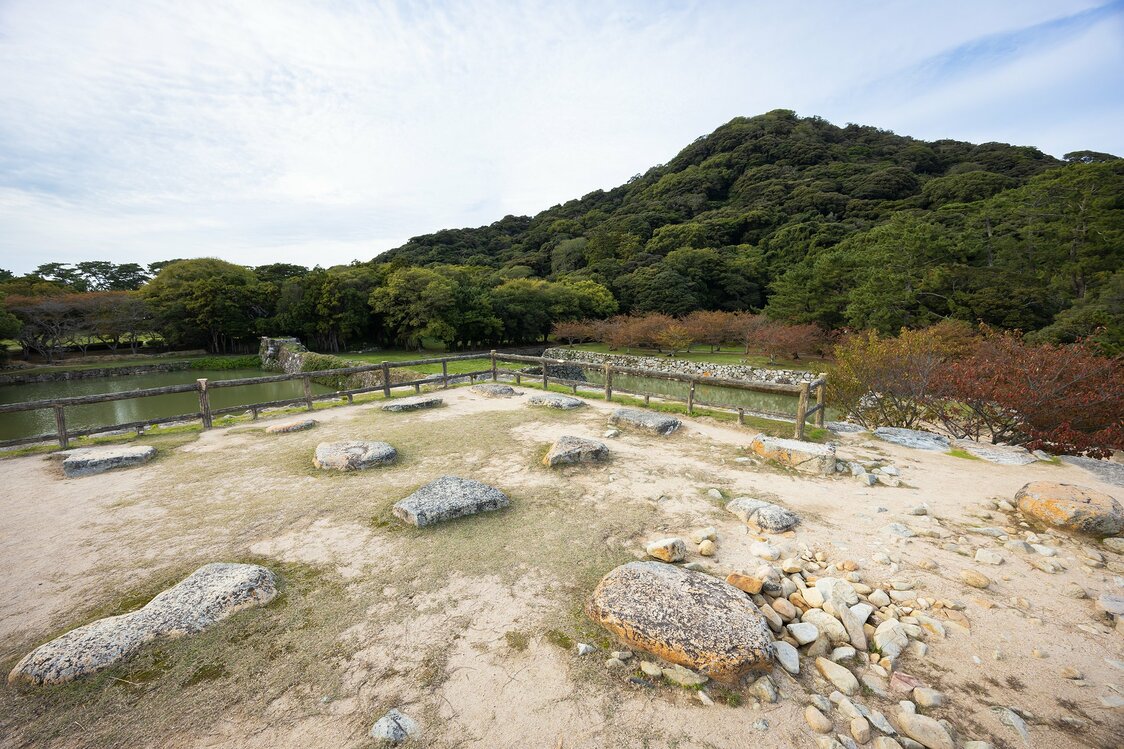
A view of Mount Shizuki and the old castle moat from the remains of the castle tower. (© Nippon.com)
-
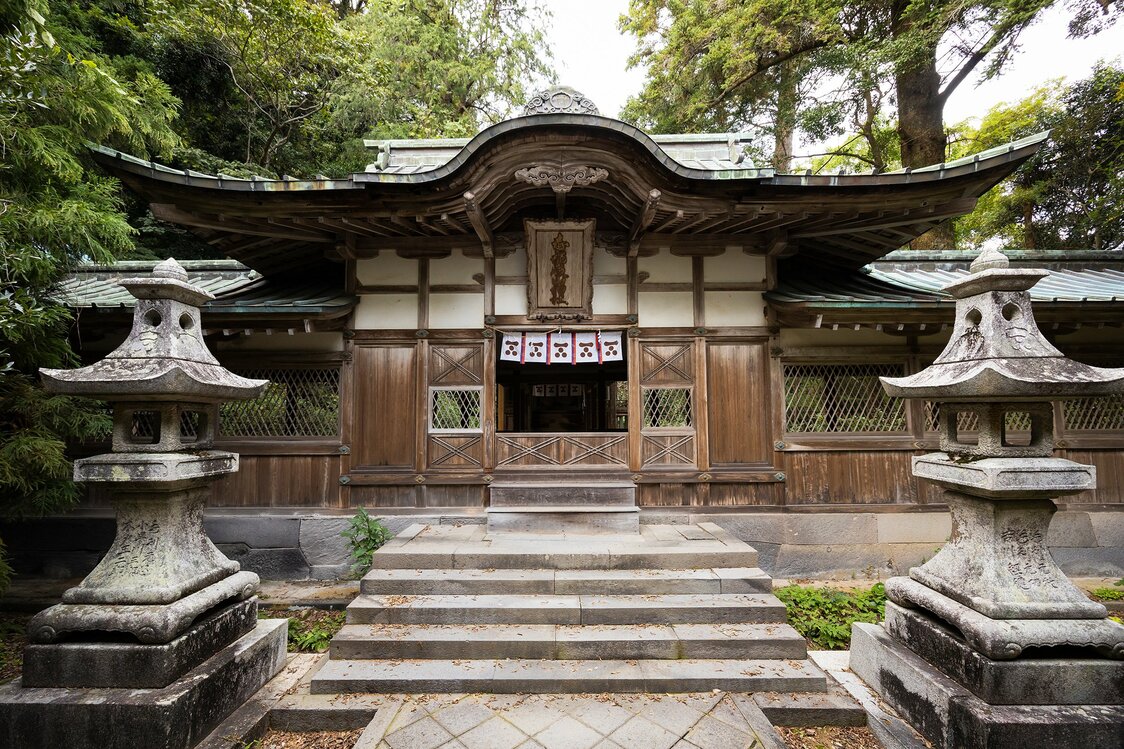
Shizukiyama Shrine inside the park is associated with the Mōri family, whose members headed the Chōshū domain. (© Nippon.com)
-
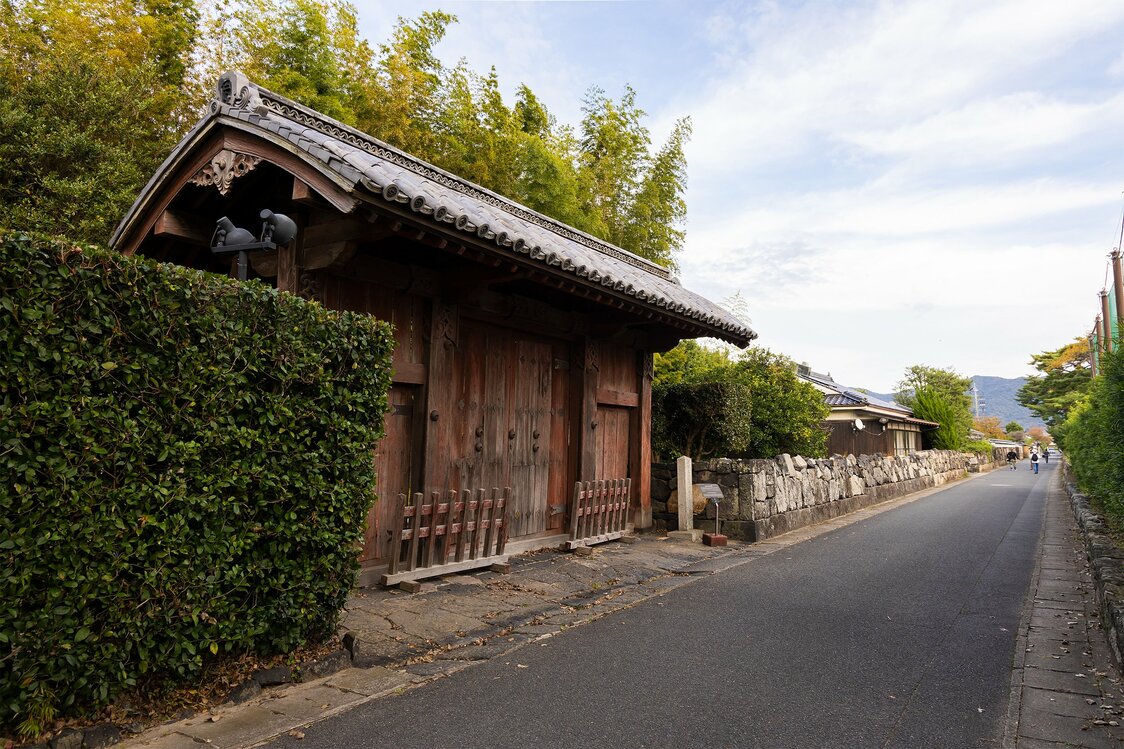
The former estate of the Fukuhara family, who long served the Chōshū domain as chief retainers. (© Nippon.com)
-
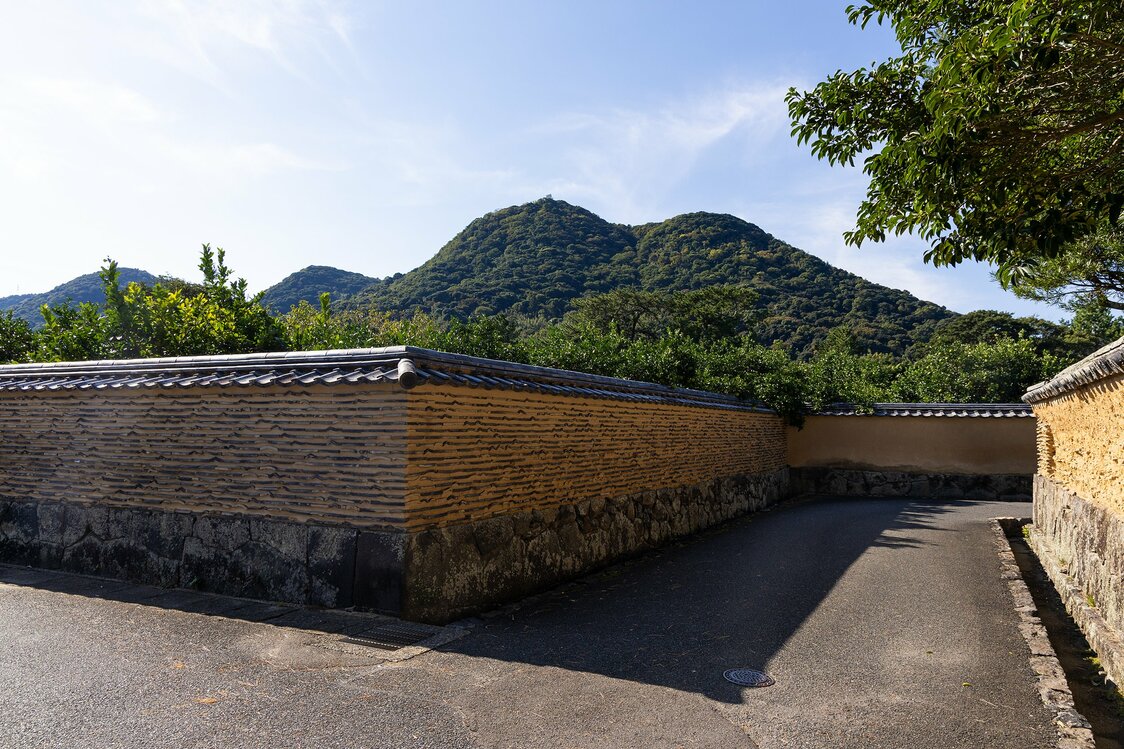
The road bends sharply at the Hiyako Kaimagari. (© Nippon.com)
-
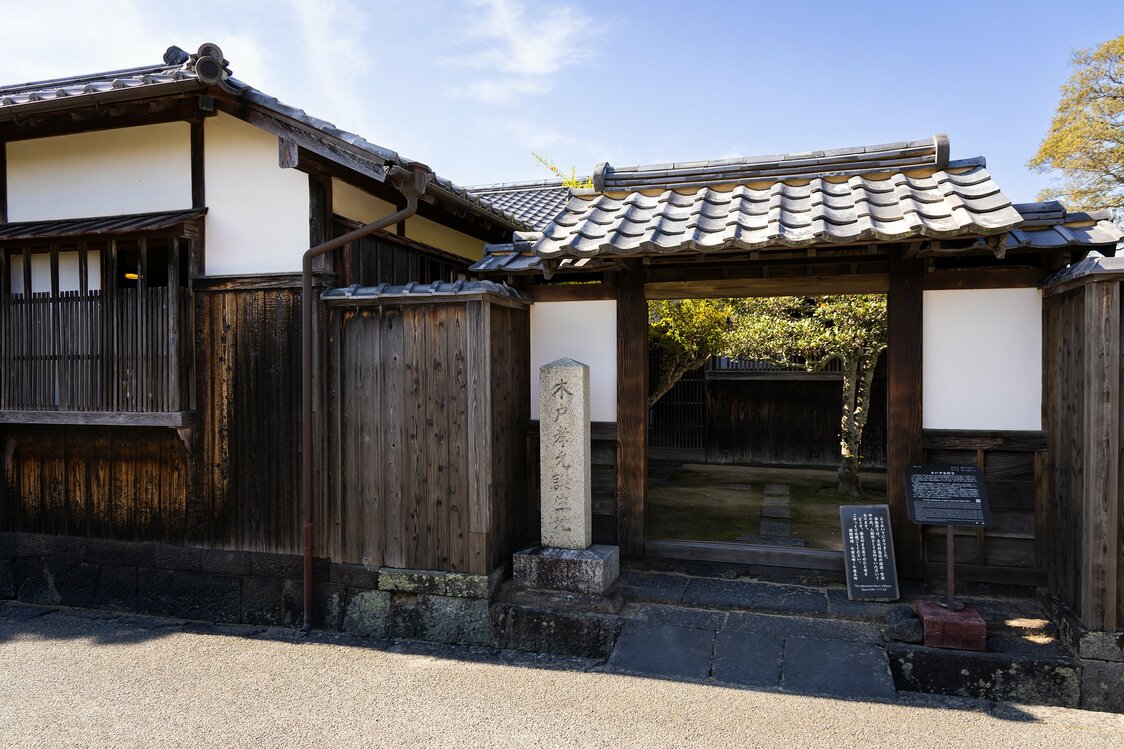
The former residence of Meiji Restoration architect Kido Takayoshi in Hagi’s Edoya Yokochō district. (© Nippon.com)
-
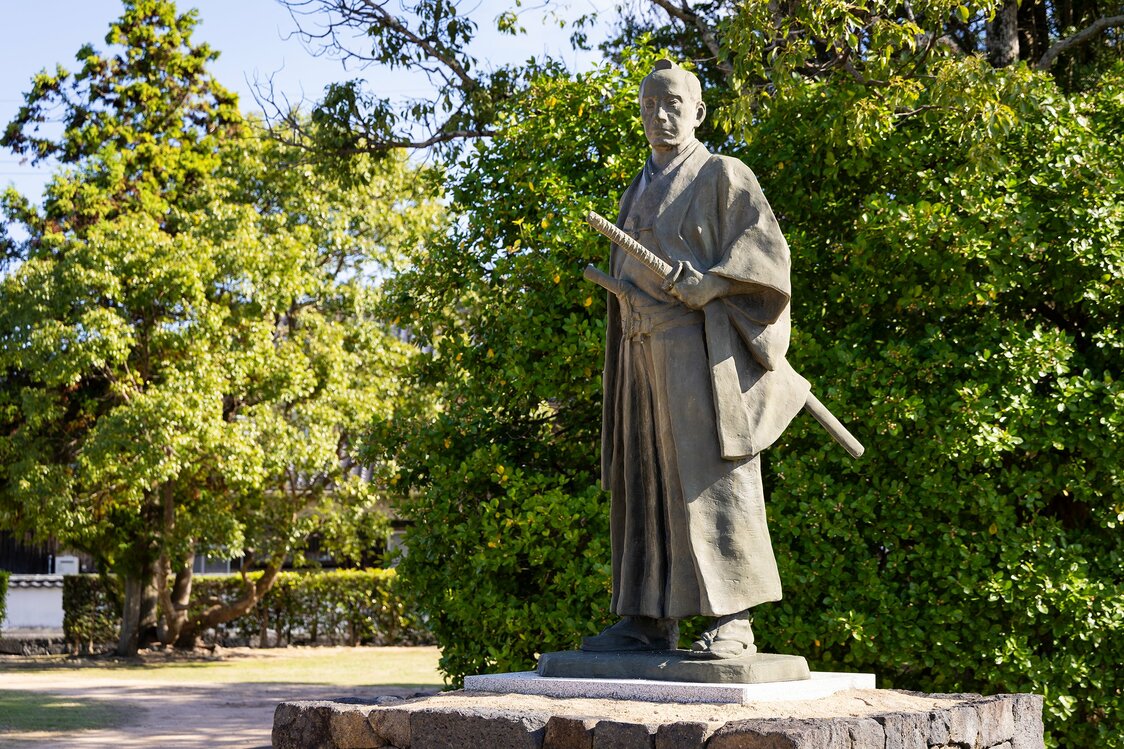
A statue of Takasugi Shinsaku stands in a park at the southern end of Kikuya Yokochō. (© Nippon.com)
-
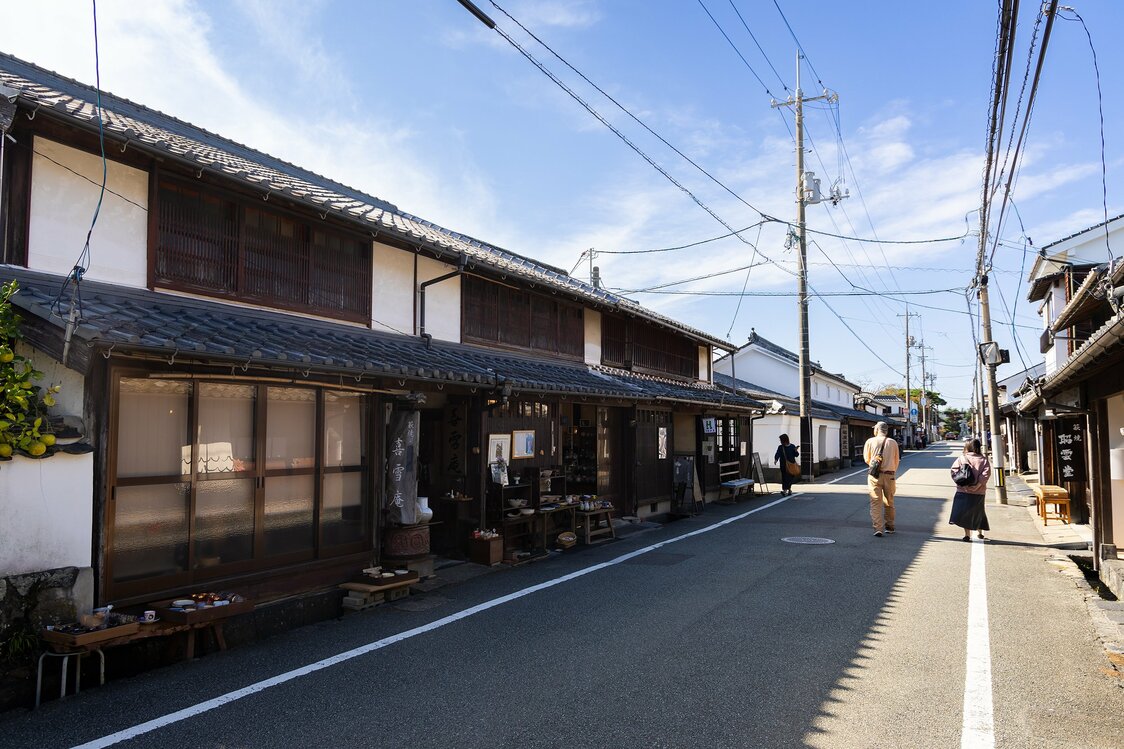
Historic buildings housing shops offering Hagiyaki pottery and other local specialties. (© Nippon.com)
-
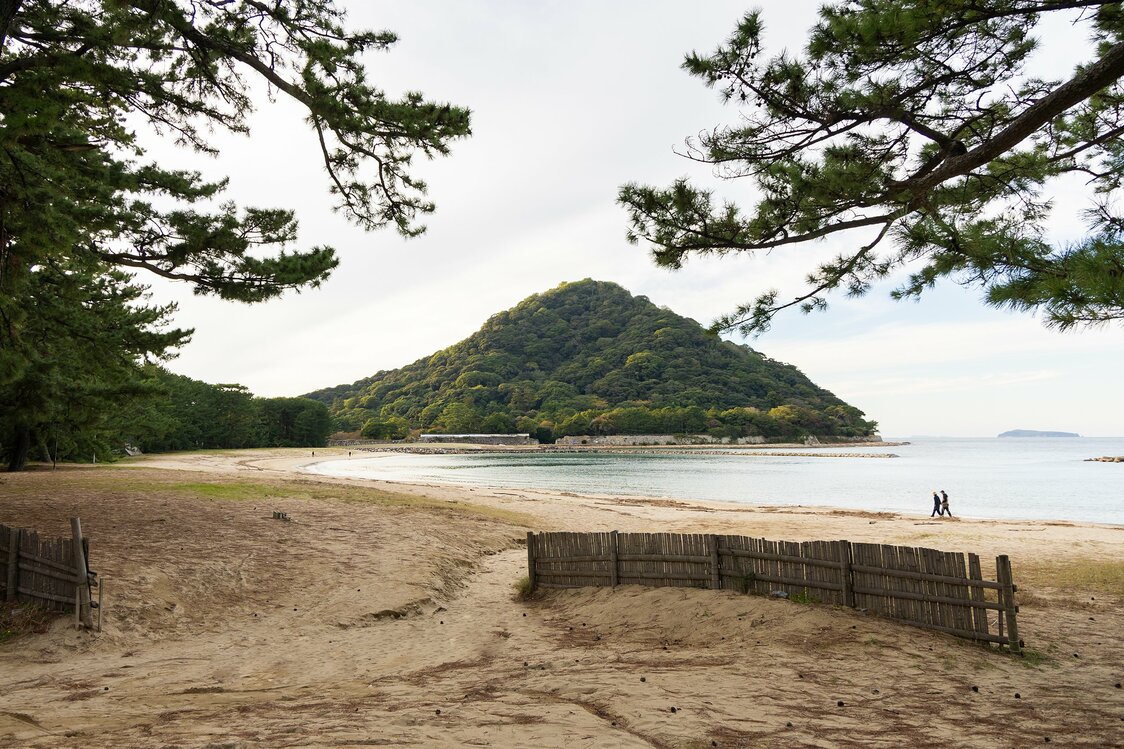
Mount Shizuki, as seen from the shore at Kikugahama. (© Nippon.com)
-
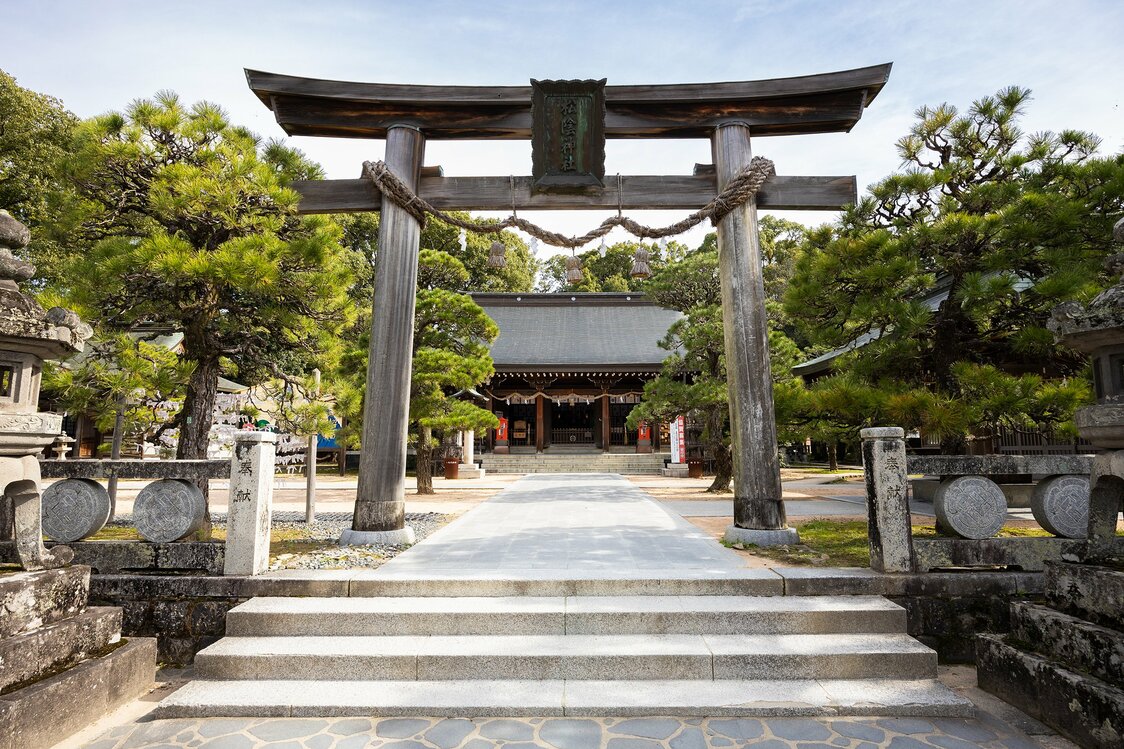
The Shōin Shrine, dedicated to Yoshida Shōin. (© Nippon.com)
-
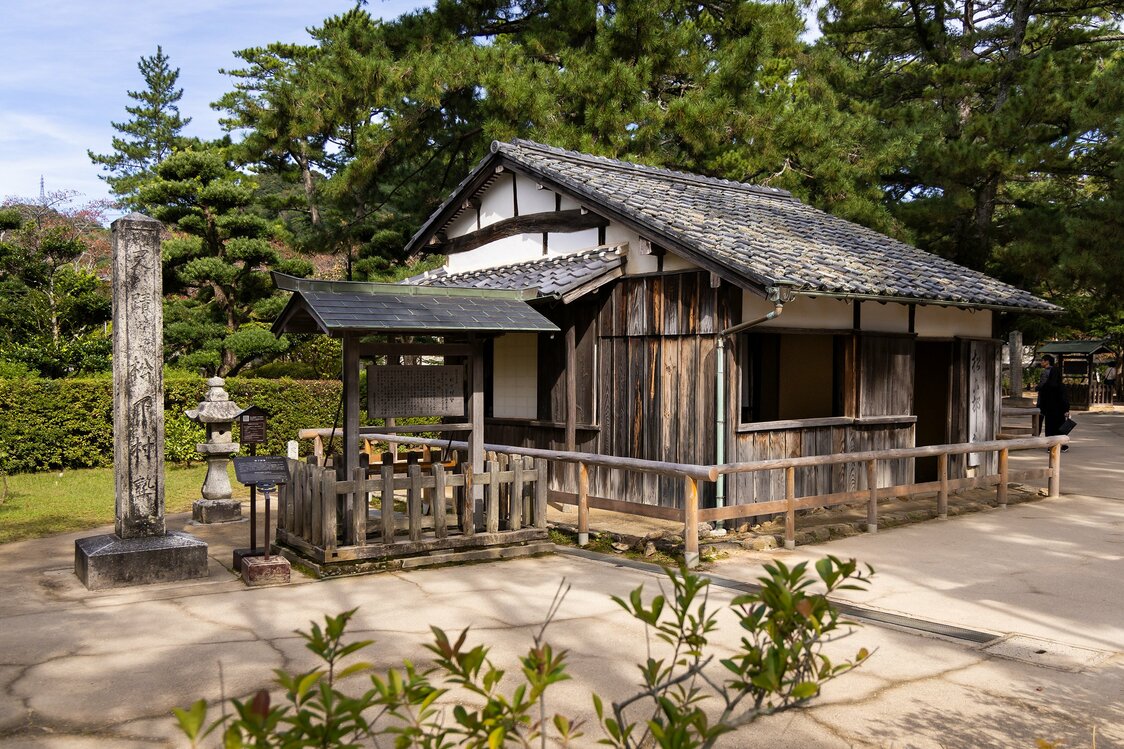
Shōka Sonjuku was established in 1857. (© Nippon.com)
-
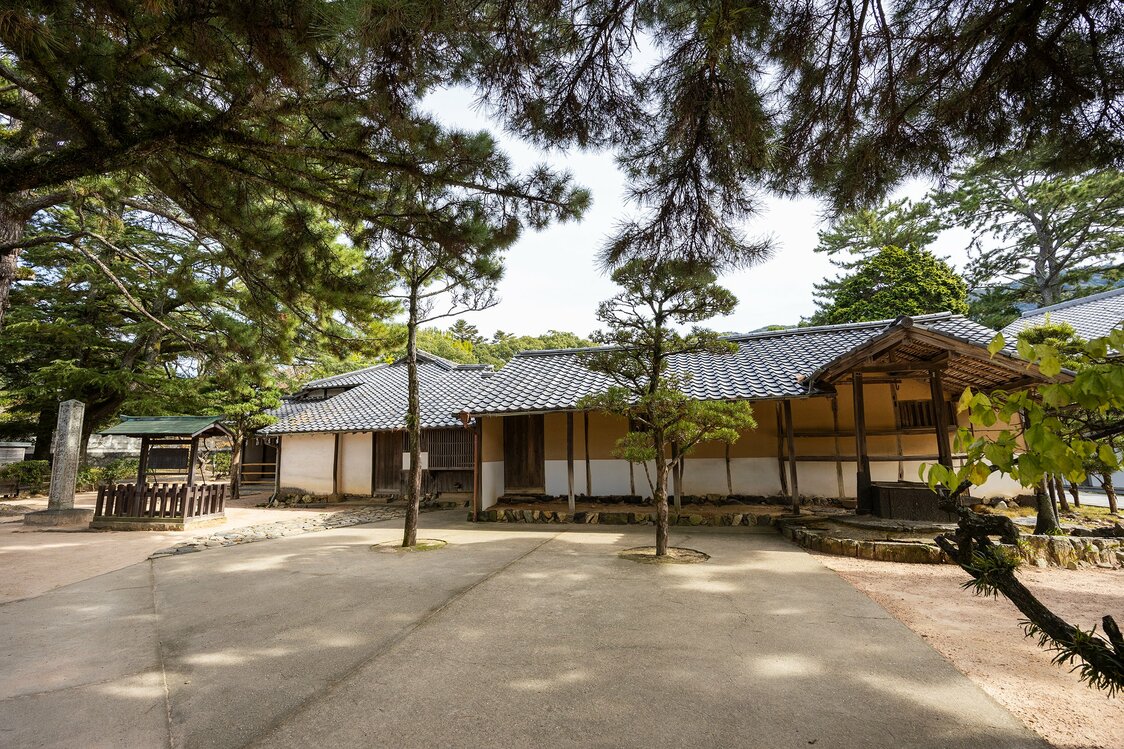
The building where Yoshida was confined during his house arrest. (© Nippon.com)
-
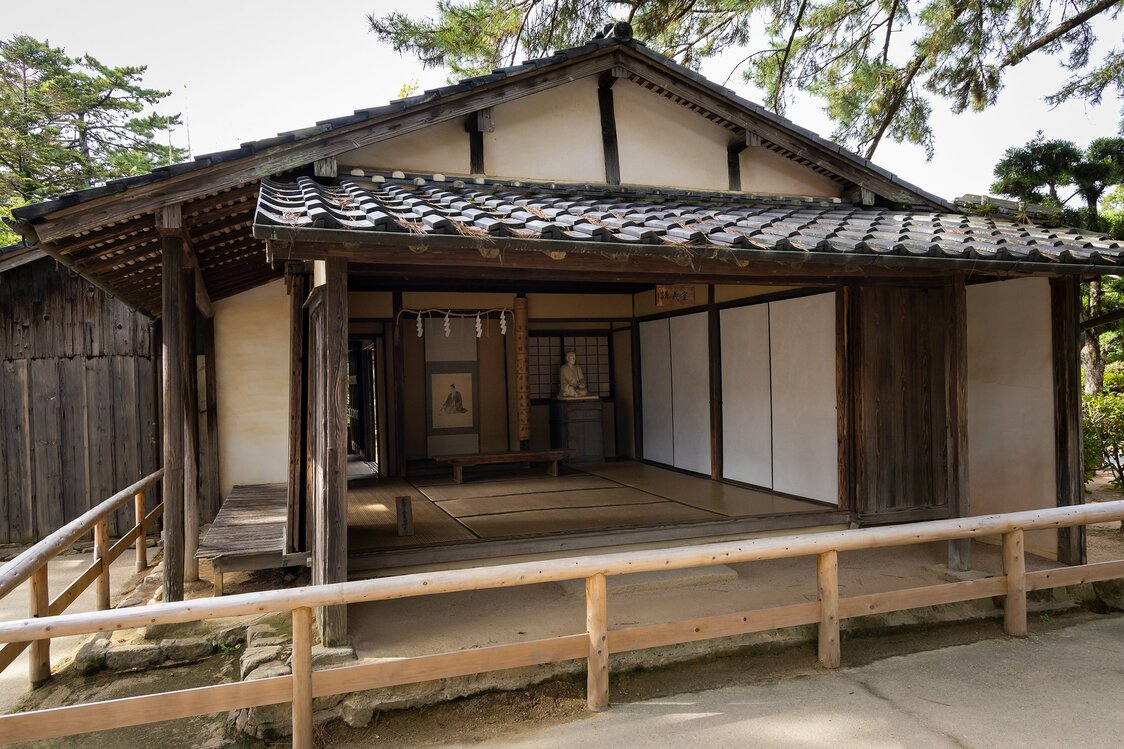
The classroom of Shōka Sonjuku sent many idealistic young patriots out into the world. (© Nippon.com)
-
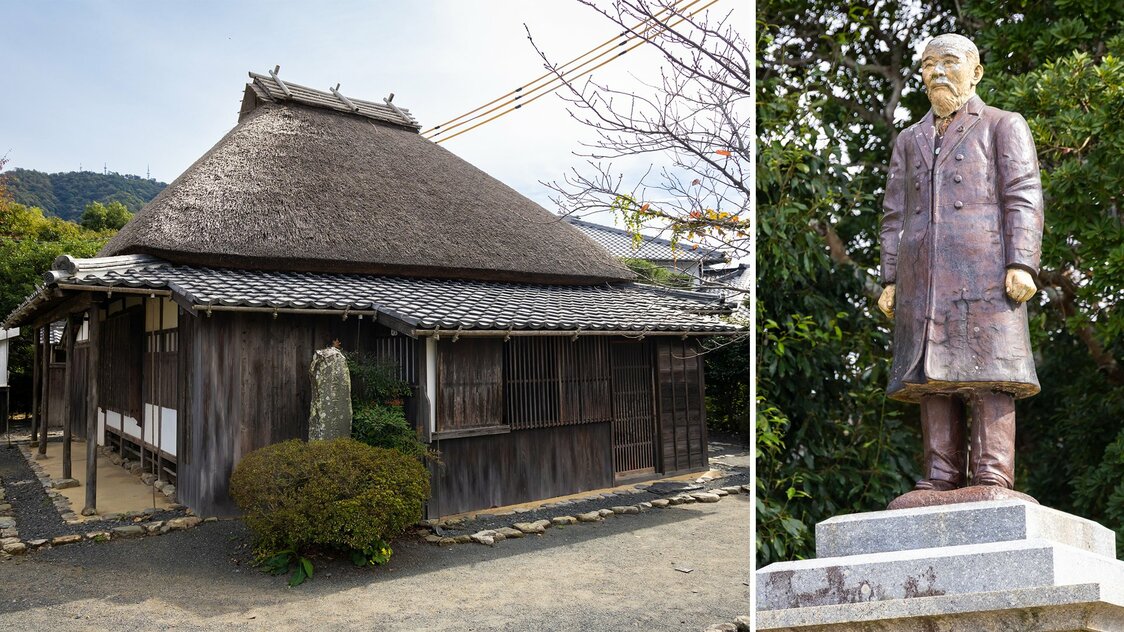
A Hagiyaki earthenware statue of Itō stands next to his former residence. (© Nippon.com)
-
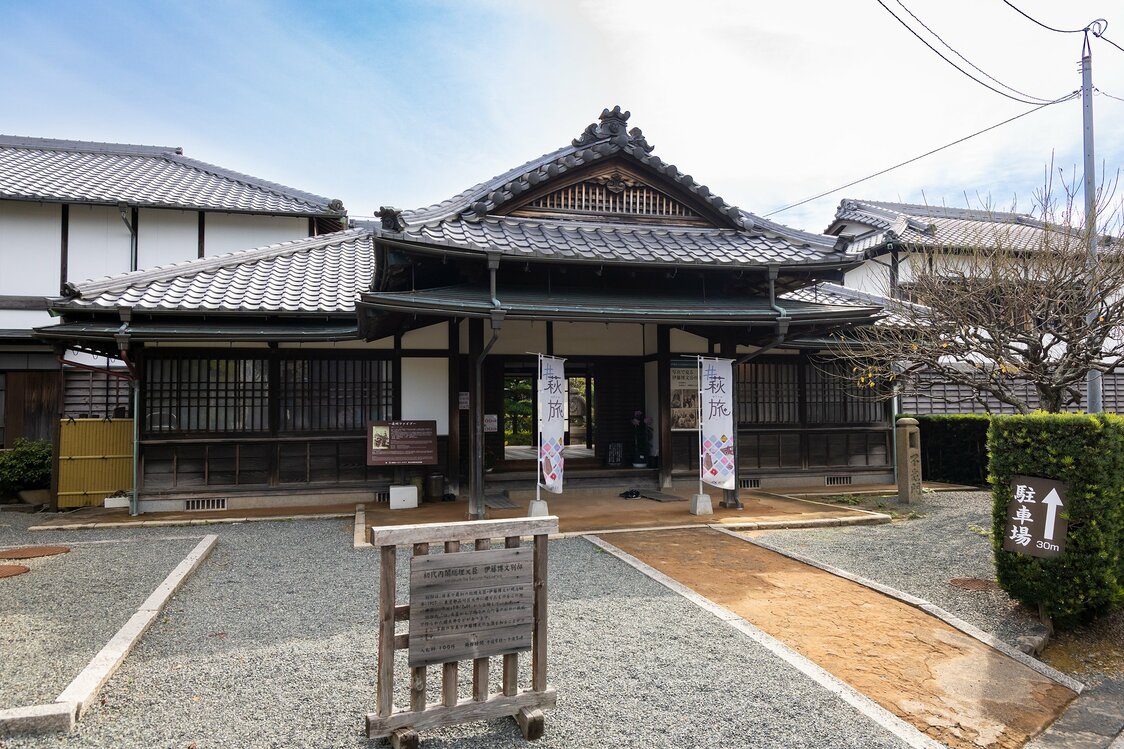
Itō’s former villa was moved here from its original location in Shinagawa, Tokyo, and speaks eloquently of the man’s life. (© Nippon.com)
-
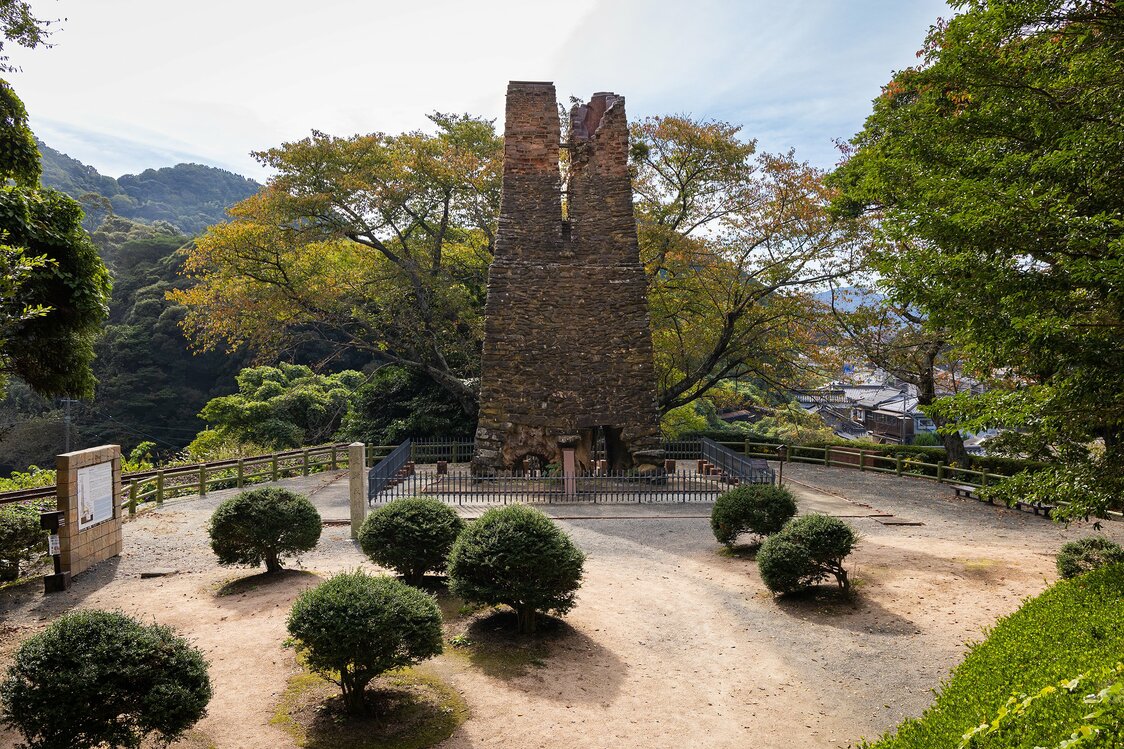
The reverberatory furnace stands out among its surroundings. (© Nippon.com)
-
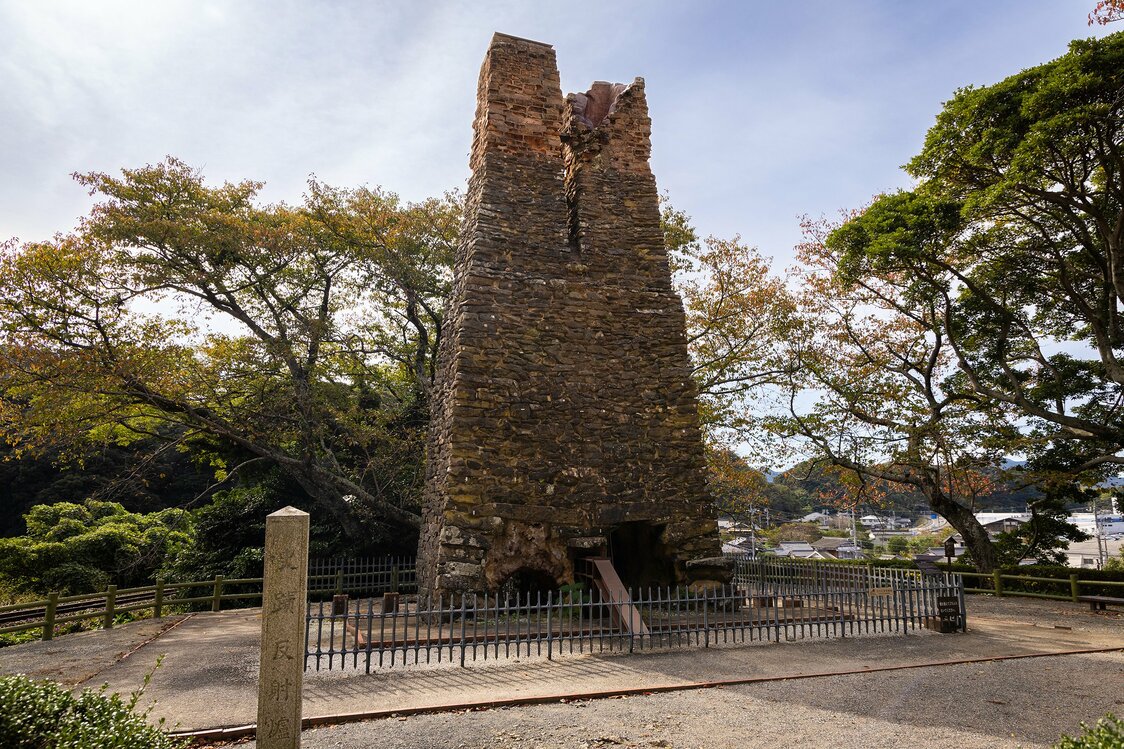
The bricks used in the upper sections of the chimney were made using local Hagiyaki earthenware techniques. (© Nippon.com)
-
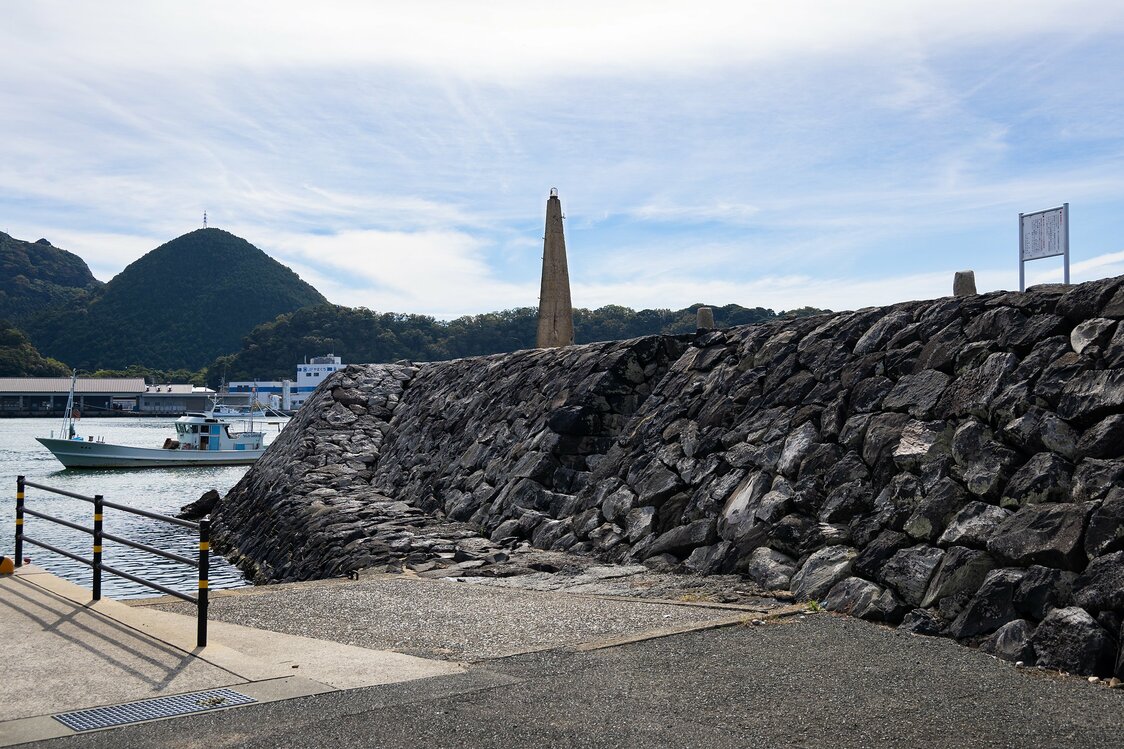
This stonework retaining wall at Ebisugahana predates the shipyard construction. (© Nippon.com)
-
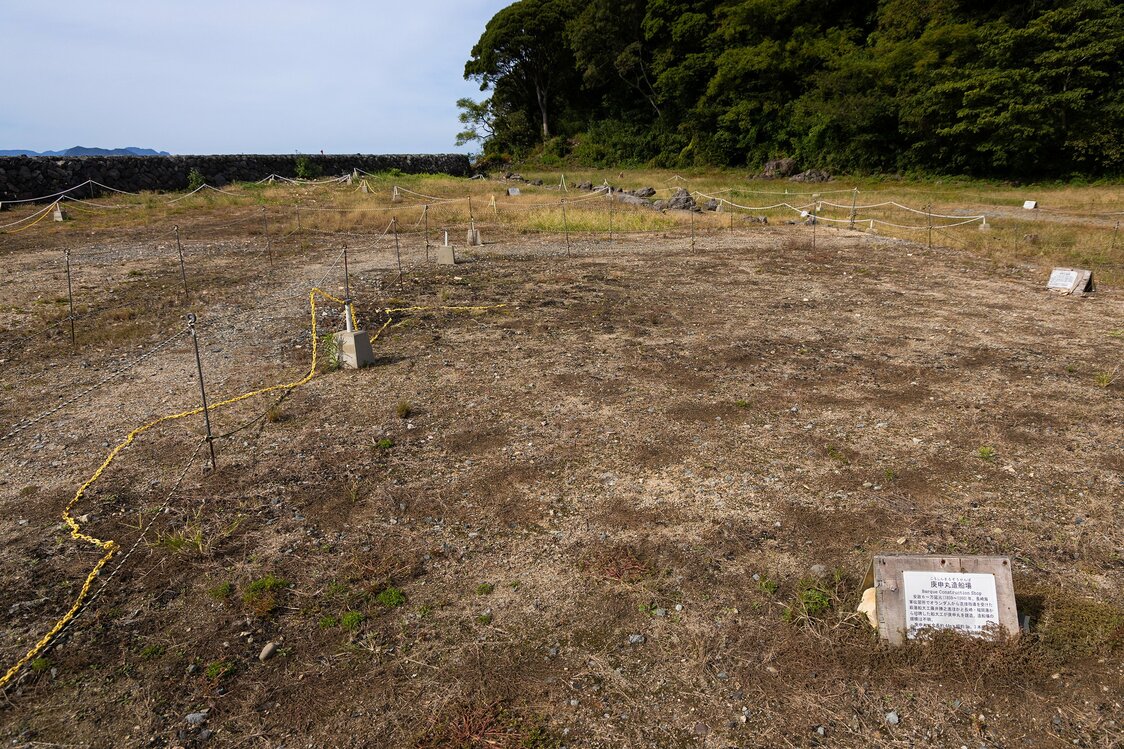
The site where the Kōshin Maru was built. (© Nippon.com)
-
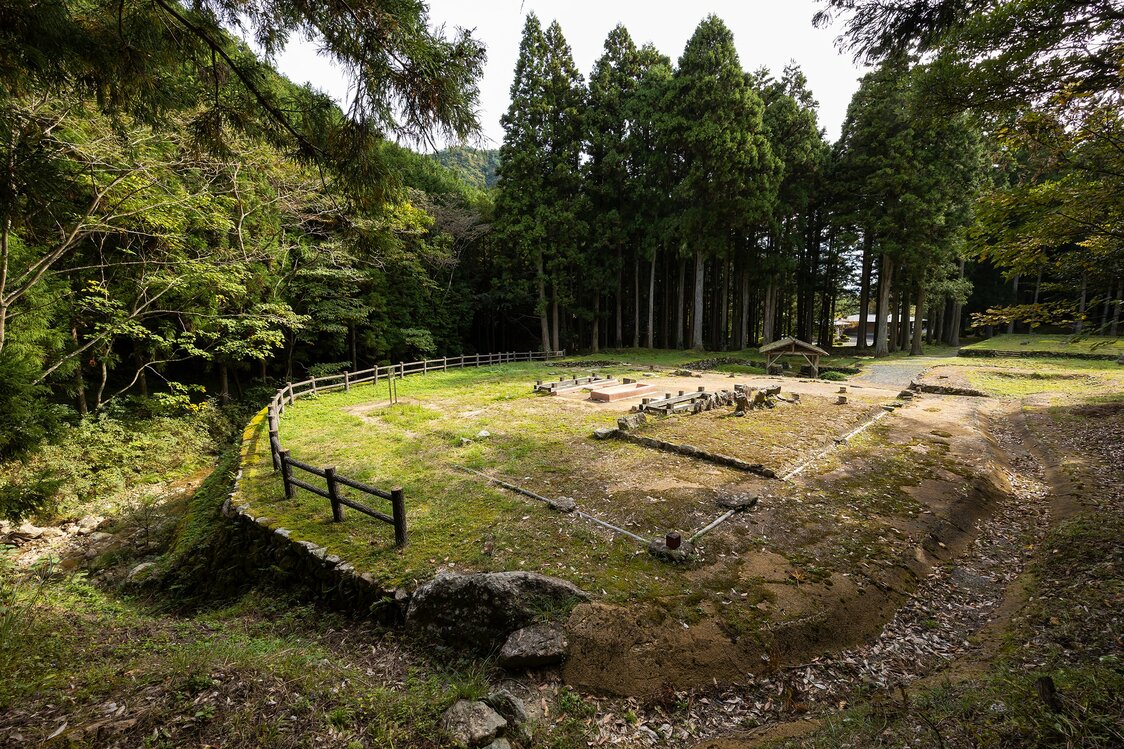
The ruins of the Ōitayama Tatara Iron Works. (© Nippon.com)
-
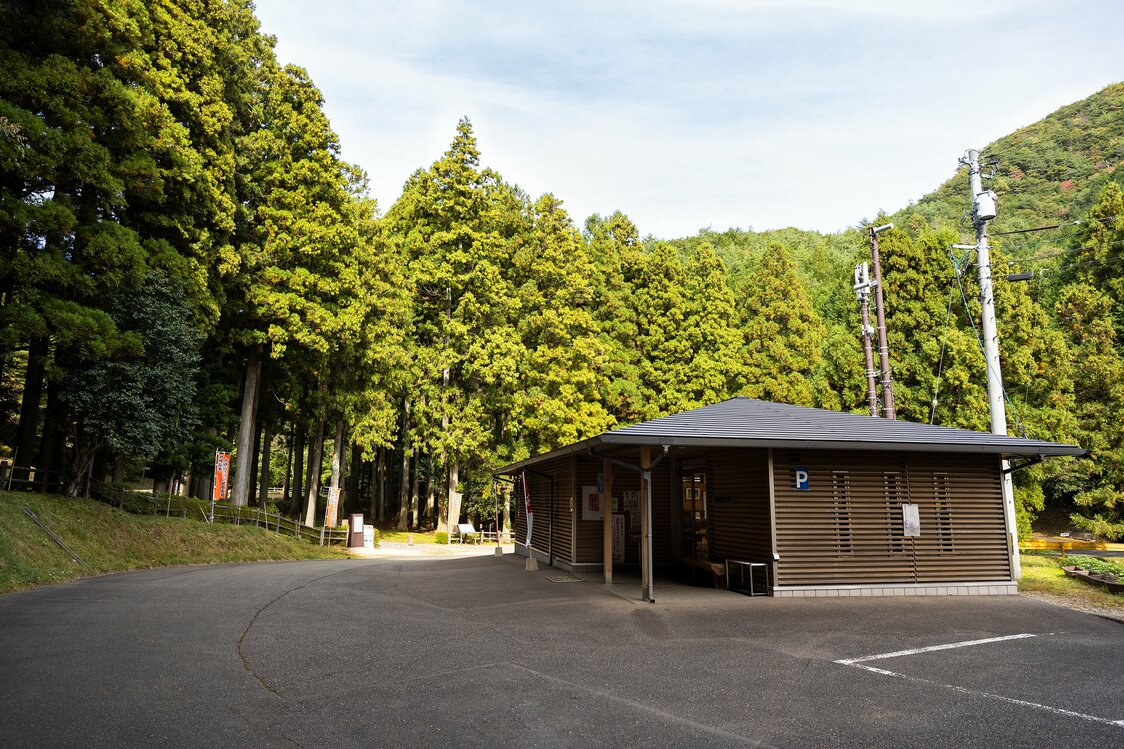
An exhibition facility stands near the parking lot, offering information about making iron in the late Edo. (© Nippon.com)
-
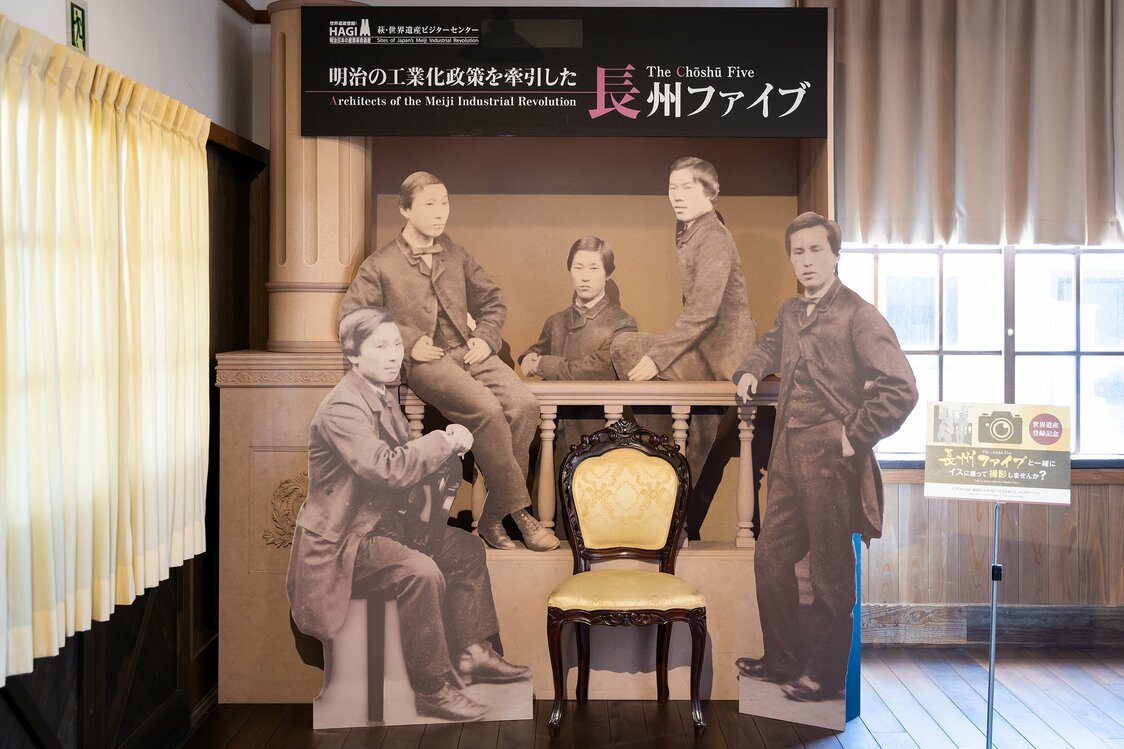
Visitors to the Meirin Gakusha can take a photo with the “Chōshū Five” who travelled to Britain. (© Nippon.com)


 Read in other languages