-
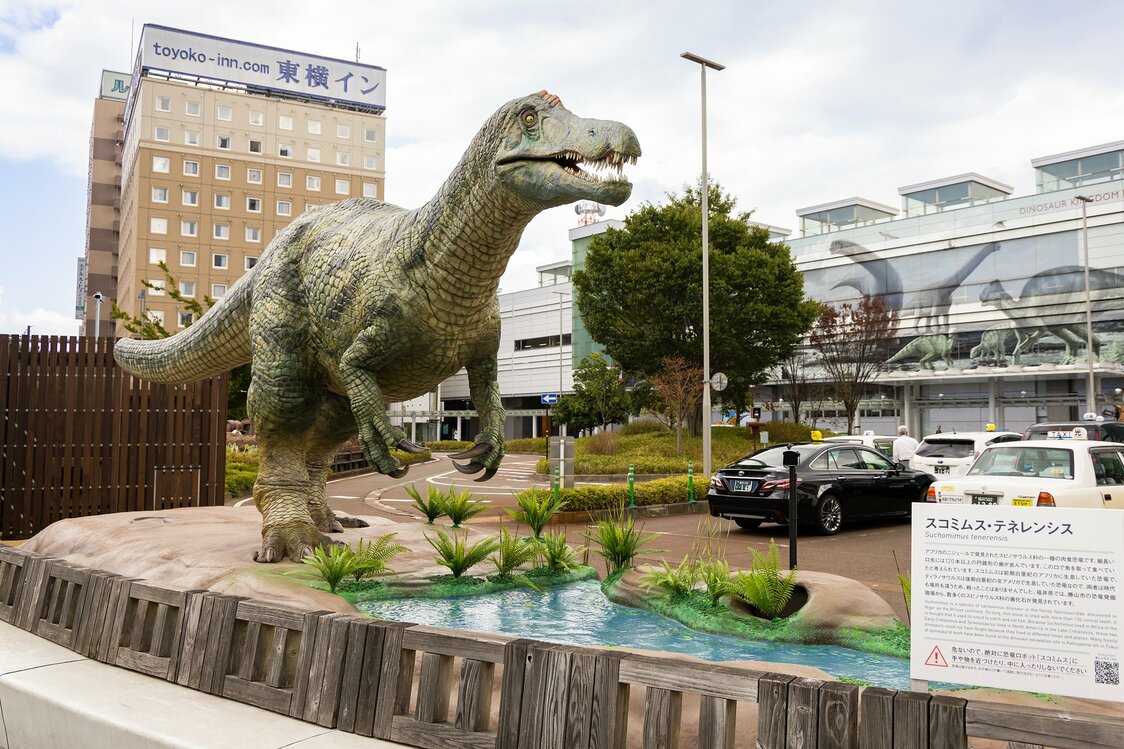
A moving Suchomimus tenerensis monument at Fukui Station. (© Nippon.com)
-
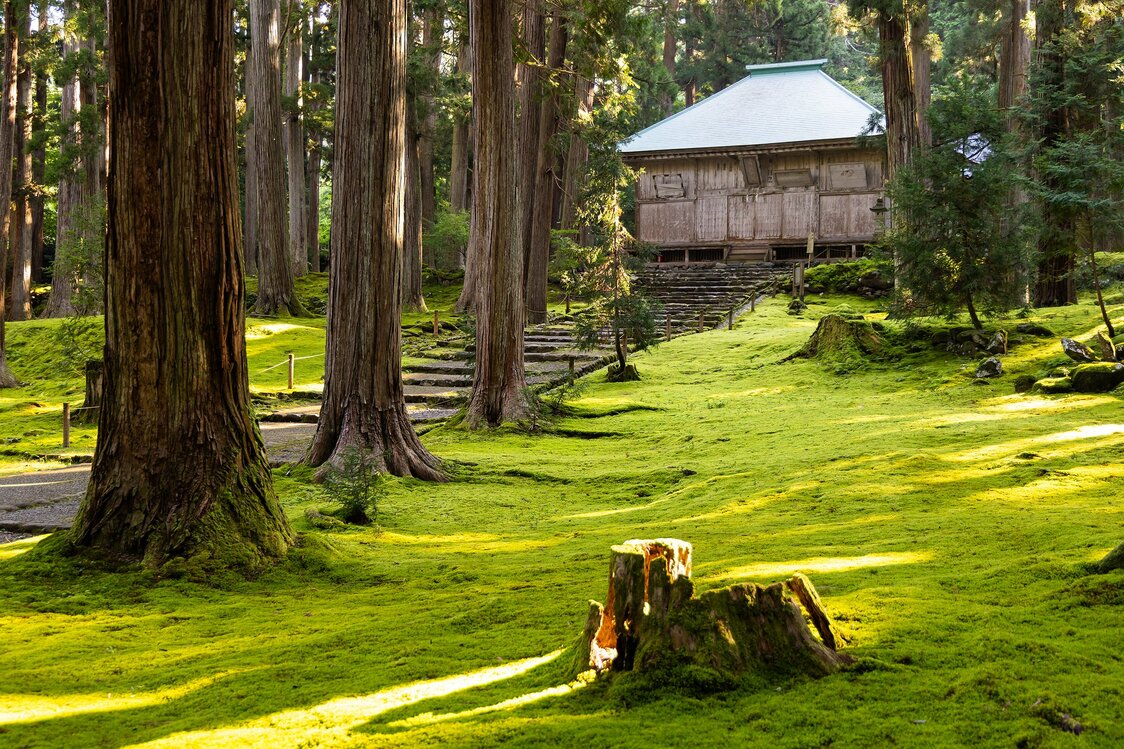
The approach to the worship hall, famous for its exceptionally beautiful moss. (© Nippon.com)
-
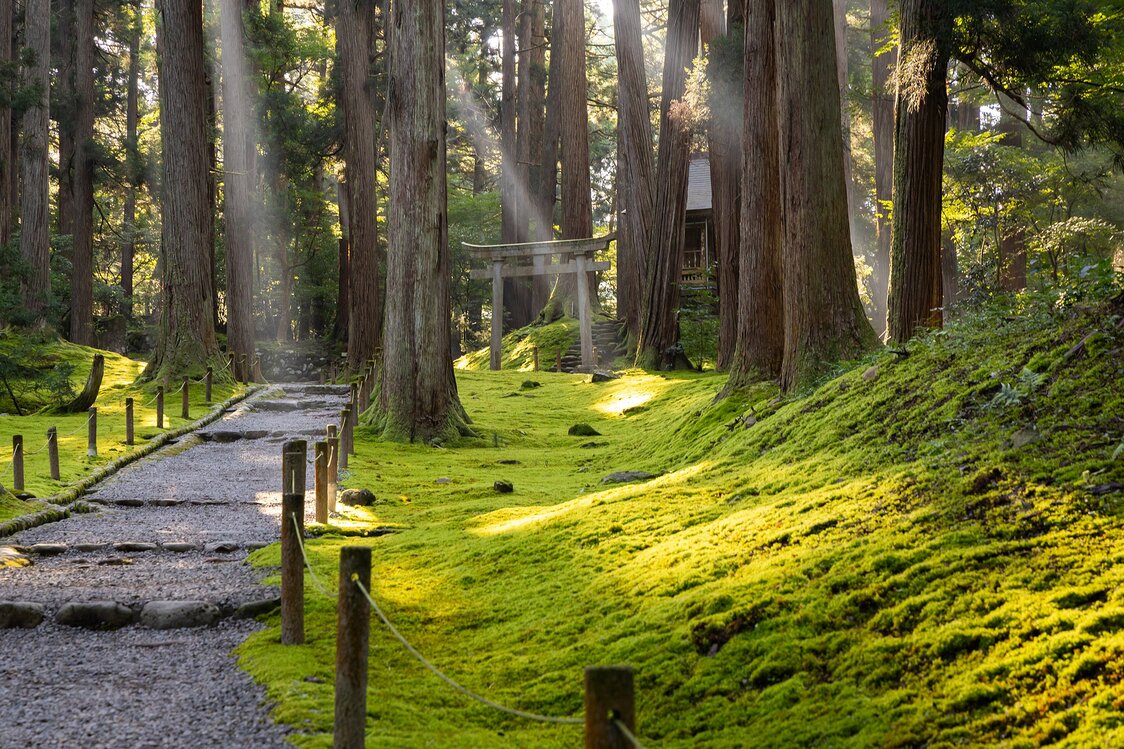
Sporadic sunbeams illuminate the moss on the sacred path leading to the Kaizansha Shrine, which enshrines Taichō. (© Nippon.com)
-
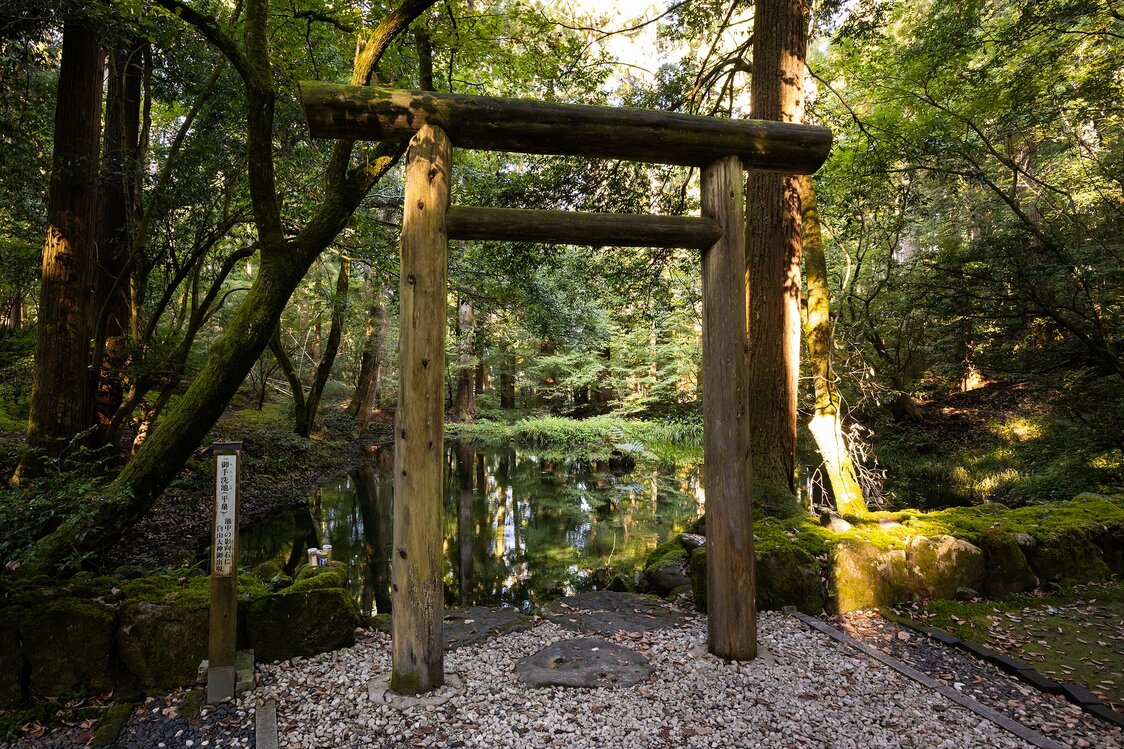
The spring where the goddess appeared is now called Mitarashi Pond or Omitarashi. The small rock visible in the center of the pond is the sacred stone where the goddess appeared. (© Nippon.com)
-
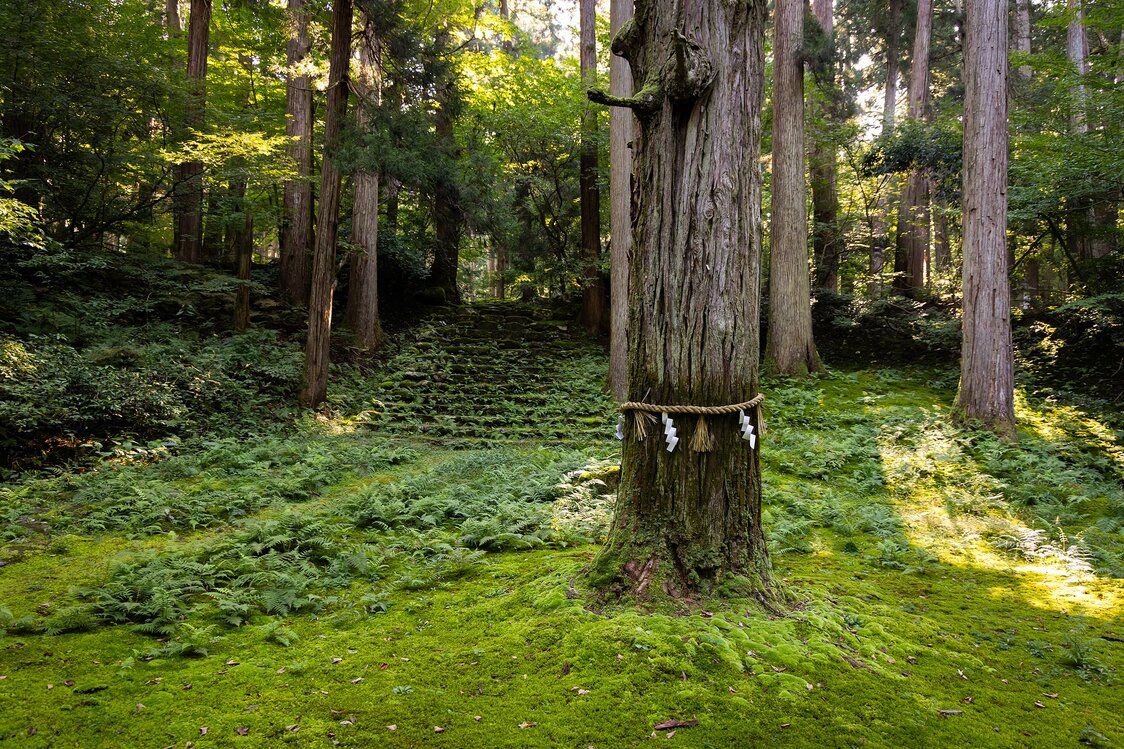
A sacred tree near the spring, said to have been planted by Taichō himself. (© Nippon.com)
-
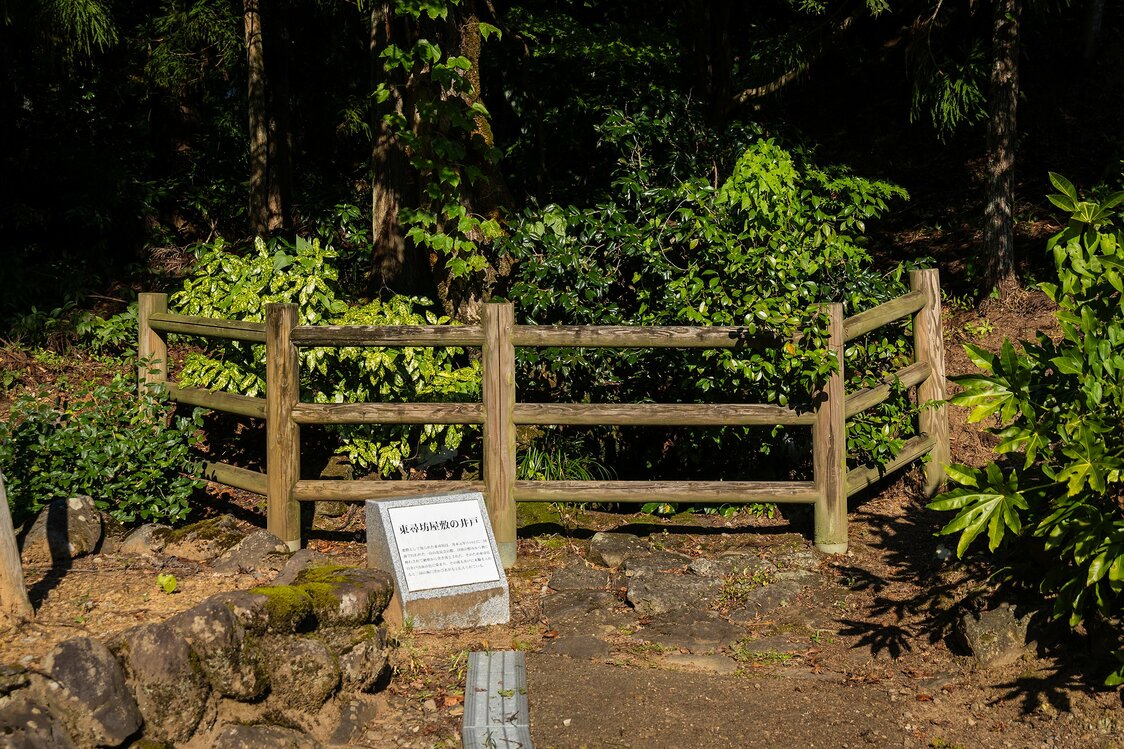
Tōjinbō, a scenic coastal cliff, was named after an evil monk from Heisenji during the late Heian period. A well from Tōjinbō’s former residence still remains beside the old pilgrimage road. (© Nippon.com)
-
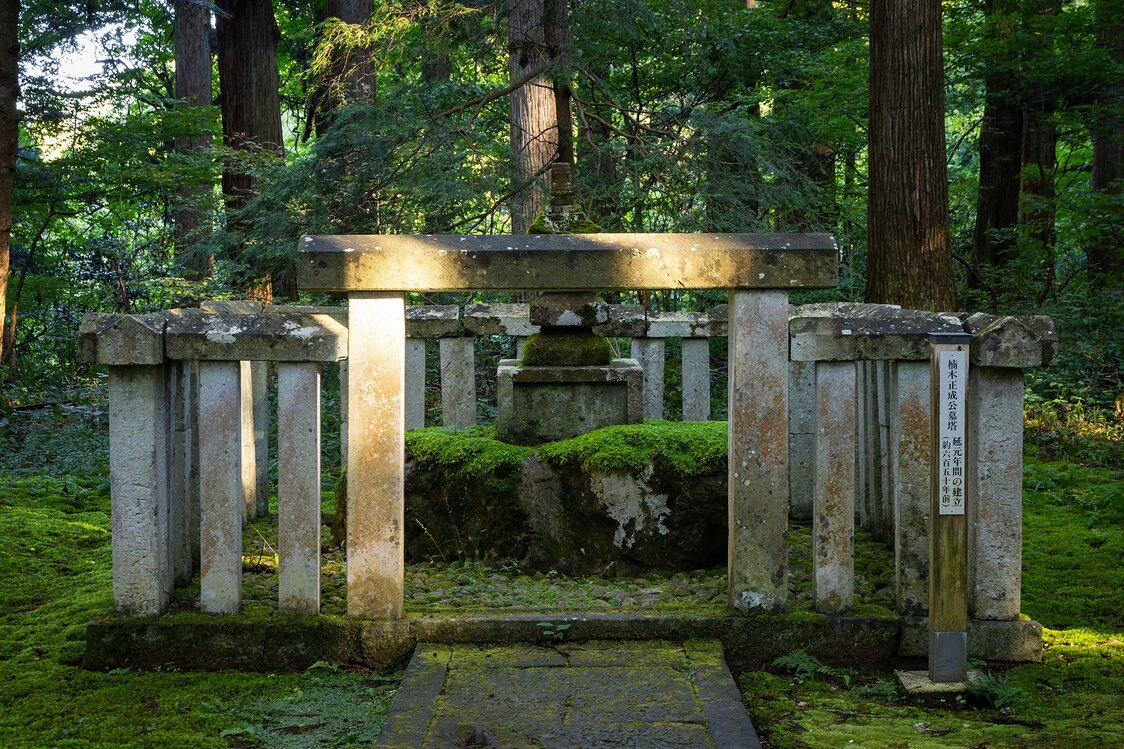
A memorial tower for Kusunoki Masashige, a warrior who played a key role in the Kamakura period (1185–1333), stands near the Third Shrine. It was built in 1336, the year of his death. (© Nippon.com)
-
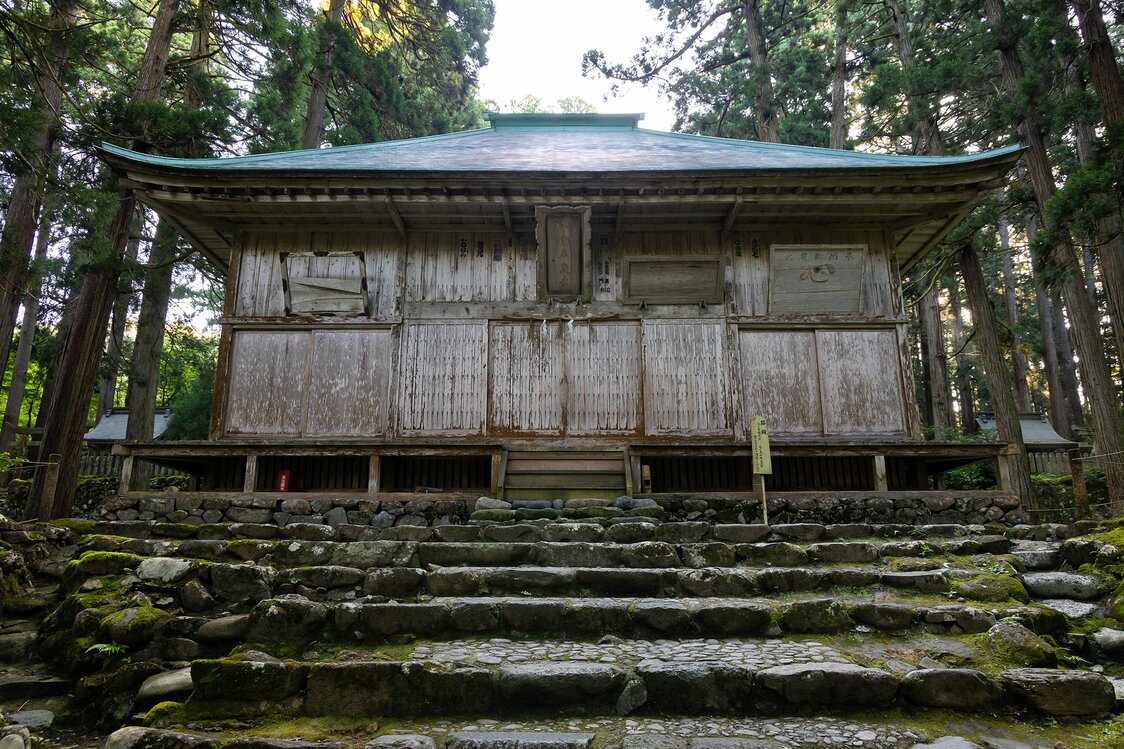
The current worship hall was rebuilt in the late Edo period. The original hall, burned down during the Ikkō-ikki rebellion, was once 46 ken wide (about 83 meters). (© Nippon.com)
-
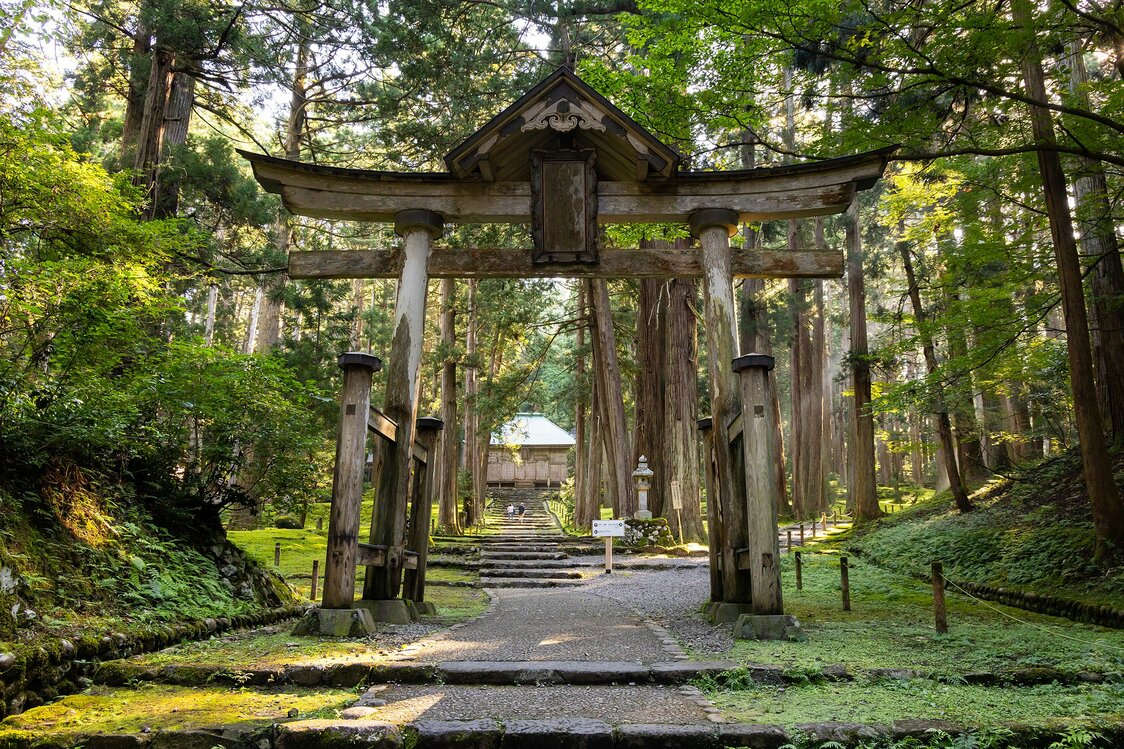
The plaque reading “Hakusan Sansho Daigongen” above the second torii is said to be the handwriting of Prince Kōjun, the son of Emperor Nakamikado and a Tendai priest. A roof was added to protect it from the elements. (© Nippon.com)
-
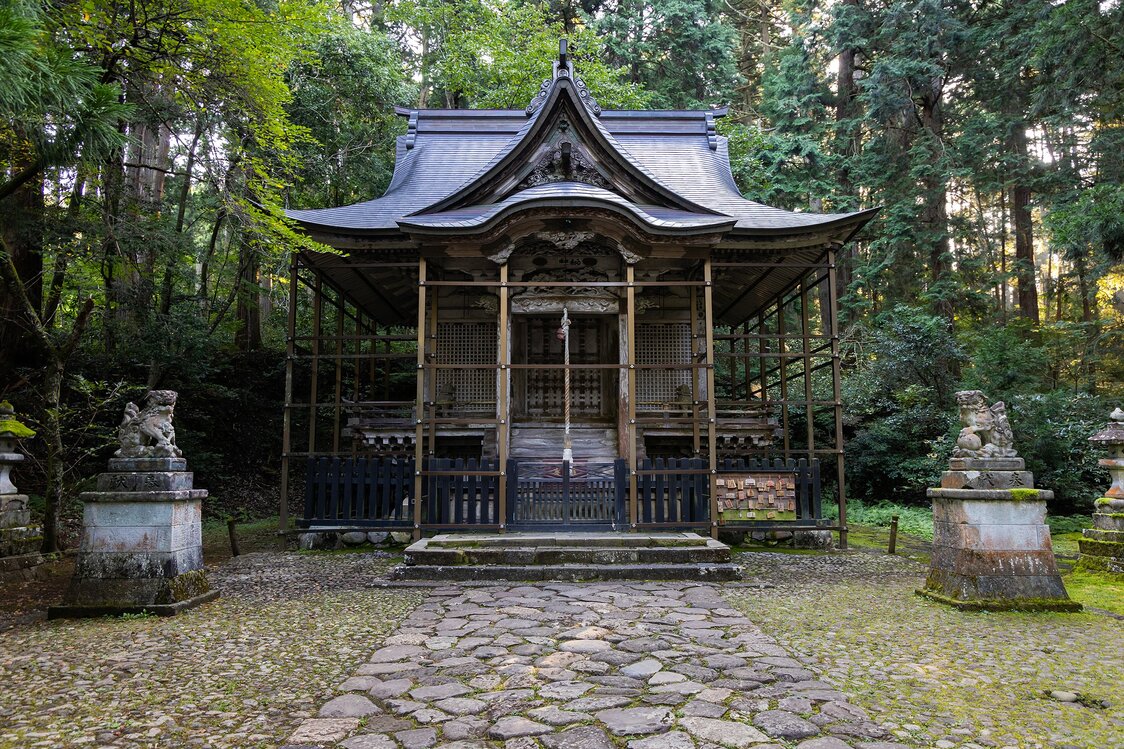
The main shrine, dedicated to Izanami, was rebuilt in 1795 by the feudal lord of Fukui. (© Nippon.com)
-
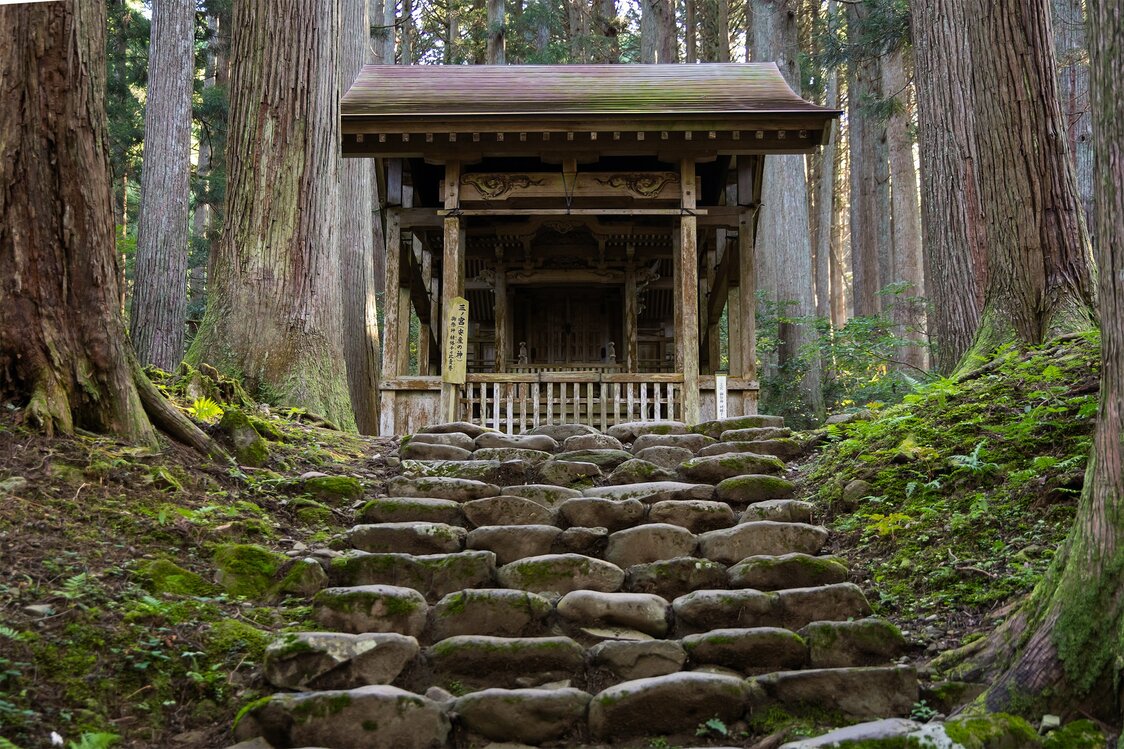
Behind the Third Shrine, a path known as the Echizen Zenjō-dō (Echizen Ascetic Route) once led to the summit of Mount Hakusan. (© Nippon.com)
-
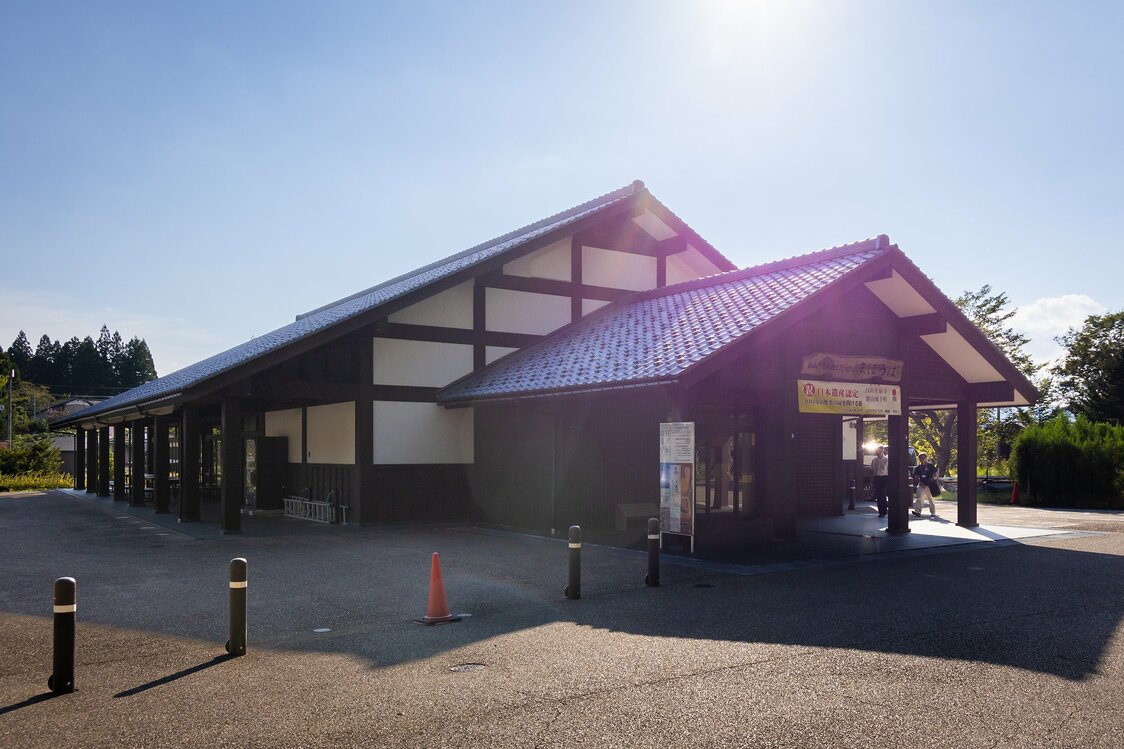
The Hakusan Heisenji History Museum, called Mahoroba, near the entrance to the shrine offers exhibits on the history and culture of the religious site. (© Nippon.com)
-
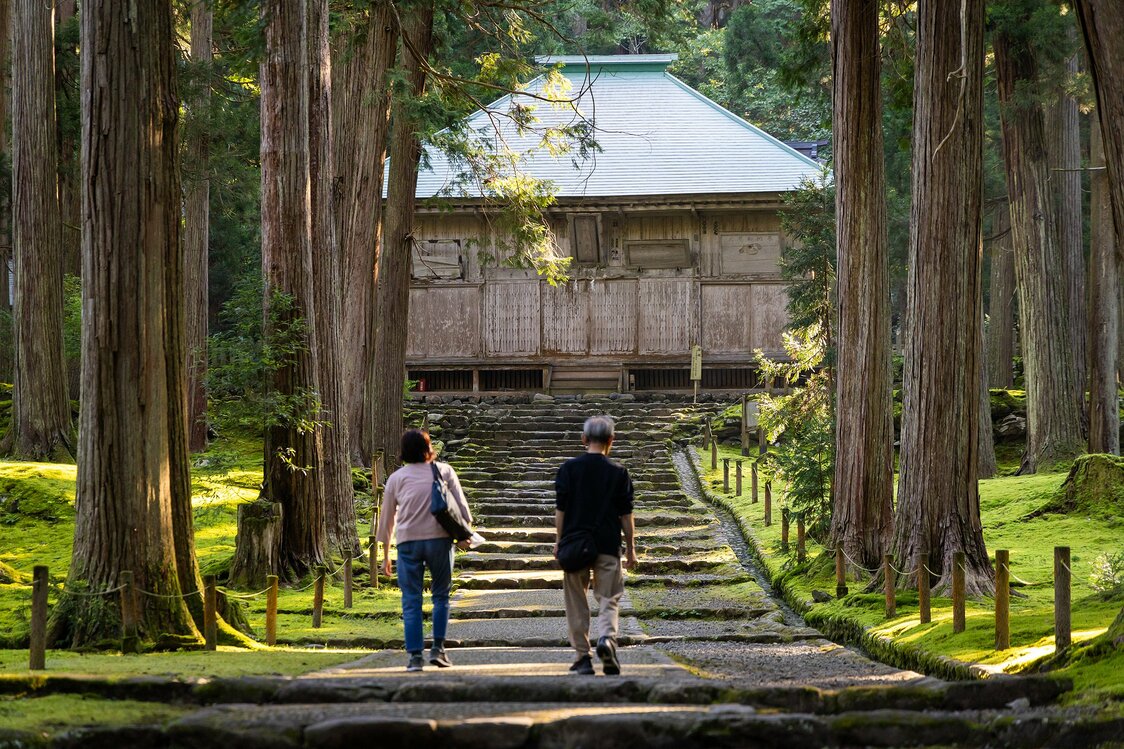
The shrine grounds in the early morning, bathed in breathtaking beauty. (© Nippon.com)


 Read in other languages