-
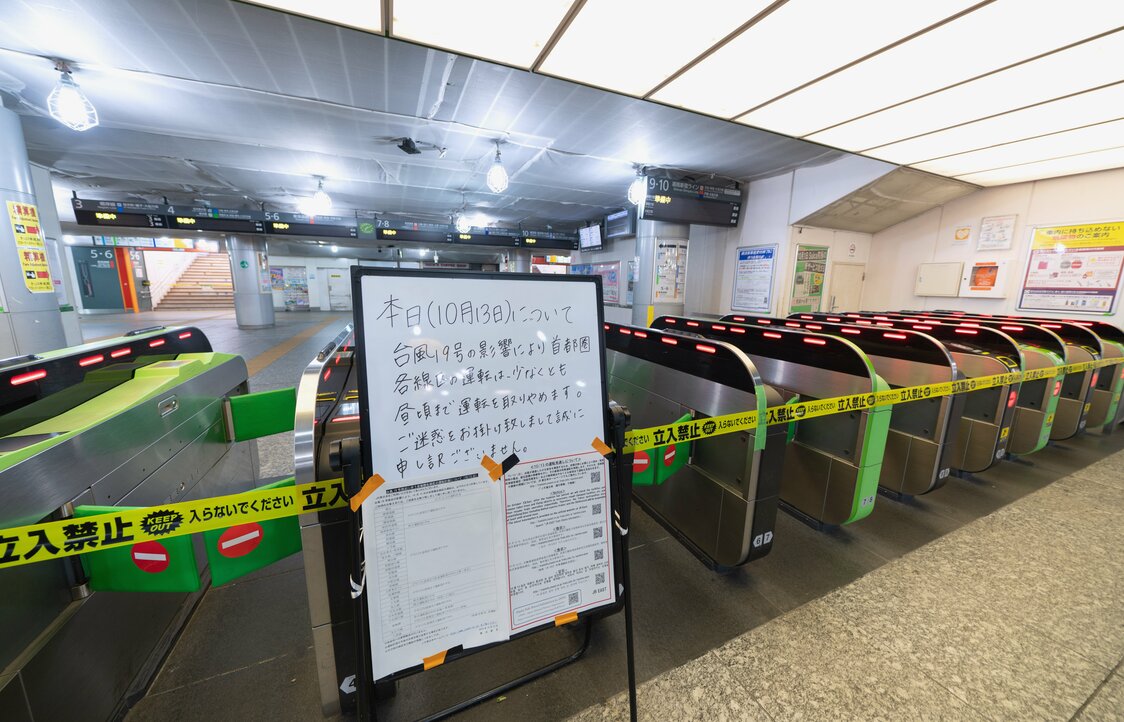
During severe weather, such as typhoons, public transportation stoppages are common. In the event of a disaster, stations, airports, and accommodation facilities may provide spaces where people can wait. (© Pixta)
-
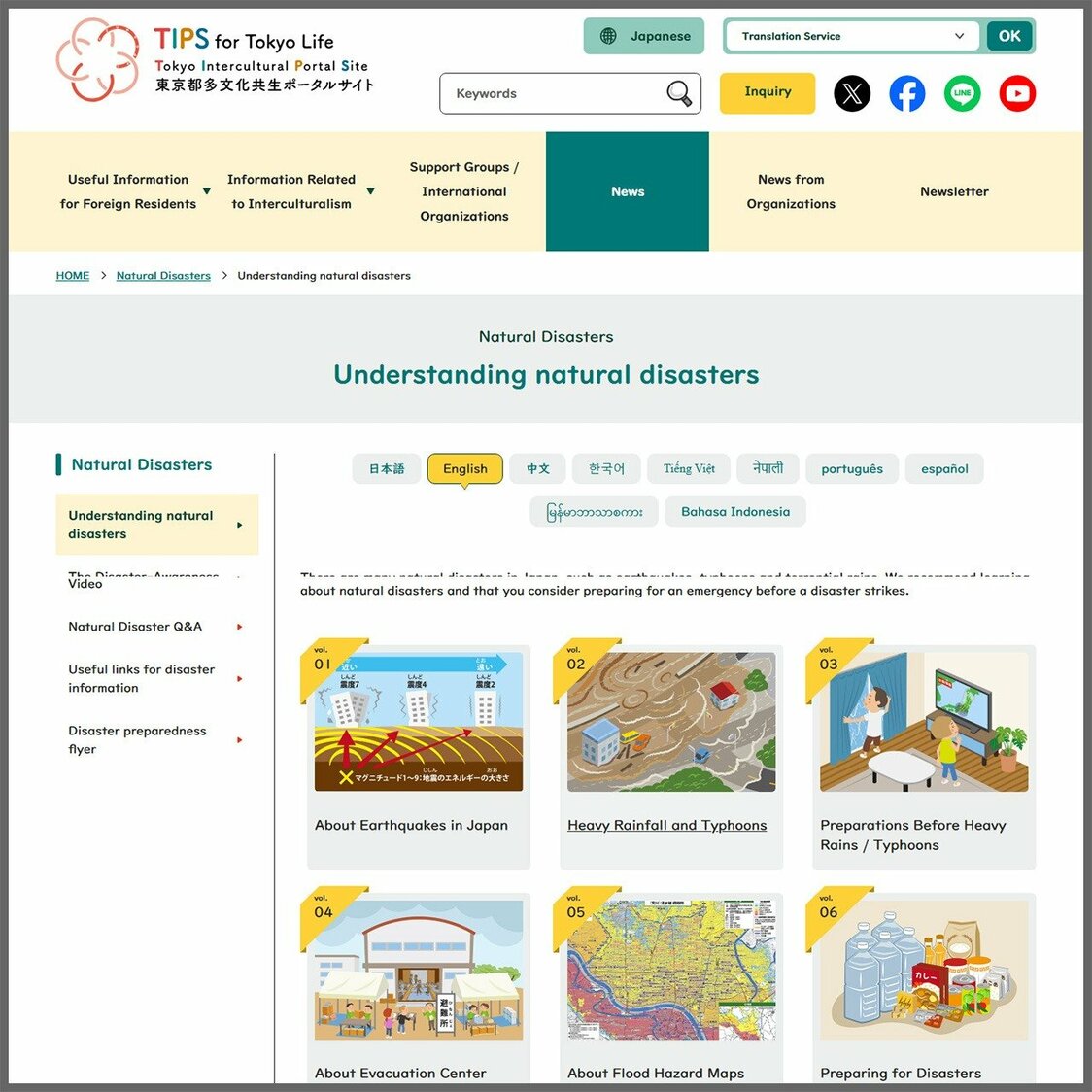
Understanding Natural Disasters on the Tokyo Intercultural Portal Site is one good option. It includes links to other recommended websites.
-
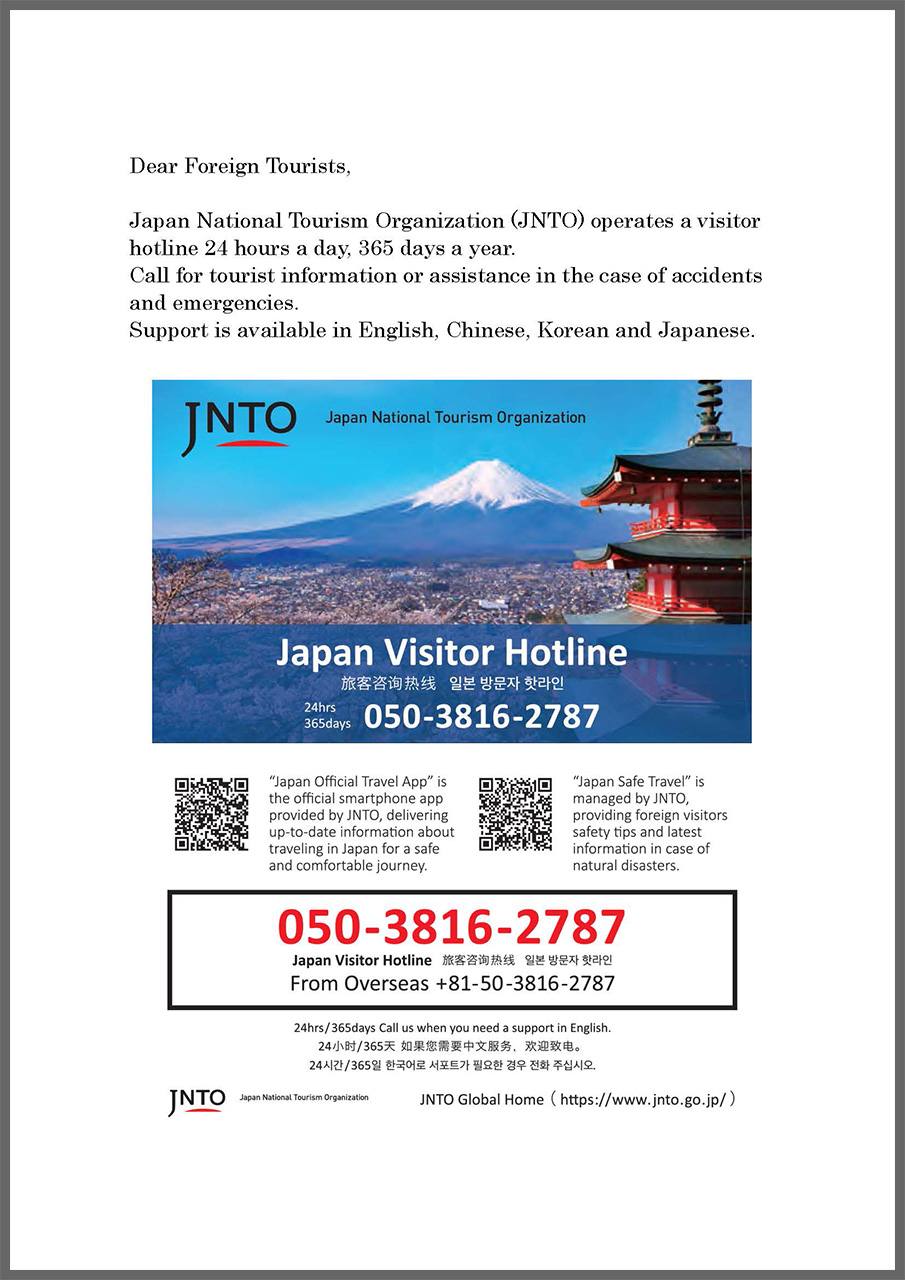
A poster advertising the Japan Visitor Hotline.
-
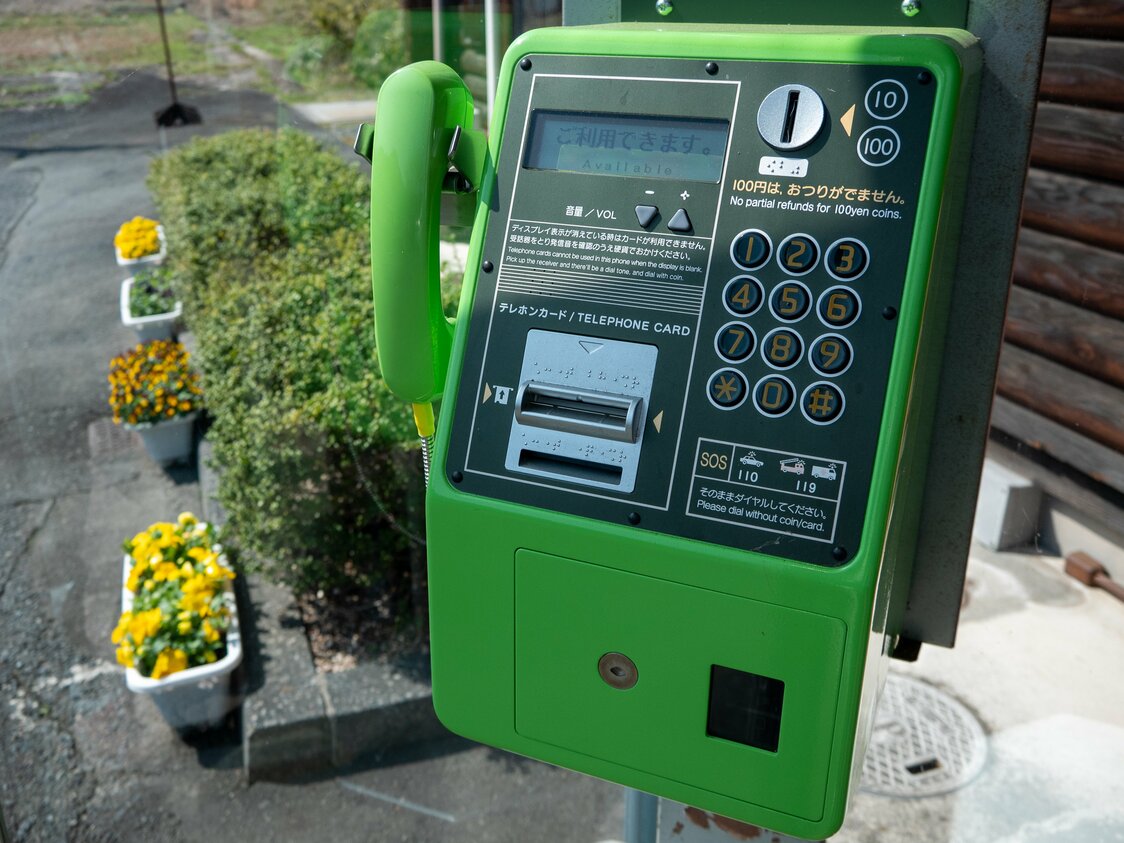
If you cannot use a mobile phone, look for a payphone. There is no need to insert coins for emergency calls. (© Pixta)
-
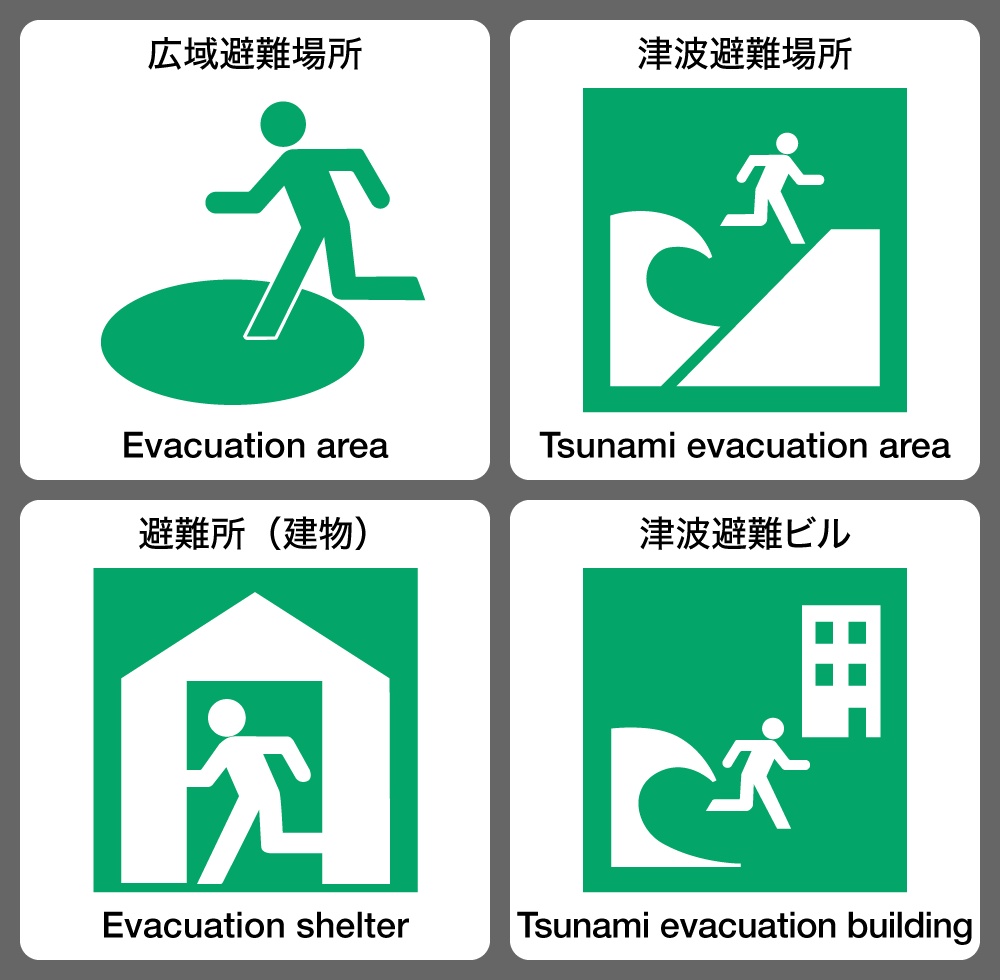
Pictograms indicating different kinds of indoor and outdoor evacuation locations. (© Pixta)
-
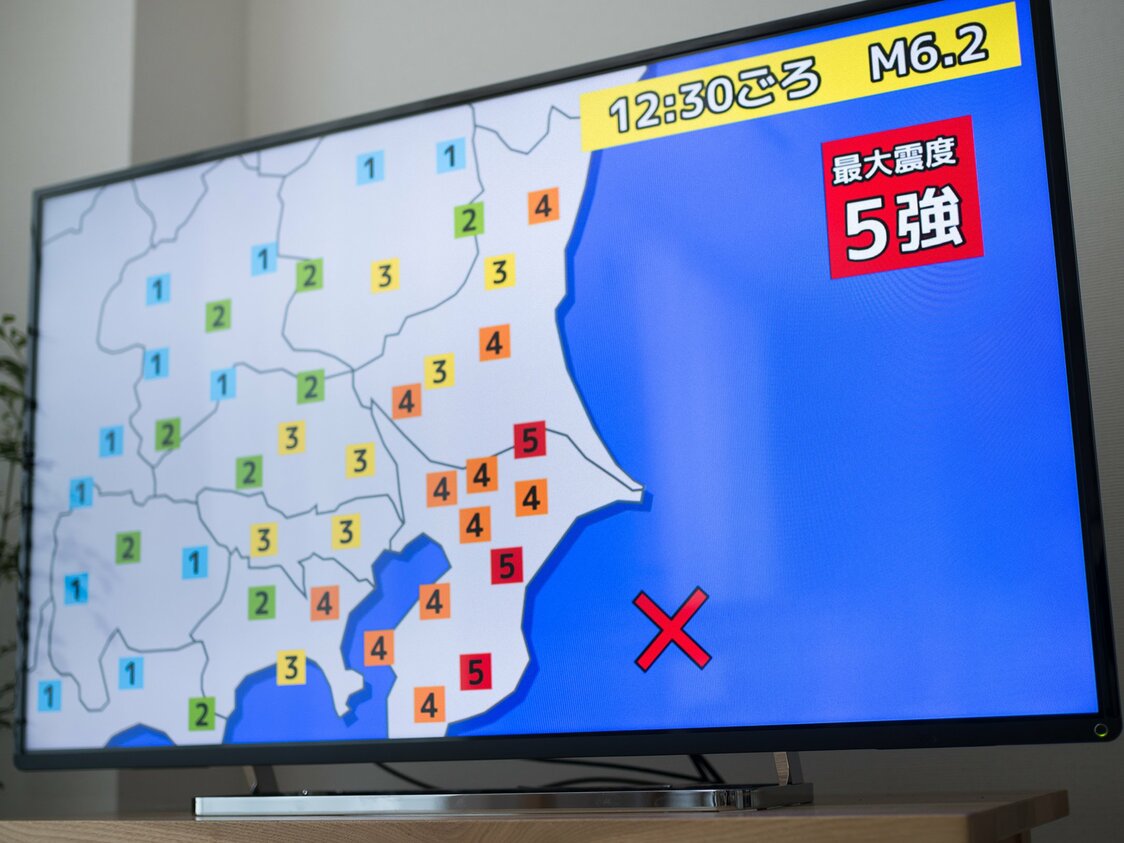
The level of shaking is indicated on maps with numbers and different colors indicating the level of danger. (Photo for illustrative purposes only; © Pixta)
-
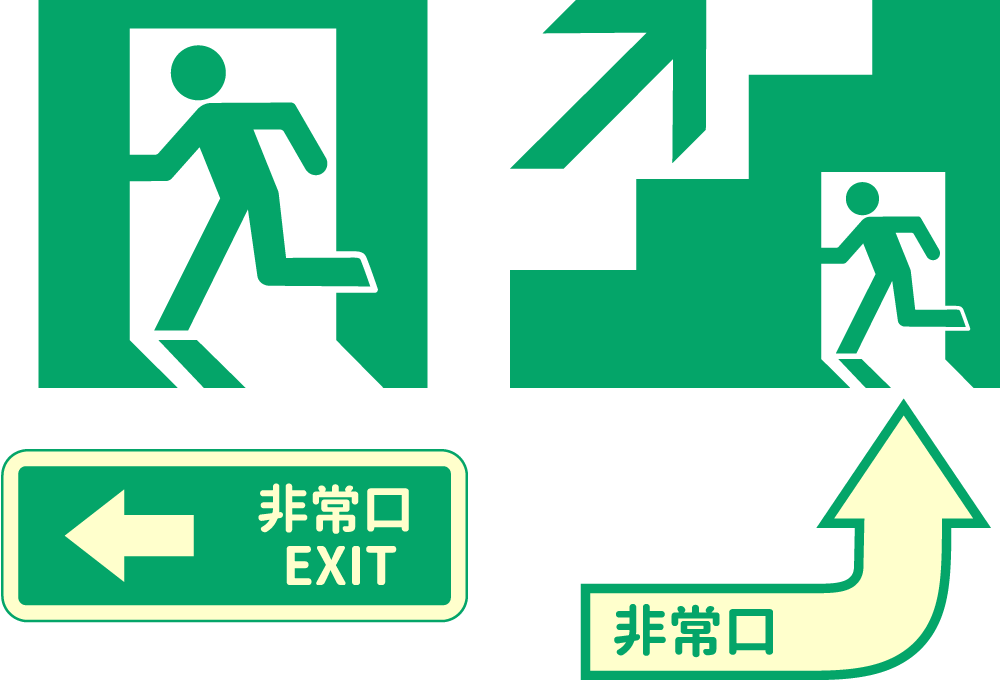
Green is used to indicate a route to safety. (© Pixta)
-

As well as indicating danger or emergency, red is used for fire safety signage. (© Pixta)
-
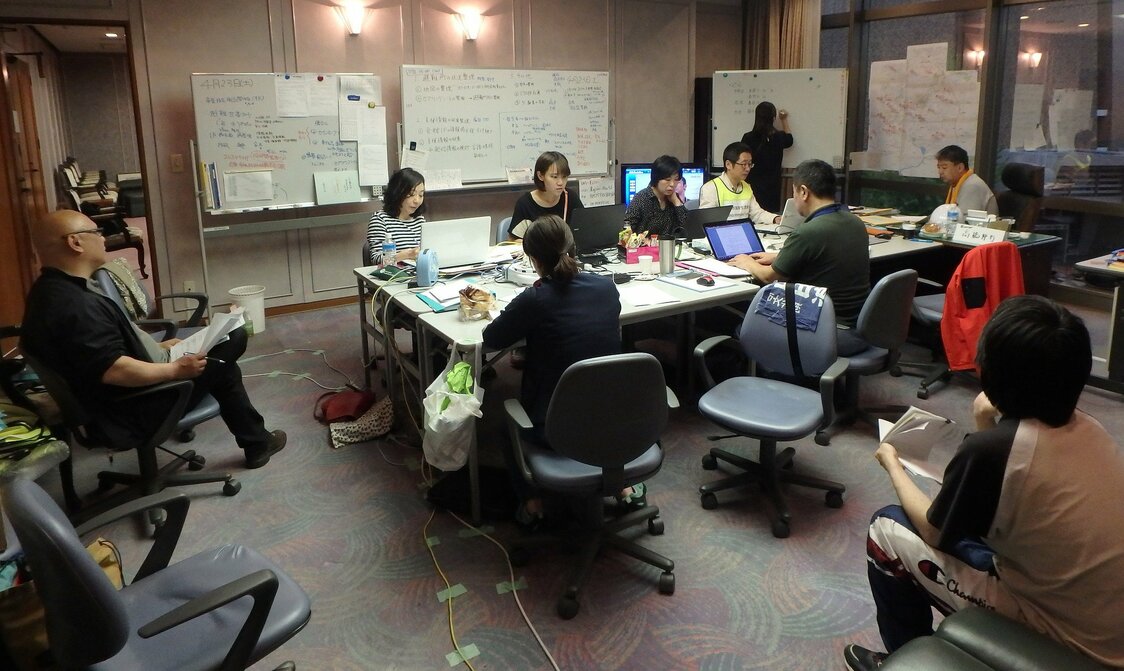
A multilingual support center established after the Kumamoto earthquakes. Photograph taken on April 23, 2016. (Courtesy NPO Tabumane; © Jiji)
-
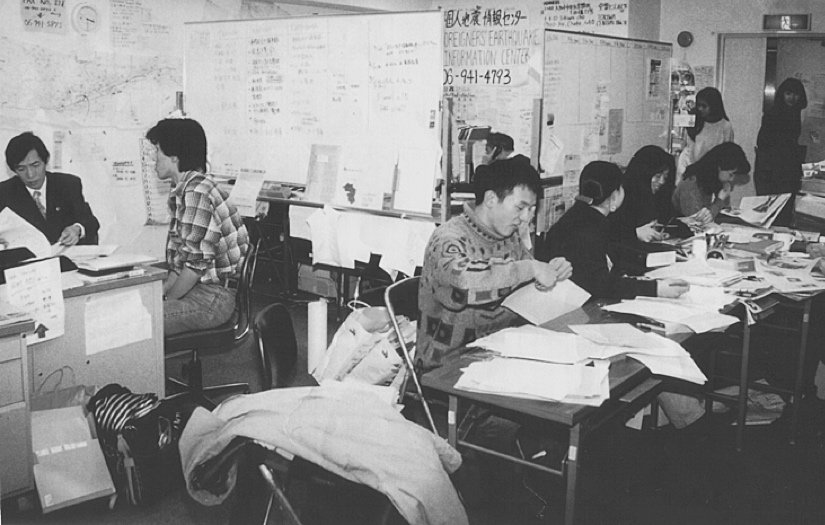
Tamura (second from left) at the Foreigners Earthquake Information Center, which he helped to establish in 1995. At this time, few people had mobile phones or access to the internet, and the center’s telephone number was publicized via flyers, newspapers and the radio. (© Institute for Human Diversity Japan)
-
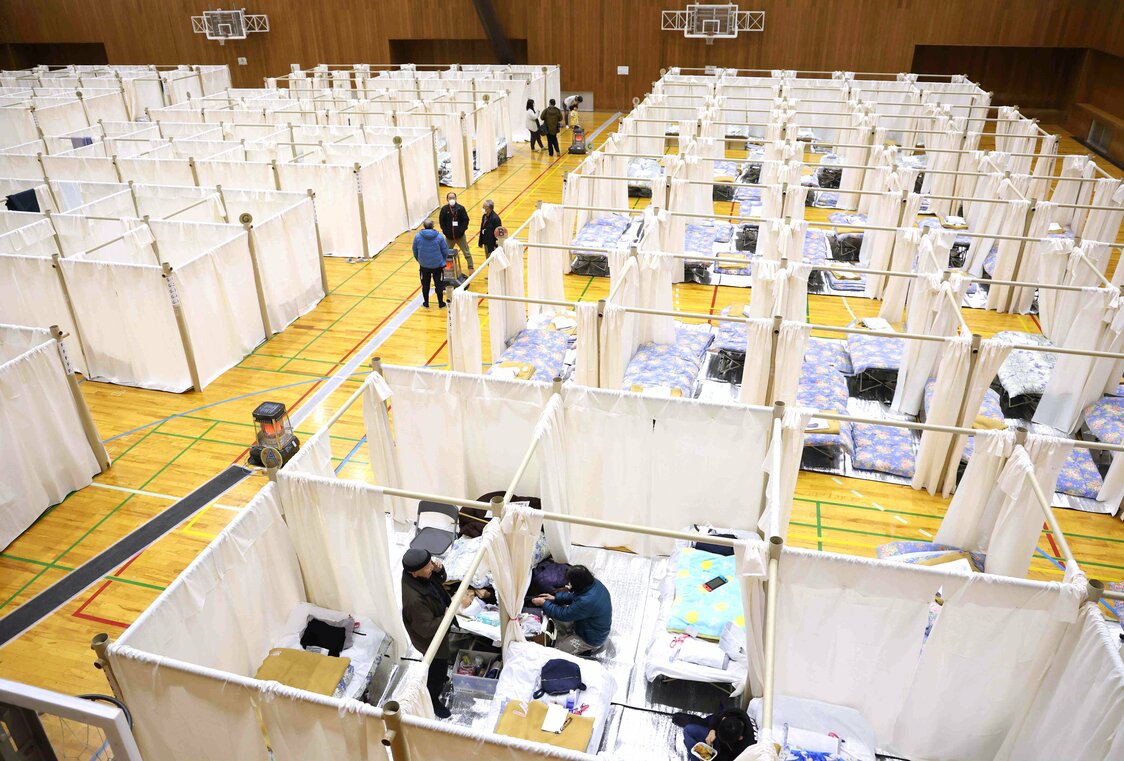
An evacuation shelter in Kanazawa on January 11, 2024, after the Noto earthquake. (© Jiji)
-
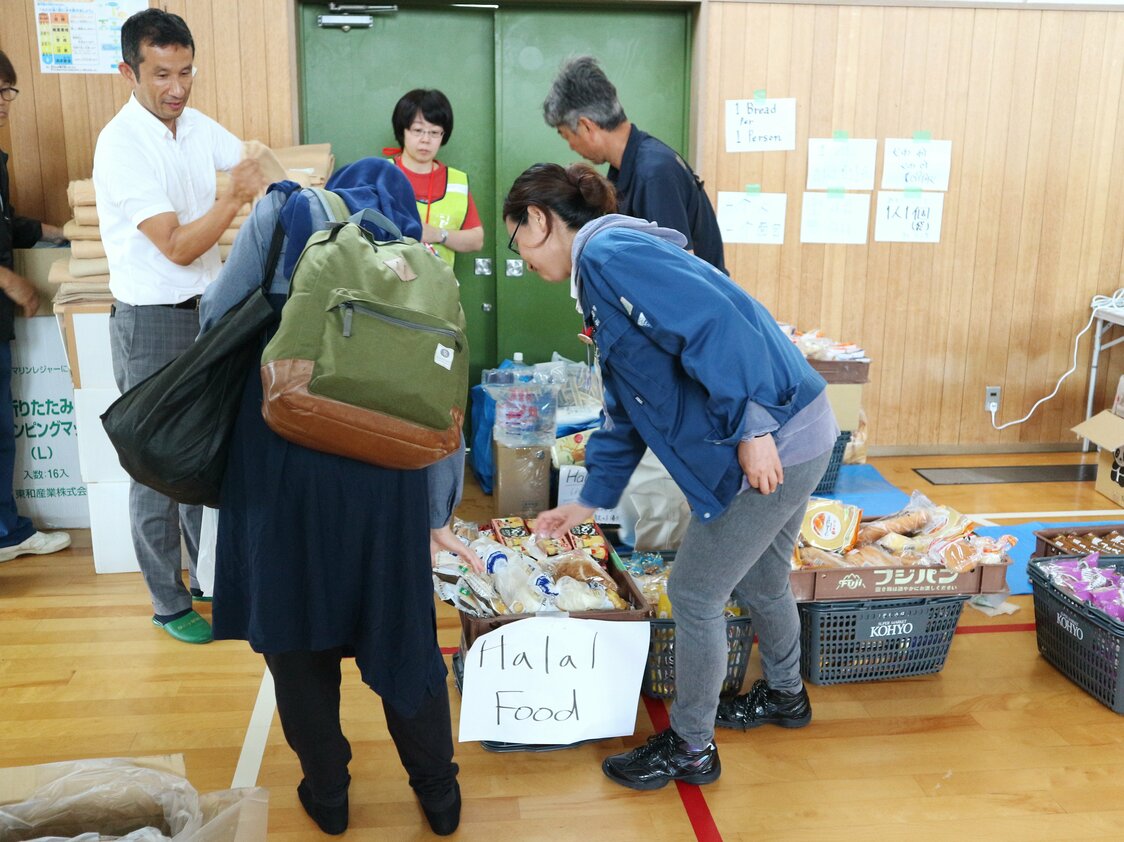
After a 2018 earthquake in Osaka, a city employee explained about halal food provided at an elementary school shelter in Minō, where most of those staying were foreign nationals. Photo taken on June 20, 2018. (© Jiji)
-
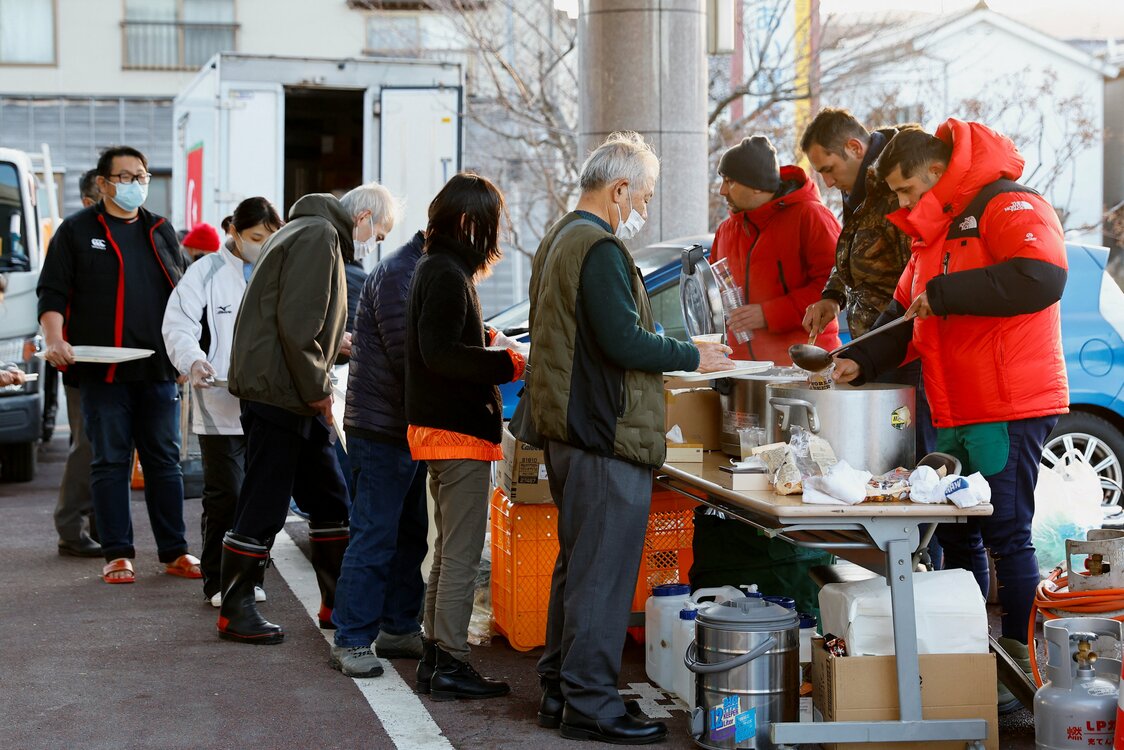
Foreign volunteers serving food on January 5, 2024, after the Noto earthquake. (© Reuters)
-
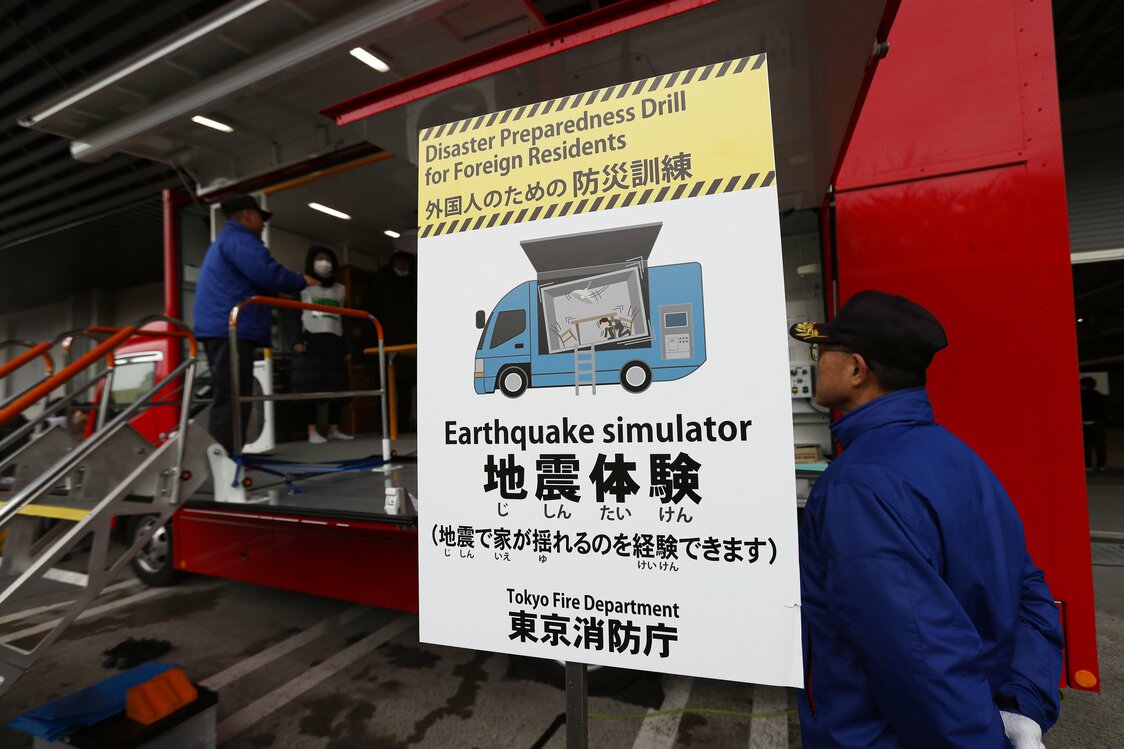
The Tokyo Fire Department regularly holds disaster preparedness training sessions for foreign residents. Photo taken on January 28, 2020. (© Zuma Press Wire via Reuters Connect)


 Read in other languages