-
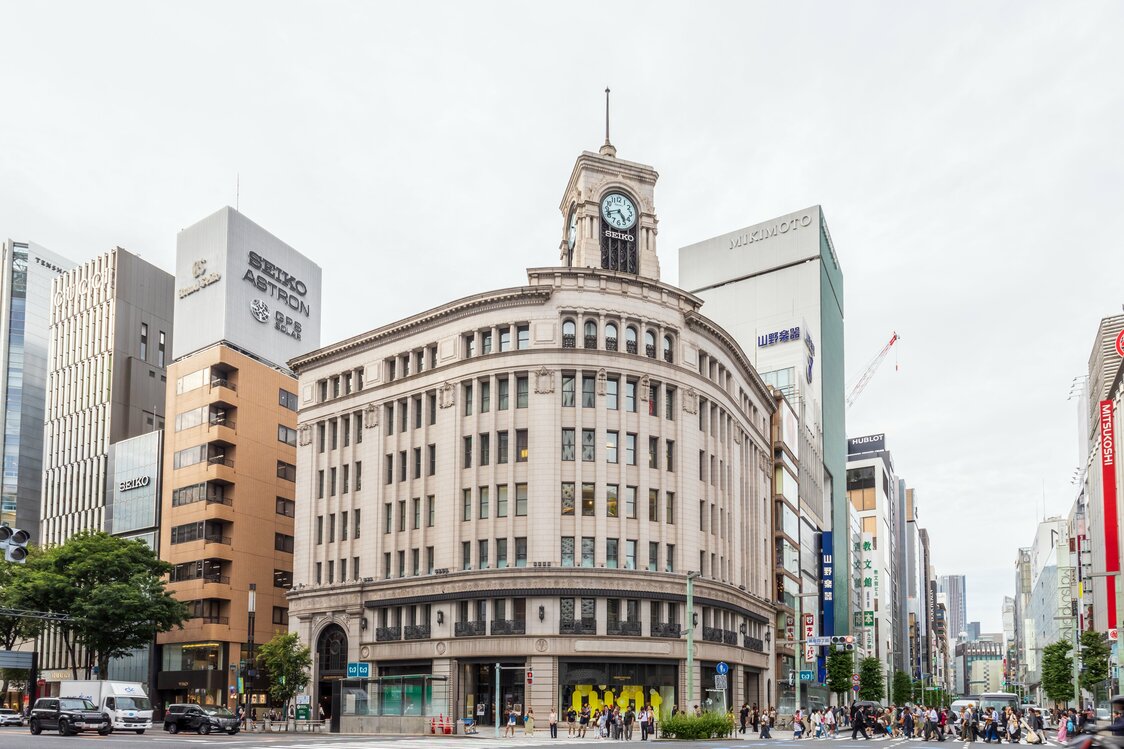
The Seiko House Ginza, also known as the Wakō Building, is near to the Seiko Dream Square store. (© Nippon.com)
-
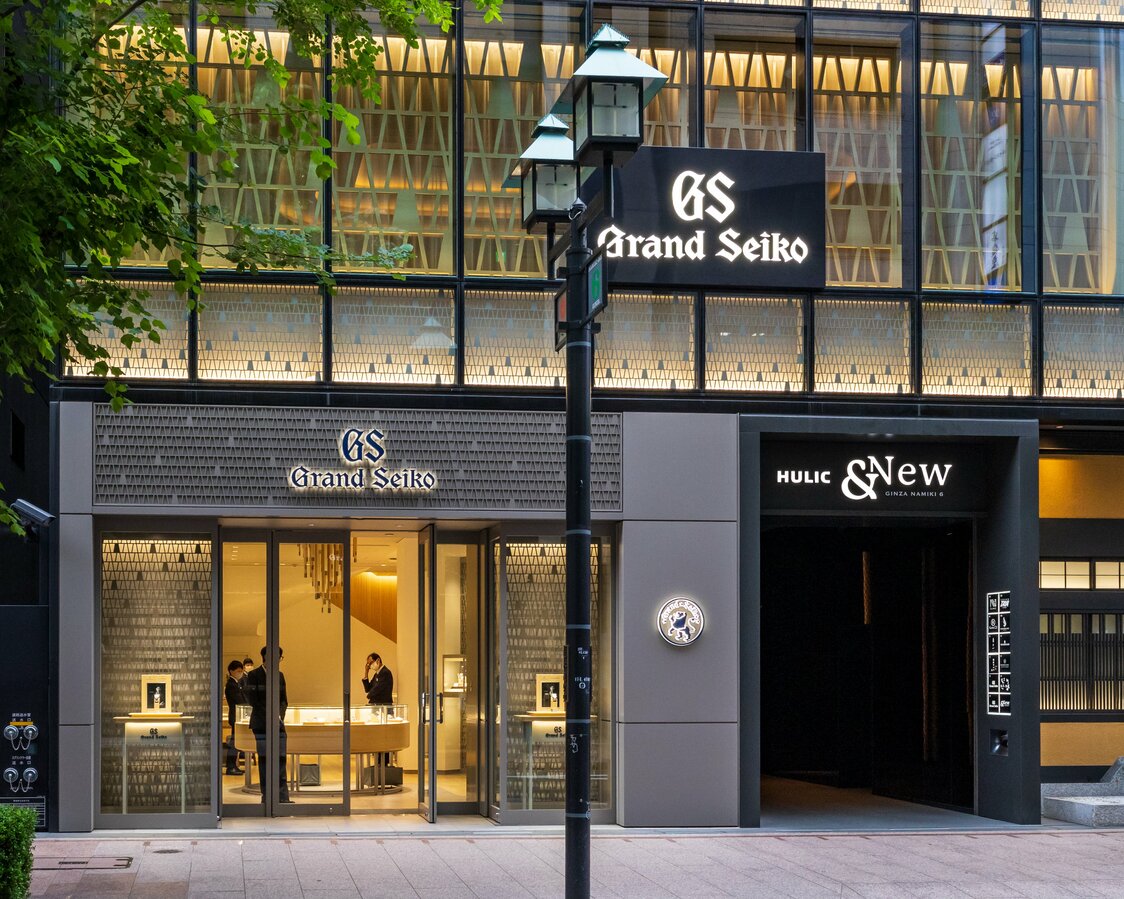
The Ginza Seiko Flagship Boutique. (© Nippon.com)
-
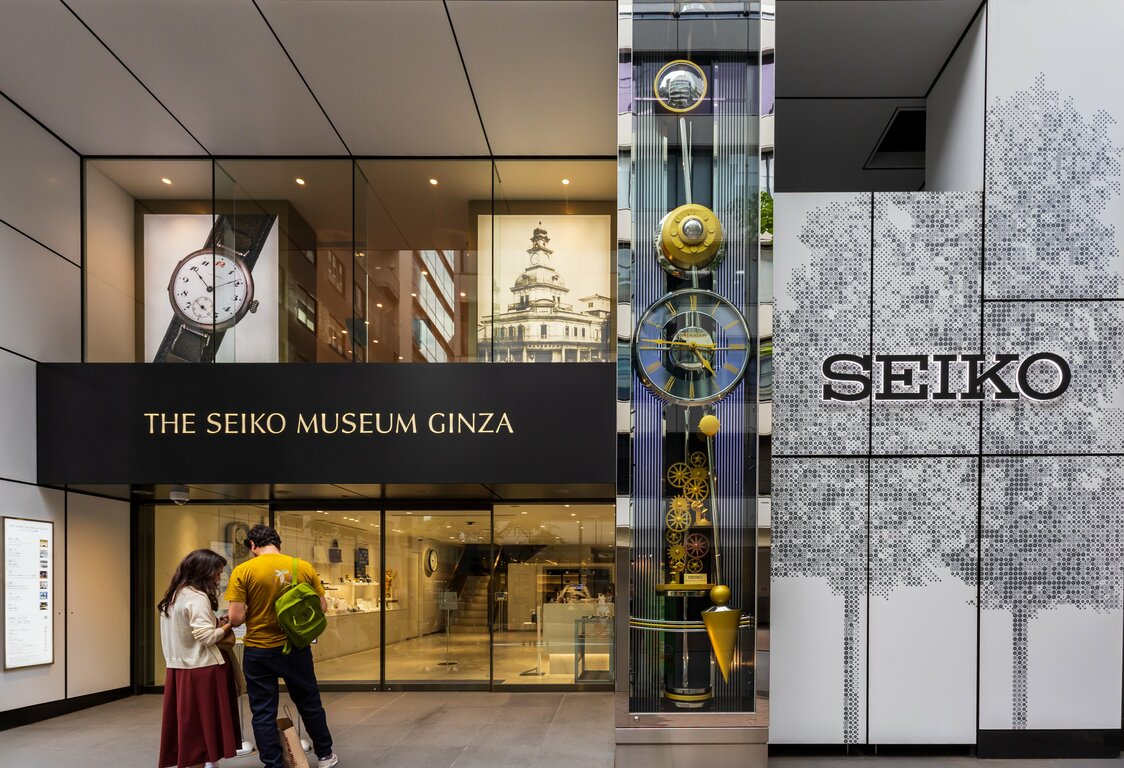
Entrance of the Seiko Museum Ginza. (© Nippon.com)
-
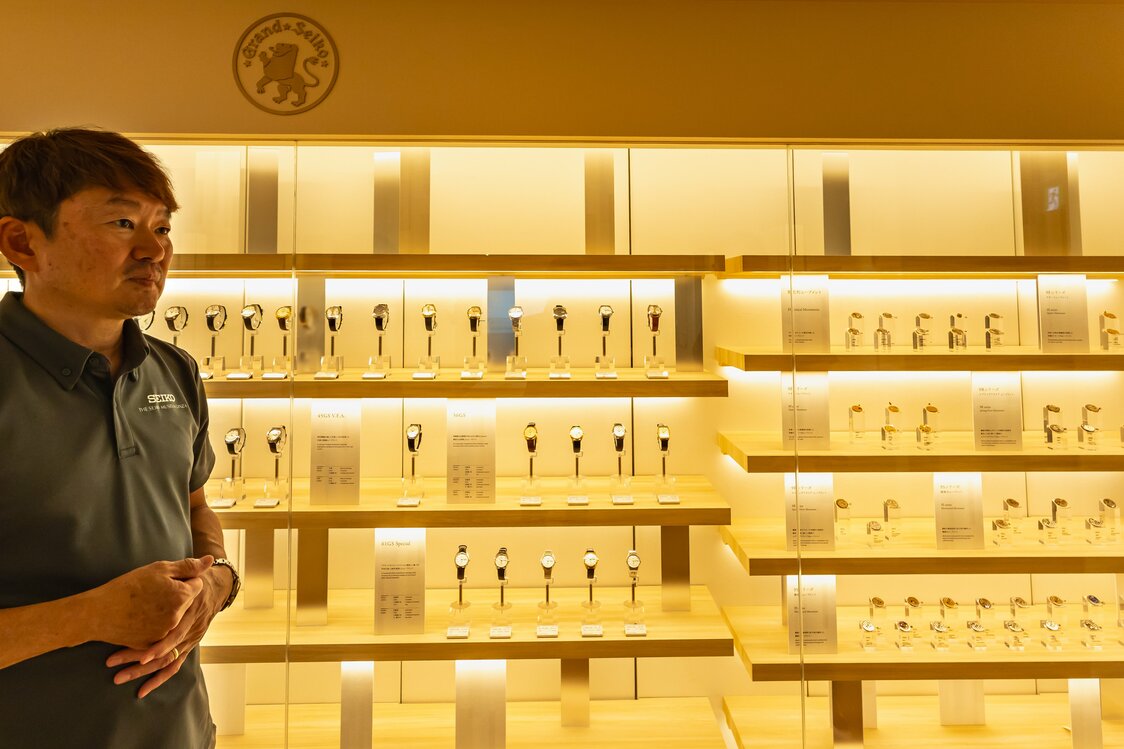
Nakahara taking visitors through the Grand Seiko exhibition room. (© Nippon.com)
-
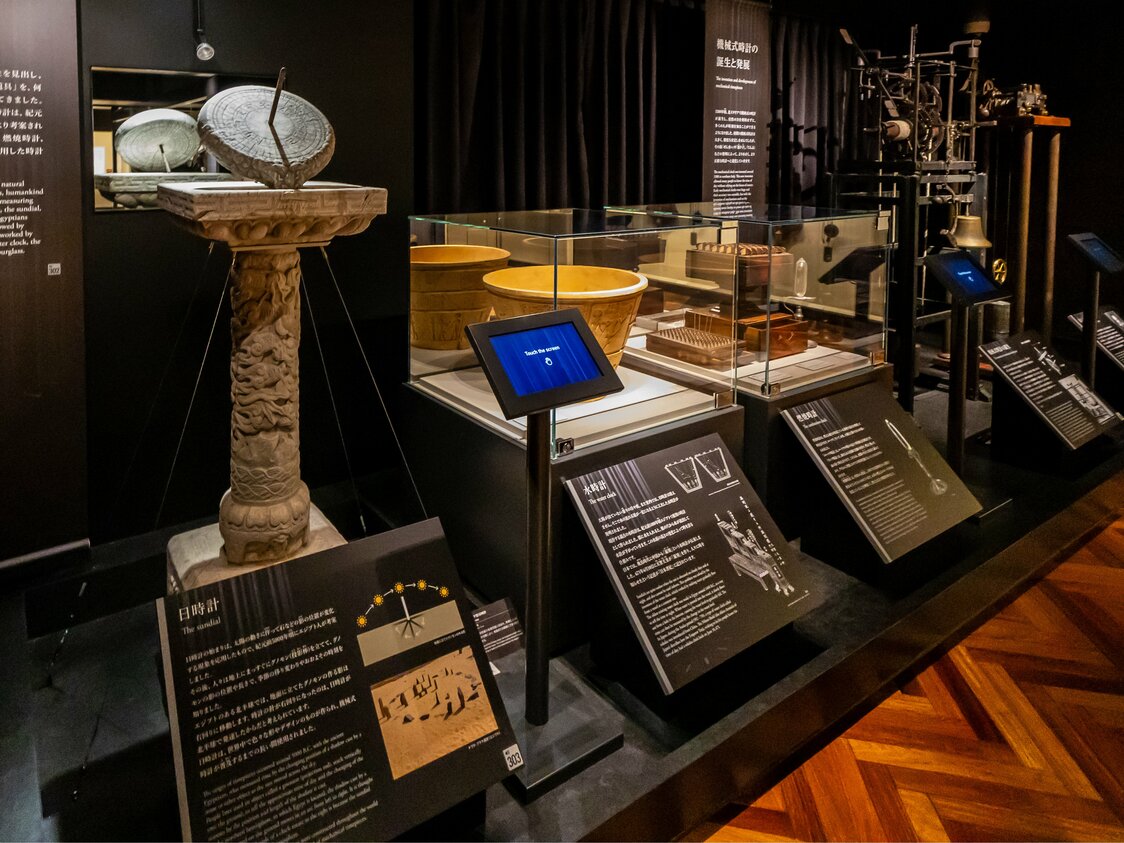
Exhibits include a sundial (an eighteenth-century piece is displayed) and an early pendulum tower clock. (© Nippon.com)
-
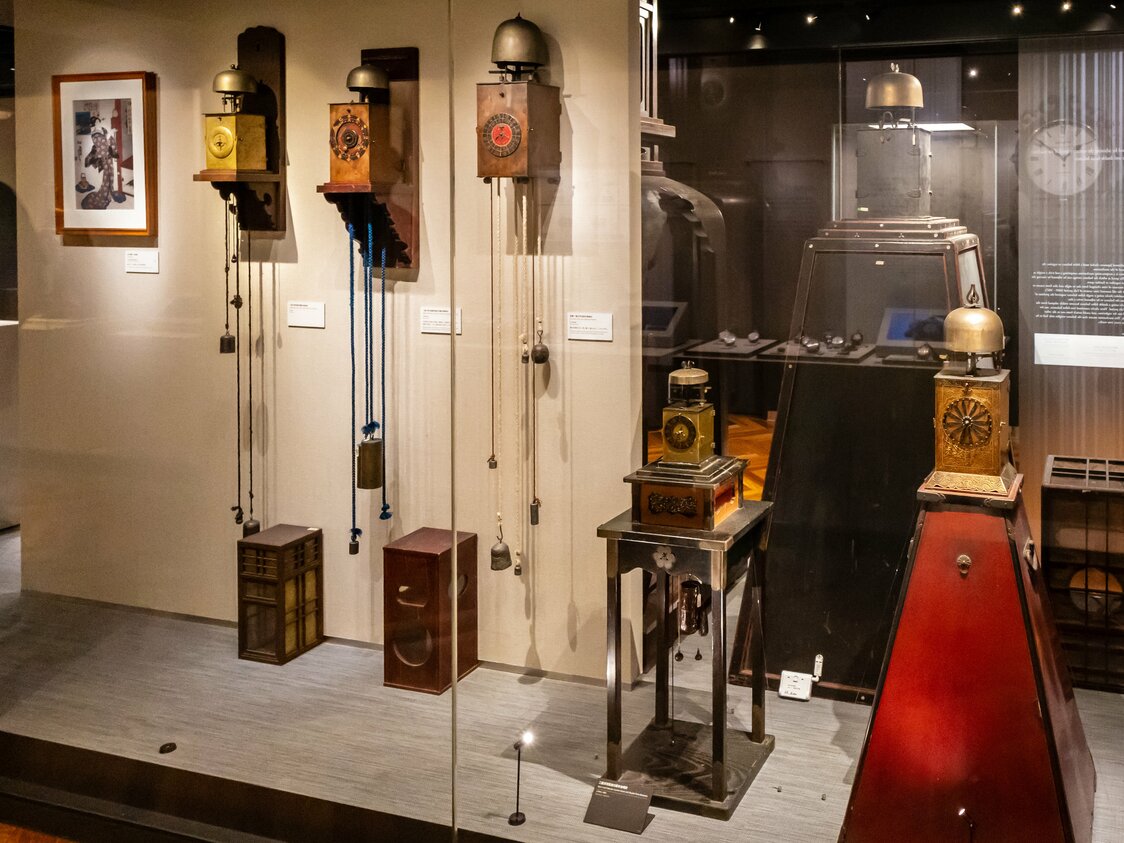
These wadokei from the Edo period announced the time with dials and chimes. (© Nippon.com)
-

A lantern clock 2.18 meters tall (left) and pillar clocks using weights. (© Nippon.com)
-
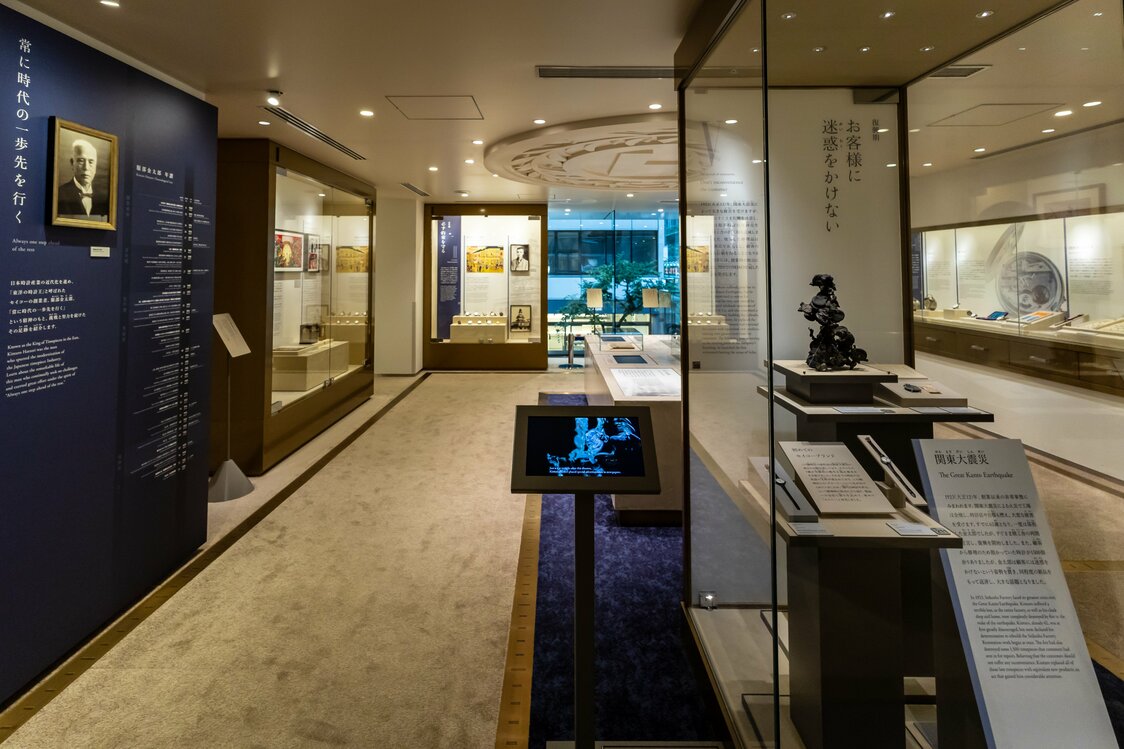
The second floor delves into the life of Seiko founder Hattori. (© Nippon.com)
-

The company initially got going through the sale of imported pocket watches (left); Japan’s first wristwatch, Laurel, from 1913. (© Nippon.com)
-

The fourth floor looks back at Seiko’s technological development. (© Nippon.com)
-
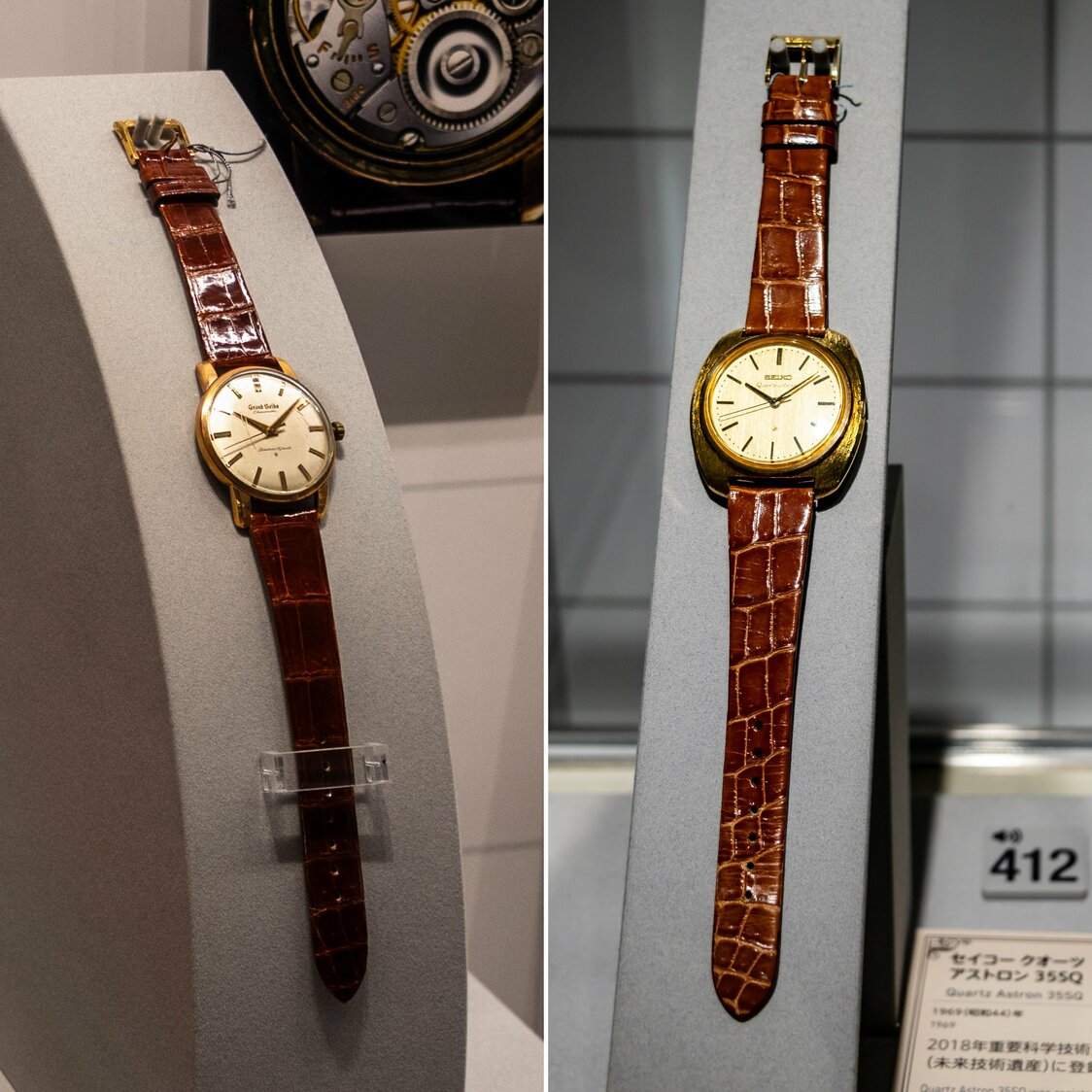
The first Grand Seiko model, released in 1960, at left. It was the first Japanese wristwatch to rival the standard set by Switzerland’s Bureaux Officiels de Contrôle de la Marche des Montre; Quartz Astron from 1969, at right. (© Nippon.com)
-
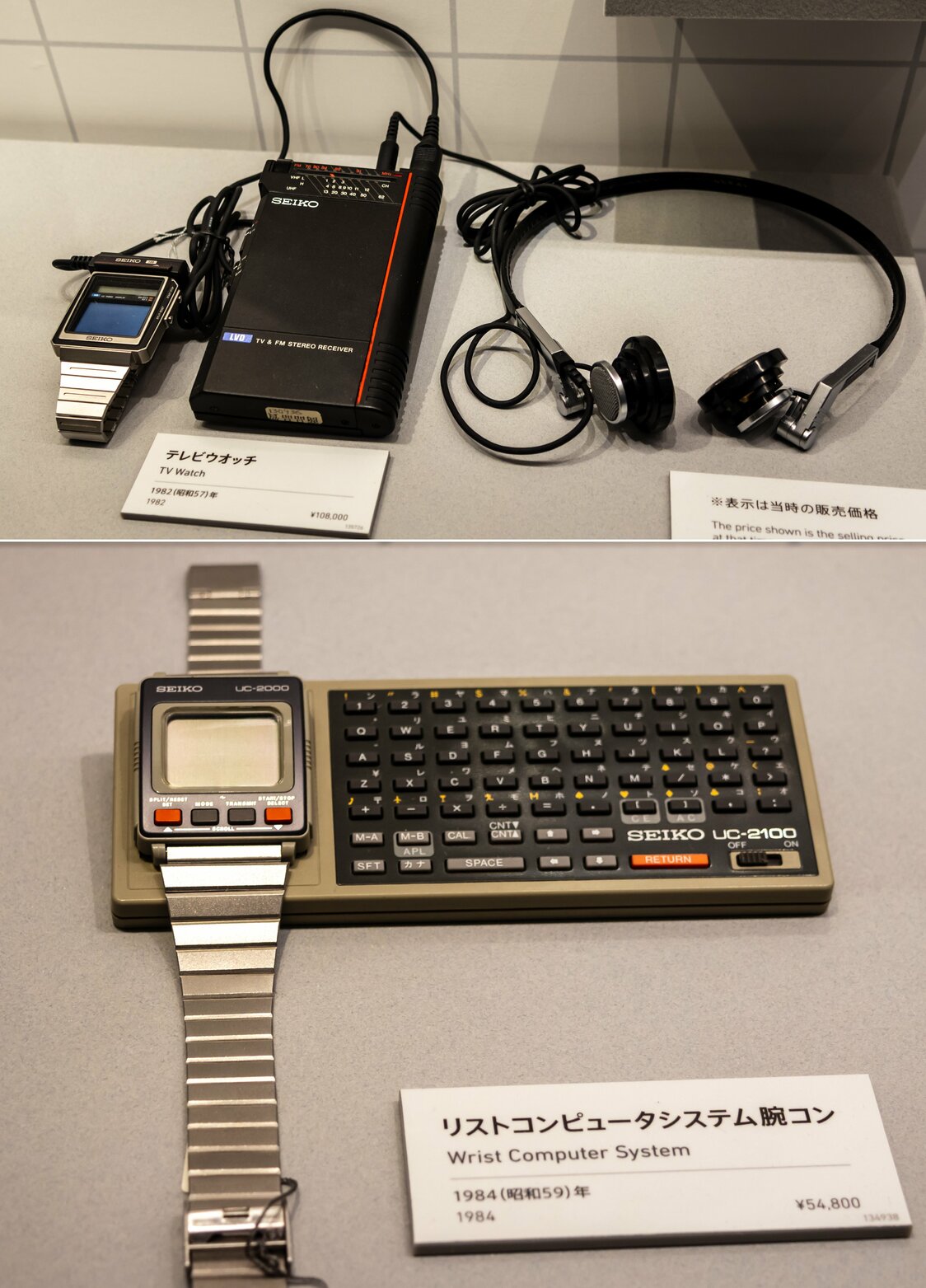
Seiko was ahead of the times in launching its TV watch (above) in 1982 and wrist computer system in 1984. (© Nippon.com)
-
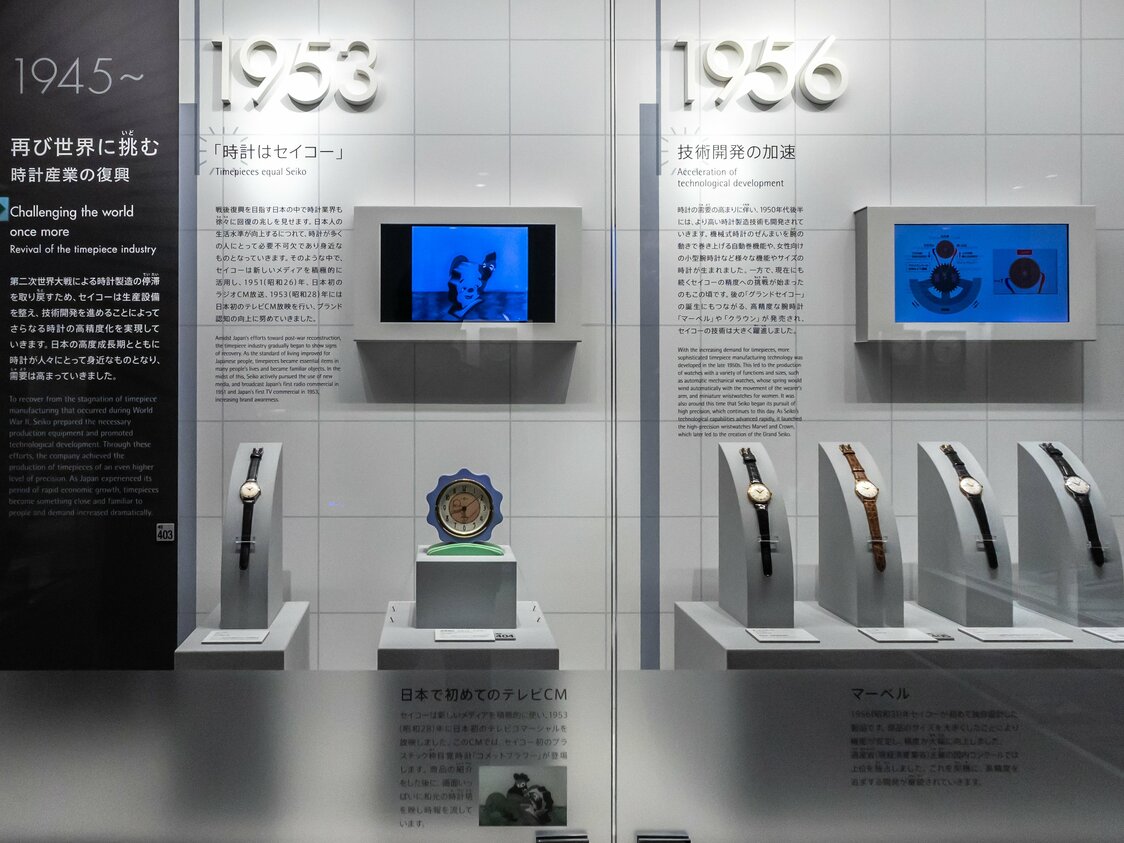
In the middle is Japan’s first alarm clock to be marketed via TV commercials (launched in 1953). (© Nippon.com)
-
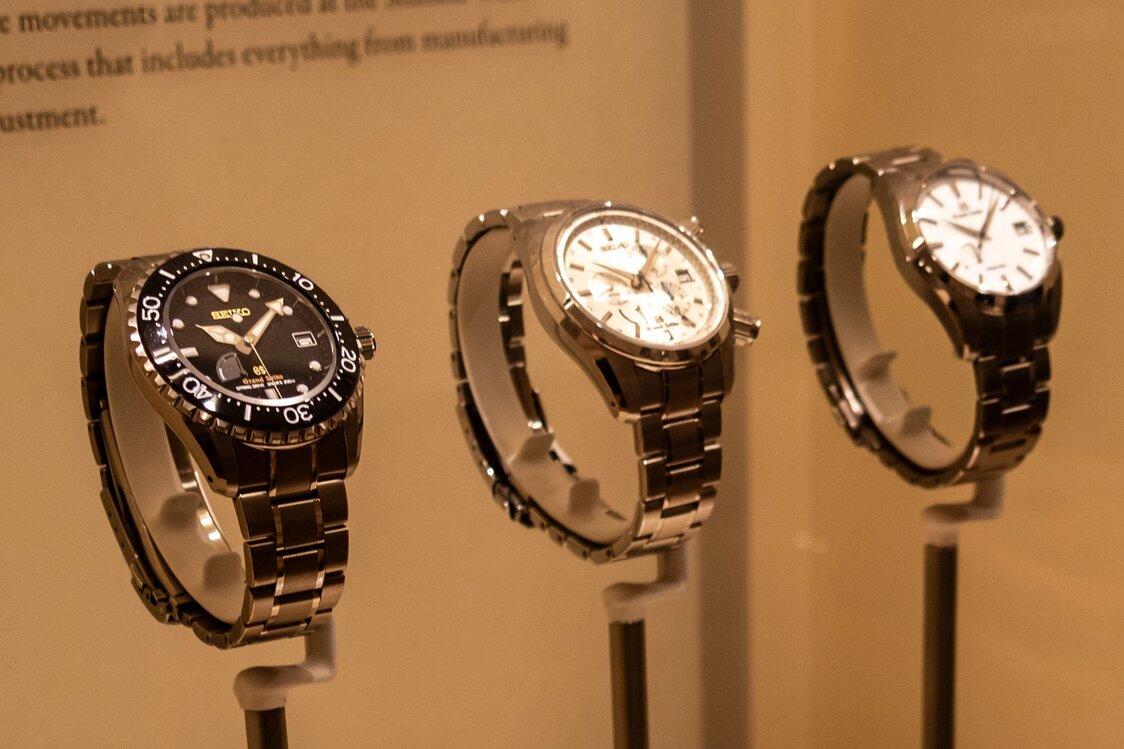
Grand Seiko’s 9R Spring Drive models. (© Nippon.com)
-
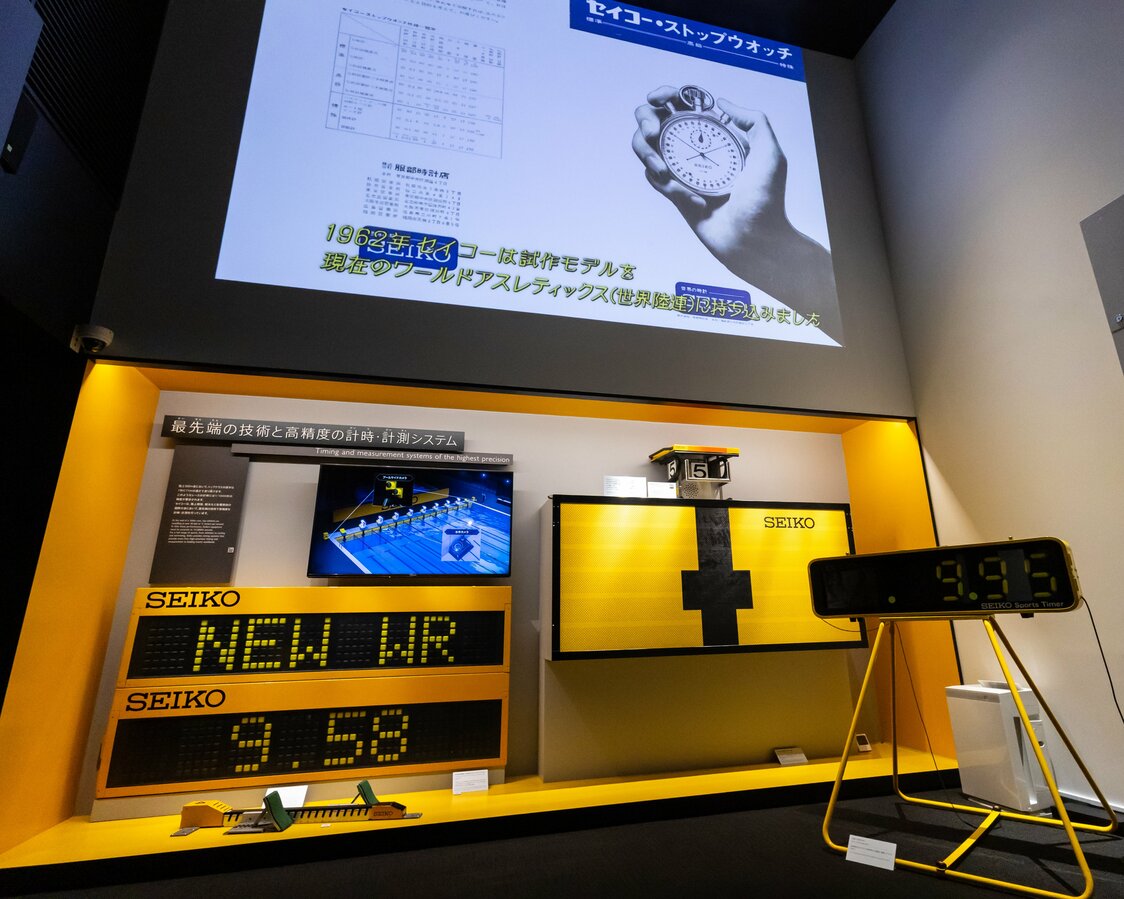
The starting block at bottom left was used by Usain Bolt when he set the 100-meter world record of 9.58 seconds at the 2009 World Athletics Championships. (© Nippon.com)
-
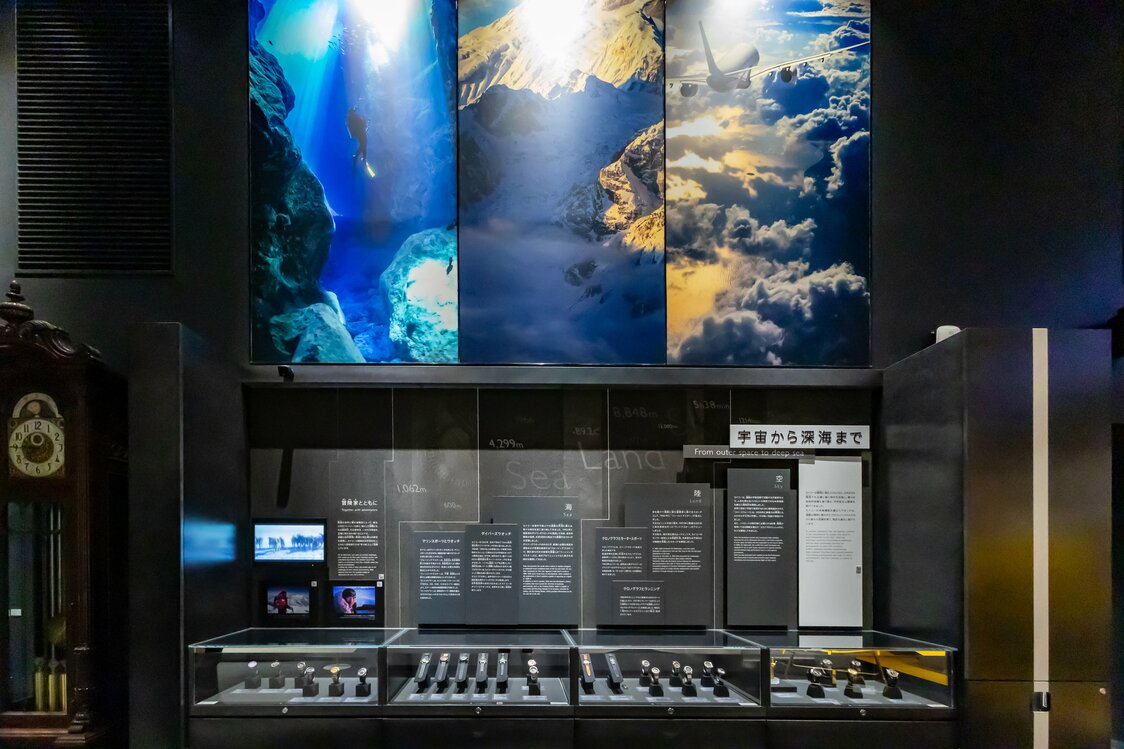
Seiko’s watches engineered for ultimate airtightness and durability are trusted by divers, mountaineers, and even astronauts. (© Nippon.com)


 Read in other languages