What Type of Leader Can Guide Japanese Revival?
Politics Society- English
- 日本語
- 简体字
- 繁體字
- Français
- Español
- العربية
- Русский
Examining Leaders Through History
What kind of leaders are Japanese traditionally attracted to? Looking at this in historical perspective can be illuminating.
Certainly, outstanding Japanese leaders have emerged during times of crisis with the goal of saving or strengthening the nation. The novels of Shiba Ryōtarō (1923–96) are particularly treasured for their historical depictions of heroism and Japanese leadership. This includes the deeds of Sakamoto Ryōma (1836–67) in Ryōma ga yuku (Ryōma Goes His Way), serialized in the Sankei Shimbun in 1962–66, and the siblings Akiyama Saneyuki and Yoshifuru in Saka no ue no kumo (serialized in 1968–72; trans. Clouds Above the Hill). Still lauded today, these leaders possess in common a sense of responsibility and trustworthiness, in addition to the ability to build harmony within groups.
Japanese culture deeply romanticizes the inclination to seek “harmony” above all else by adapting to others and one’s surroundings. The Japanese mindset encourages the maintenance of warm relationships and the avoidance of conflict and confrontation to ensure that the group functions smoothly.
For this reason, many Japanese develop the ability to use ambiguous phrases and speak in platitudes (tatemae) while concealing their true feelings (honne). It is perhaps a fundamental survival skill for living in Japan.
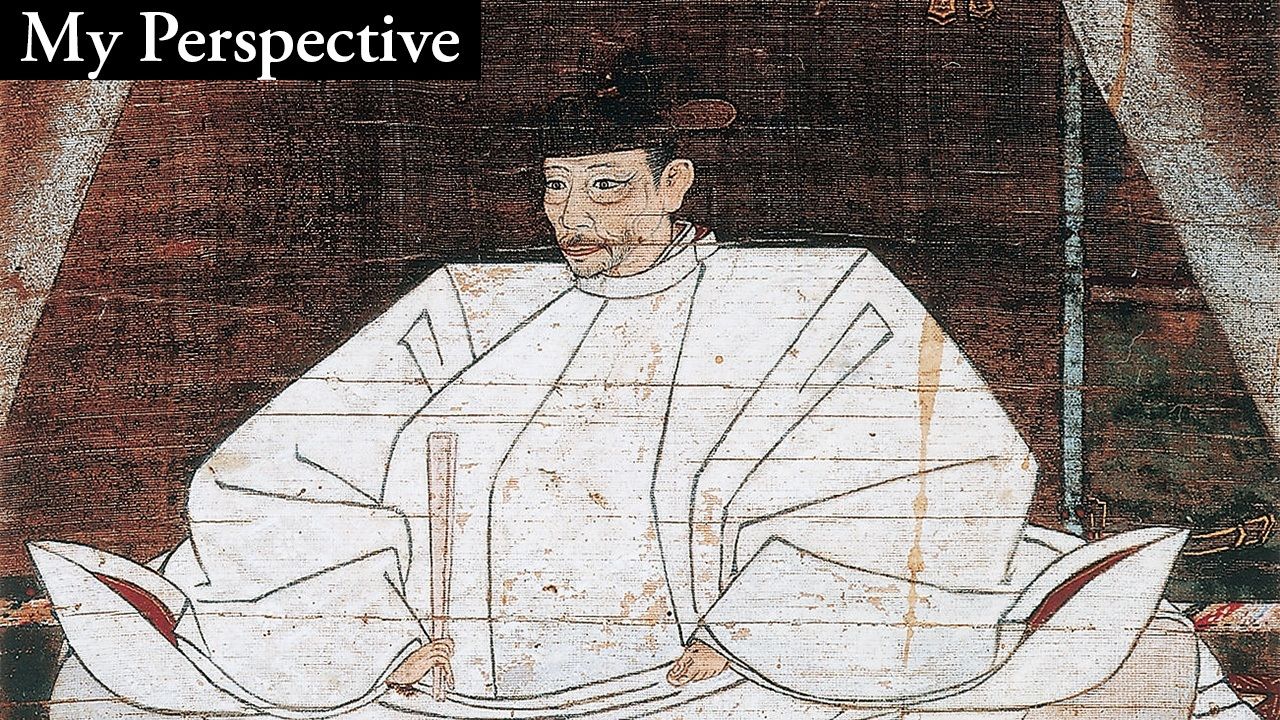
Given this national characteristic, people who possessed charm are often regarded as exceptional leaders in Japanese history. One example is Toyotomi Hideyoshi, who was deeply trusted by generals under his command in ways that were perhaps unusual. Shiba described Hideyoshi as a “genius people charmer.” With leaders like Ryōma, the Akiyama brothers, and Hideyoshi as examples, it seems that possessing charisma or the ability to charm people should therefore be a common trait in Japanese society today. However, because of the exclusive emphasis on harmony and fitting in as a common-sensical survival skill, it has become relatively rare in the modern world.
Who Should Be in Charge Today?
Eighty years after the end of World War II, Japan faces a turning point. The conventional leadership model that served Japan well after the war struggles to produce leaders who can chart a master plan for Japan’s rebirth and regeneration. Consequently, public dissatisfaction and anxiety have grown, leading to people desperately voting for political parties with extreme platforms in recent elections. Rather than reflecting ideological or policy preferences, these parties are serving as outlets for public anger toward the current state of political affairs. Nevertheless, it undeniably disheartening.
What qualities must a leader possess to become an effective leader in Japan? In his 1986–96 series of historical essays titled Kono kuni no katachi (The Shape of this Country), Shiba wrote: “Japanese history has no heroes, but there were many people who established systems of governance.” Perhaps what Japan needs today are not heroic figures, but genuine leaders capable of envisioning a “master plan” for the future by implementing a system of governance and political system that actually enables the realization of such plans.
(Originally published in Japanese. Banner photo: Portrait of Toyotomi Hideyoshi. © Saga Prefectural Nagoya Castle Museum Collection.)