


Resistance from the LDP
INTERVIEWER When faced with the same problem, the lower house chose to commission a panel of outside experts to draft a reform plan. Why did the upper house insist on carrying out the reforms on its own?
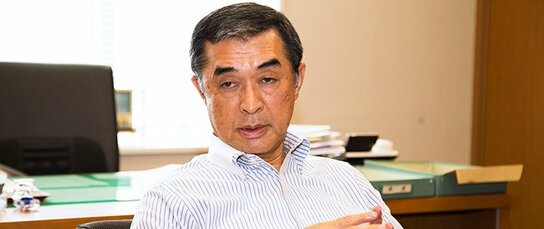
WAKI I don’t think it necessarily reflects a difference in the two chamber’s orientation; the personal views of members at the time were probably a bigger factor. When I was asked to chair the council for upper house electoral reform, I told my council colleagues at our first meeting that as members of the Diet—the highest organ of state authority—we should be able to determine our own fate. I asked everyone to contribute their knowledge and experience in drafting a decent reform plan, and both the ruling and opposition members agreed.
In connection with the reform efforts in the lower house, I told a meeting of LDP executives that I would rather give up my Diet seat than relinquish my lawmaking responsibilities to outside experts, particularly over reforms that will have a direct bearing on us personally as Diet members. After all, creating important rules for our country is what a lawmaker is supposed to do.
One difference with the lower house is that we serve six-year-terms, so we get to know each other better, including people in other parties. We can develop working relationships with them and conduct reasoned debate. I think we managed to do that in our council. I drafted a proposal that would have narrowed the vote disparity to within 2.5 to 1, but the LDP wouldn’t accept it. My colleagues in the party were the least enthusiastic about undertaking sweeping reforms.

Walking a Tightrope
INTERVIEWER The reform bill that was enacted still leaves open the possibility that the next election will be judged unconstitutional. That would be a major embarrassment for the upper house.
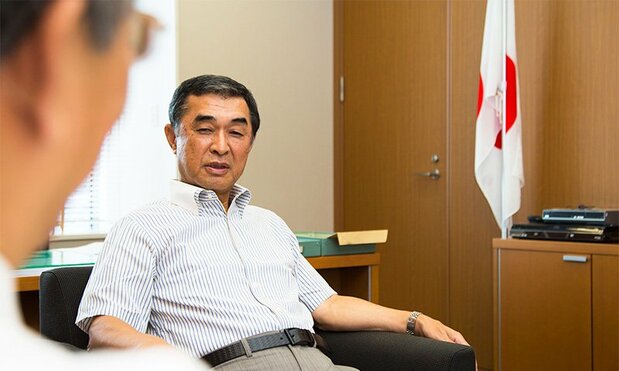
WAKI There are no assurances that the compromise agreement will be deemed constitutional. It’s certainly better than nothing, and it does go a long way to mitigate the inequalities in voting power. But considering the voting records of the members of the Grand Bench, nine of the fifteen justices may still find the reform plan inadequate, especially the four who were against the most recent “state of unconstitutionality” ruling. We’re walking a tightrope.
If the court does decide that the next election is unconstitutional, then we can anticipate additional lawsuits demanding that the lawmakers who voted in favor of the compromise bill be stripped of their qualifications to serve as elected officials. I would agree. I think they should step down from the Diet.
(Originally written in Japanese based on an interview conducted by Harano Jōji, representative director of the Nippon Communications Foundation, on July 28, 2015, and published on July 31, 2015.)







 Read in other languages