


Comiket: Origin of Otaku Culture
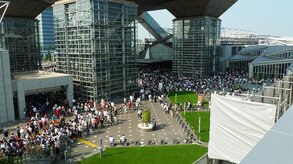
 A scene from Comiket, held at Tokyo Big Sight.
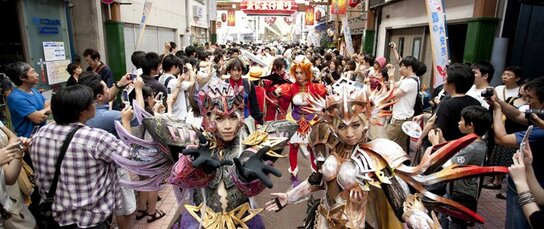
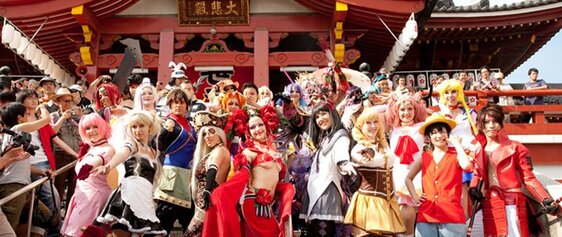
The culture of dressing up like a cartoon or movie character may have originated in the United States, but it has come to be known worldwide as an aspect of Japanese culture through the made-in-Japan term kosupure (cosplay), created from the English words “costume” and “play.”
The term is said to have been coined at Comiket (Comic Market), a convention for self-published manga held twice a year in Tokyo. This event is considered the original otaku event in Japan.
Comiket, which has been held 80 times, started back in 1975 as an obscure event held in a small conference room, but it is now a major experience that draws around 540,000 people over three days. The number of daily attendees, which averages 180,000, exceeds that of the biennial Tokyo Motor Show, which averaged 50,000 in 2009—a clear sign of the cultural draw of otaku today.
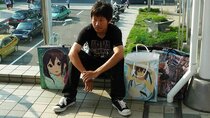 “Summer is over this year.” A young man who had arrived on the first morning train heads home at the end of the day; for him, the end of Comiket marks the end of the summer.
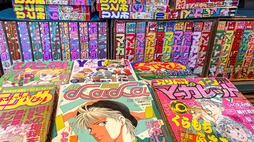
The main aim for Comiket visitors is to obtain obscure manga that cannot be found anywhere else. Most of the self-published manga sold by groups exhibiting at the show are derivative versions of existing manga. These secondary works come up with original stories for the characters of those original works, and many of the derivative feature erotic stories.
The copyright holders and manga publishers turn a blind eye to questions of copyright infringement. The logic is that by coexisting with those derivative works, rather than raising a fuss or filing a lawsuit, they can expand the number of fans for the original creations. Indeed, the publishers set up booths at Comiket to promote their products. The popularity of derivative manga, not limited to Comiket, in fact has been a driving force for the entire otaku market.
The Challenge of Creating Japanese-style Manga
France’s Japan Expo also features a booth for self-published manga, but the atmosphere is not as lively as Comiket. While the market for manga is expanding in France, it has yet to reach the point of fostering otaku who create their own works. Local fans in France note, with a critical eye, that the “drawing ability and use of space among French otaku are still at a low level.”

Even French manga artists have had to undergo a process of trial and error, as one artist noted: “I wanted to capture the communicative approach of Japanese manga, where stories unfold at a leisurely pace and there are lots of allusions to other things, and also I tried to create kawaii [cute] characters with a sense of compassion and justice—but it was hard to imitate the Japanese manga style.” The art of manga expression, evidently, is nothing like the straightforward physical expression of cosplay.
France has been at the forefront worldwide in assimilating the pop culture of Japan, and French people seem to be searching for new possibilities that combine the otaku culture unique to Japan with creative, original elements of their own. If they can foster their own otaku culture, with a French touch, it would no doubt be a new source of inspiration for people in Japan.
(Originally written in Japanese by Hino Hato [Paris] with contributions from Murai Katsushige and Samuel Pinansky [Tokyo]. Photographs by Kawamoto Seiya [Nagoya] and Hino Hato [Paris].)
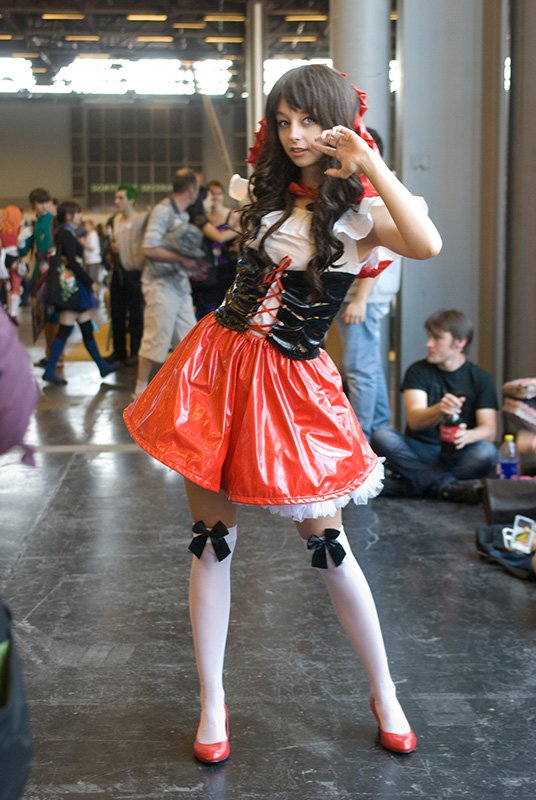 Taken at the Japan Expo in Paris.
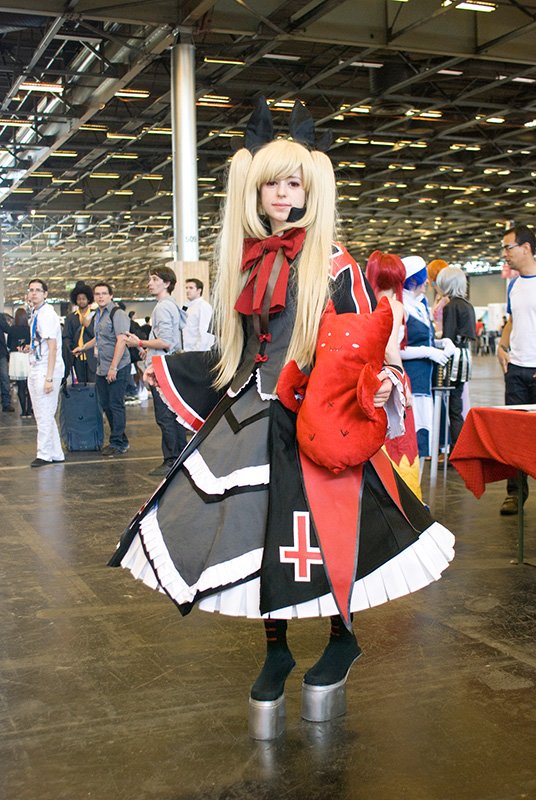 Taken at the Japan Expo in Paris.
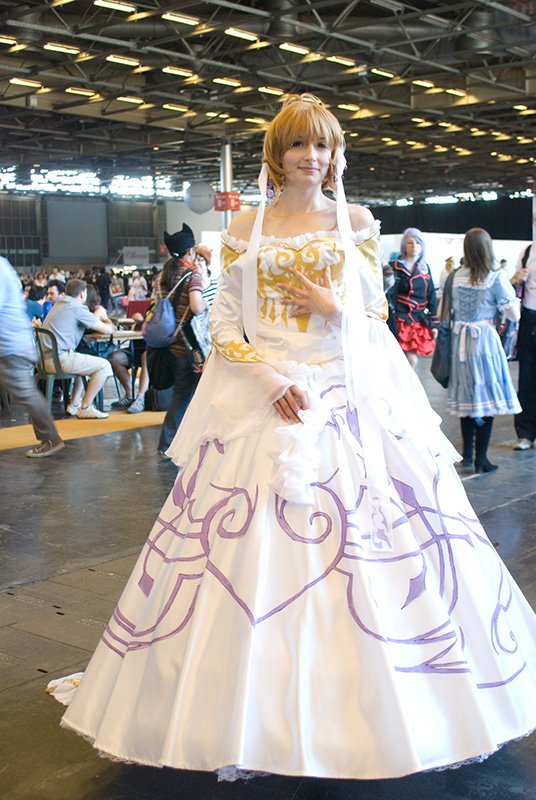 Taken at the Japan Expo in Paris.
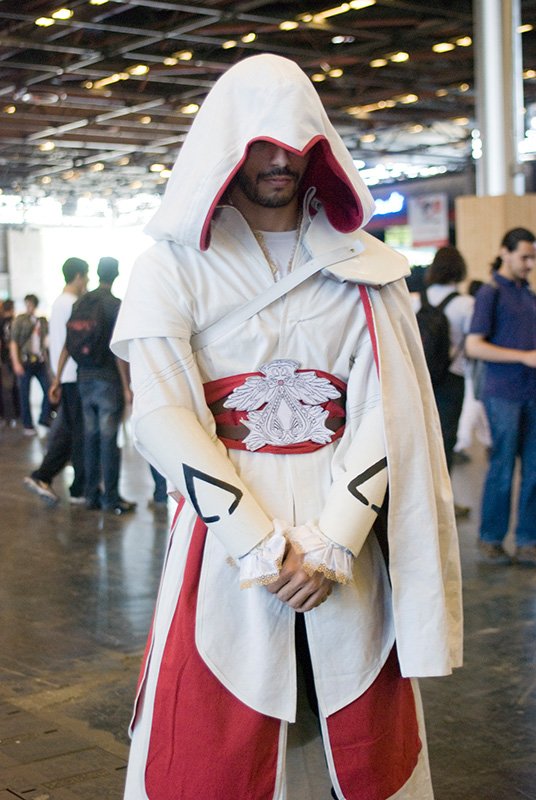 Taken at the Japan Expo in Paris.
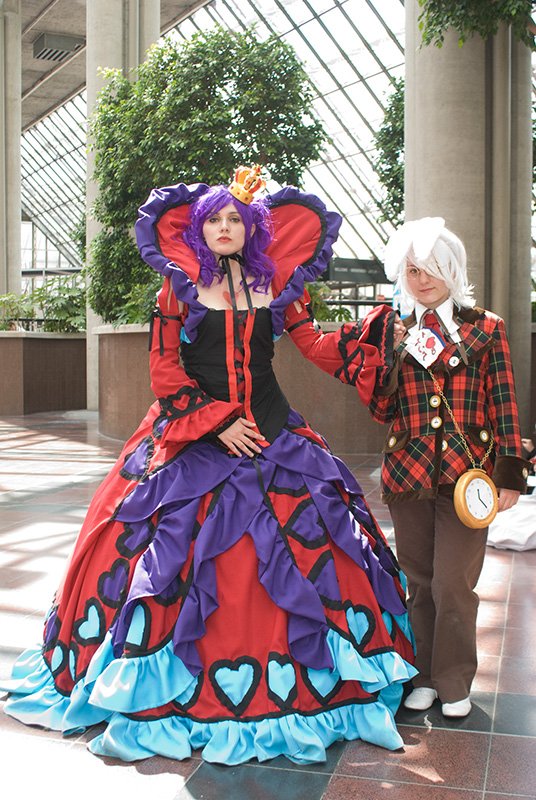 Taken at the Japan Expo in Paris.
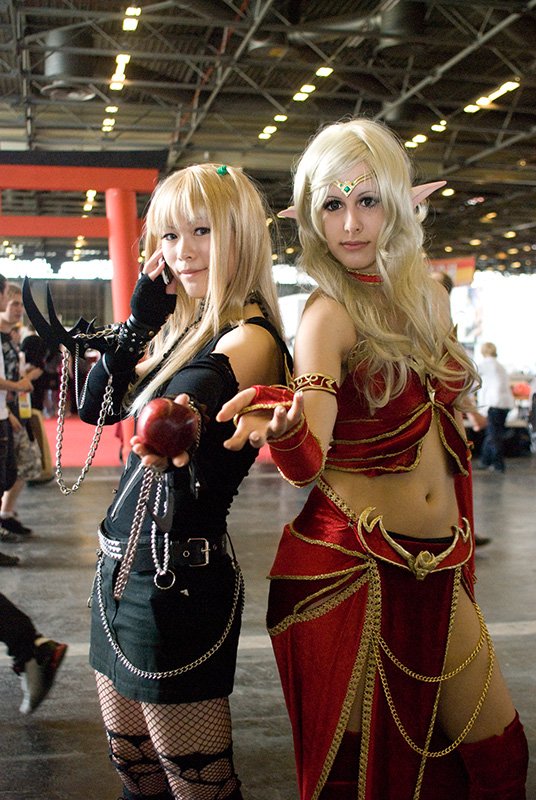 Taken at the Japan Expo in Paris.
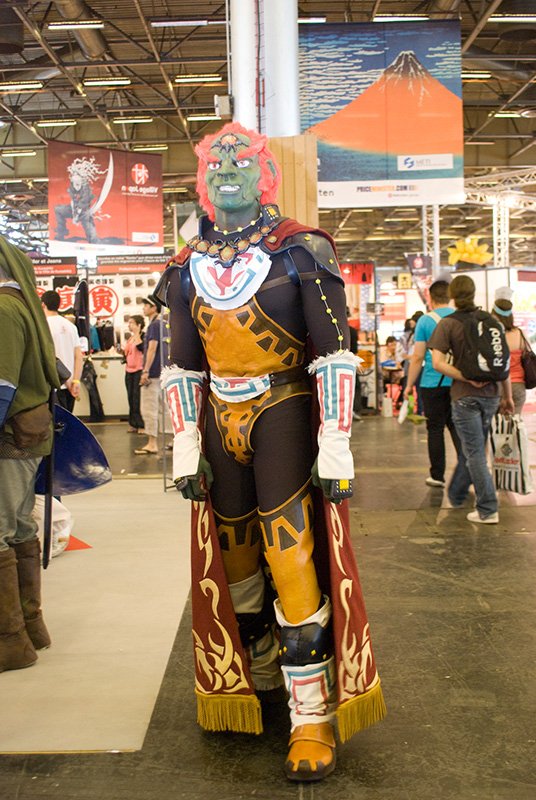 Taken at the Japan Expo in Paris.
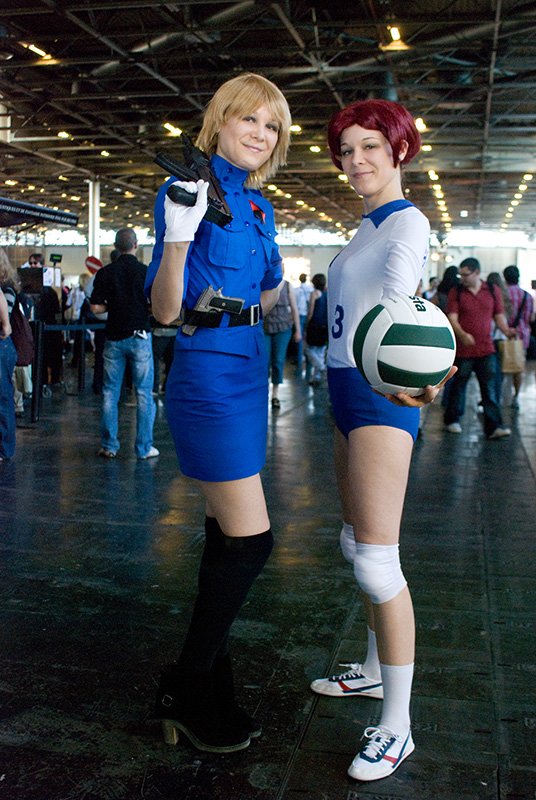 Taken at the Japan Expo in Paris.
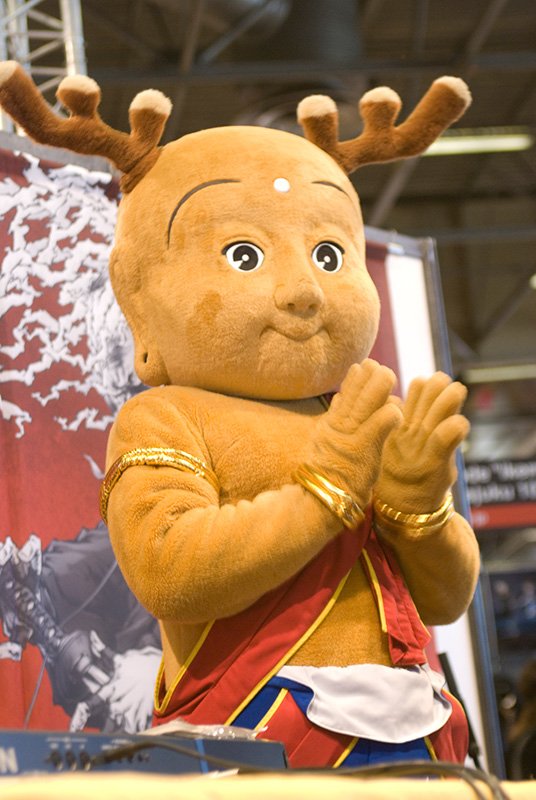 Taken at the Japan Expo in Paris.
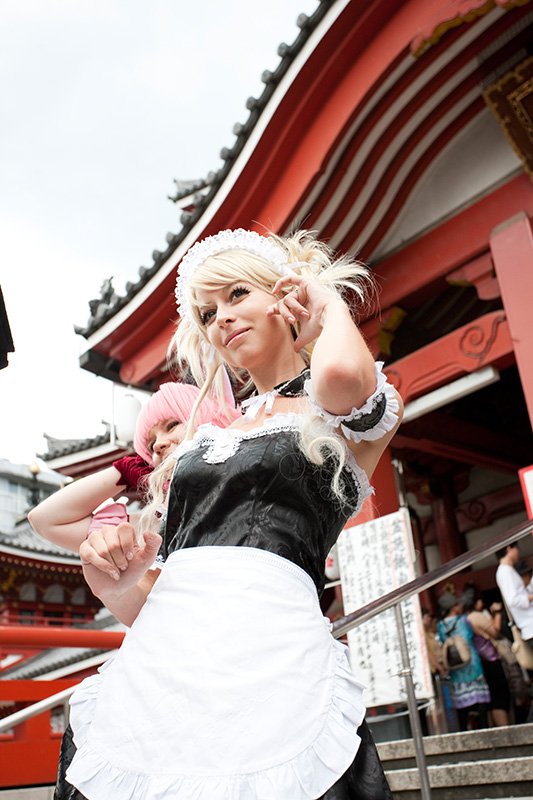 Taken at the World Cosplay Summit in Nagoya.
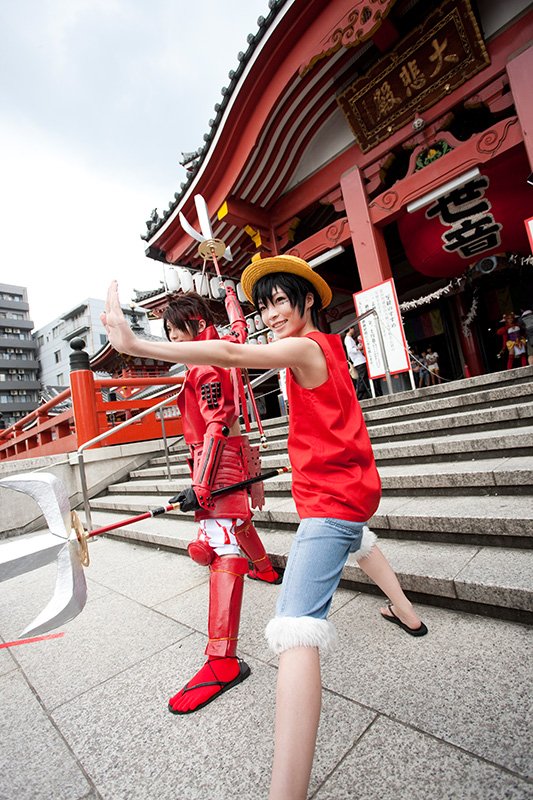 Taken at the World Cosplay Summit in Nagoya.
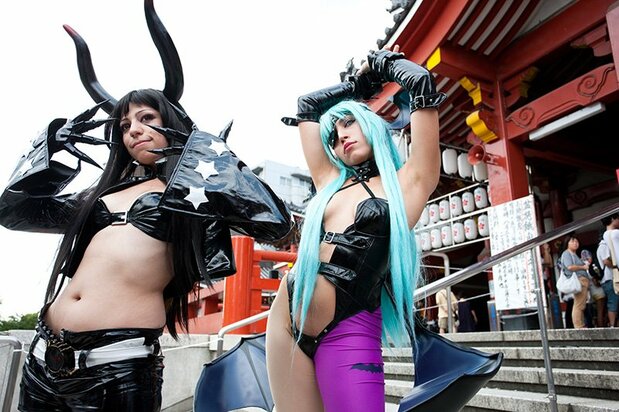 Taken at the World Cosplay Summit in Nagoya.
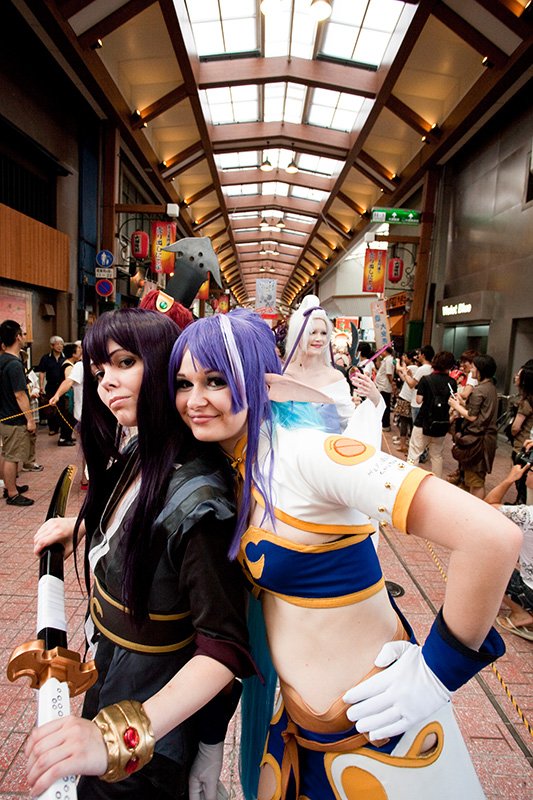 Taken at the World Cosplay Summit in Nagoya.
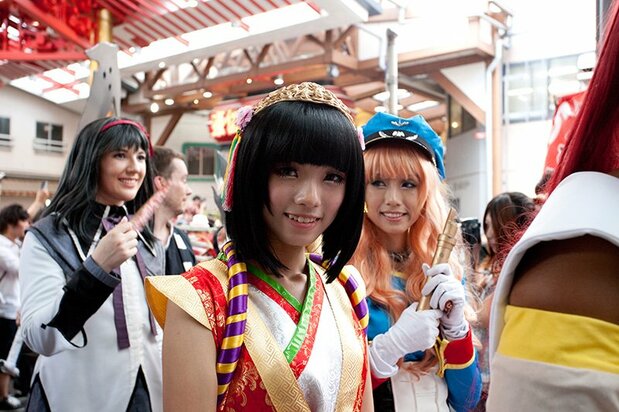 Taken at the World Cosplay Summit in Nagoya.
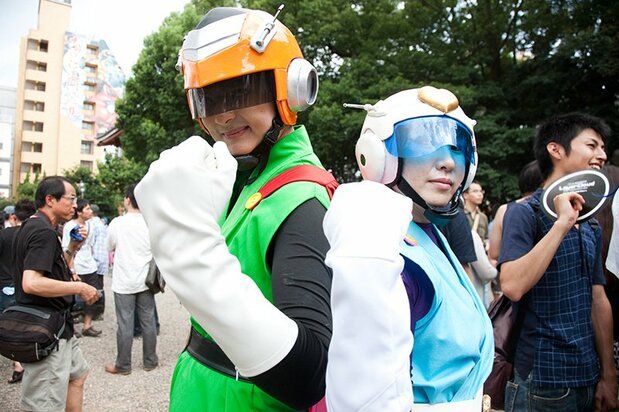 Taken at the World Cosplay Summit in Nagoya.
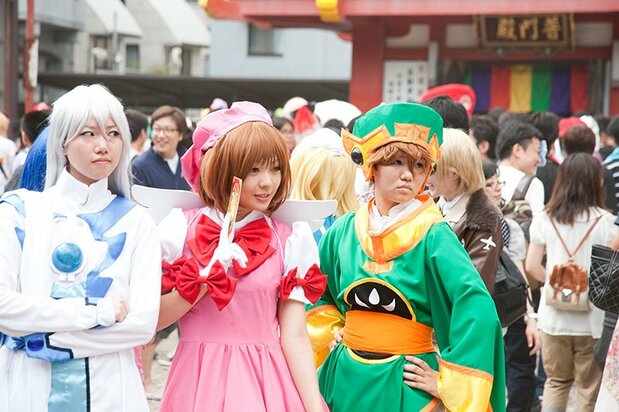 Taken at the World Cosplay Summit in Nagoya.
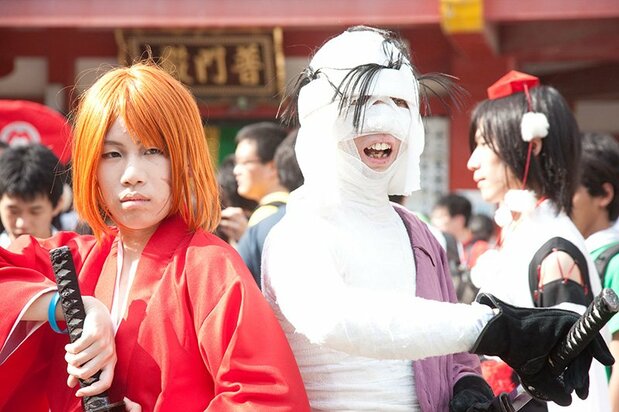 Taken at the World Cosplay Summit in Nagoya.
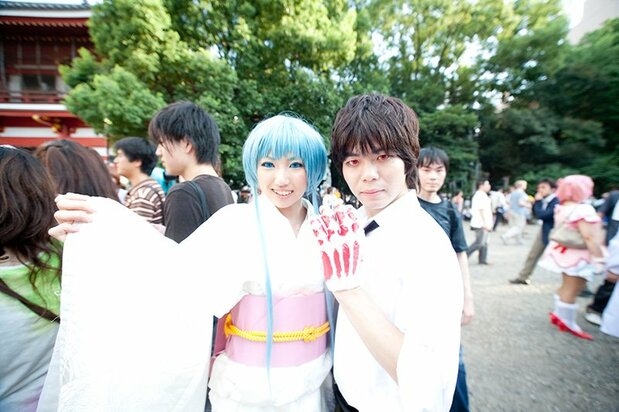 Taken at the World Cosplay Summit in Nagoya.
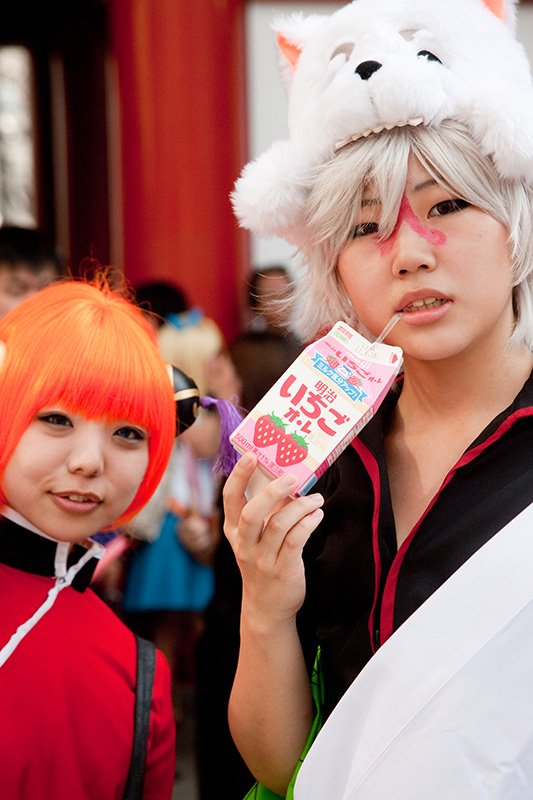 Taken at the World Cosplay Summit in Nagoya.







 Read in other languages