


A Lifelong Centrist
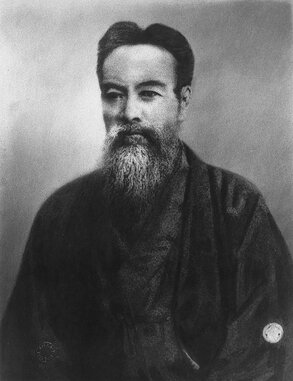
 Yamaoka went on to serve as Emperor Meiji’s chamberlain for 10 years and held various posts inside the Imperial Household Agency. He was conferred the title of viscount upon his retirement. (Courtesy of the National Diet Library)
As Japan marched toward militarism in the decades following the Meiji period, many hawks came to be revere Yamaoka as a true patriot. As a consequence, following the nation’s defeat in World War II, his legacy faded into the shadows as democratic ideas pushed nationalistic thought to the fringes of society.
But on closer examination, the far right’s affinity for Yamaoka can be said to be misplaced and does not accurately reflect his place in history. As I noted in the first part of this series, even influential Buddhist priest Yamamoto Genpō was labeled as a rightist for his association with onetime ultranationalist Yotsumoto Yoshitaka, despite also keeping council with well-known liberal figures.
Historians of Japan’s modernization have often characterized the era as one of conflict between progressive and conservative elements. But the political landscape leading up to and directly following the Meiji Restoration cannot be conveniently divided into the left and right. And as Yoshinobu’s surrender and the peaceful handover of Edo Castle illustrate, winning a larger victory for the nation often meant accepting a painful personal defeat.
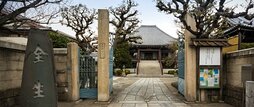
This was an insight Yamaoka relied on in charting his life, and it undoubtedly came to serve his Zen practice and spiritual center of Zenshōan.
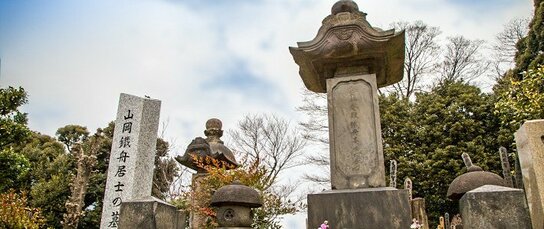
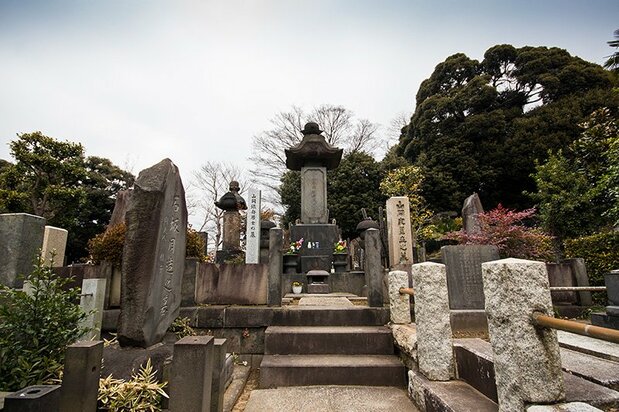 Yamaoka’s grave at Zenshōan.



 Read in other languages