


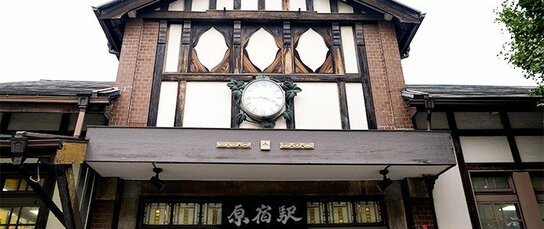
Harajuku Becomes a Fashion Center
The station building is not all that is changing. The character of the neighborhood is transforming as developers implement initiatives put forward by the Tokyo Metropolitan Government’s Bureau of Urban Development. This year will see the demolition of luxury condominiums and distinctive boutiques on the corner of Omotesandō and Meiji-dōri that epitomized the atmosphere of the 1970s. The Harajuku that was in the forefront of fashion and subculture in the 1970s and 1980s is becoming a distant, sepia-tinted memory.
In the 1950s and early 1960s, Harajuku was little more than a quiet backwater where wild plants grew by the roadside. Oriental Bazaar, a souvenir shop targeting American soldiers from the Washington Heights housing complex in Yoyogi, and toy store Kiddy Land were the only major buildings around. Traffic was so sparse that the US military was rumored to hold landing exercises for light aircraft on the broad avenue of Omotesandō. The decision to hold the 1964 Olympics in Tokyo, however, changed things.
First came the Co-op Olympia Annex. Completed in 1964 just outside Harajuku Station, it was Japan’s first luxury apartment block, boasting round-the-clock management and services available in English. Most of the residents were foreign diplomats , businessmen, and entertainers. Taiwanese pop star Teresa Teng lived there for five years from 1974.
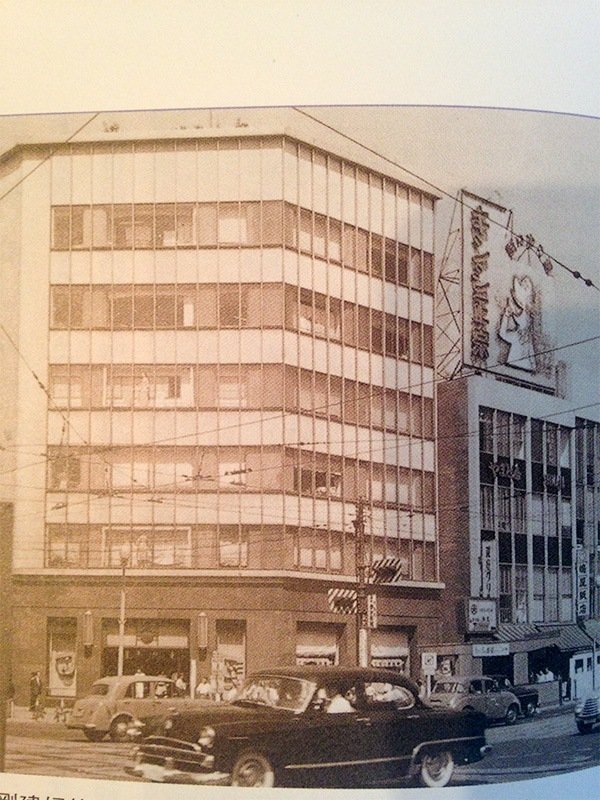
 The Co-op Olympia Annex in the 1960s. From the book Fei ying: Riben liuxuesheng zhi mu Ding Weirou (Flying Hawk: My Mother Ding Weirou, a Foreign Student in Japan), by Jin Mingwei.
Other landmarks followed, including the chalk-white Union Church, Route 5—thought to be Japan’s first drive-through restaurant—and small boutiques like Mademoiselle Non Non and Milk. Chicago, a second-hand store specializing in foreign clothes, was established in the Olympia Annex, and boutique Mako Bis became a must-see fashion outlet on Omotesandō.
In the 1960s Harajuku pulsed with excitement. Its fashion was somehow reminiscent of London, it was friendlier than Roppongi, and was one of the few spots you could find authentic pizza and French fries, still a rarity at the time. I loved Harajuku then and often hung out there.
In the 1970s, designers in the district adapted Western fashions to create new Japanese trends. Harajuku was unique among the world’s fashion centers as a place where young designers could experiment rather than be driven by large corporations, and the stores had a fresh aura of individuality. The area was comparable in stature to street-fashion centers in London and New York and offered visitors new discoveries each time they came. While Shinjuku was known for its jazz, underground culture, and antiwar demonstrations, Harajuku attracted a broad spectrum of young people who came to be part of the bright, unprejudiced, and forward thinking atmosphere. The rock music and low-budget, chic, and idiosyncratic boutiques seemed to promise a new way of living.
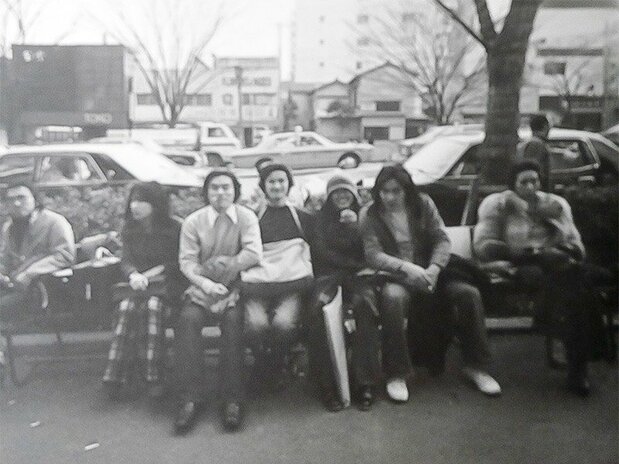 A group of young people on Omotesandō sometime in the 1970s. (Courtesy Some Gorō)
After I graduated from university and became an editor, I went to the Harajuku Central Apartments, which stood on the crossroads of Meiji-dōri and Omotesandō, for meetings with photographers, stylists, and illustrators. The building was a center for the offices of creative types with glam and West coast rock playing, and indoor plants on display. There were always the latest sought-after models or actors in the first-floor café Leon.
This is exactly the period documented in the photo collection 70’s Harajuku, edited by Harajuku stylist Nakamura Non. Its superb presentation of the youthful vibe that reverberated through the fashion district in the 1970s has made it a steady seller since its 2015 publication.
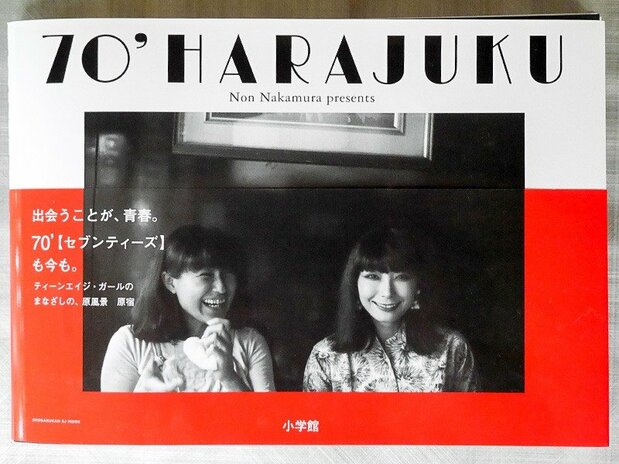 The photo collection 70’s Harajuku. (Courtesy Hirano Kumiko)
As Harajuku’s brand value rose in the 1990s, money poured into construction of fashion retail buildings. The Union Church was demolished, and developer Mori Building erected the Laforet Harajuku mall in its place. The success of the shopping center enticed leading names in the apparel industry to establish branches in the area, turning Harajuku into an essential destination for fashionistas from around the world.
As a result, though, the district’s distinct identity began to fade from around 2000. As commercial buildings and franchises proliferated, stores with unique identities were forced to migrate to the backstreets, known as Ura-Harajuku. Familiar brands came to line the main streets as big business defined the new face of Harajuku.





 Read in other languages