


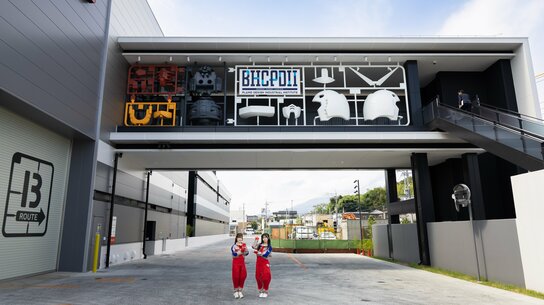
A new museum in Shizuoka showcases the production process for Bandai’s plastic models, including the popular Gundam series.
A New Landmark
Gunpla, or Gundam plastic models, have captivated fans worldwide, with more than 800 million kits sold to date. On September 2, a new hands-on museum opened inside Bandai Hobby Center’s newest factory, the BHC PDII (Bandai Hobby Center Plamo Design Industrial Institute), located in Shizuoka City, the heart of Gunpla production.
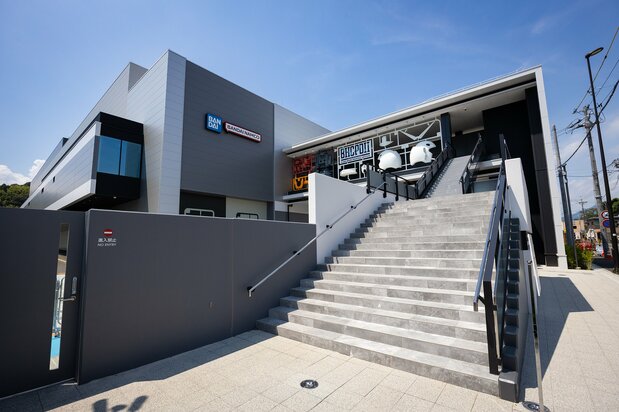
 BHC PDII Museum, just steps from Shizuoka’s Naganuma Station. (© Sōtsū/Sunrise, © Nippon.com)
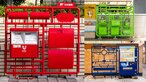
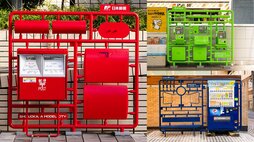
Shizuoka is home not only to Bandai but also to model manufacturers like Tamiya, known internationally for its Mini 4WD and radio-controlled cars. Together, these companies account for 80% of Japan’s plastic model shipments. To highlight its status as a global center for plastic models, Shizuoka has installed monuments shaped like model kits around train stations and tourist spots. Inspired by the runners that hold parts before assembly, these signboards, public telephones, and mailboxes have become popular photo ops for their playful, eye-catching design.
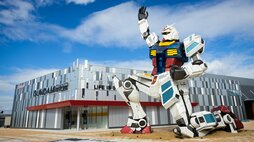
At the entrance of the new BHC PDII Museum, visitors are greeted by a life-size Gundam model kit. The head alone measures an impressive 14 meters wide and 3.5 meters high, an unmissable attraction for model enthusiasts making trips to Shizuoka.
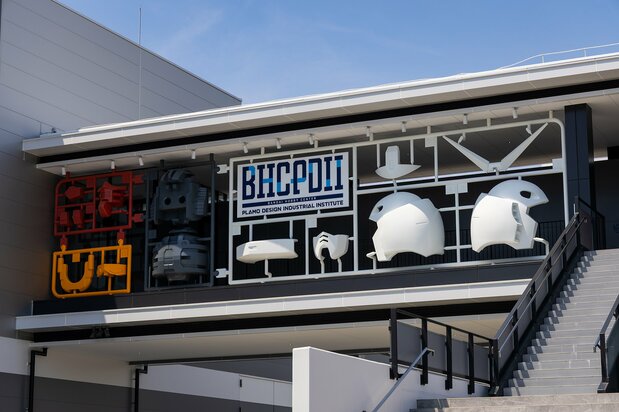 The massive Gundam model kit, officially titled Earth Federation Close Quarters Combat Mobile Suit RX-78-2 Gundam Ver. 2.0, 1/1 Scale Master Grade Model. (© Sōtsū/Sunrise, © Nippon.com)
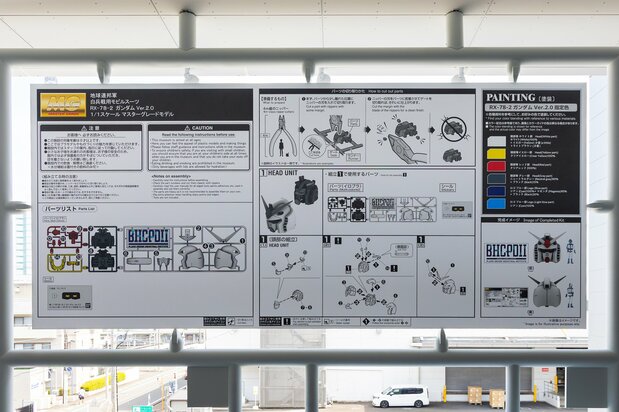 Panels in the rear corridor list parts and assembly instructions, complete with tongue-in-cheek notes like “Items to Prepare: 4-meter nippers.” (© Sōtsū/Sunrise, © Nippon.com)
 A sign highlighting the city’s modeling credentials outside Shizuoka Station’s south exit (top); even this public phone in the station is styled like runners—there are 15 model kit variations scattered throughout the city. (© Nippon.com)
Learn the Manufacturing Process
BHC PDII aims to showcase the appeal of craftsmanship to visitors of all ages. Inside the museum, visitors can explore the entire production process behind plastic models, with exhibits explaining Bandai’s proprietary multicolor molding technology, which allows up to four colors of parts to be cast on a single runner at once, as well as displays of rare design drawings, blueprints, and metal molds. For Gunpla enthusiasts, it is the kind of collection that invites hours of fascinating study.
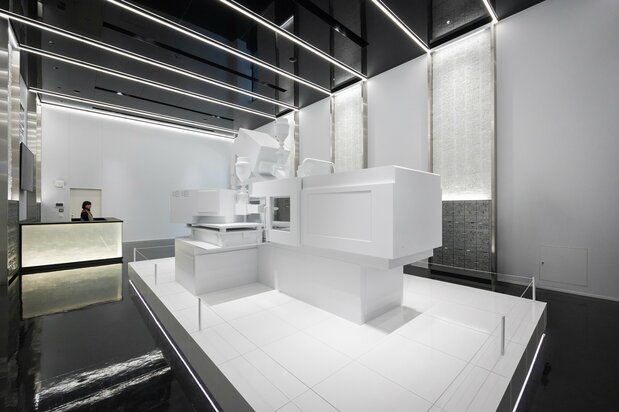 A life-size multicolor molding machine replica greets visitors at the entrance. (© Nippon.com)
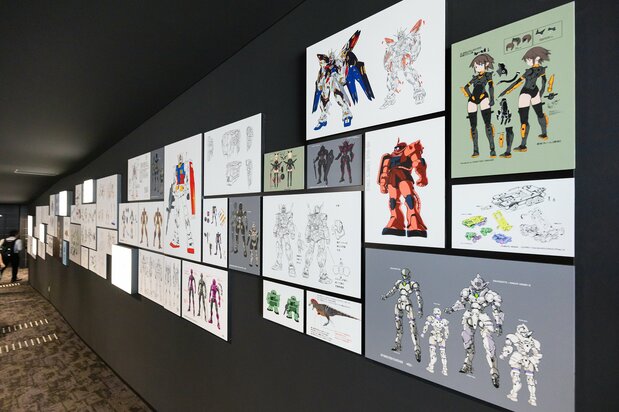 Design Road, lined with product plans and box art. (© Sōtsū/Sunrise, © Nippon.com)
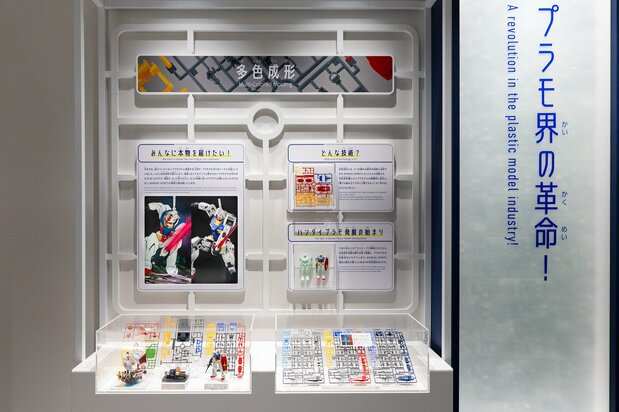 Multicolor-molded kits require no painting, eliminating extra work. (© Sōtsū/Sunrise, © Nippon.com)
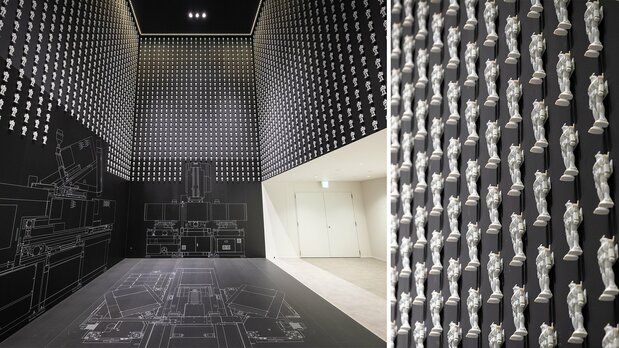 A display corner showcasing 4,000 Gunpla produced in a single day by a multicolor molding machine. (© Sōtsū/Sunrise, © Nippon.com)
The museum’s biggest highlight is the Laboratory Area, where guests can create their own plastic model or plamo by taking on the Plamo Designer Test. Participants customize parts and colors to their liking, then step through the full design process, from mold planning to package creation. Their finished work is evaluated on a five-point scale.
Families can also join in the fun, with the option to design not only Gundam kits but also characters like Plannosaurus and Rishetta. Visitors get to take home keepsakes such as stickers printed with their box art and evaluation results, along with actual runners produced during live demonstrations of the injection molding machines.
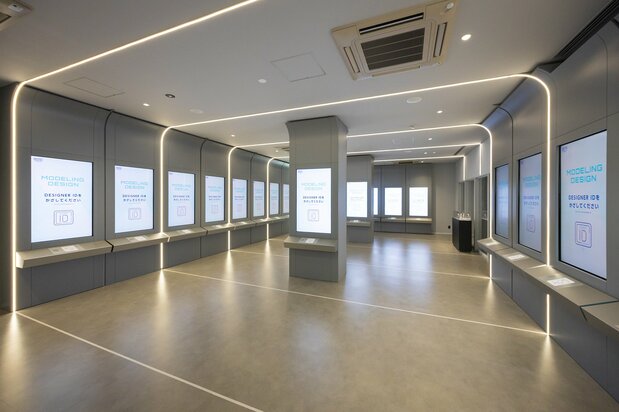 Up to 20 people can take part in the Laboratory Area experience at once. (© Nippon.com)
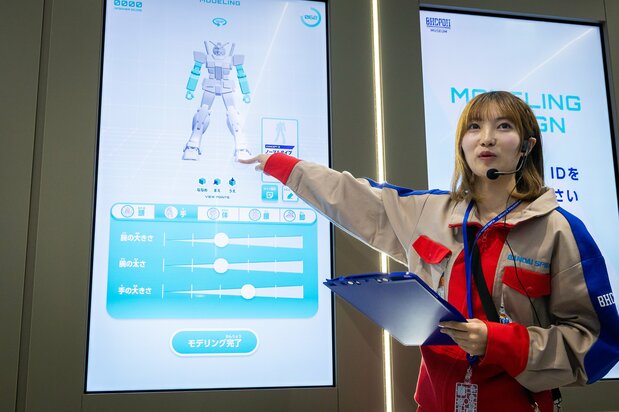 The Gundam model’s head, arms, torso, waist, as well as leg size, length, and thickness are all customizable. (© Sōtsū/Sunrise, © Nippon.com)
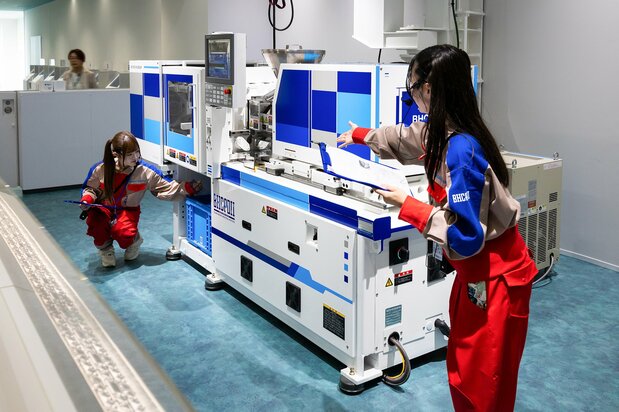 A live demonstration of the injection molding machine in action. (© Nippon.com)
 A sticker of your original box art and a box to take home make for a memorable souvenir. (© Sōtsū/Sunrise, © Nippon.com)
Explore the New Factory
The museum also doubles as a factory tour. Glass viewing panels set along the route let guests watch four-color injection molding machines and ceiling-mounted transport carts in action. The new facility handles the entire process in-house, from plastic molding to final packaging, boosting production capacity by 35% compared to previous factories.
President Sakakibara Hiroshi of Bandai Spirits commented, “With BHC PDII, we aim not only to resolve the worldwide shortage of Gunpla but also to share the culture of plastic models from Shizuoka with the world.” Tours and hands-on experiences are by advance reservation only, with each visit lasting around 90 minutes. Exhibits and the Plamo Designer Test are available in English as well. At present, reservations are limited to residents of Japan, though arrangements to welcome international visitors are under consideration. Those interested are encouraged to check the official website regularly for updates.
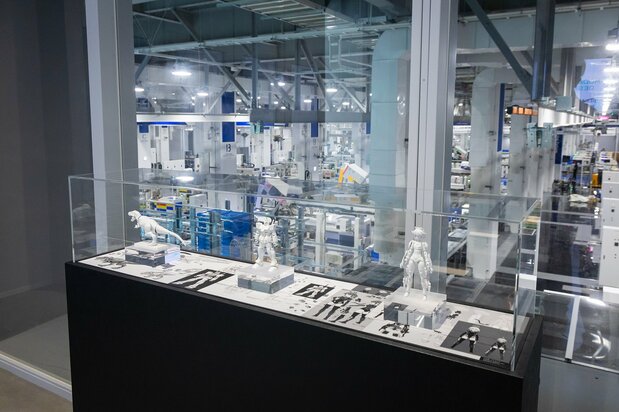 From the museum’s exhibition area, visitors can also view the factory floor. The showcase in front displays the three models available for the Plamo Designer Test: the Plannosaurus Tyrannosaurus (left), Gundam (center), and 30 Minutes Sisters’ Rishetta (right). (© Bandai Spirits, © Bandai Spirits 2021, © Sōtsū/Sunrise, © Nippon.com)
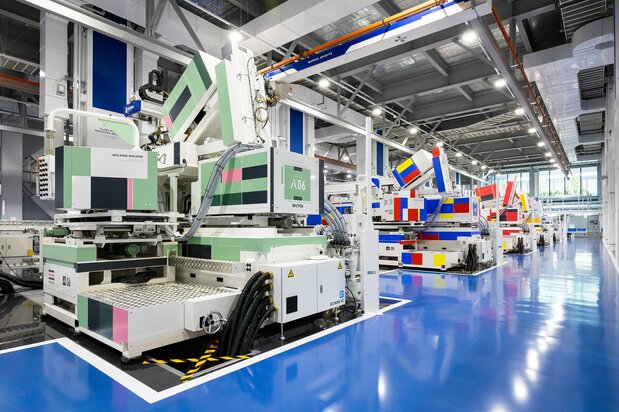 Bandai’s signature four-color injection molding machines. The one in the foreground is painted in hues reminiscent of the Zaku mobile suit and the one next to it recalls the White Base spaceship. (© Nippon.com)
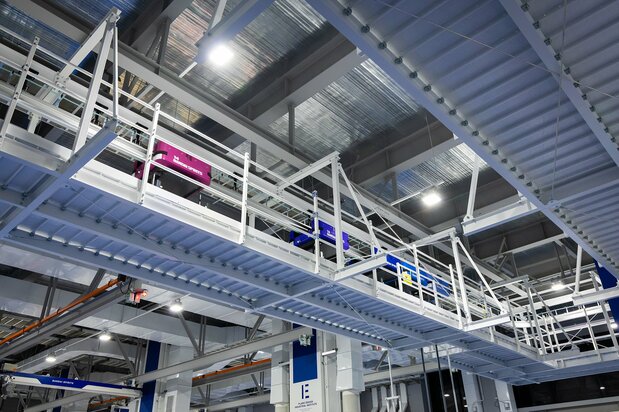 Ceiling-mounted transport carts and automated warehouses streamline operations and reduce staffing needs. (© Nippon.com)
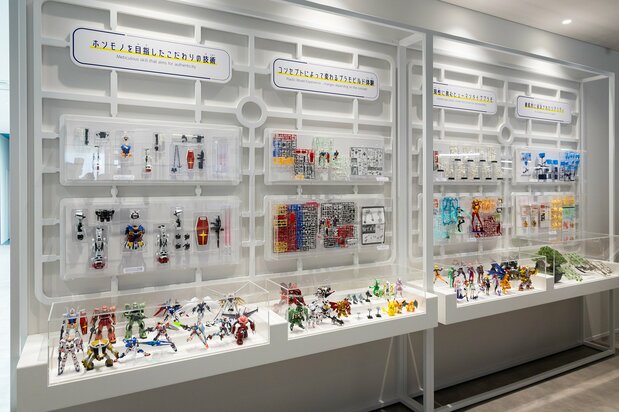 At the gallery near the end of the tour, some merchandise is available exclusively to museum visitors. (© Sōtsū/Sunrise, © Nippon.com)
BHC PDII Museum
- Location: 500-15 Naganuma, Aoi, Shizuoka, Shizuoka Prefecture
- Hours: 9:00 am to 5:30 pm (Reservation required for a specific date and time.)
- Closed: Sundays, Mondays, public holidays, and New Year’s holidays
- Fees: ¥2,860 (ages 13 and up), ¥1,100 (ages 6 to 12)
- Official website: https://bhcpdii.bandai-hobby.net/en/
- Access: 3-minute walk from Shizuoka Railway’s Naganuma Station; 8-minute walk from JR Tōkaidō’s Higashi Shizuoka Station
(Originally published in Japanese on August 31, 2025. Reporting, text, photographs, and video by Nippon.com. Banner photo: Life-size Gundam plastic model on display at the entrance of the BHC PDII Museum. © Sōtsū/Sunrise, © Nippon.com.)







 Read in other languages