-
-
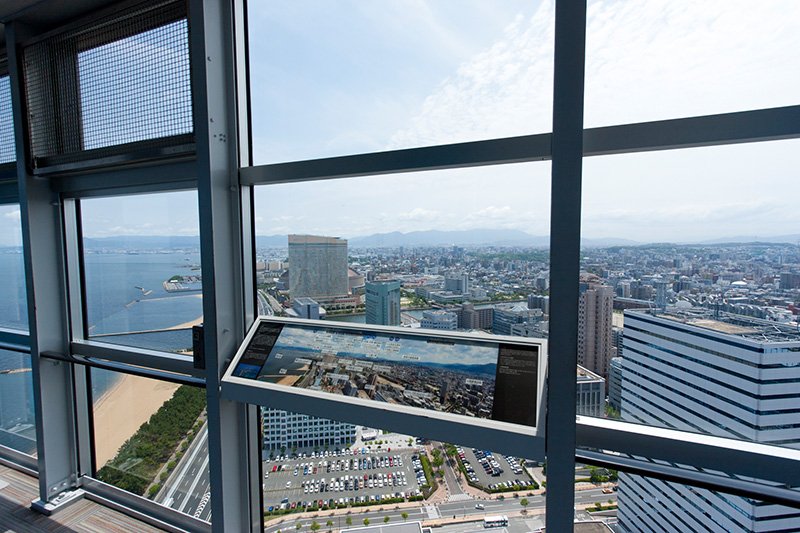
A view of Hakata Bay and town from the 234-meter-tall Fukuoka Tower.
-
-
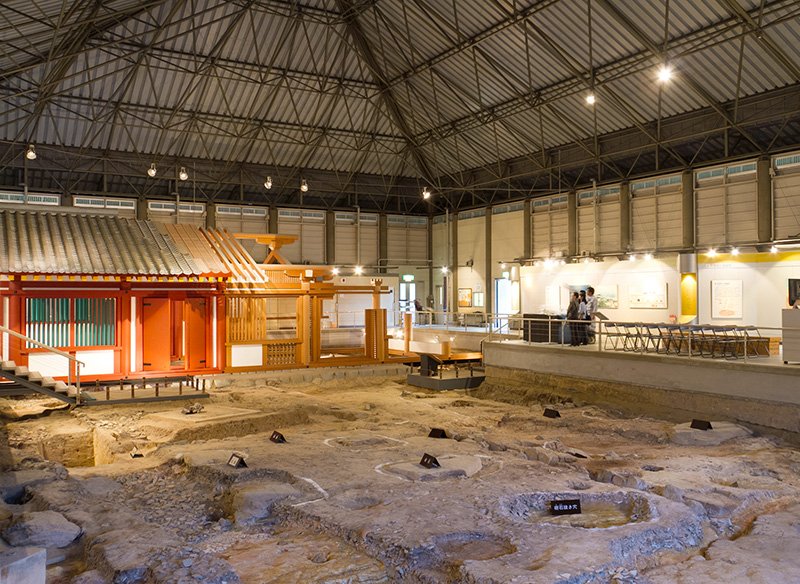
The foundations and other features of the excavated remains have been left as they were found.
-

How the Kōrokan might have looked in historic times.
-
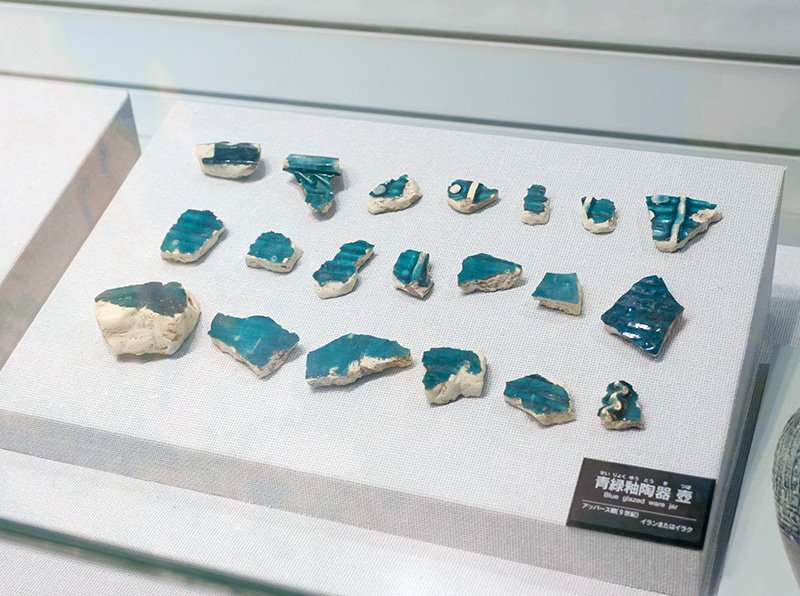
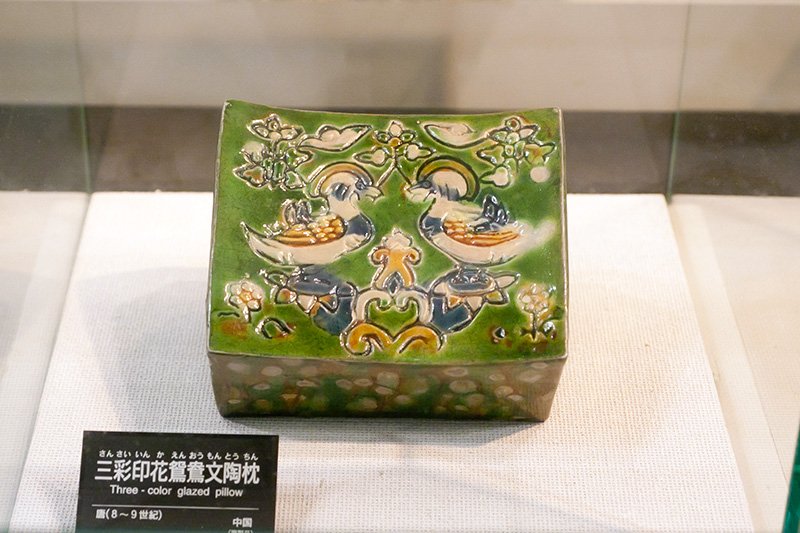
The excavated finds at the Kōrakan include many items that were brought east along the Silk Road. These shards of a porcelain jar from close to modern Iran are still brilliantly blue today.
-
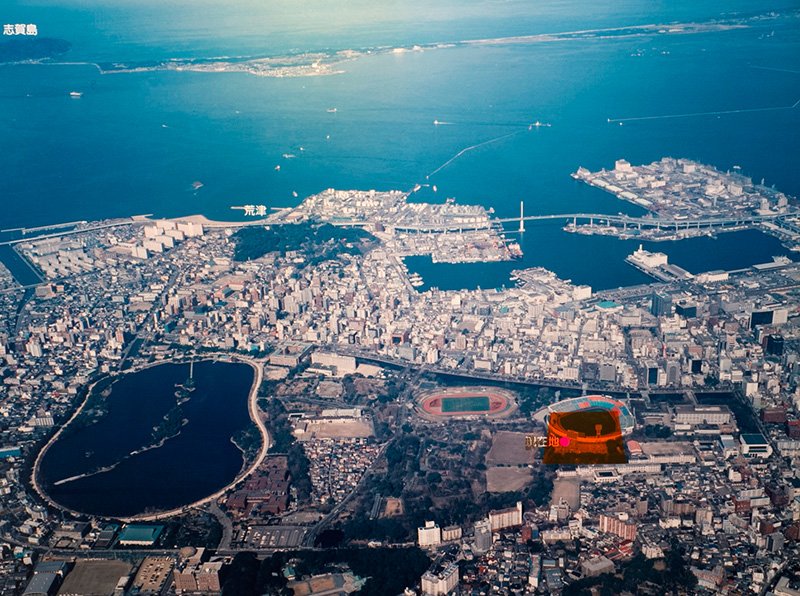
The area to the east of the Kōrokan is reclaimed land. The shoreline used to pass directly through the point where the museum stands today.
-
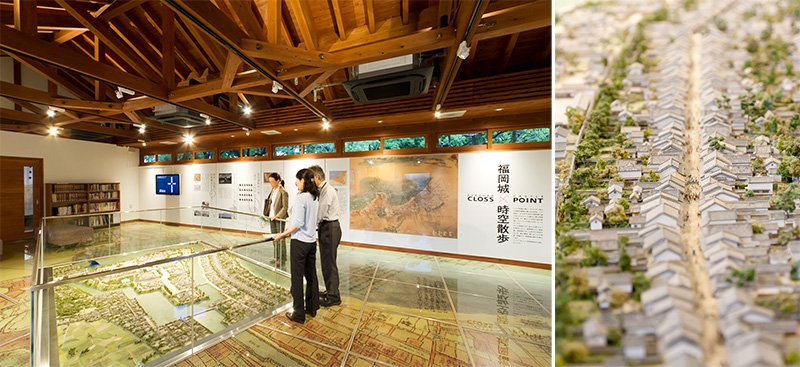
The scale model of the castle town is remarkably detailed. A closer look reveals individual streets and houses, as seen in the view on the right.
-

-
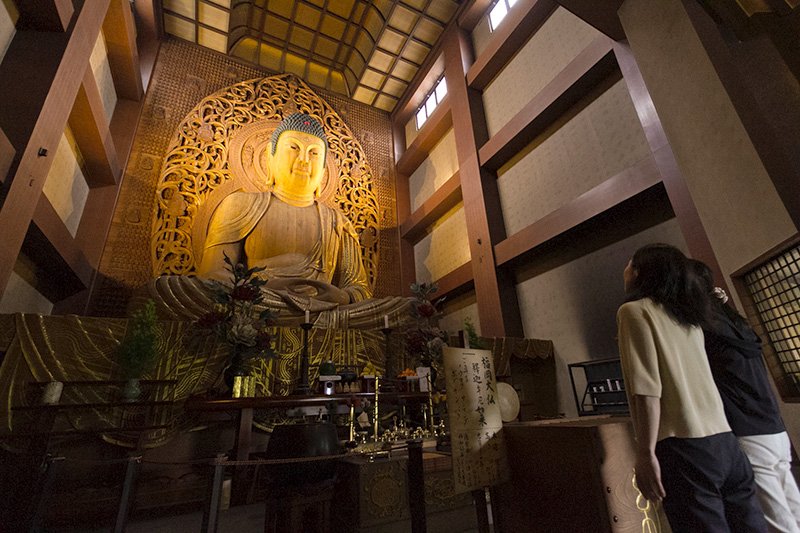
Tōchōji in Hakata, one of the oldest temples in the country and home to Japan’s largest wooden sitting Buddha.
-
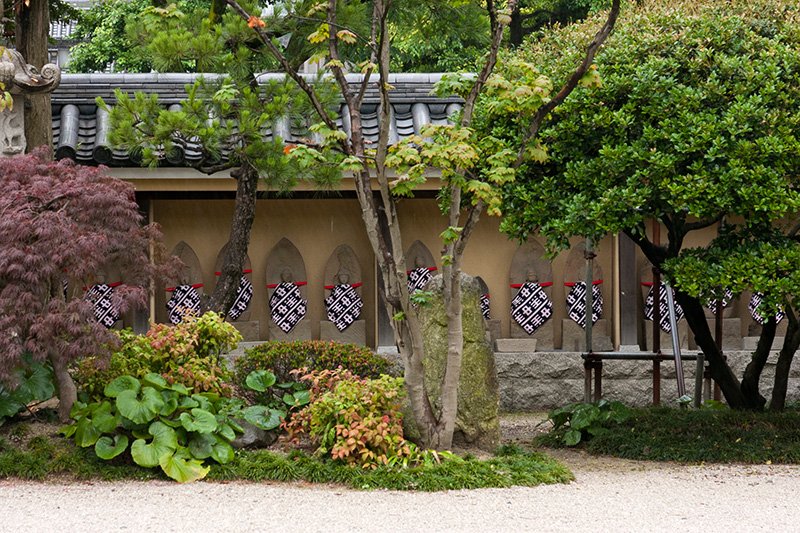
A line of stone statues of Jizō dressed up for the festival.
-
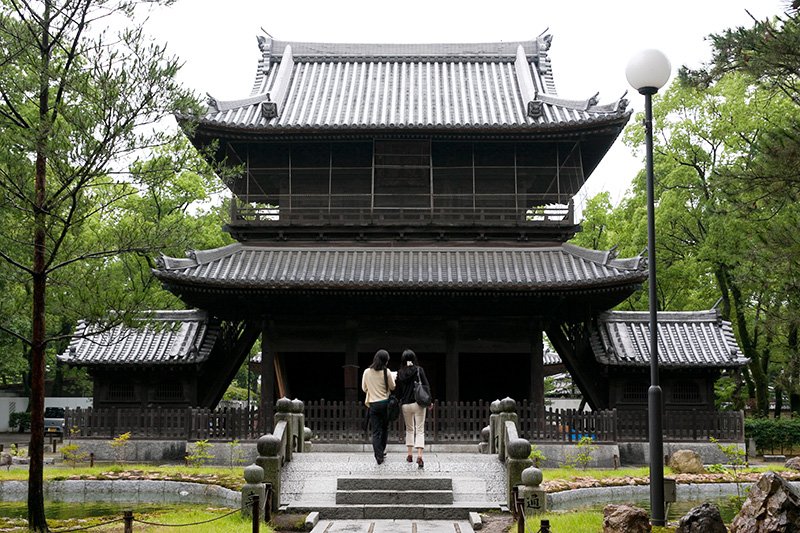
People have been studying Zen meditation here for nearly 1,000 years.
-
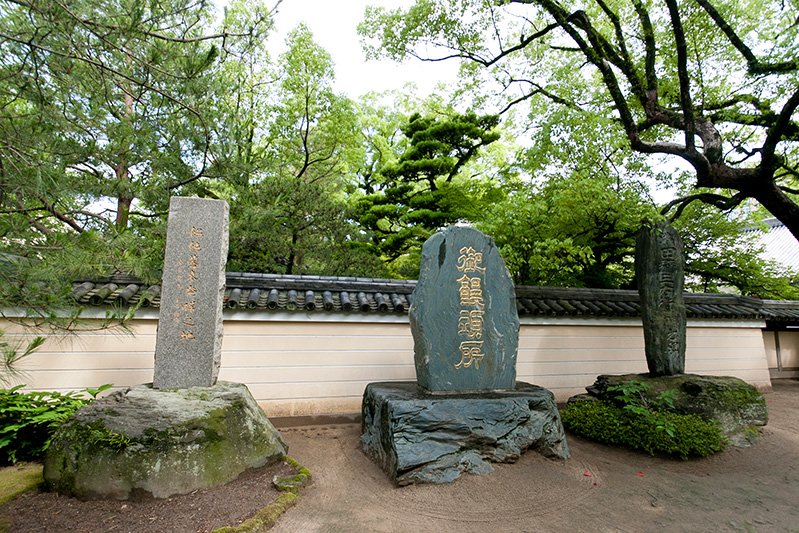
Monuments detailing Hakata’s claim to be the birthplace of familiar foods like soba and udon noodles.
-
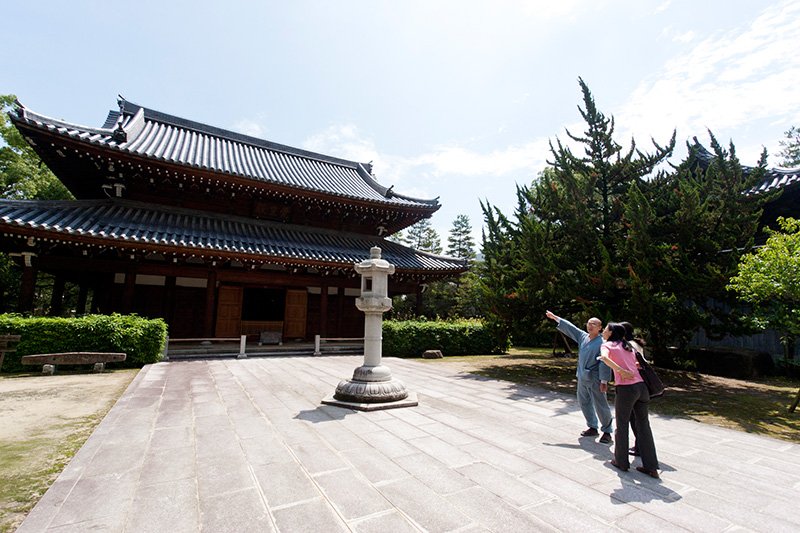
A tour of the Jōtenji grounds. “If town planners had taken more care to respect our historic temples over the years, this area might have been more important today even than modern Kyoto.”
-
-
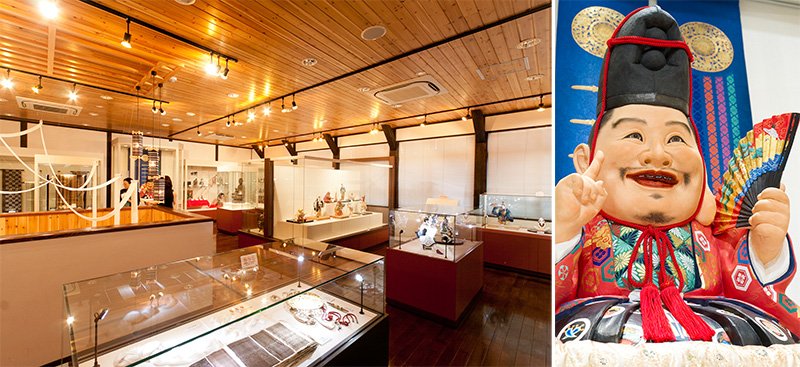
Hakata is also famous for its dolls. The god of good fortune shown here was specially made for the museum.
-
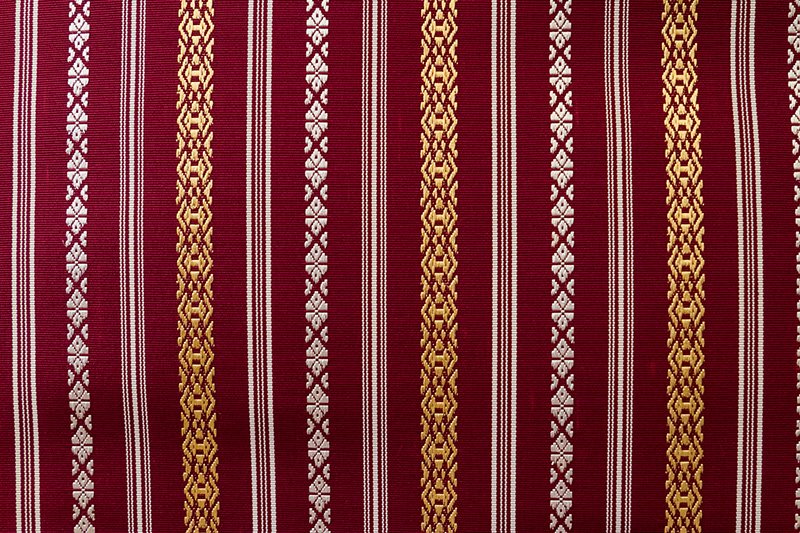
The famous kenjōgara.
-
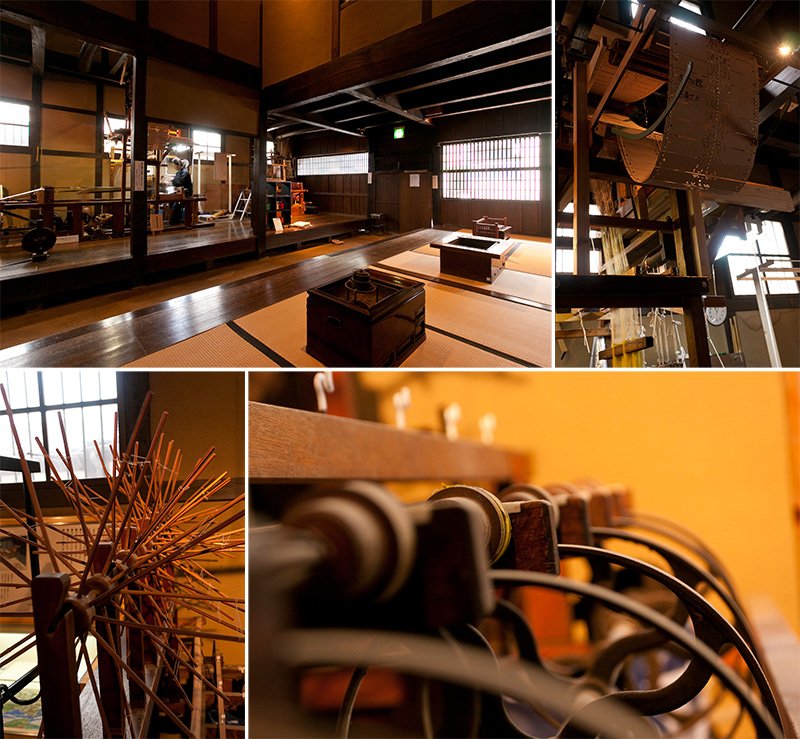
Some of the traditional weaving machines are works of art in their own right.
-
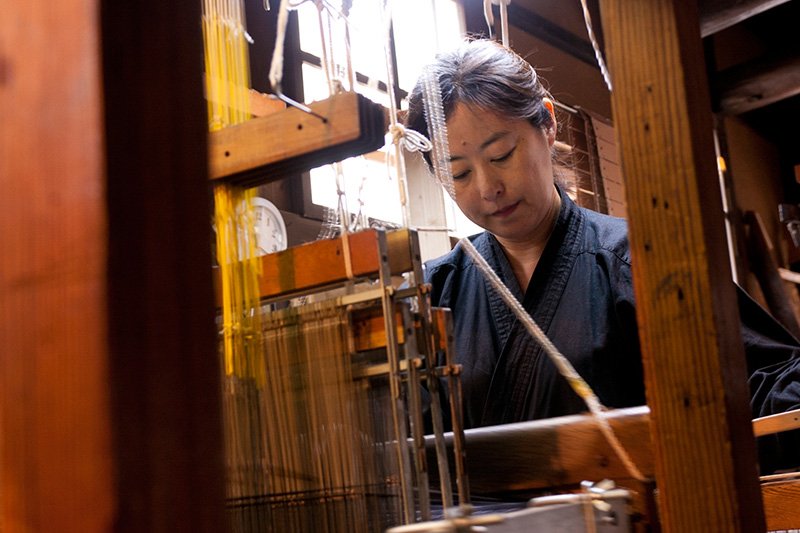
Takiguchi Ryōko
-
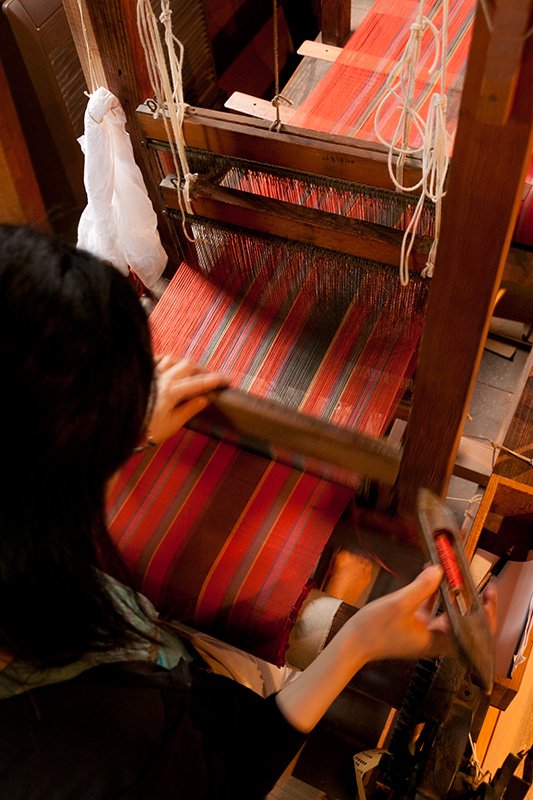
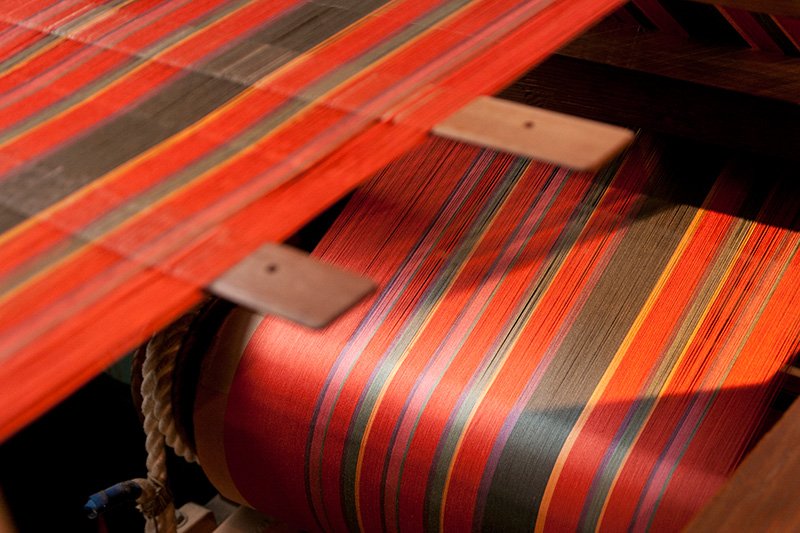
Visitors to the center can try their hand at weaving. It’s not as easy as the experts make it look!


 Read in other languages