-
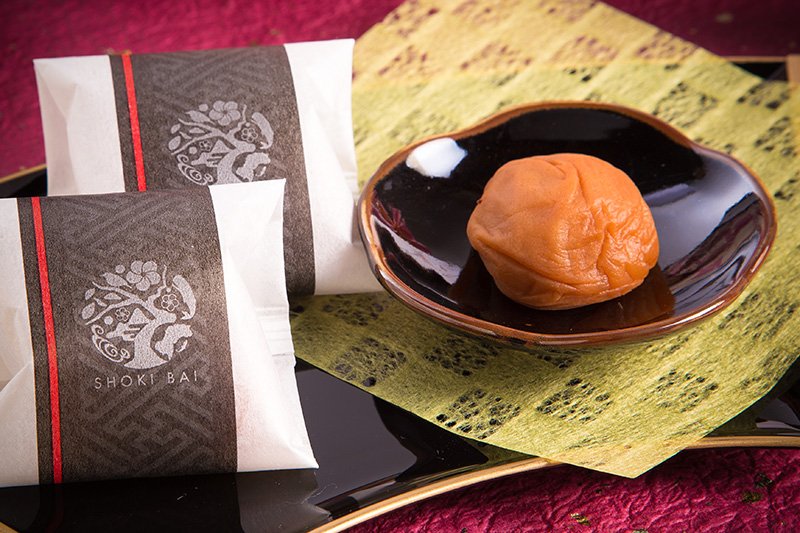
Shōkibai’s best-known product. A package of 10 plums in the Kiwami series sells for ¥2,700. (Photo courtesy of Shōkibai)
-
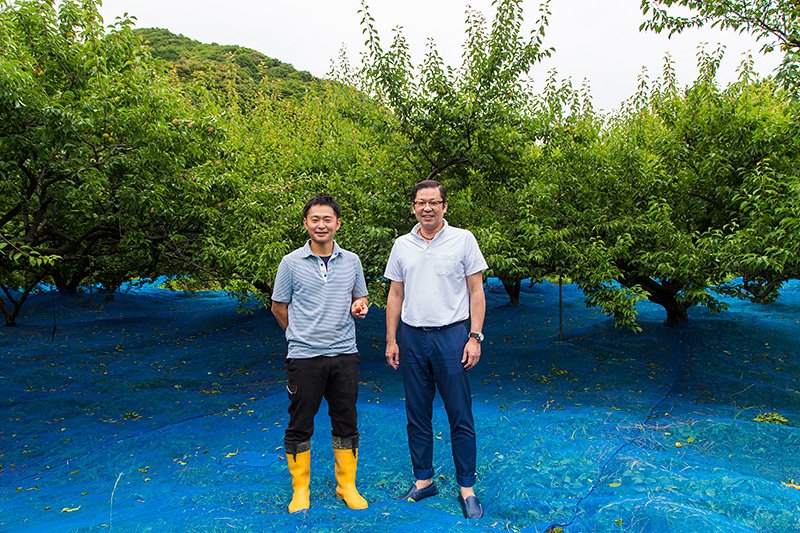
Suzuki (right) with ume farmer Kubo Ryūji. The two say they must take on new challenges to boost the value of the area’s plums.
-
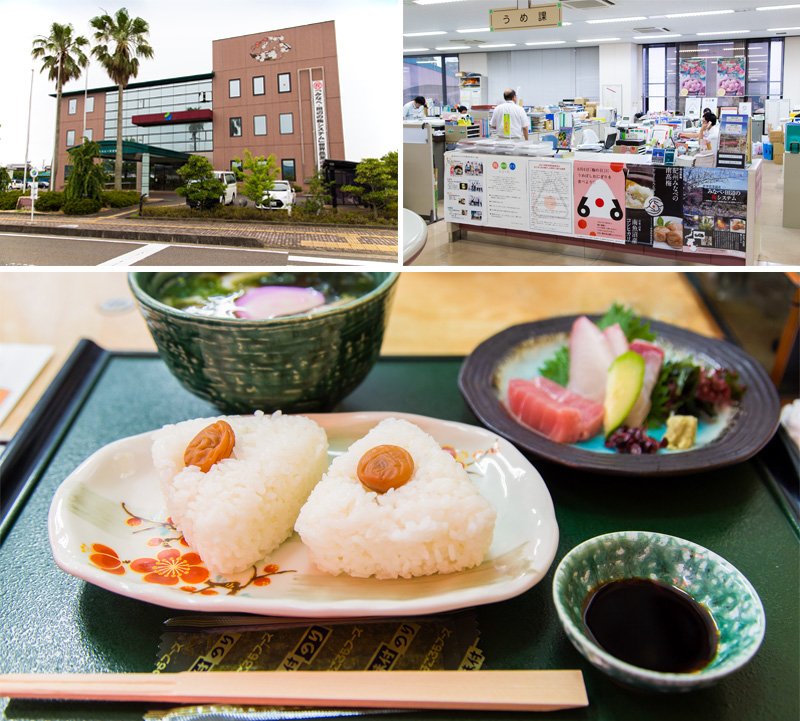
(Clockwise from top left): Minabe town hall; the ume department, plastered with posters promoting the fruit; in 2014, the town passed a local by-law promoting serving rice balls with umeboshi.
-
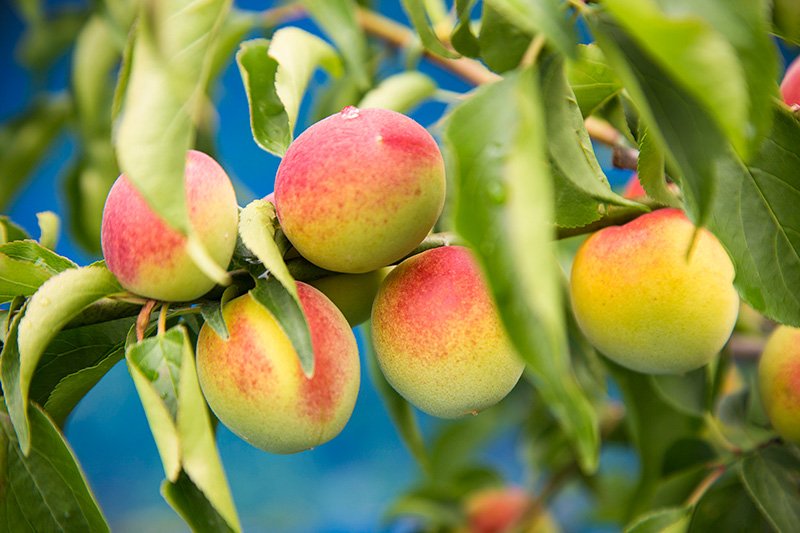
Nankō-ume, the pride of Wakayama, from Kubo’s orchard. The name comes from a local school that helped develop the new strain.
-

Shira-boshi plums have a high sodium content, but many locals say these salty ume are the best of all.
-
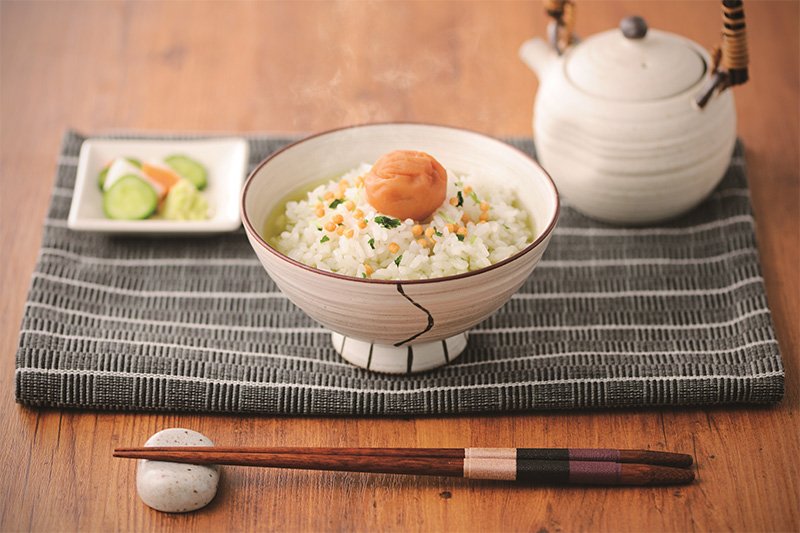
Many foreigners who find an umeboshi unpalatable on its own say they do not mind the flavor when served with rice, either in a rice ball or in a green tea and rice chazuke, as shown here. (Photo courtesy of Shōkibai)
-
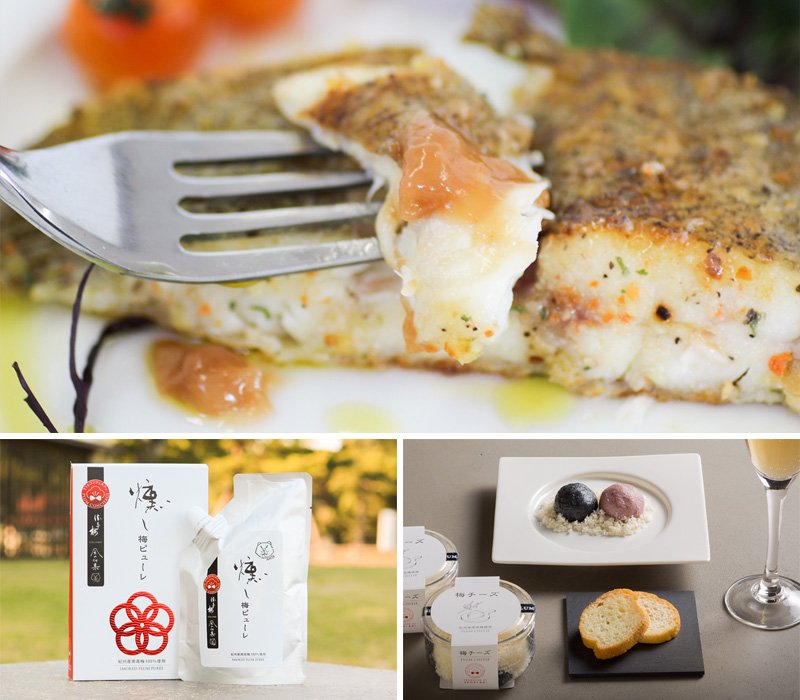
(Clockwise from top): Ume can be used to add a unique flavor to many kinds of dishes; ume served with cheese and truffles; packages of smoked ume purée.
-

A plum grower, one of Shōkibai’s contract cultivators, shows off a basket of Nankō- ume.


 Read in other languages