-
-
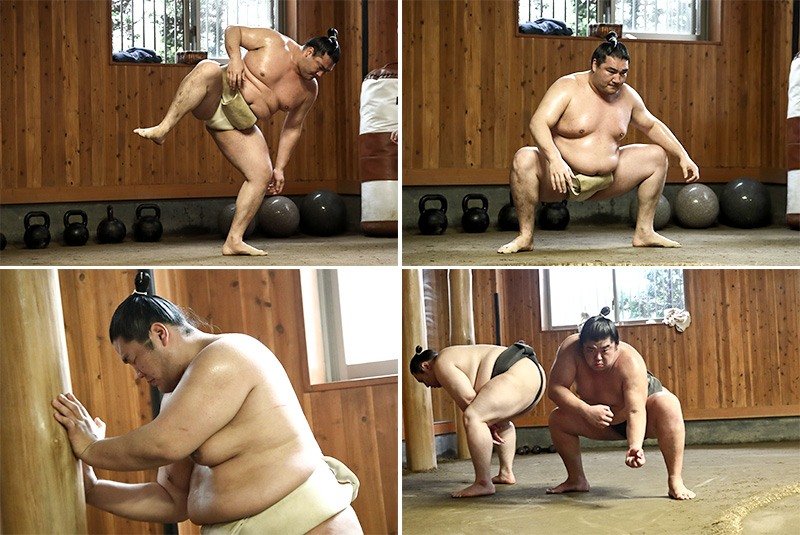
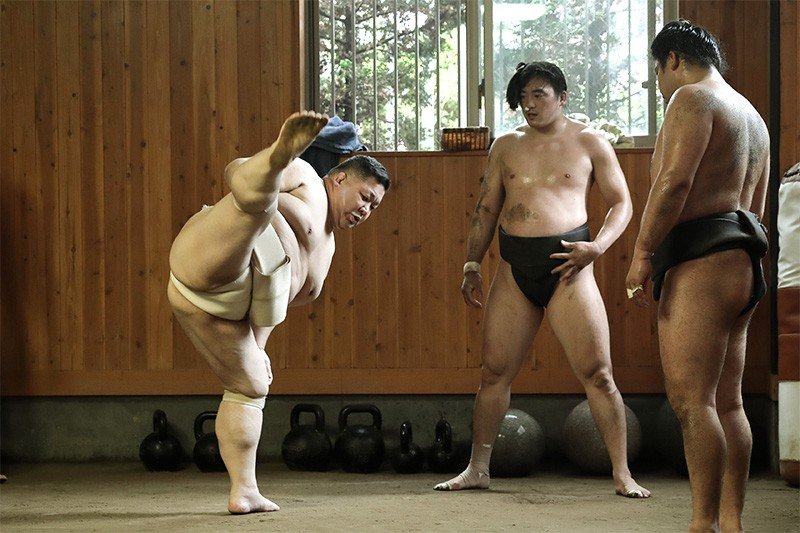
The basic sumō moves: shiko (top frames), teppō (bottom left), and suriashi (bottom right).
-
-
-
-
-
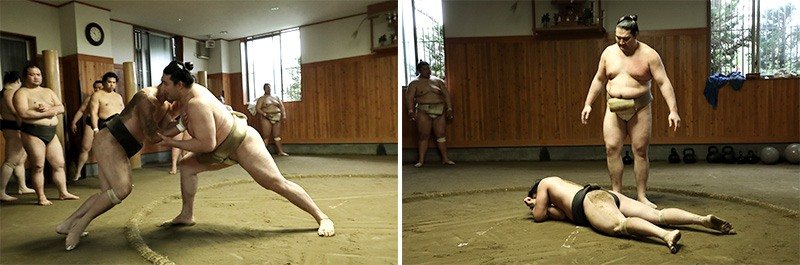
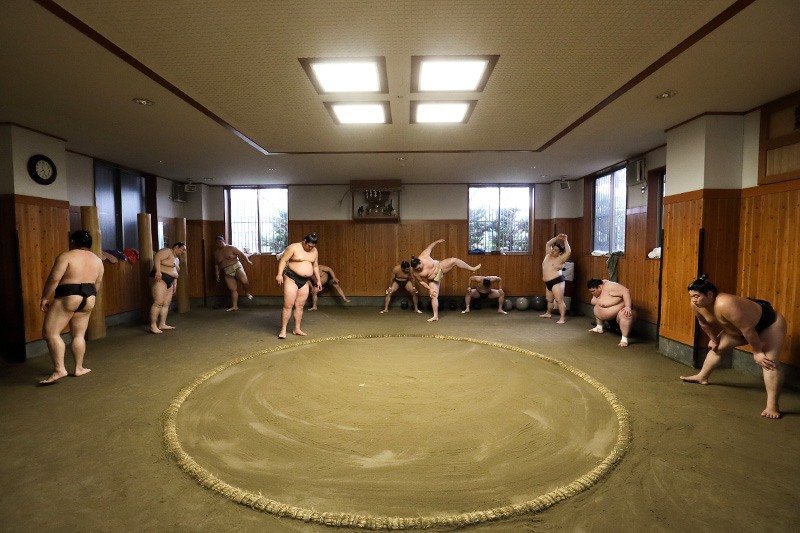
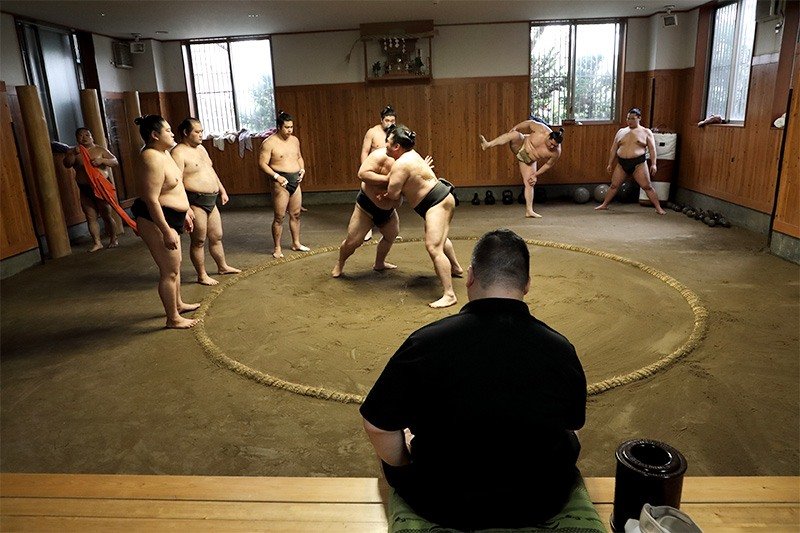
Wrestlers take turns lunging at each other in butsukari-geiko.
-
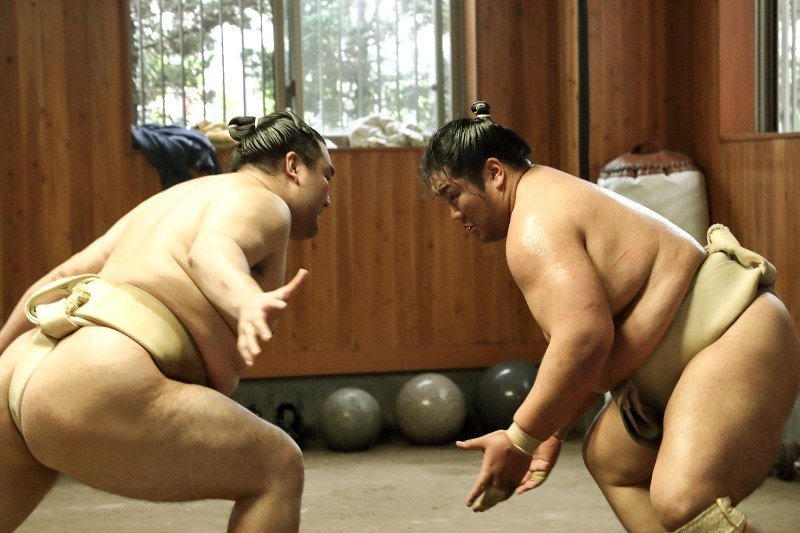
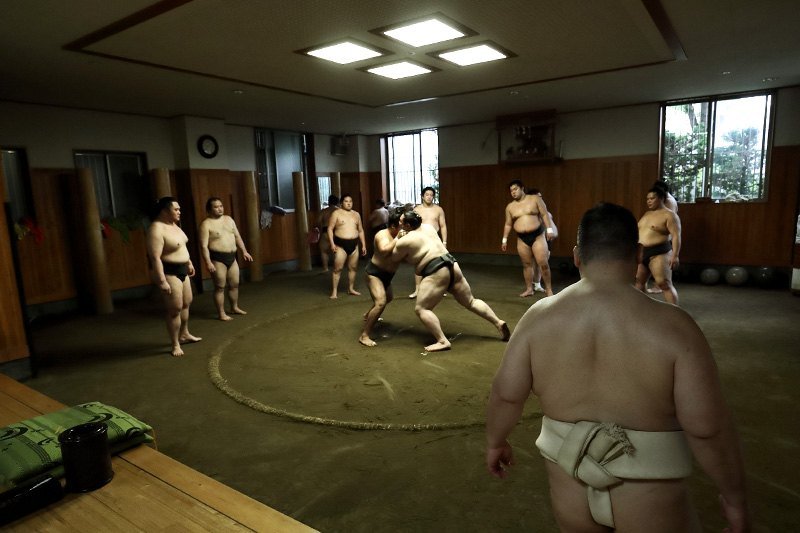
The sekitori enter the ring at the end of the practice. The force they expend in butting against each other is on a whole other level.
-
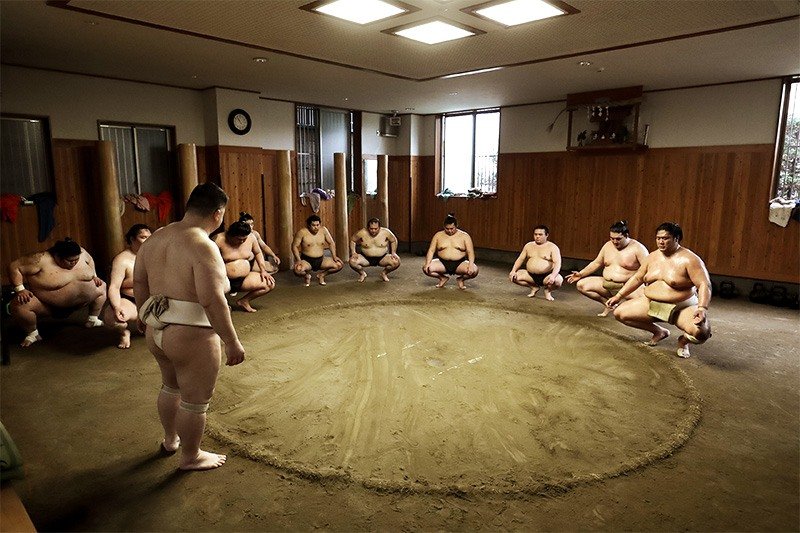
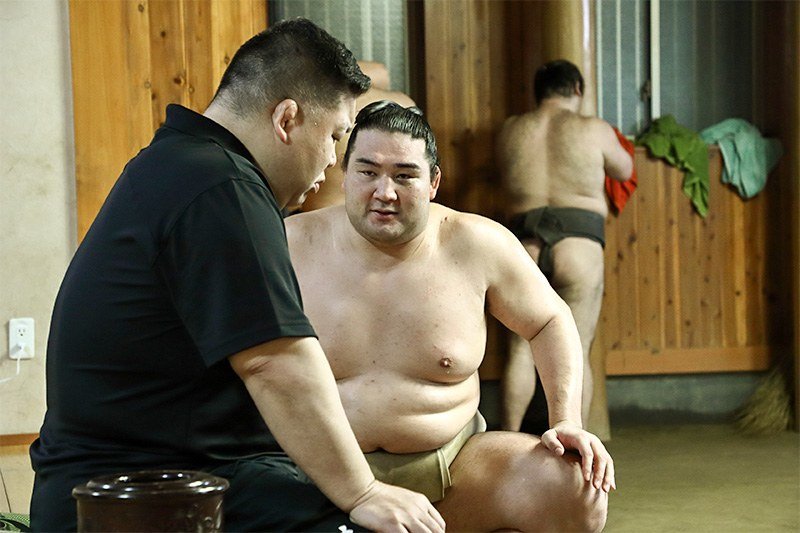
Keiko ends with words from the stablemaster, and the wrestlers perform a ritual kashiwade clap while in crouching position.
-
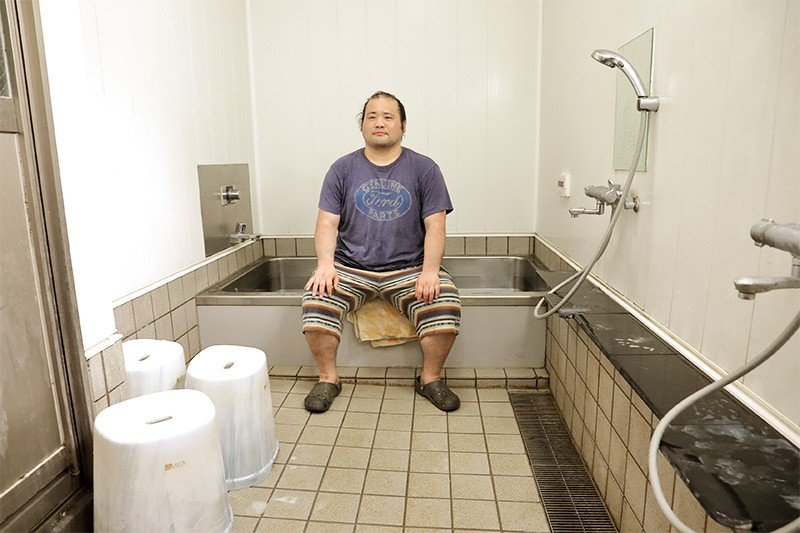
The wrestlers take turns bathing, three at a time. Stable member Maenofuji in the bathroom.
-
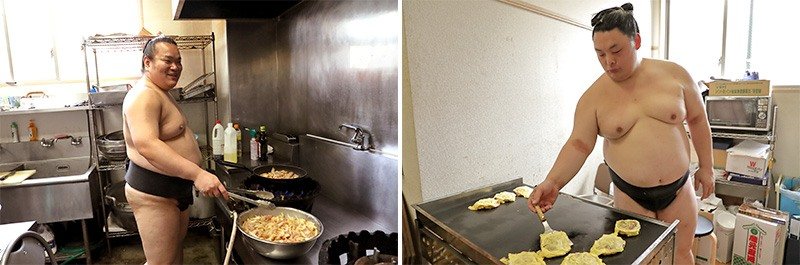
The stable chef Sakura (left); on duty in the kitchen today is Zendaishō.
-
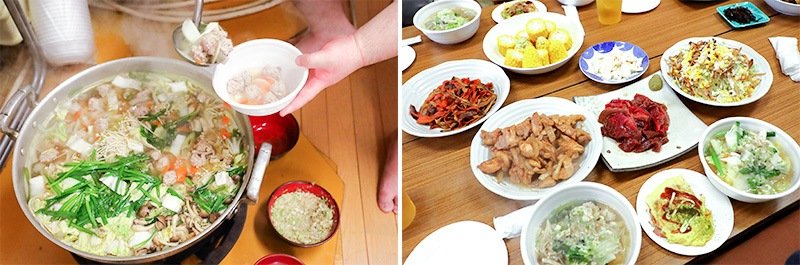
The centerpiece of the meal is the chanko stew (left), accompanied by a variety of dishes such as tuna sashimi, a chicken and onion stir-fry, sautéed vegetables simmered in sweetened soy sauce, salad, and more.
-
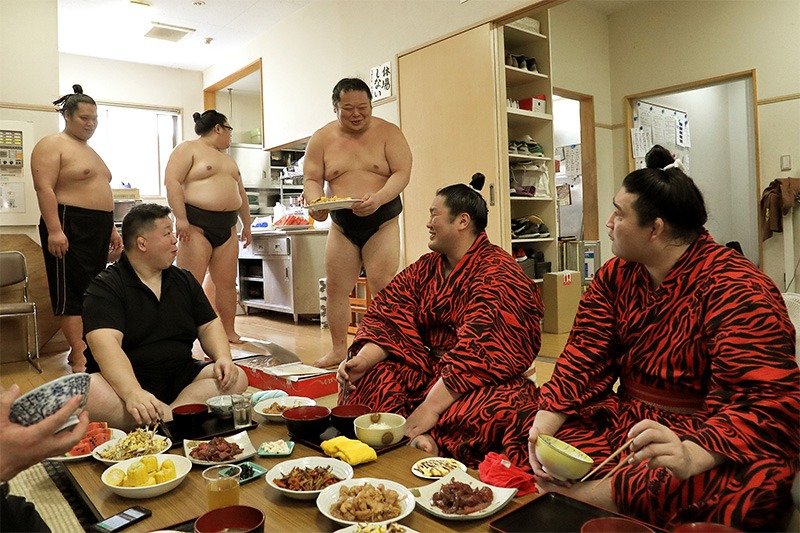
The oyakata is the first to sit down to eat, joined eventually by sekitori fresh from the bath. The relaxed atmosphere is completely different from the tension in the air during keiko, but a lot of the conversation centers on sumō.
-
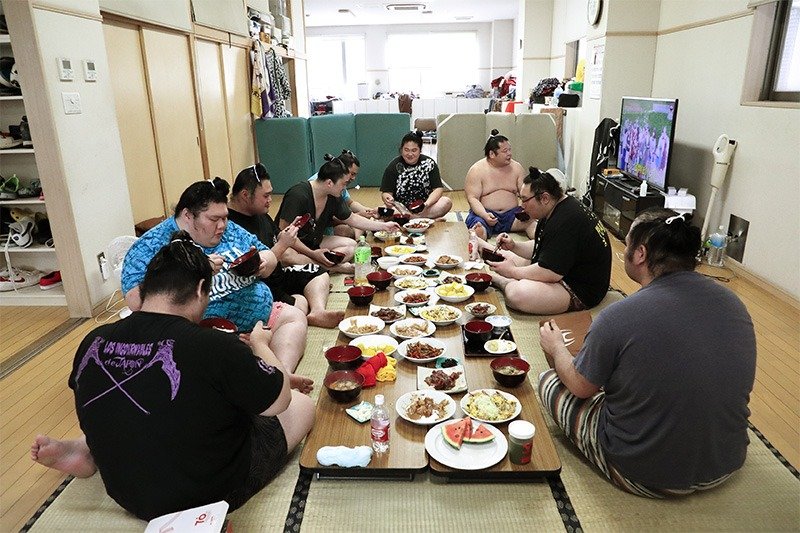
After the sekitori finish their meal, the lower ranks take their turn.
-
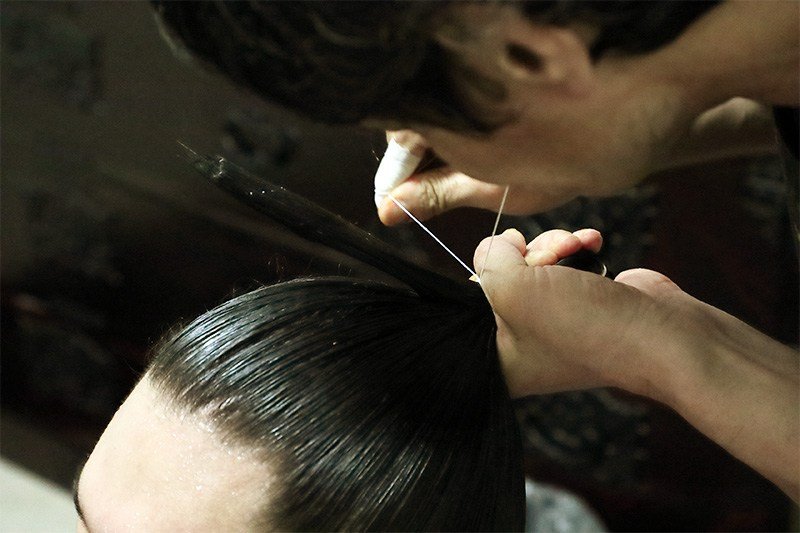
After eating, the sekitori return to their rooms to have their hair attended to by the tokoyama, a traditional sumō hairdresser.
-
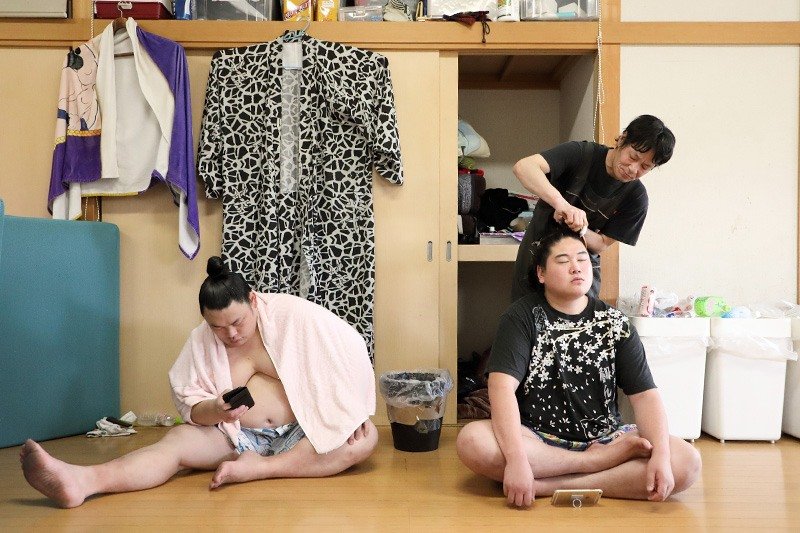
Now it’s the lower-ranked wrestlers’ turn, in the shared room that is their living quarters.
-
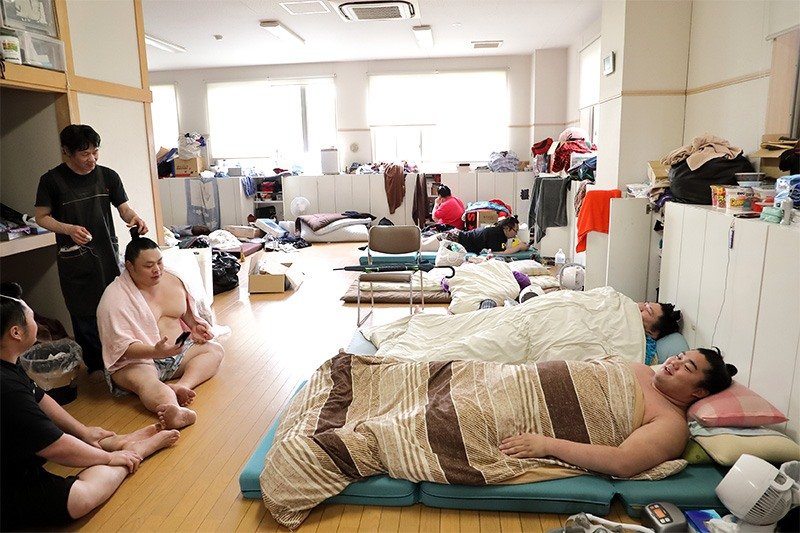
Naptime after the midday meal. Except for those on cleaning, laundry, or cooking duty, rikishi are free to spend the time until the evening meal as they like.
-
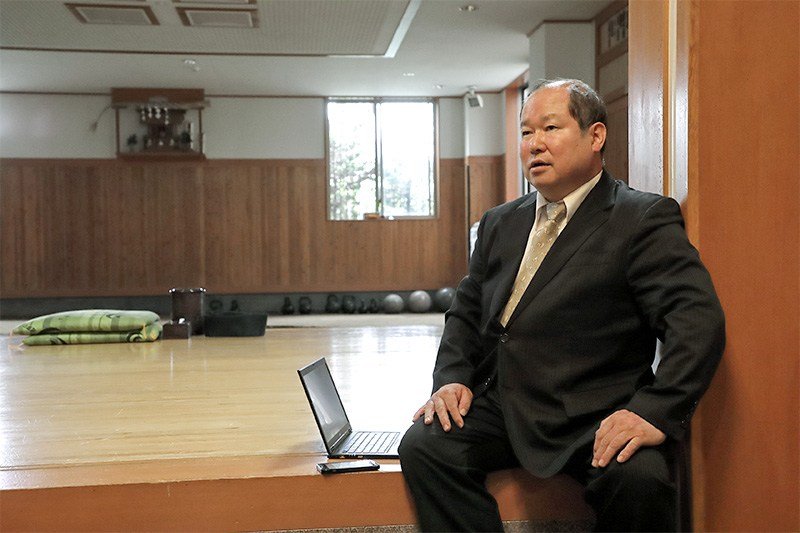
Gyōji Shikimori Kandayū XI in street clothing.
-
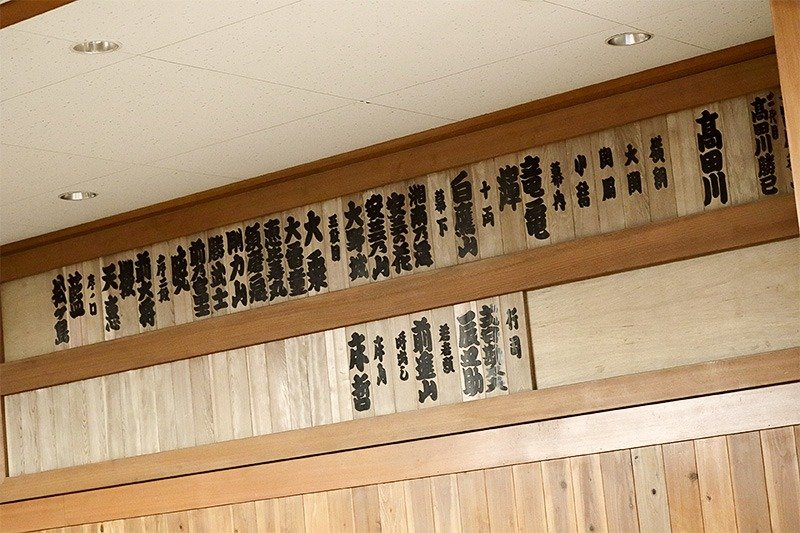
Wooden name plates written by Kandayū in traditional sumō script. The Takadagawa stable, with the oyakata as head, has 20 rikishi, two gyōji, and one tokoyama. (The wrestlers’ rankings shown here were as of the May 2018 grand tournament.)
-

Makuuchi division rikishi Kagayaki.
-
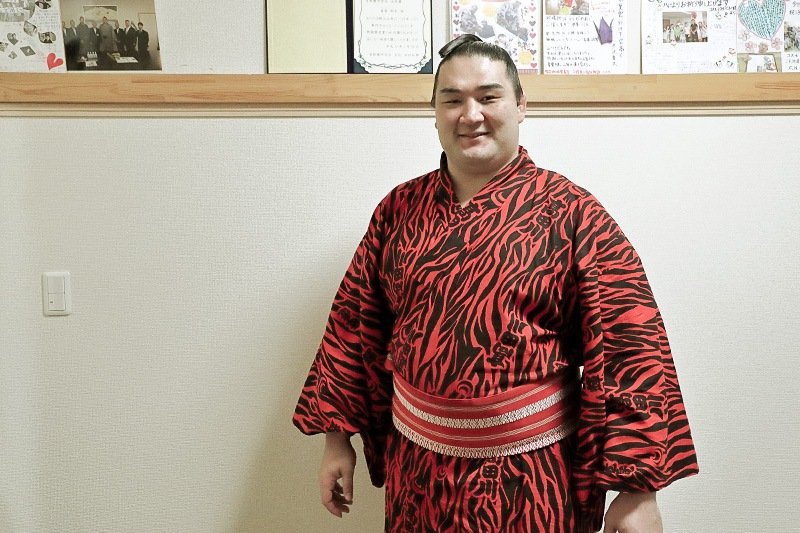
Makuuchi division rikishi Ryūden.


 Read in other languages