-
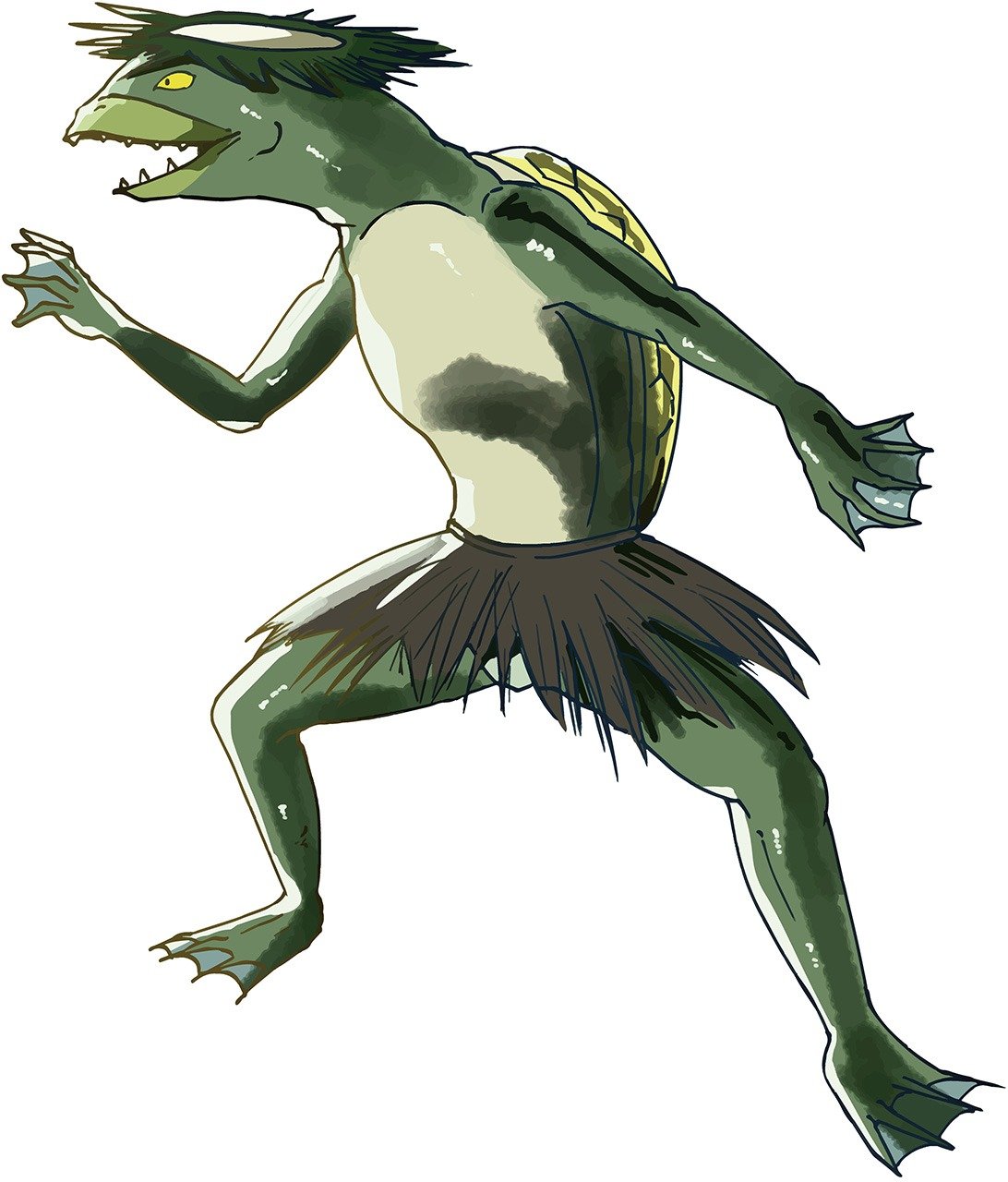
A standard image of a kappa. (© Pixta)
-
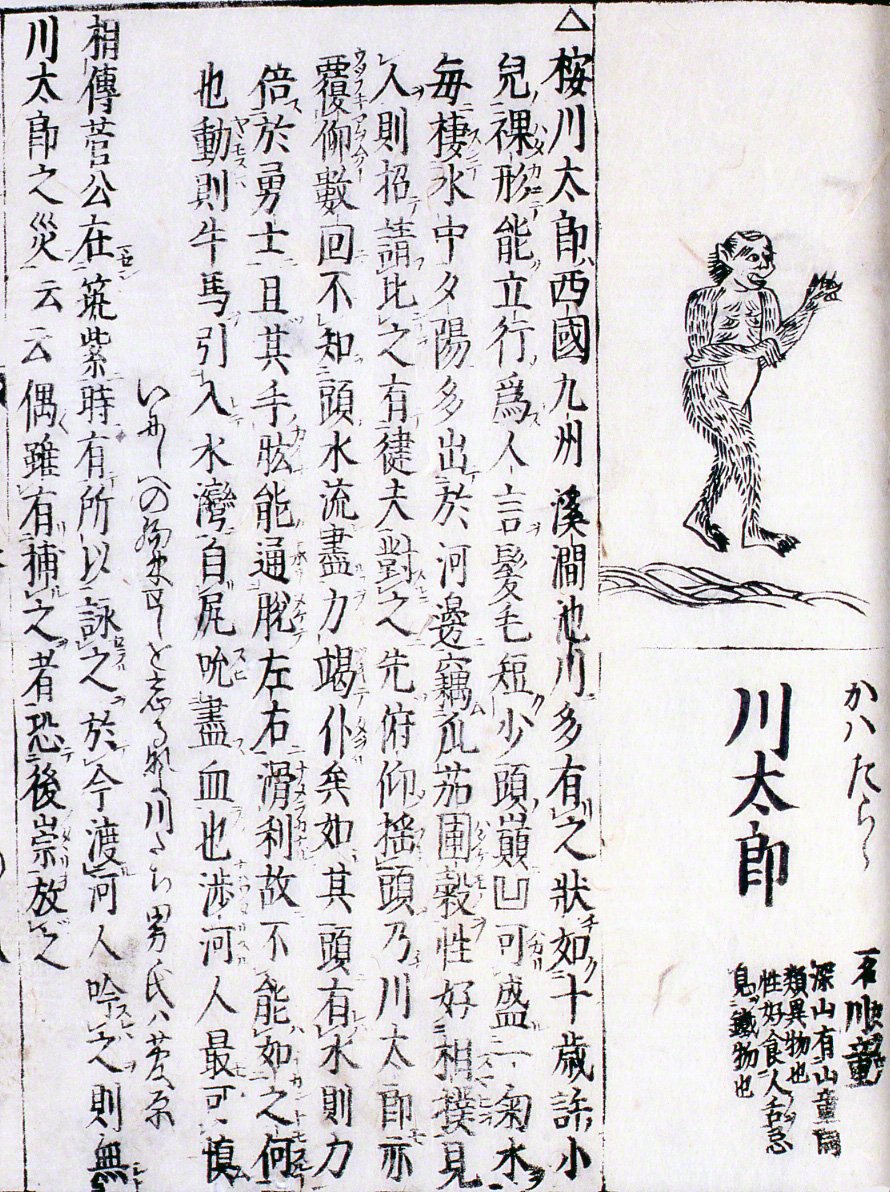
The kappa is introduced under the name kawatarō in the 1715 encyclopedia Wakan sansai zue (Japanese-Chinese Illustrated Assemblage of the Three Components of the Universe), and looks like a hairy monkey. Edited by Terajima Ryōan. (Courtesy Hyōgo Prefectural Museum of History)
-
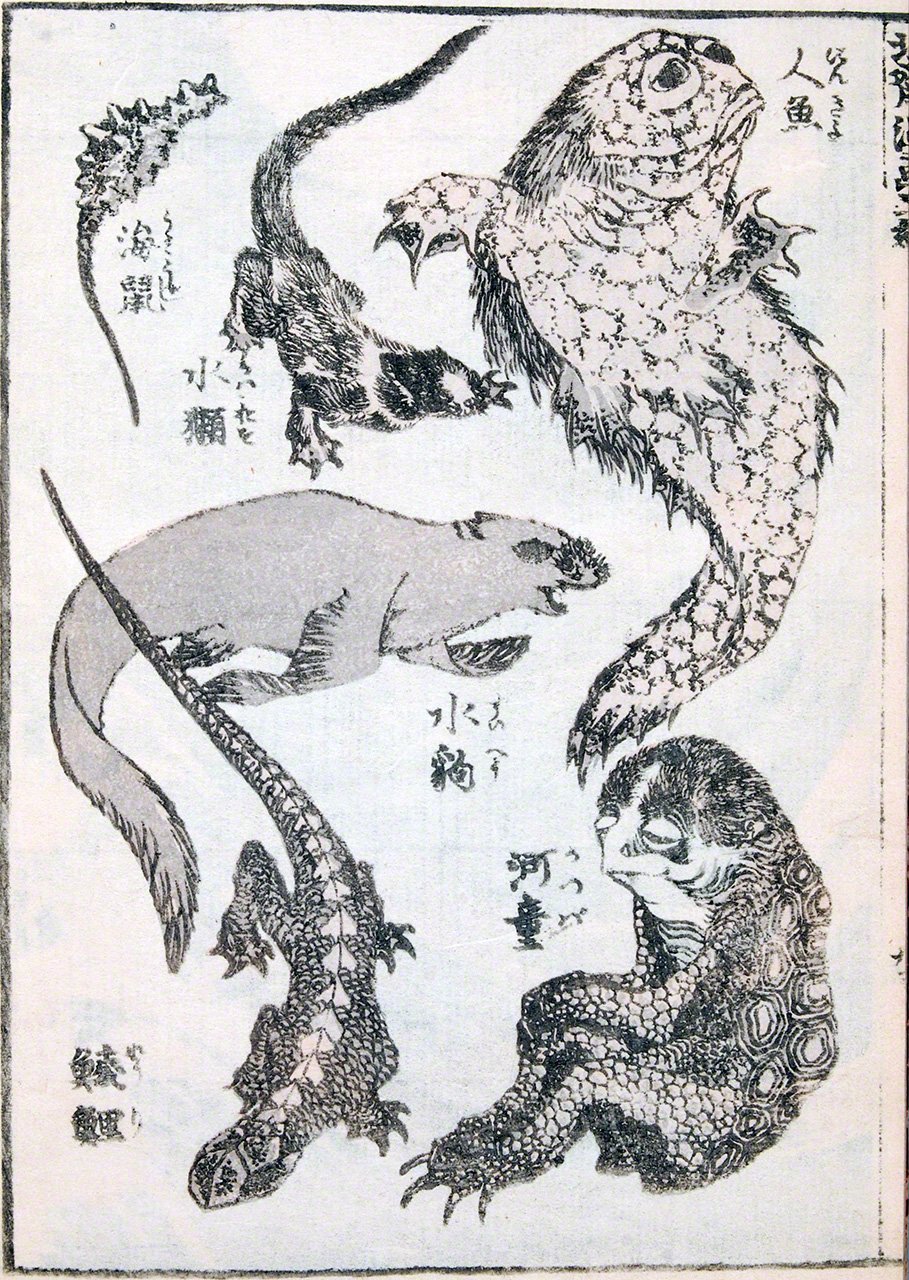
A kappa (bottom right) modeled on a turtle in Katsushika Hokusai’s Hokusai manga (Sketches by Hokusai). (Courtesy Hyōgo Prefectural Museum of History)
-
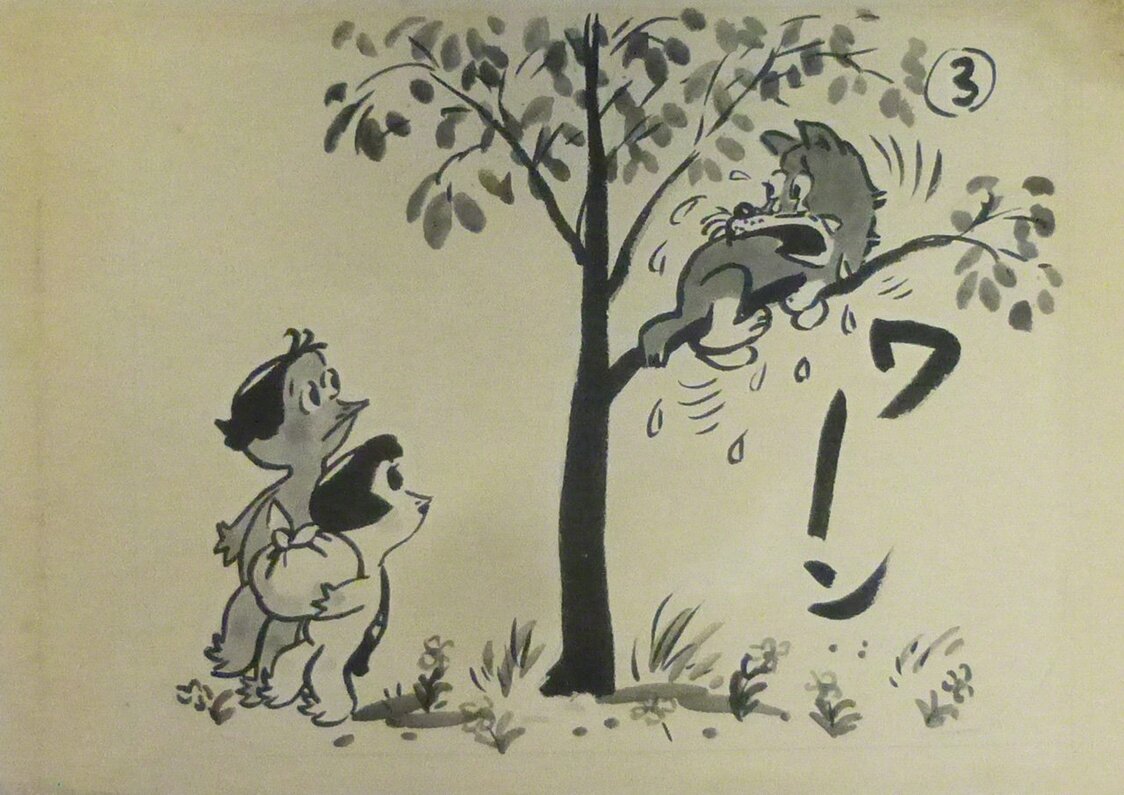
Shimzu Kon’s Kappa kawatarō, centered on a kappa child, was the first work to portray the yōkai as cute. (Courtesy Nakanochaya Shimizu Kon Exhibition Hall, Nagasaki)
-
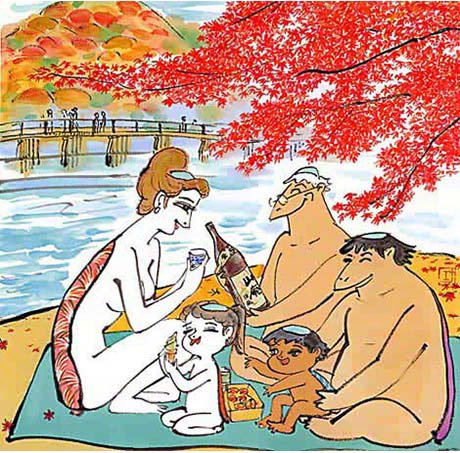
Kappa characters created by Kojima Kō in a commercial for sake brewery Kizakura. The company previously used Shimizu Kon’s kappa in its commercials. (Courtesy Kizakura)
-
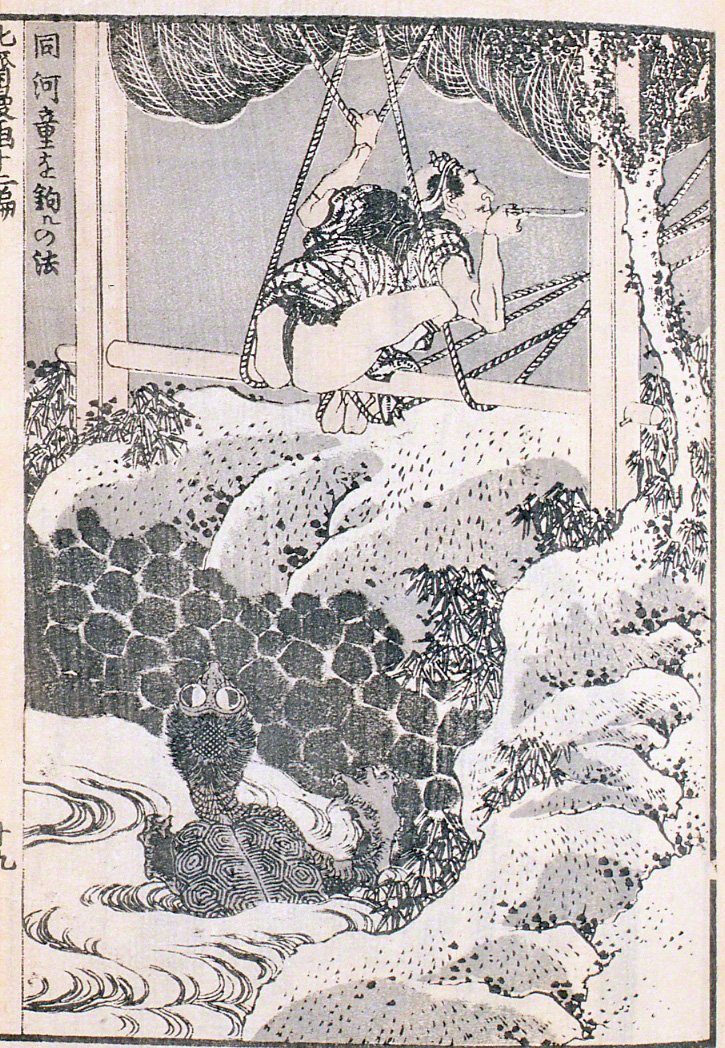
A kappa in Hokusai manga (Sketches by Hokusai), modeled on the Chinese softshell turtle. The man is luring the kappa by sticking out his backside, knowing it will be tempted by his shirikodama. (Courtesy Hyōgo Prefectural Museum of History)
-
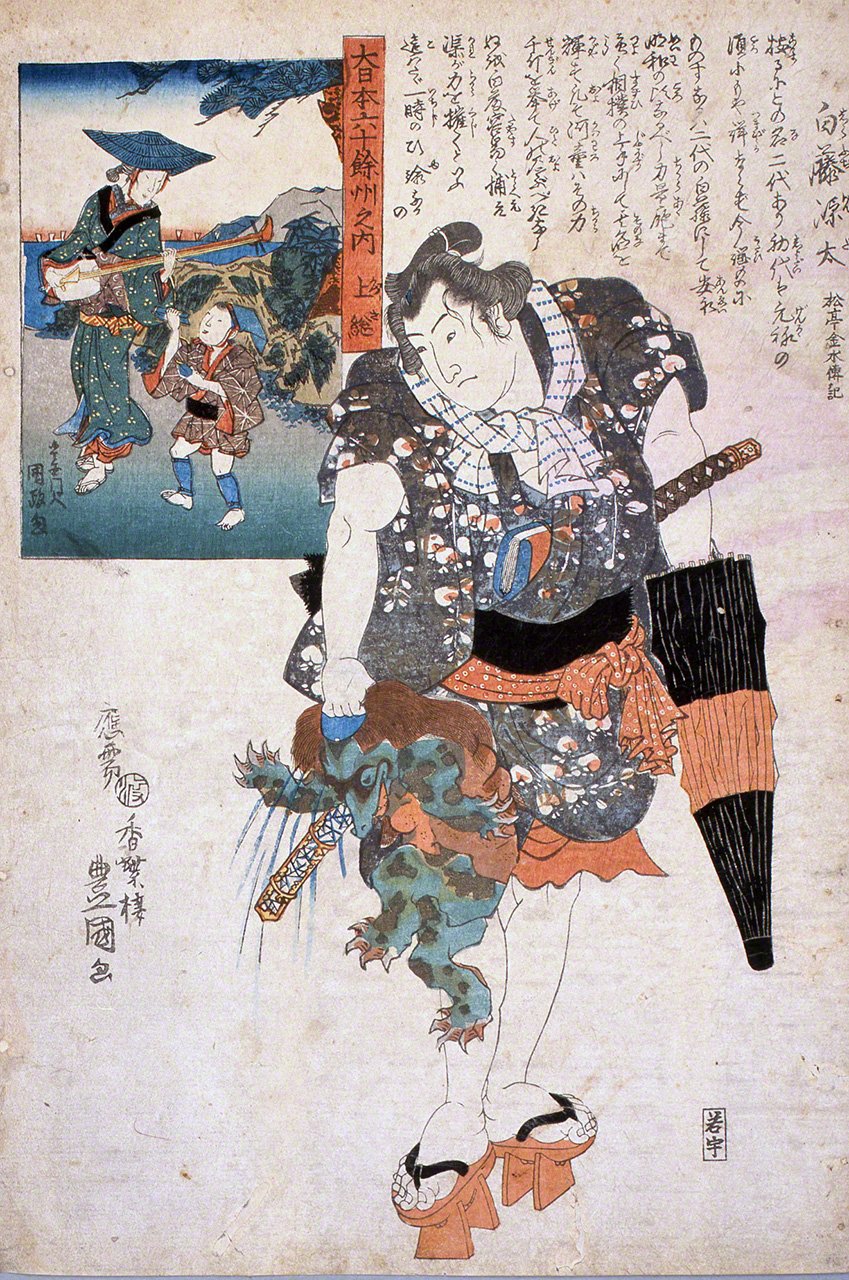
Utagawa Toyokuni, Kazusa: Shirafuji Genta from the Dai Nippon rokujūgoshū no uchi (Sixty-Odd Provinces of Japan) series, 1843–47. The legendary Edo-period sumō wrestler Shirafuji Genta captures a kappa. (Courtesy Kagawa Masanobu)
-
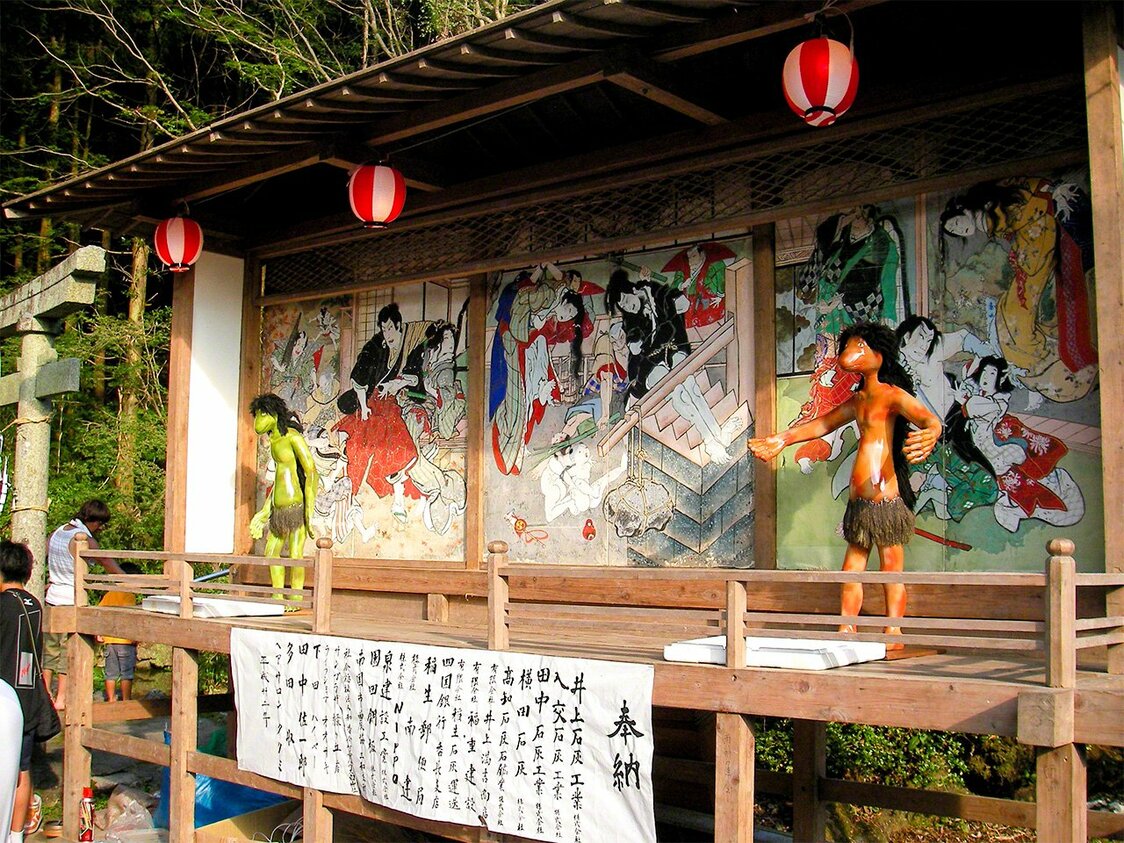
Kahaku Shrine in Nankoku, Kōchi Prefecture, has a kappa festival each year, based on the story of a kappa saved by the head priest of the shrine after it was caught trying to pull a horse into the river. It promised not to drown the people of the village in the future and became celebrated as a kami. (© Kagawa Masanobu)


 Read in other languages