-
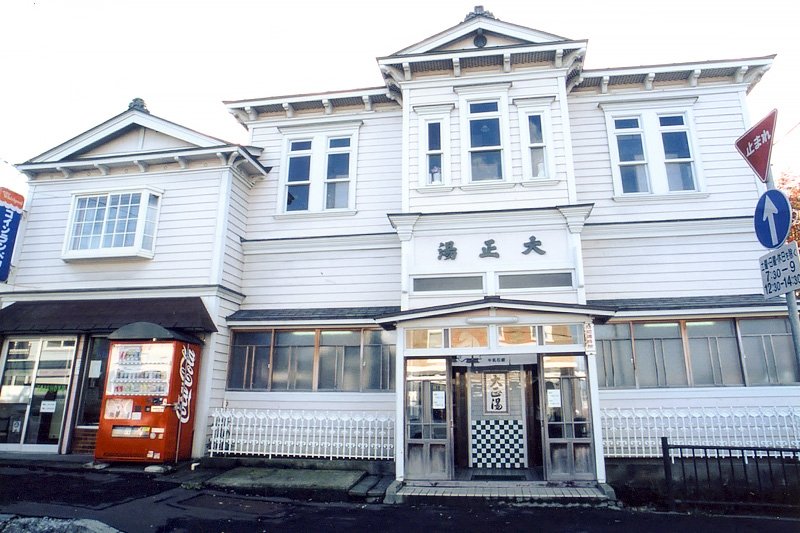
The light pink exterior of Taishōyu gives the bathhouse a stylish appearance.
-
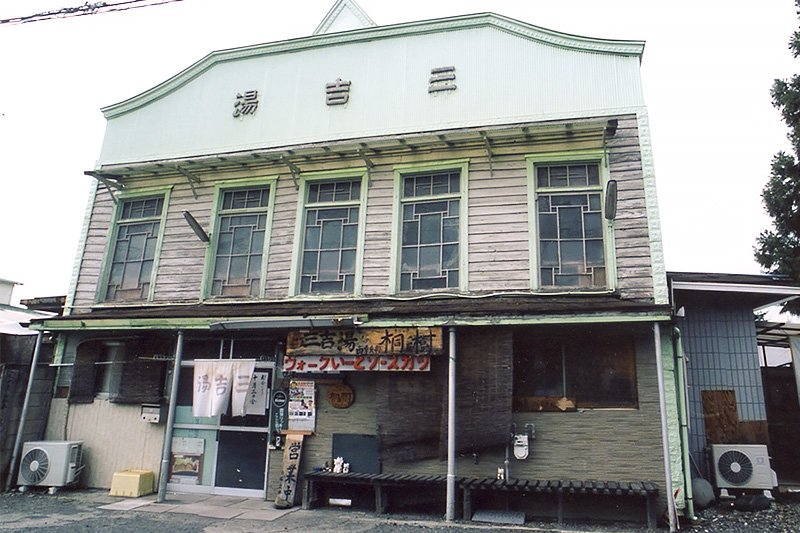
Miyoshiyu is popular among locals as a place to bathe and enjoy a light meal.
-
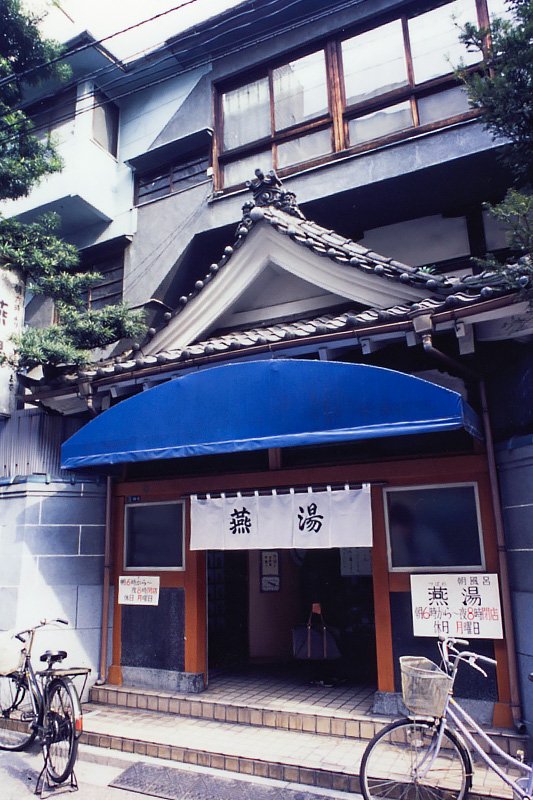
Tsubameyu has been opening its doors to morning bathers for more than a century.
-
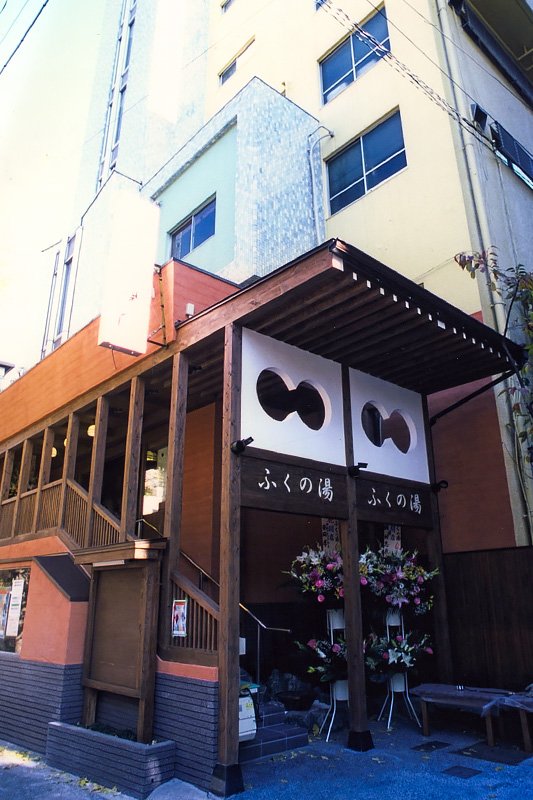
Following renovations in 2011, Fukunoyu was reborn as a fashionable sentō that attracts locals as well as young couples.
-
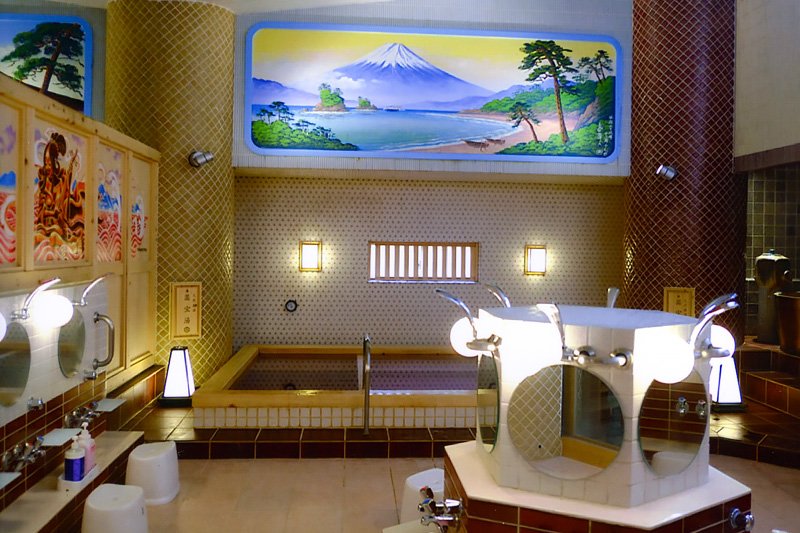
The bathhouse blends Western and Japanese design styles and boasts two distinct landscapes of Mount Fuji.
-
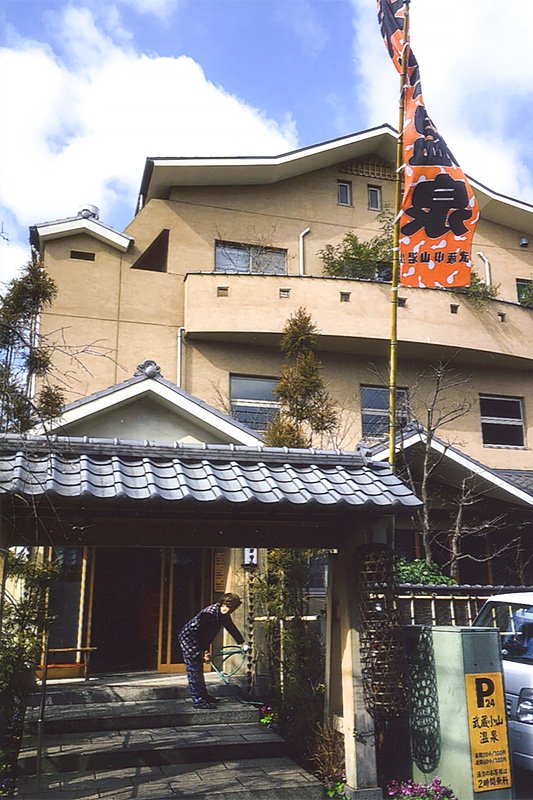
The traditional kidomon gate lends Shimizuyu a distinct Japanese air.
-
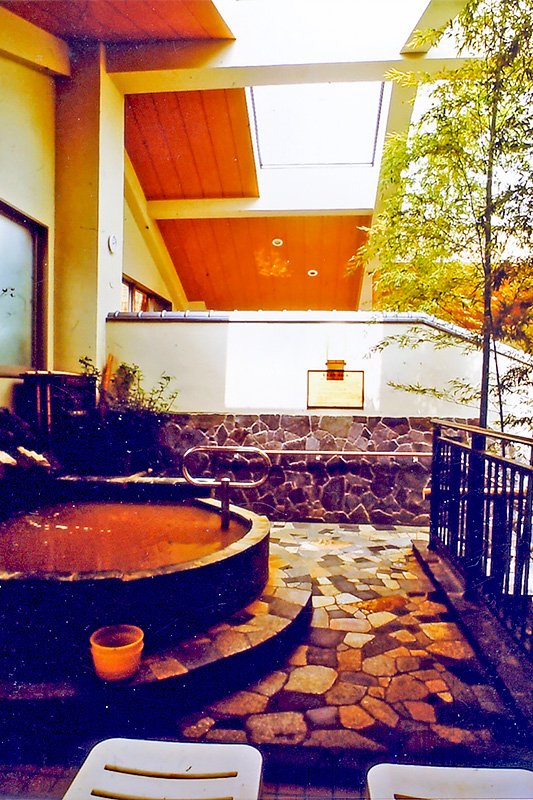
Patrons of Shimizuyu have a variety of soaking options, including an open air bath.
-
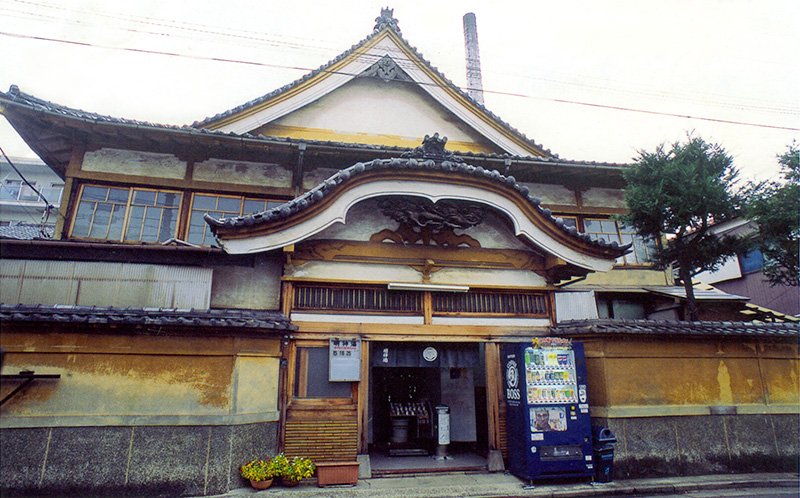
Myōjin’yu retains the curved gables that were a standard feature of sentō built in the early postwar period.
-
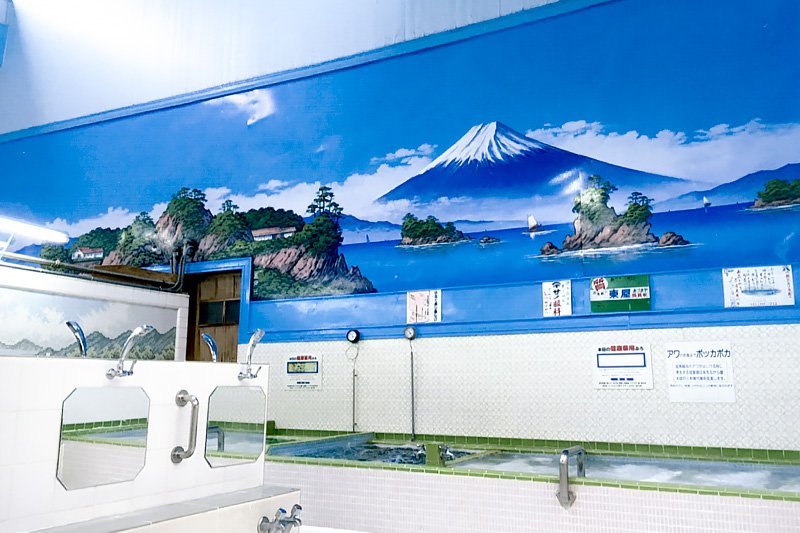
A mural of Mount Fuji painted by Maruyama Kiyoto overlooks the bathing area.
-
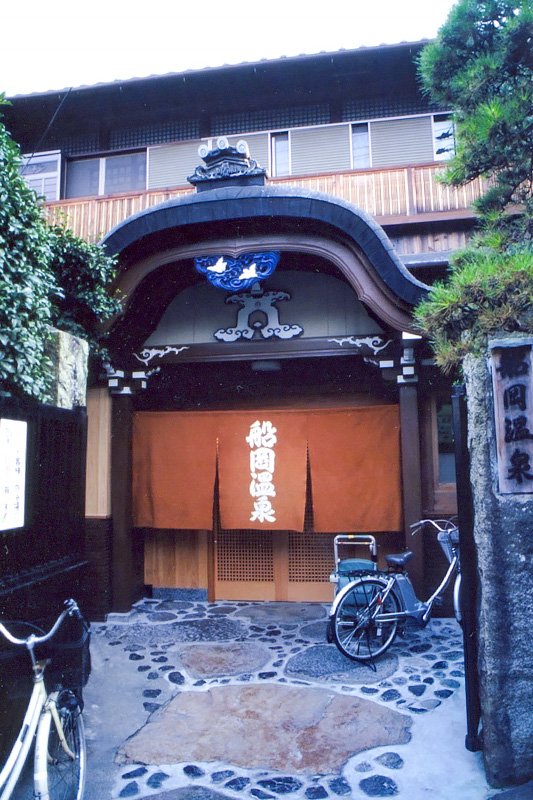
In 2003 Funaoka Onsen became the first sentō in Kyoto to be recognized as an important tangible cultural property.
-
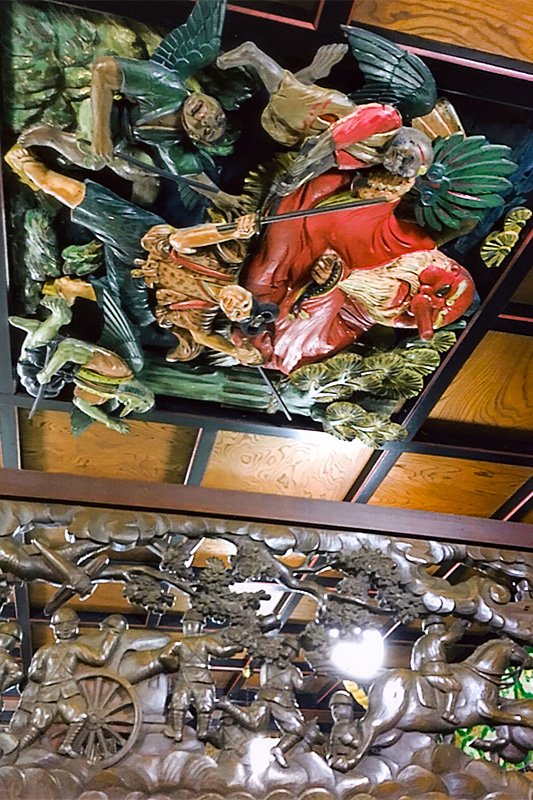
The changing rooms are ornamented by large carvings on the ceiling and openwork screens.
-
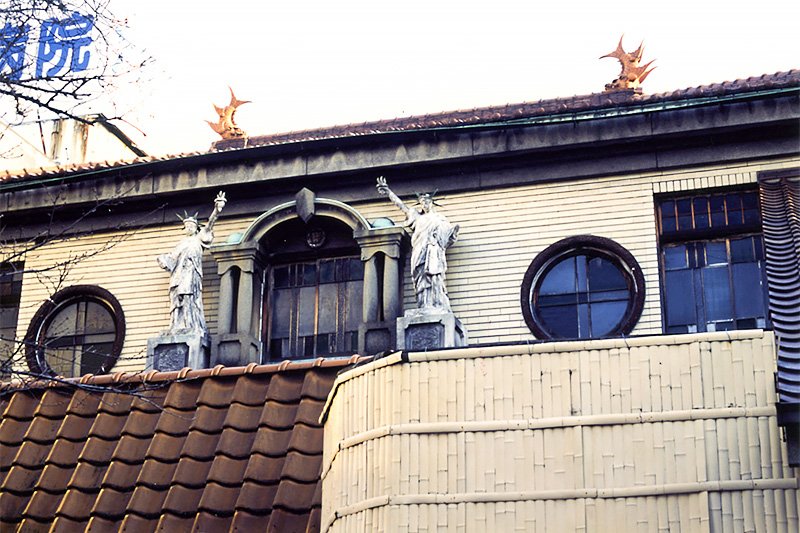
During World War II Japanese military police attempted to remove the duplicates of the Statue of Liberty but abandoned the plan as the figures were set too firmly in place.
-
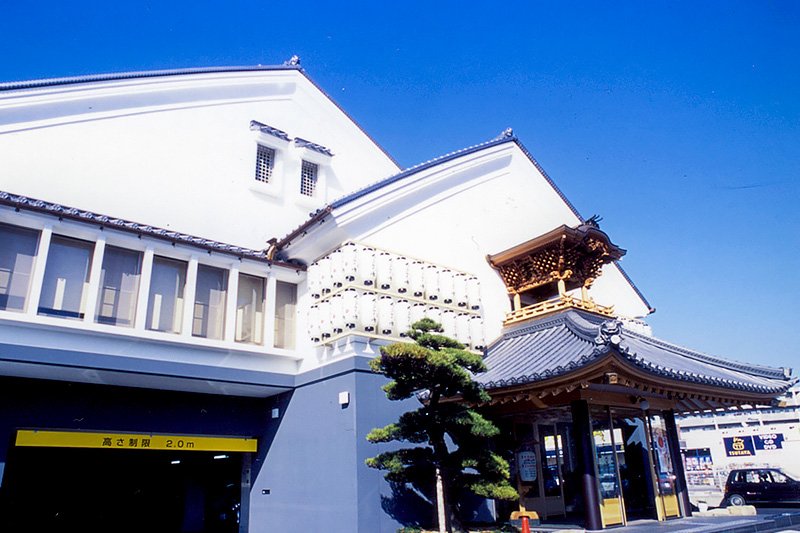
The entrance of Danjiriyu is as bold as the sentō’s namesake festival.
-
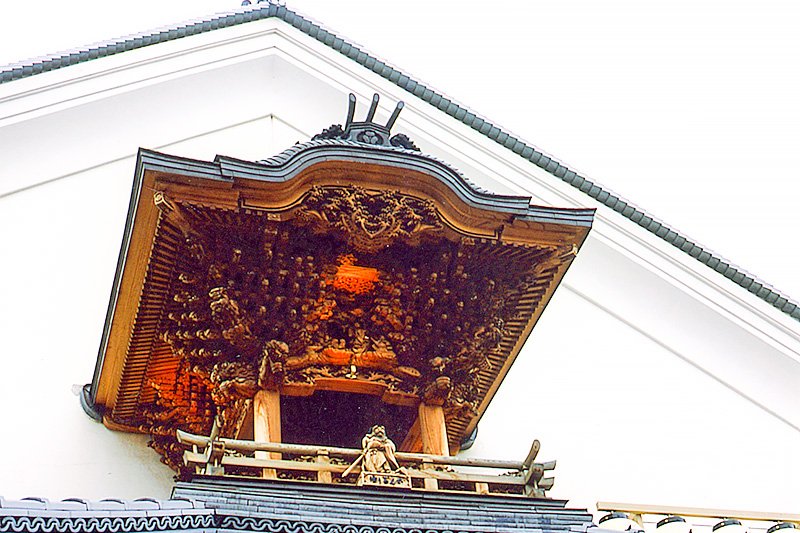
A close-up look shows the elaborate craftsmanship that is the hallmark of danjiri floats.
-
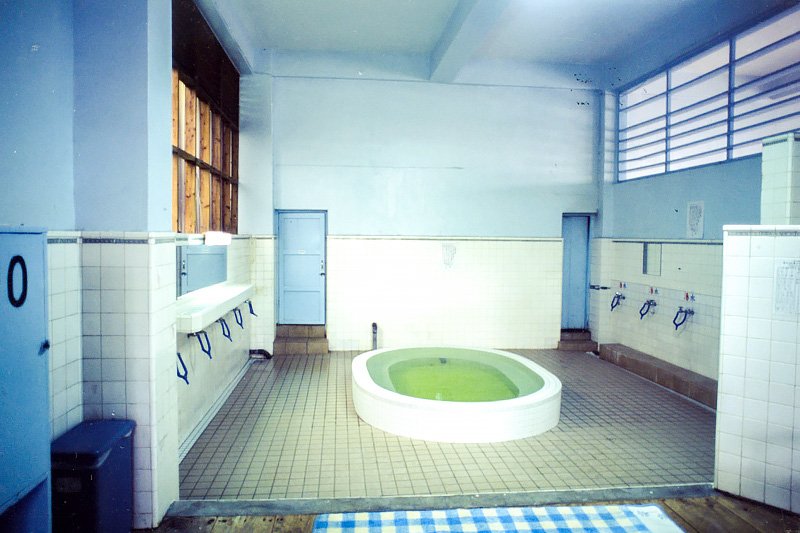
The bathing area sports a single oval tub.


 Read in other languages