-
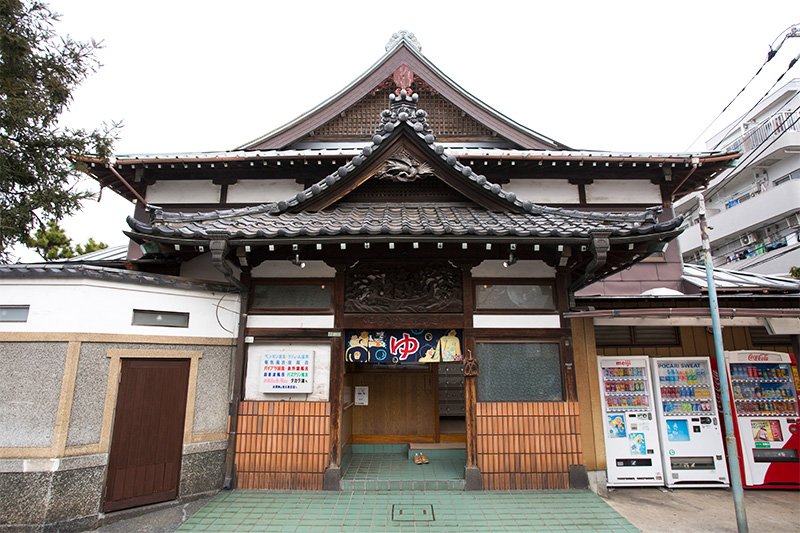
The distinctive curved gables of bathhouses in the Tokyo area.
-
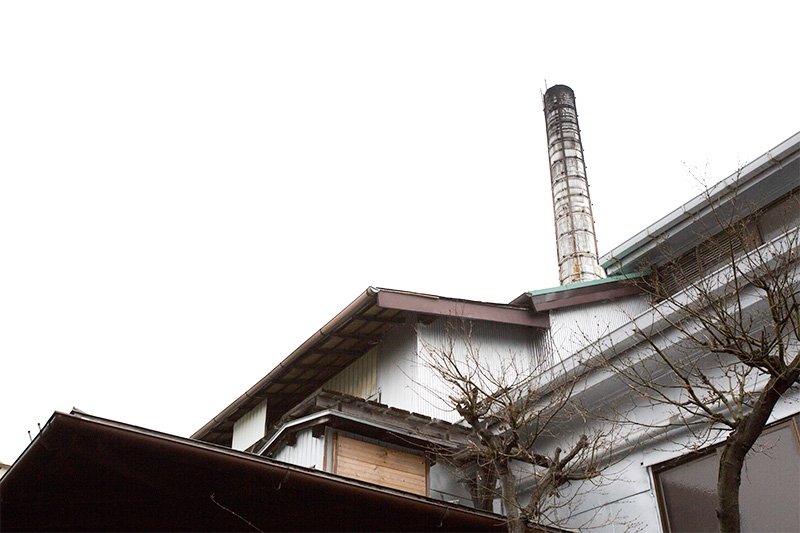
Bathhouse chimneys were traditionally required by regulation to be 75 shaku, or 23 meters, high; many still are to this day.
-
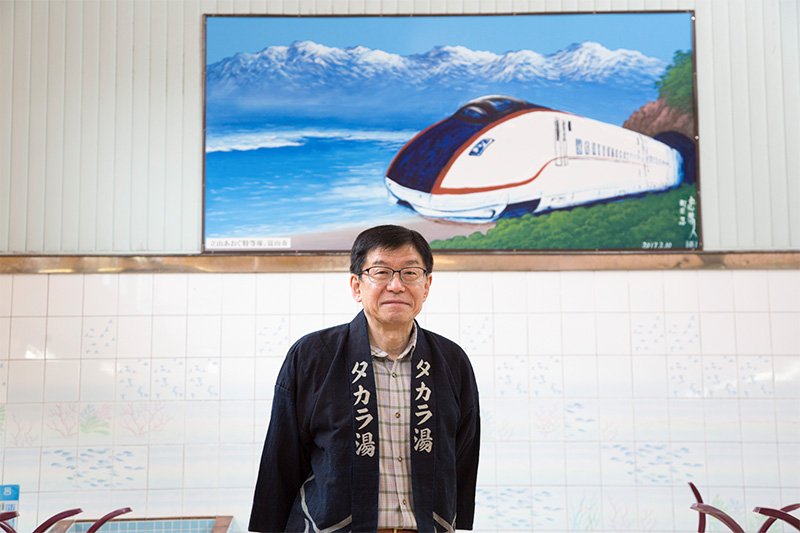
Matsumoto says he found his hanten coat with the bathhouse’s name (タカラ湯) in an old tea chest.
-
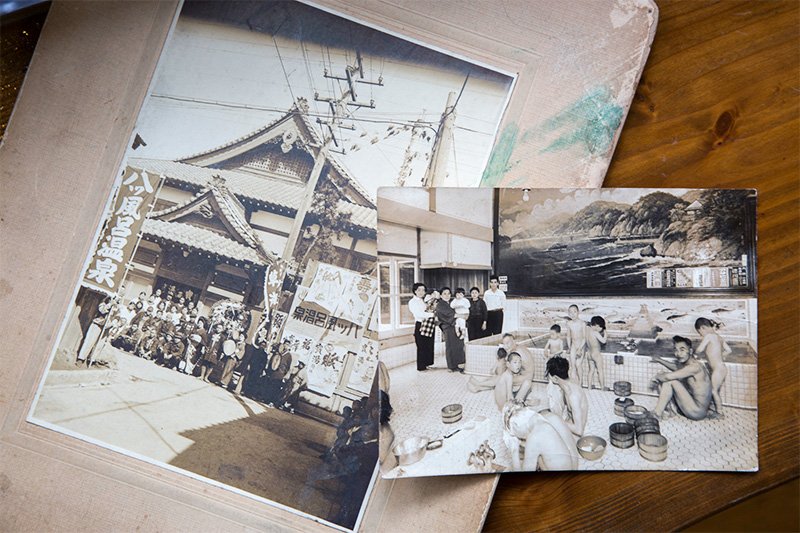
Photographs of the bathhouse in 1938.
-
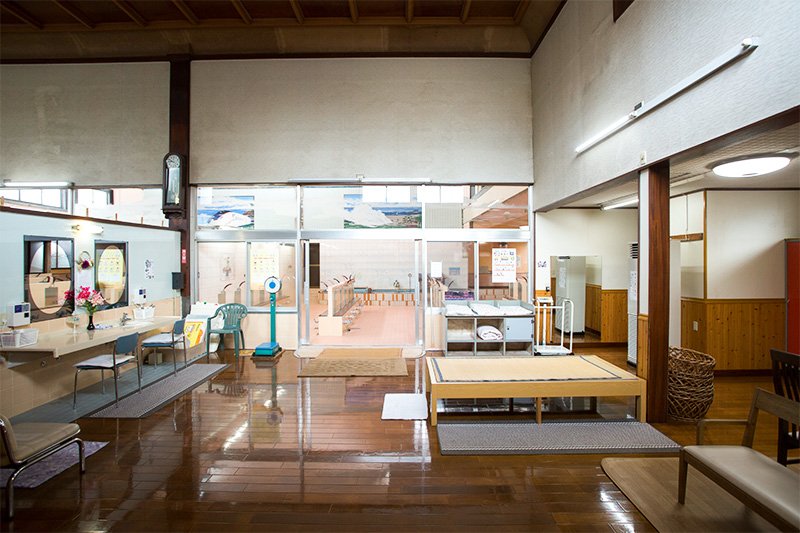
A spacious, high-ceilinged changing room. The women’s room includes a baby bed.
-
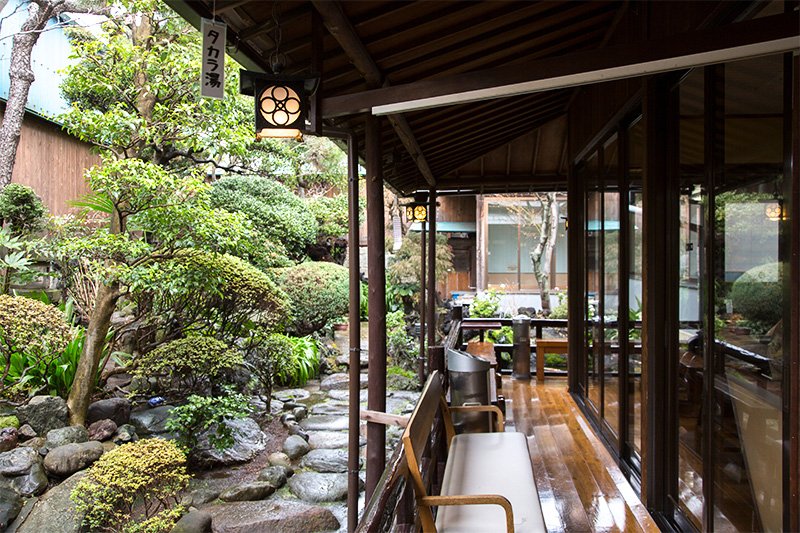
The veranda beside the men’s changing room.
-
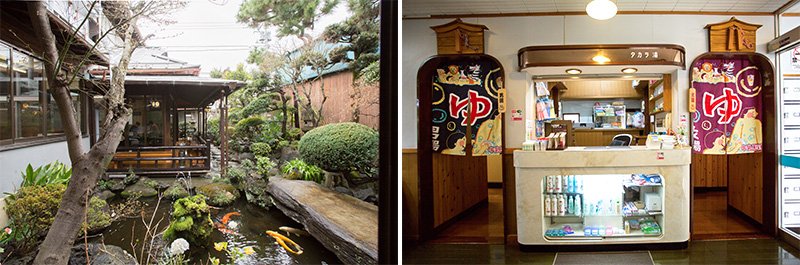
The bathhouse garden (left) offers a perfect place to relax. At the entrance, men enter through the left noren curtain and women through the right.
-
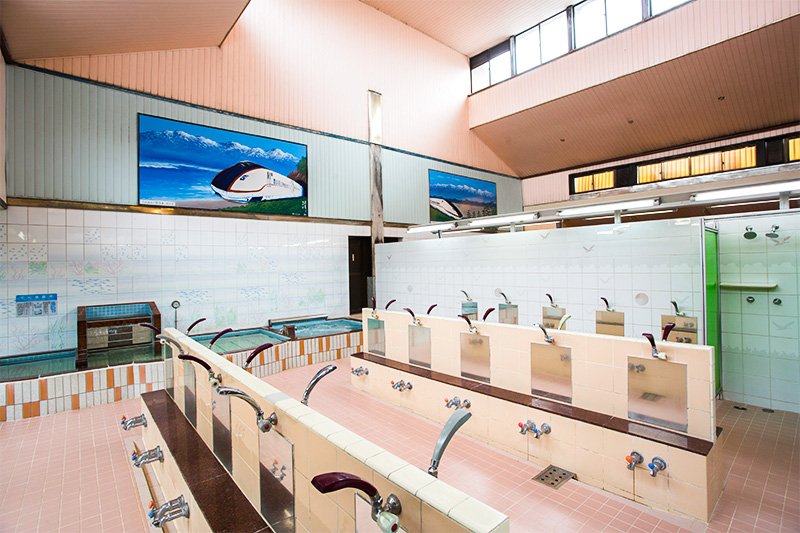
High windows let out steam.
-
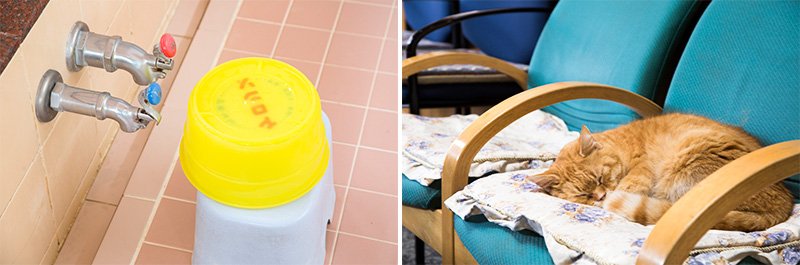
Yellow basins marked ケロリン (Kerorin), advertising a brand of aspirin, are commonly associated with bathhouses. At right, sentō mascot Bobby the cat takes a nap.
-
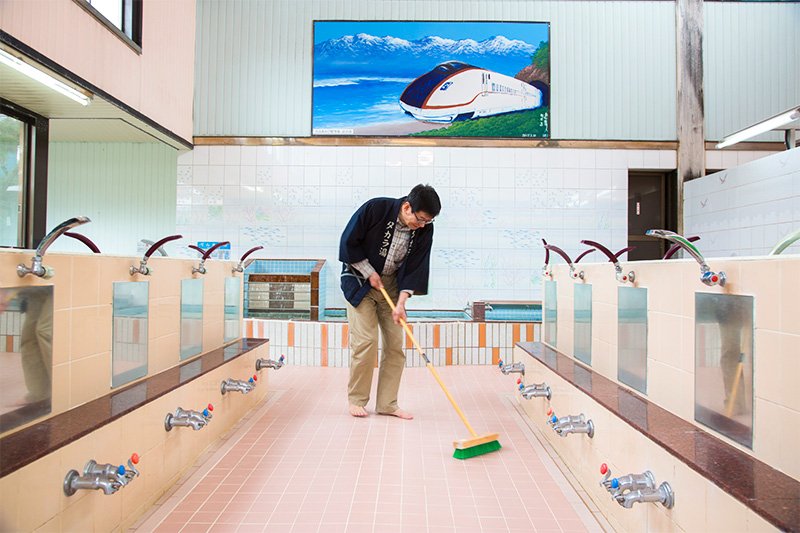
Keeping the baths spick-and-span.
-
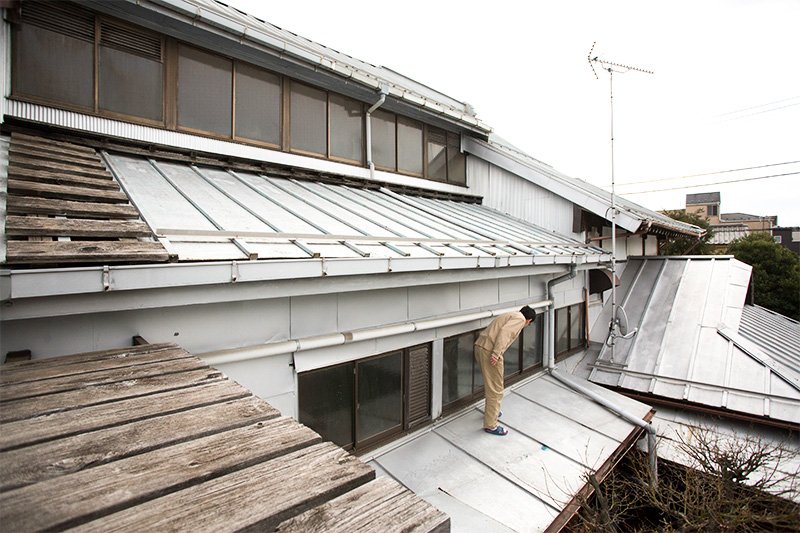
Outside the steam windows.
-
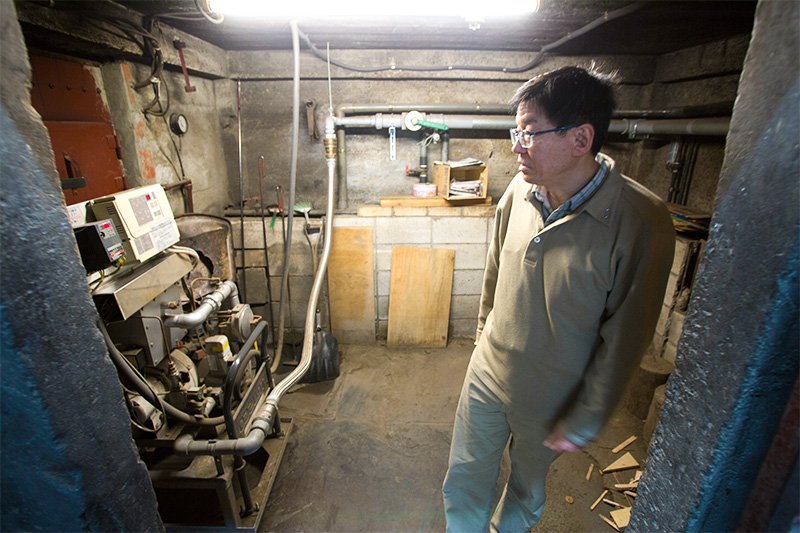
Gas power can be used instead of firewood.
-
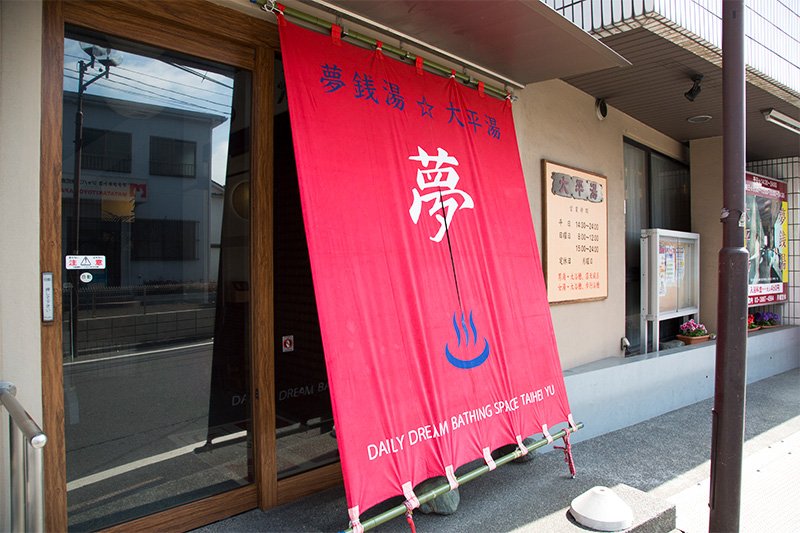
The Taiheiyu noren curtain with the kanji 夢 (yume; dream).
-
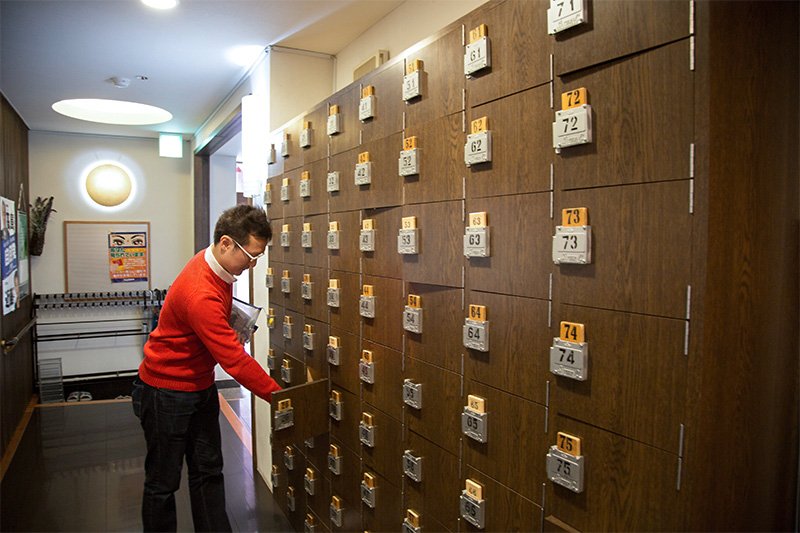
Store your shoes in the getabako lockers at the entrance.
-
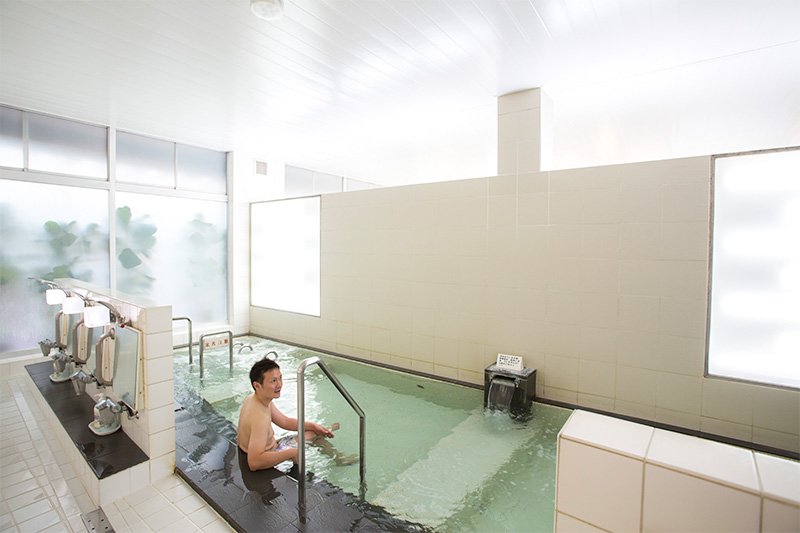
Light contributes to a feeling of open space.
-
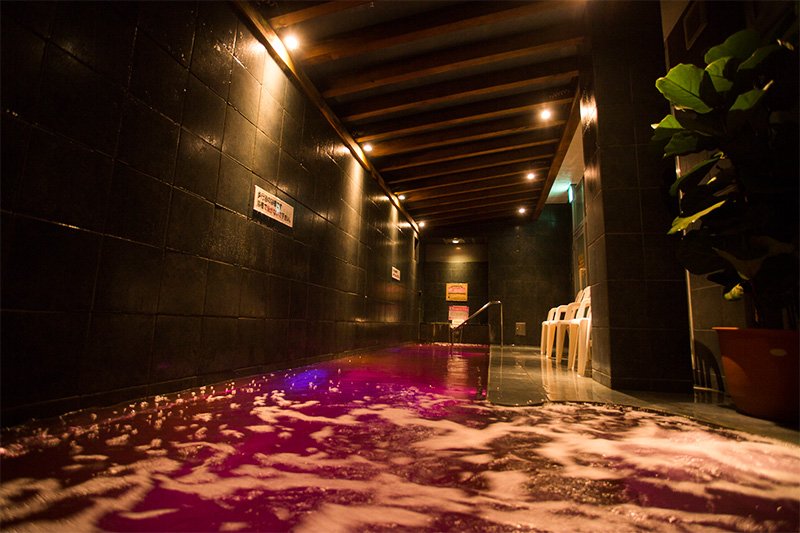
The women’s water-filled walkway at night. The men’s side has an outdoor bath.
-
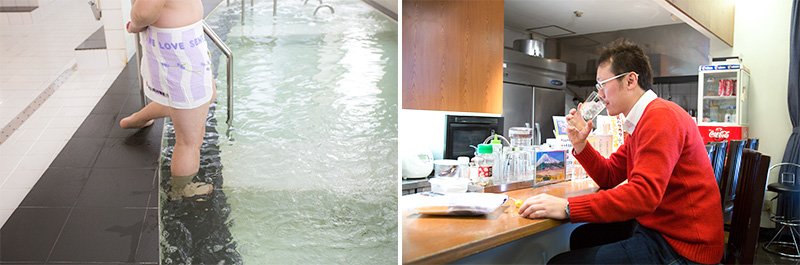
It’s an easy step down into the water; outside the bathing area, the counter provides a spot to get a bite to eat or a drink.
-
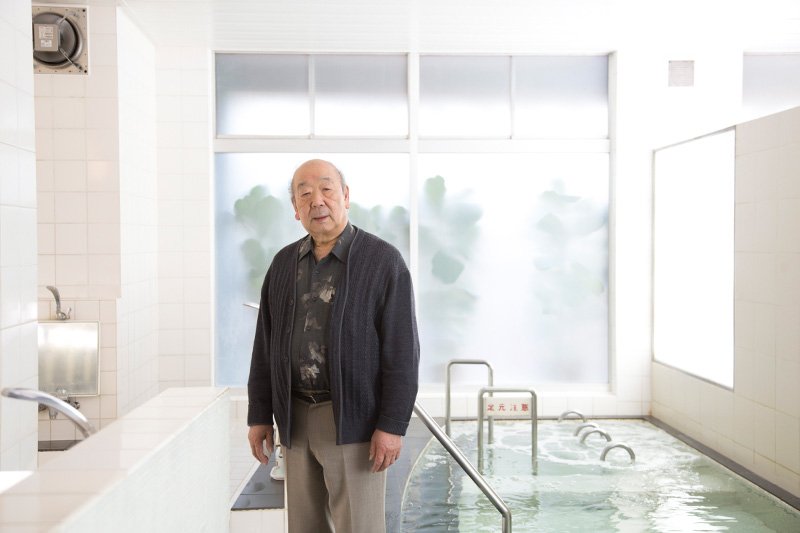
Yoshida in the Taiheiyu bathroom.


 Read in other languages