-
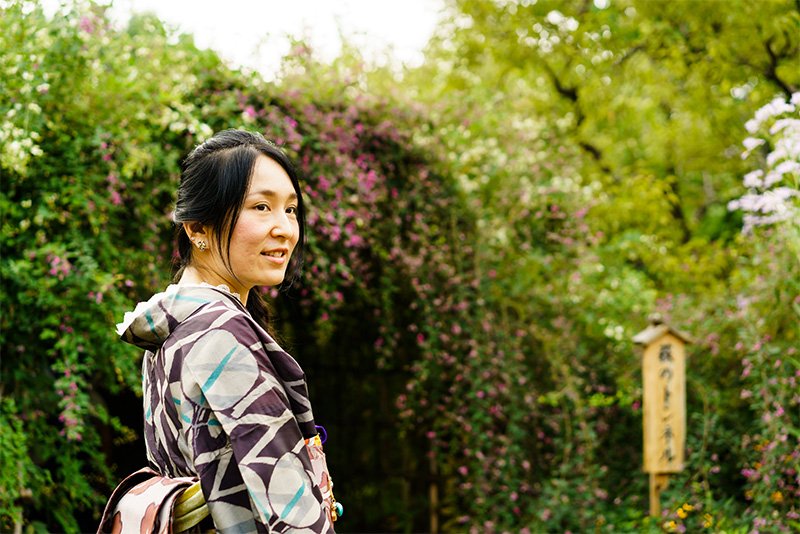
A kimono-clad visitor matches the ambience of autumnal hagi.
-
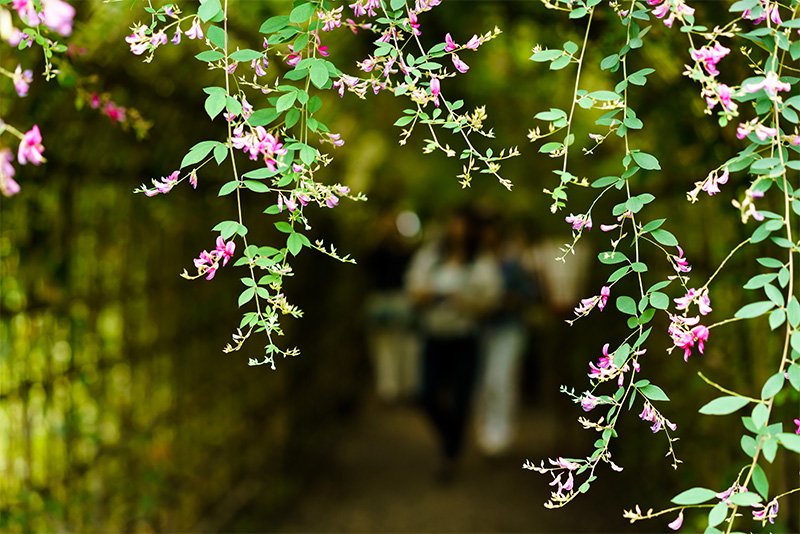
The entrance to the hagi tunnel.
-
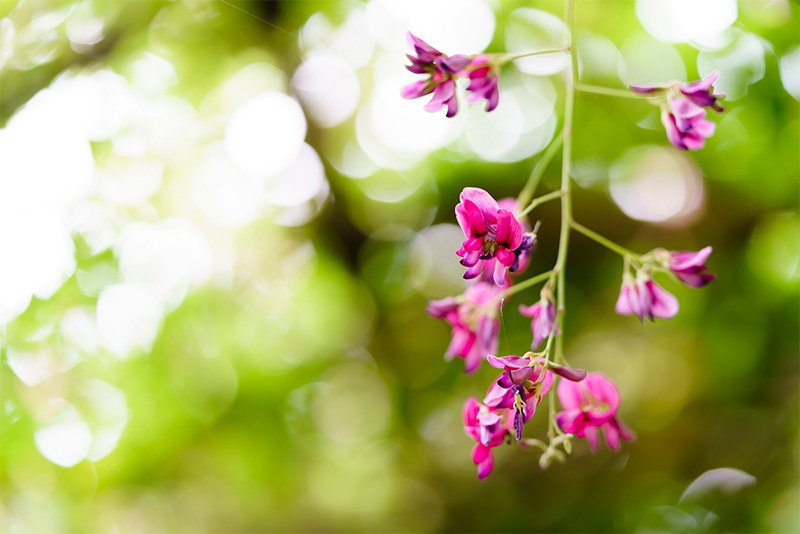
Part of the flower’s appeal is its multiple cascading blooms.
-
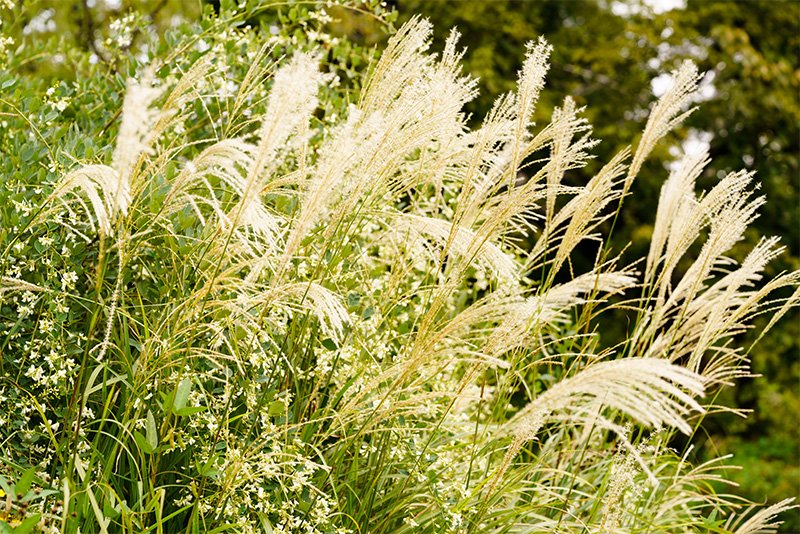
Susuki, or Japanese pampas grass, is also called “tail flower” in Japanese, by virtue of its similarity to a horse’s tail.
-
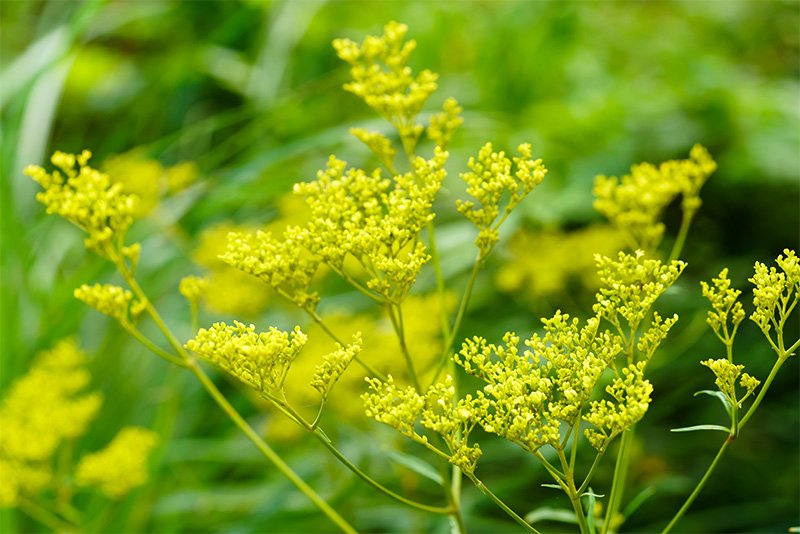
Ominaeshi, patrinia or golden lace, is written with the characters for “courtesan flower” in Japanese, as it was considered so beautiful it astonished beauties themselves.
-
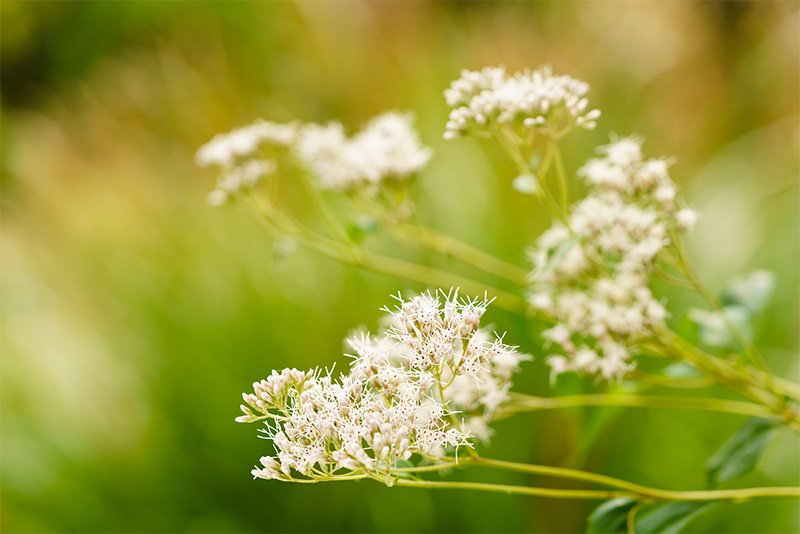
The small flowers of the fujibakama, or thoroughwort, are said to resemble the shape of a hakama, or traditional divided skirt.
-
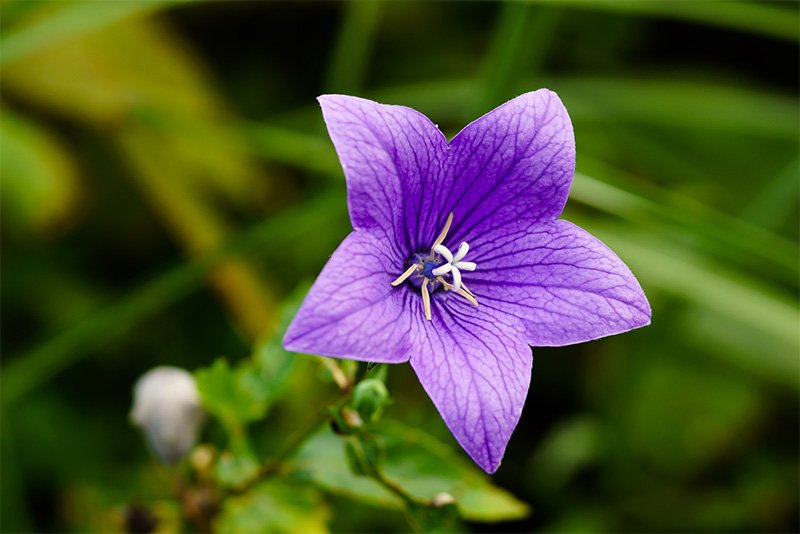
Asagao, the bellflower, is not to be confused with the more common asagao, which means morning glory.
-
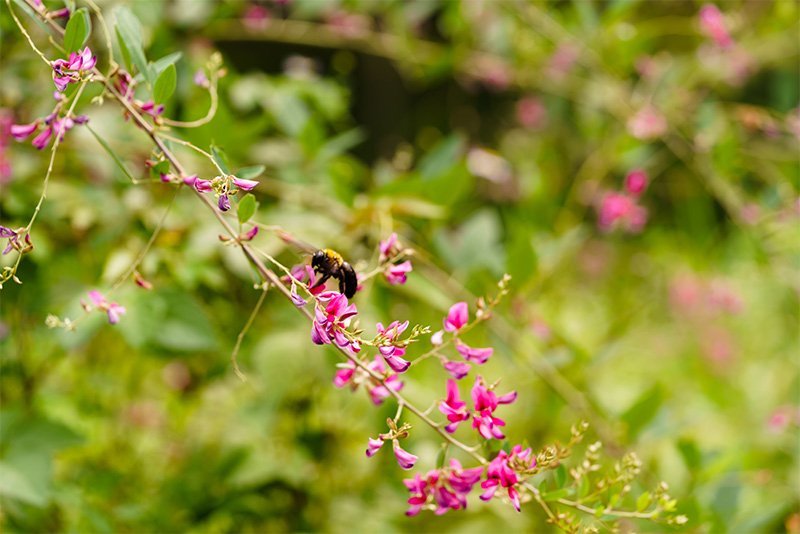
Bees are said to collect hagi nectar before hibernating for the winter.
-
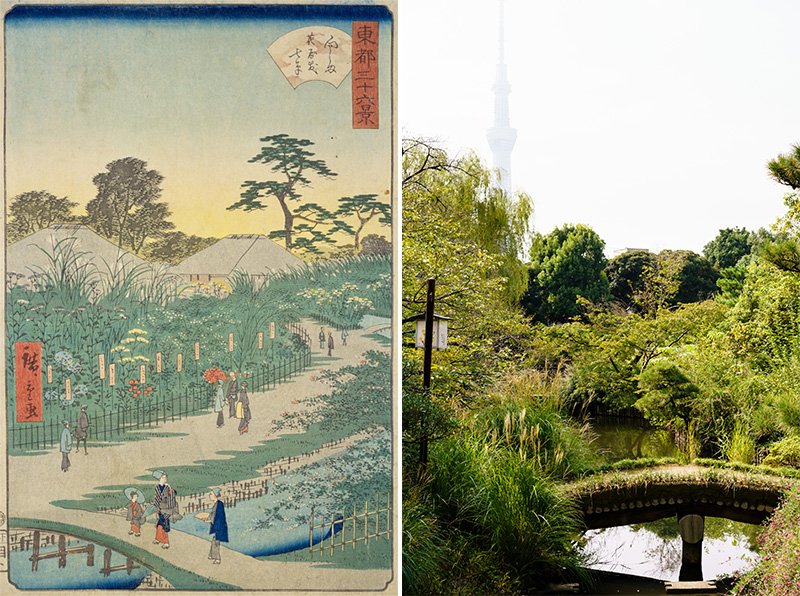
Seven Flowers of Autumn from Thirty-six Views of Edo by Utagawa Hiroshige II (1826–69).Enjoy the contrast of a grassy, earthen bridge and pond in Hyakkaen in the foreground with Tokyo Skytree towering behind.(right)
-
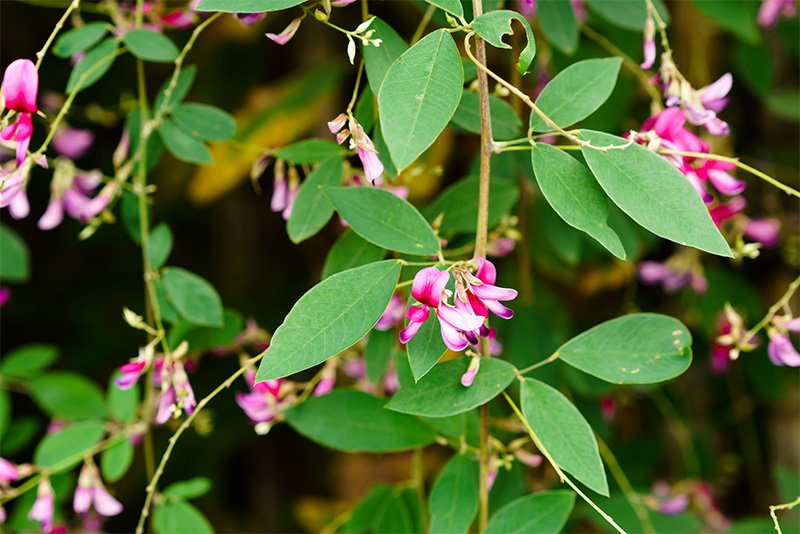
The Miyaginohagi is distinguished by its pointed leaves and its large, crimson-purple flowers. It is one of the varieties planted in the hagi tunnel.
-
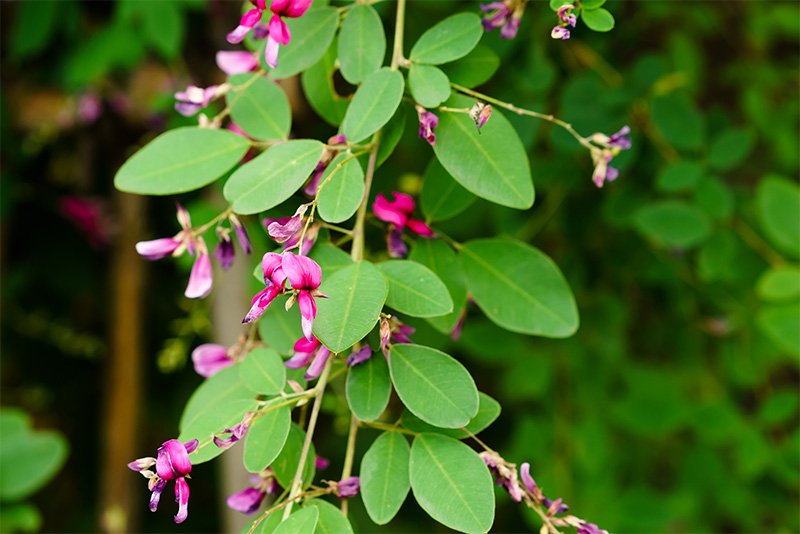
Yamahagi has more rounded leaves than the Miyaginohagi. Although found all over Japan, it and the Miyaginohagi are the most likely to be seen in the Tokyo area. It is the other variety in the tunnel.
-
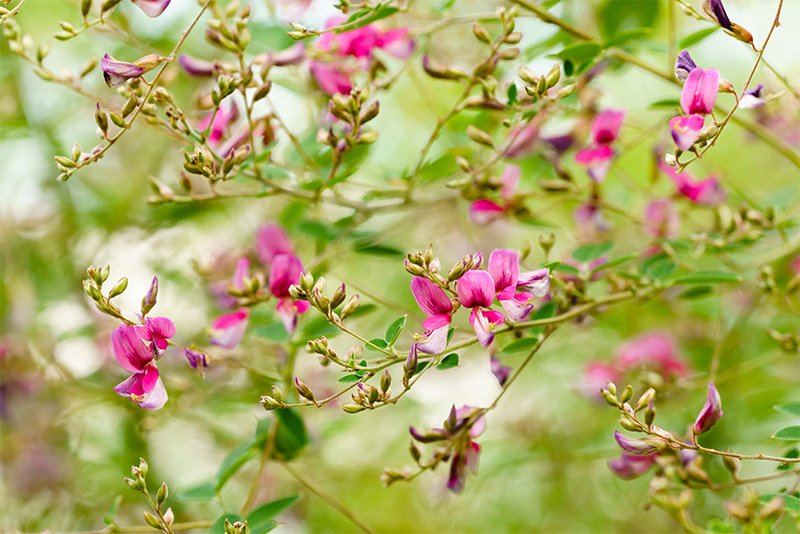
The Edoshibori hagi has a beautiful flower with a purple tie-dyed pattern on a white ground. It is a non-weeping variety.
-
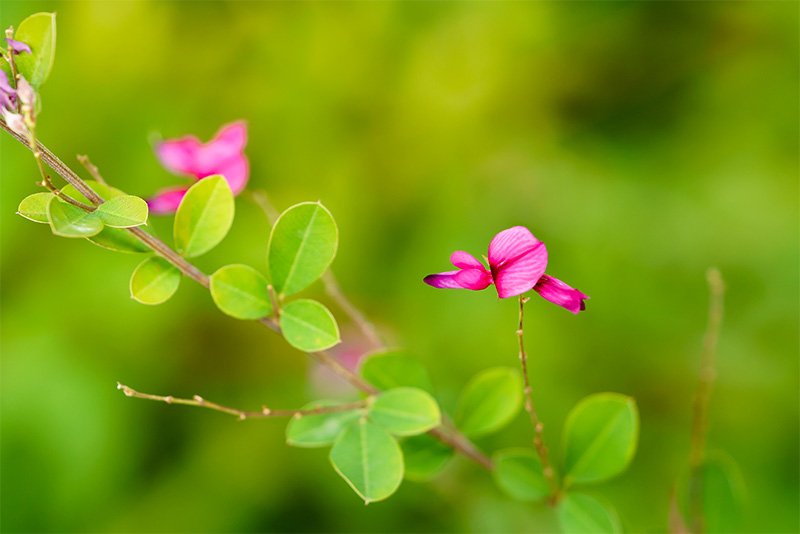
The kehagi has the largest flower of all wild hagi varieties. It is similar to the Miyaginohagi but with more rounded leaves.
-
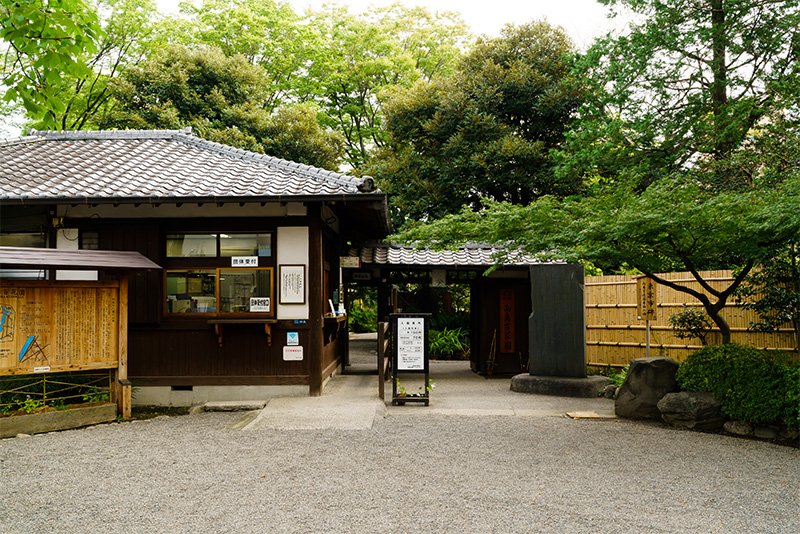
The entrance to Mukōjima Hyakkaen Garden. The reception building at left is an impressive wooden structure.


 Read in other languages