-
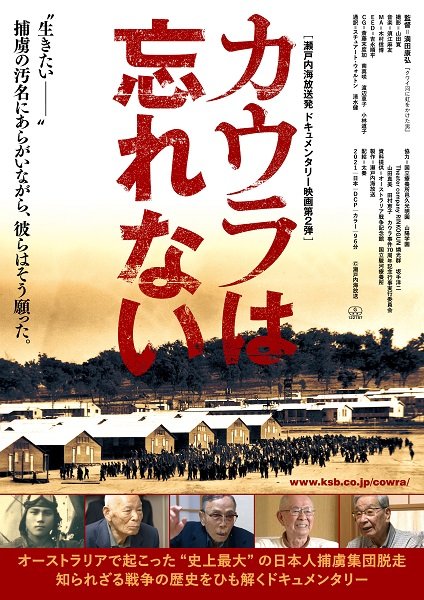
© Setonaikai Broadcasting Corporation
-
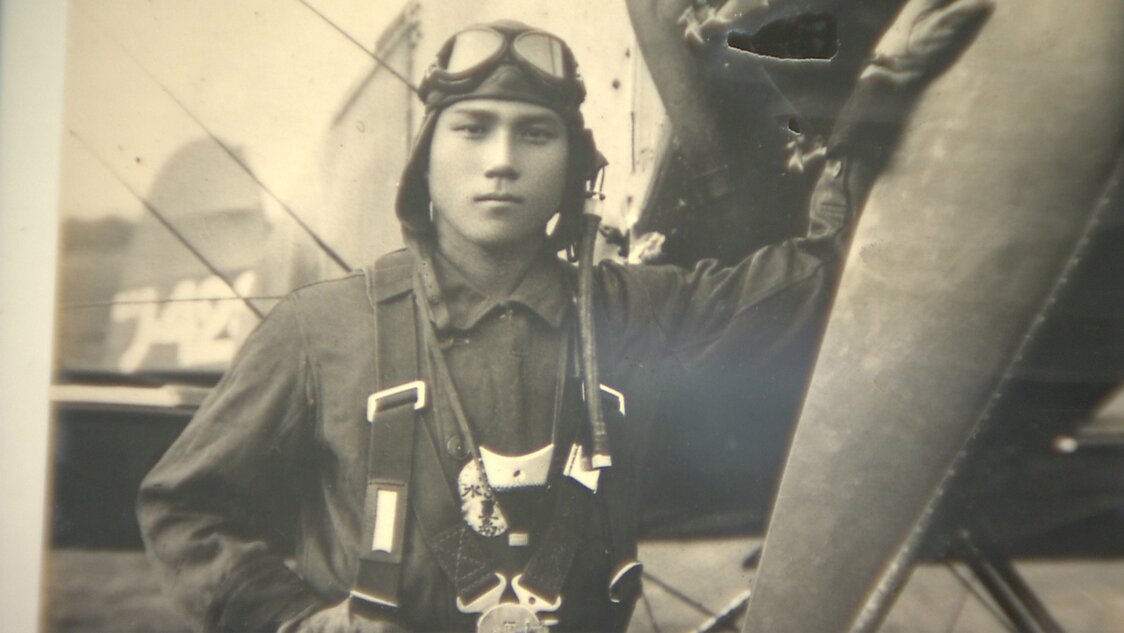
Toyoshima Hajime (1920–44), third-class flight officer (final, posthumous rank). (© Setonaikai Broadcasting Corporation)
-
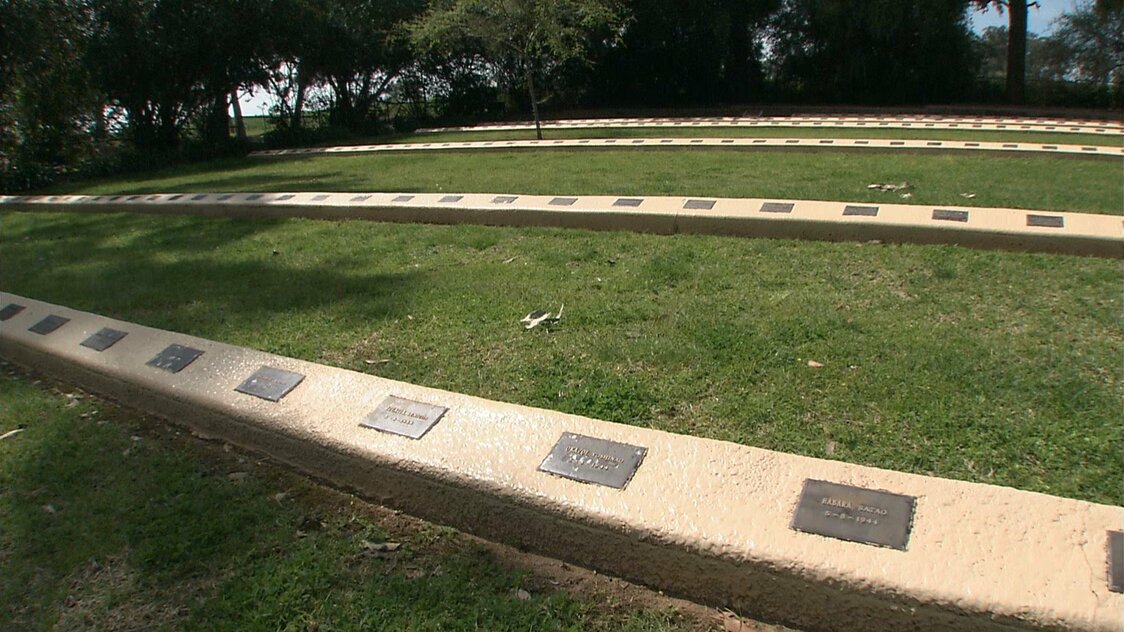
Cowra’s Japanese War Cemetery: the resting place of POWs and other Japanese detainees, together with fallen pilots. (© Setonaikai Broadcasting Corporation)
-
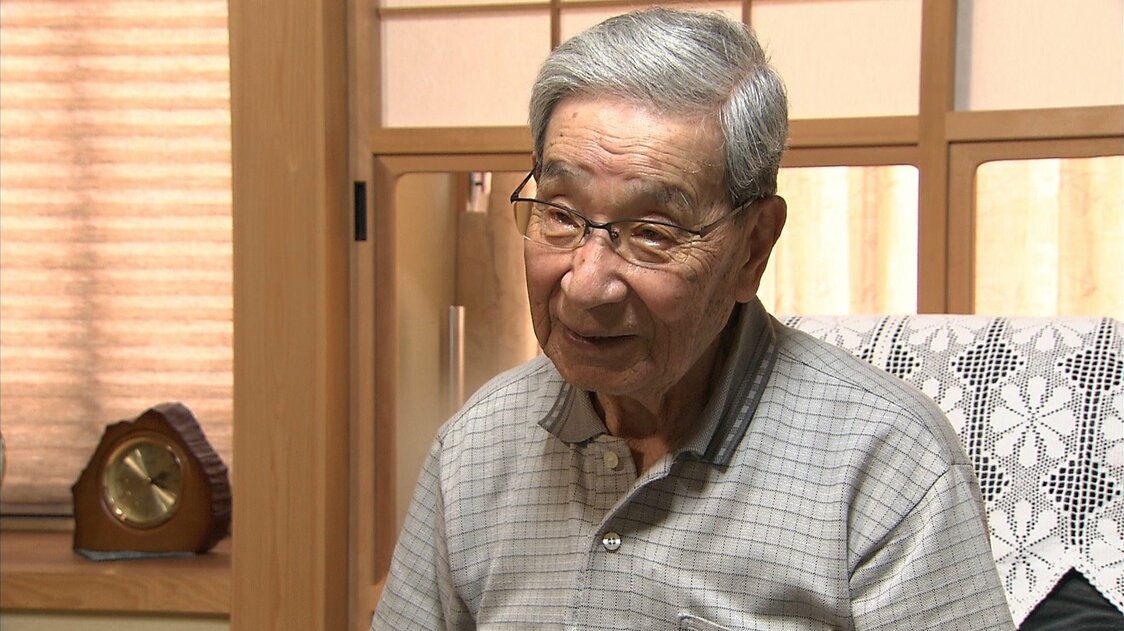
Former army corporal Yamada Masayoshi (1919–2014). (© Setonaikai Broadcasting Corporation)
-
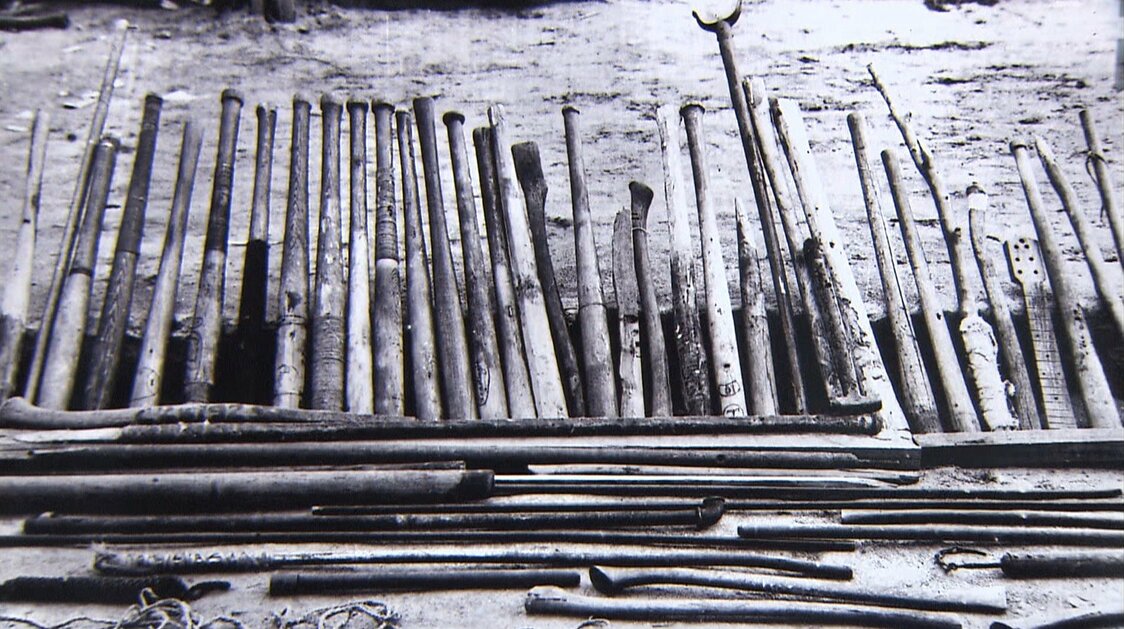
Baseball bats made by the prisoners. In the uprising, they wielded these against guards, who were armed with machine guns. (© Setonaikai Broadcasting Corporation)
-
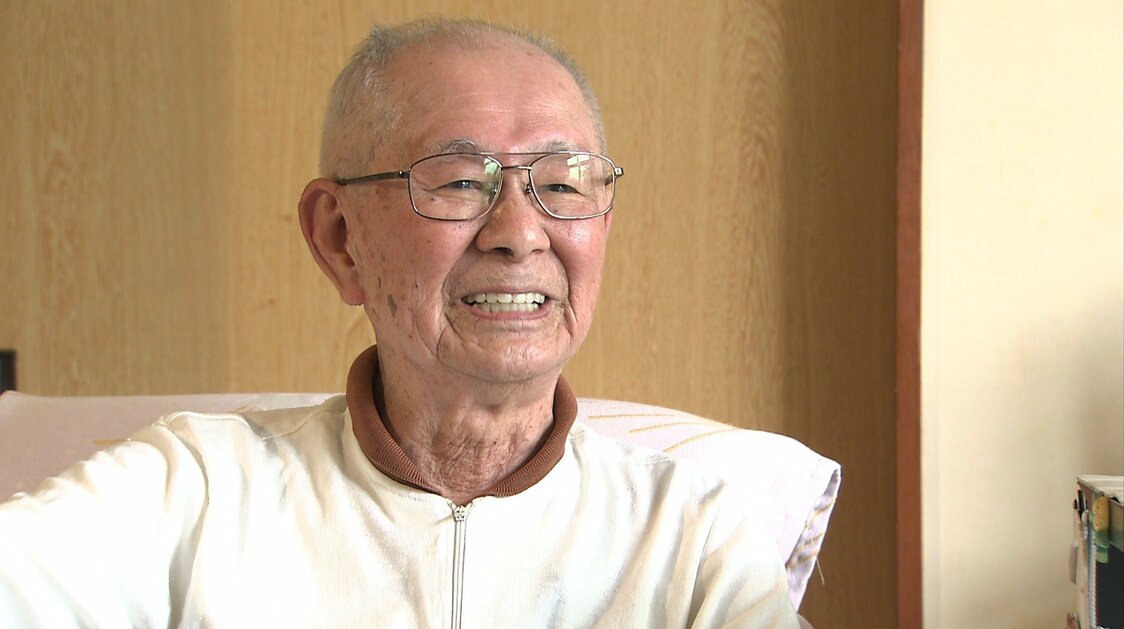
After demobilization, Imai Yūnosuke (1920–2018) worked for many years at the Ministry of International Trade and Industry. (© Setonaikai Broadcasting Corporation)
-
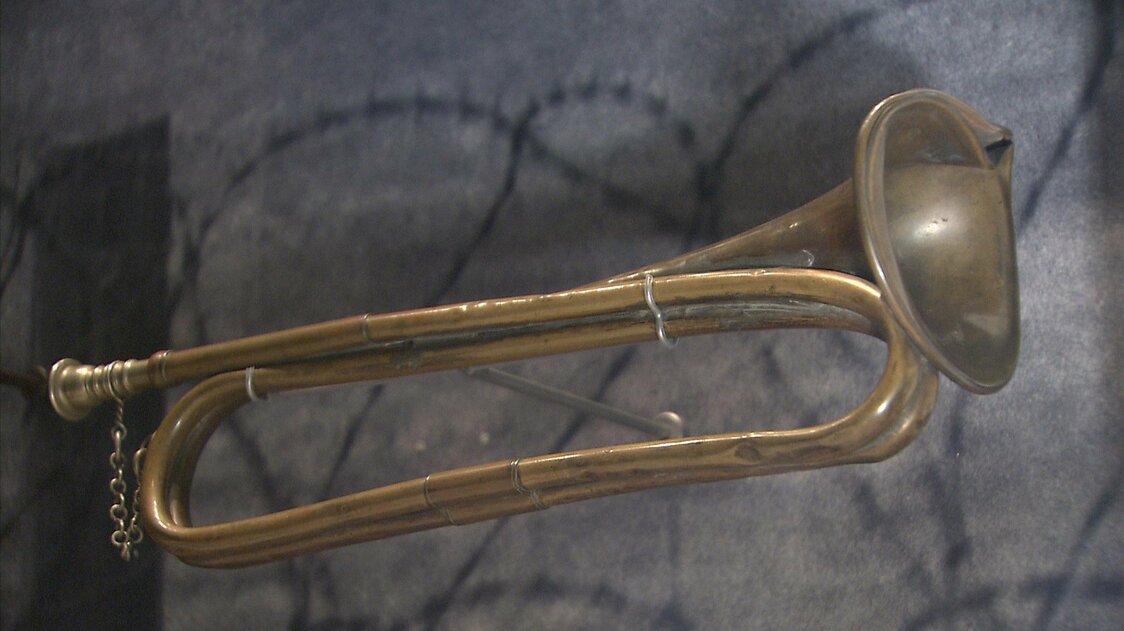
The bugle used by Toyoshima to signal the charge. (© Setonaikai Broadcasting Corporation)
-
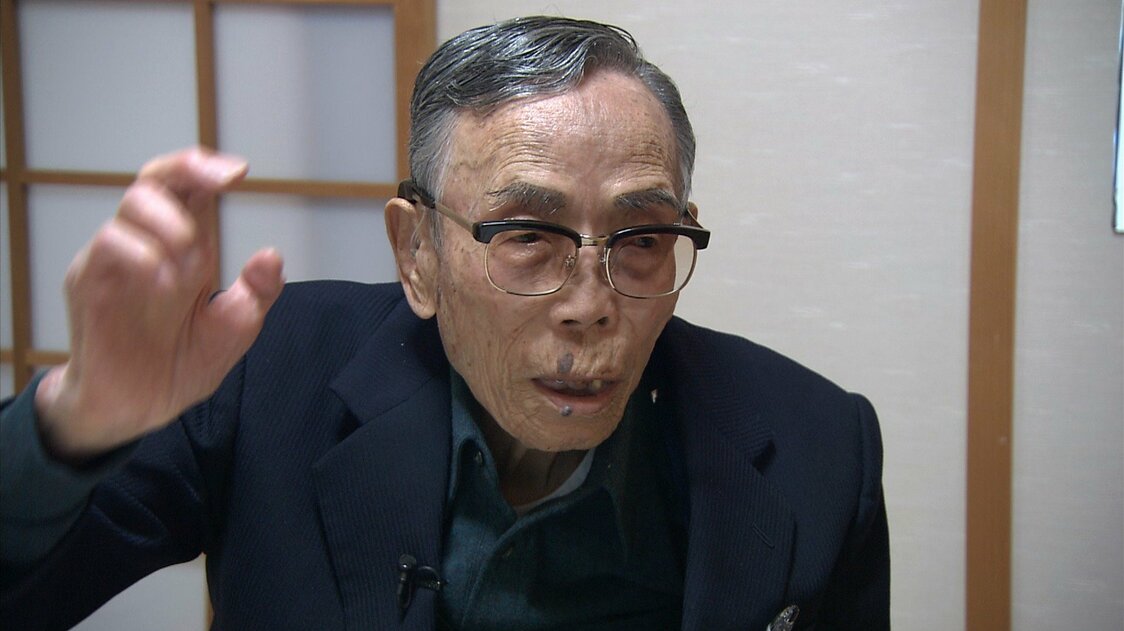
Former army soldier Tachibana Seiichirō (1921–2017). (© Setonaikai Broadcasting Corporation)
-
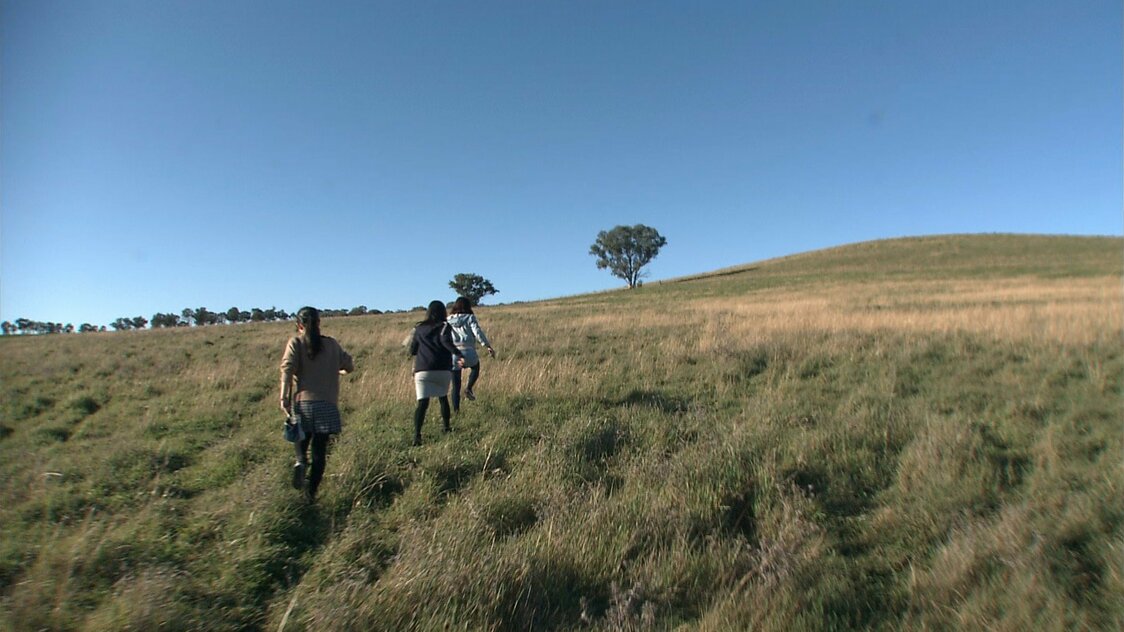
Japanese high school students with the eucalyptus tree that was Tachibana’s sole companion at the camp. (© Setonaikai Broadcasting Corporation)
-
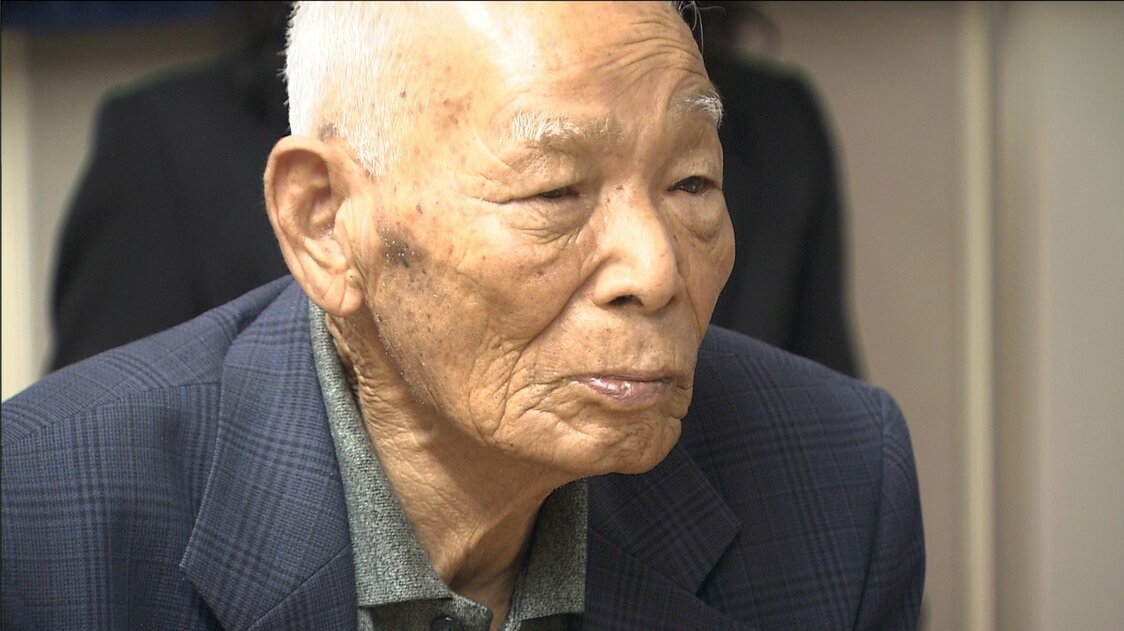
Murakami Teruo, former first class army private (born 1920). He attended the Cowra breakout seventieth and seventy-fifth anniversary events. (© Setonaikai Broadcasting Corporation)
-
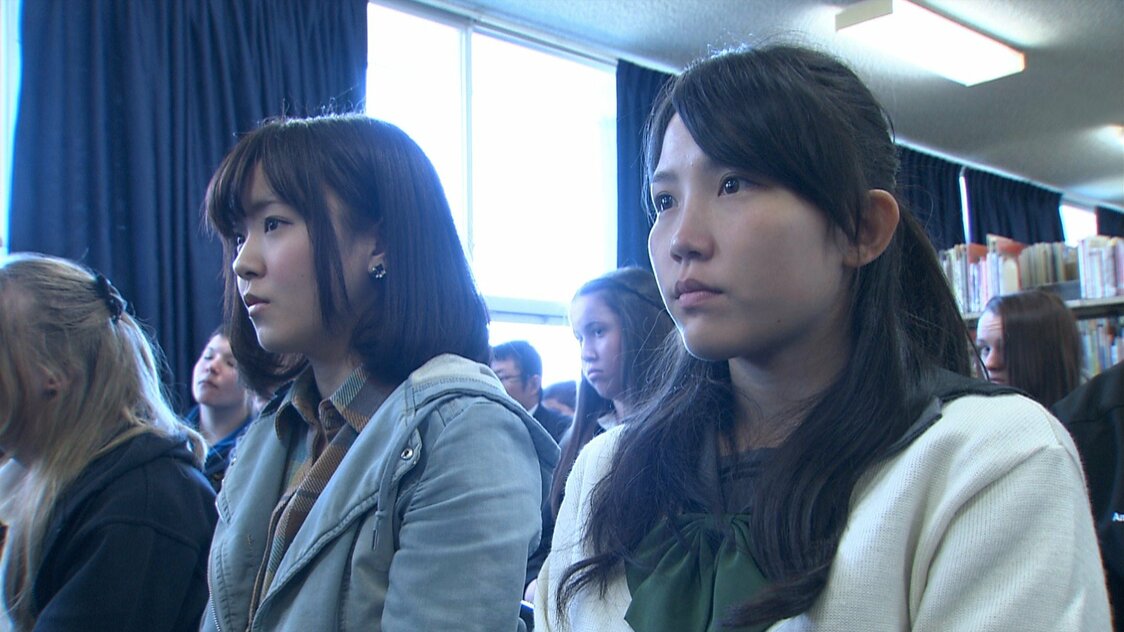
Students and graduates of San’yō Girls’ High School listen as Murakami speaks at the seventieth anniversary event at Cowra High School. (© Setonaikai Broadcasting Corporation)
-

Four Australian guards were killed in the breakout. In 2014 Cowra residents took part in a “lantern walk” to remember the dead and pray for peace. (© Setonaikai Broadcasting Corporation)
-
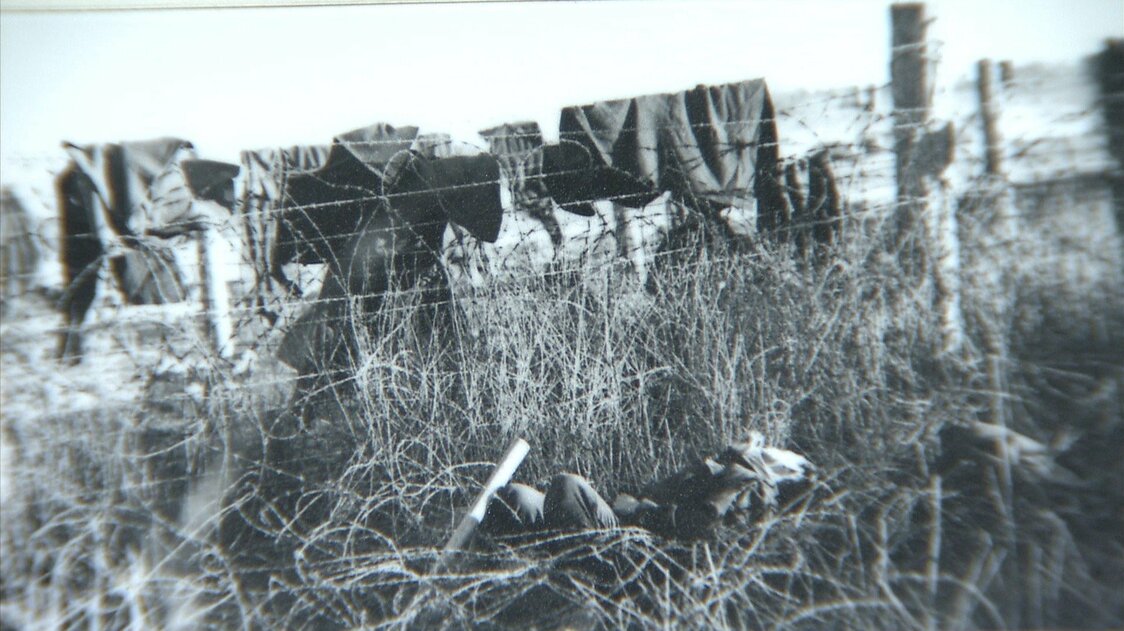
Photo taken at Cowra after the breakout. Prisoners used blankets to scale the barbed wire fencing. (© Setonaikai Broadcasting Corporation)


 Read in other languages