-
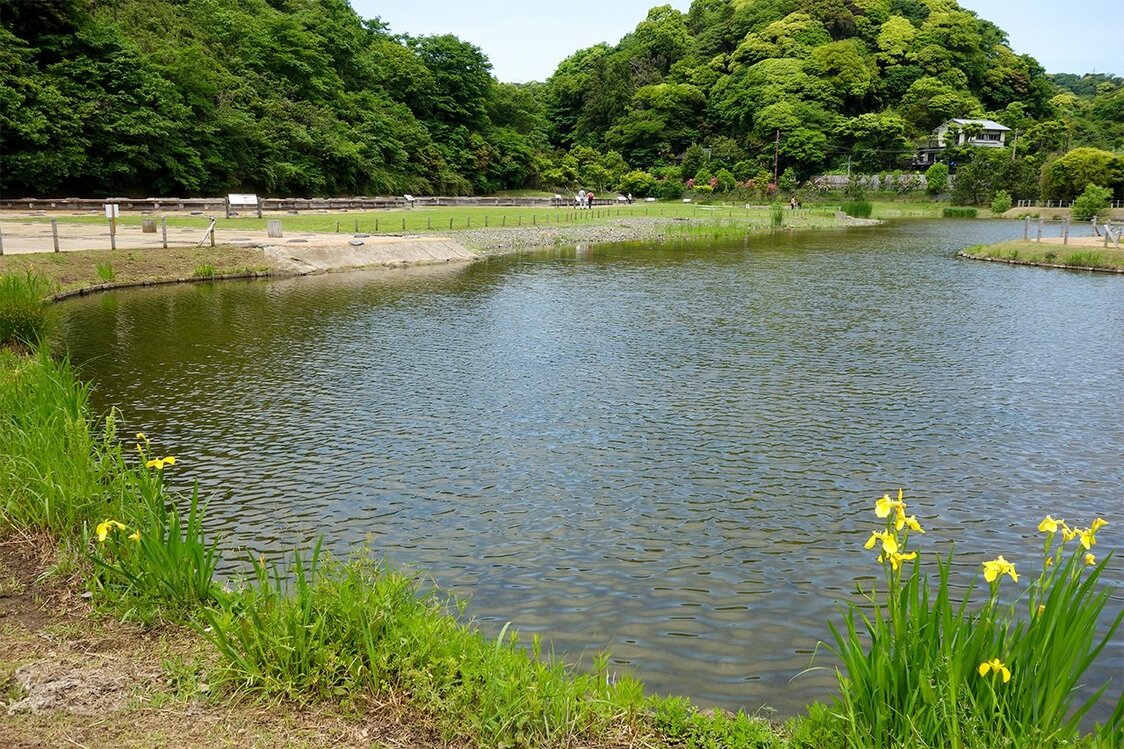
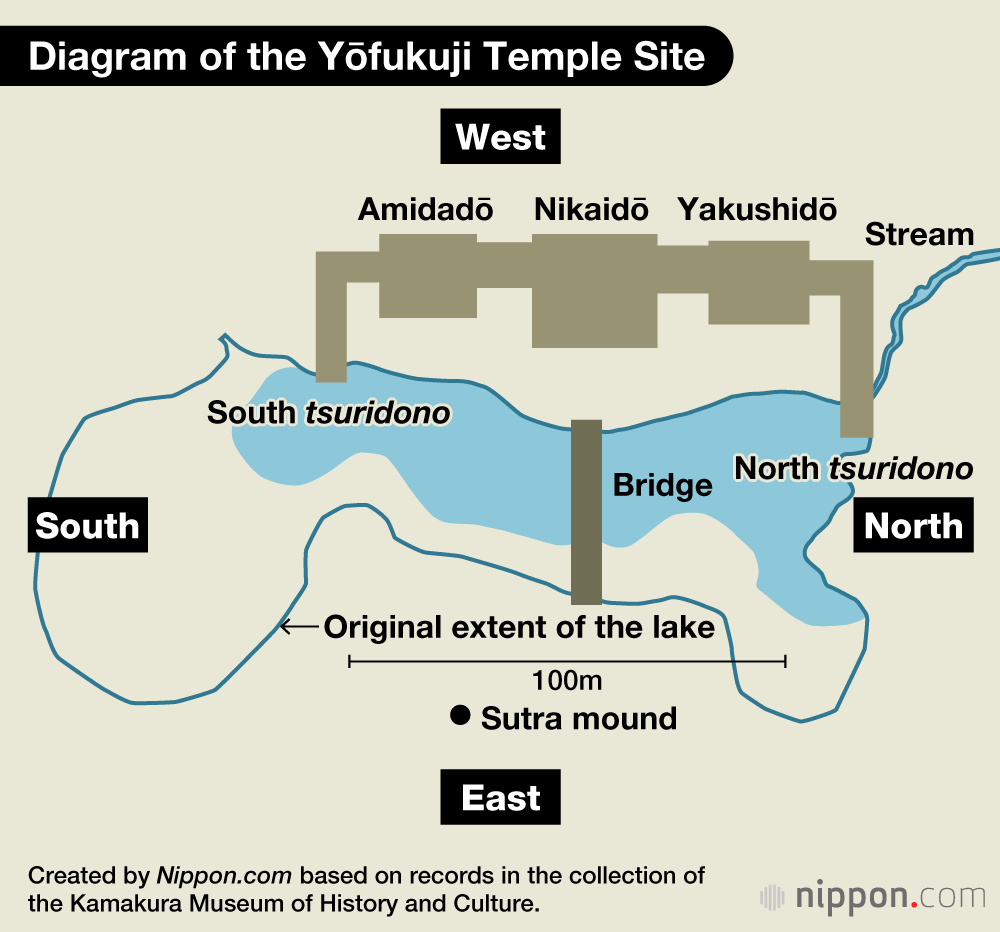
The gourd-shaped pond is more than 100 meters wide. (© Mochida Jōji)
-
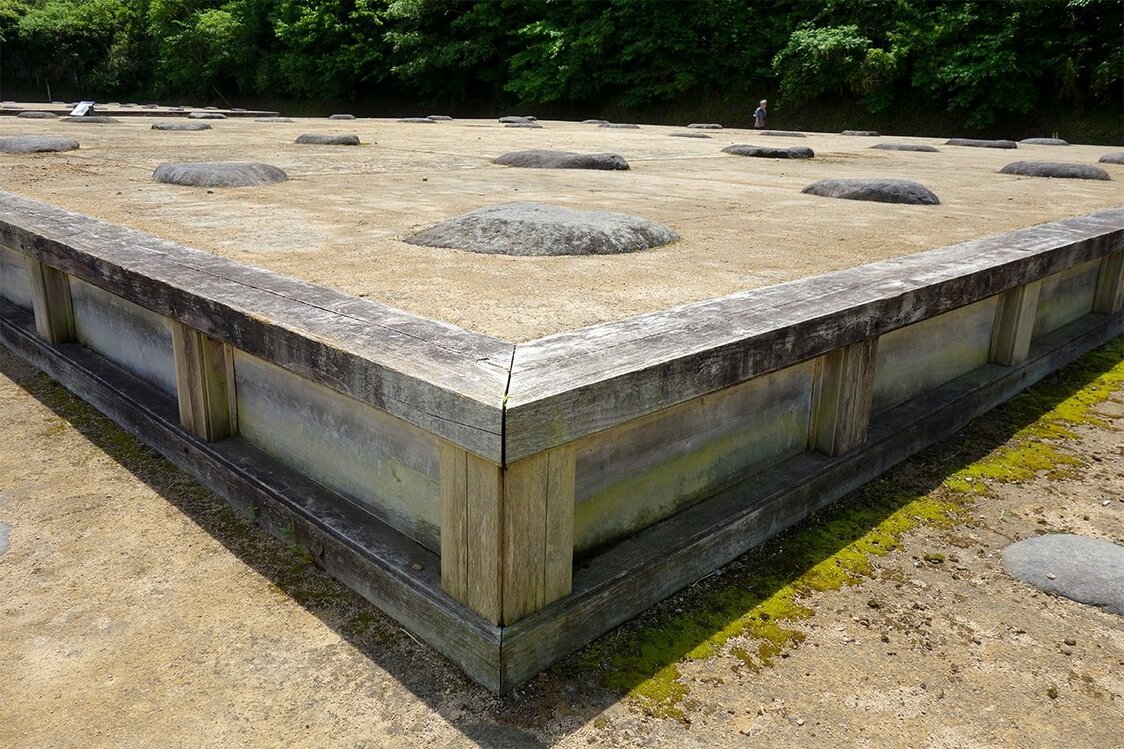
The raised platform foundations of the Nikaidō, or Two-Story Hall. (© Mochida Jōji)
-

A tsuridono pavilion once jutted out from the Amida Hall (foundation at left); a small stream runs on the north side of the site. (© Mochida Jōji)
-
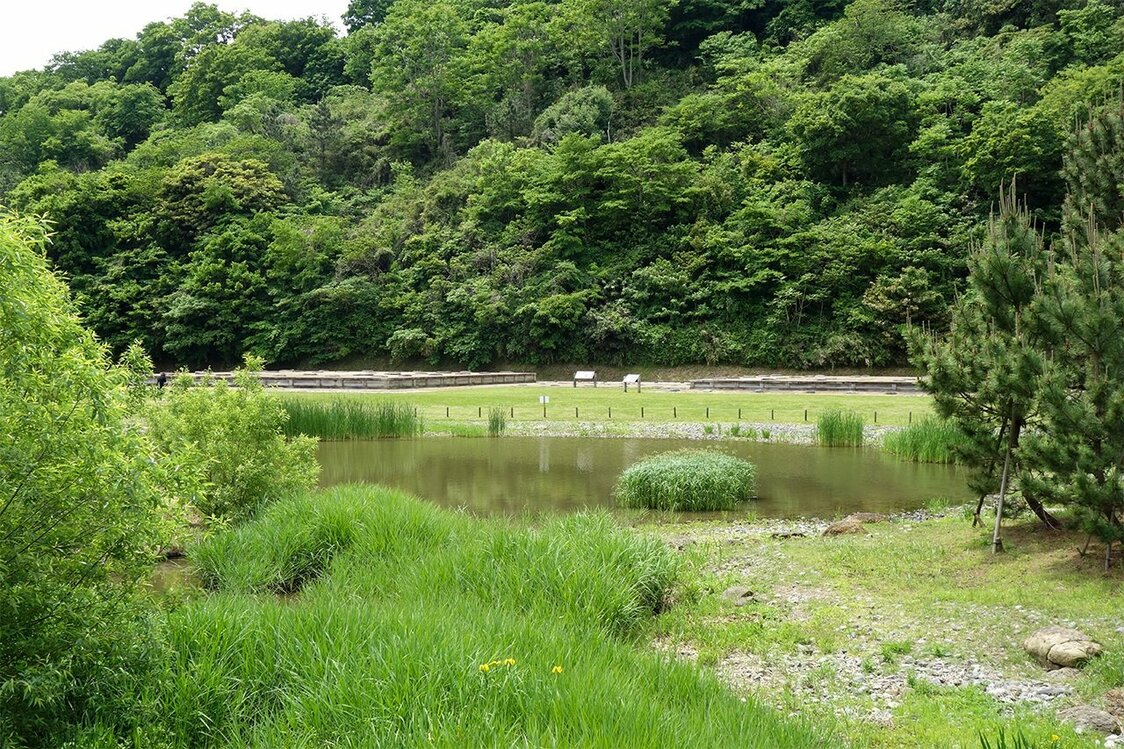
A view across the site of the Yōfukuji historical park. The foundations on the right mark the site of the Yakushidō (Yakushi Hall). On the left are the remains of the Nikaidō. (© Mochida Jōji)
-
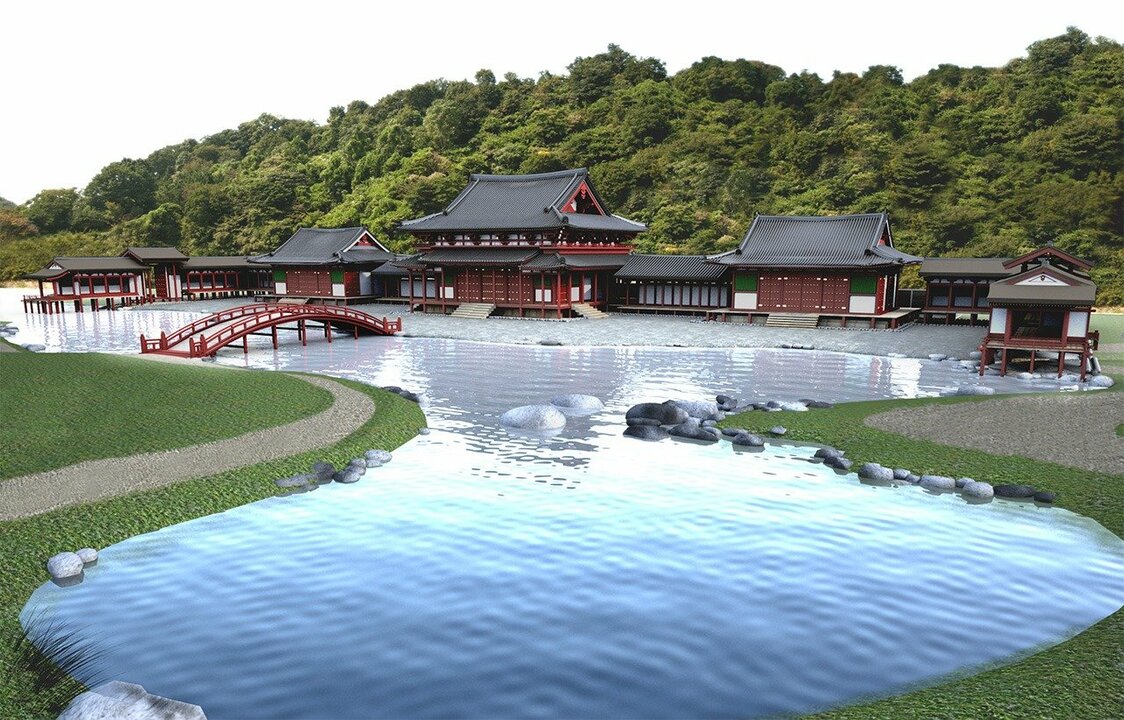
This computer-generated image shows the site as it might originally have looked from almost the same angle as the photo above. (Computer graphics by Nagasawa and Inoue Research Lab, Shōnan Institute of Technology)
-

Archeological features at the Yakushidō site. (Courtesy of the Kamakura Board of Education)
-
-
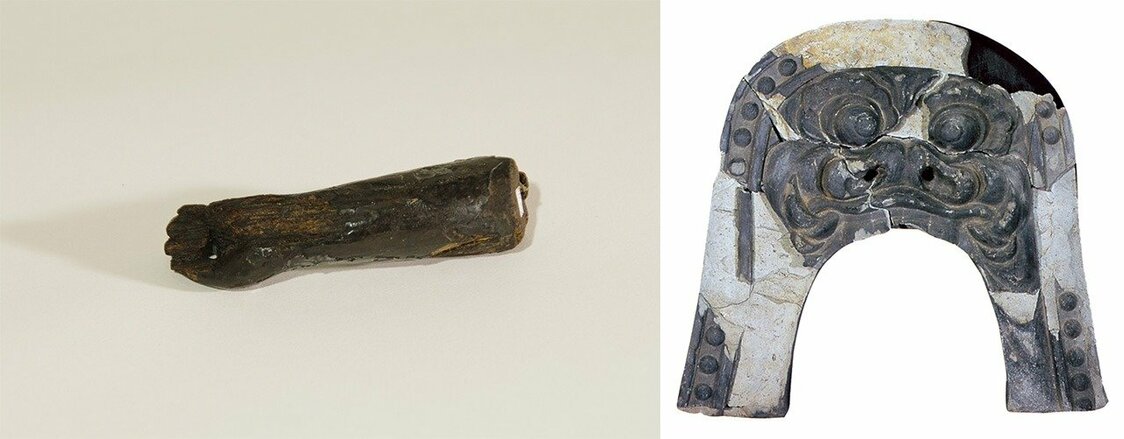
The hand of a Buddhist image excavated on the site, at left, and a gargoyle (onigawara) from the roof of one of the temple buildings. (Courtesy of the Kamakura Board of Education)
-
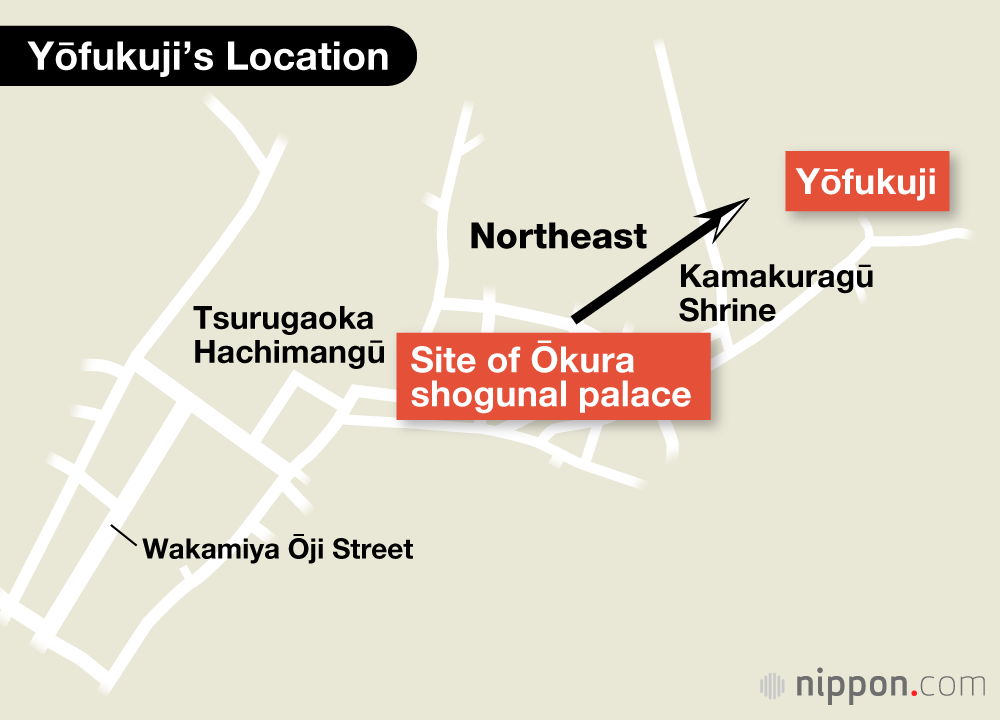
-
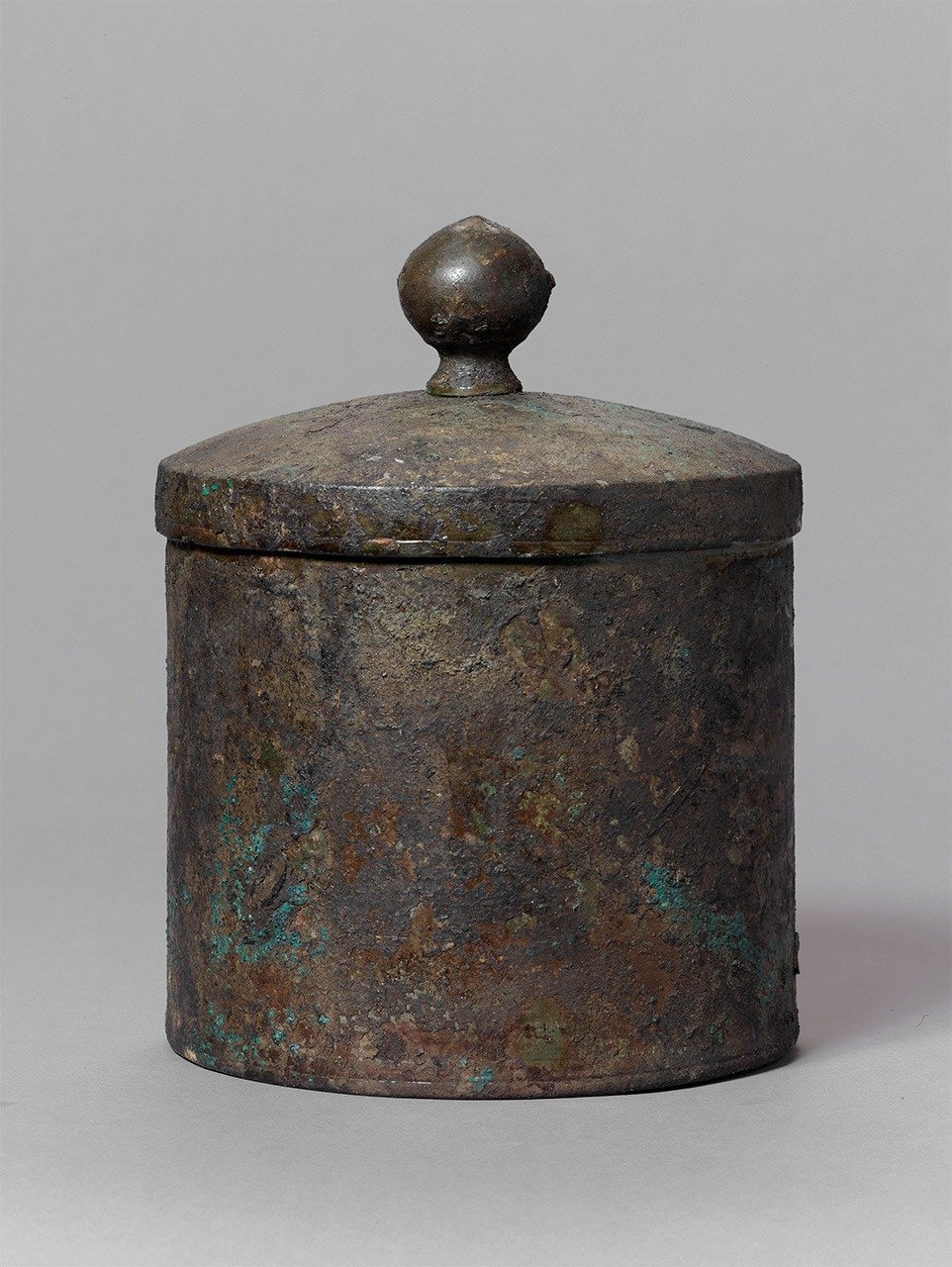
A copper sutra container excavated from the sutra mound. These containers were used to preserve Buddhist sutras, but apparently no sutra was found inside this container, perhaps because it had already eroded over the centuries. (Courtesy of the Kamakura Board of Education)
-
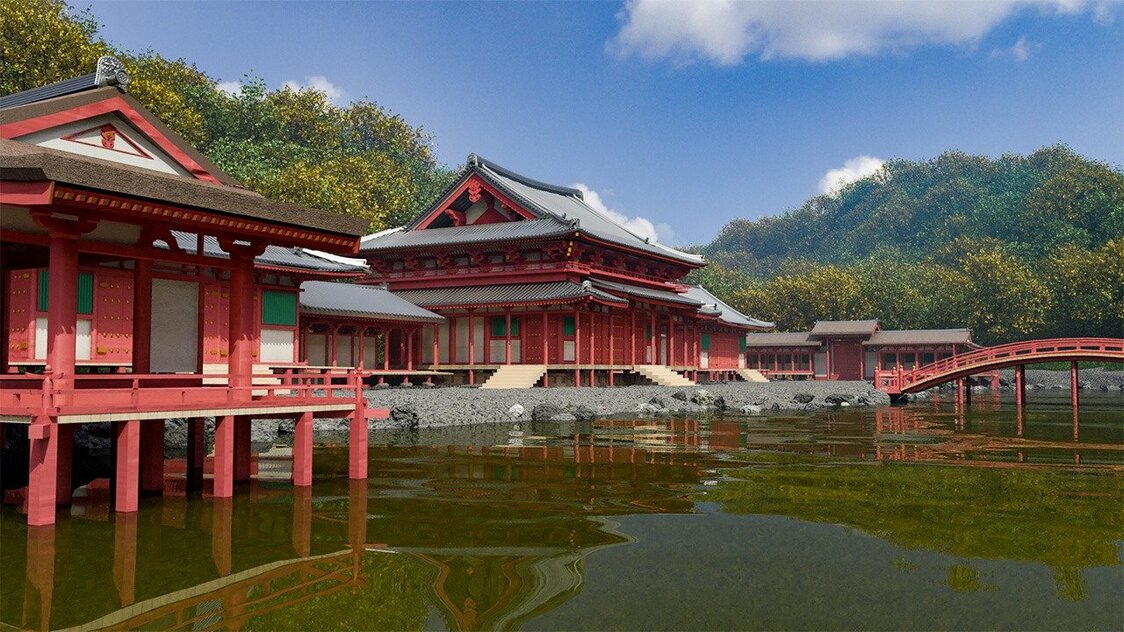
A computer-generated simulation of the view from the south side of the Yōfukuji site. (Courtesy of Nagasawa and Inoue Research Lab, Shōnan Institute of Technology)
-
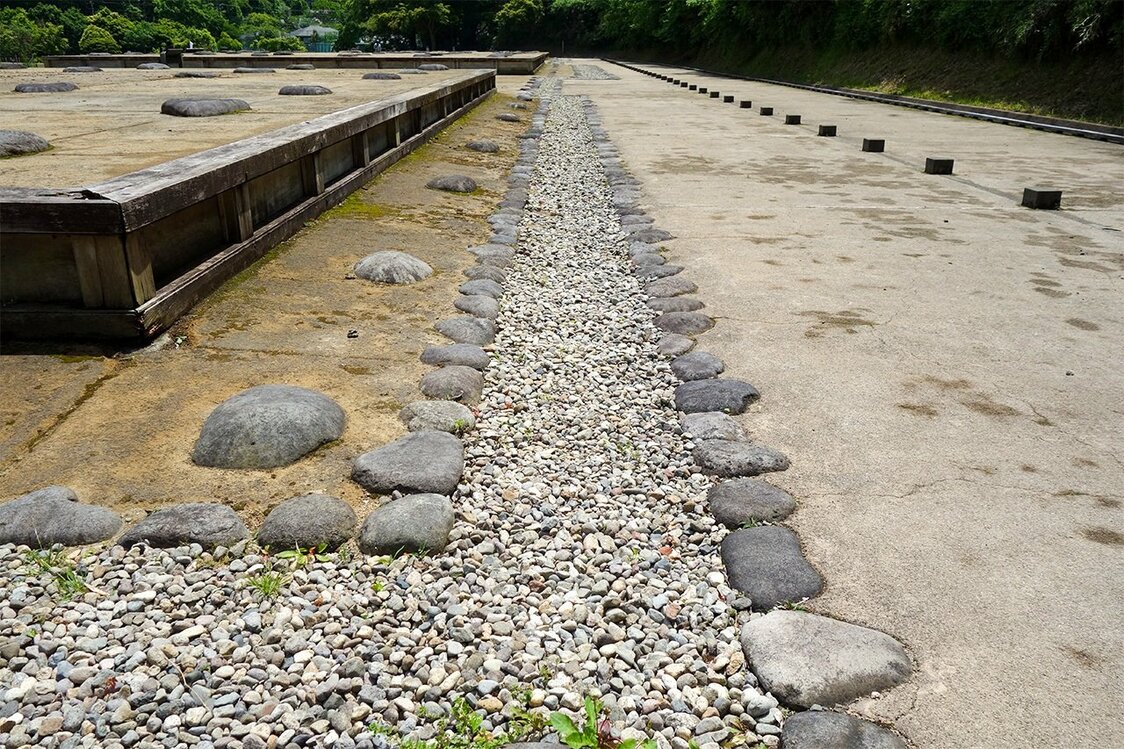
Rain would once have fallen into the space now filled with pebbles. (© Mochida Jōji)
-
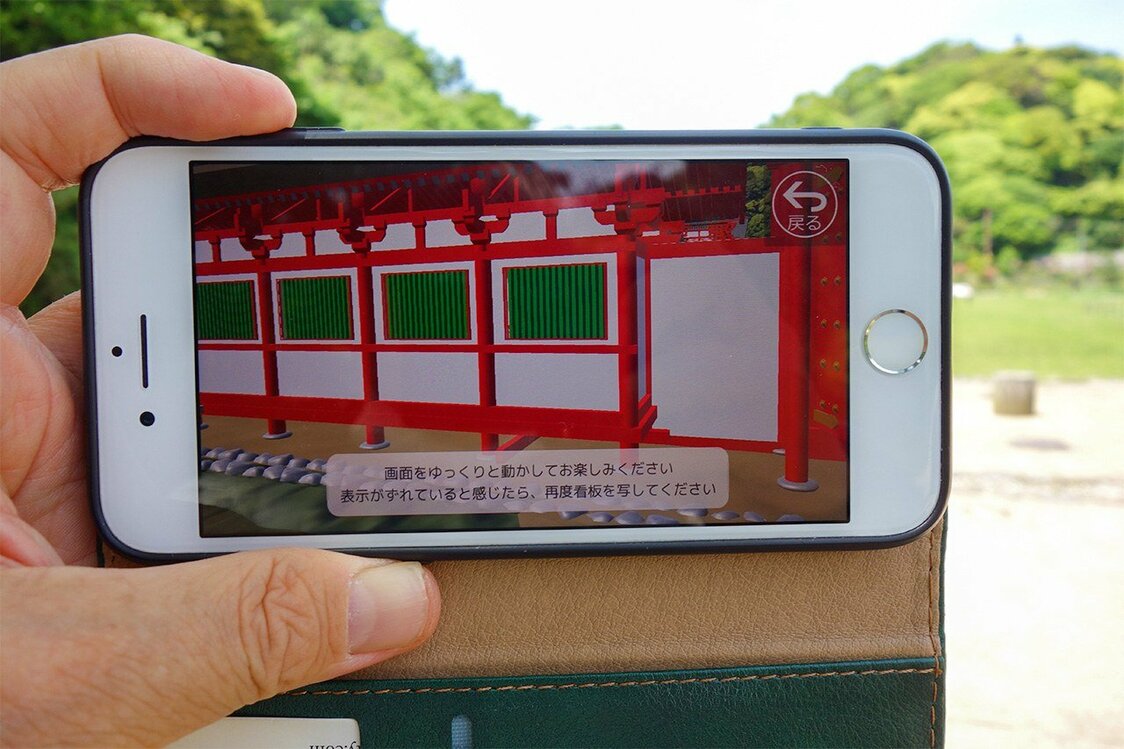
Visitors can use a smartphone to view the CG reconstruction of the temple on site. (© Mochida Jōji)
-
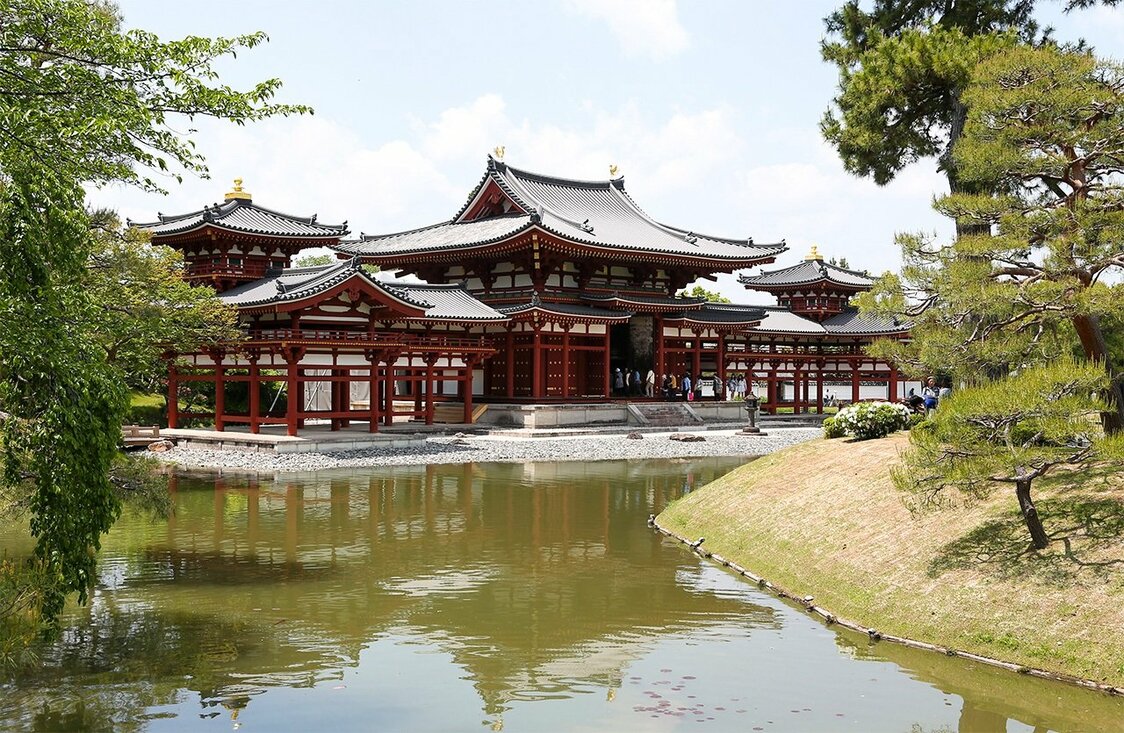
The Phoenix Hall at the Byōdōin in Uji, another famous example of Pure Land temple architecture. (© Jiji)
-
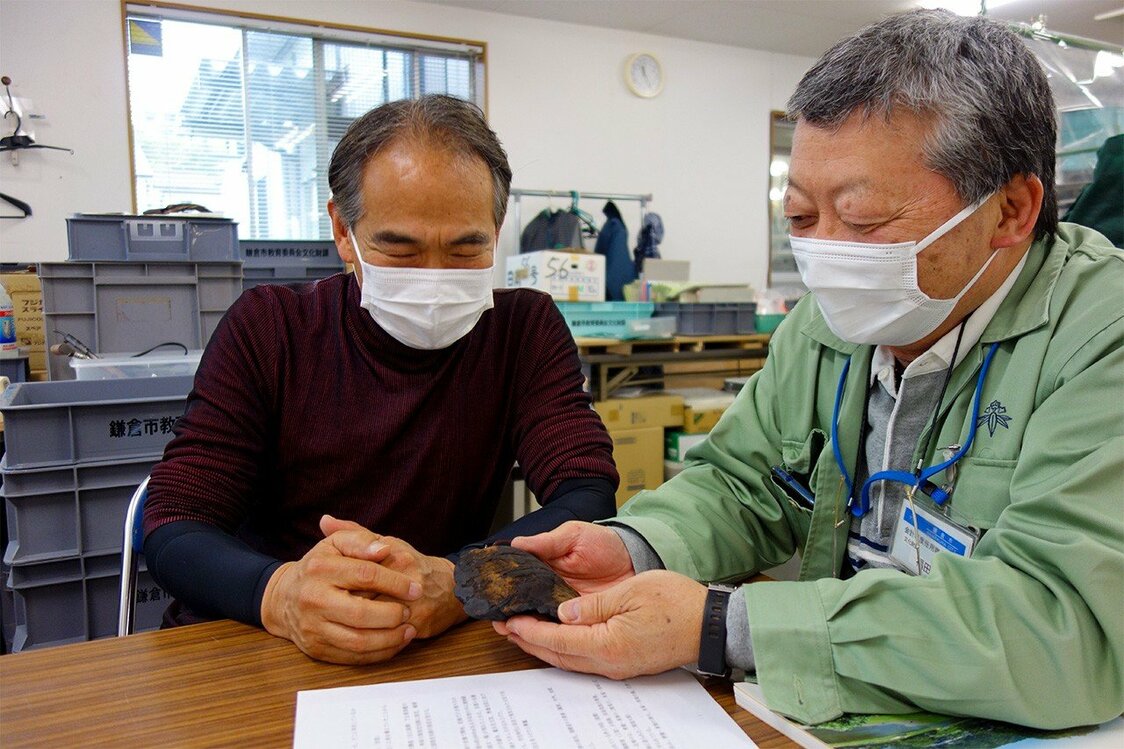
Professor Nagasawa Kaya (left) and Fukuda Makoto of the Kamakura municipal government’s cultural properties division. The fragment of wood in Fukuda’s hands is thought to be part of a Buddhist image. (© Mochida Jōji)


 Read in other languages