-
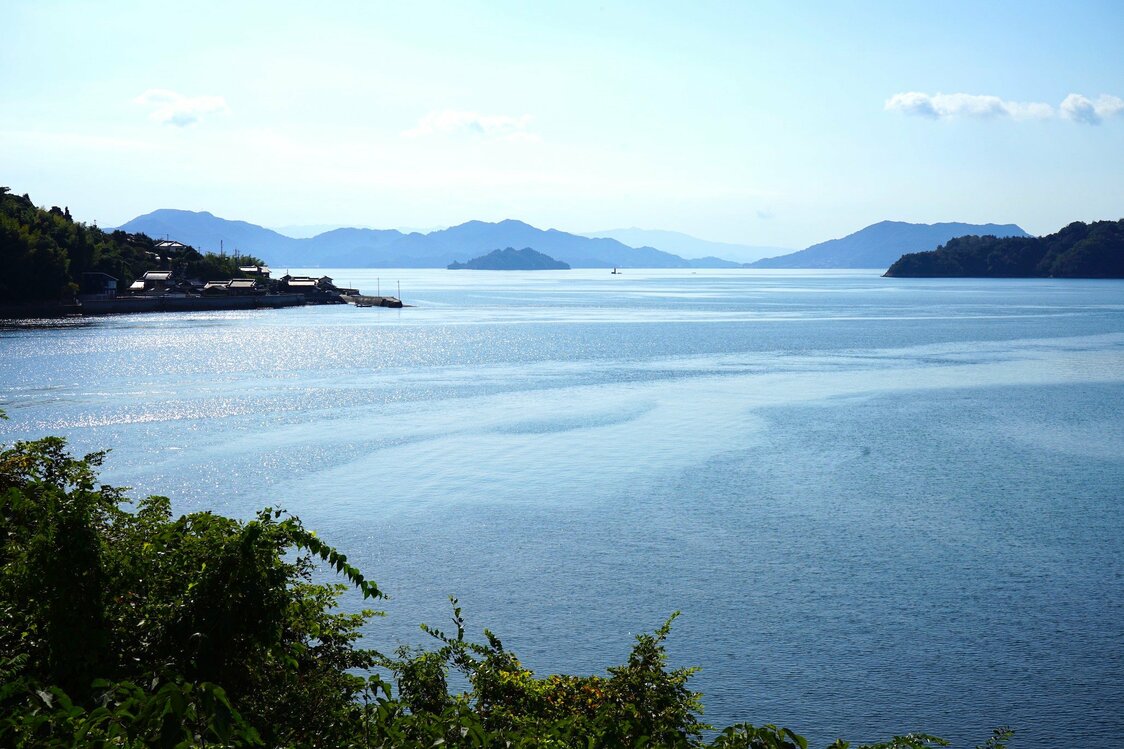
The Ōshiba Bridge offers a gorgeous view of the Seto Inland Sea. (© Ukita Yasuyuki)
-

The seas off of Akitsu are filled with oyster farms. (© Ukita Yasuyuki)
-
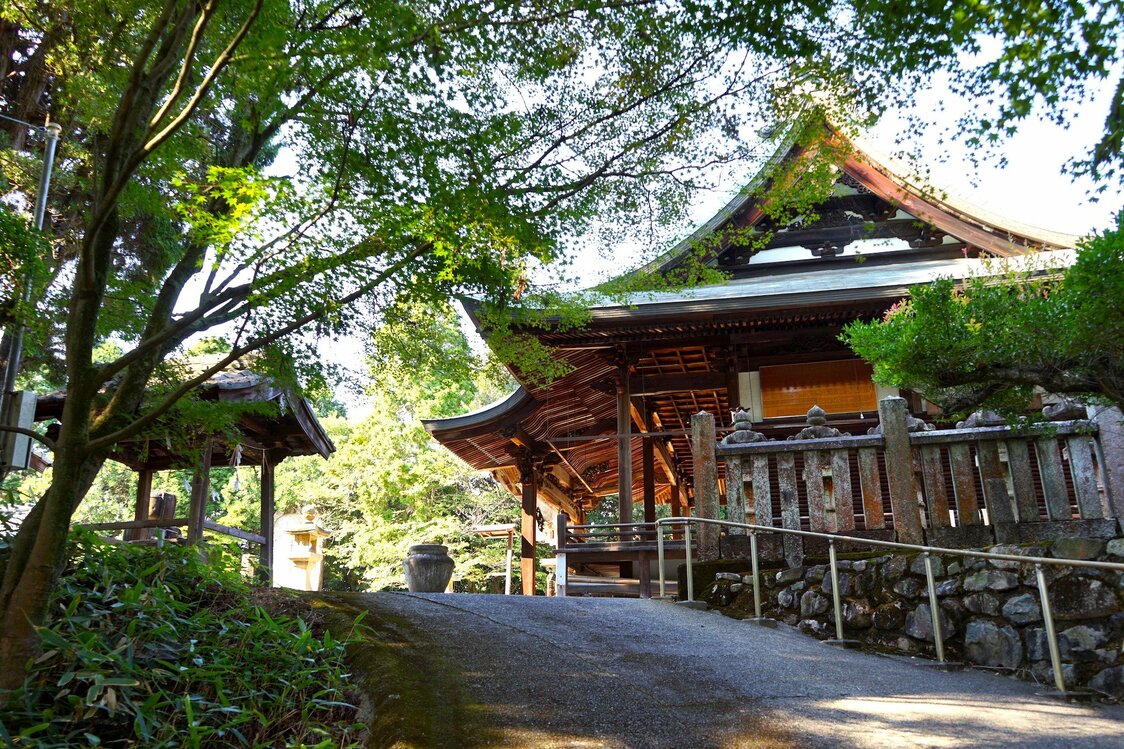
The main hall at Sakakiyama Hachimangū. The precincts also have a shrine to the guardian divinity of sake brewing, Matsuo-sama. (© Ukita Yasuyuki)
-
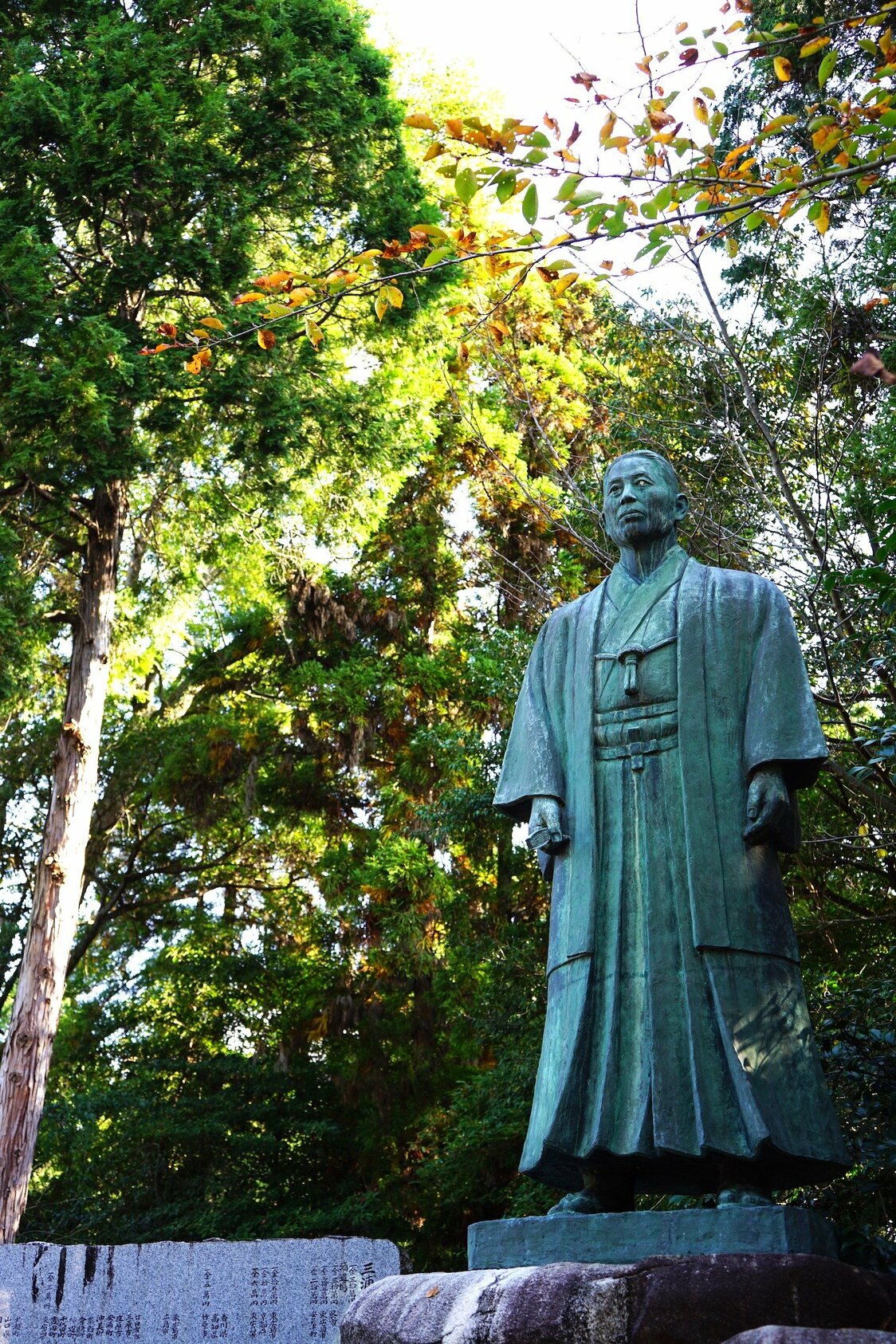
The statue of Miura Senzaburō. (© Ukita Yasuyuki)
-
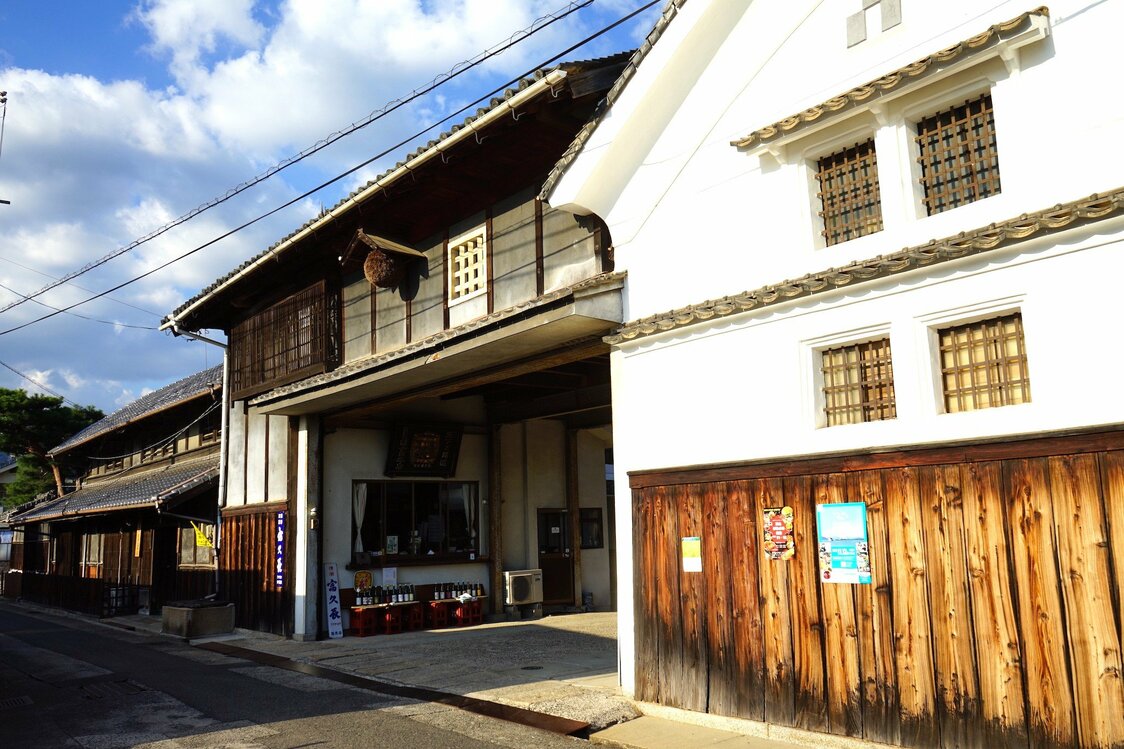
The main entrance at Imada Shuzō Honten is decorated with a sugidama, or cedar ball, which is a traditional symbol of the sake brewing season. (© Ukita Yasuyuki)
-
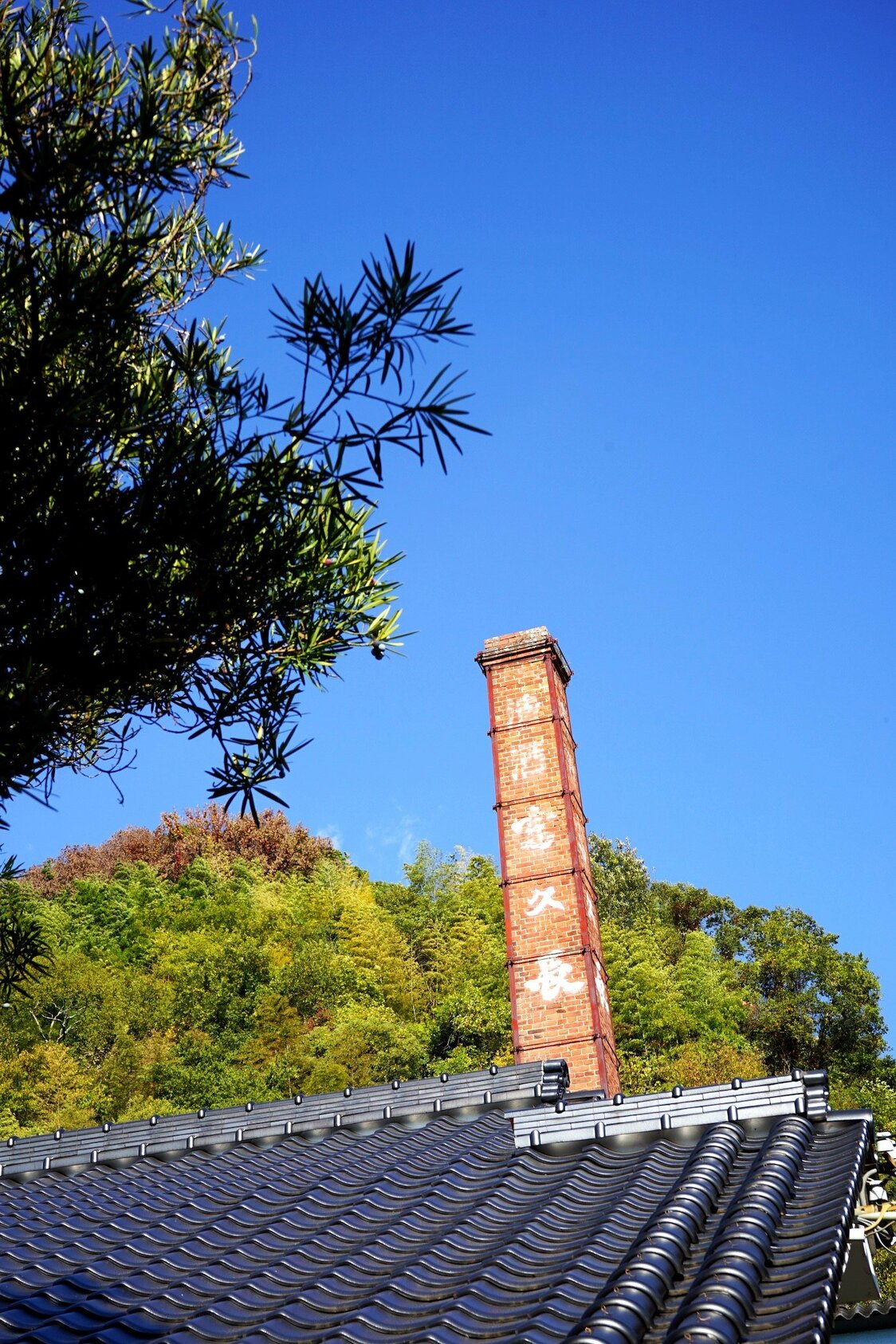
An iconic red brick chimney. The Fukuchō brand name depicted on it was bestowed by Miura Senzaburō. (© Ukita Yasuyuki)
-
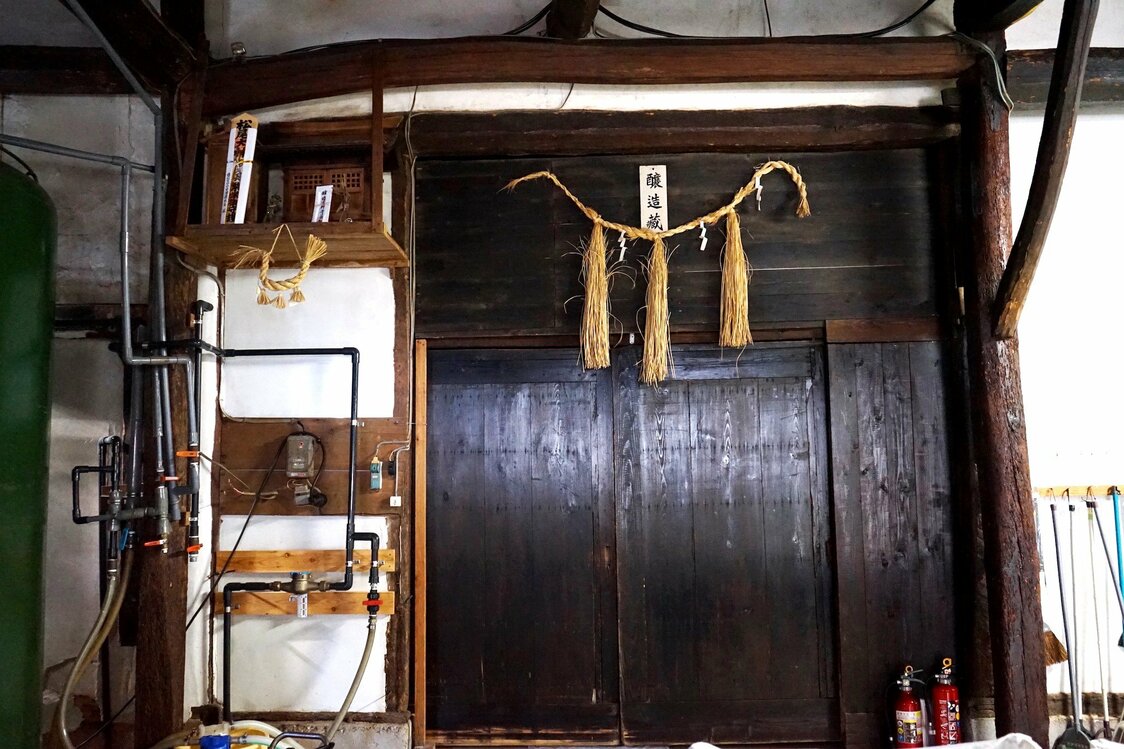
The shimenawa—a twisted straw rope used in Shintō to cordon off sacred areas—across the entrance to the brewing area was made by a previous tōji. Tōji of the generation before Imada’s were often people with skills ranging wide beyond sake brewing. (© Ukita Yasuyuki)
-
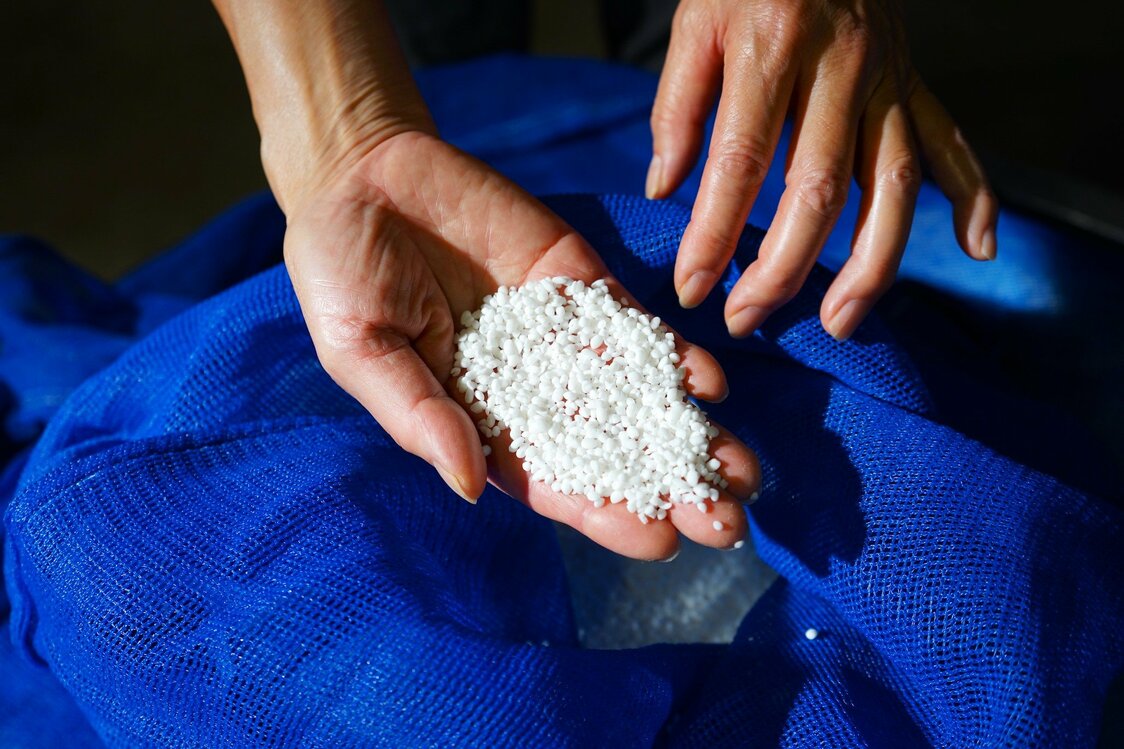
Imada hand-checking polished rice. When I comment, “Sake brewers always have such nice hands,” she retorts, “This is still the warm season.” (© Ukita Yasuyuki)
-
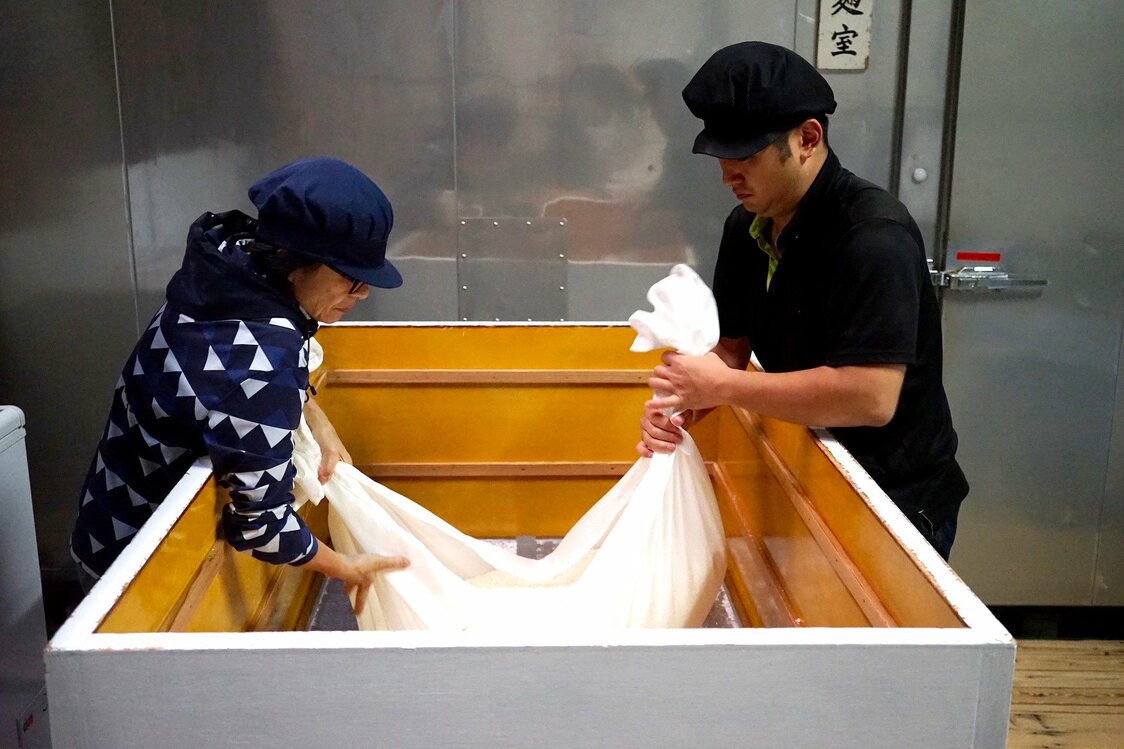
Imada and her staff bring the finished kōji rice (steamed rice and kōji mold) from the kōji room, where rice is inoculated with the vital mold spores. This 48-hour process is decisive for sake quality. (© Ukita Yasuyuki)
-
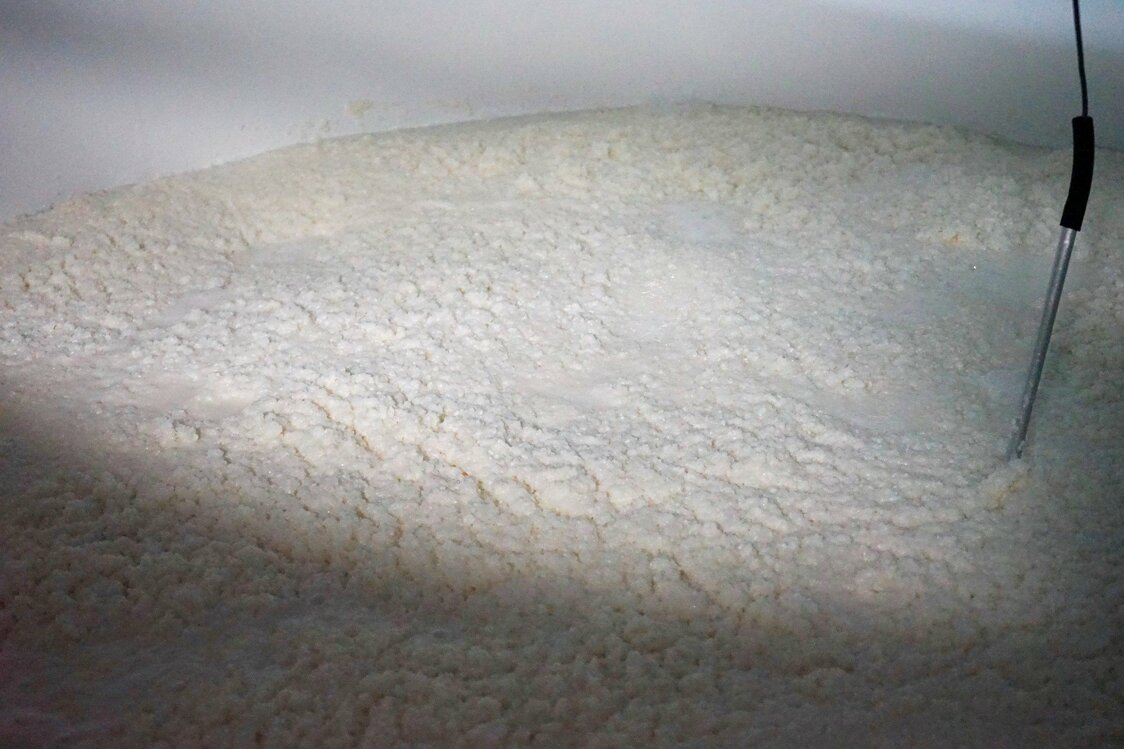
The moromi, or fermentation mash. Yeast consumes sugar to make alcohol and carbon dioxide, which bubbles to the top with a fizzy sound that announces a healthy fermentation. (© Ukita Yasuyuki)
-

(Left) The first time Imada felt real progress in her brewing was the purchase of the steamer at left. Imada compares steamed rice’s importance to that of soil in plant cultivation. At right, Imada checks fermentation progress in the tanks. When fermentation reaches its best state, the brewery needs to immediately press, bottle, and pasteurize the sake to ensure it retains its freshness. (© Ukita Yasuyuki)
-
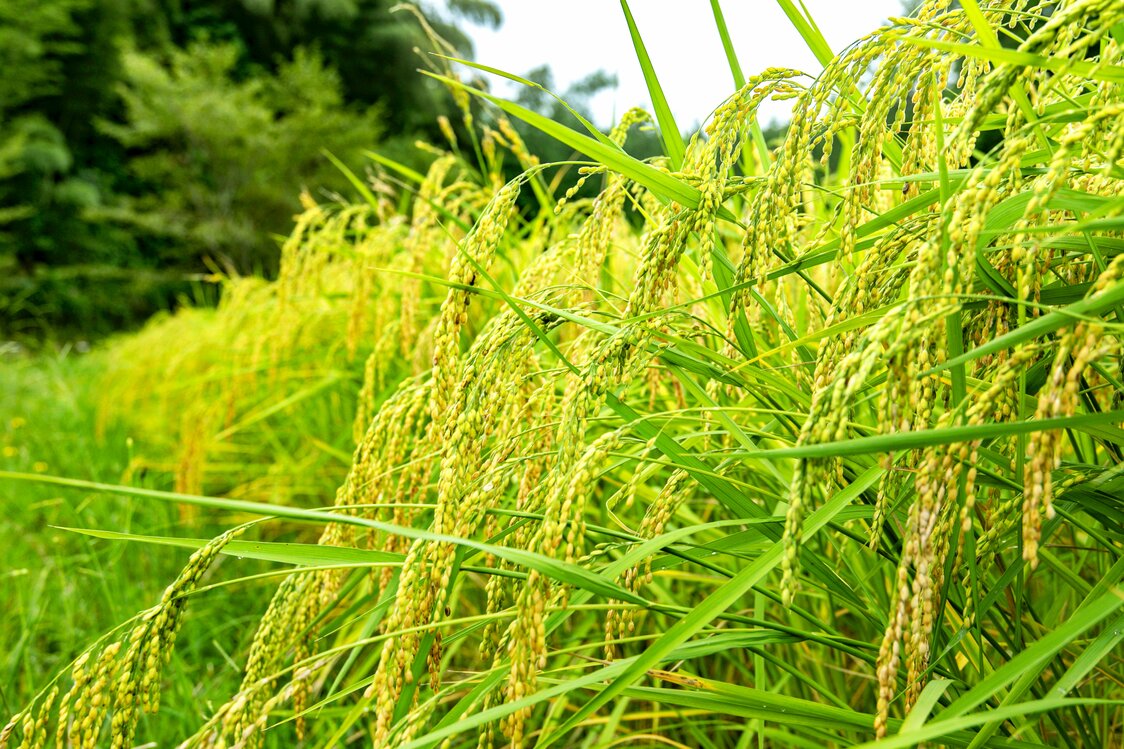
Hattansō can grow over 160 centimeters in height. (© Kikui Hiroshi)
-
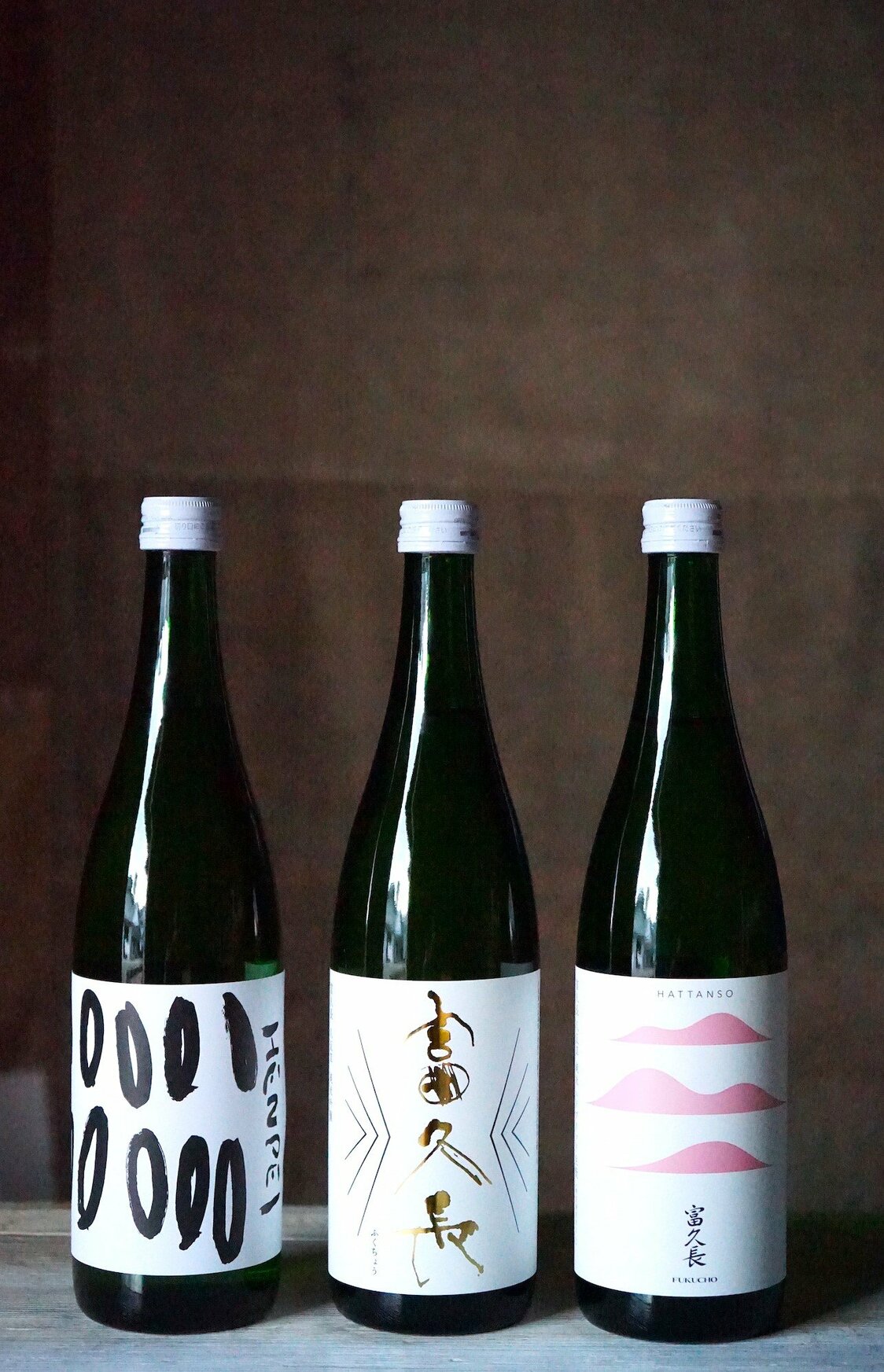
From left: Fukuchō Hattansō Satake Series Henpei, showing off how a revolutionary new flat rice polishing technology differs from conventional round polishing; Fukuchō Hattansō Junmai Ginjō; and Fukuchō Hattansō Junmai Hybrid Kimoto. (© Ukita Yasuyuki)
-
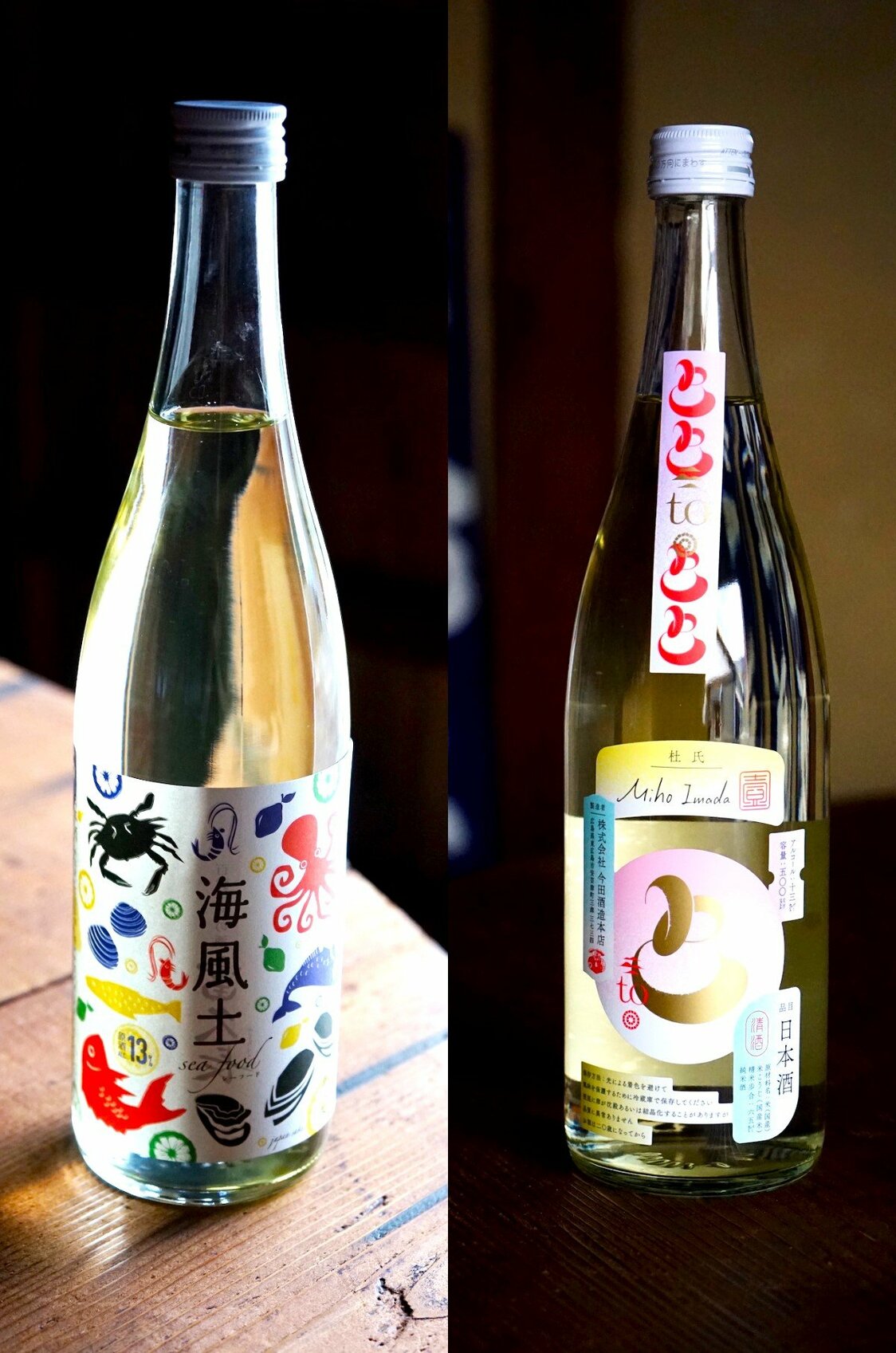
Fukuchō Seafood Junmai (left) and Fukuchō To (right) made to pair with Sichuan hotpot. (© Ukita Yasuyuki)
-
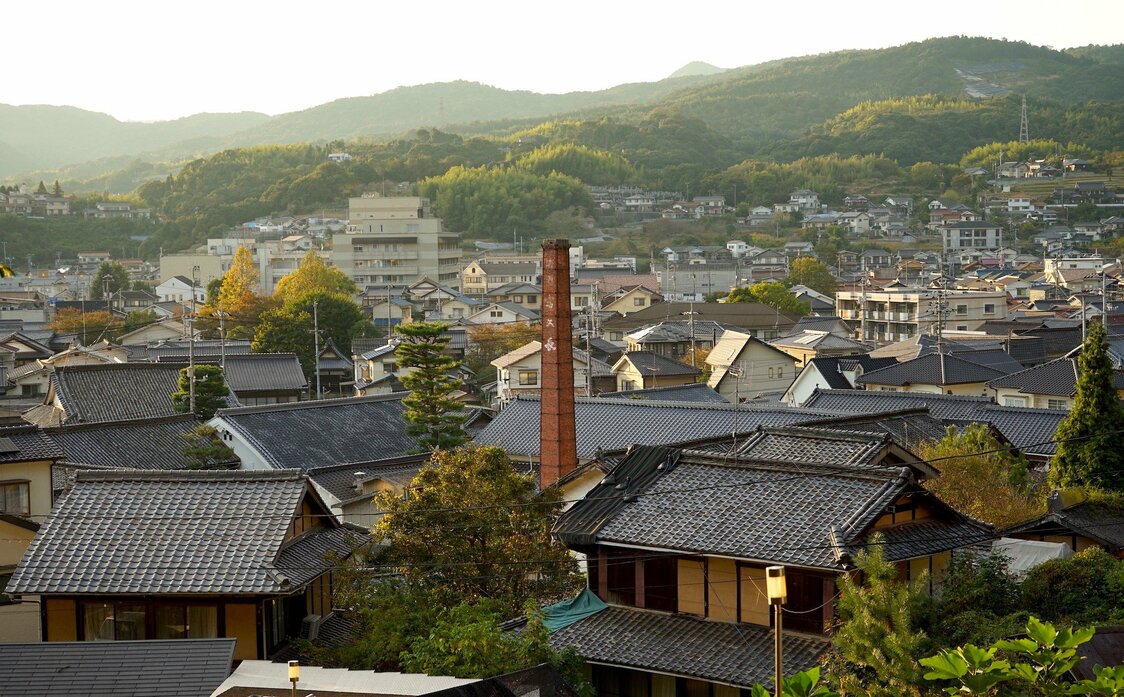
Imada Shuzō Honten and the streets of Akitsu. (© Ukita Yasuyuki)


 Read in other languages