-
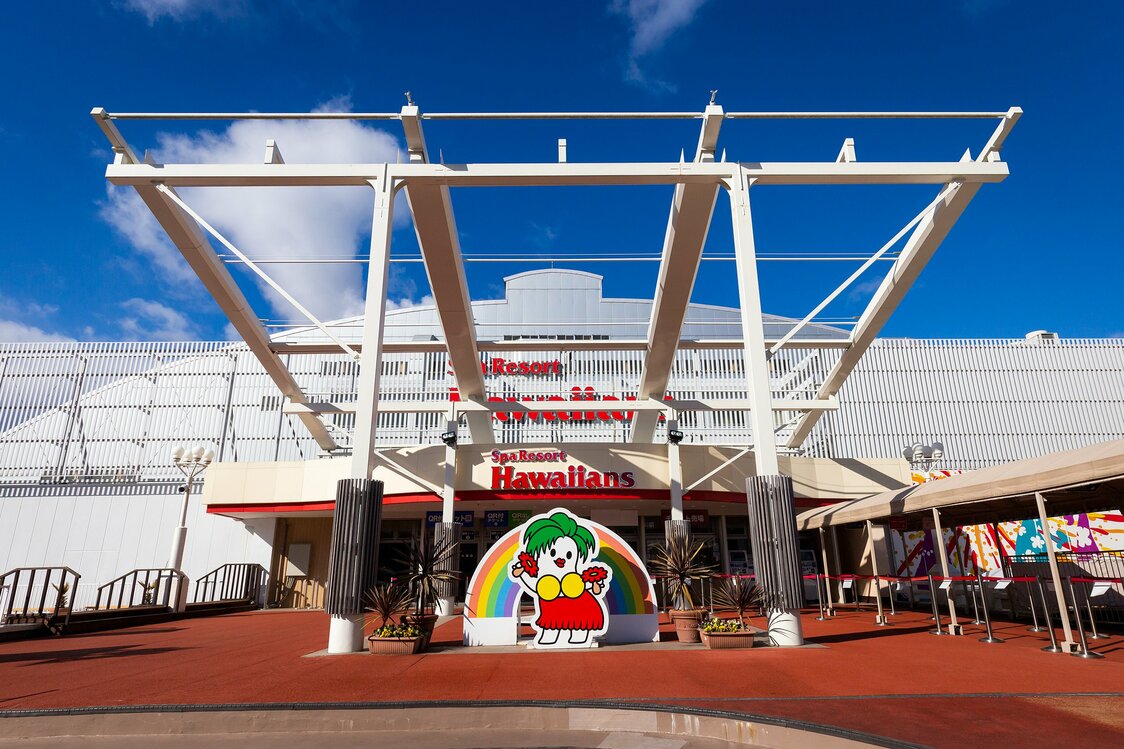
The entrance of the water park at Spa Resort Hawaiians.
-
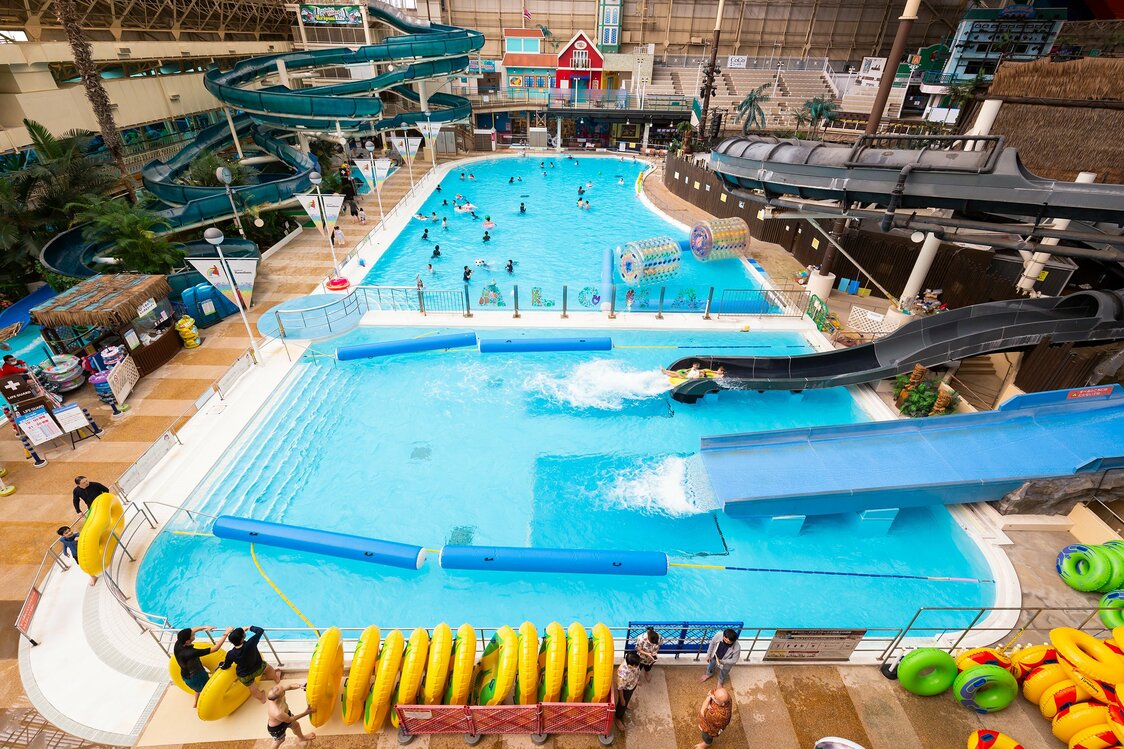
The water park’s massive main pool is kept at a comfortable 30 degrees Celsius year round.
-
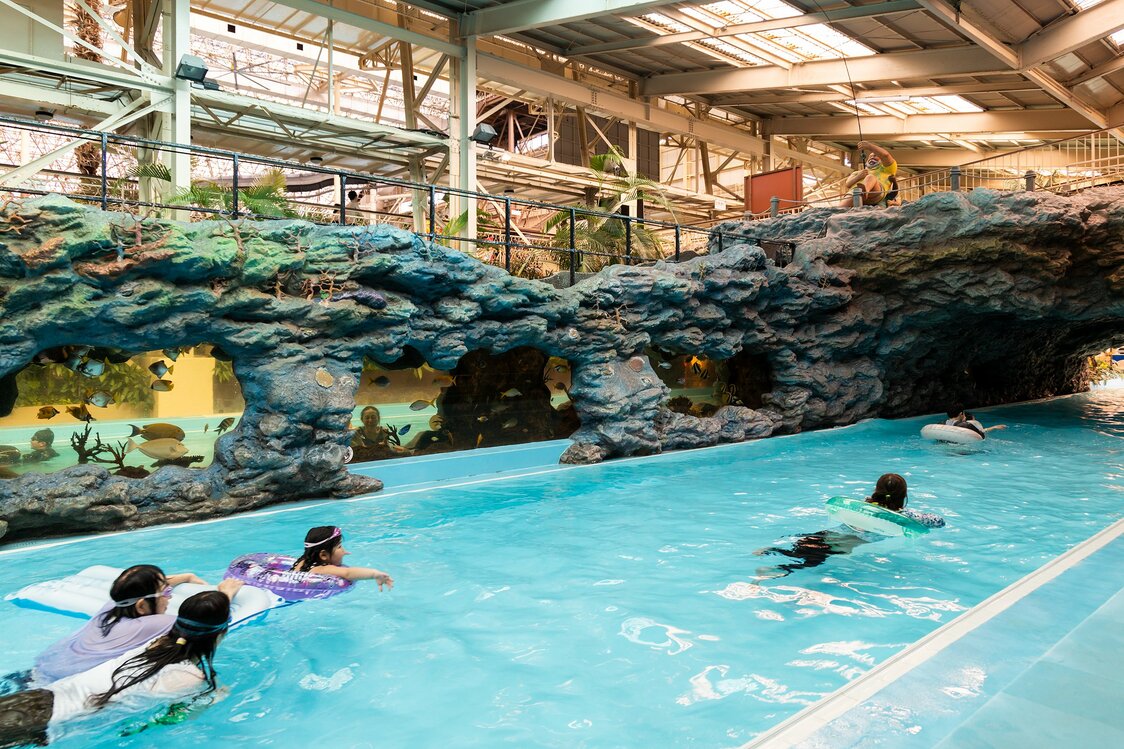
Japan’s first ever “flowing aquarium pool” gives park-goers the feeling of swimming in tropical waters.
-
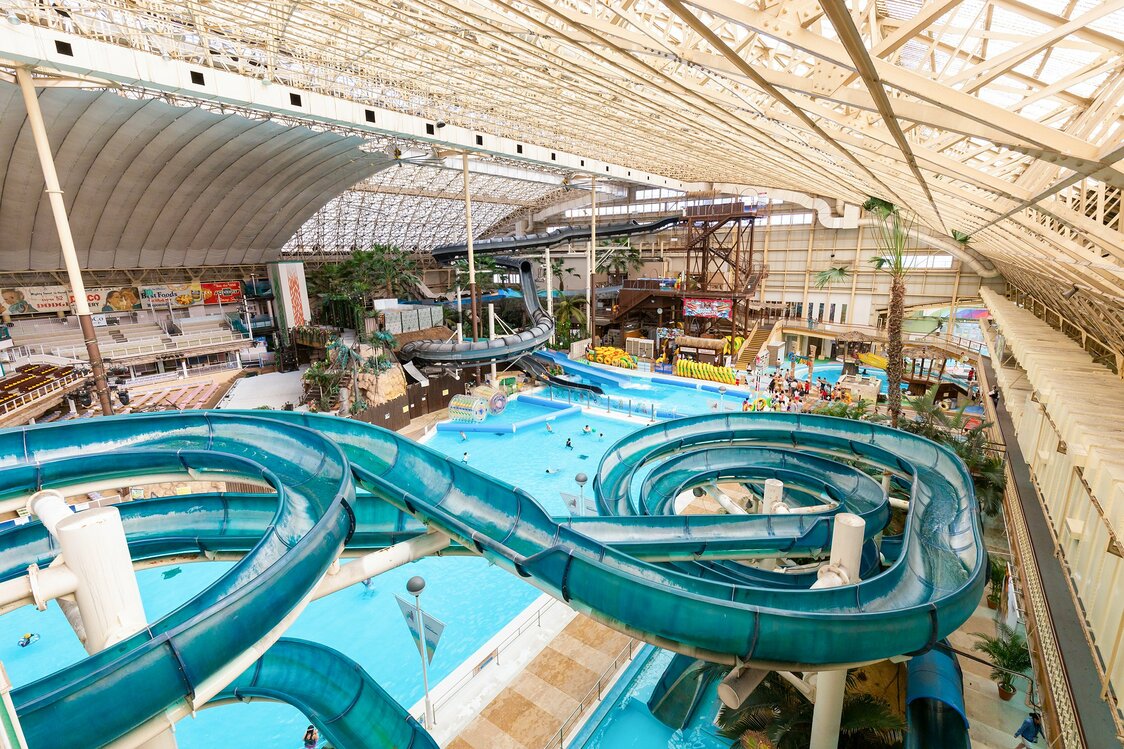
A view of the water park from the top of the 120-meter long slide Ka’apuni Falls.
-
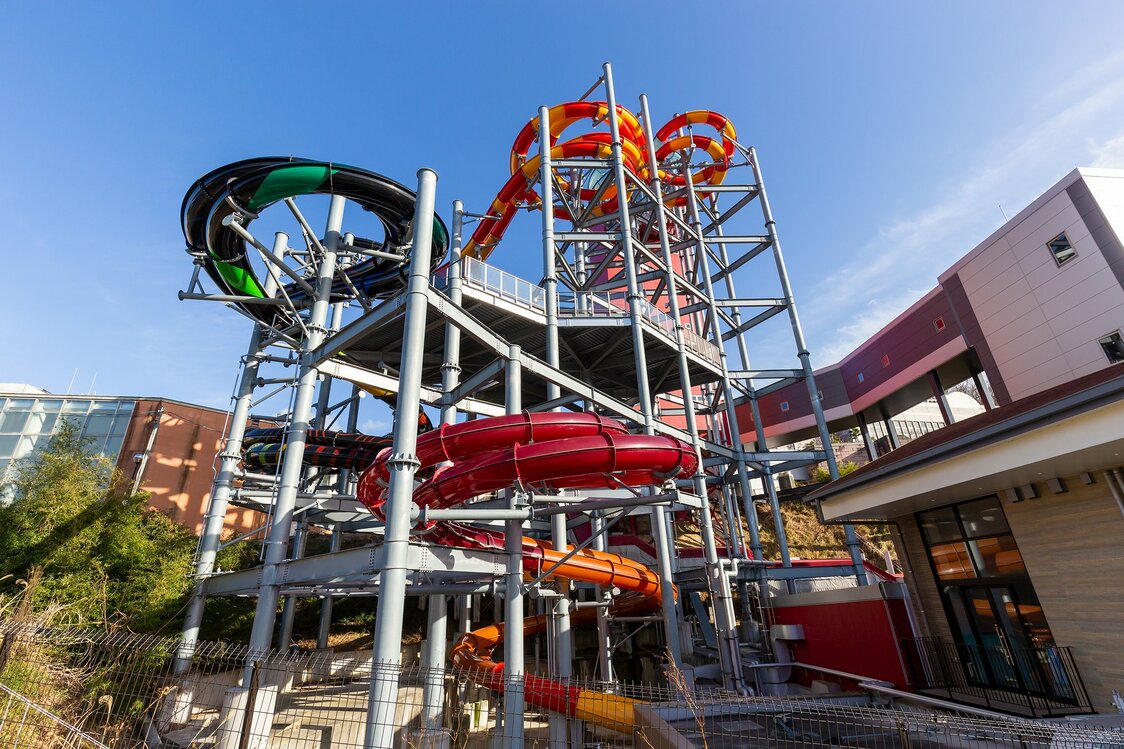
The Big Aloha towers above the park.
-
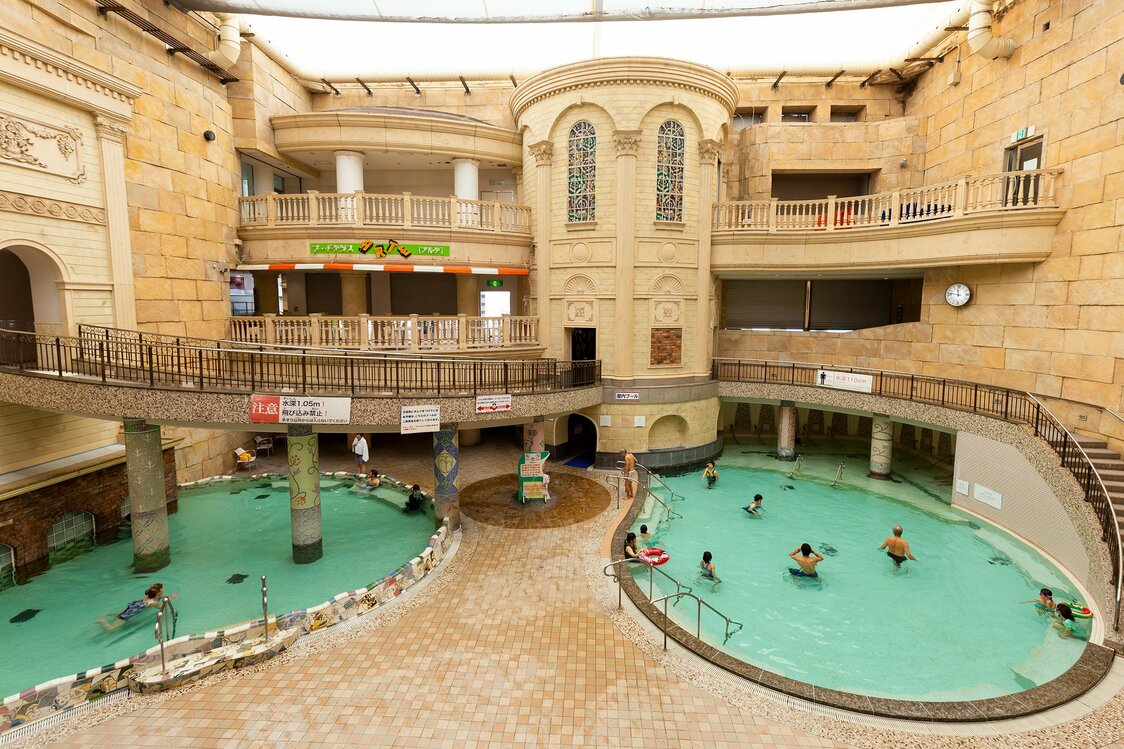
Spring Town recreates a southern European spa.
-
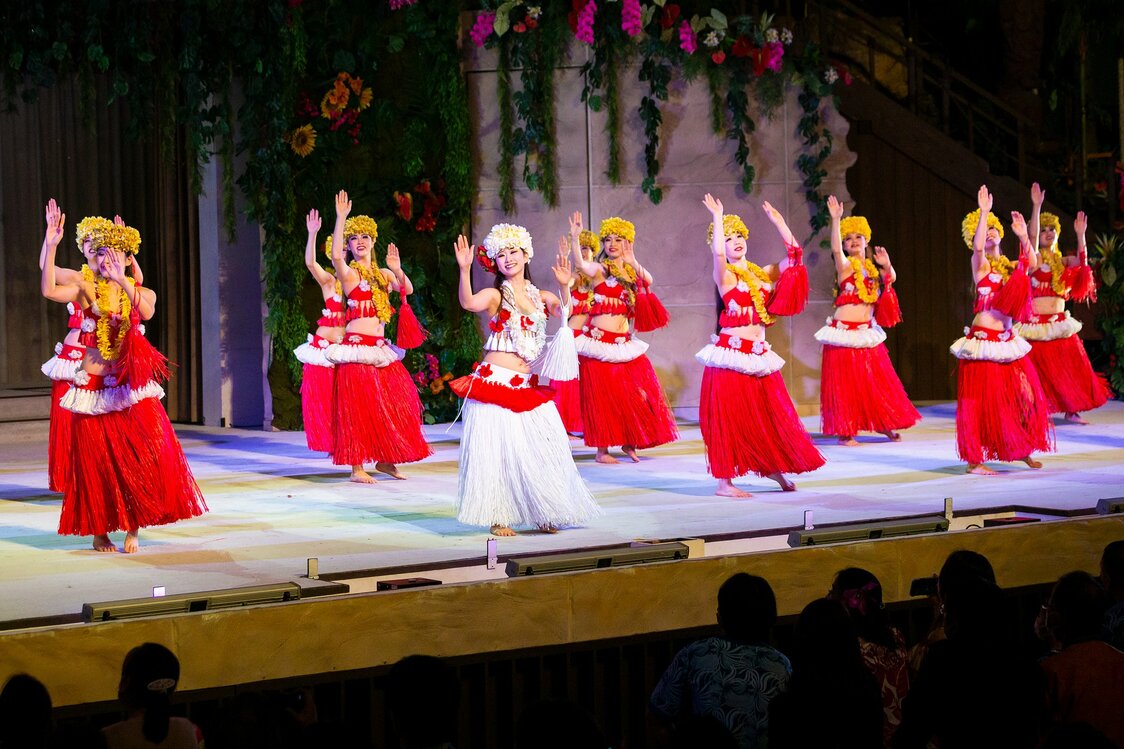
Hula dancers perform in one of the resort’s Polynesian-themed shows.
-
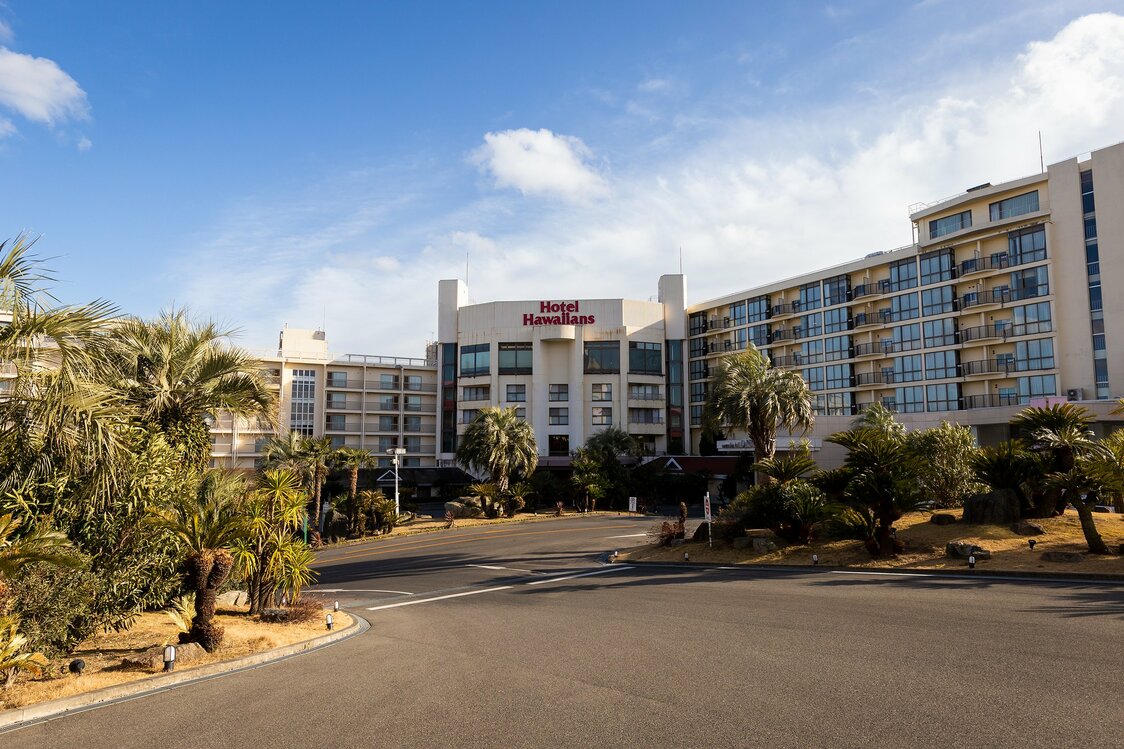
The resort’s main lodging facility, Hotel Hawaiians.
-
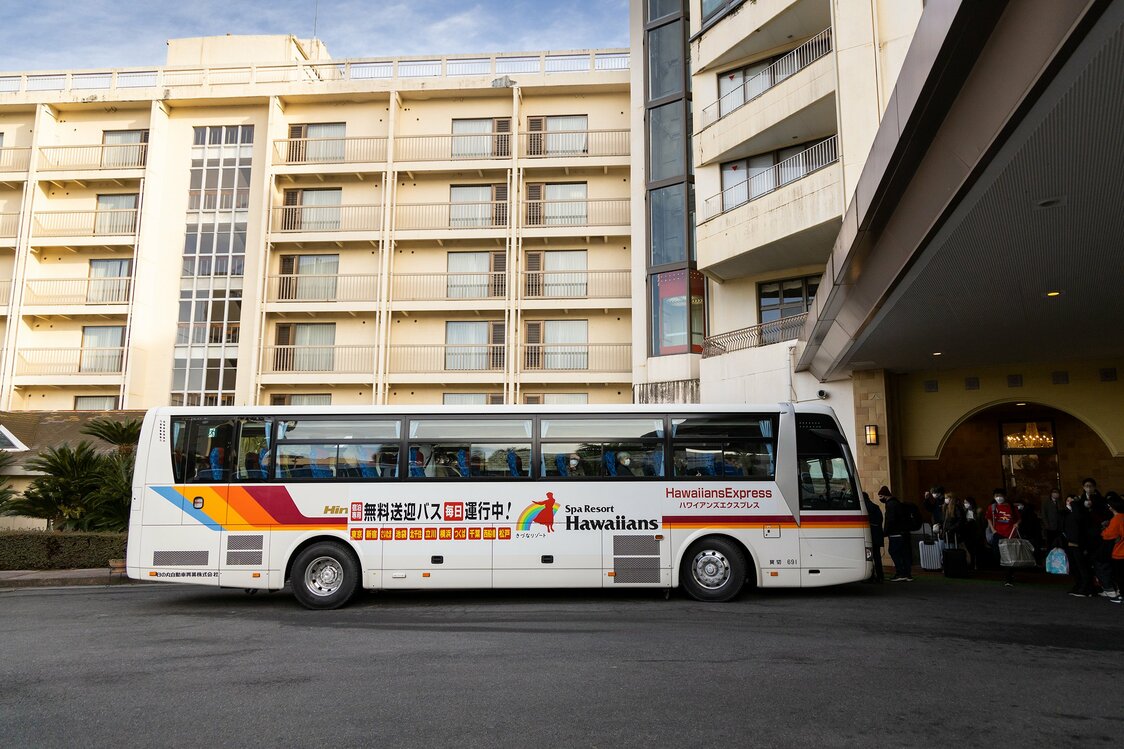
The resort runs a free shuttle bus to Tokyo for overnight guests.
-
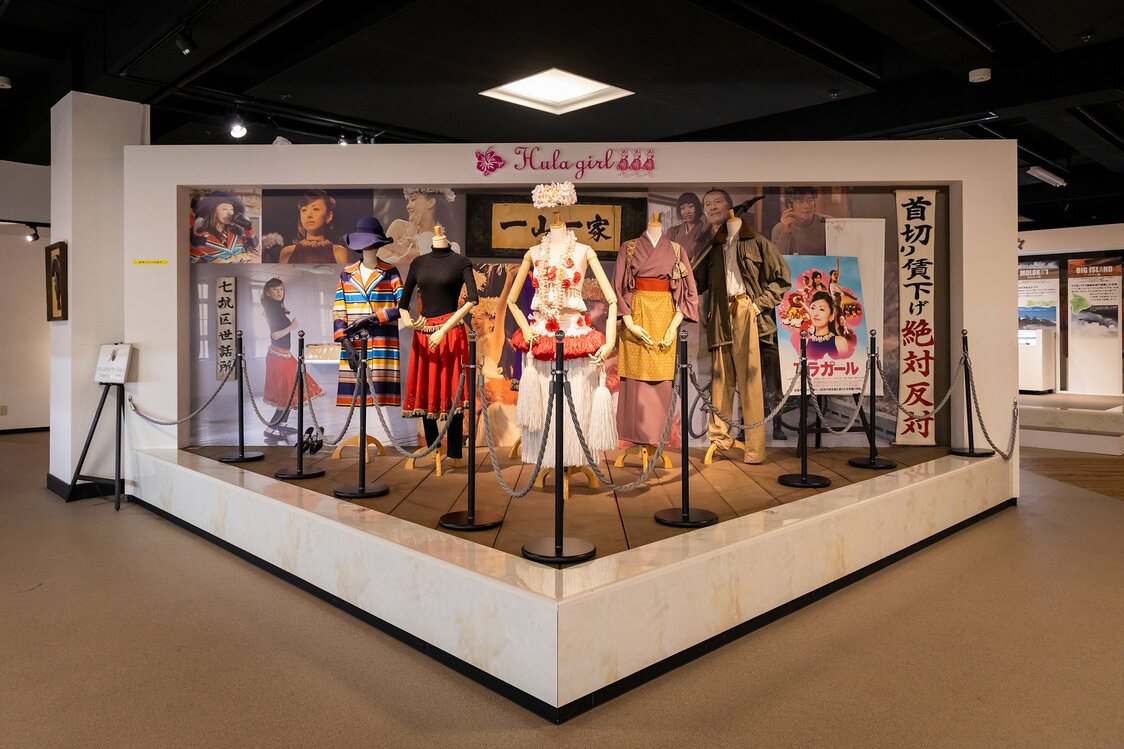
The resort’s Hula Museum presents the history of the dance along with displays of the costumes and other items used in the film Hula Girls.
-
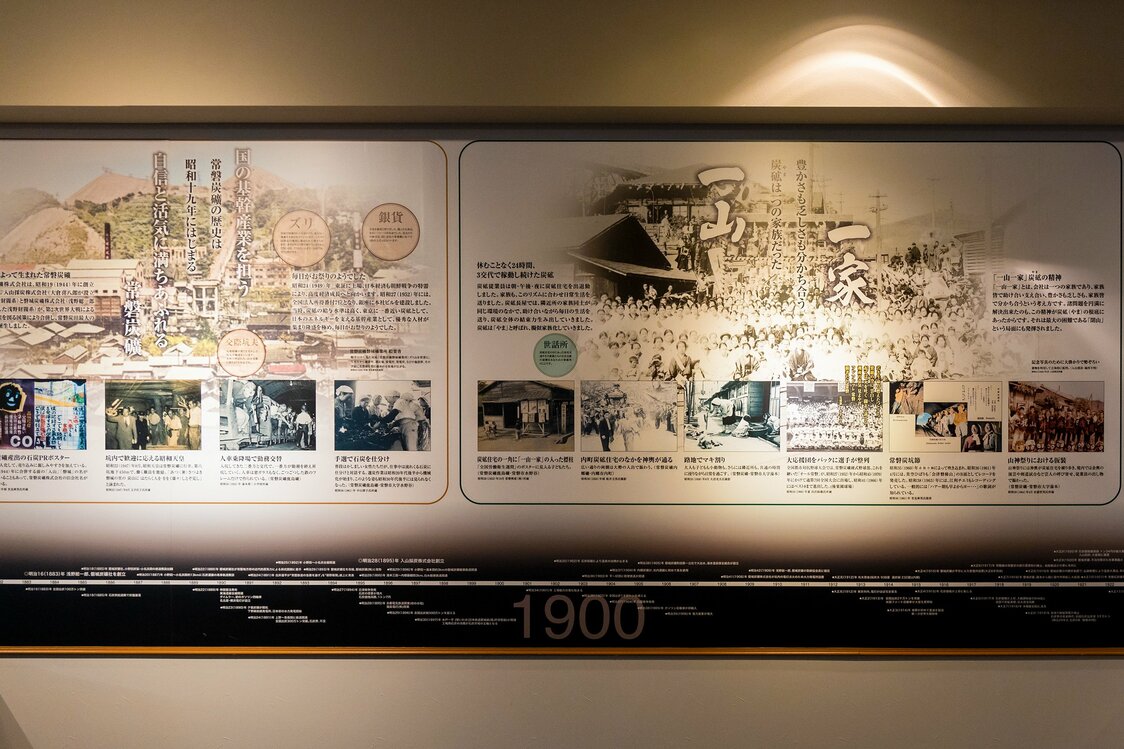
Panels display photographs from Jōban Tankō’s height.
-
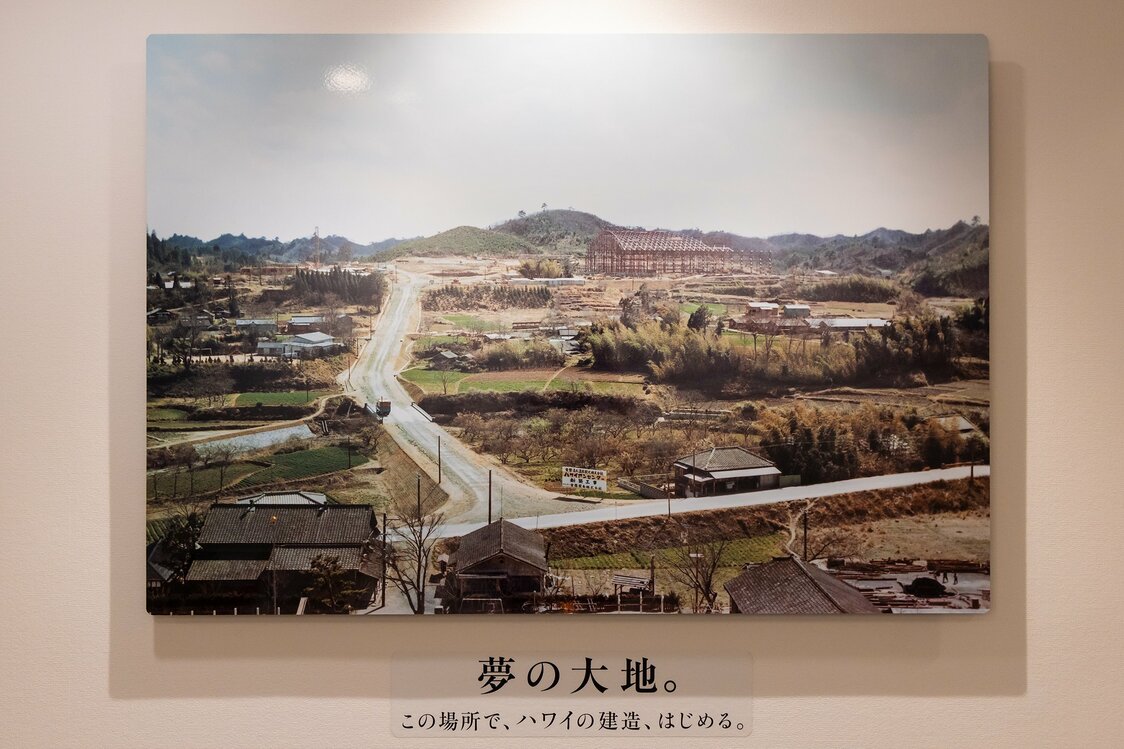
A photo of the resort’s iconic dome under construction.
-
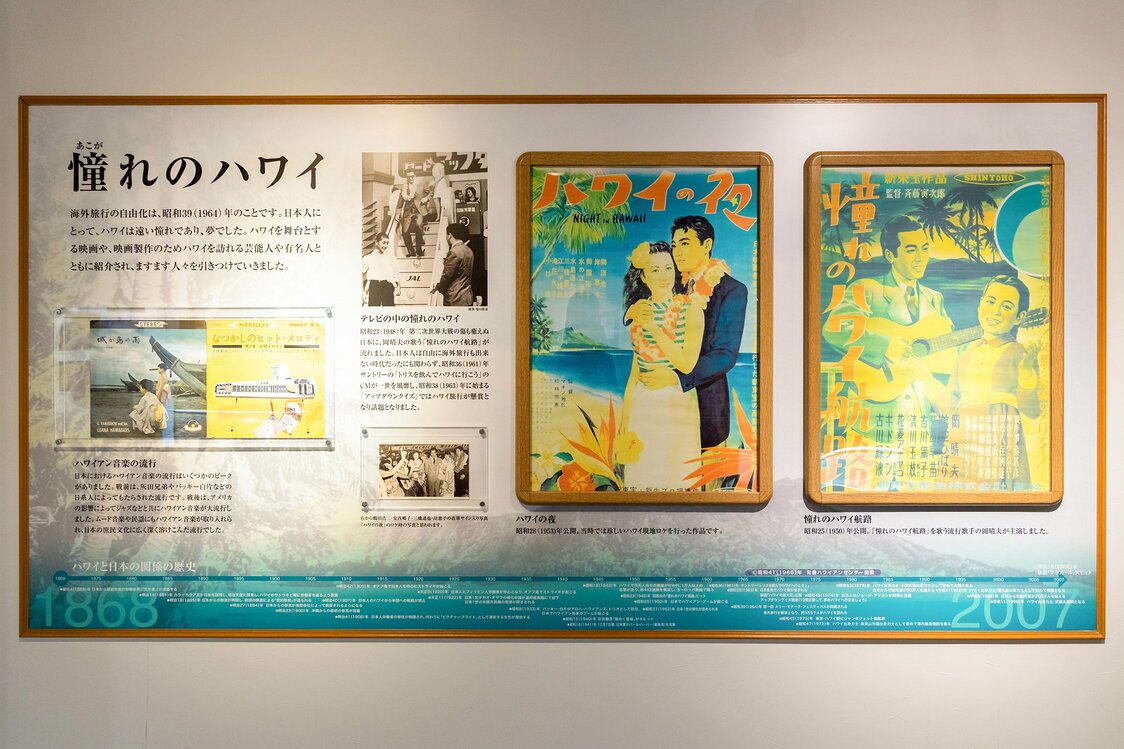
A display highlights the draw of the Hawaiian Islands for Japanese in the early postwar period.
-
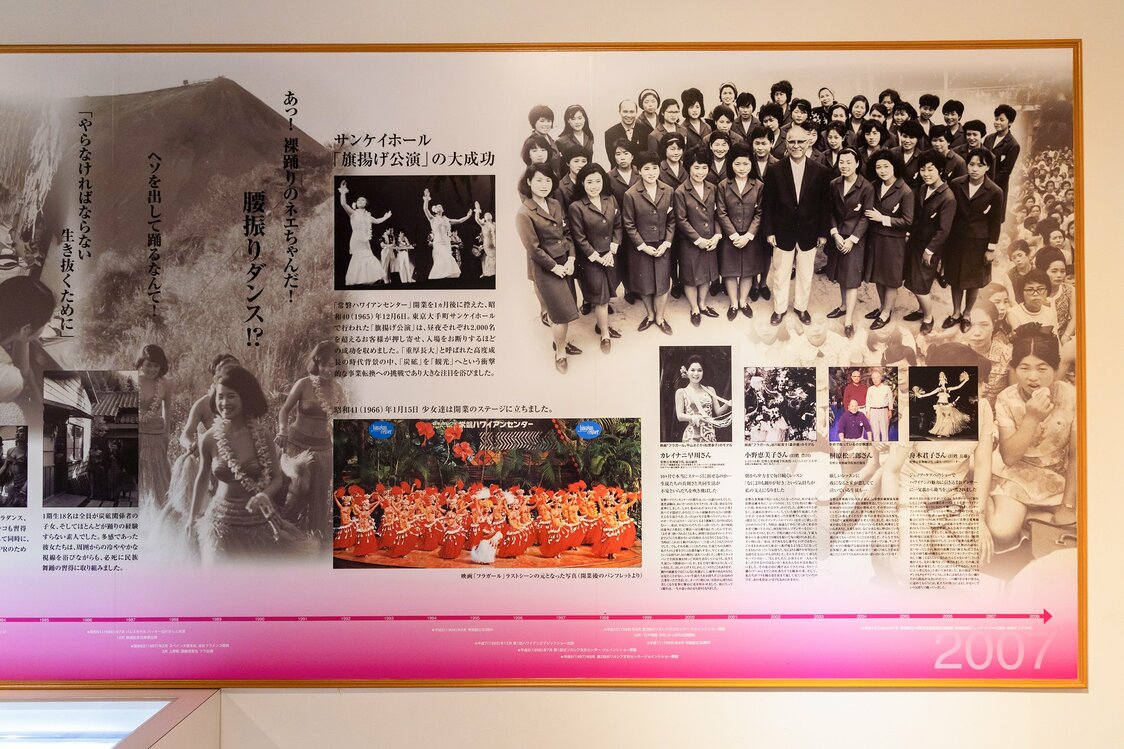
A display looks at the history of the resort’s hula dancers.
-
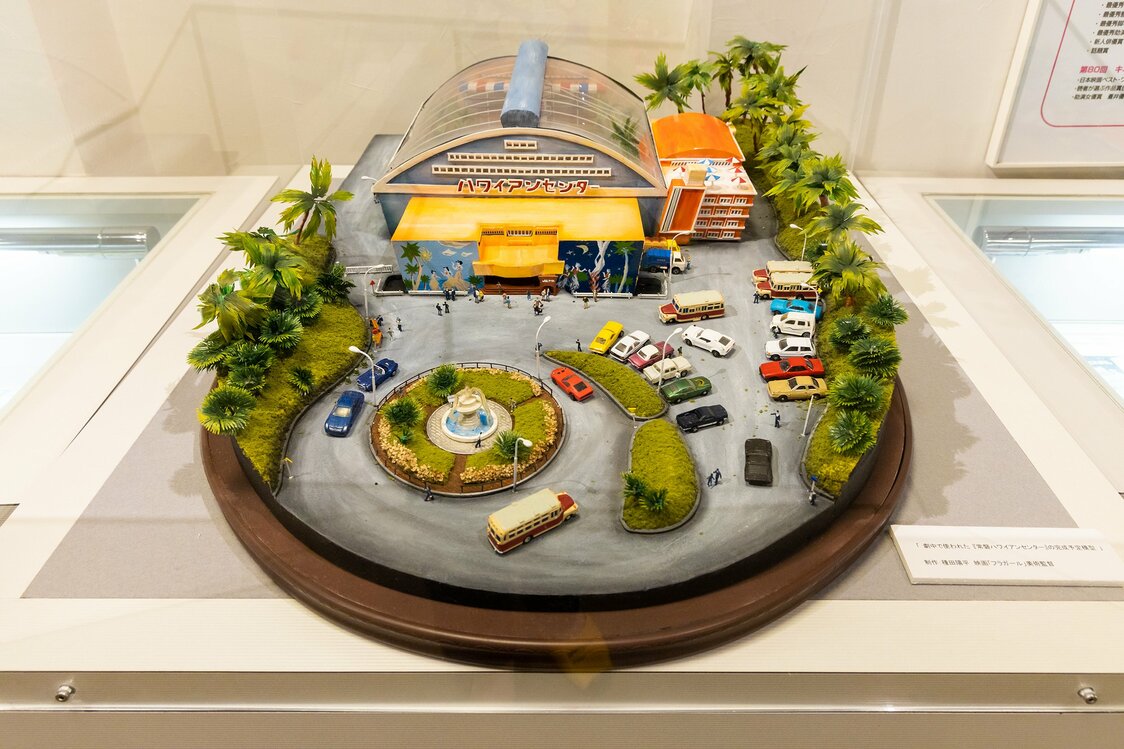
A model of the original Jōban Hawaiian Center.
-
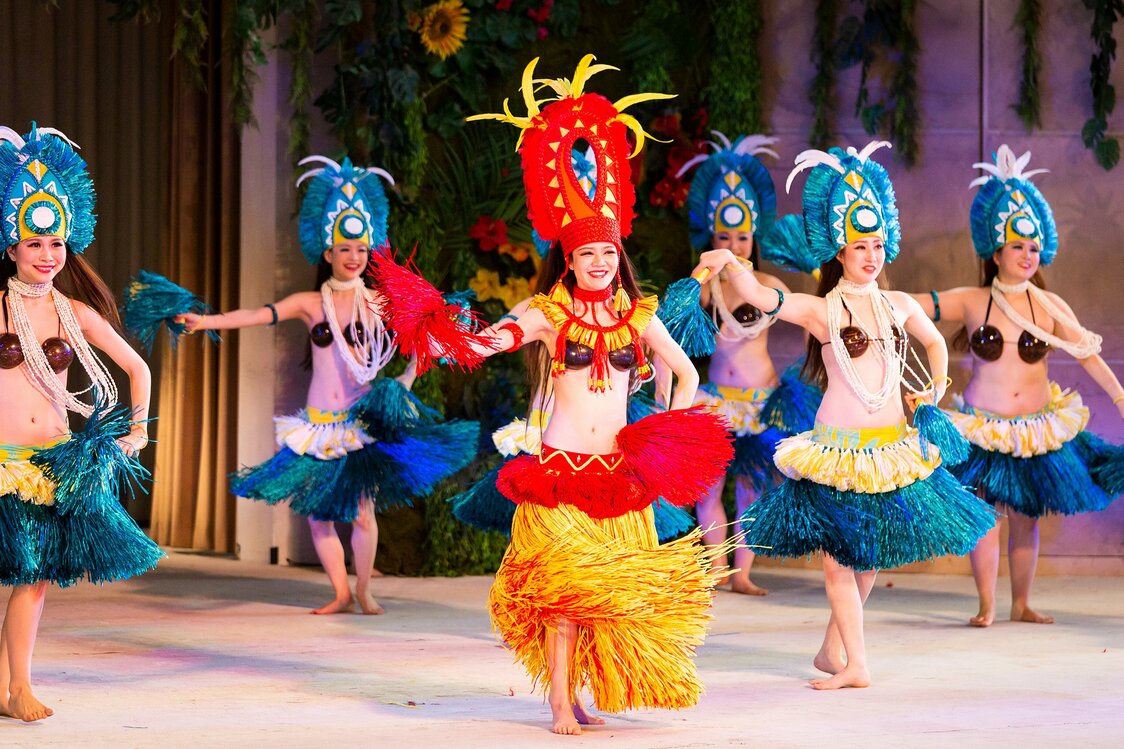
The spa continues to rely on local talent from Iwaki, but now also attracts hopeful hula dancers from around Japan.
-

Male dancers perform the Samoan fire knife dance.
-
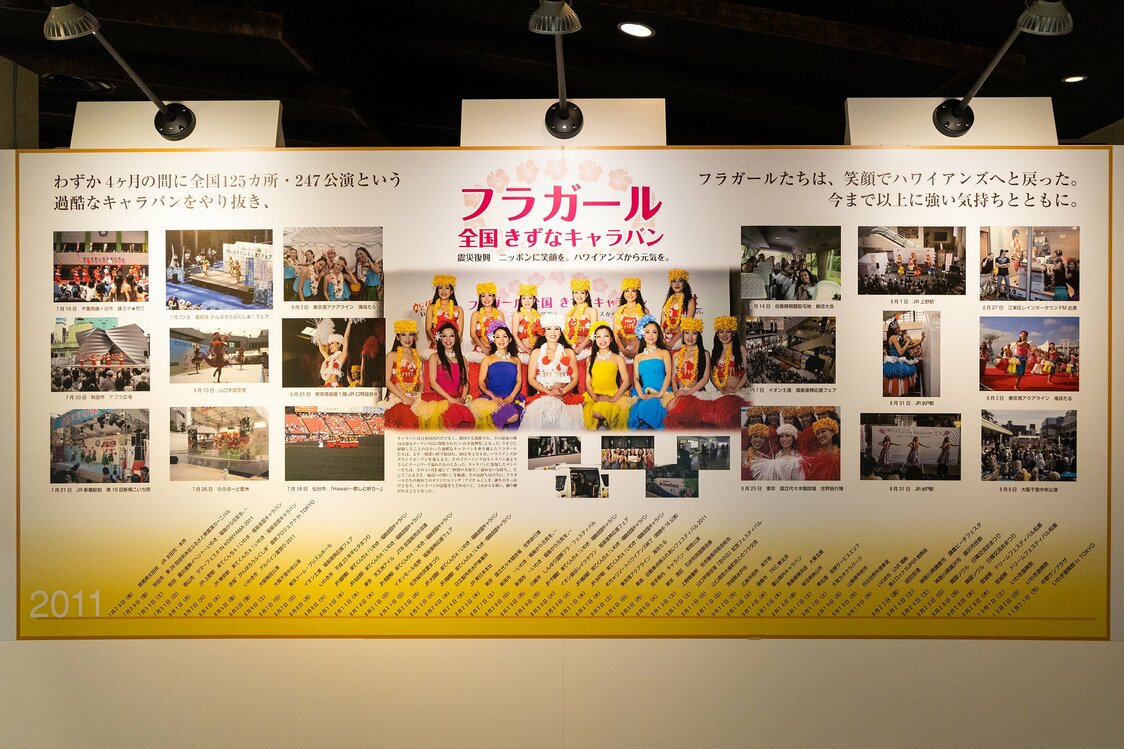
A panel shows the grueling schedule of the caravan.
-
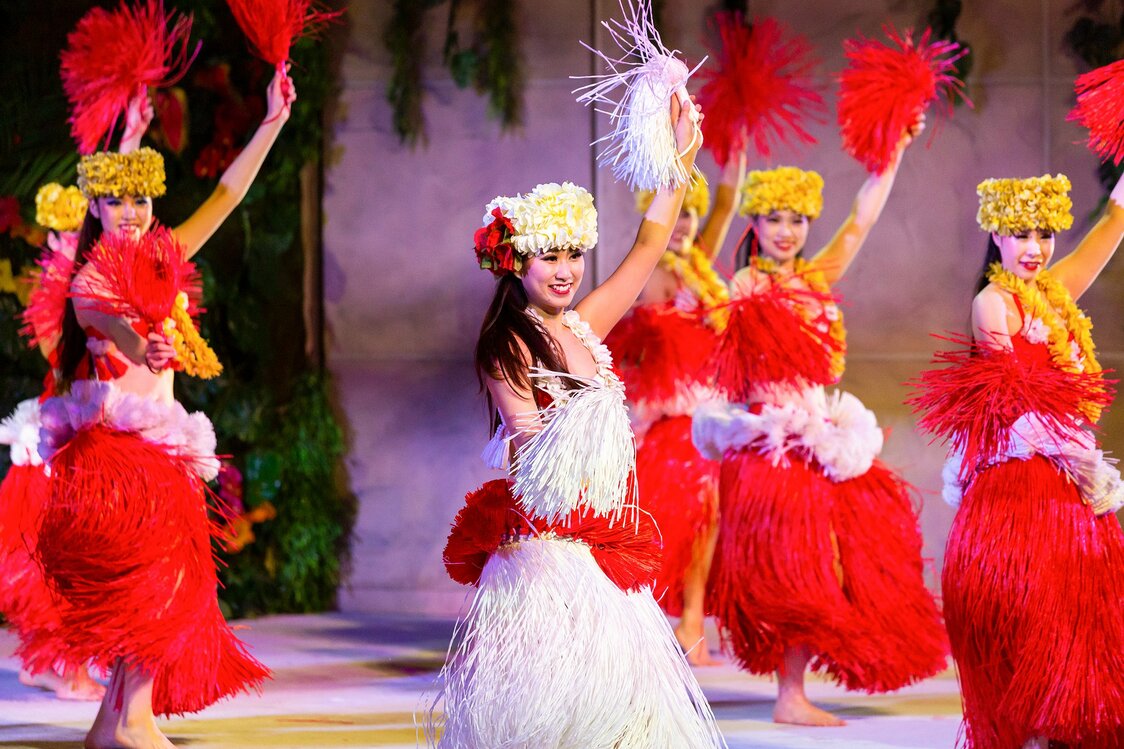
The dancers have become a symbol of Fukushima’s recovery.
-

The hotel Monolith Tower.
-
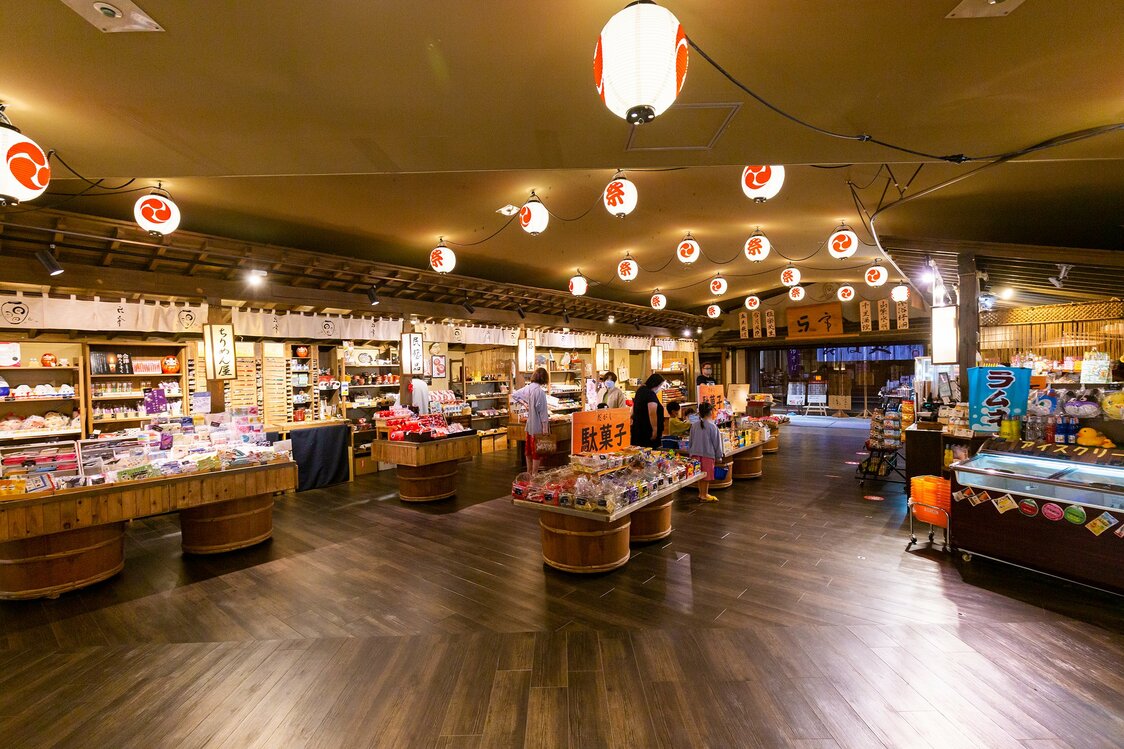
The resort’s souvenir shops offer Hawaiian-themed goods alongside specialty product from Fukushima.
-
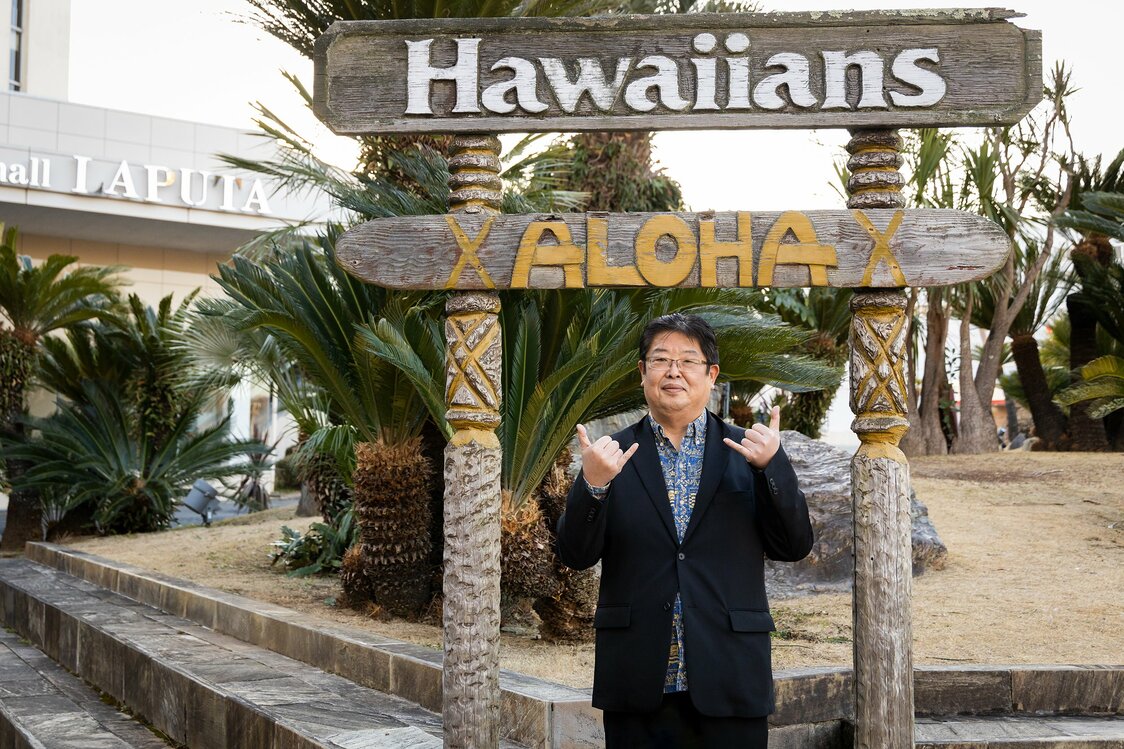
Sekine proudly flashes the shaka sign, the symbol of Hawaiian Aloha spirit.


 Read in other languages