-
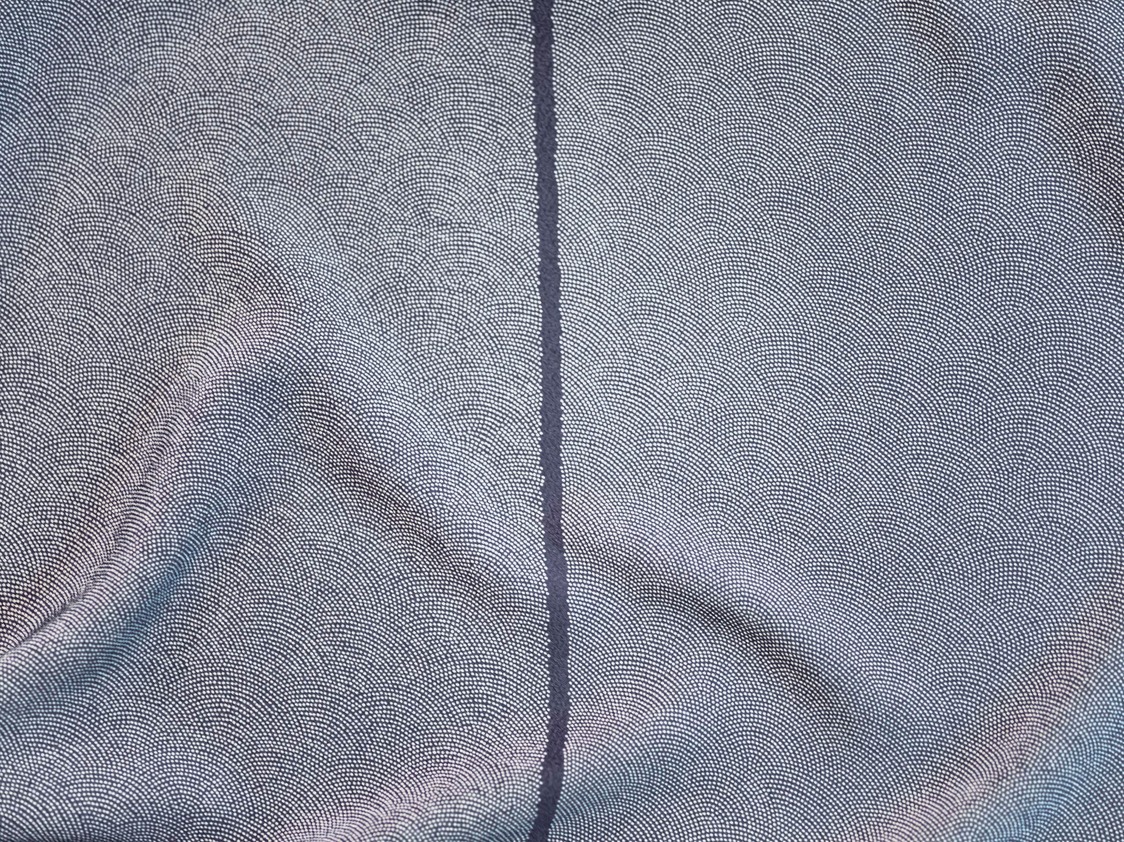
A same (sharkskin) komon pattern used by the Kii branch of the Tokugawa shogunate. The dots on the right are evenly spaced, while those on the left show slight irregularities—evidence of how different stencils produce distinct results. (© Mori Masatoshi)
-
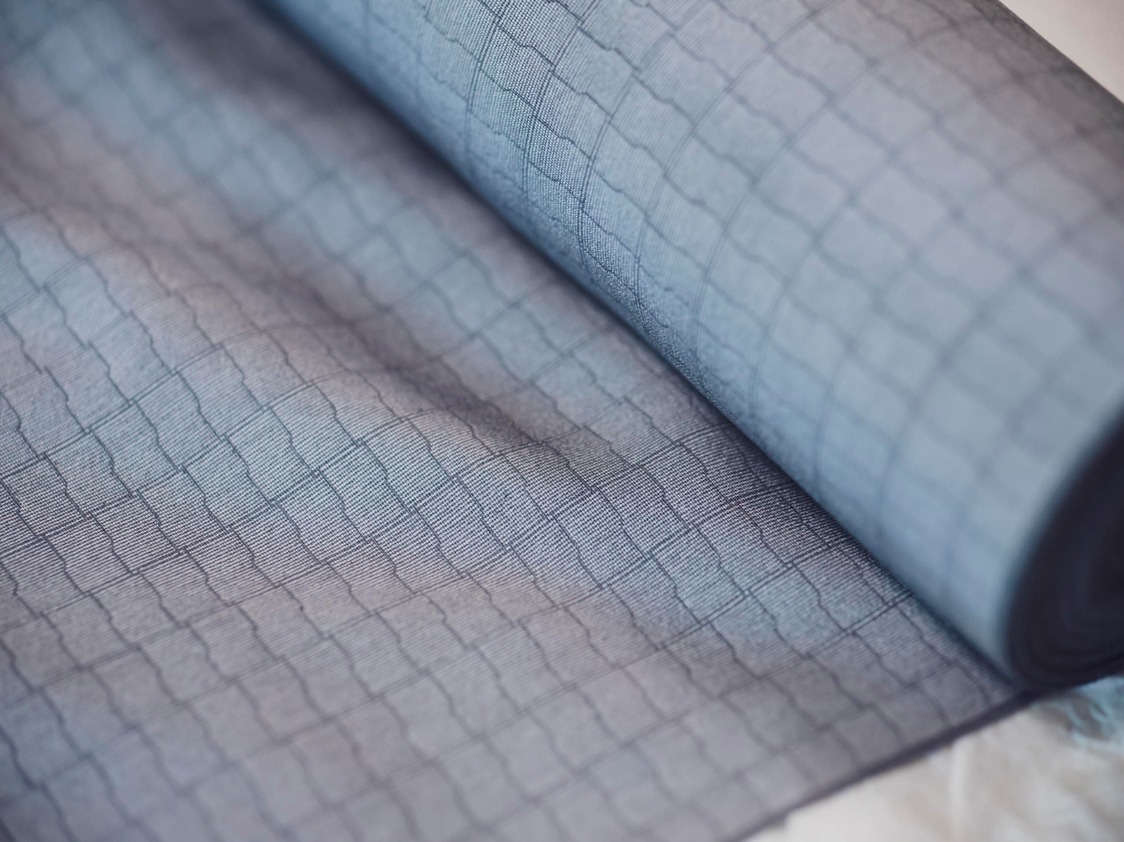
A bolt of renji-patterned cloth. Each square contains stripes so fine they are almost invisible to the naked eye. (© Mori Masatoshi)
-
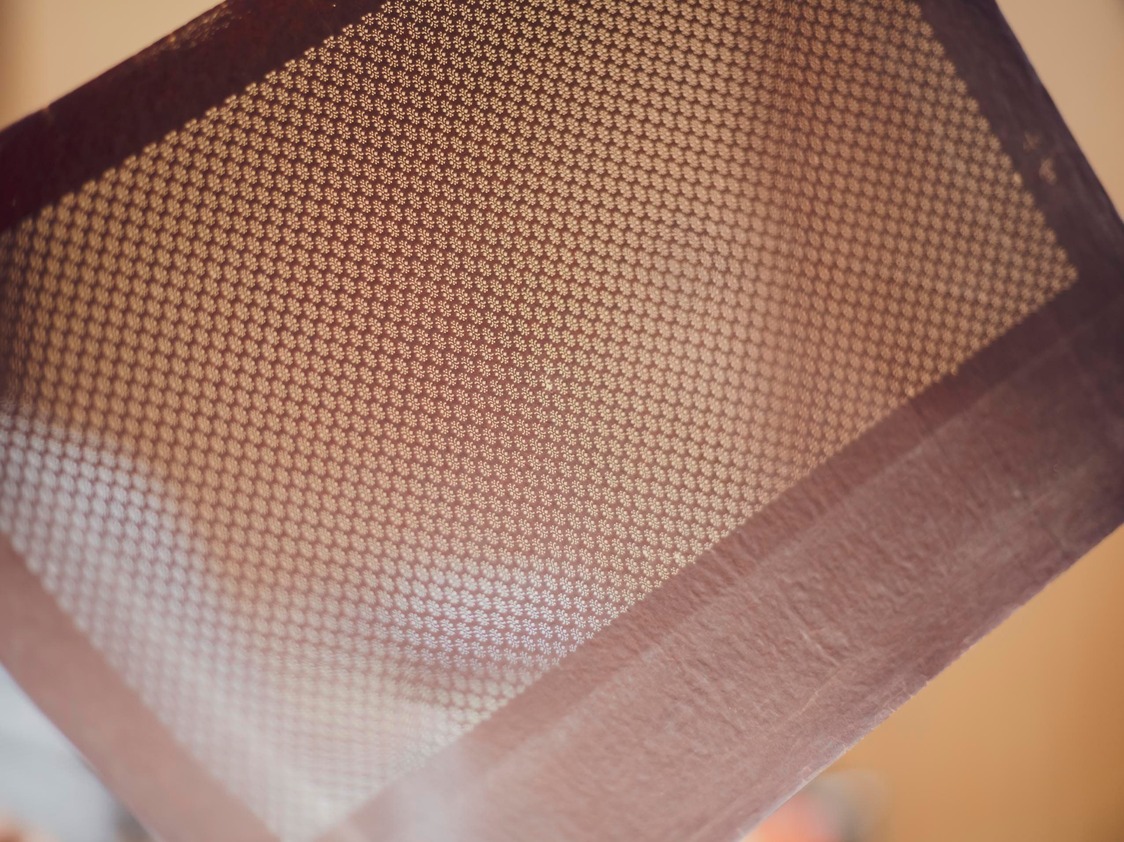
A hand-carved stencil so fine as to be almost transparent. (© Mori Masatoshi)
-
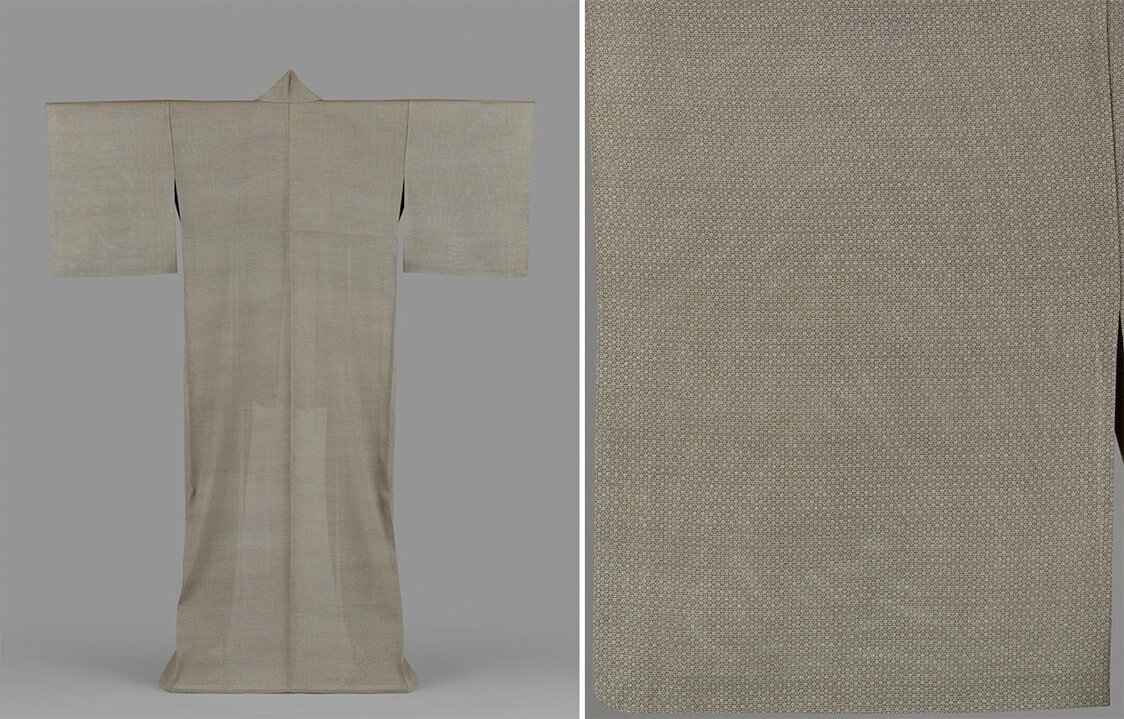
An Edo komon summer silk kimono with a nashi no kirikuchi (pear cross section) design, blending traditional techniques with modern motifs. (Courtesy of Agency for Cultural Affairs)
-
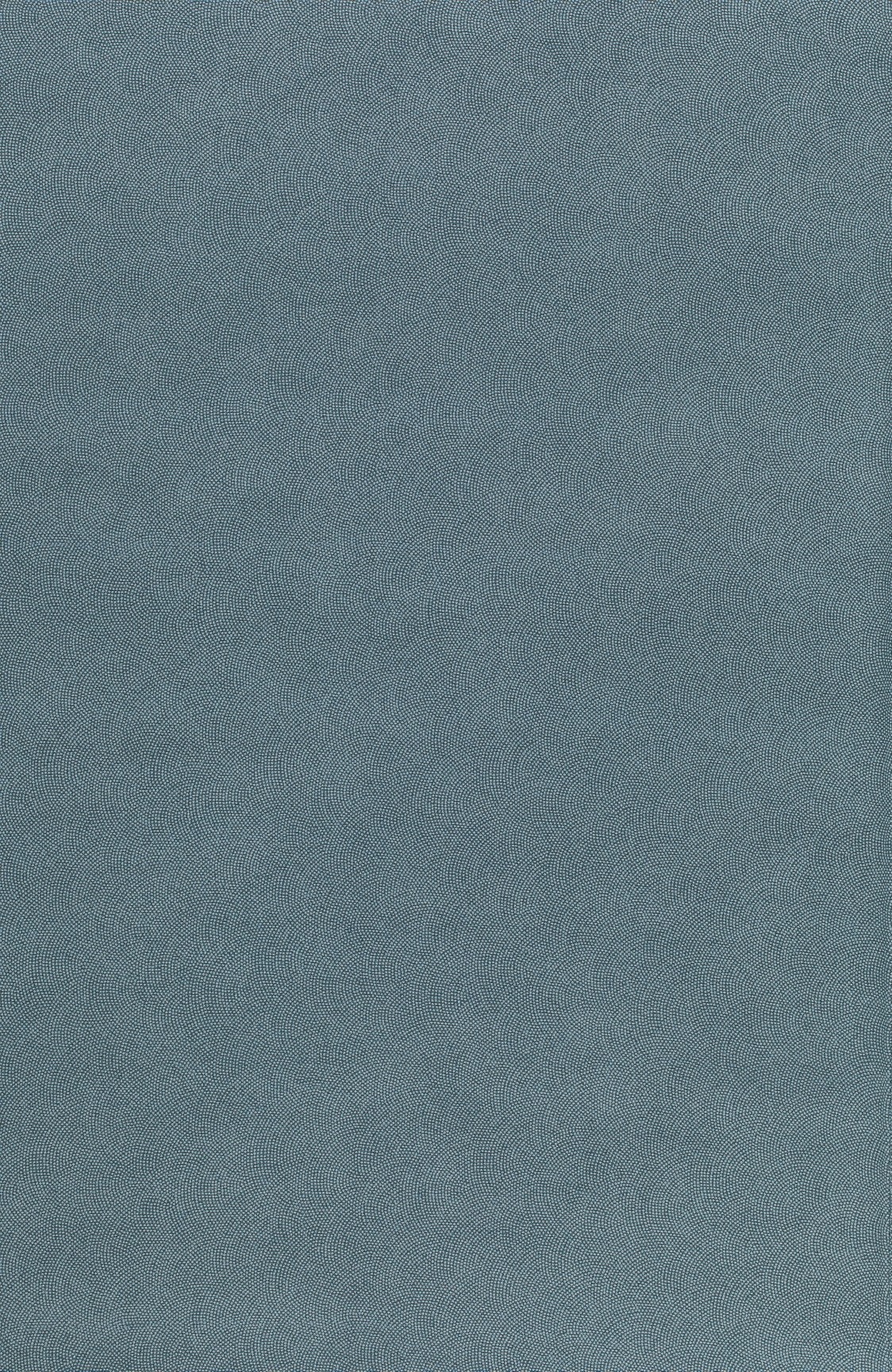
Detail of an Edo komon kimono with a goku‑same design. Among sharkskin patterns, goku‑same is the most delicate and elegant. Exhibited at the forty-eighth Japan Traditional Textile Arts Exhibition. (Courtesy the Japan Kōgei Association)
-
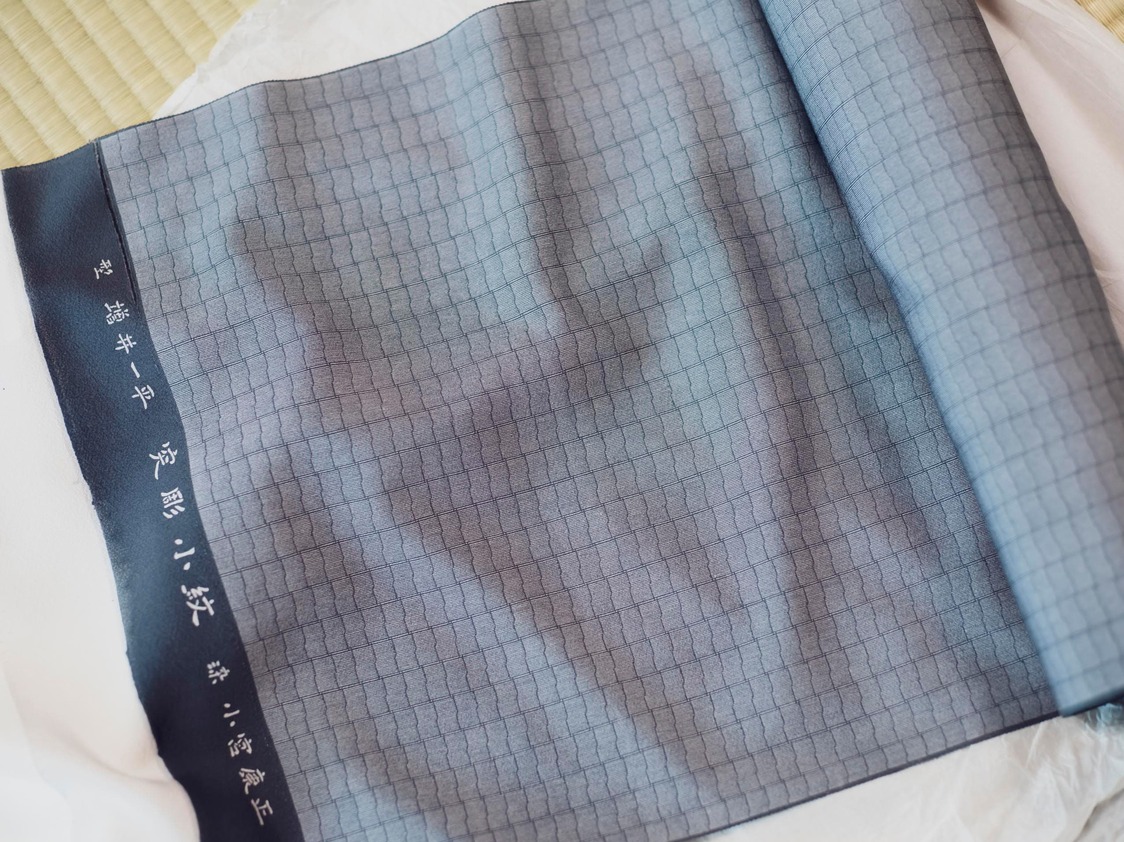
This bolt of cloth bears the name of stencil carver Masui Ippei. (© Mori Masatoshi)
-
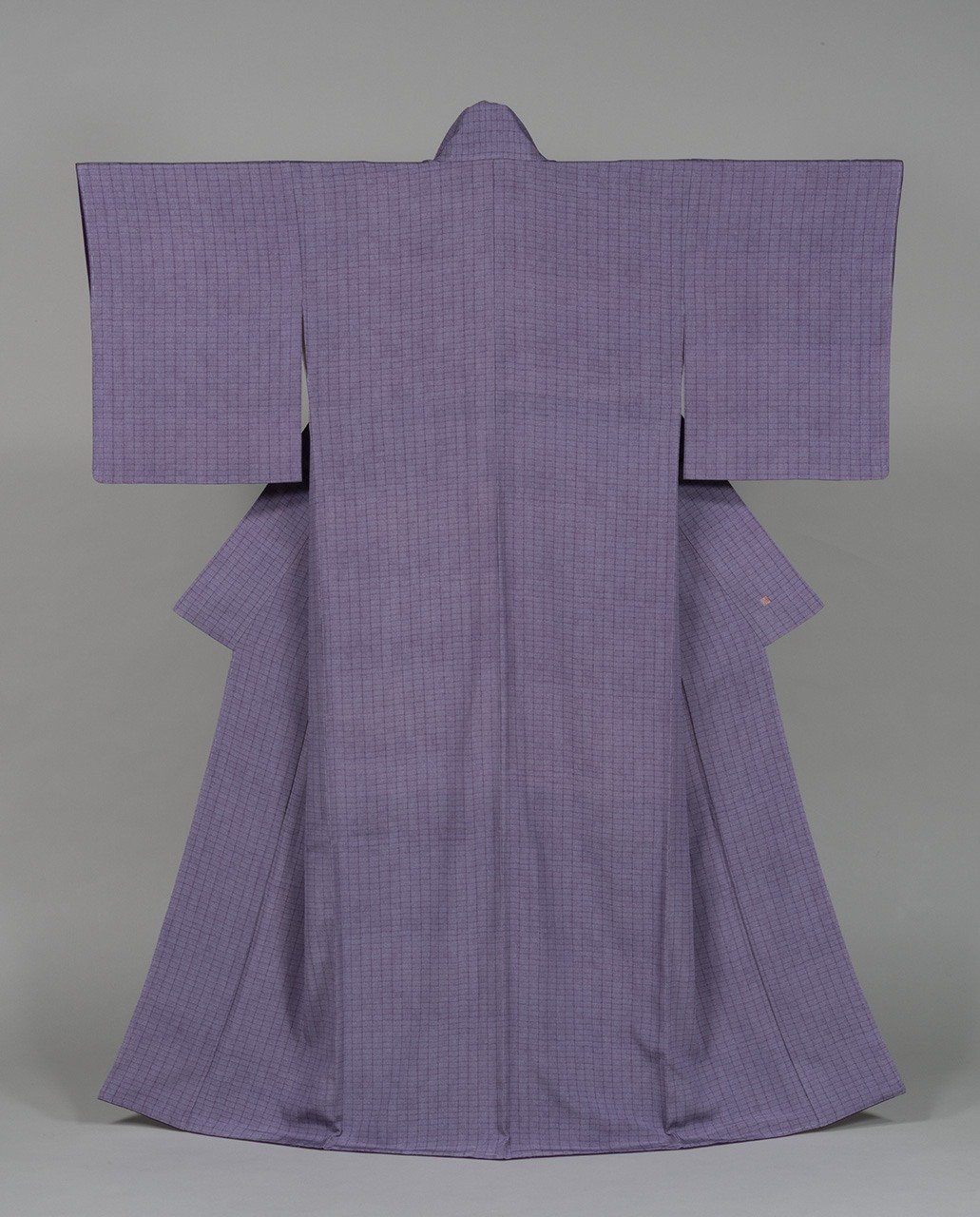
A highly renowned tsukibori komon kumichigai renji kimono. (Courtesy the National Museum of Modern Art, Kyoto)
-
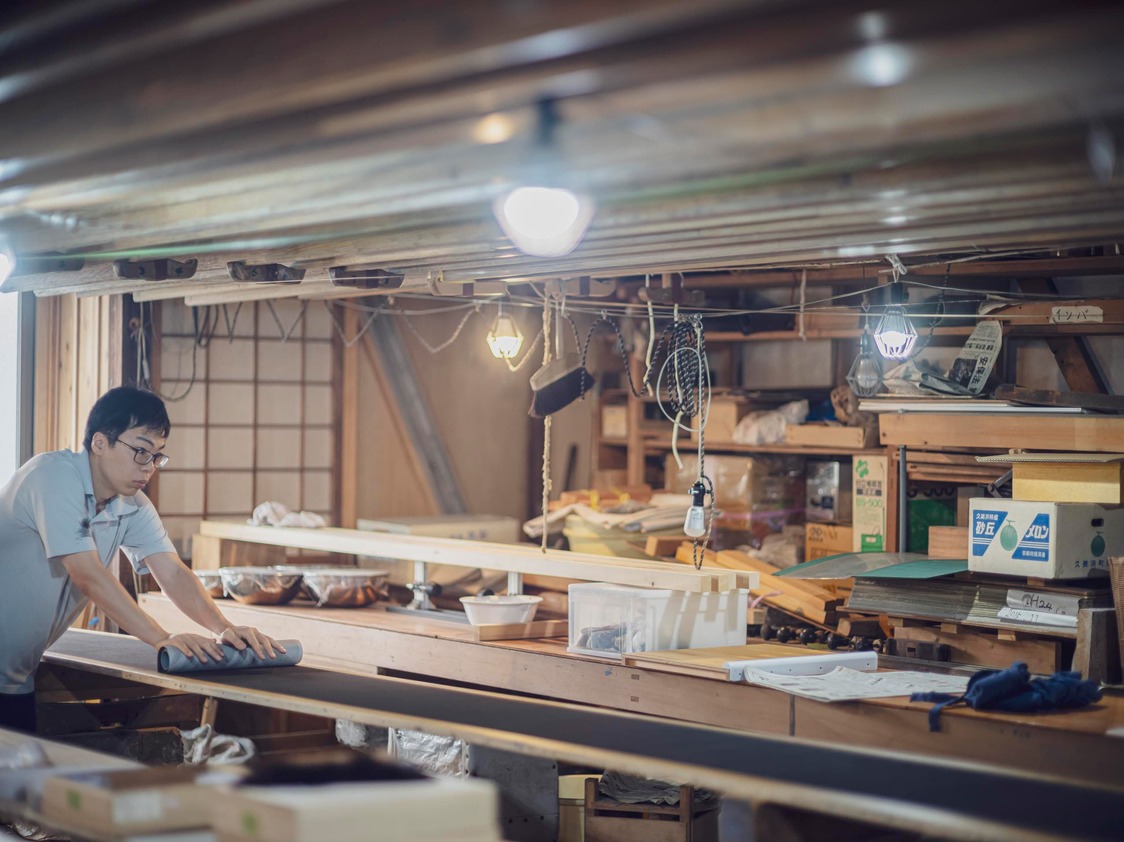
Komiya’s second son Kōhei, fully absorbed in his work in the studio. (© Mori Masatoshi)
-

A sample book made from offcuts of past works. (© Mori Masatoshi)
-
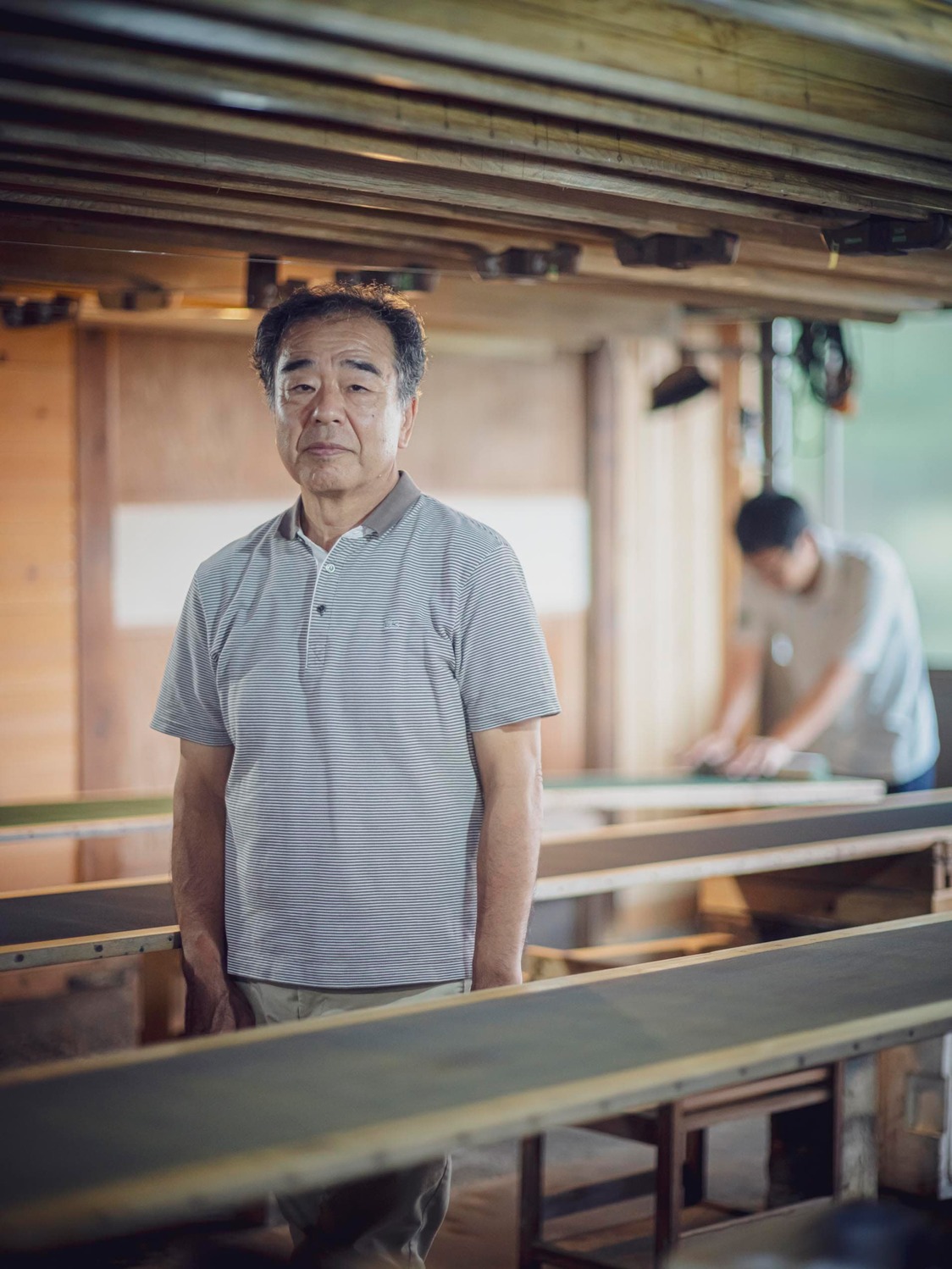
Inside the workshop. (© Mori Masatoshi)


 Read in other languages