-
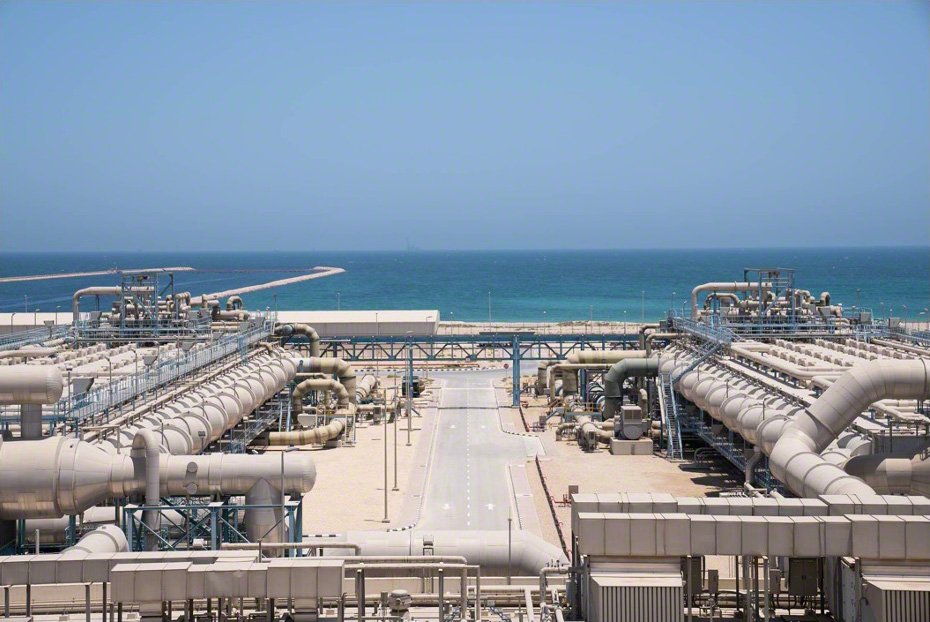
A desalination plant on the west coast of Saudi Arabia. (Courtesy Saline Water Conversion Corporation of the Kingdom of Saudi Arabia)
-
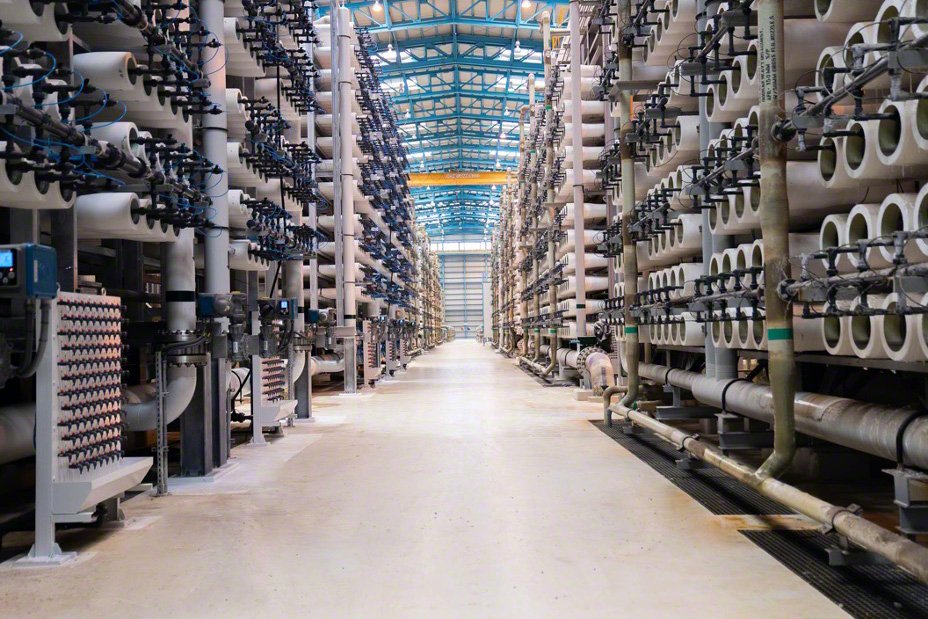
Tubular desalination modules installed in a desalination plant on the west coast of Saudi Arabia. They contain reverse osmosis membranes that remove the salt from seawater. (Courtesy Saline Water Conversion Corporation of the Kingdom of Saudi Arabia)
-
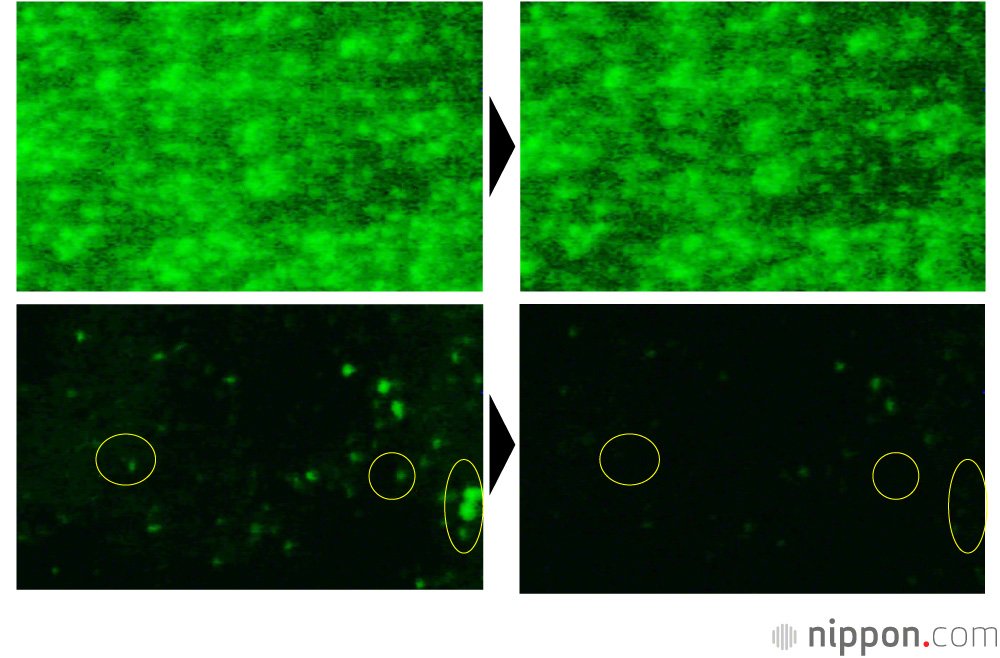
The frames above show a conventional reverse osmosis membrane. Below is the nanocomposite membrane developed at Shinshū University. Left is after 48 hours, right is after 52 hours. The green proteins adhere to the conventional membrane, but the small clumps of proteins adhering to the nanocomposite membrane peel off and are almost gone after 52 hours. (© Shinshū University).
-
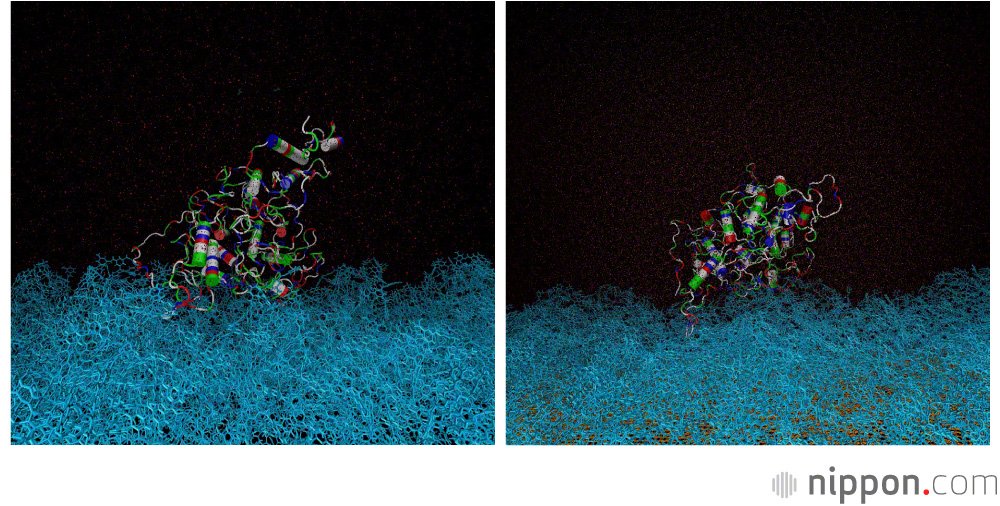
Proteins adhere to the conventional membrane at left (the fibrous material in blue at bottom), while they only adhere weakly to the Shinshū University membrane on the right, and they can be easily removed by water flow. (© Shinshū University)
-
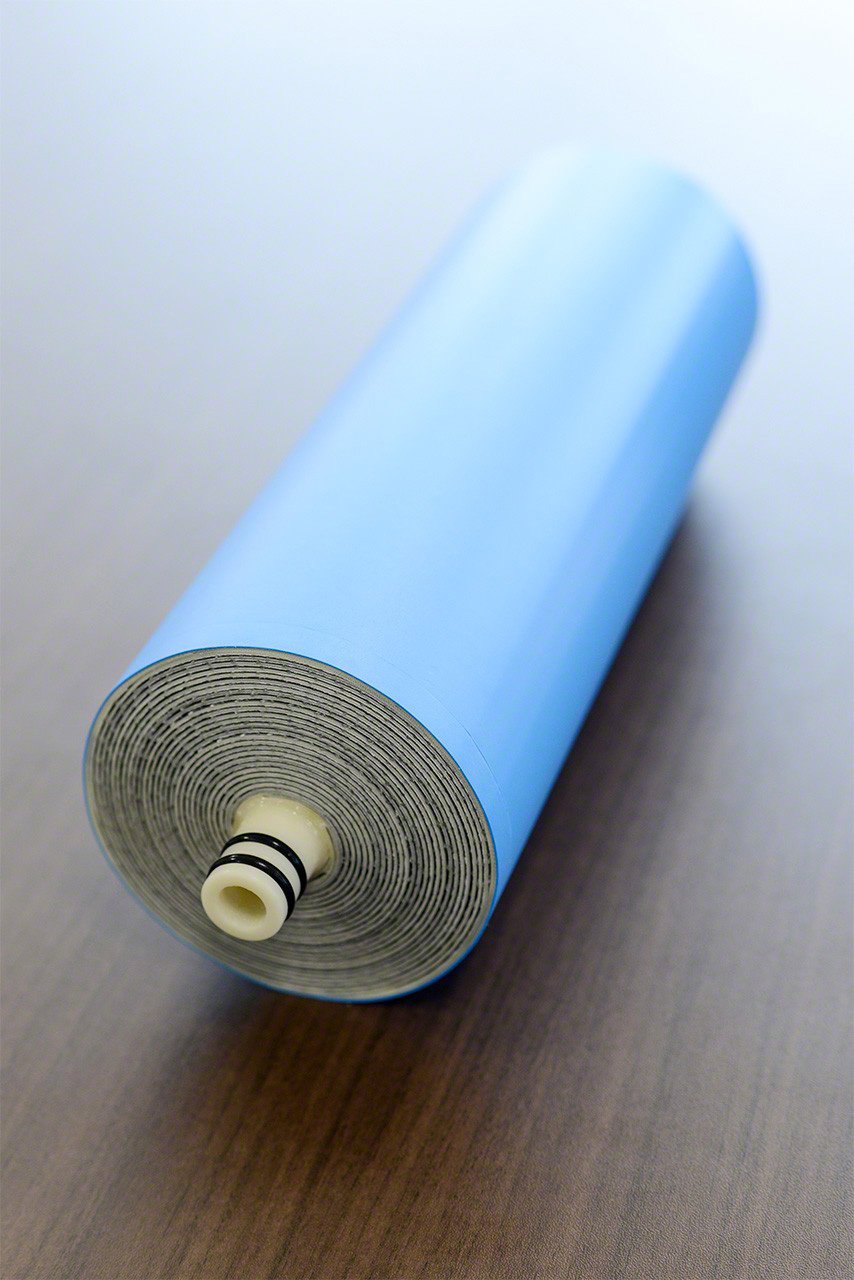
A seawater desalination module using nanocomposite membranes. Running seawater through this module removes the salt content. The black areas on the cross-section show the presence of carbon nanotubes. (© Shinshu University)
-
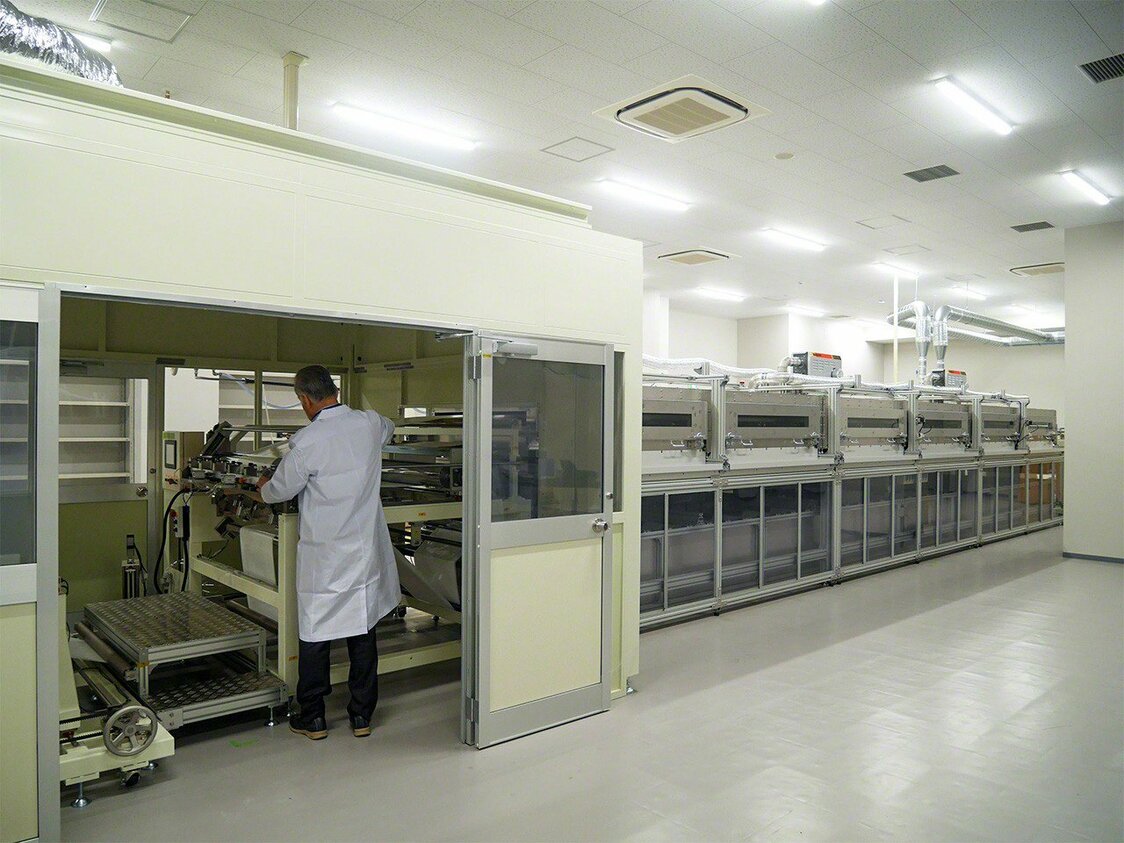
The carbon nanotube production line inside the International Center for Science and Innovation at Shinshū University (AICS). (© Shinshū University)
-
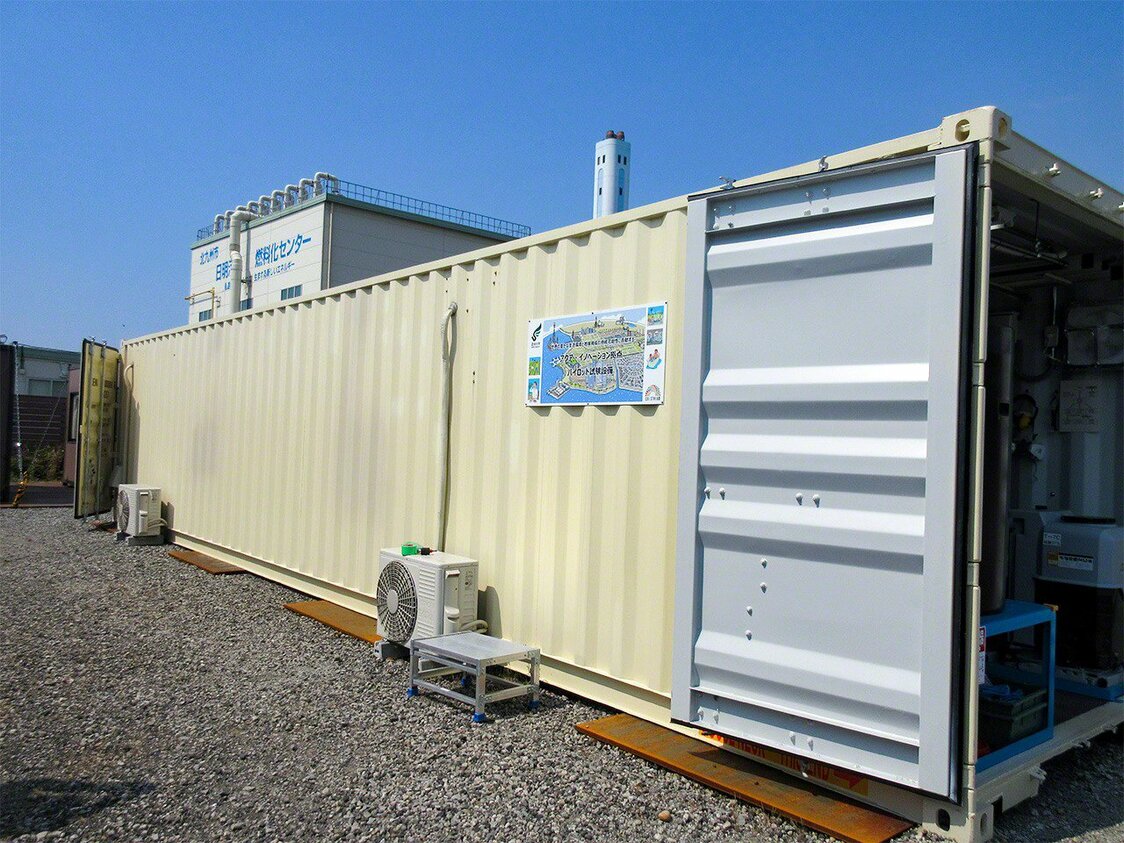
The pilot desalination plant installed at Water Plaza Kitakyūshū. The container has equipment for valuable daily experiments, carried out over several months, evaluating the durability of nanocomposite membranes using real seawater. (© Shinshū University).


 Read in other languages