-
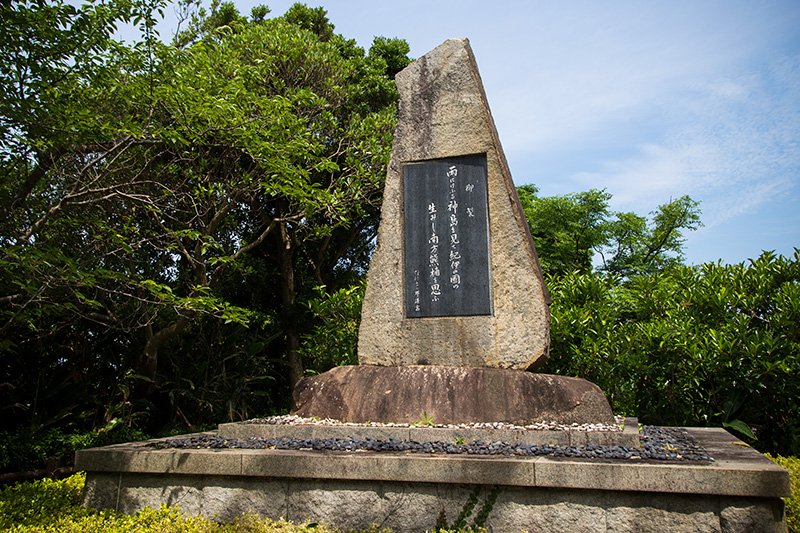
A memorial inscribed with a poem dedicated to Minakata Kumagusu by Emperor Shōwa stands outside the Minakata Kumagusu Museum in Shirahama, Wakayama Prefecture.
-
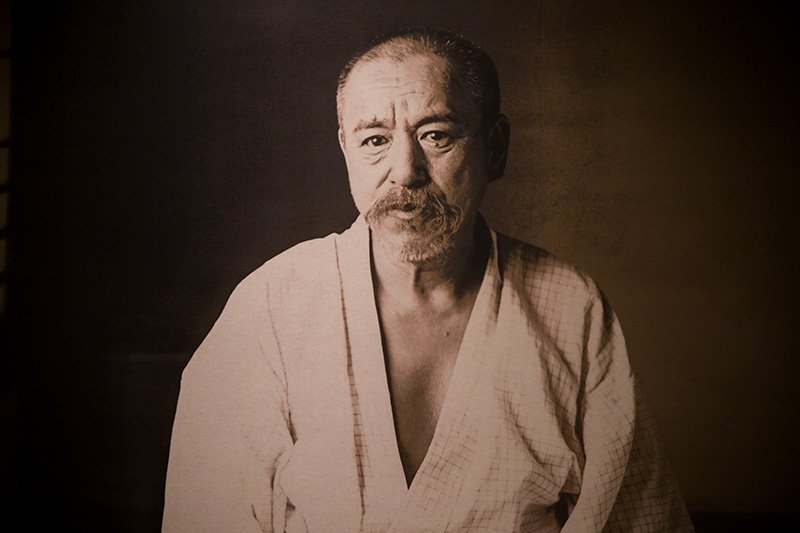
Minakata Kumagusu in later years.
-
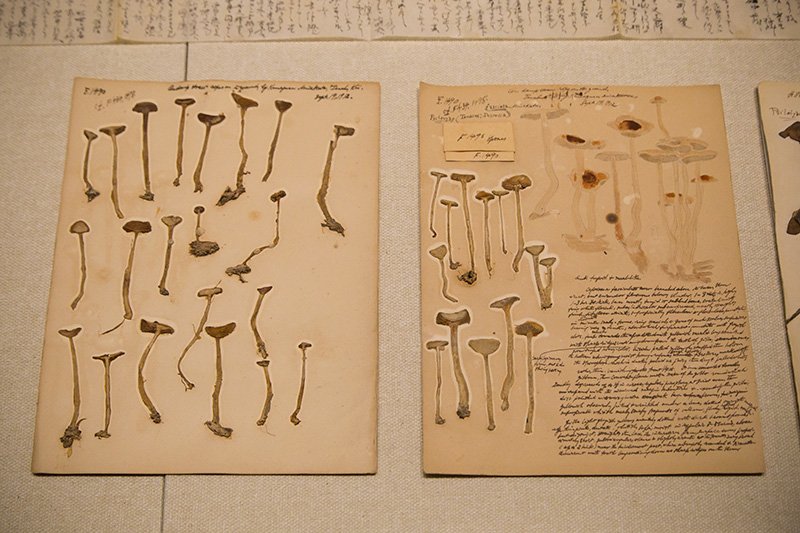
Minakata drew meticulous, delicately colored sketches of the numerous fungi specimens he collected and studied.
-
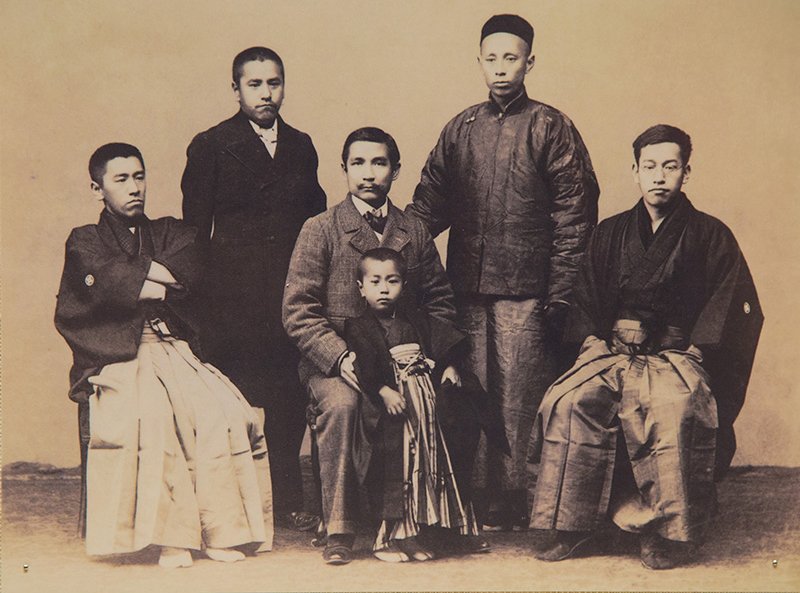
Minakata Kumagusu (second from left) and his family pose in a 1901 portrait with Sun Yat-sen (seated to Kumagusu’s right), whom Kumagusu met while living in London. The other subjects are (left to right), Kumagusu’s younger brother Tsunegusu, Tsunegusu’s son Tsunetarō, the Chinese interpreter Wen Bingchen, and another younger brother, Kusujirō.
-
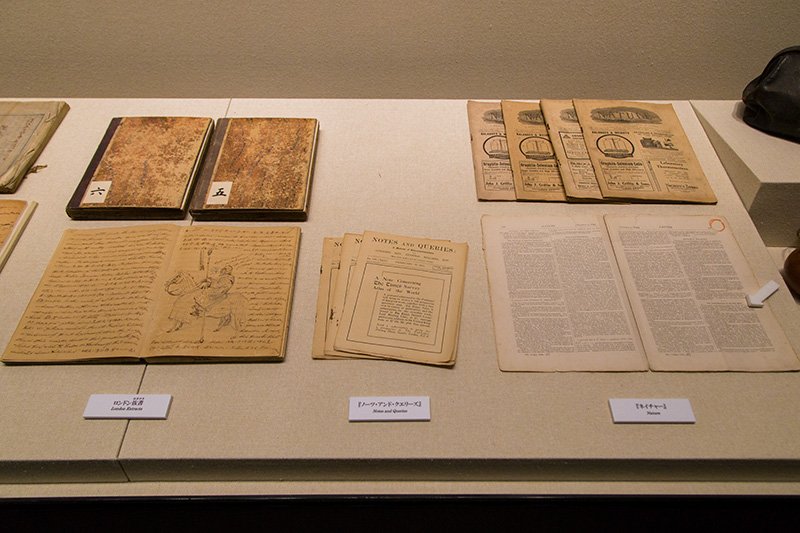
Minakata’s London years are represented by a sampling from his expertly illustrated 52-volume London Extracts (left), alongside issues of Notes and Queries and Nature, two journals to which Minakata contributed English-language essays and studies.
-
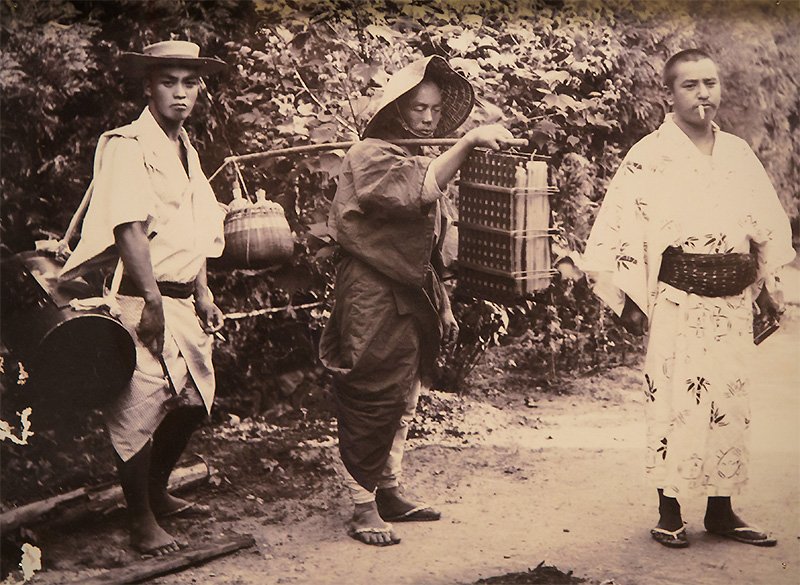
Minakata (right) setting out to collect specimens.
-
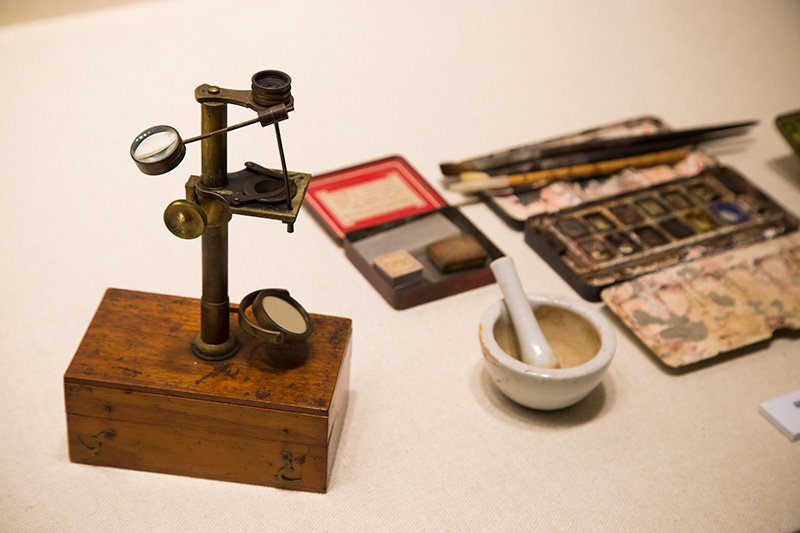
Minakata’s microscope and sketching materials.
-
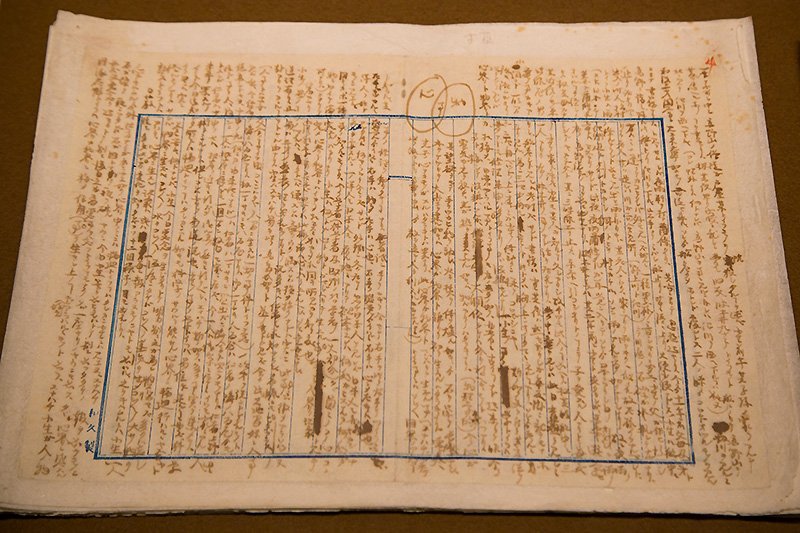
A section of Minakata’s letter to Doki Hōryū.
-
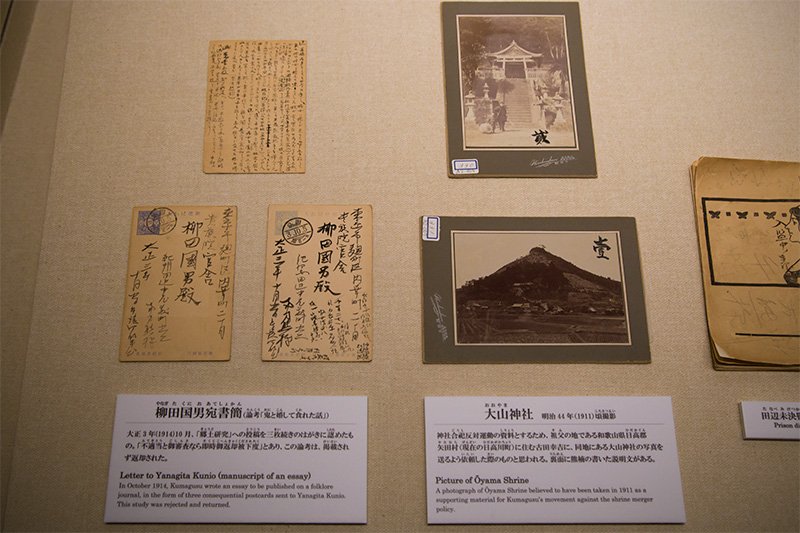
Letters addressed to Yanagita Kunio (left) and a photo used in Minakata’s campaign against shrine mergers. Ōyama Shrine, pictured in the photo at right, was one of many small shrines in Wakayama Prefecture that fell victim to the government’s consolidation policy.
-
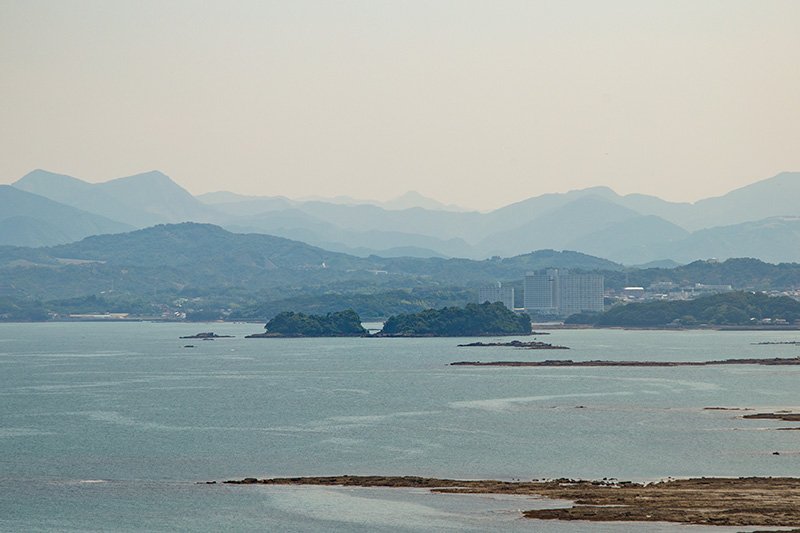
The island of Kashima (center) with Minakata’s beloved Kii Mountains in the background.
-
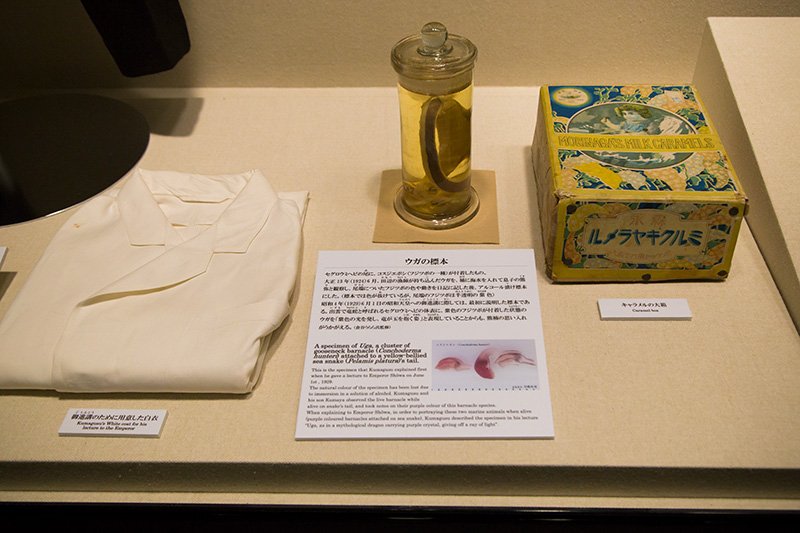
Mementos of Minakata’s lecture to Emperor Shōwa. From left to right, the lab coat he bought for the occasion, the sea snake barnacles that featured in his lecture, and one of the candy boxes he used to package specimens for presentation to the emperor.
-
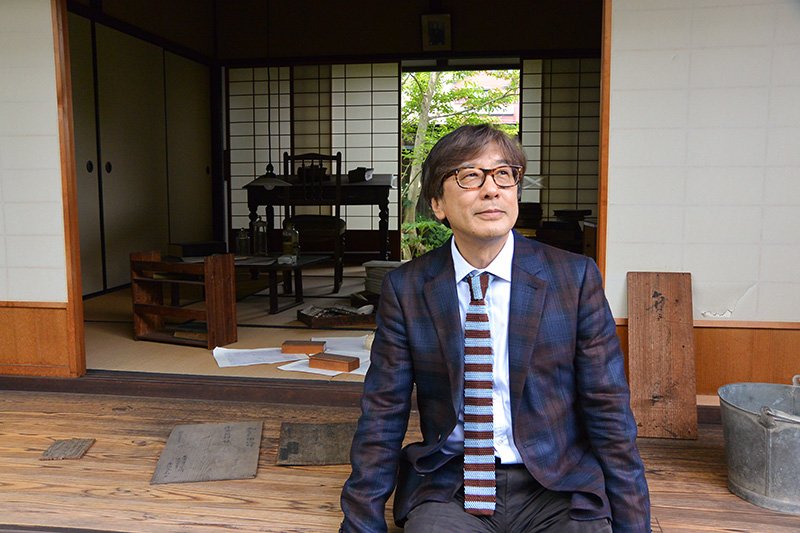
The author at Minakata Kumagusu’s residence in Tanabe, Wakayama Prefecture.


 Read in other languages