-
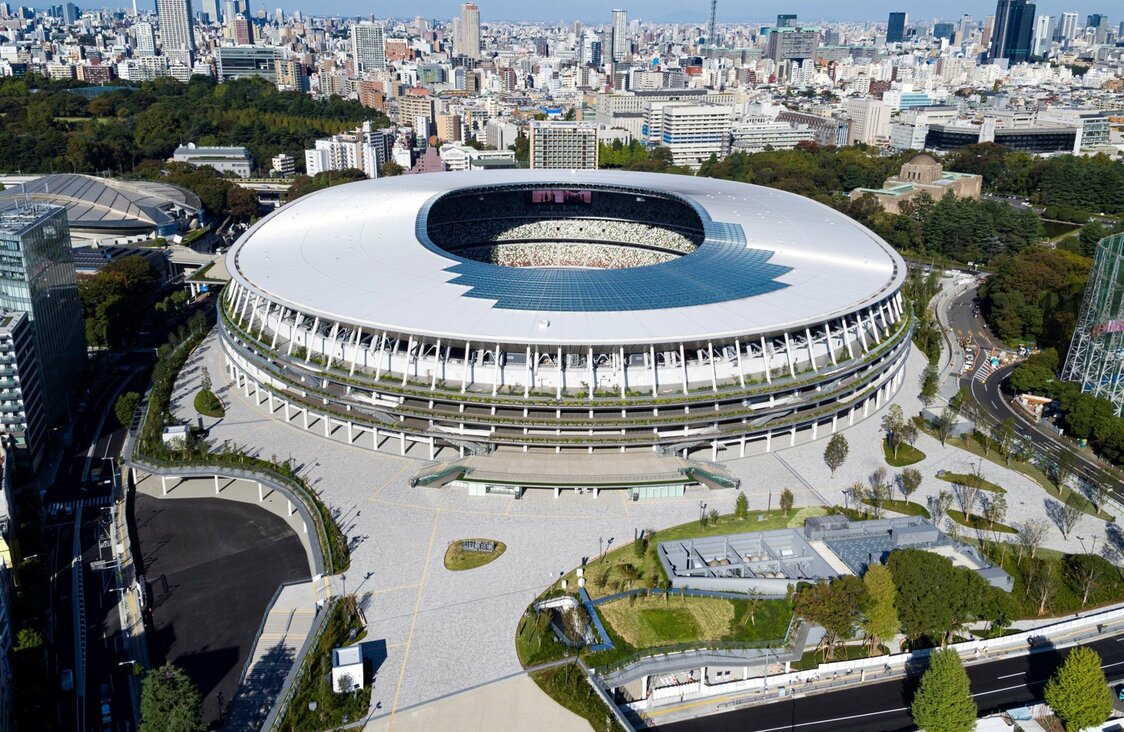
An aerial photograph of the National Stadium taken from the south. (Photo courtesy Japan Sport Council)
-
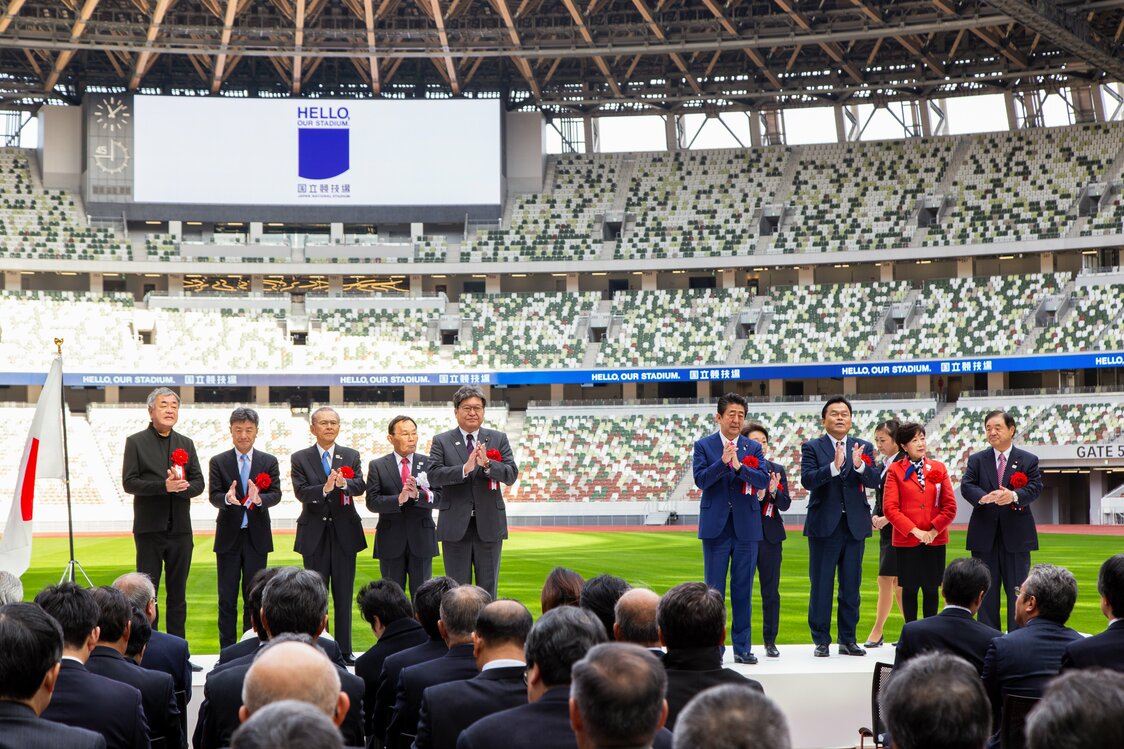
The ceremony to mark the completion of the stadium was attended by Prime Minister Abe Shinzō, Olympic Minister Hashimoto Seiko, and Tokyo Governor Koike Yuriko. At left is architect Kuma Kengo.
-
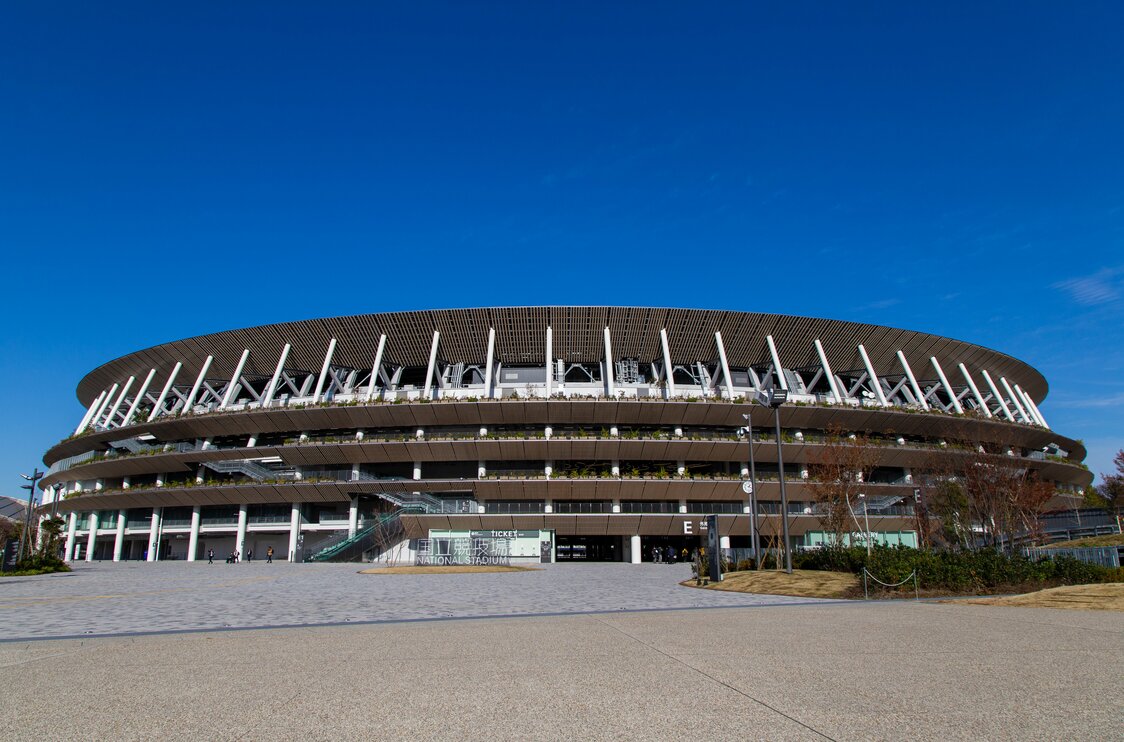
Extensive use of wood creates a warm ambience.
-
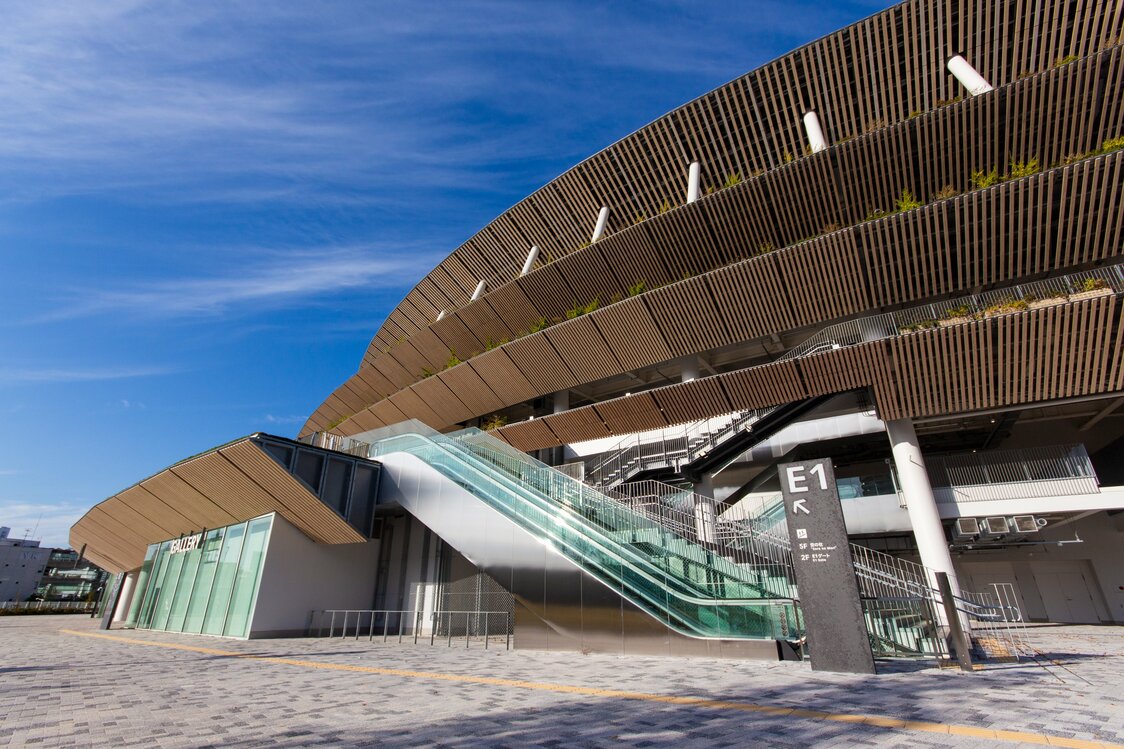
The wooden eaves are even more impressive up close.
-
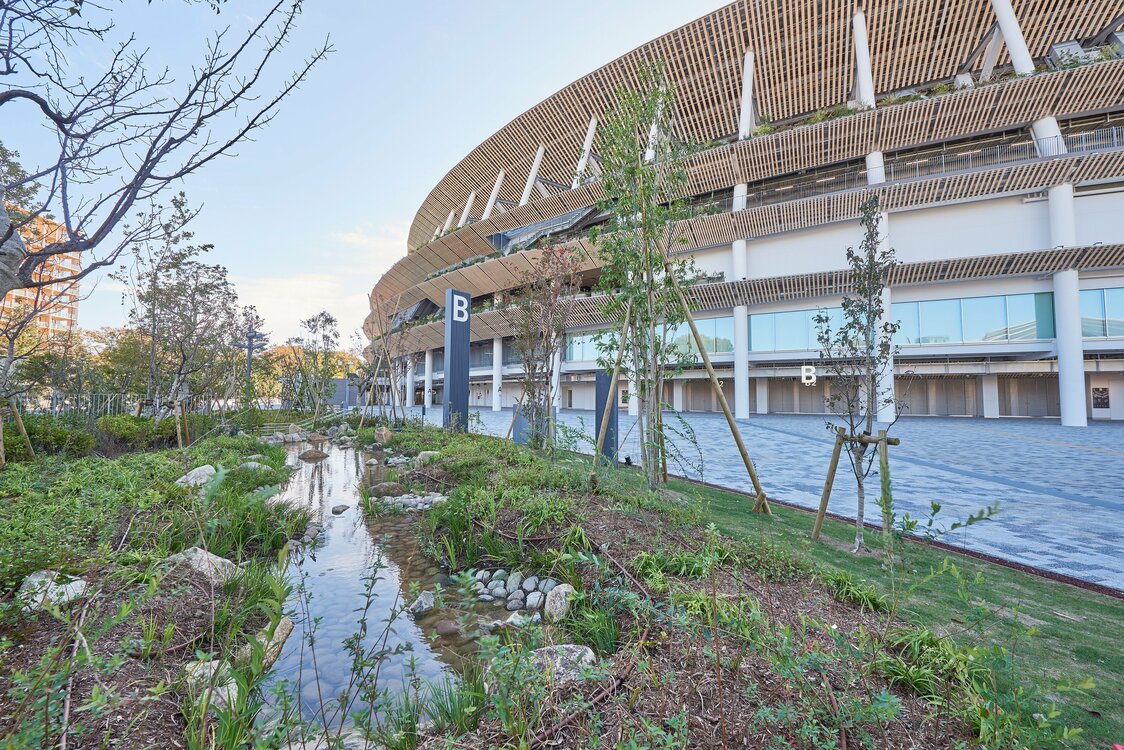
A total of 47,000 trees, representing 130 different species, have been planted around the stadium. (Photo courtesy JSC)
-
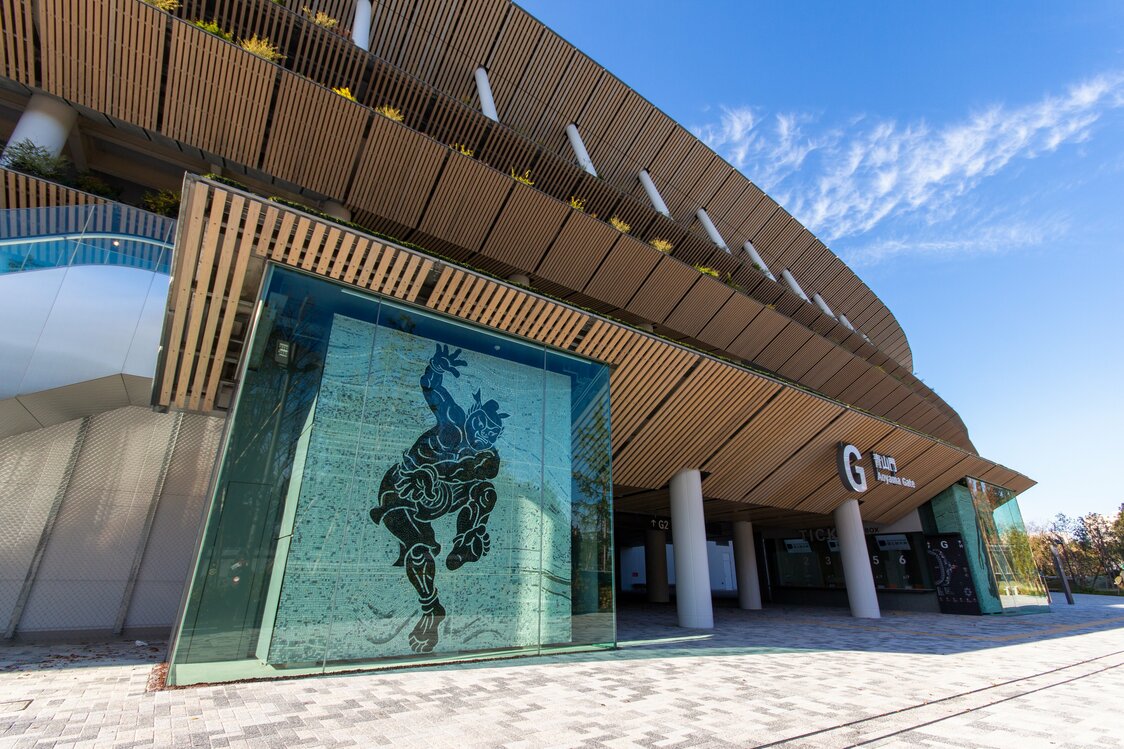
A wall painting taken from the former National Stadium near the east entrance.
-
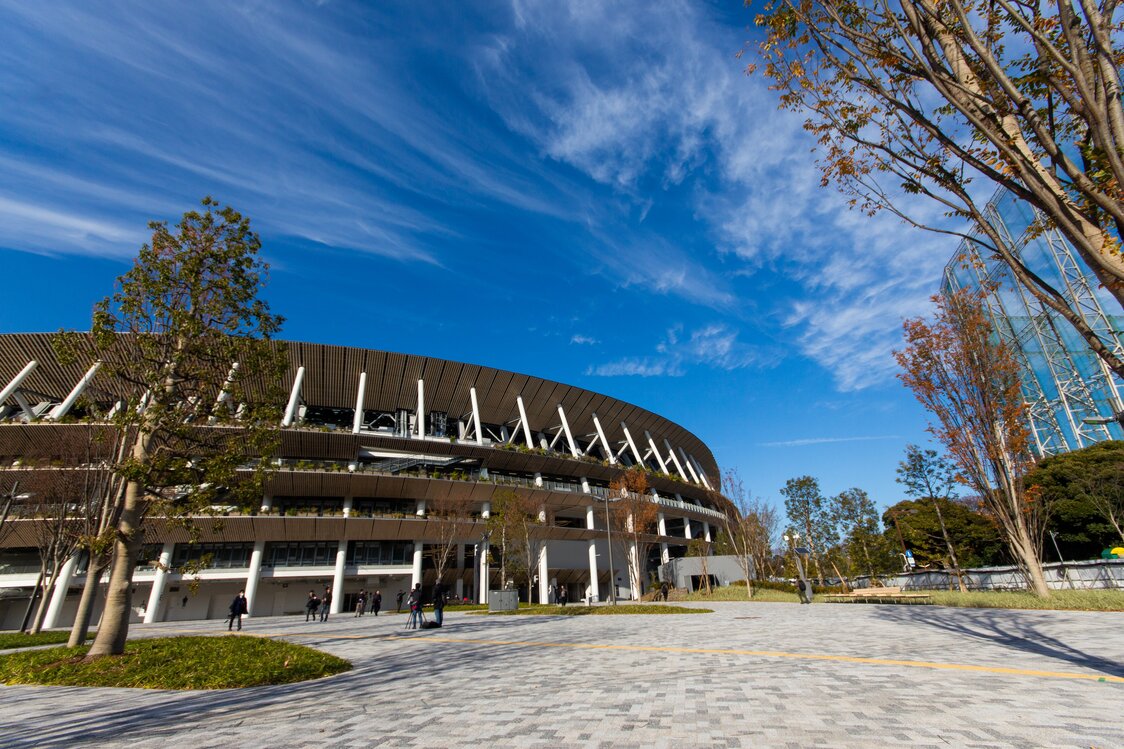
The unimposing design allows the stadium to blend in with its environs.
-
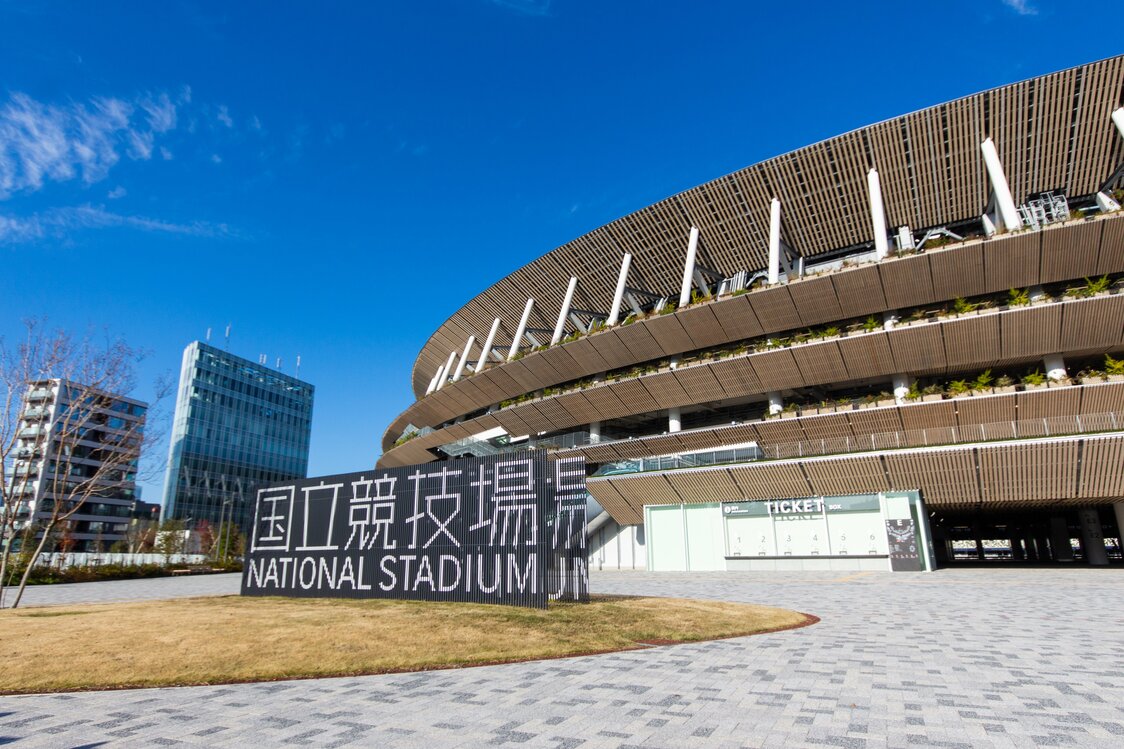
On November 30 the “New National Stadium” became simply the “National Stadium.”
-
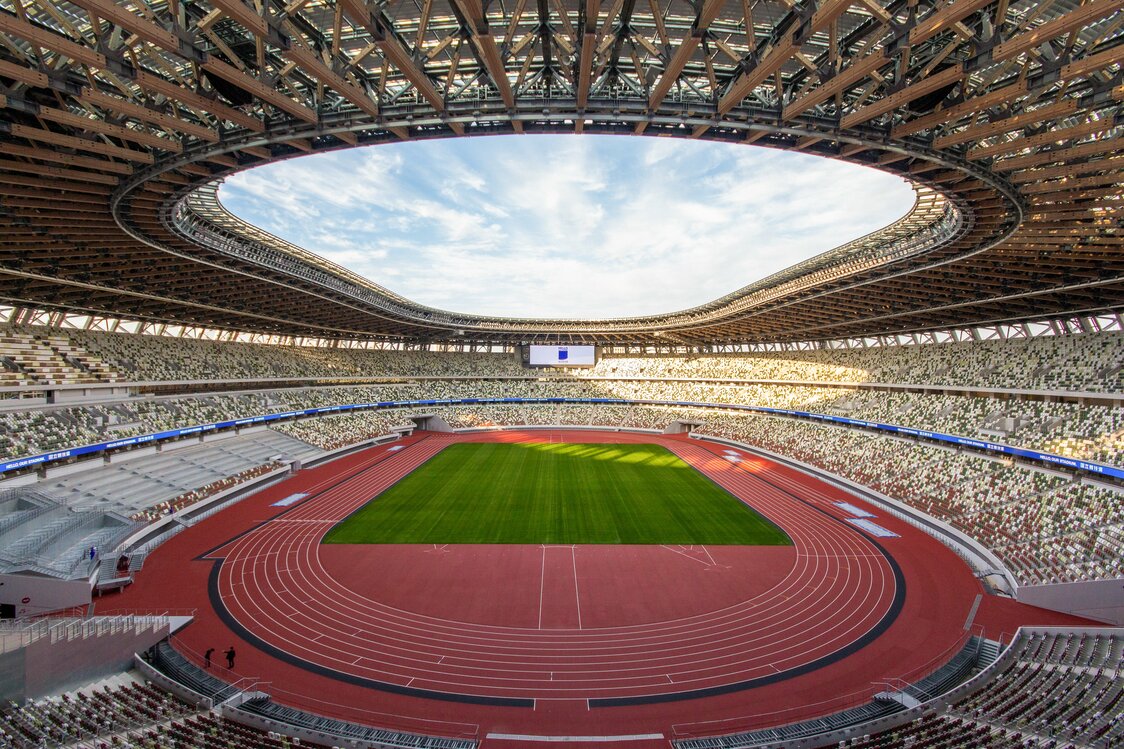
Rays of sunlight filter through the wooden beams, making you feel like you’re in a forest.
-
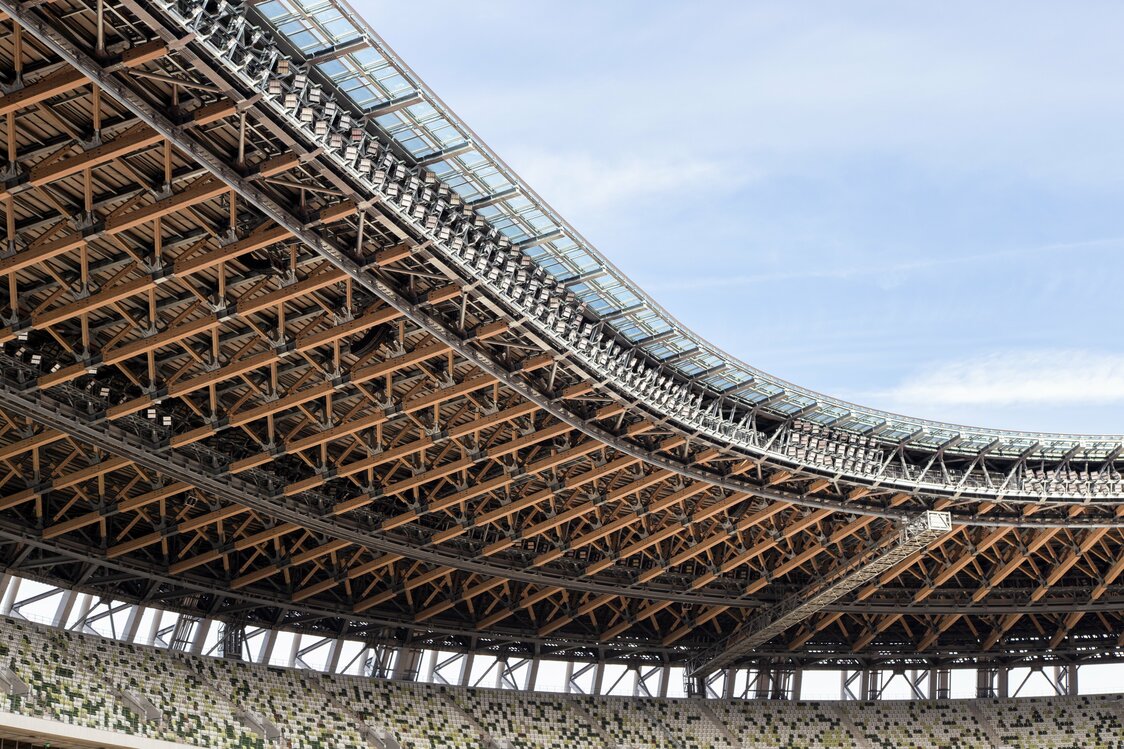
The structure supporting the 20,000-ton roof is made of wood and steel.
-
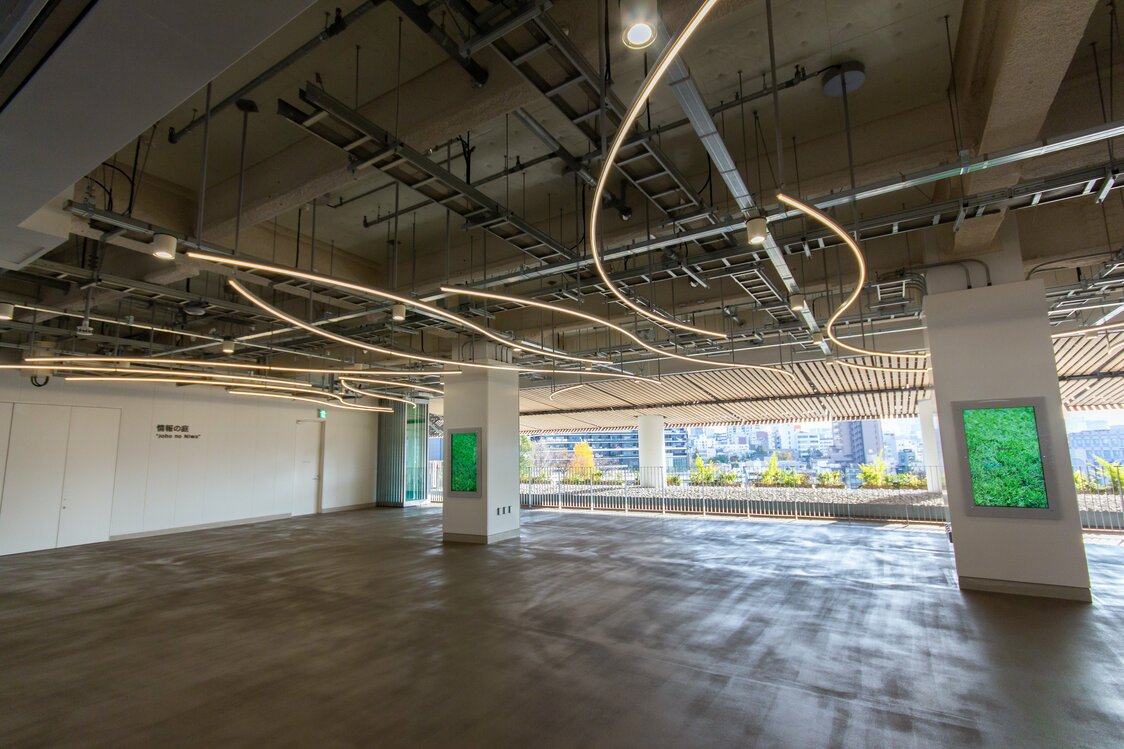
The “information garden” showcases Japanese culture.
-
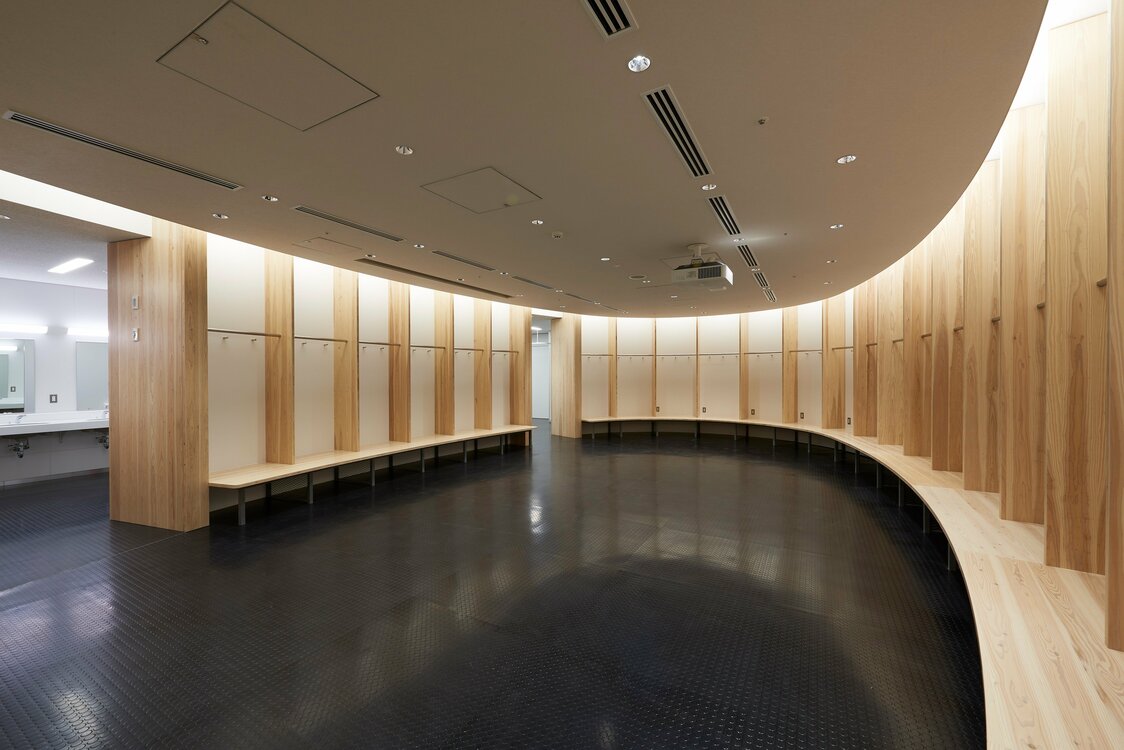
The team dressing rooms also use wood for striking effect. (Photo courtesy JSC)
-
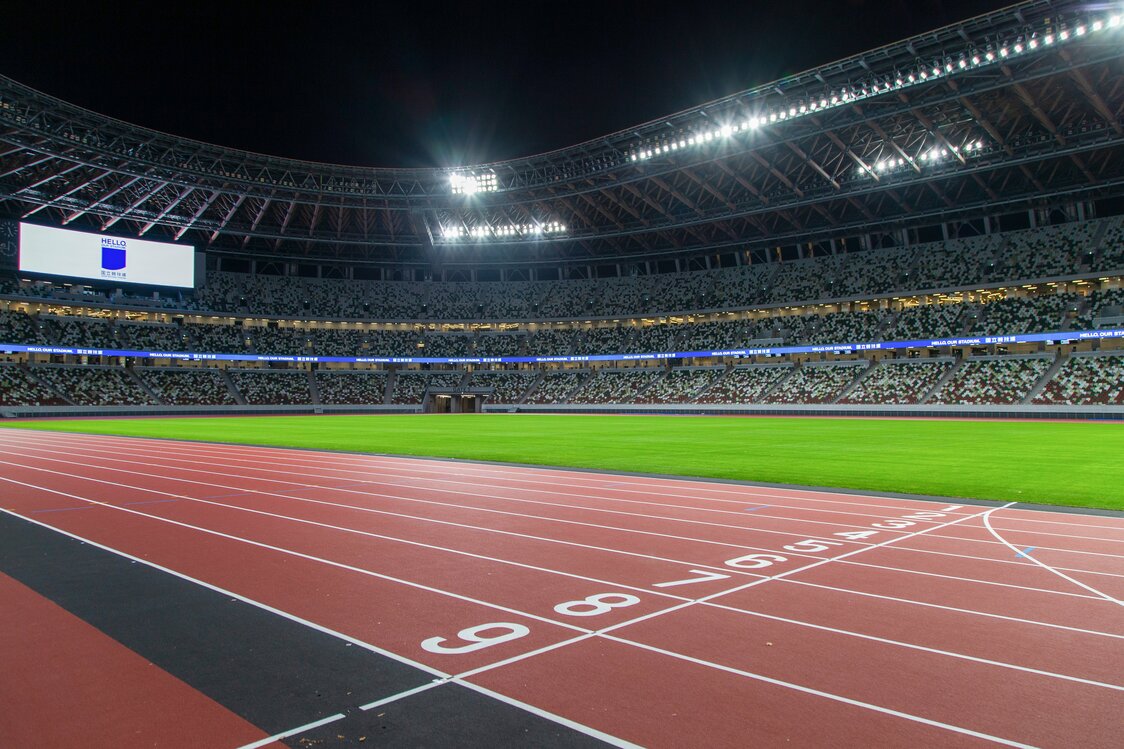
The track, field, and stands under lights.
-
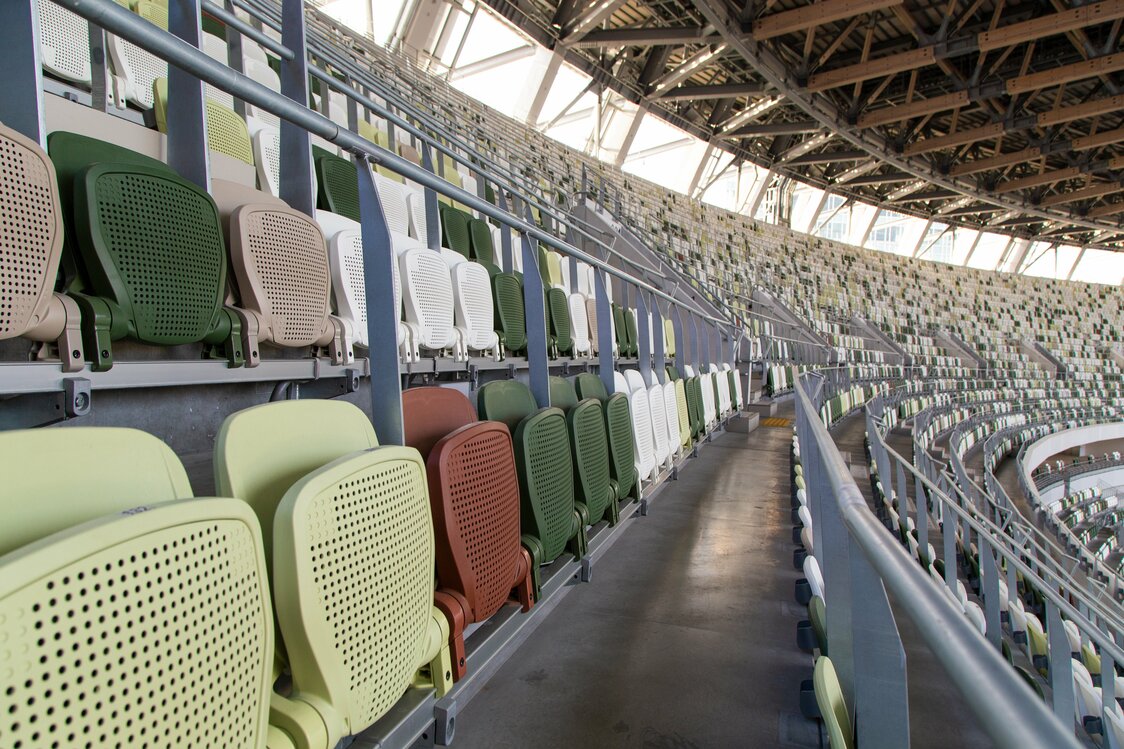
Seat colors were allocated at random.
-

The stadium’s giant screens are 9 meters high and 36 meters wide. The ribbon board has a circumference of 640 meters.
-
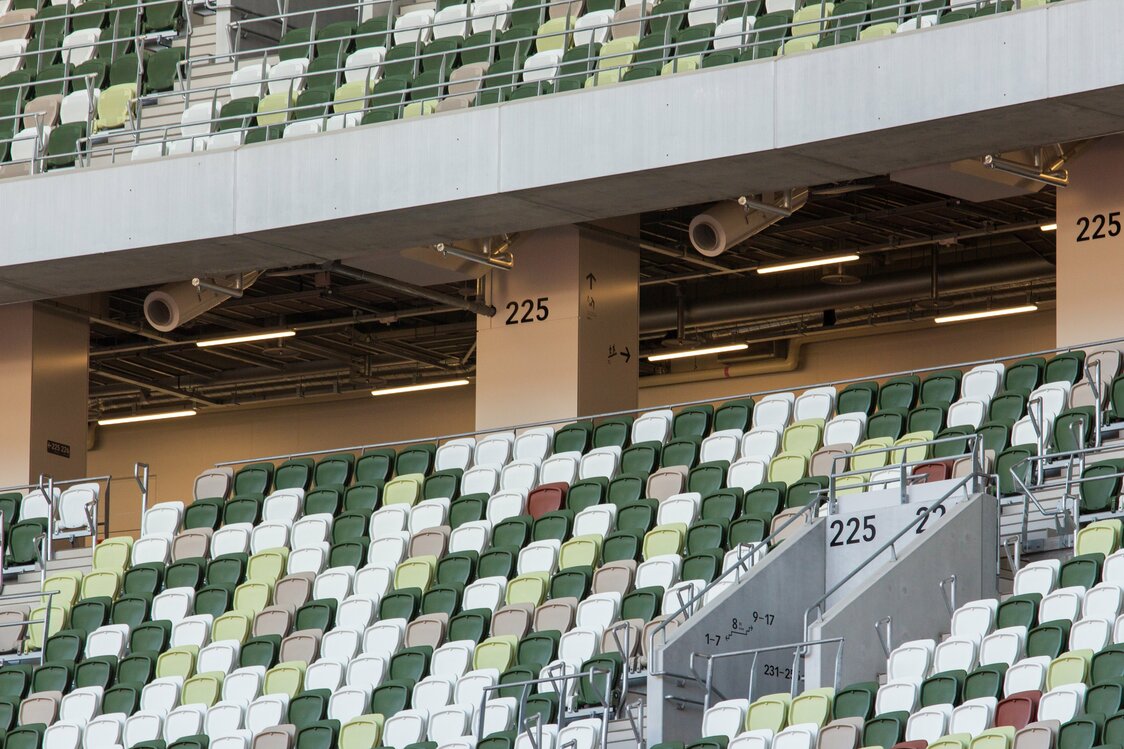
Fans keep spectators cool while creating an updraft over the track and field.
-
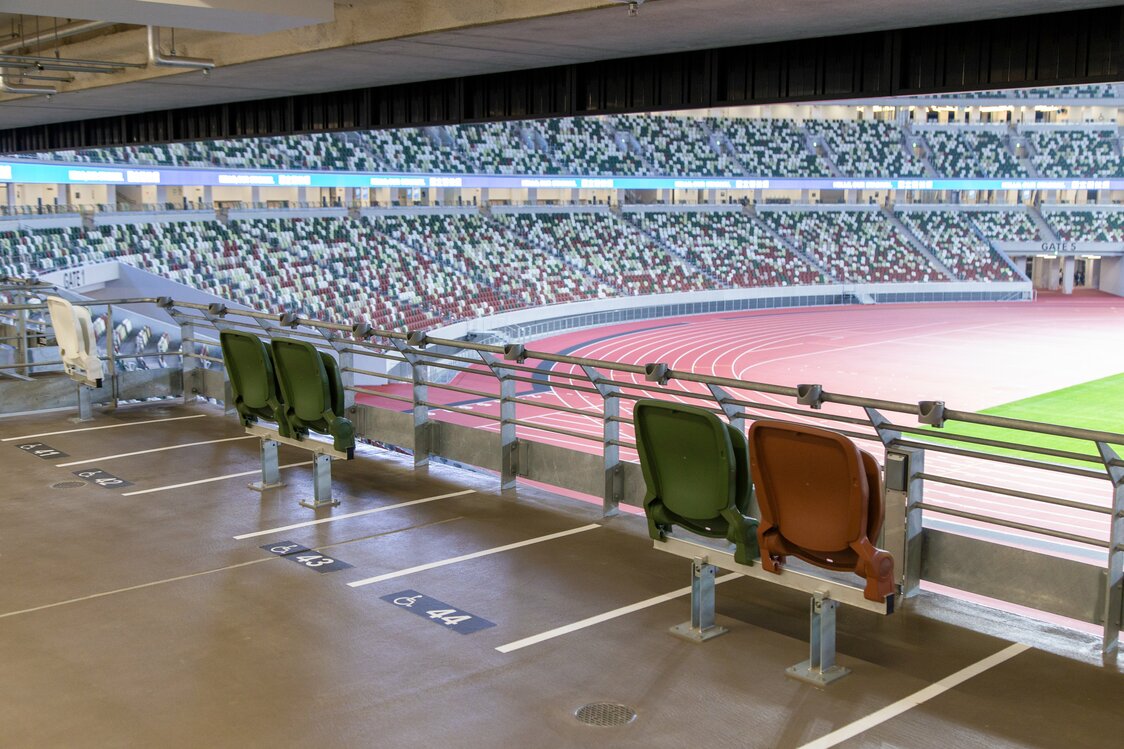
In the new stadium, pairs of regular seats are flanked by wheelchair spaces, so that those in wheelchairs do not need to be separated from their companions.
-
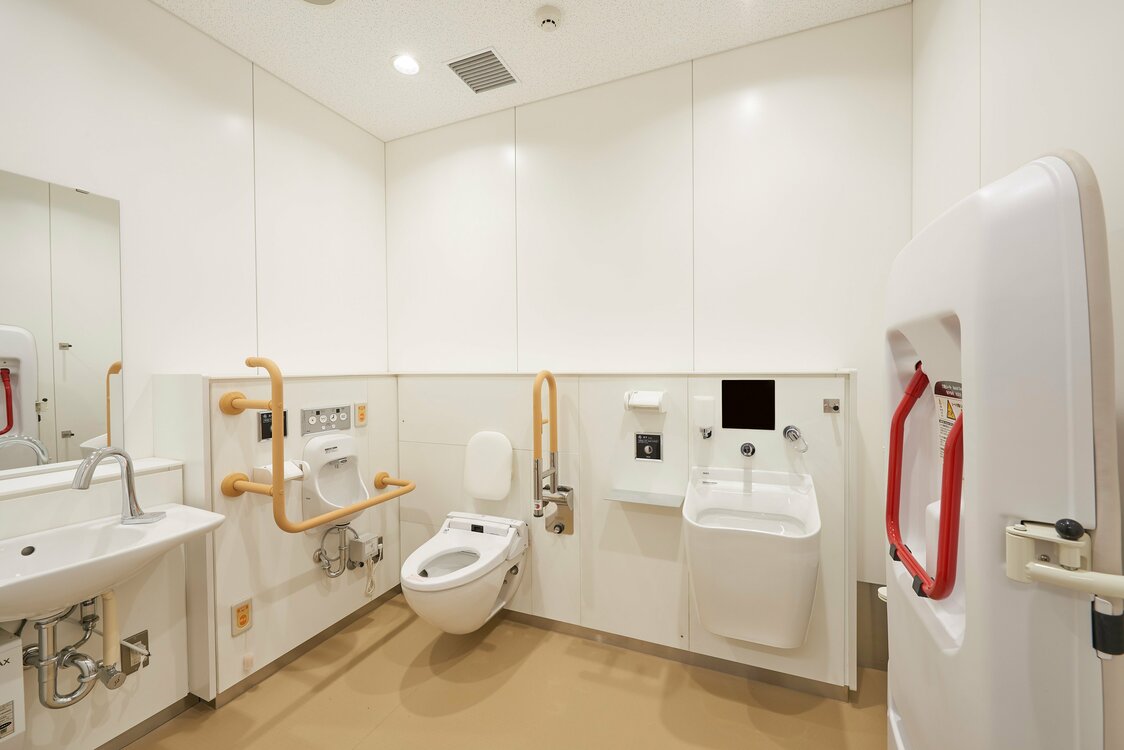
Wheelchair toilets are available for both left-handed and right-handed users. (Photo courtesy JSC)
-
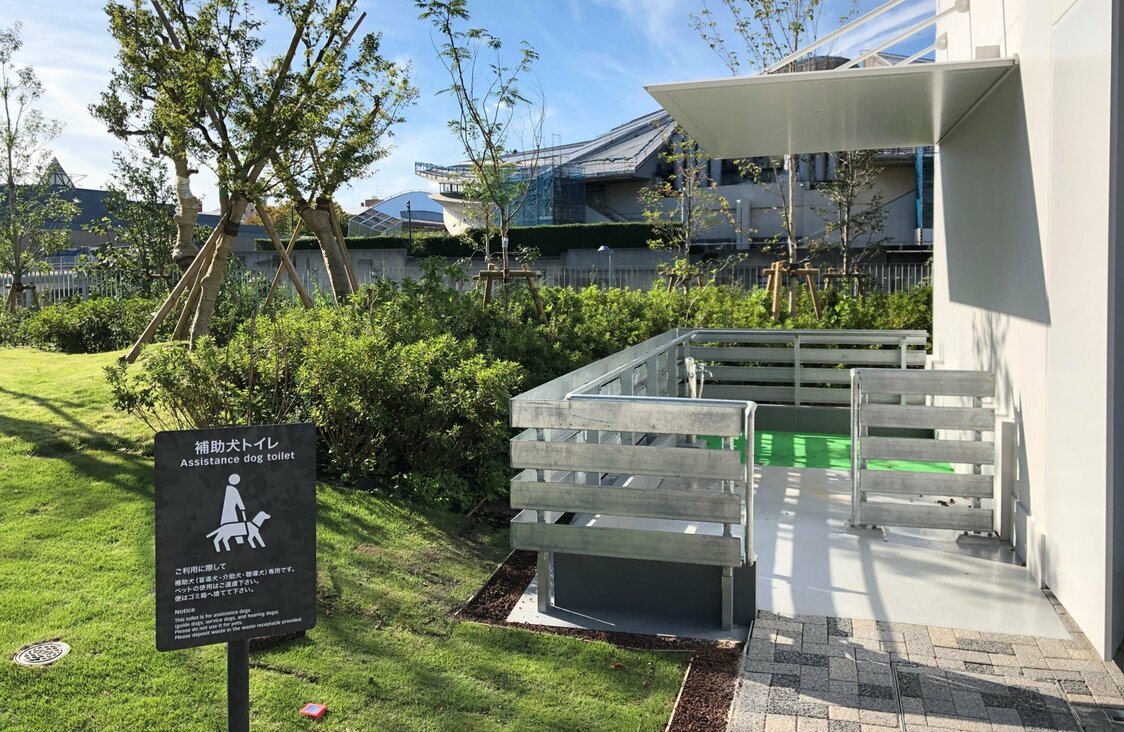
A toilet for guide dogs outside the stadium. (Photo courtesy JSC)
-
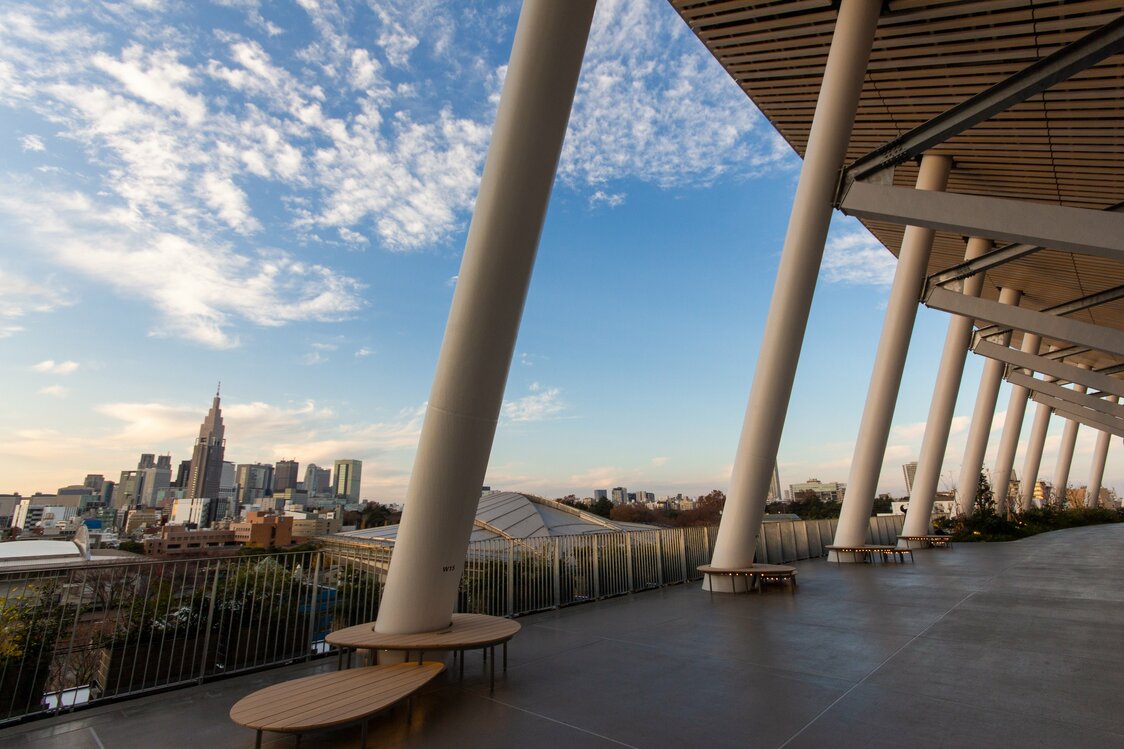
The Sora no Mori is accessible from outside and is likely to be popular with amateur runners.
-
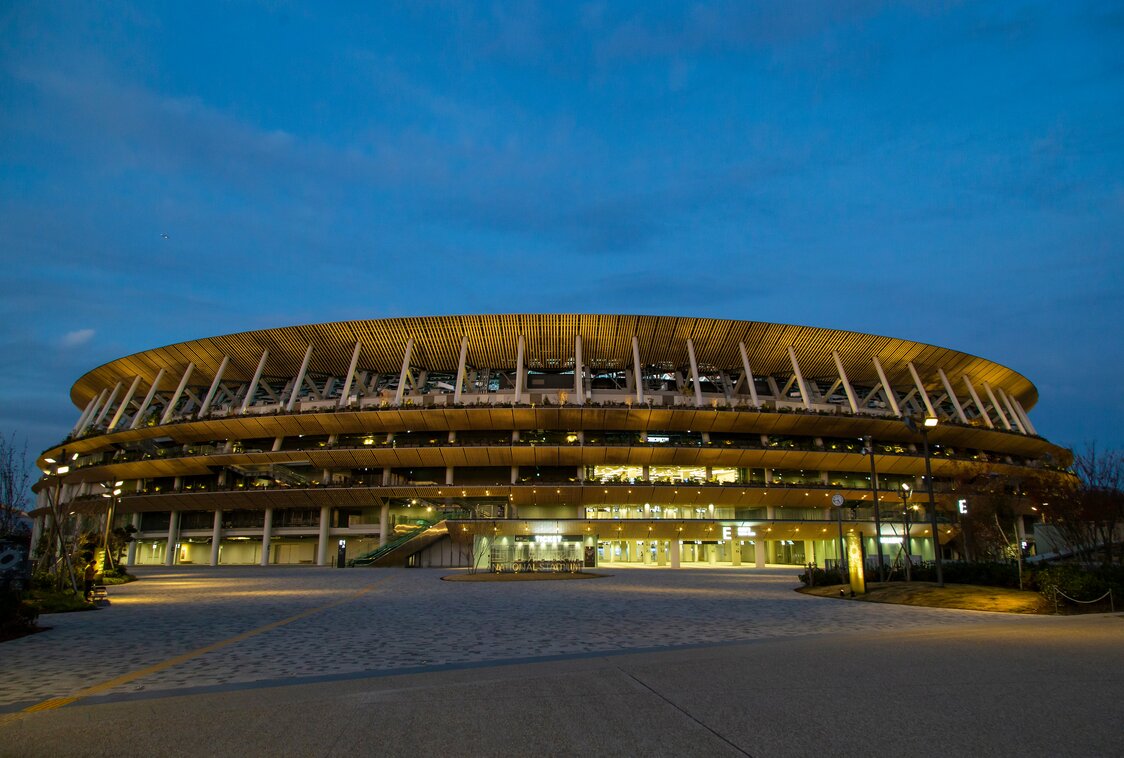
Amid talk of privatization, will the success of the Games enable us to see the stadium in a new light?


 Read in other languages