-
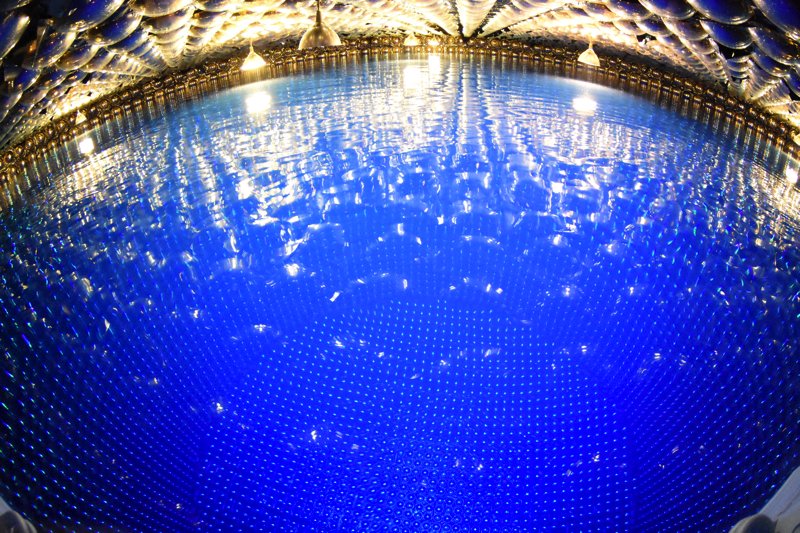
The inside of the 41-meter-deep Super Kamiokande during maintenance in 2018, with around 4 meters of water removed.
-
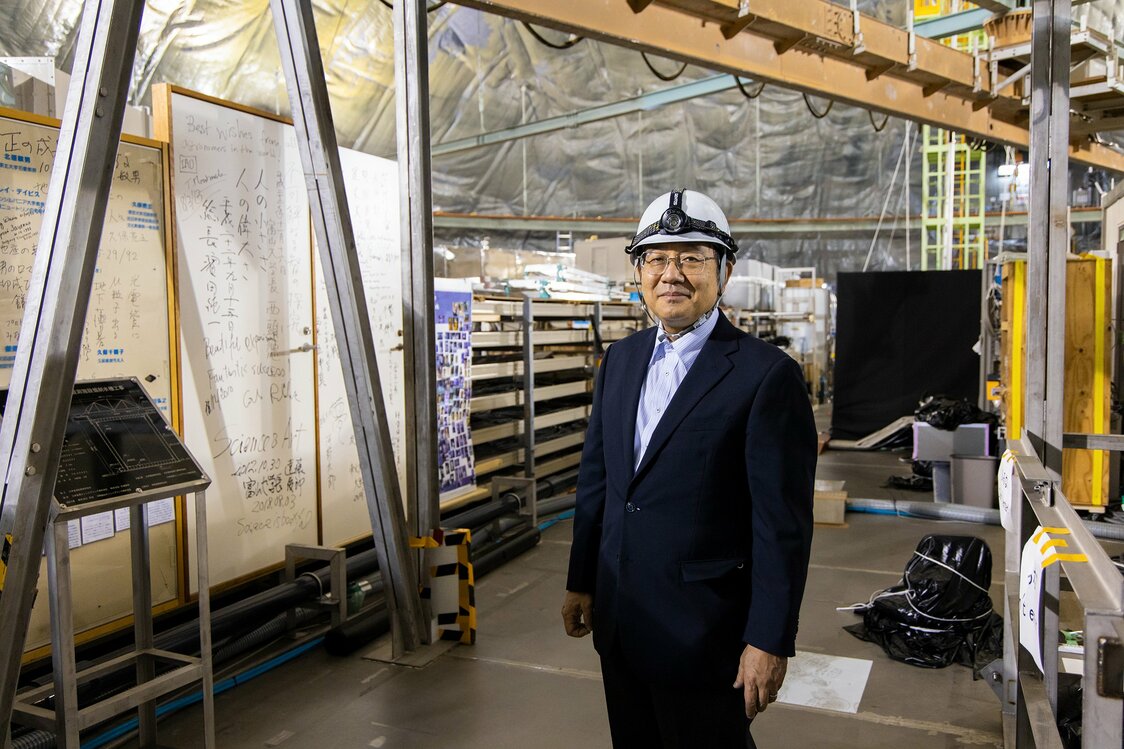
Nakahata showing me around the Super Kamiokande. Below him is the giant water tank.
-
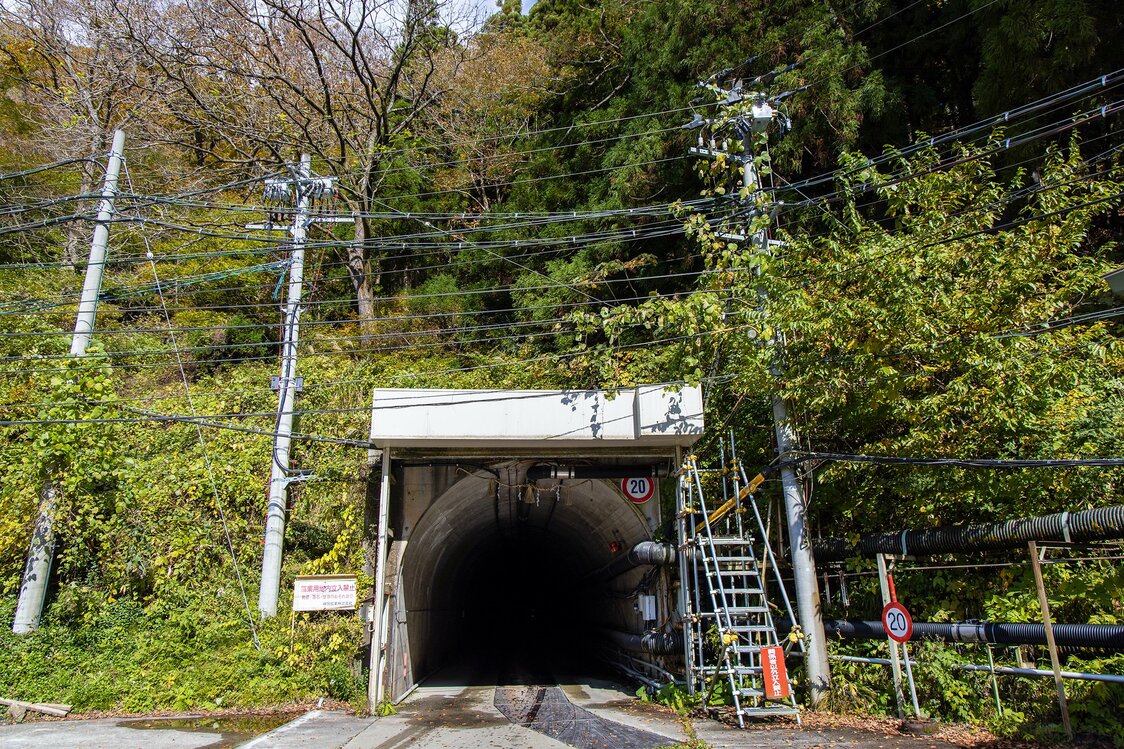
This mineshaft through Mount Ikenoyama leads to the Super Kamiokande facility.
-
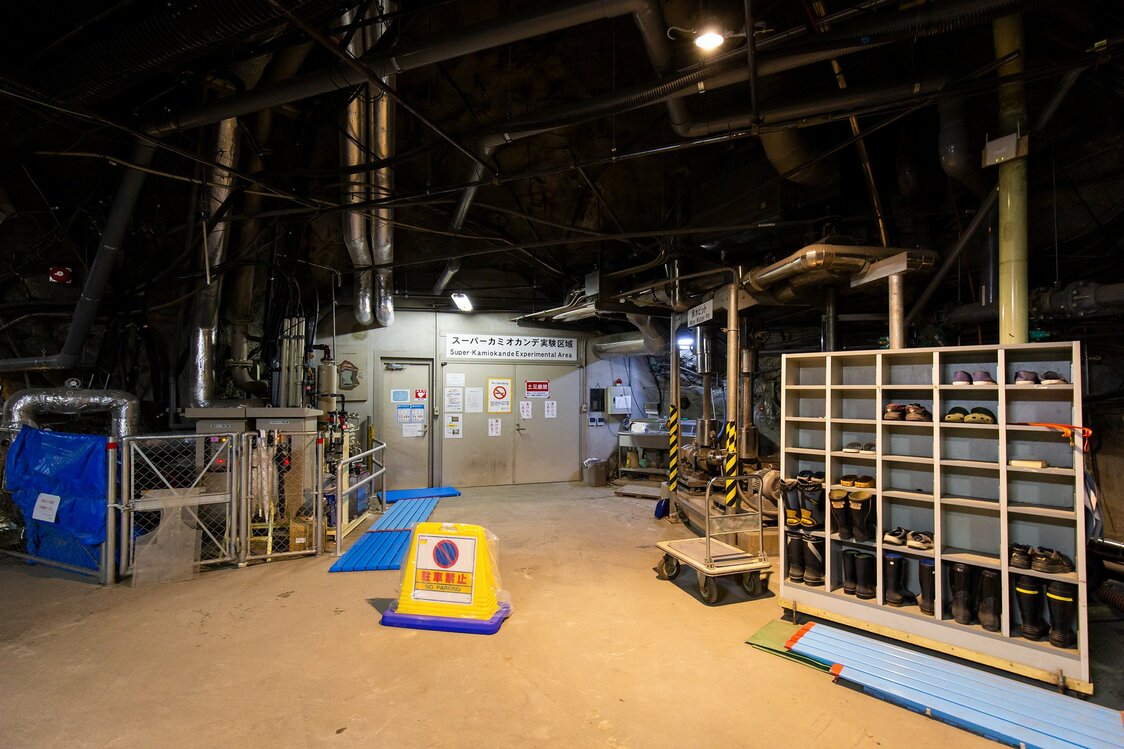
The entrance to the observatory, a full kilometer below ground.
-
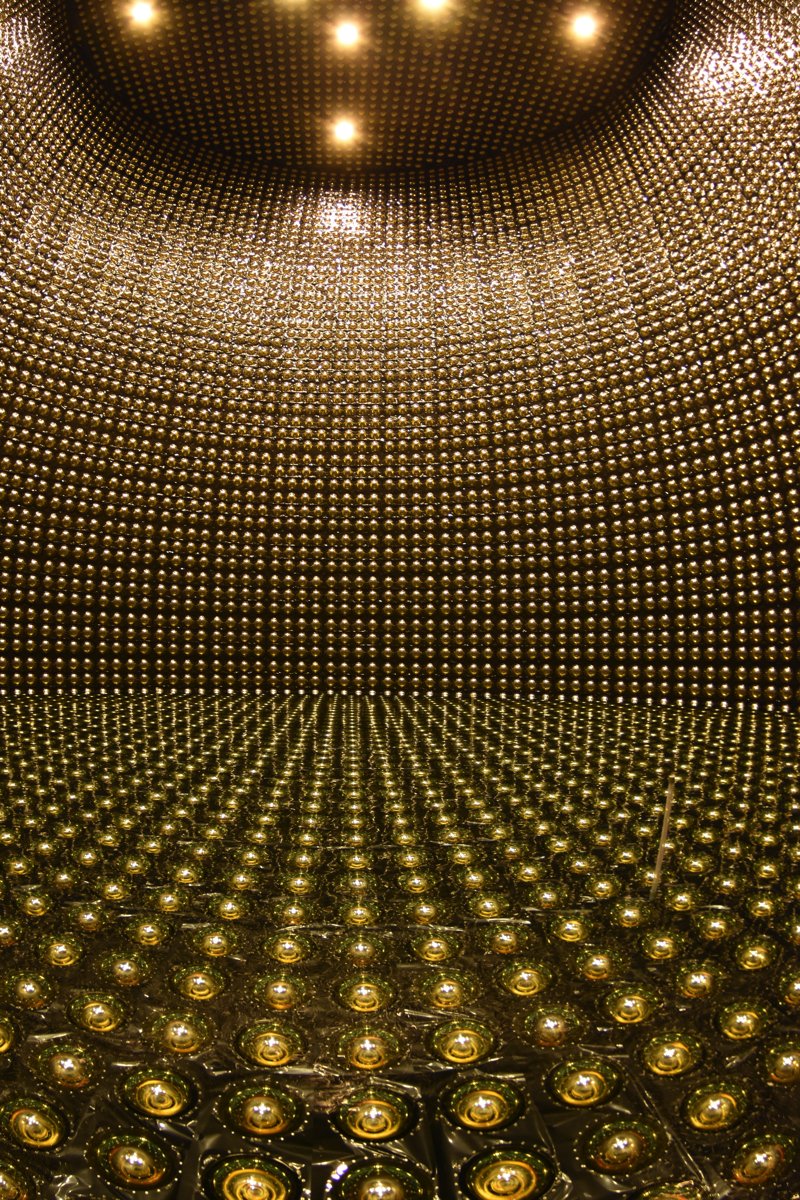
The observation tank with all the water removed during maintenance. (Courtesy of Kamioka Observatory, Institute for Cosmic Ray Research, University of Tokyo)
-
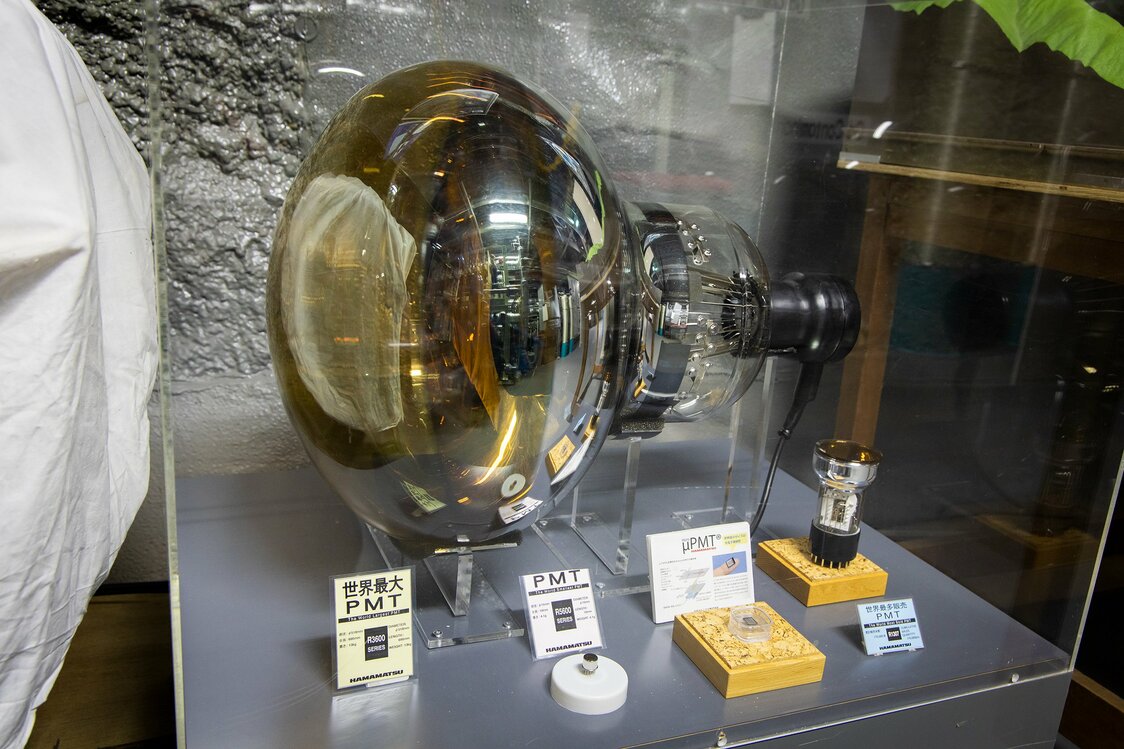
The exterior of each photomultiplier tube is the work of a master glassblower.
-
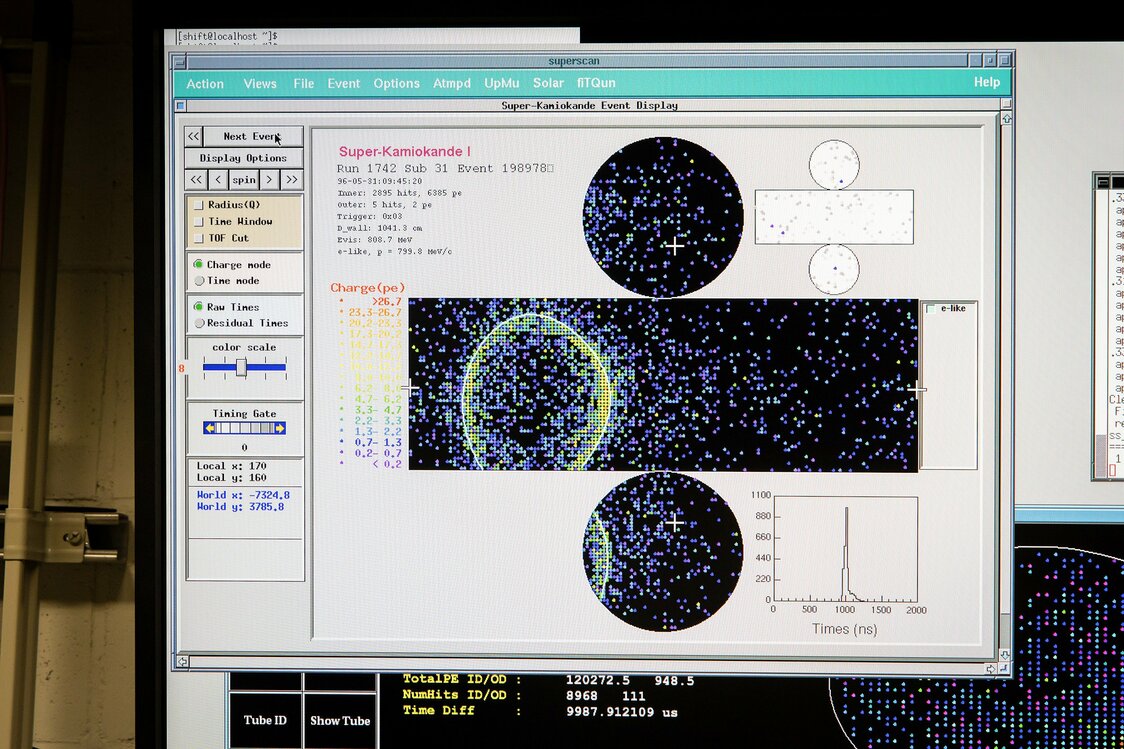
A display showing neutrinos detected. The circles at top and bottom represent the top and bottom of the tank, while the oblong in the middle corresponds to the data from the columnar part of the tank.
-
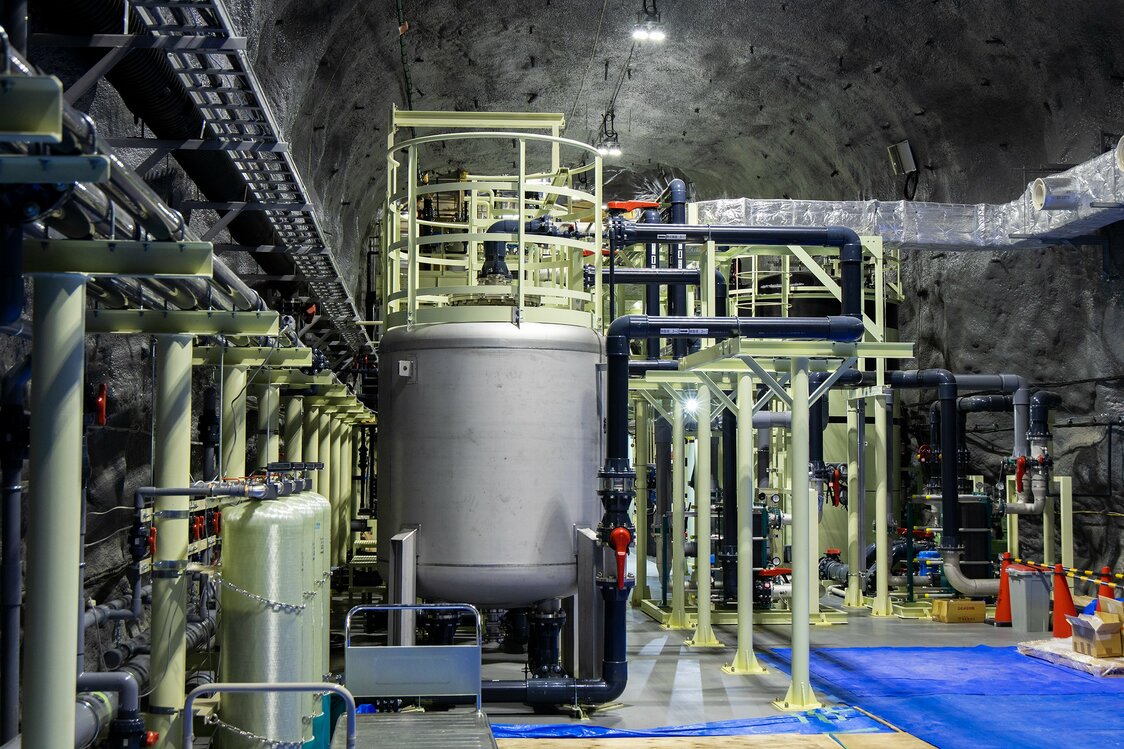
Researchers use this device to inject gadolinium into the tank.
-
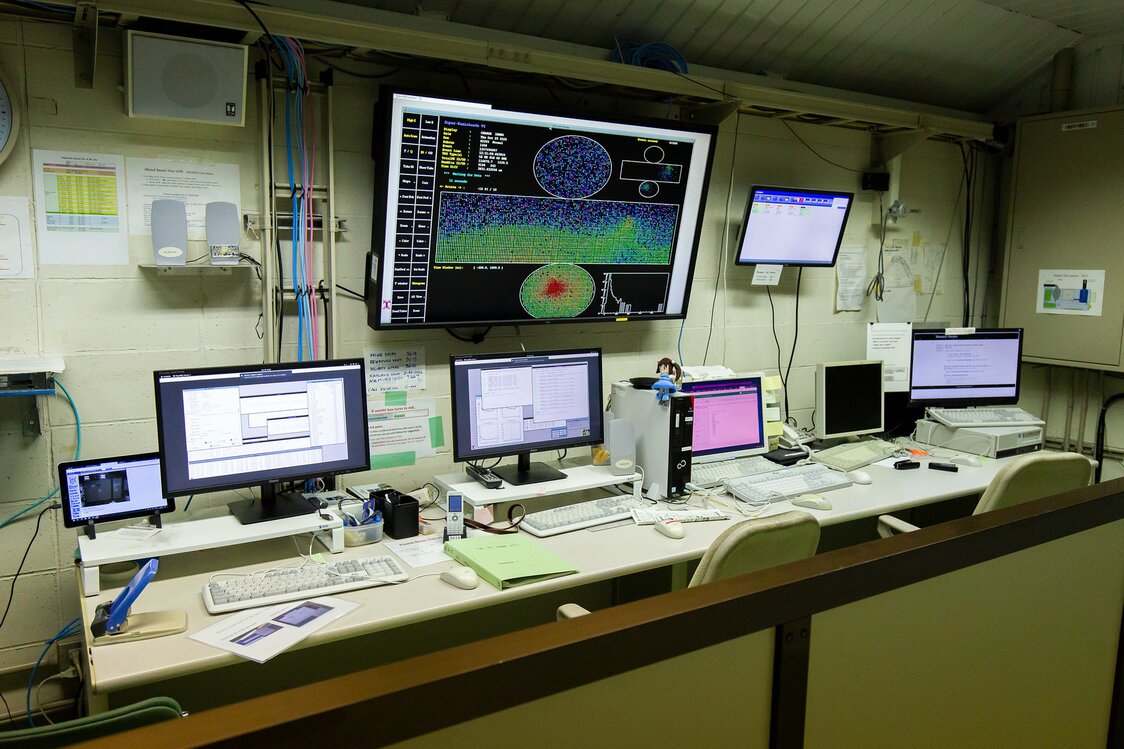
Researchers from all around the world are able to control the observatory remotely.
-
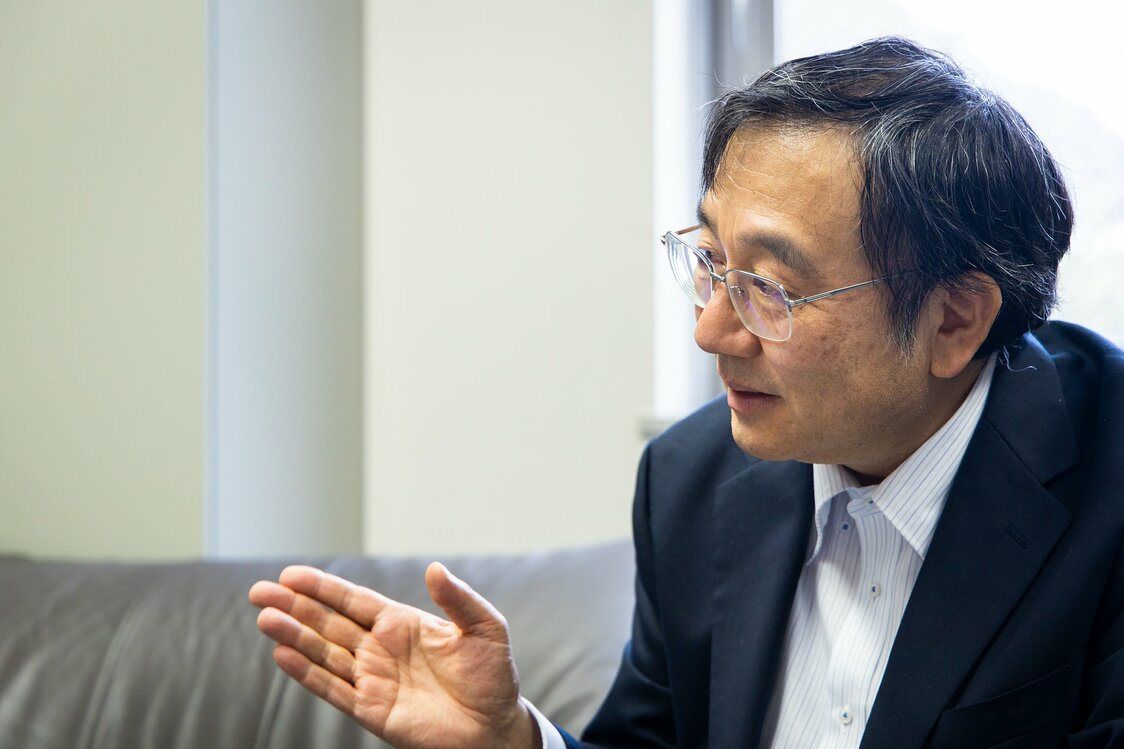
The softly spoken Nakahata.
-
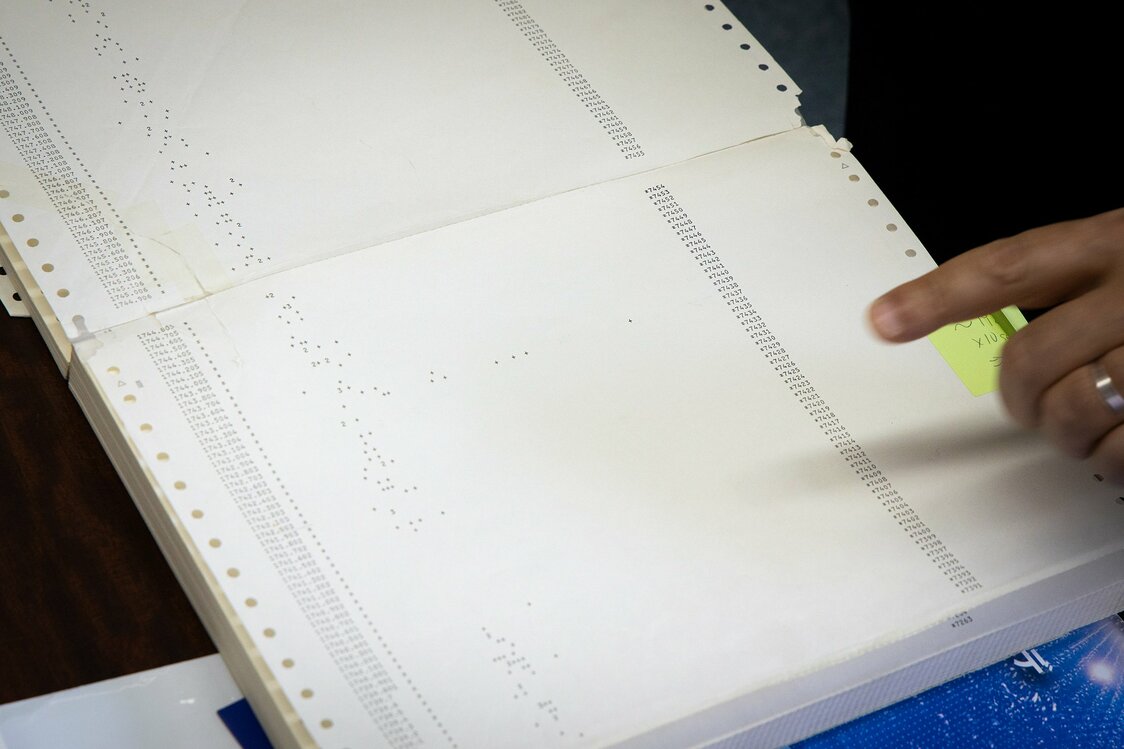
The cluster of dots in the middle of the photograph represent a supernova explosion. The blank space below corresponds to a gap in the data stream due to recalibration, just minutes earlier.
-
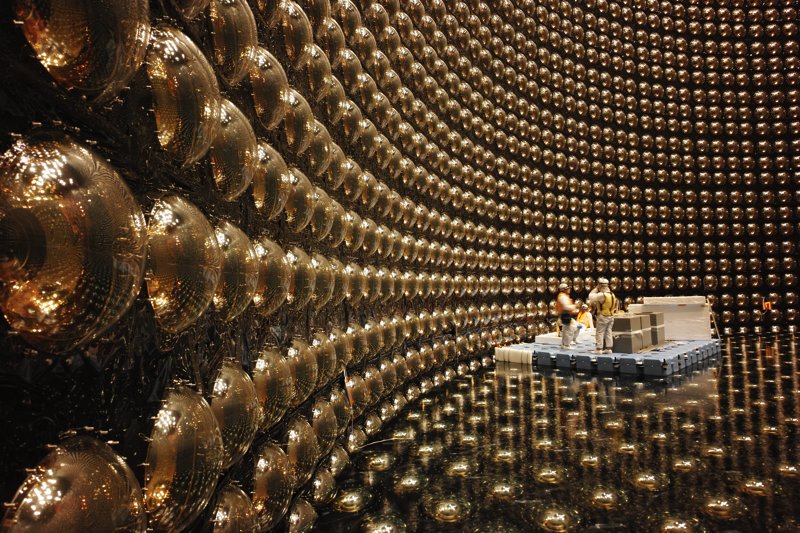
Nakahata and his team installing photomultiplier tubes. (Courtesy of Kamioka Observatory, Institute for Cosmic Ray Research, University of Tokyo)


 Read in other languages