-
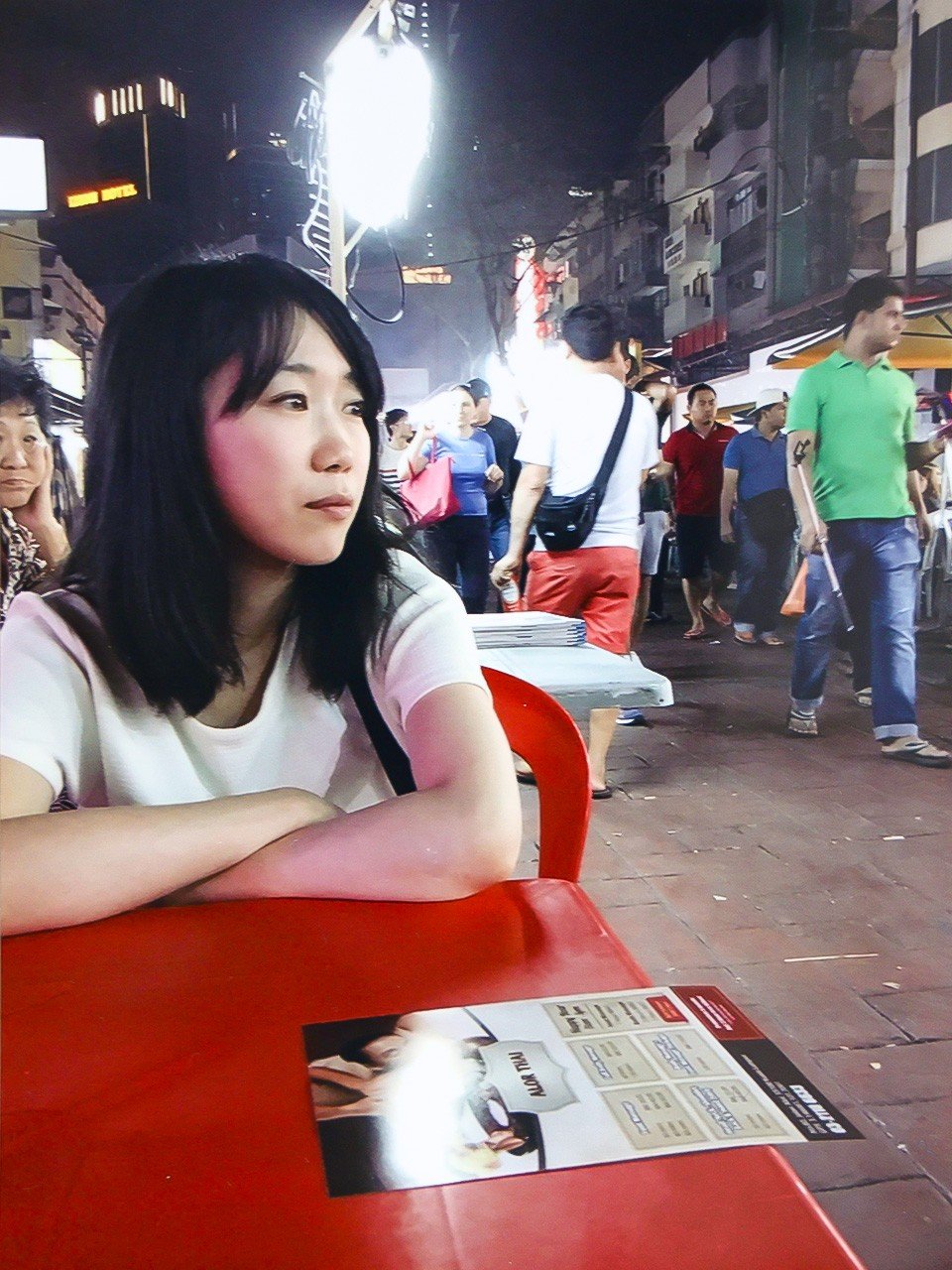
Kobayashi gazes at the bustling nightlife during a trip to Malaysia. (Courtesy of Kobayashi Kaori)
-
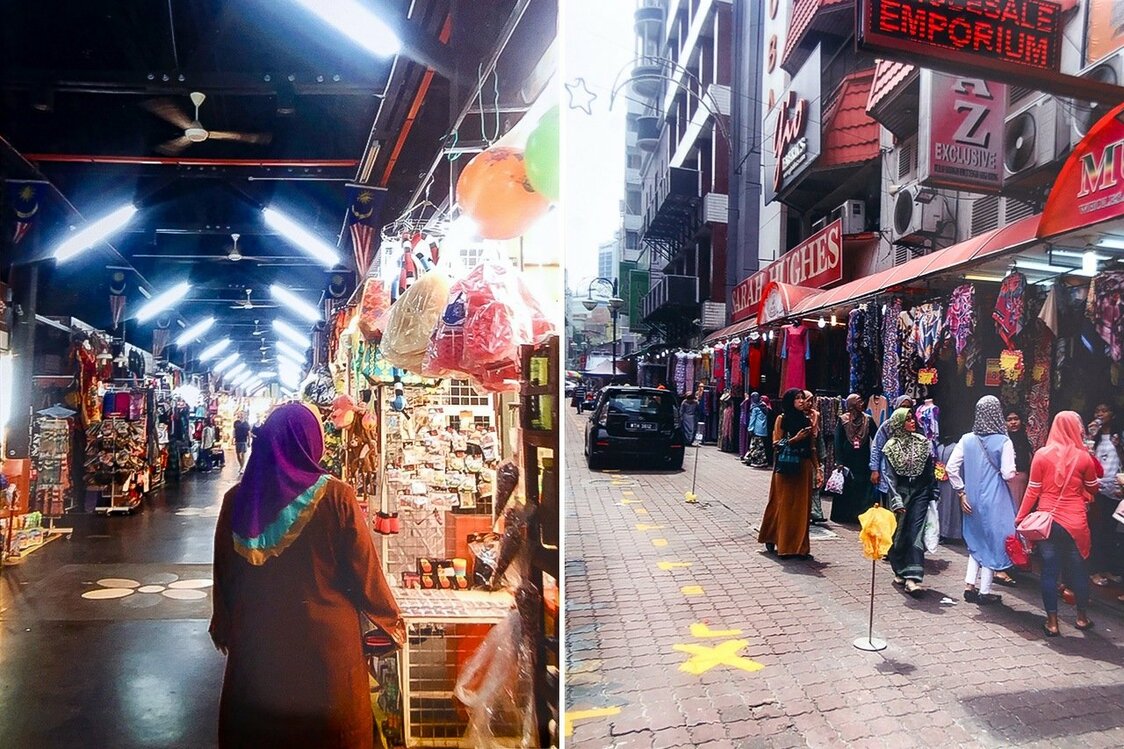
Kobayashi felt an instant affinity for the stylishness of the hijab she saw in Malaysia. (© Kobayashi Kaori)
-
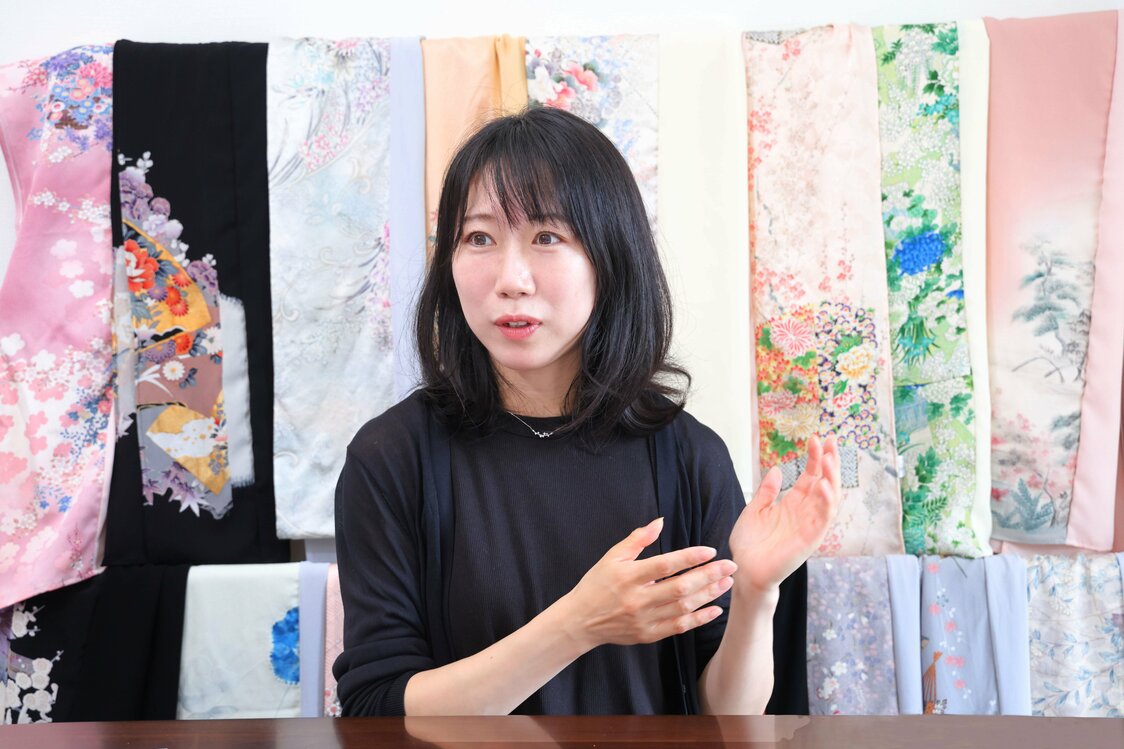
Kobayashi embarked on making hijabs with very little knowledge of Islam to build on. (© Hanai Tomoko)
-
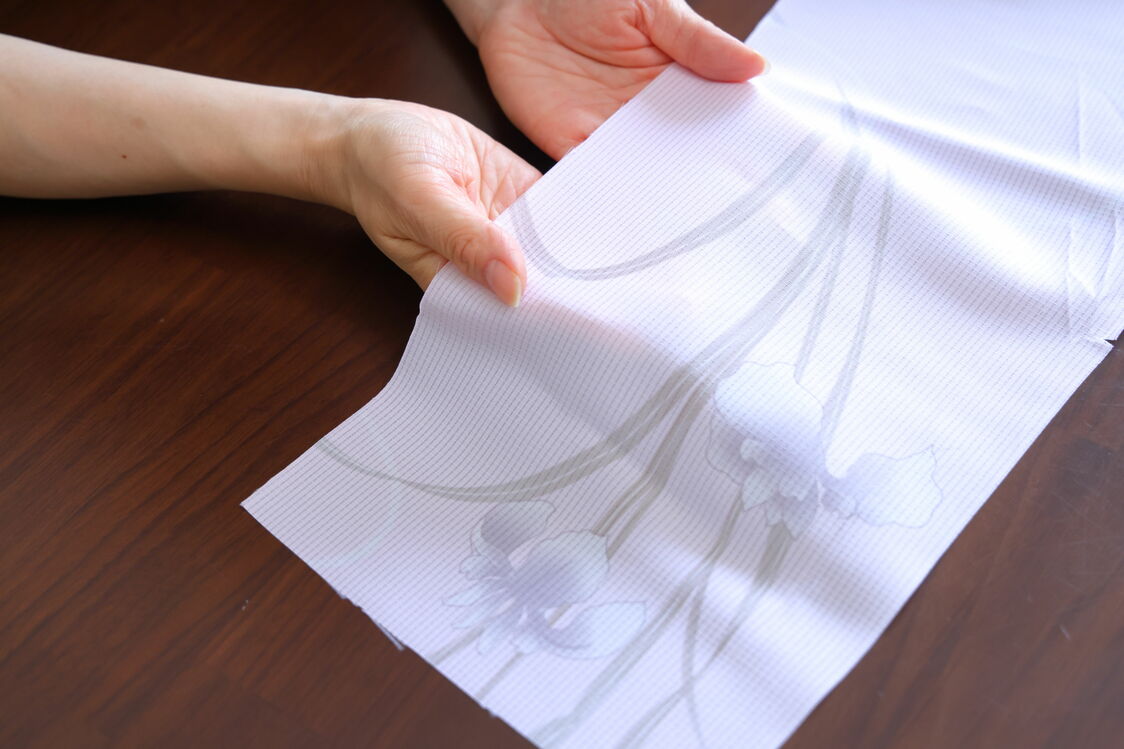
The sha silk gauze used to make kimonos is sheer and permeable, cooling the wearer. (© Hanai Tomoko)
-
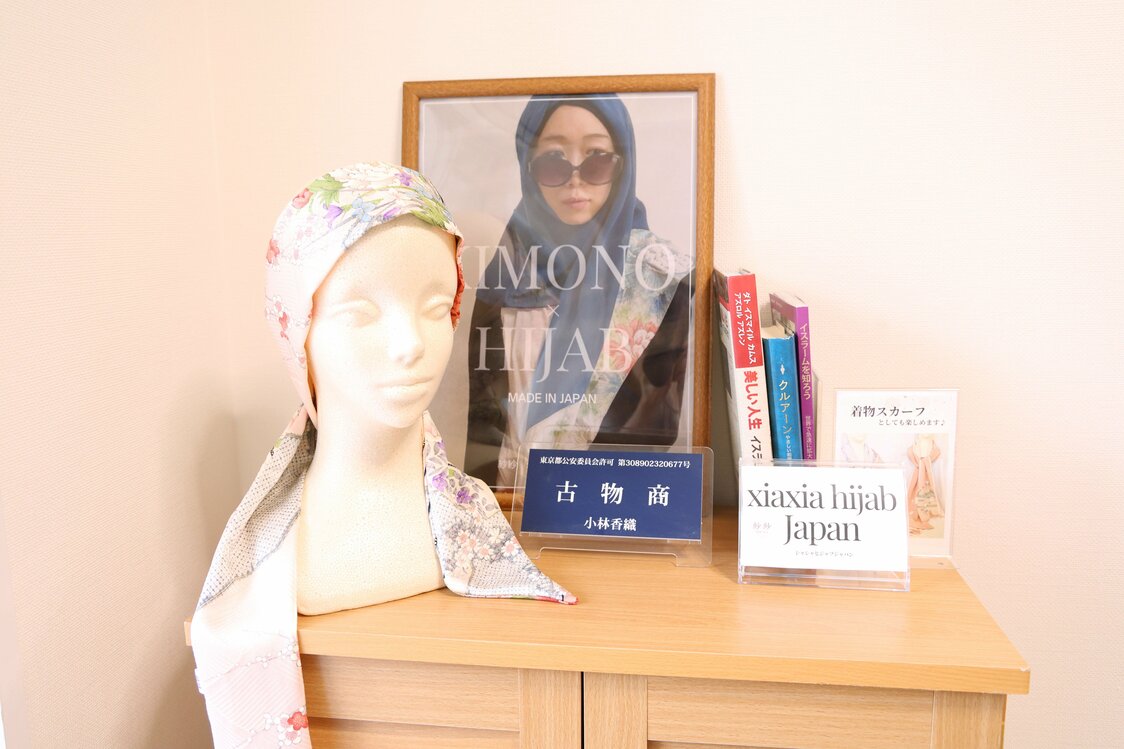
A creation by Xiaxia Hijab Japan alongside Kobayashi’s certification as a dealer in second-hand clothing, which she needed to work with vintage kimonos. (© Hanai Tomoko)
-
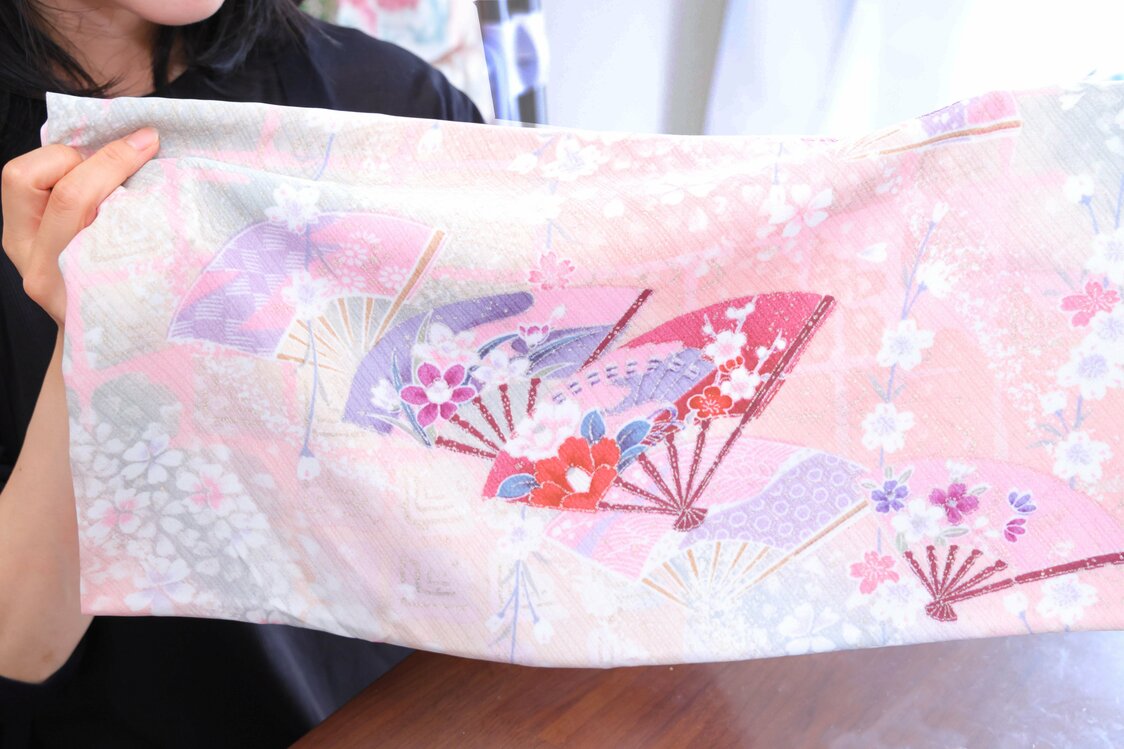
Pink is the most popular color for Kobayashi’s hijabs. (© Hanai Tomoko)
-
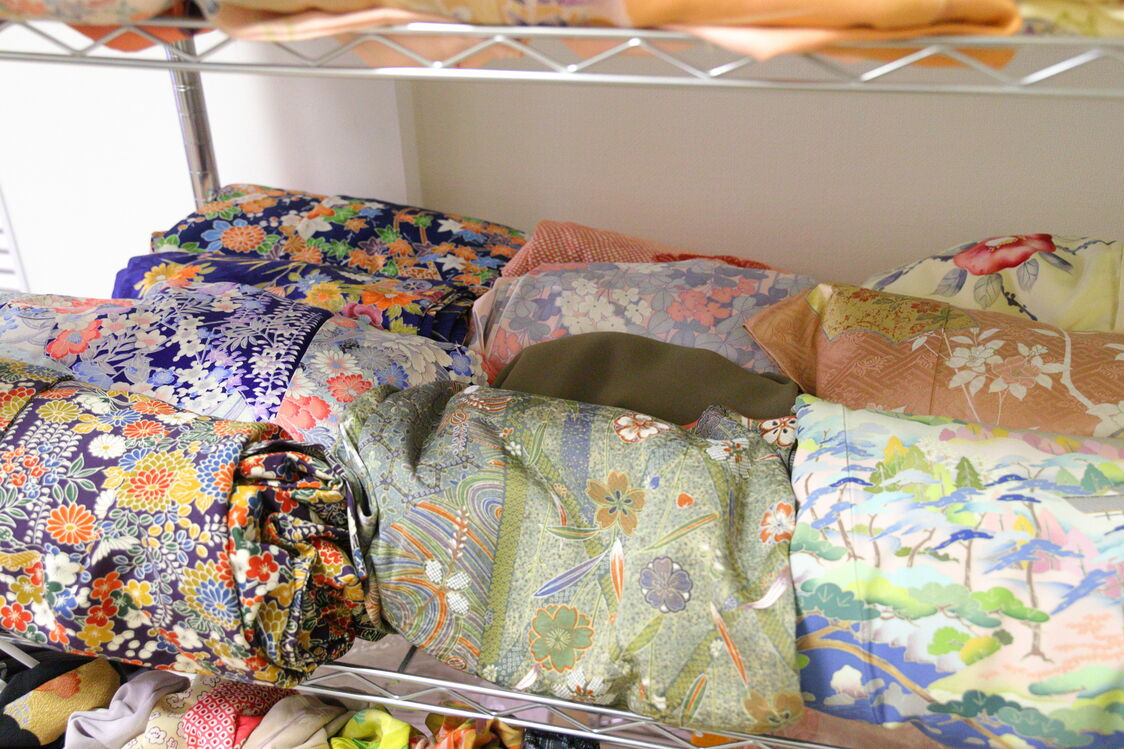
Many of the kimonos Kobayashi buys have bright, showy designs. (© Hanai Tomoko)
-
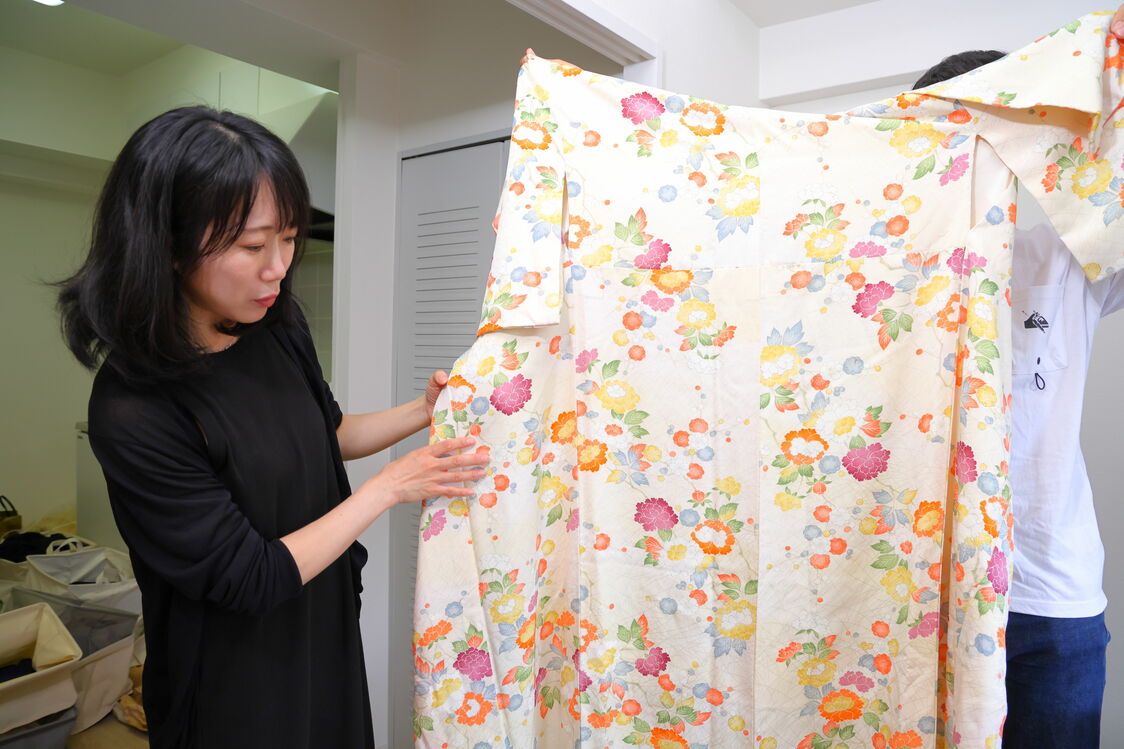
Removing all the stitching from a kimono reveals different-sized rectangular pieces of fabric. (© Hanai Tomoko)
-
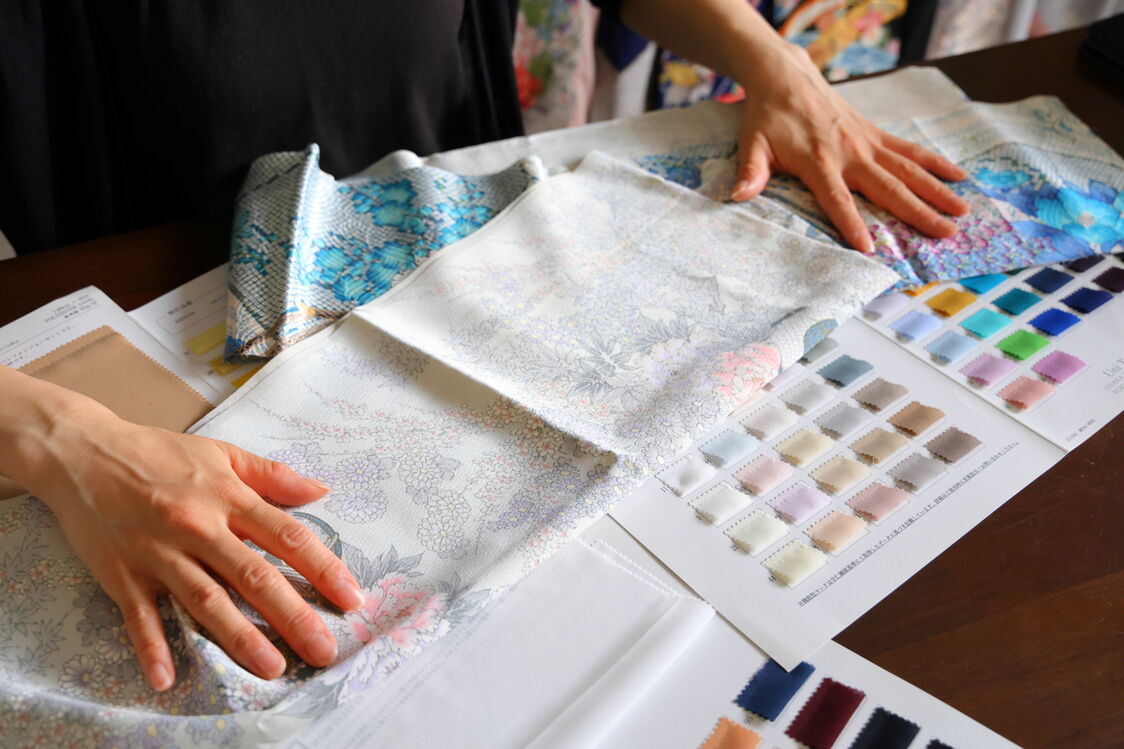
Kobayashi says the most enjoyable part of the process is coming up with designs for hijabs. (© Hanai Tomoko)
-
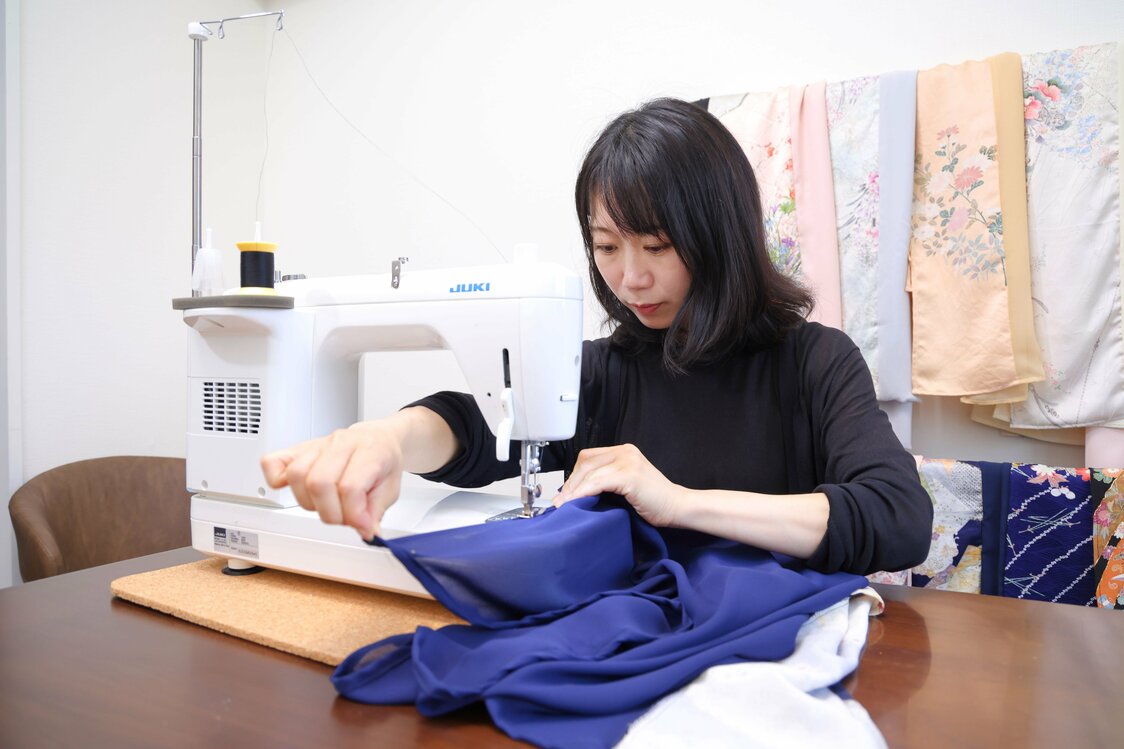
It takes concentration and skill to sew the different fabrics together. (© Hanai Tomoko)
-
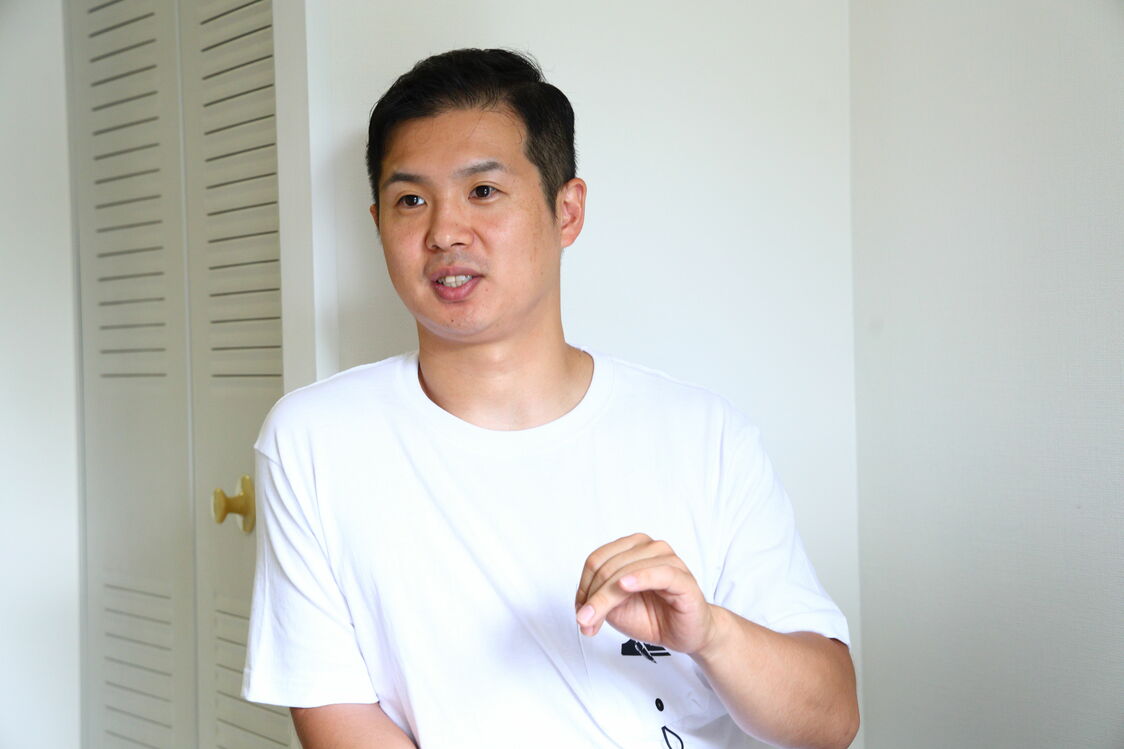
Kobayashi’s husband Keita. (© Hanai Tomoko)
-
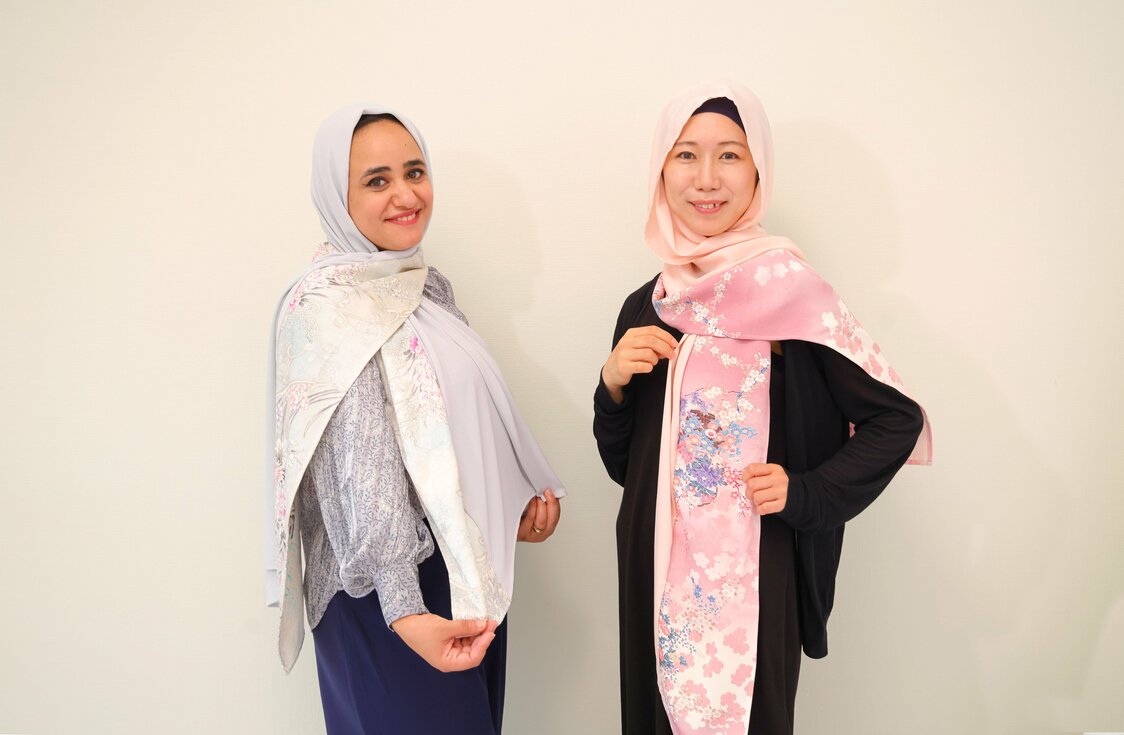
Kobayashi (right) and an Arabic-language editor from Nippon.com model Xiaxia hijabs. (© Hanai Tomoko)
-
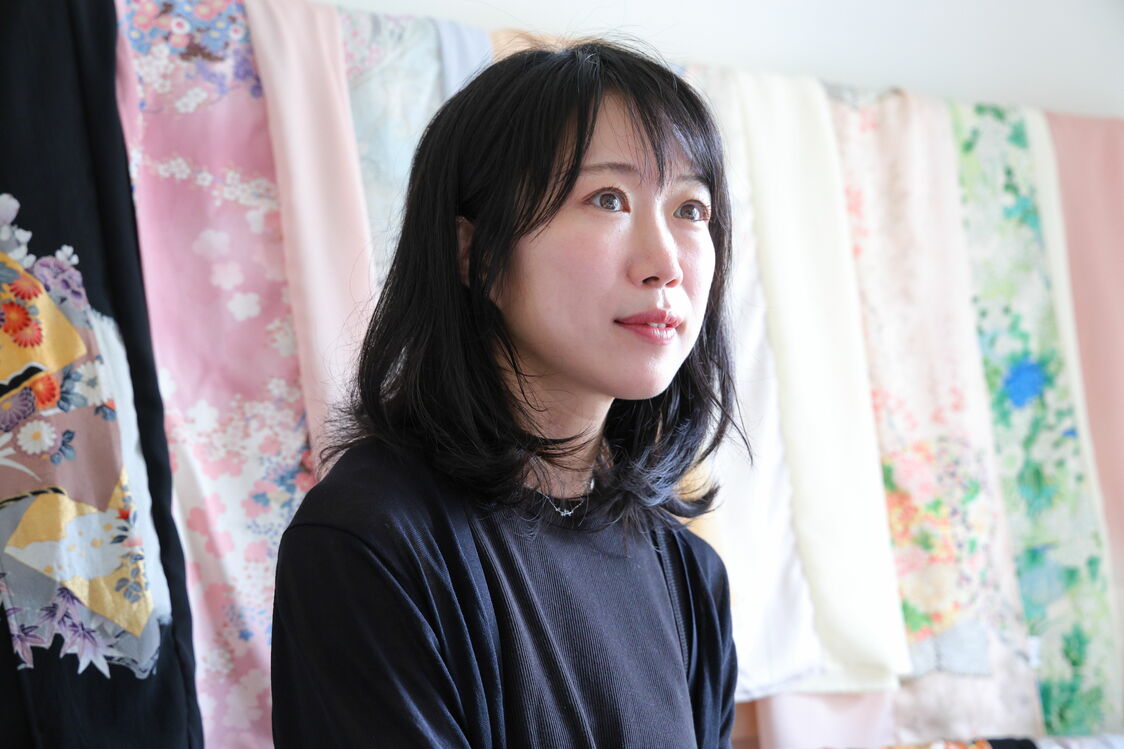
Kobayashi wants to create opportunities for Japanese and Muslims to learn about each other’s cultures. (© Hanai Tomoko)


 Read in other languages