-
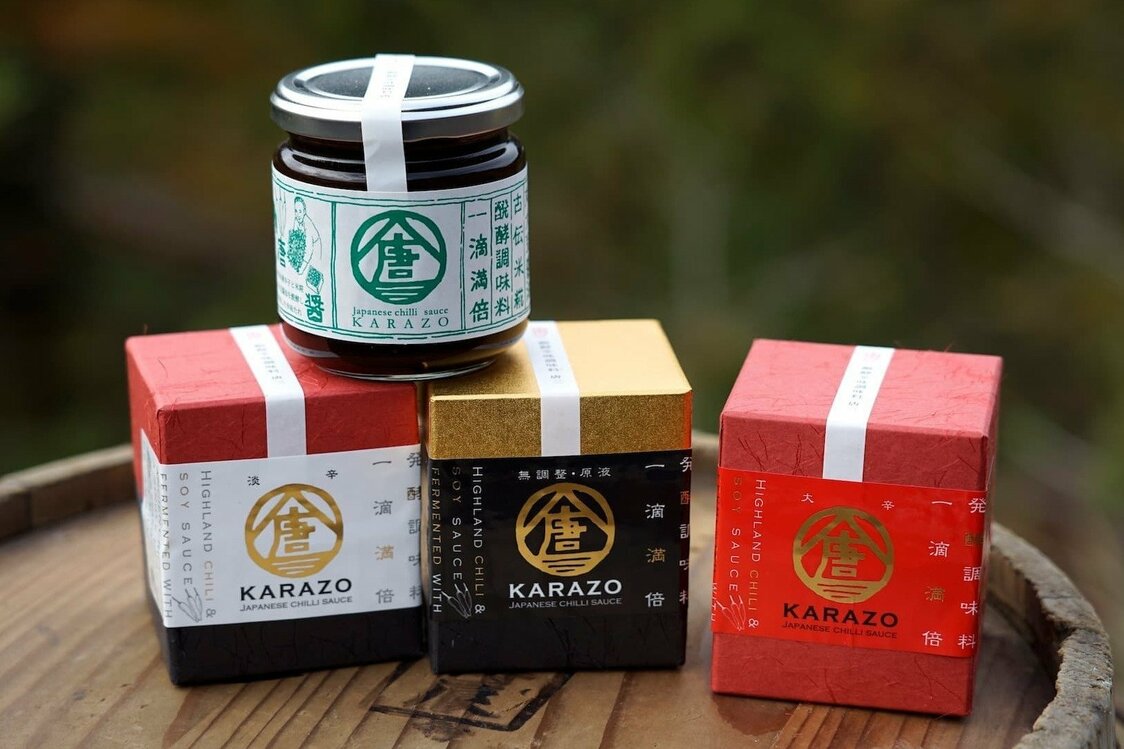
Karazō variations. Bottom from the left: Karazō Tankara, which includes persimmon vinegar and ume for a clean, zippy flavor. Karazō Muchōsei Gen’eki is the unprocessed base mixture. Karazō Daikarakuchi levels up the spice with an increased dose of chili peppers. The upper jar is Karazō Aotōgarashi, made from early-harvested green peppers for a lighter aroma. (© Ukita Yasuyuki)
-
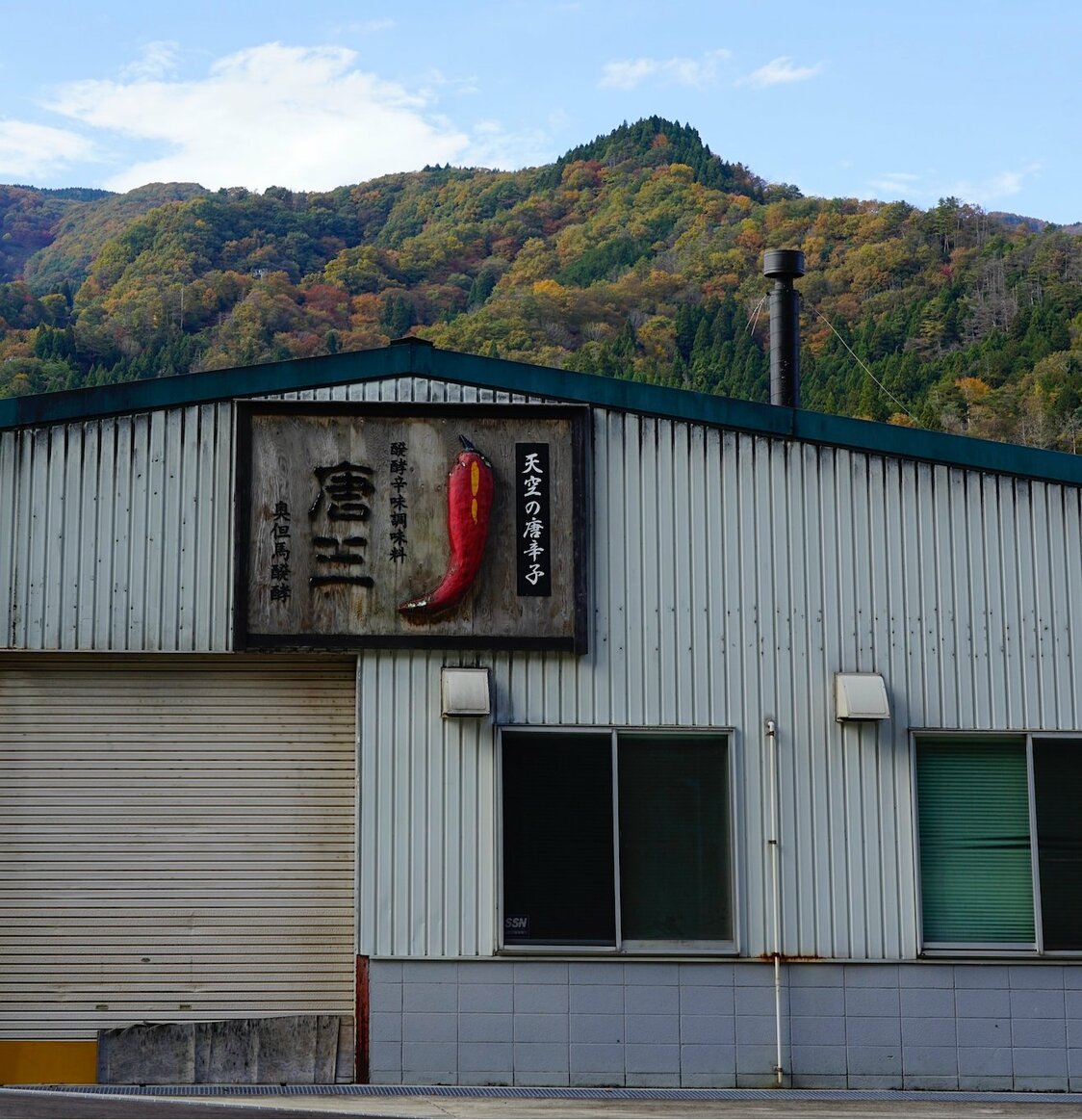
The Karazō factory, complete with maturation and fermentation barrels, in the mountains of Tajima. (© Ukita Yasuyuki)
-
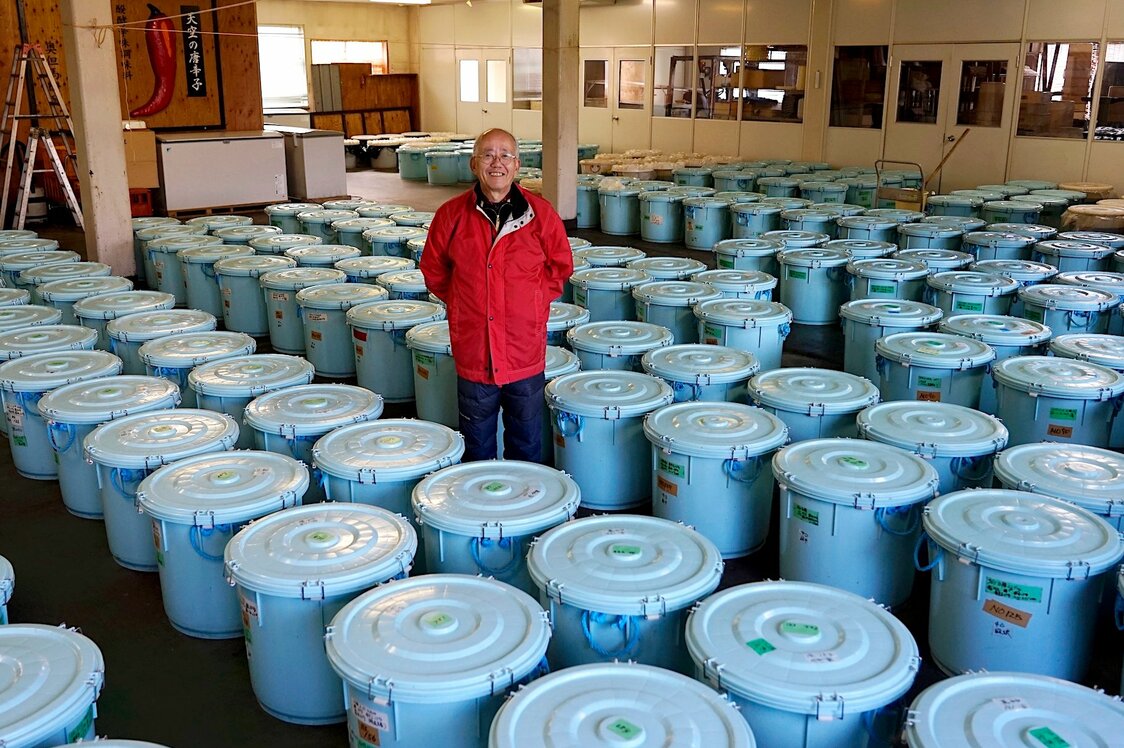
Hirai Seiichi surrounded by fermentation barrels at the Ojiro workshop. (© Ukita Yasuyuki)
-
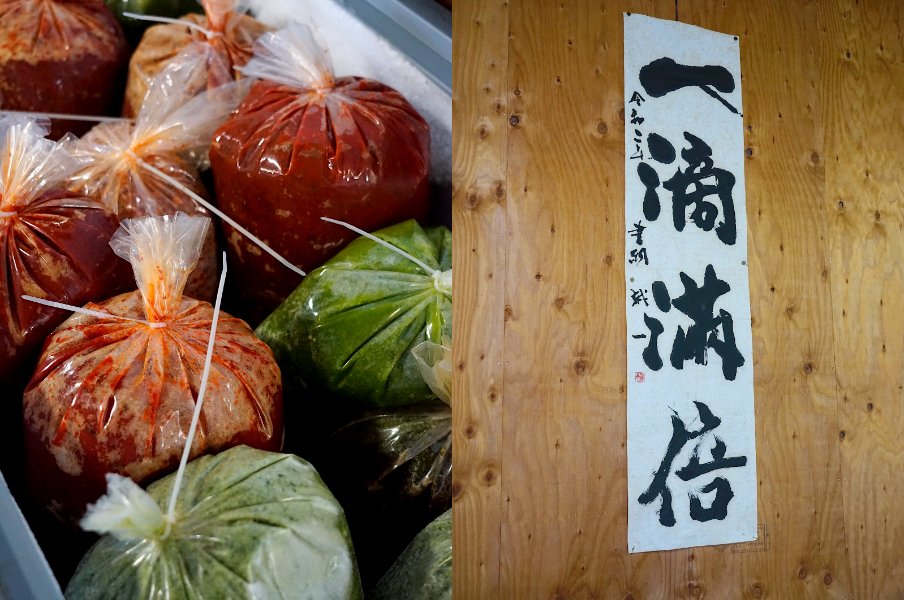
At left: A variety of frozen chili pepper paste. At right is a motto written in Hirai’s hand: Itteki manbai, or “From a single drop, plentiful returns.” (© Ukita Yasuyuki)
-
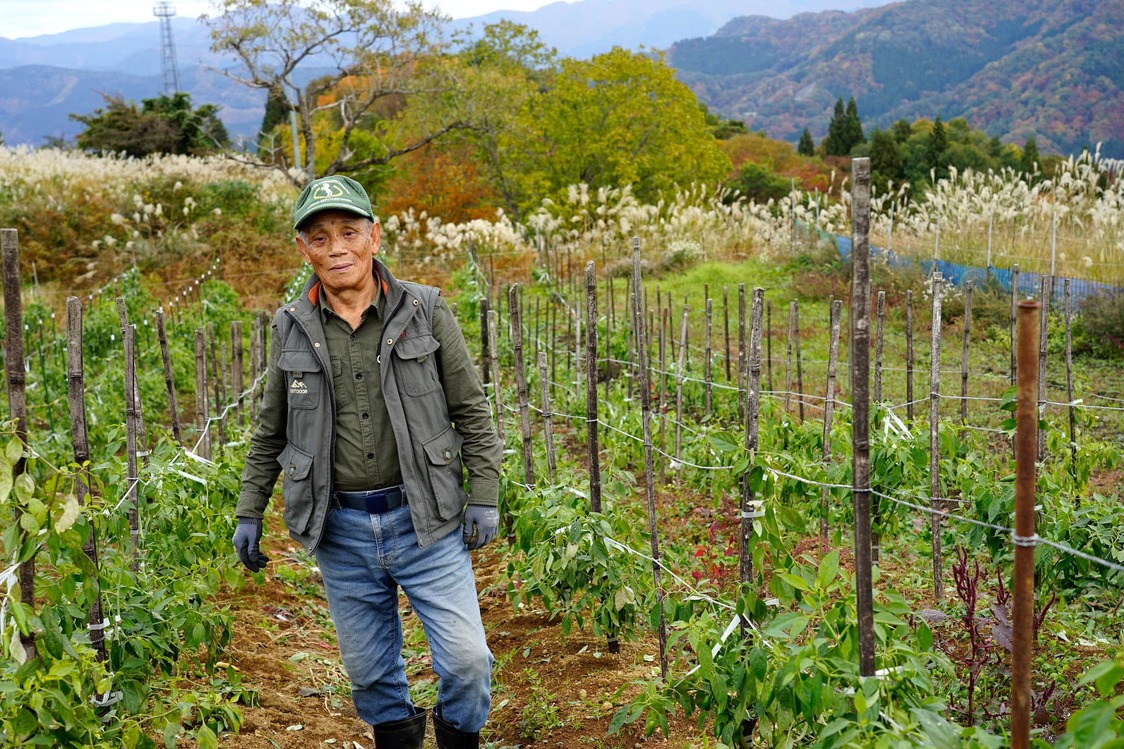
Imai Shirō standing in a field of Tenkū no Tōgarashi. (© Ukita Yasuyuki)
-
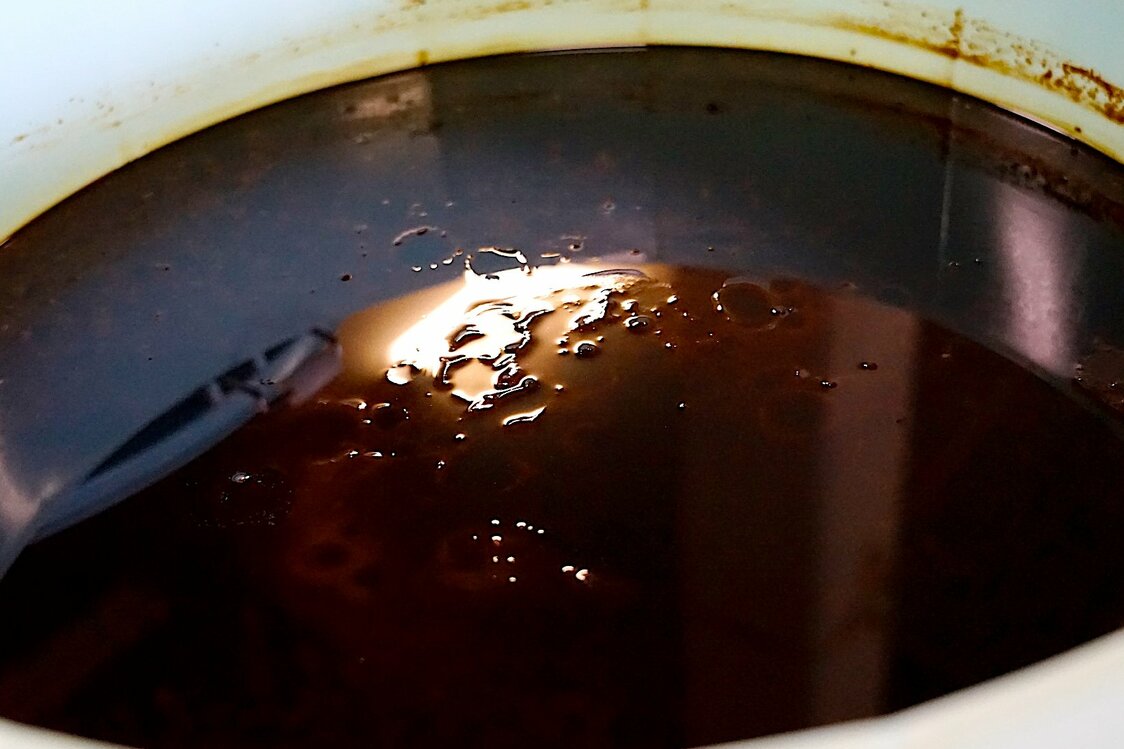
Even the appearance grows smoother as fermentation progresses. (© Ukita Yasuyuki)
-
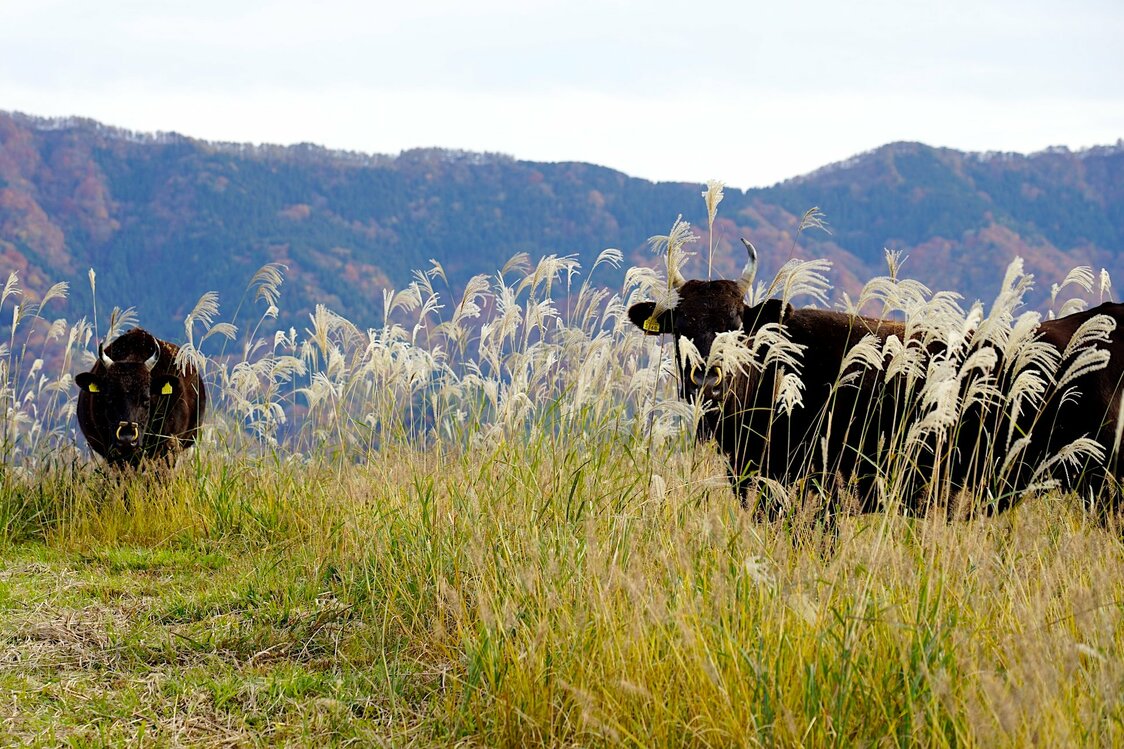
Ojiro is a well-known Tajima cattle breeding ground. (© Ukita Yasuyuki)
-
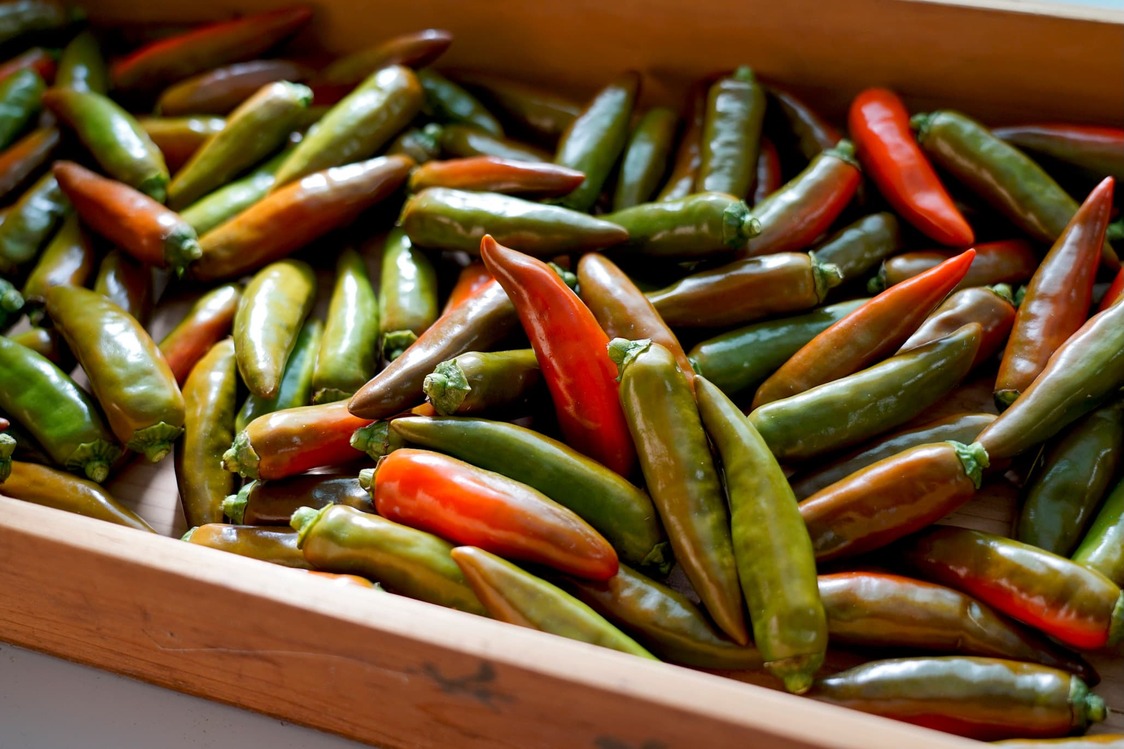
Freshly harvested chilis, a variety introduced from South Korea. (© Ukita Yasuyuki)
-
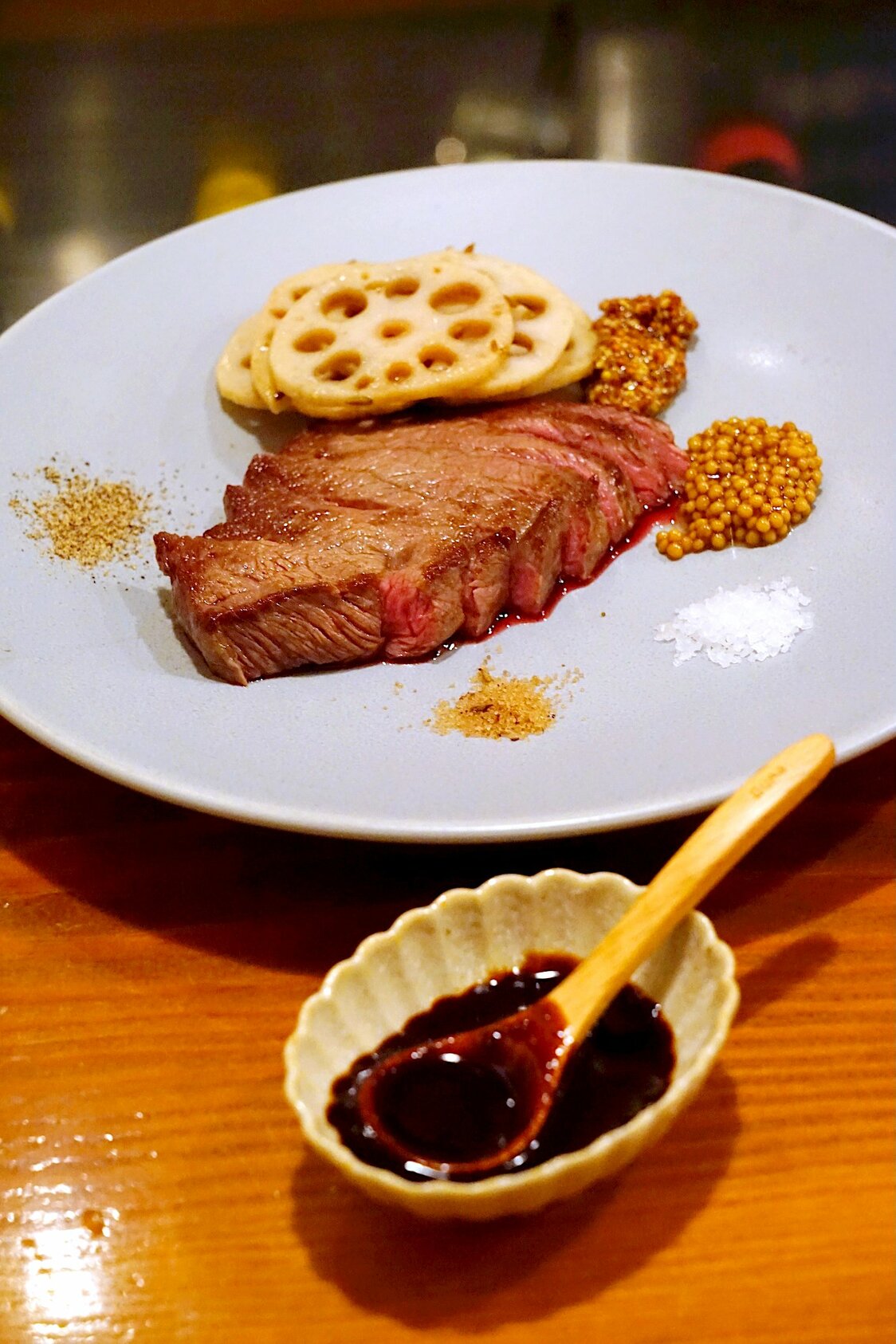
I ordered some wagyū at Himeji wine bar Vinya and tried it with Karazō Muchōsei Gen’eki. The sweetness of the beef fat melded with Karazō’s savoriness, bringing a new layer to the meat’s flavor. (© Ukita Yasuyuki)


 Read in other languages