-
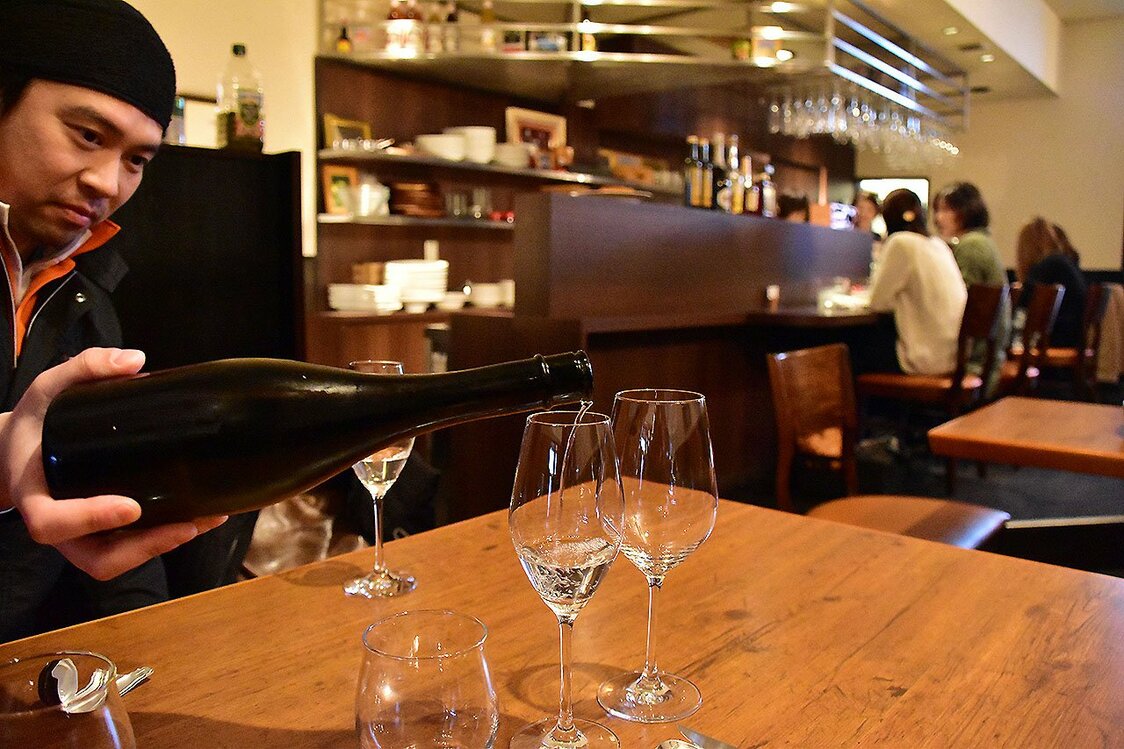
Usui Kazuki, the eleventh-generation head and CEO of Senkin Shuzō (Domaine Senkin). Served in wine glasses, Senkin can stand in for white wine as an accompaniment to Western cuisine. (Photo courtesy of Niwa Cafe & Dining)
-
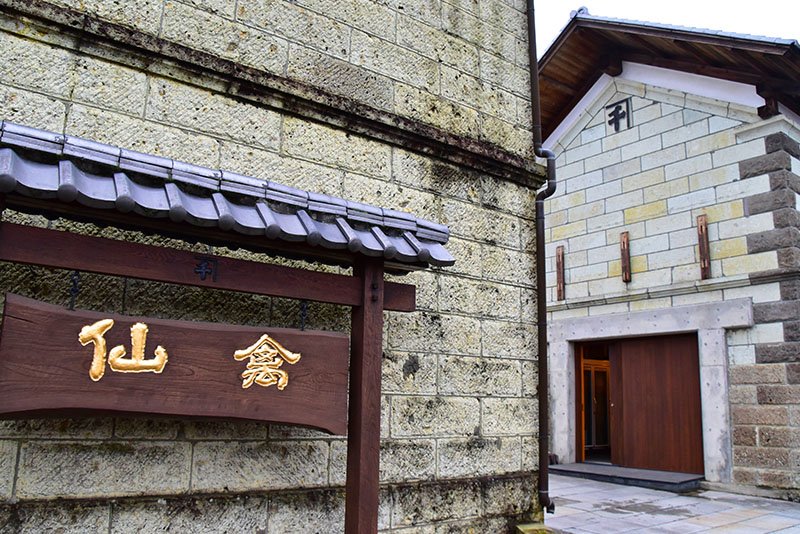
Established in 1806, Senkin Shuzō brewery (in modern-day Sakura, Tochigi Prefecture) was built along the old Ōshu Kaidō, one of the five major routes of the Edo period. The masonry used in the building pictured is Ōya stone, a volcanic rock found only in Tochigi.
-

Owner-brewer Usui Kazuki uses touch, as well as sight and smell, to monitor the development of kōji mold on steamed rice, a critical step in the sake-brewing process.
-
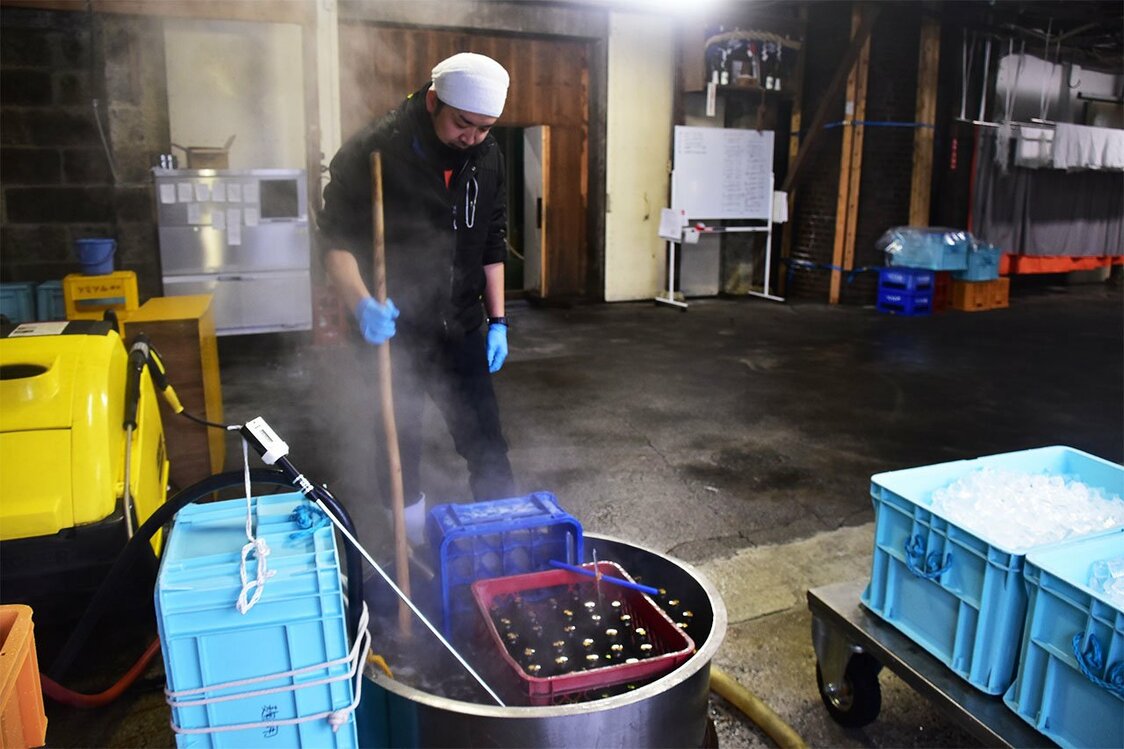
Tōji Usui Masato uses the time-consuming binkan hiire process to pasteurize the sake in the bottle. By first heating the bottles to 63℃– 64℃ and then cooling them quickly in ice water, he kills microorganisms and deactivates enzymes without sacrificing flavor.
-
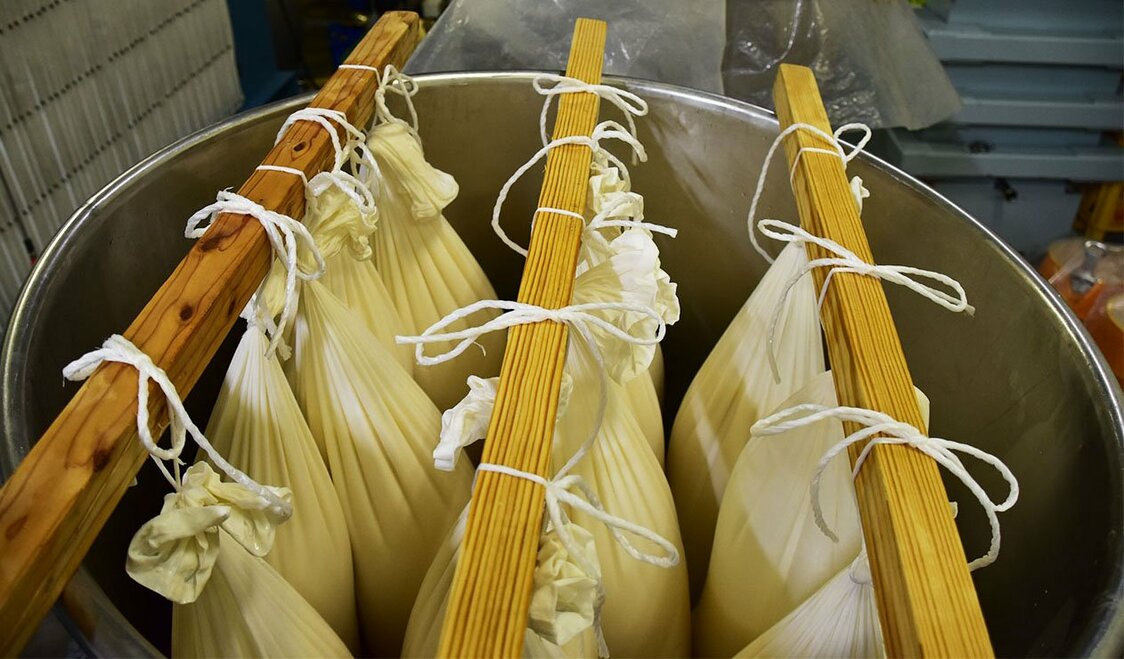
The traditional shizuku-dori method of pressing, using cloth bags, is reserved for top-quality sake. Senkin keeps the equipment refrigerated to prevent oxidation.
-
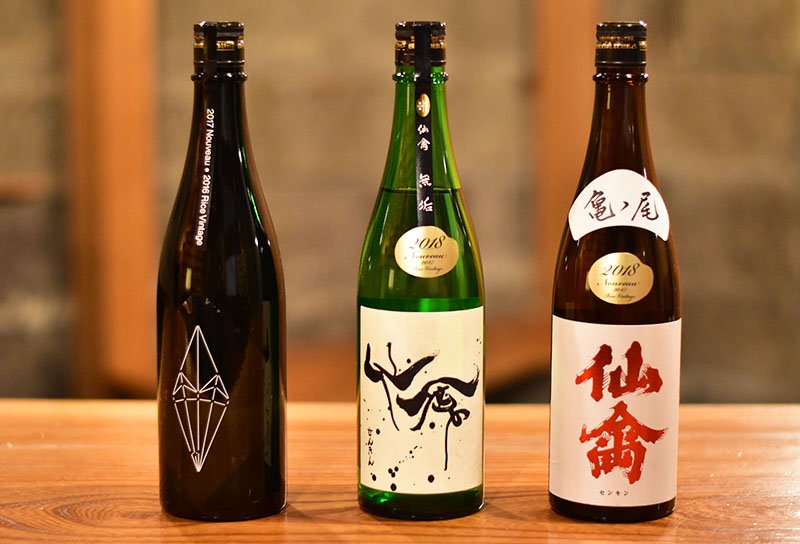
From left to right, Domaine Senkin’s “Nature,” “Modern,” and classic “Senkin” lines. (Senkin means “crane,” and the “Nature” label depicts a folded-up origami crane.) The brewery uses distinct varieties of rice, as well as different brewing processes, for each sake.
-
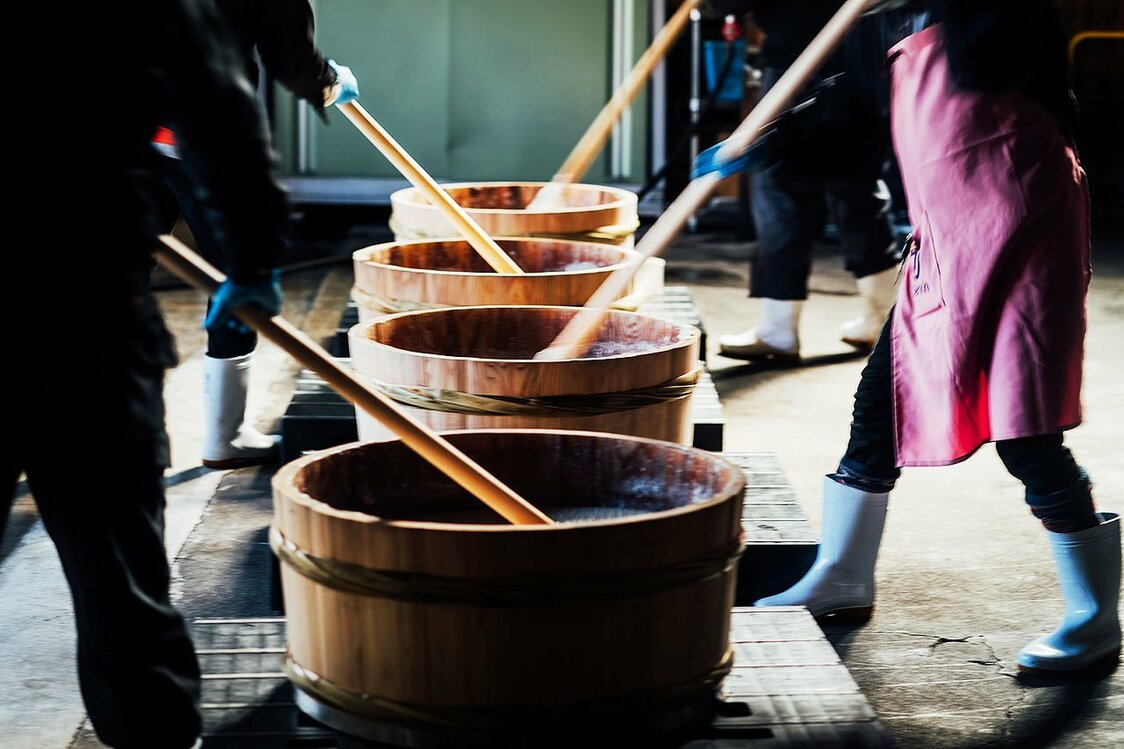
No shortcuts: Senkin has revived the labor-intensive practice of motosuri, in which poles are used to mix and grind rice and kōji in wooden tubs. (Photo courtesy of Domaine Senkin)


 Read in other languages