-
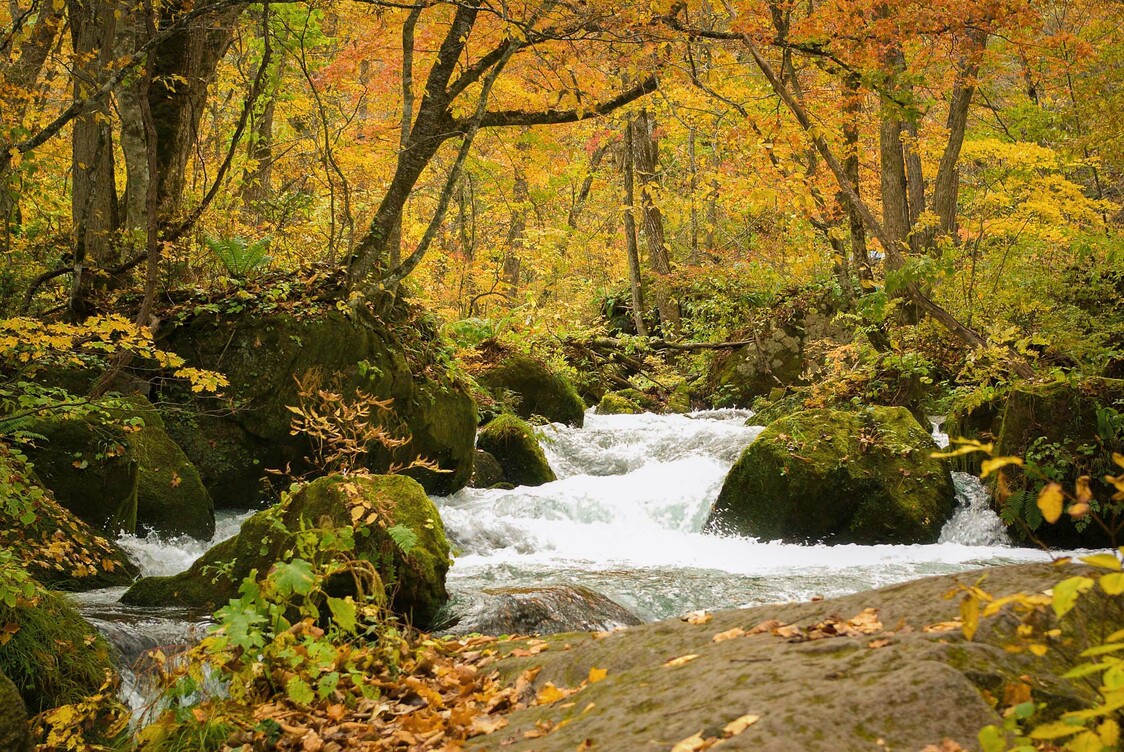
Lake Towada’s clear waters flow into the Oirase Gorge. The site is especially popular with visitors during the autumn foliage season. (Courtesy Aomori Prefectural Tourism Federation)
-
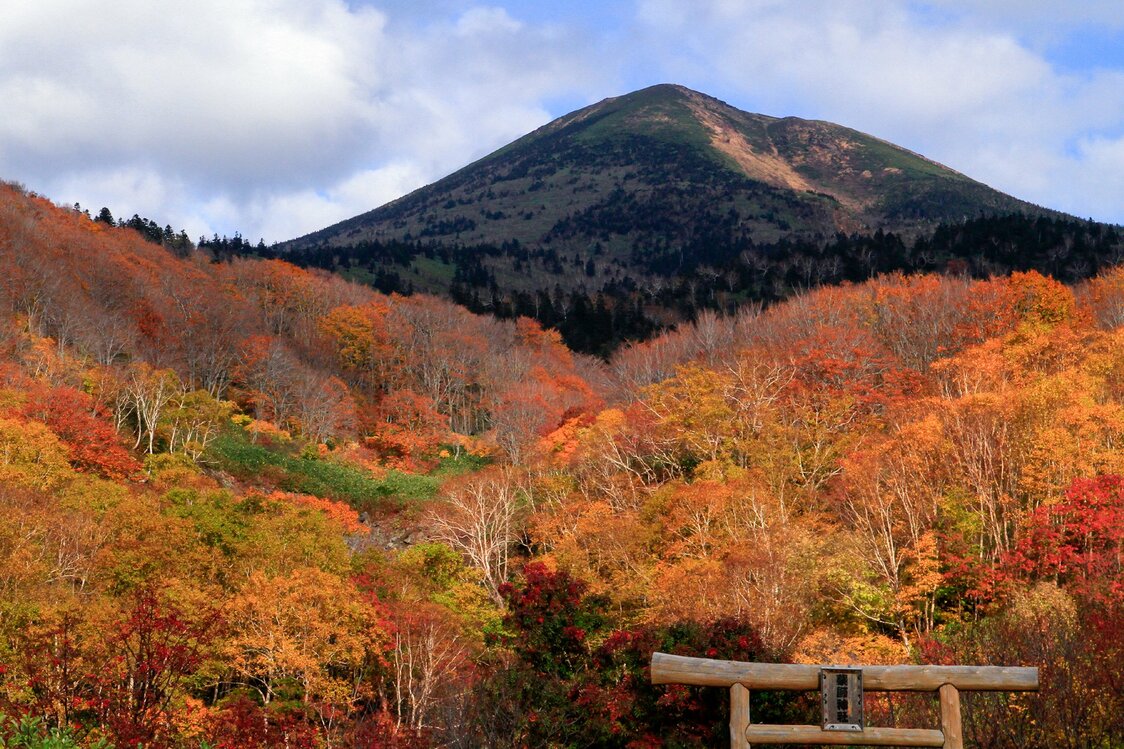
Hakkōda Ō-dake, with the gate of Yakushi Shrine in the foreground. (Courtesy Aomori Prefectural Tourism Federation)
-

The Hakkōda Ropeway glides past strangely shaped juhyō, trees transformed into alpine creatures by deposits of snow and ice. (Courtesy Tōhoku Tourism Promotion Organization)
-
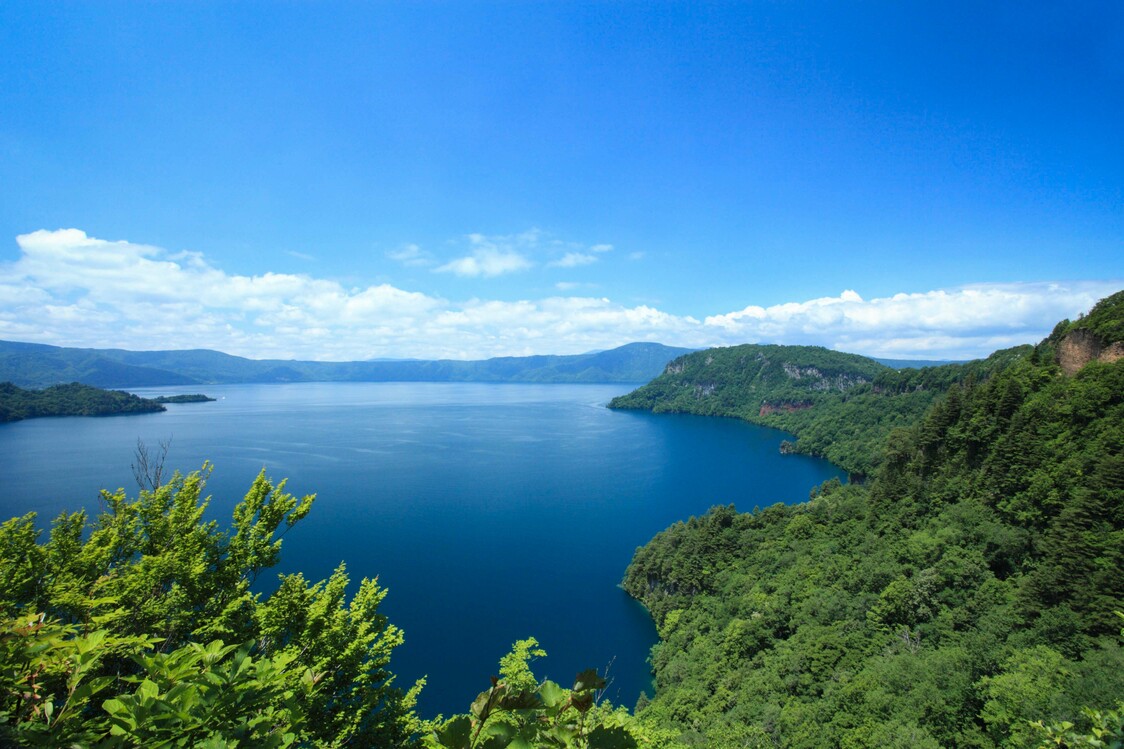
Visitors to Lake Towada can enjoy the scenic beauty along walking trails as well as aboard sightseeing vessels that ply the waters. (Courtesy Aomori Prefectural Tourism Federation)
-
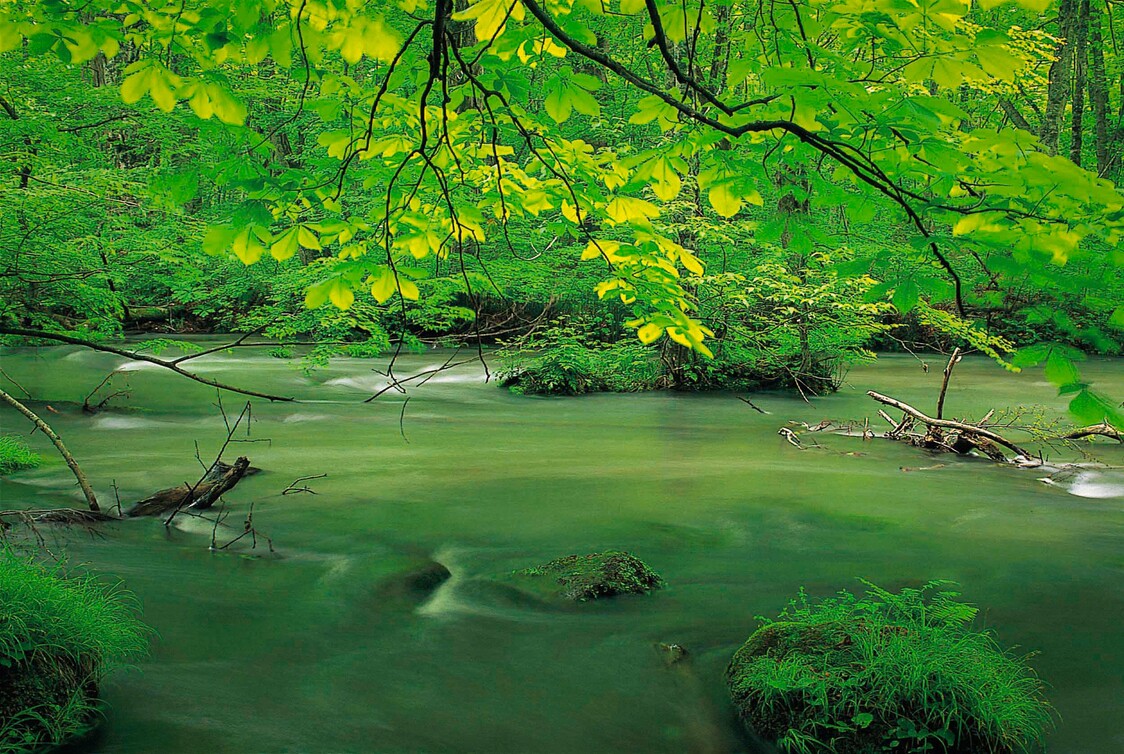
Shimmering spring greenery along the Oirase Gorge. (Courtesy Aomori Prefectural Tourism Federation)
-
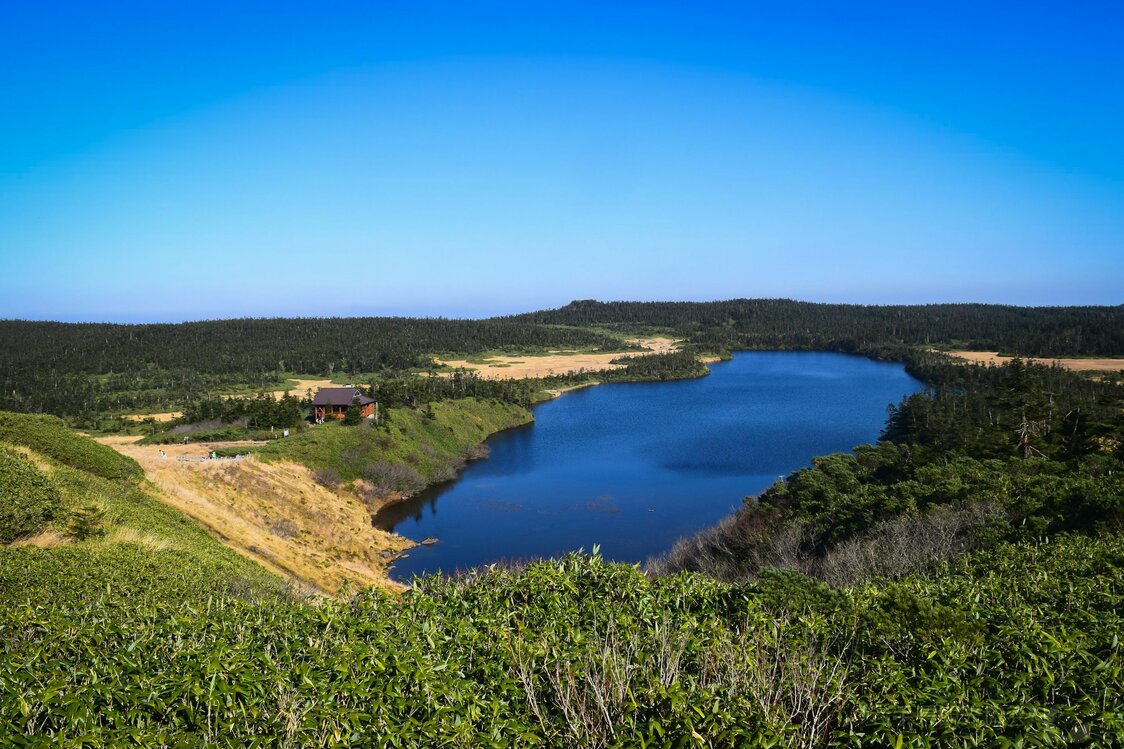
A scenic view of the Hachimantai volcanic plateau. Lake Hachiman, pictured here, features amenities such as a walking trail along the shore and scenic observation points. (Courtesy Iwate Tourism Association)
-
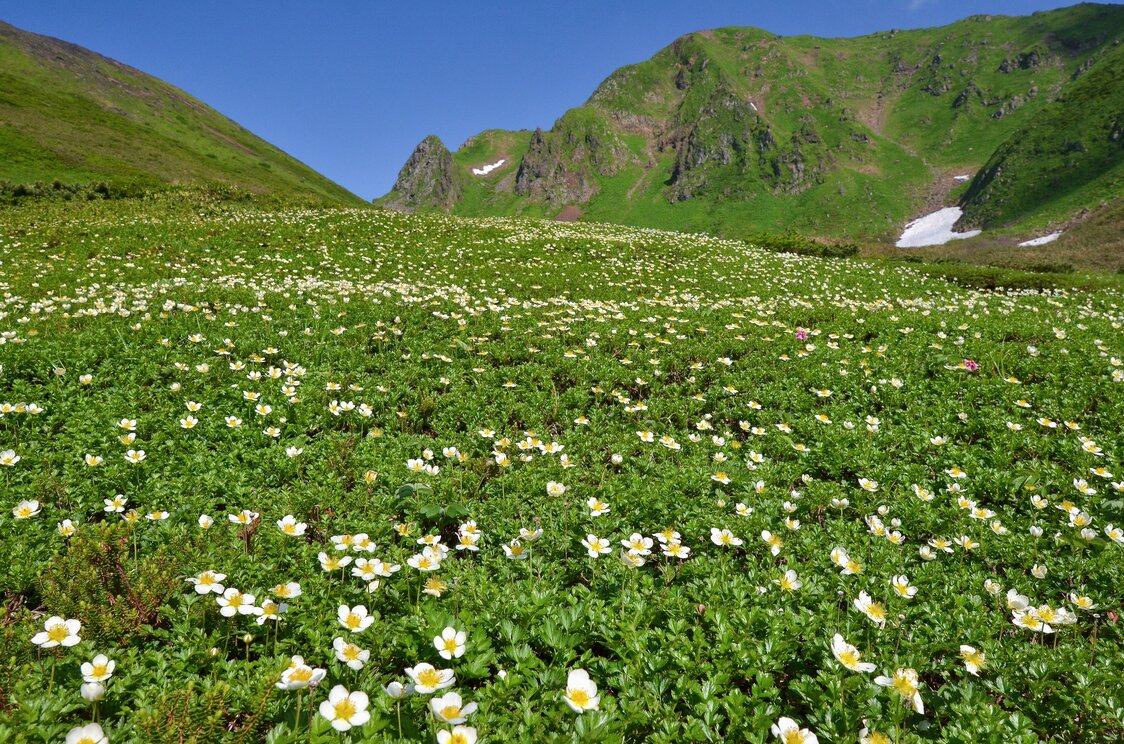
Nōgōichigo wild strawberries, a type of alpine vegetation, bloom along a climbing trail on Akita-Komagatake. (Courtesy Akita Prefectural Tourism Federation)
-
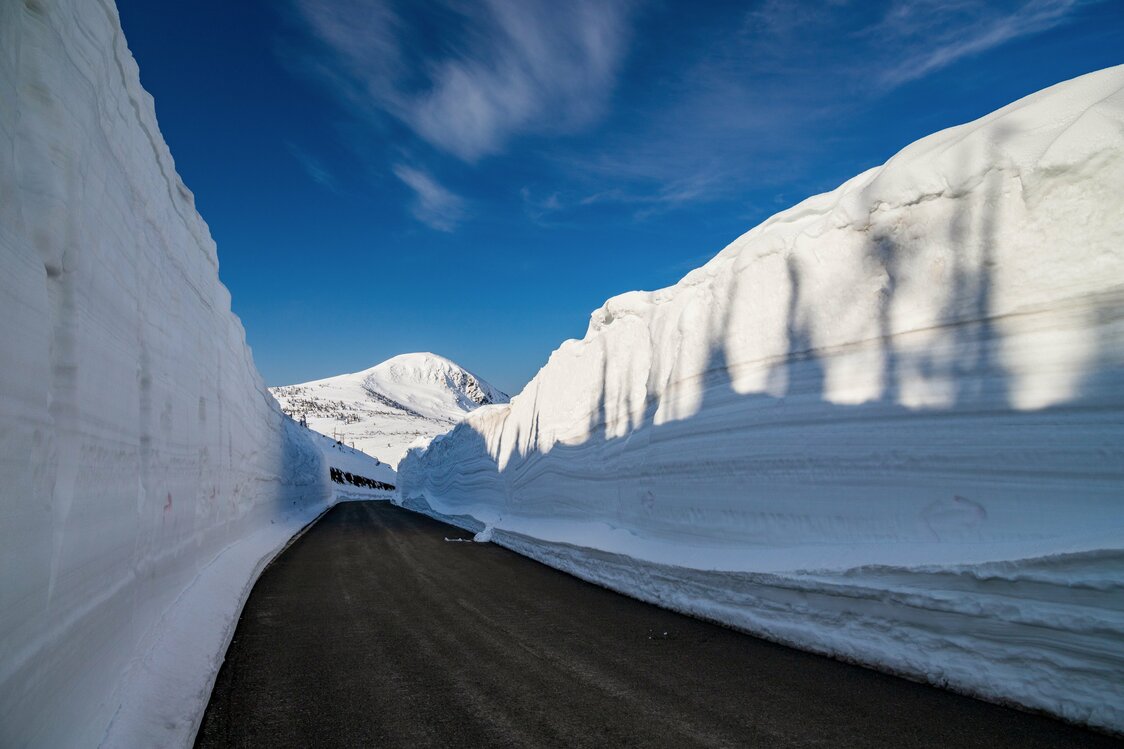
In early spring, the Hachimantai Aspite Line winds through snow corridors up to eight meters tall. (© Pixta)
-
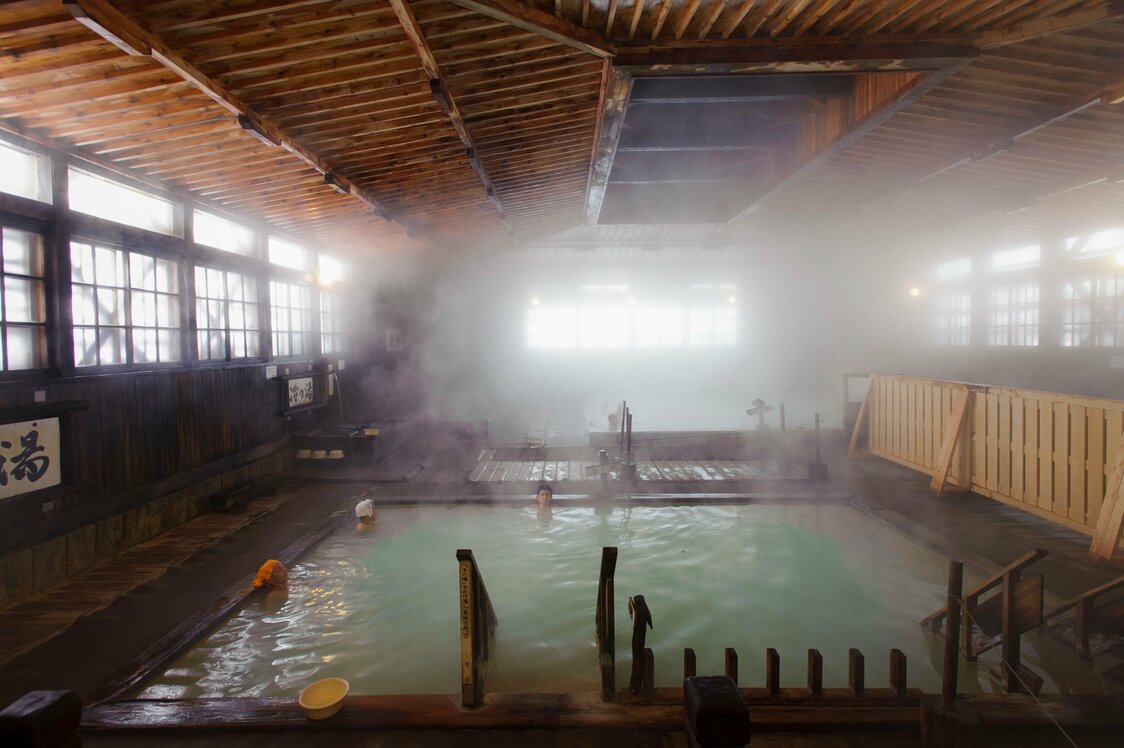
The mixed-bathing senninburo at Sukayu Onsen. Many users are long-term guests who come for the waters’ therapeutic effects. (Courtesy Aomori Prefectural Tourism Federation)
-
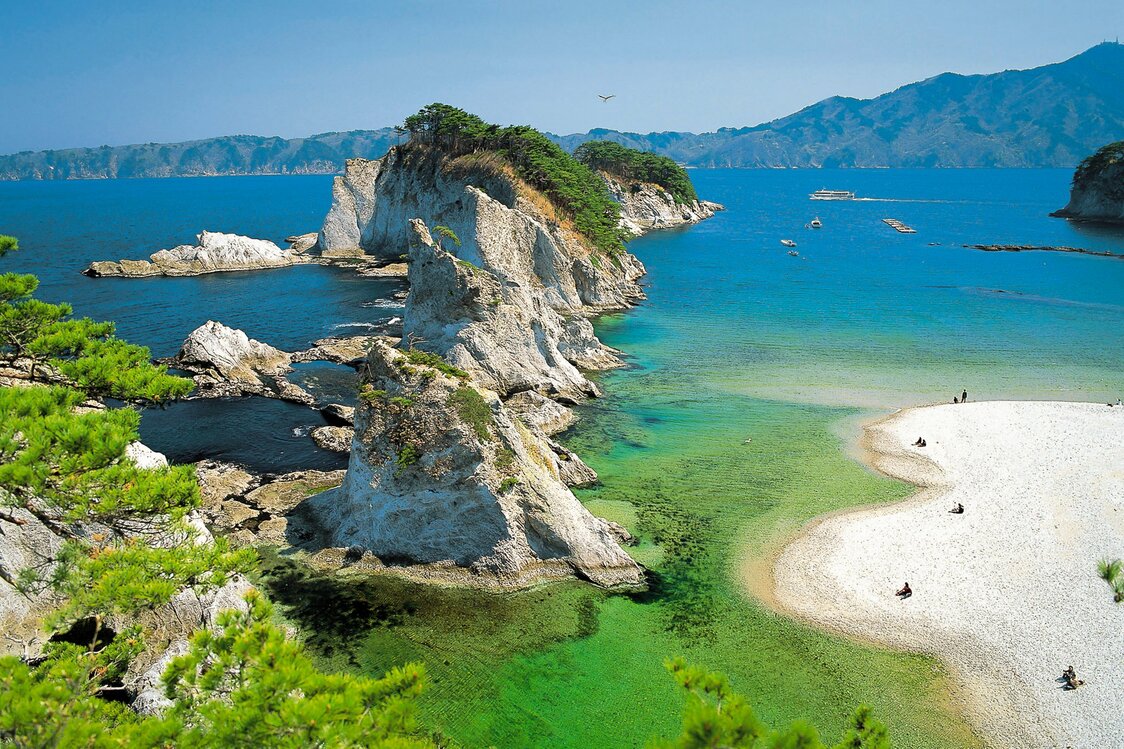
At Jōdogahama in Iwate Prefecture, rugged sea cliffs topped by pine trees jut out into the ocean. (Courtesy Tōhoku Tourism Promotion Organization)
-
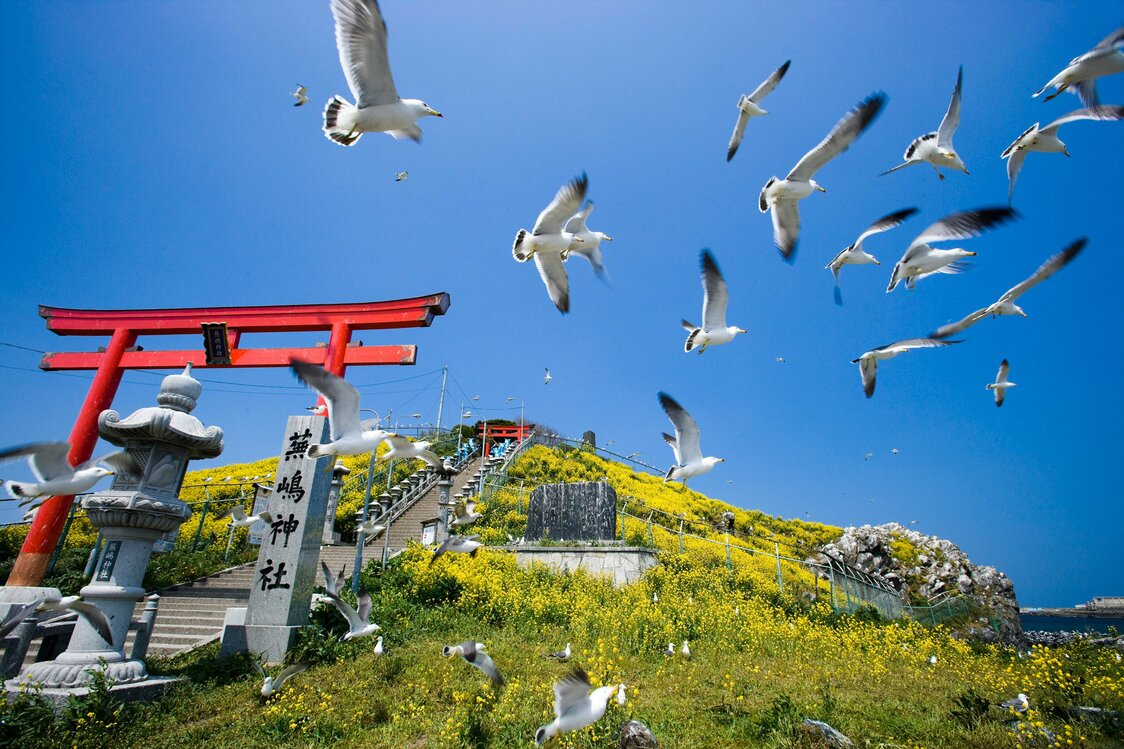
A flock of black-tailed gulls over Kabushima Shrine. (Courtesy Aomori Prefectural Tourism Federation)
-
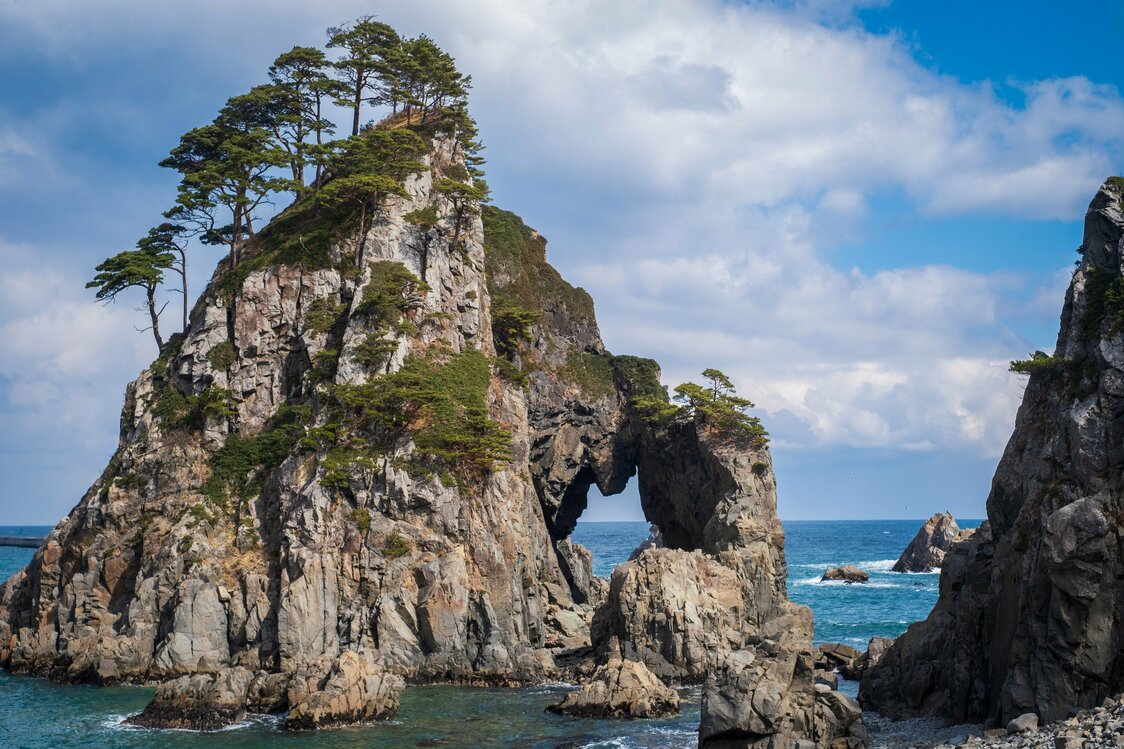
Kuji’s Kosode Kaigan is the site of reefs and interesting rock formations like Tsuriganedō (pictured) and Kabutoiwa. (© Pixta)
-
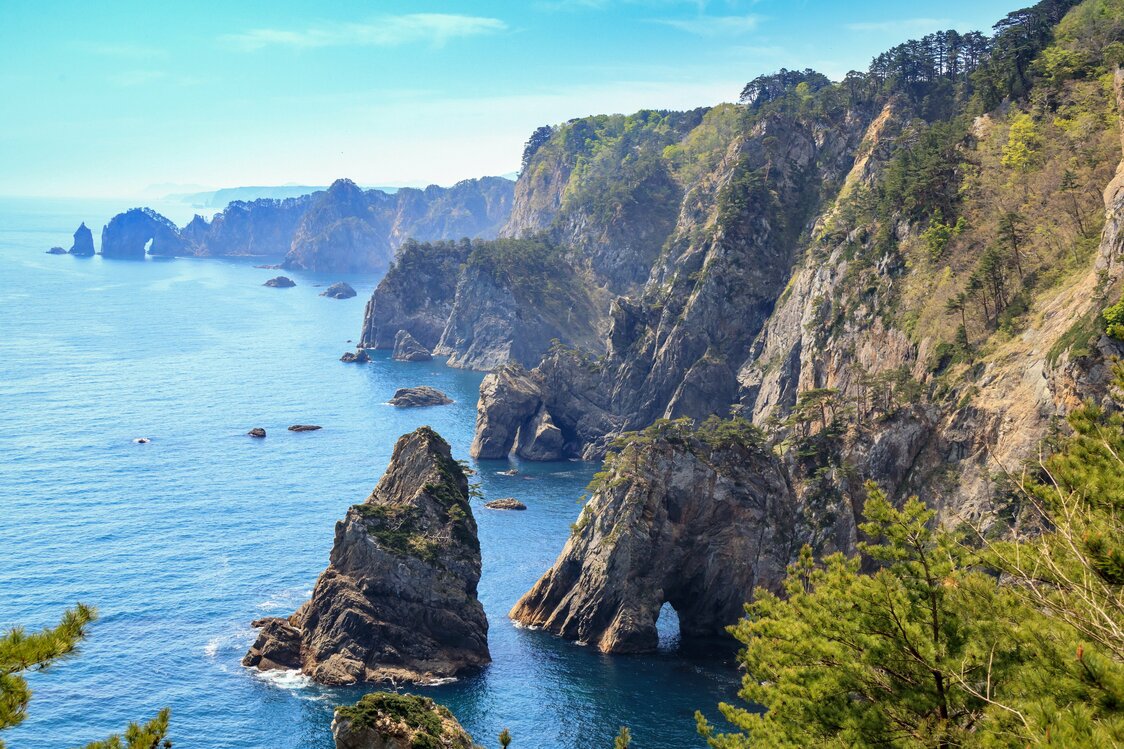
The cliffs at Kitayamazaki in Iwate Prefecture tower up to 200 meters above the sea. (© Pixta)
-
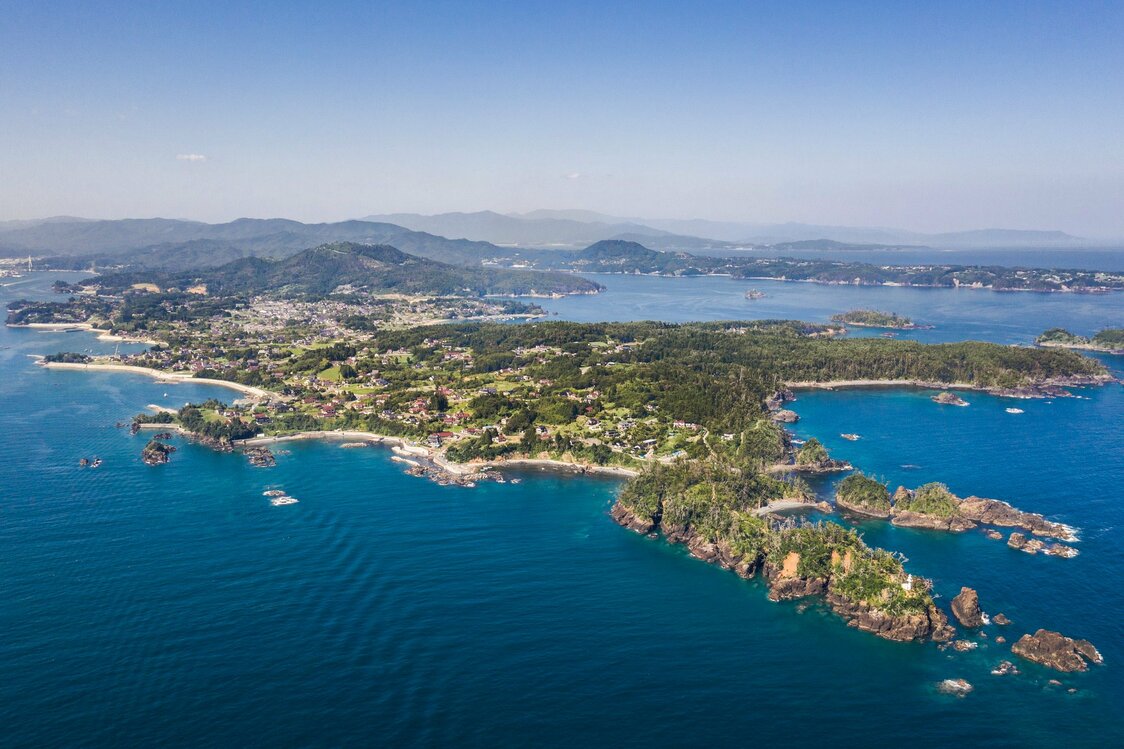
Kesennuma Ōshima now accessible by car thanks to a recently erected bridge, includes attractions like Kugunarihama, designated a natural treasure for its “singing sands,” the Kodanohama swimming beach, and 325-meter Mount Kameyama. (Courtesy Miyagi Tourism Promotion)
-
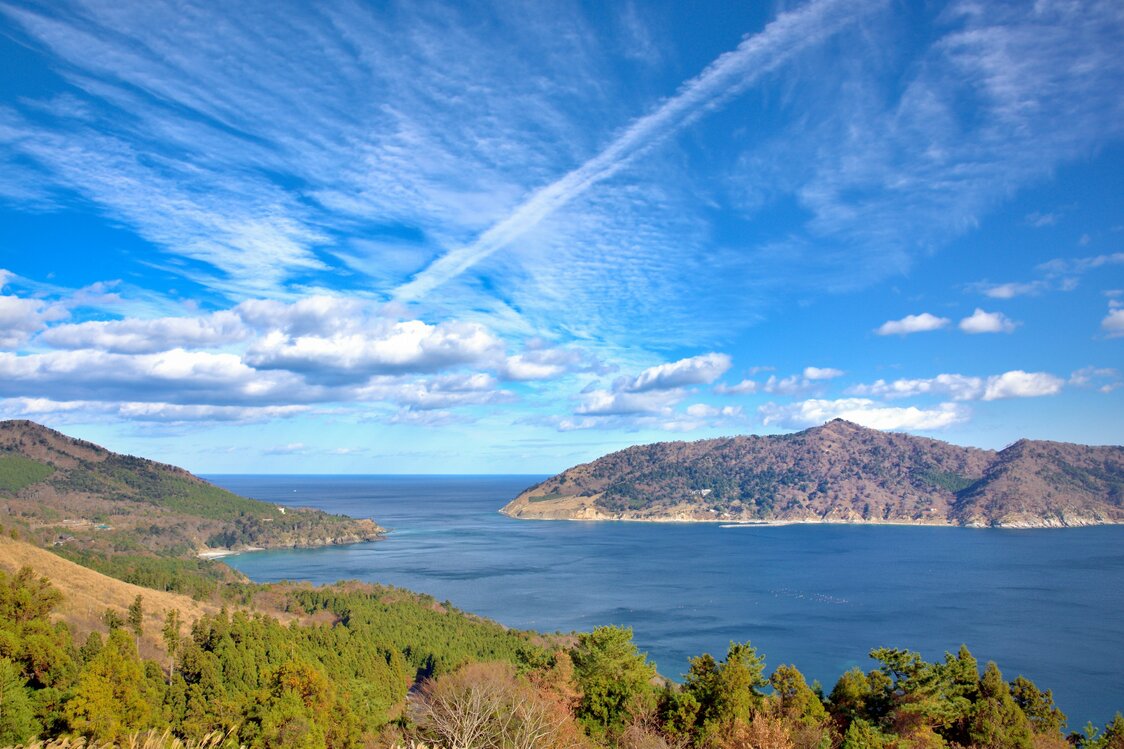
The view from Gobansho Park on the Oshika Peninsula, with Kinkasan to the right. (© Pixta)
-
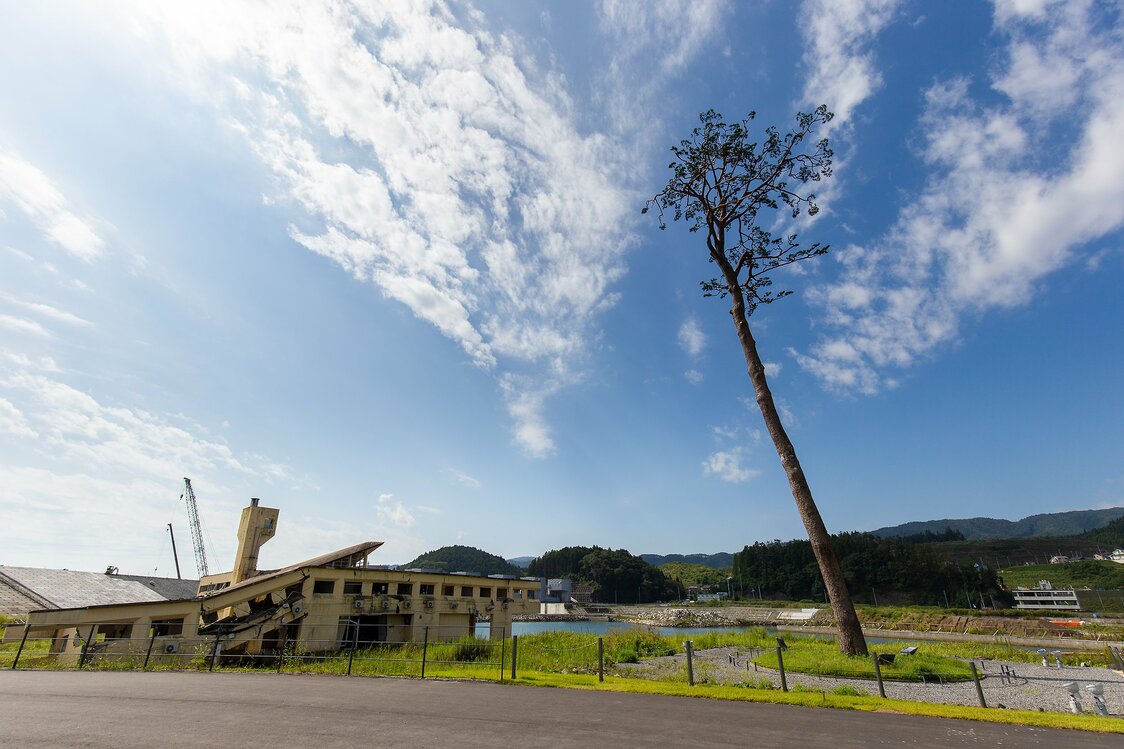
The remnants of the Rikuzen-Takata Youth Hostel, destroyed by the tsunami, and the “Miracle Pine,” the lone surviving tree out of thousands that grew along the shore. (© Nippon.com)
-
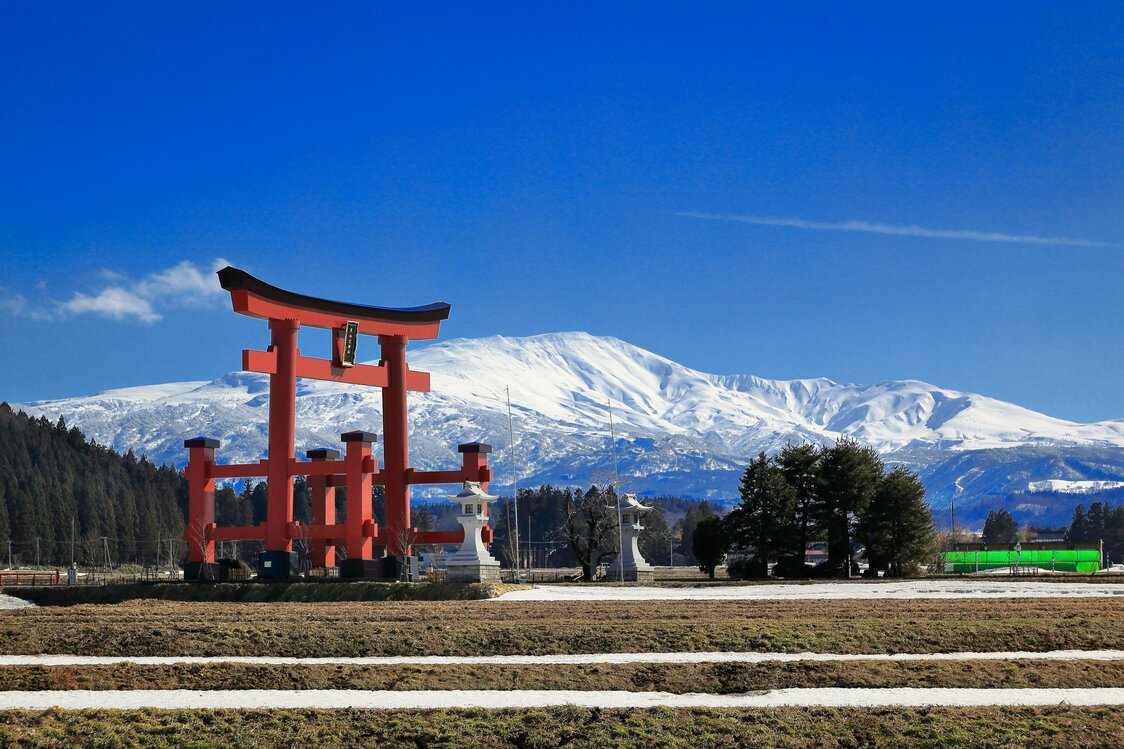
Mount Gassan, visible beyond Mount Haguro’s torii shrine gate. (© Pixta)
-
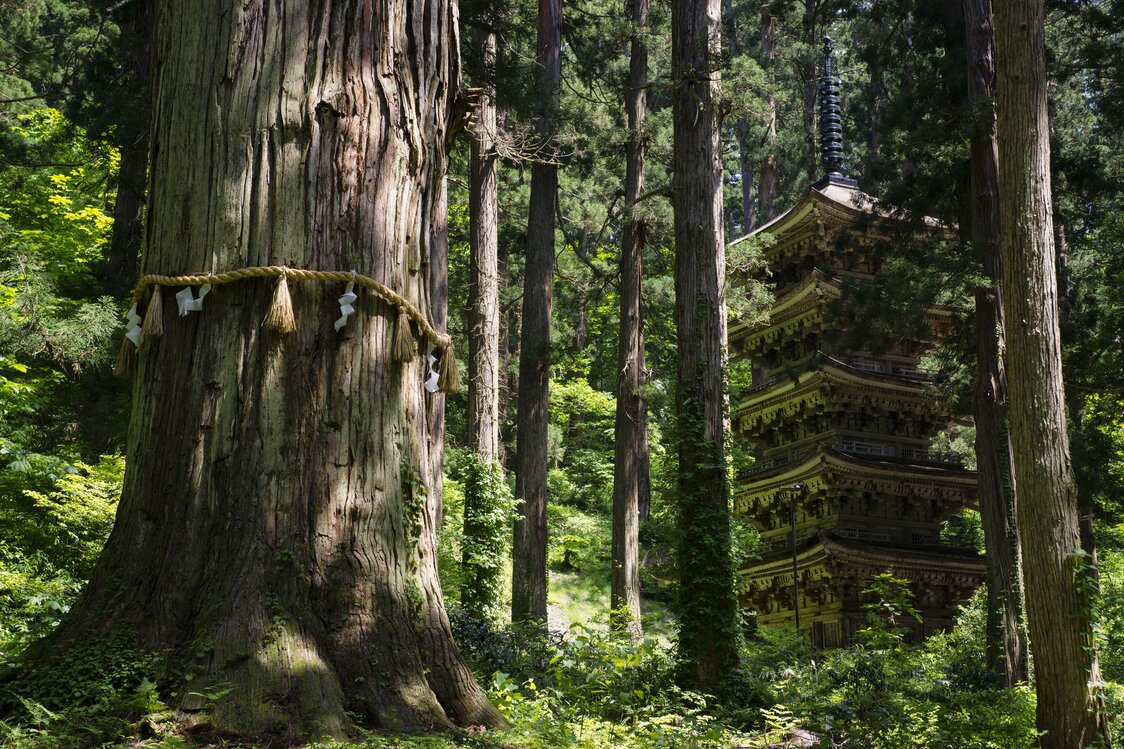
The five-storied pagoda at Mount Haguro, designated a national treasure, and Jijisugi, a huge Japanese cedar estimated to be a thousand years old. (Courtesy Yamagata Tourist Association)
-
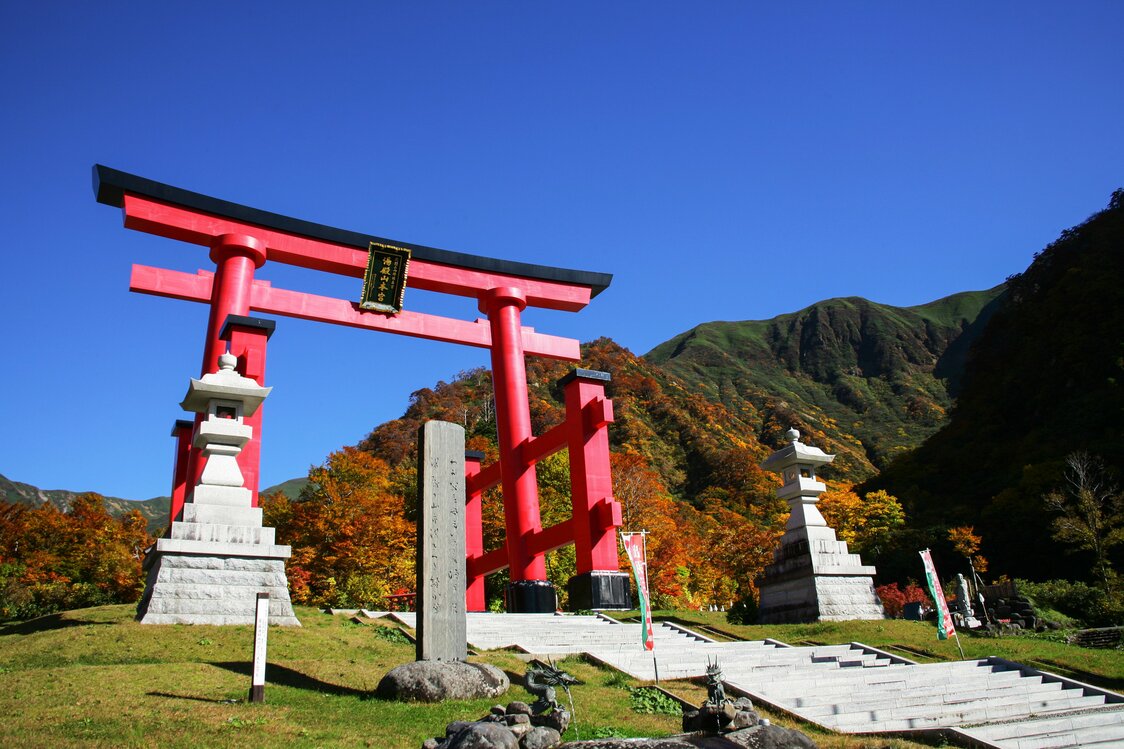
The gigantic torii at Mount Yudono.
-
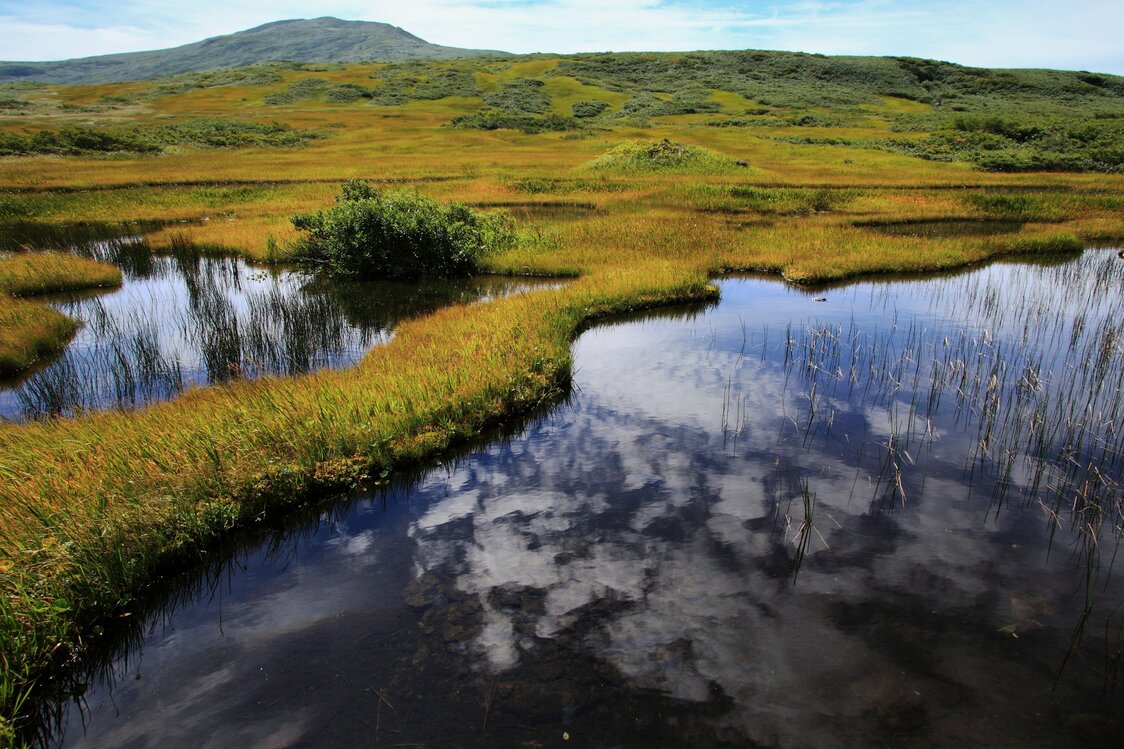
The Midagahara wetlands at the eighth station of Mount Gassan. (© Pixta)
-
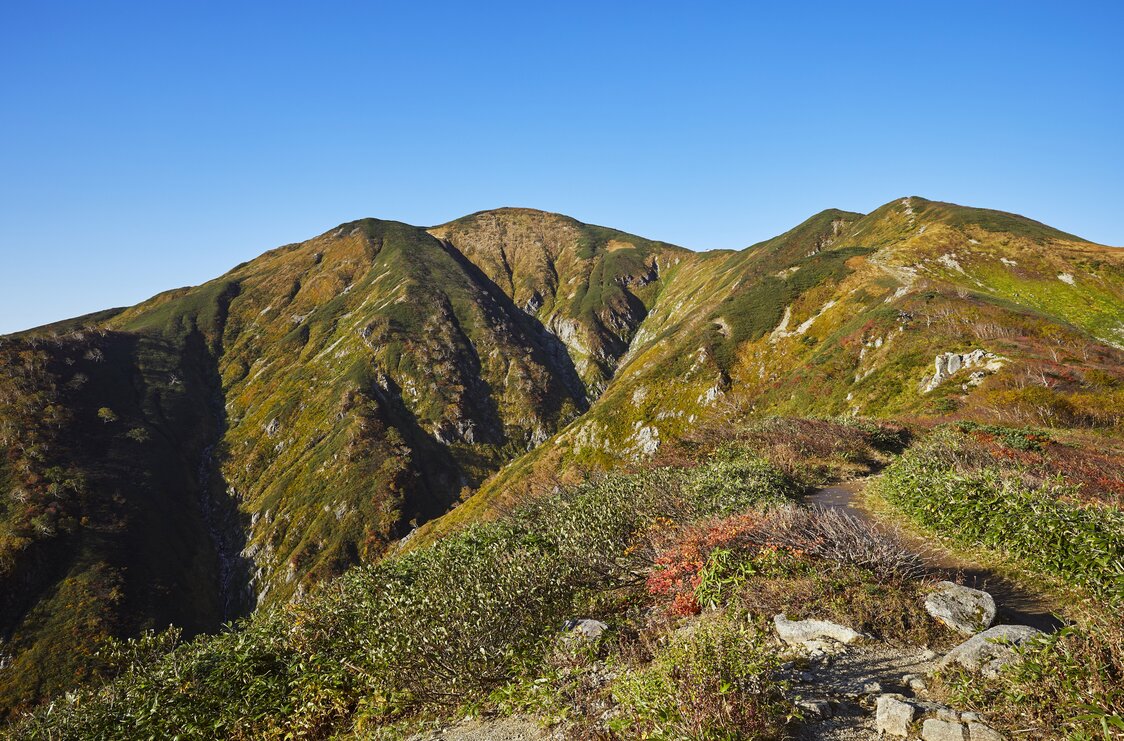
Ōasahi-dake (center), 1,871 meters tall, is the highest peak of the Asahi Mountains. (Courtesy Yamagata Tourist Association)
-
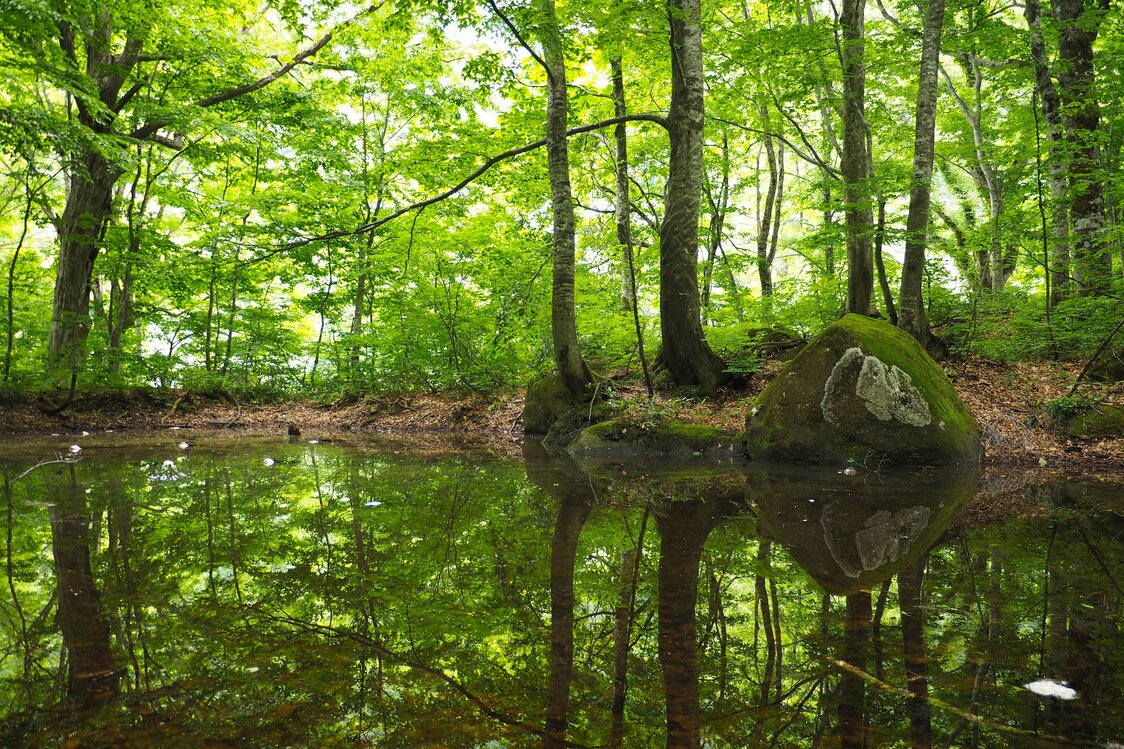
The beech forest at Nukumidaira in the foothills of the Iide Mountains. (© Pixta)
-
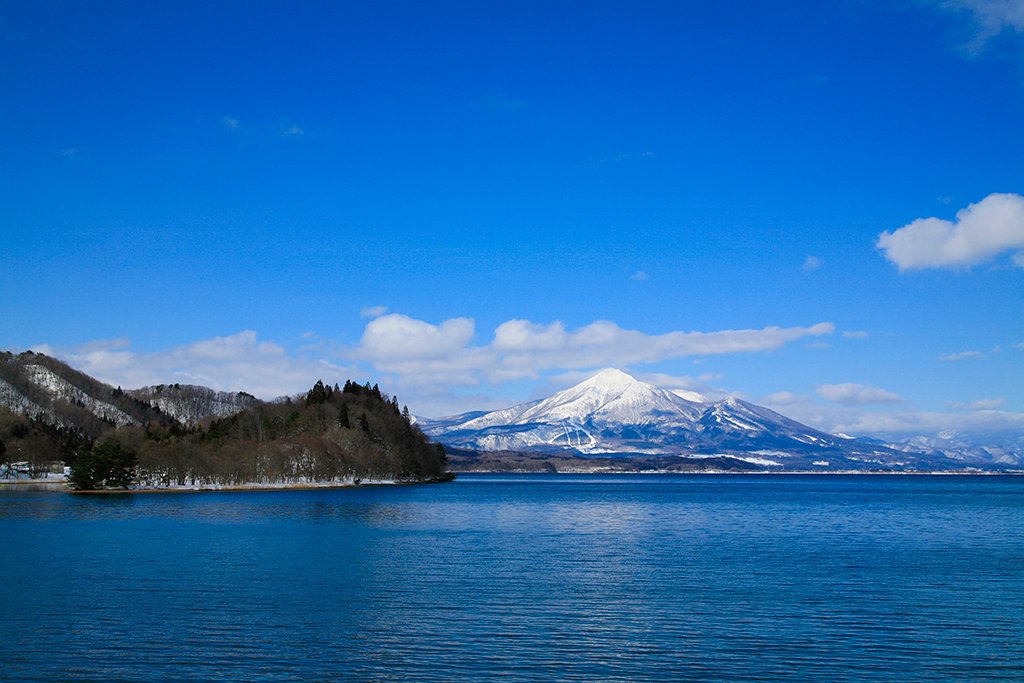
Lake Inawashiro and snow-capped Mount Bandai in the distance. (Courtesy Fukushima Prefecture Tourism and Local Products Association)
-
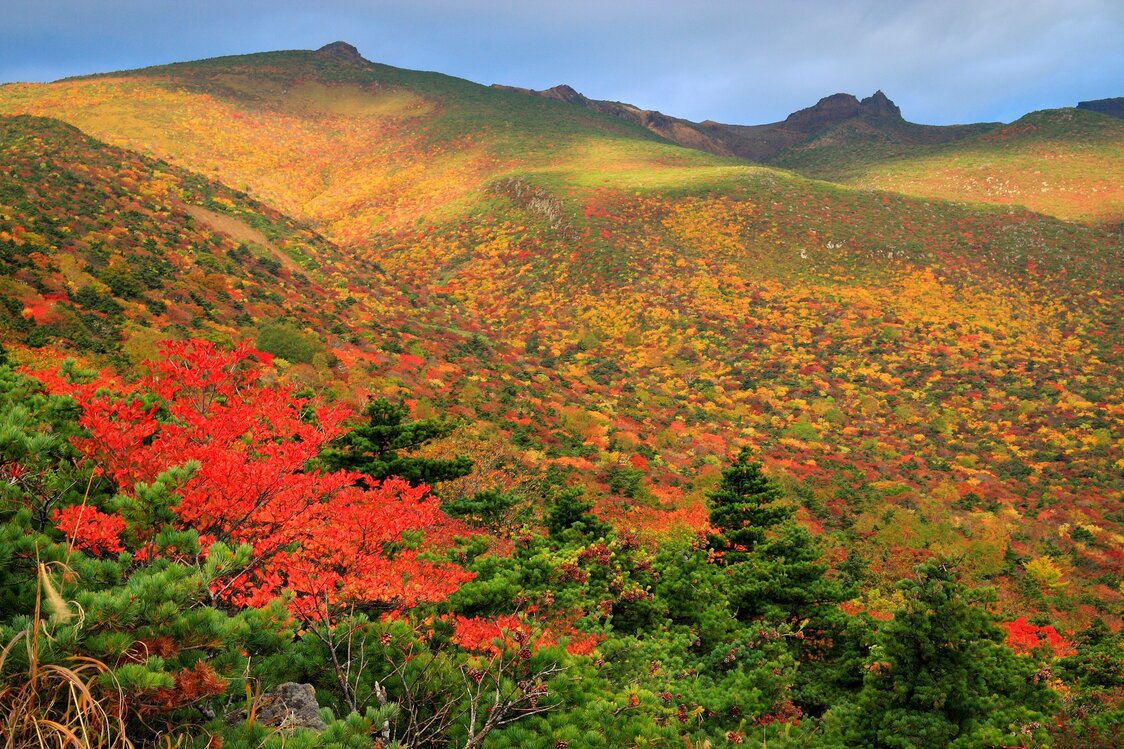
Autumn colors on Mount Adatara. A ropeway runs to the top of the mountain. (© Pixta)


 Read in other languages