-
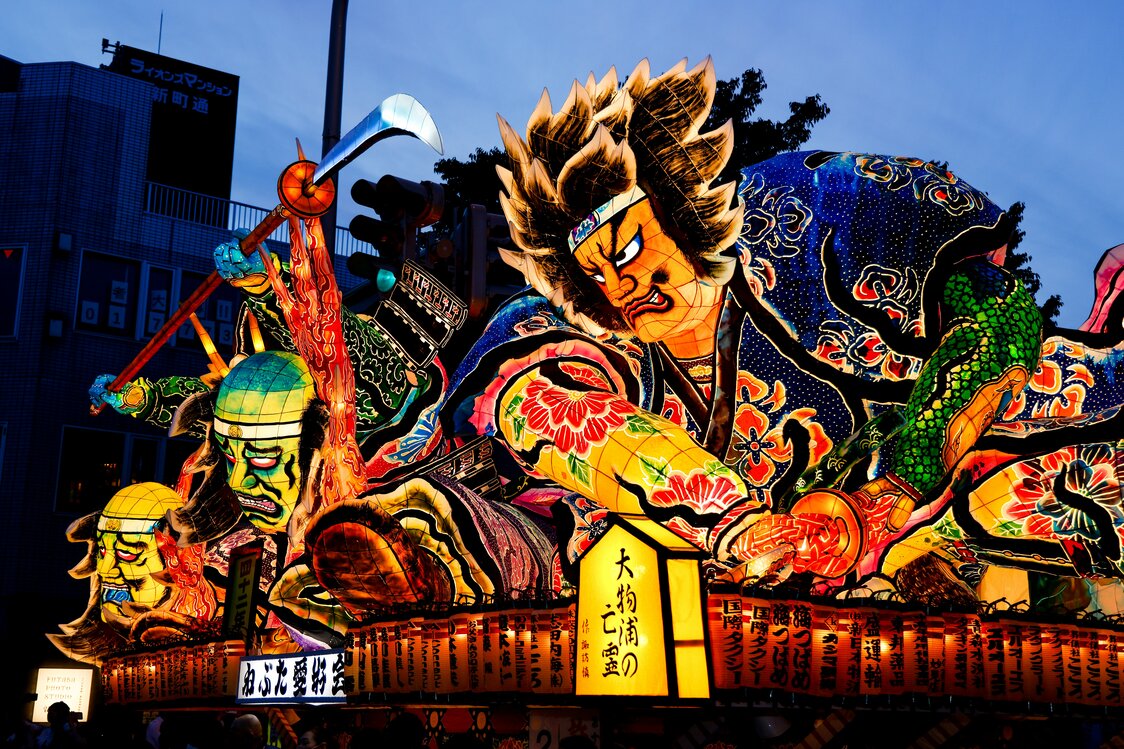
Aomori’s nebuta lanterns grew larger and larger during the Meiji era (1868–1912). Costly to create, the largest can be up to 9 meters wide, 5 meters tall, and 7 meters across. Including the floats on which they are mounted, they can weigh up to 4 tons. (© Haga Library)
-
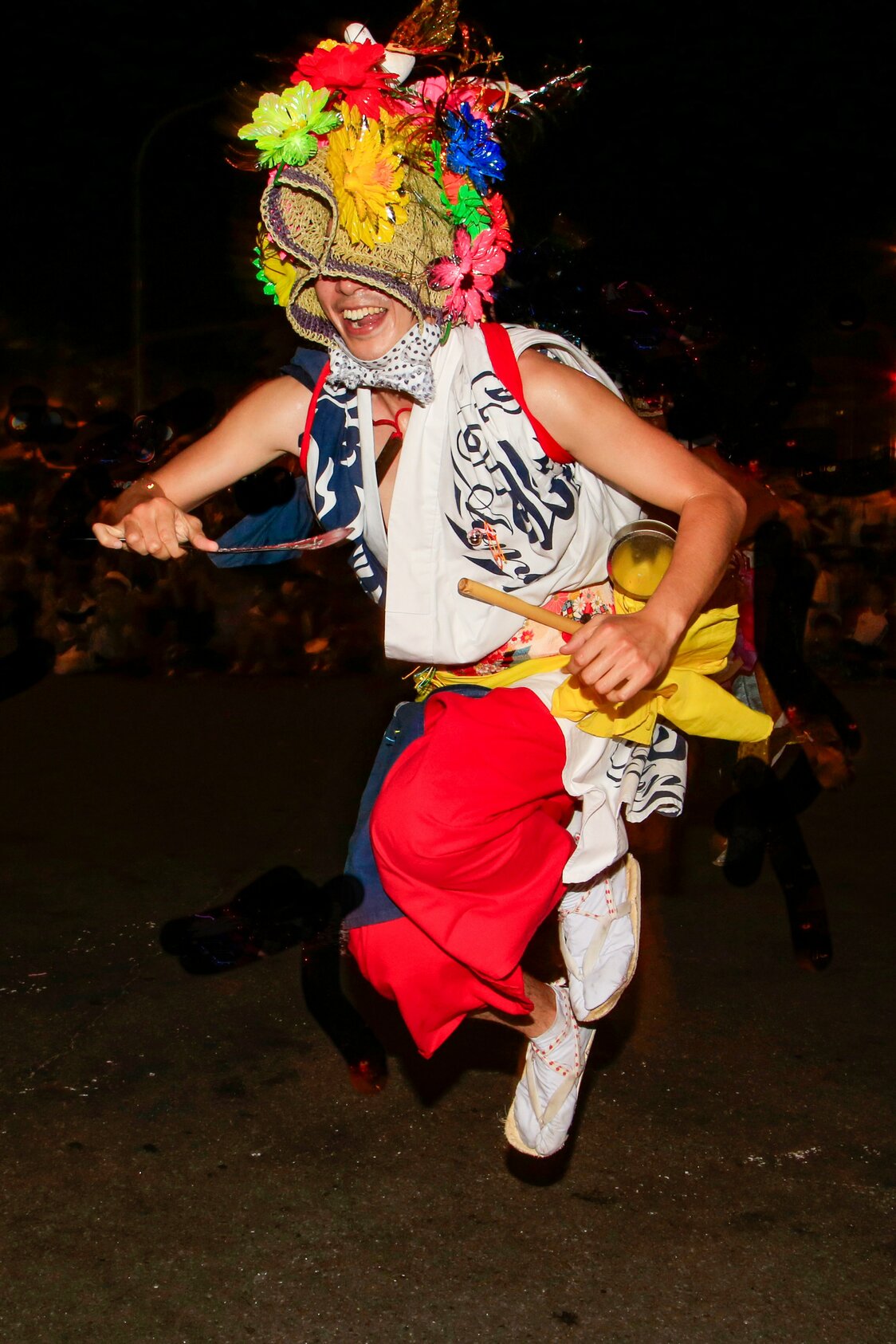
A leaping haneto dancer. (© Haga Library)
-
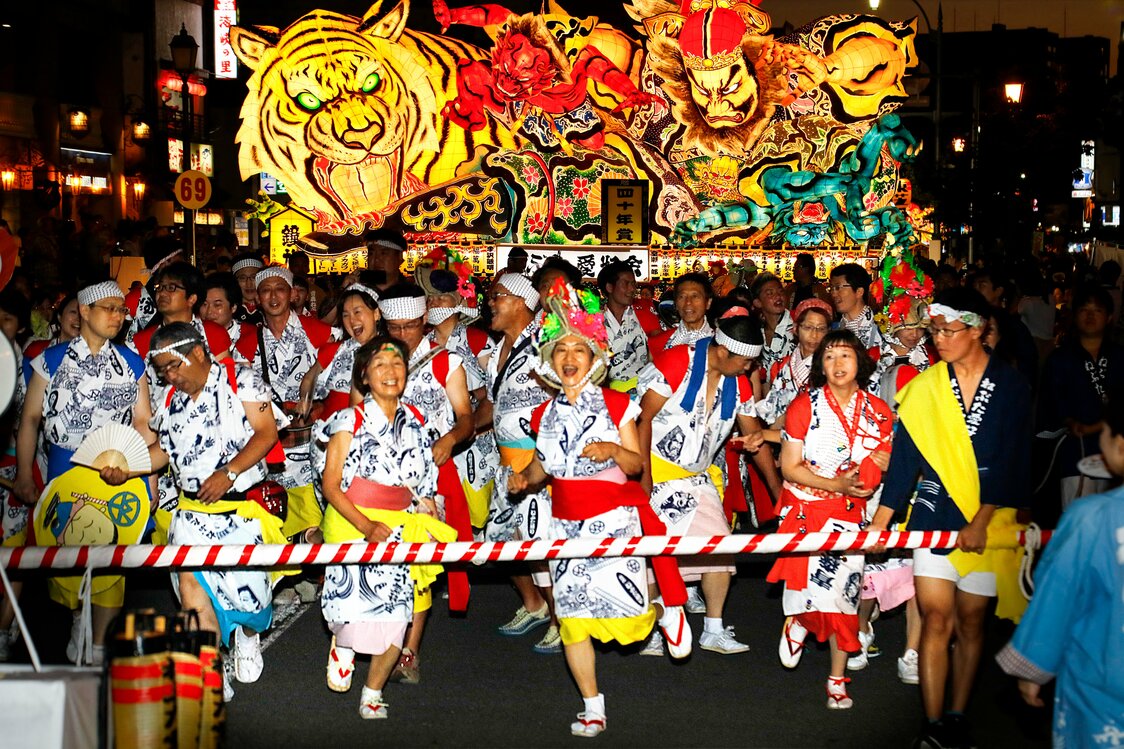
After renting or buying a costume, spectators can join in the dancing. (© Haga Library)
-
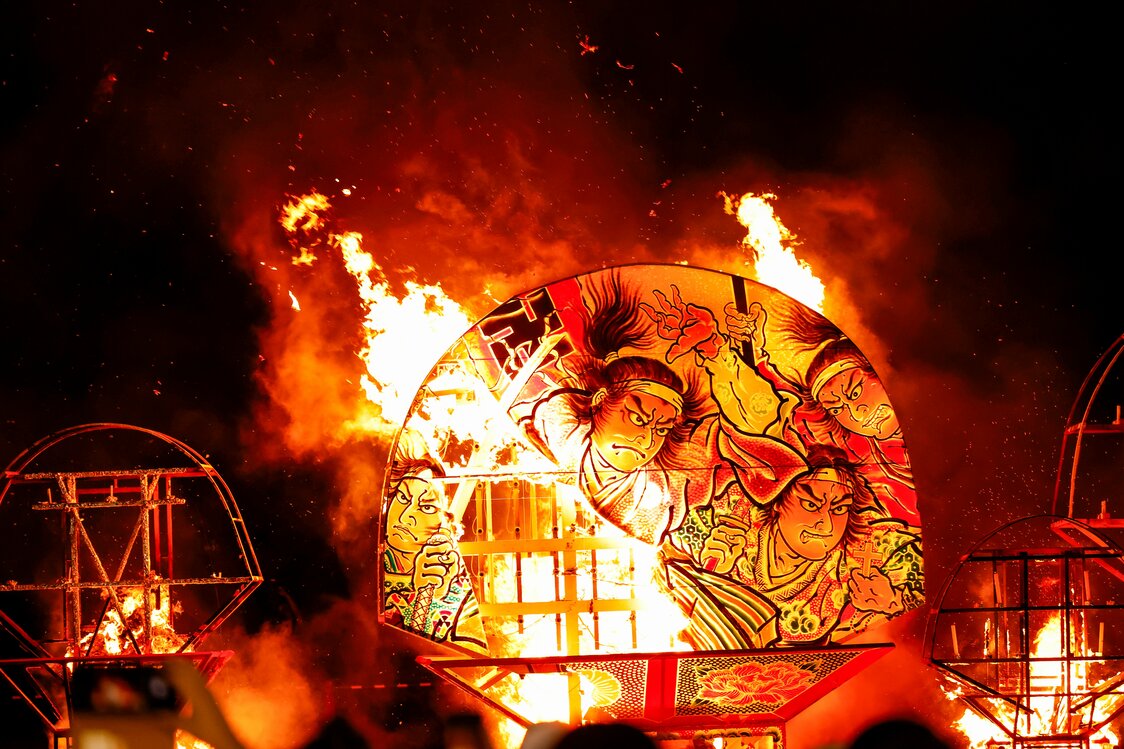
The finale to the Hirosaki Neputa Matsuri is modeled on the shōrō nagashi practice of floating neputa away for the spirits of the dead. (© Haga Library)
-
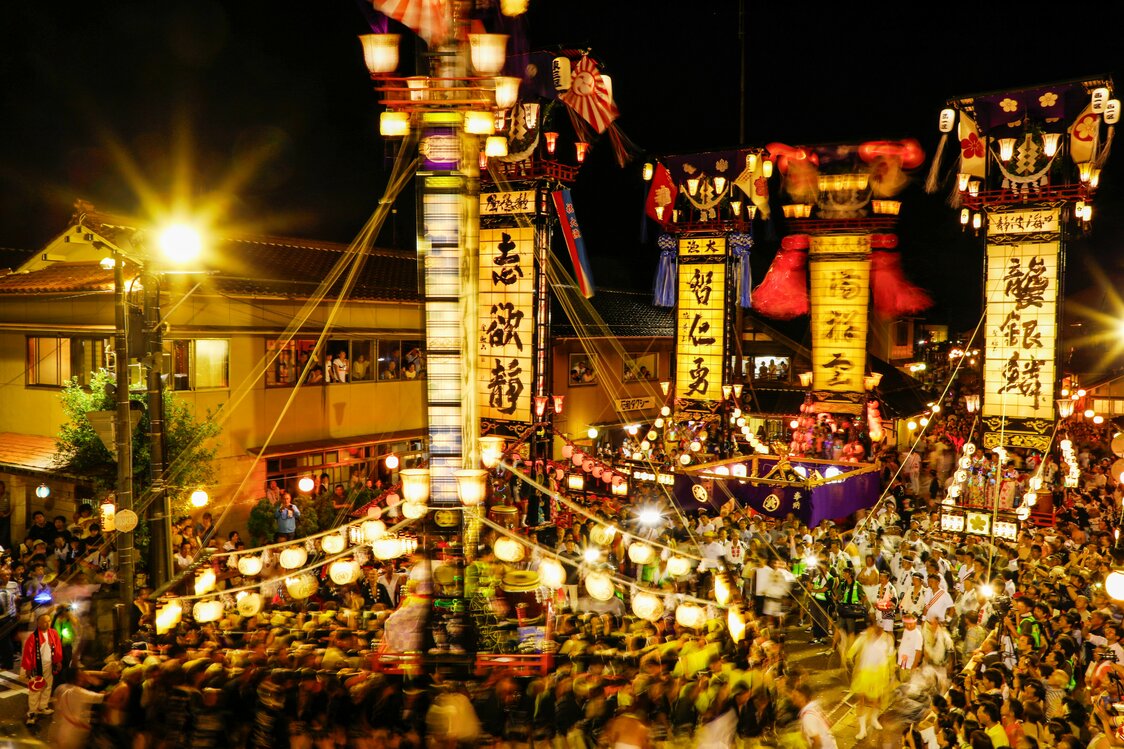
Huge twirling lanterns are the festival’s main attraction. (© Haga Library)
-
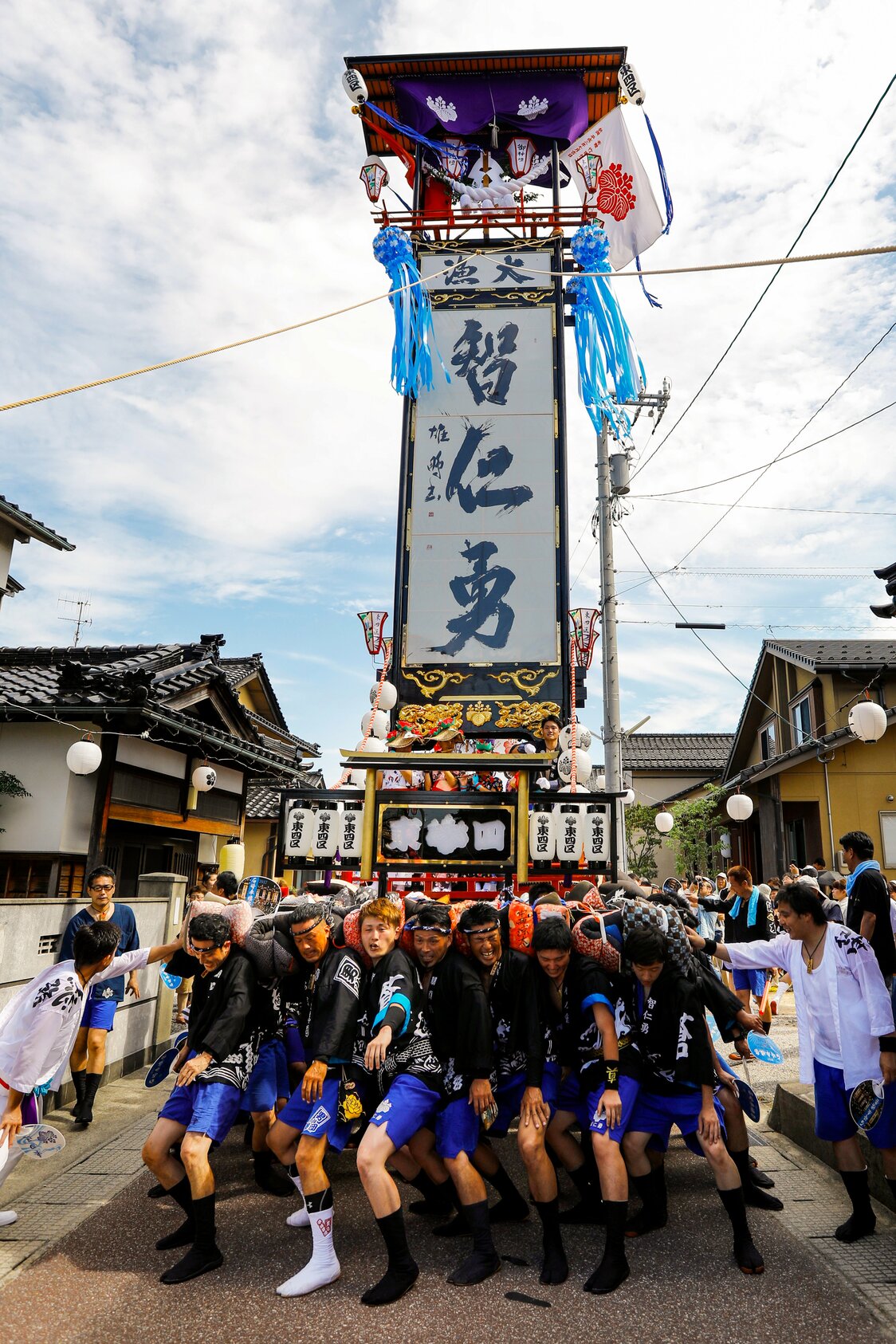
A giant lantern, dodging eaves and electrical wires, is maneuvered through a street in Nanao, Ishikawa. (© Haga Library)
-
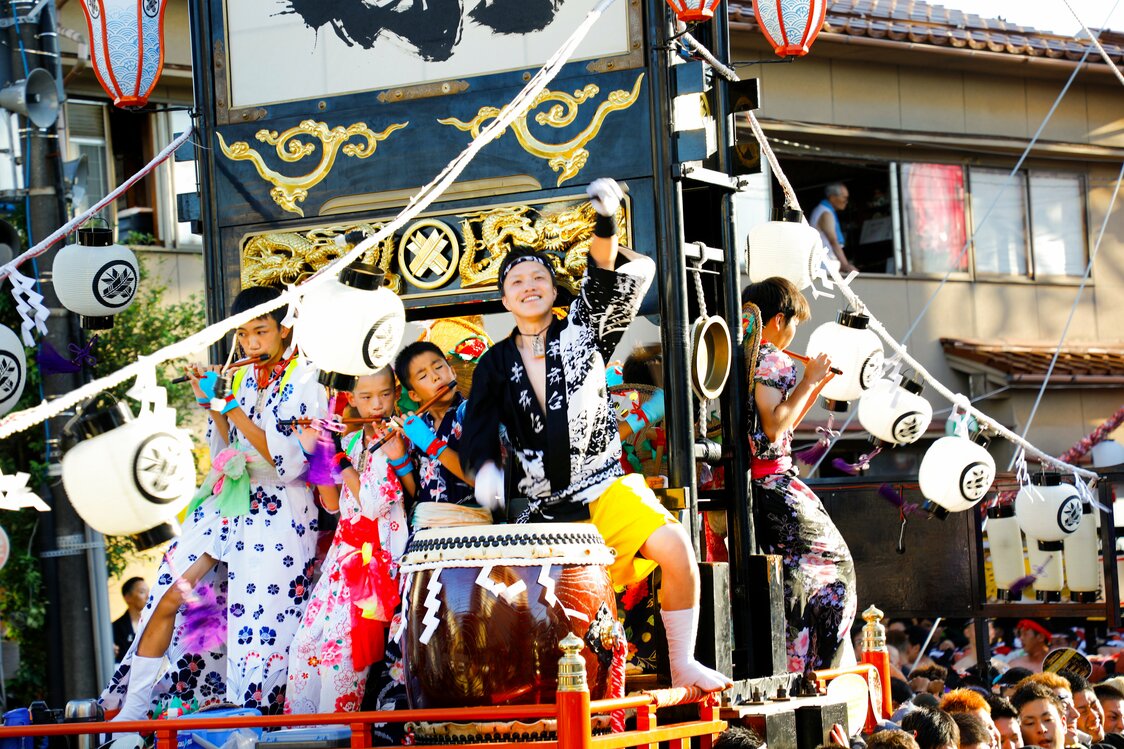
Flutes and drums play a lively festival tune. (© Haga Library)
-
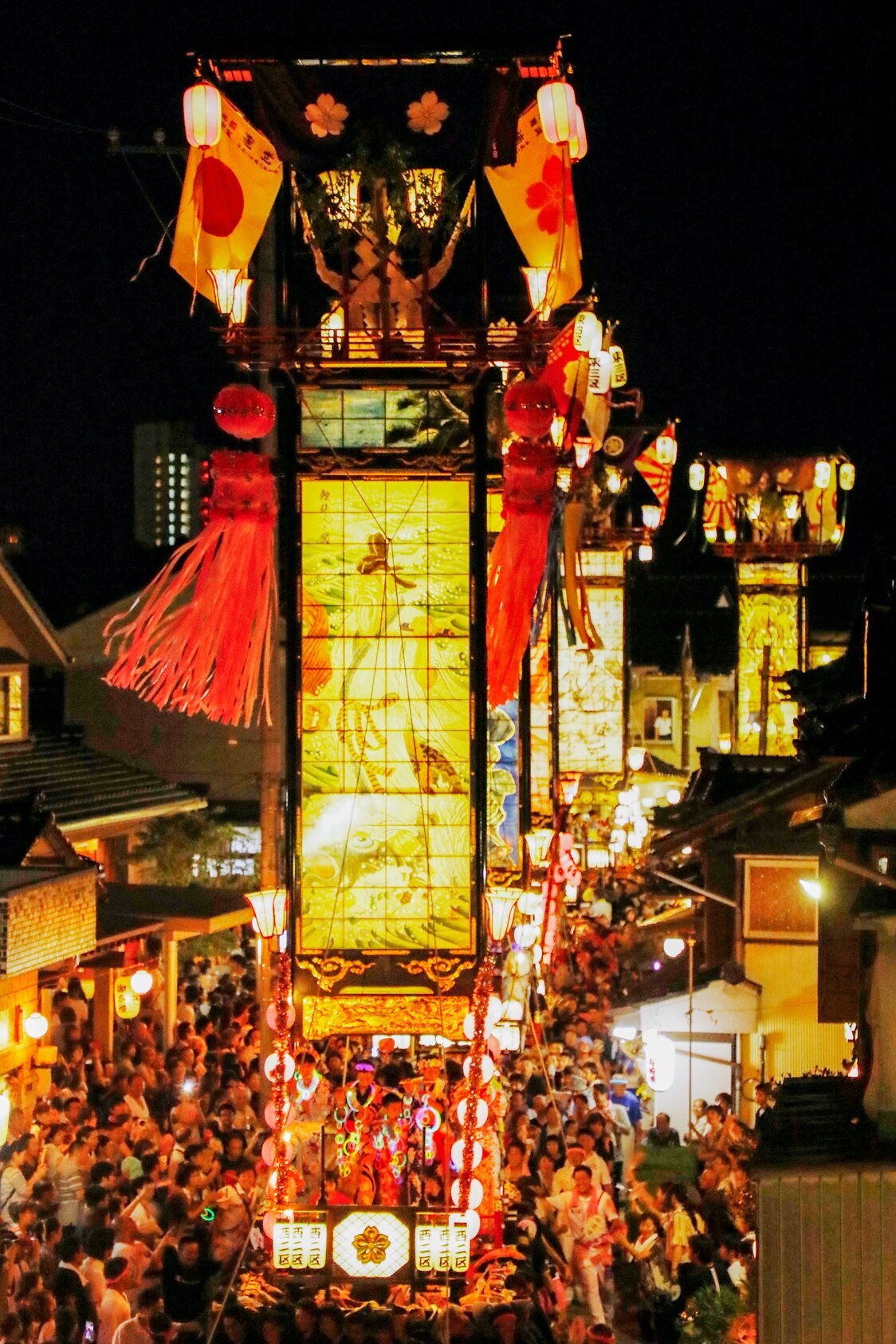
A lantern showing a heroic warrior driving away disaster glows in the night. (© Haga Library)
-
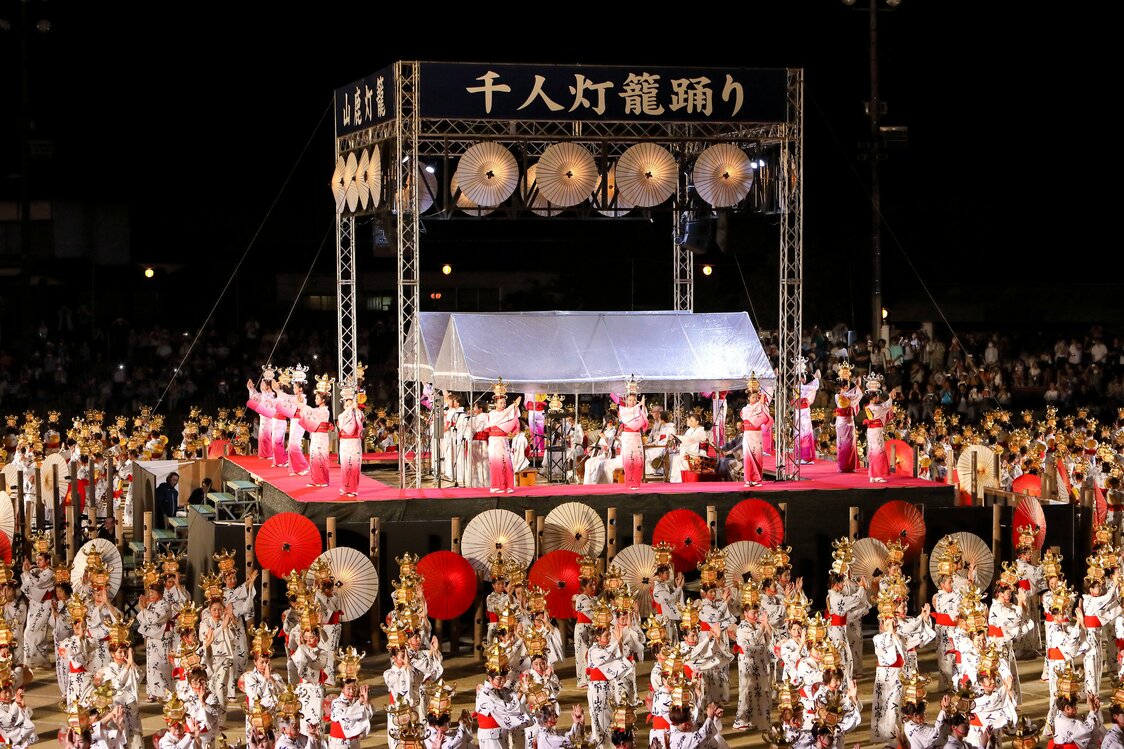
Practice makes perfect: hundreds of women in a synchronized dance. (© Haga Library)
-
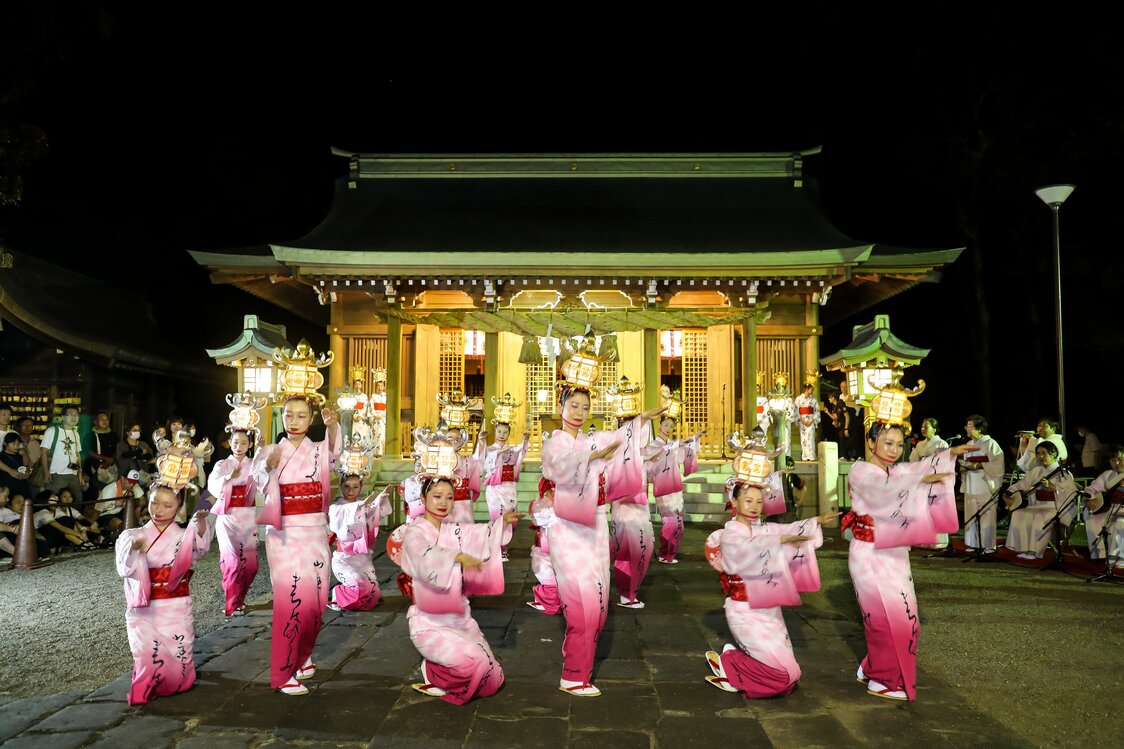
The tōrō odori dance takes place at Ōmiya Shrine and in other parts of the city. (© Haga Library)
-
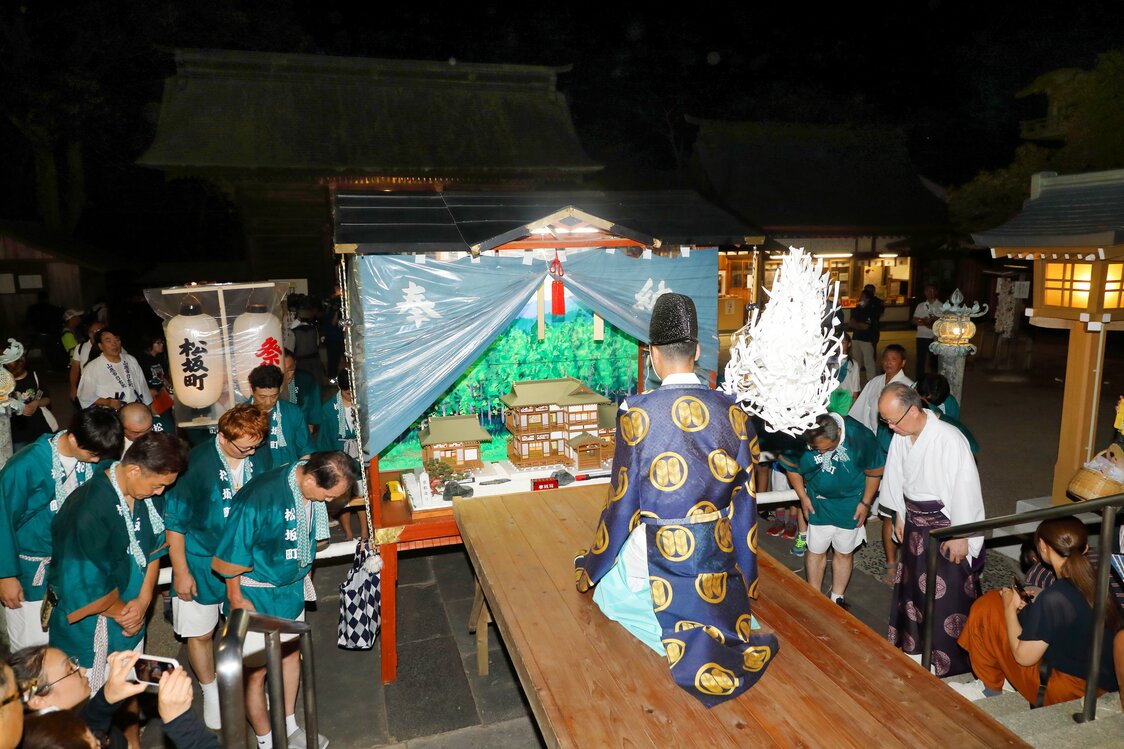
The tōrō created as offerings can be up to 1.5 meters across. (© Haga Library)
-
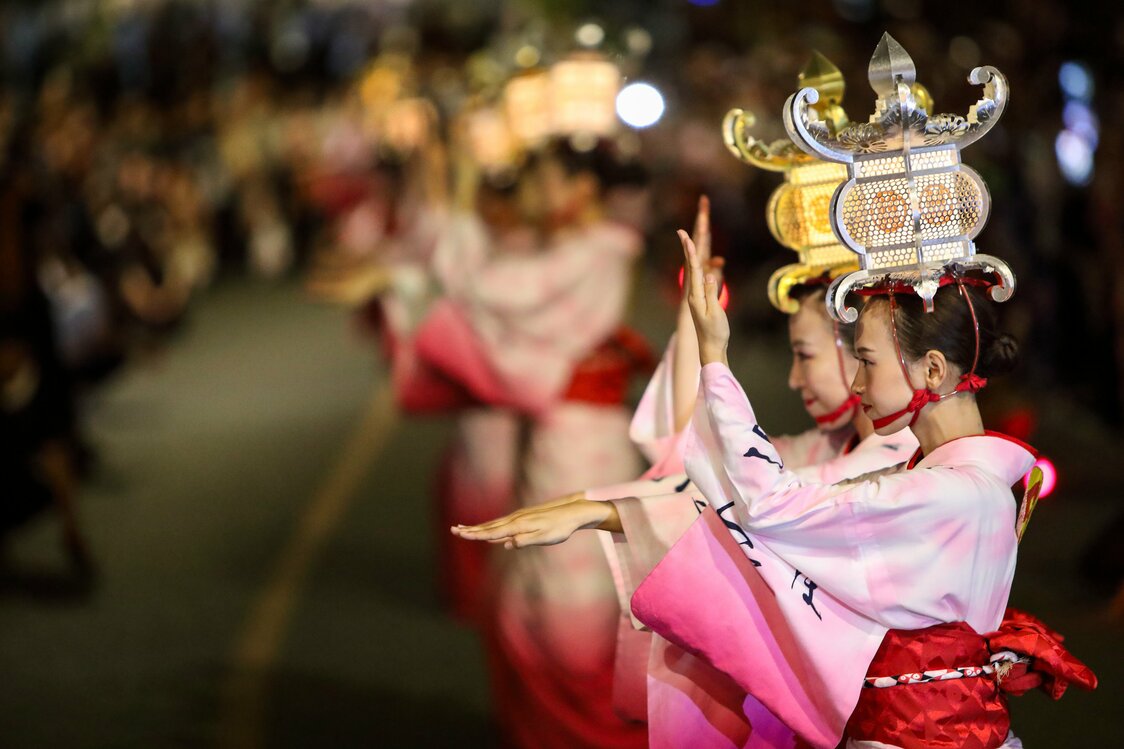
Made of washi, the sparkling gold and silver lanterns each weigh less than 200 grams. (© Haga Library)
-
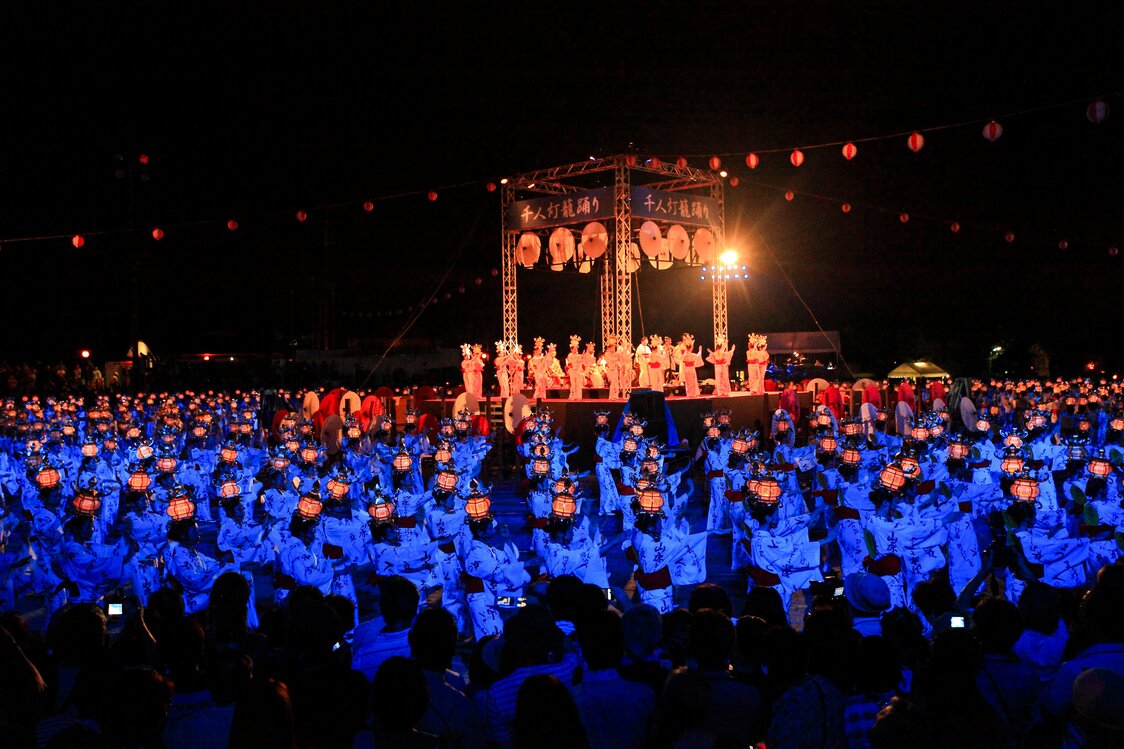
The lantern dance takes place around a yagura elevated stage. (© Haga Library)


 Read in other languages