-
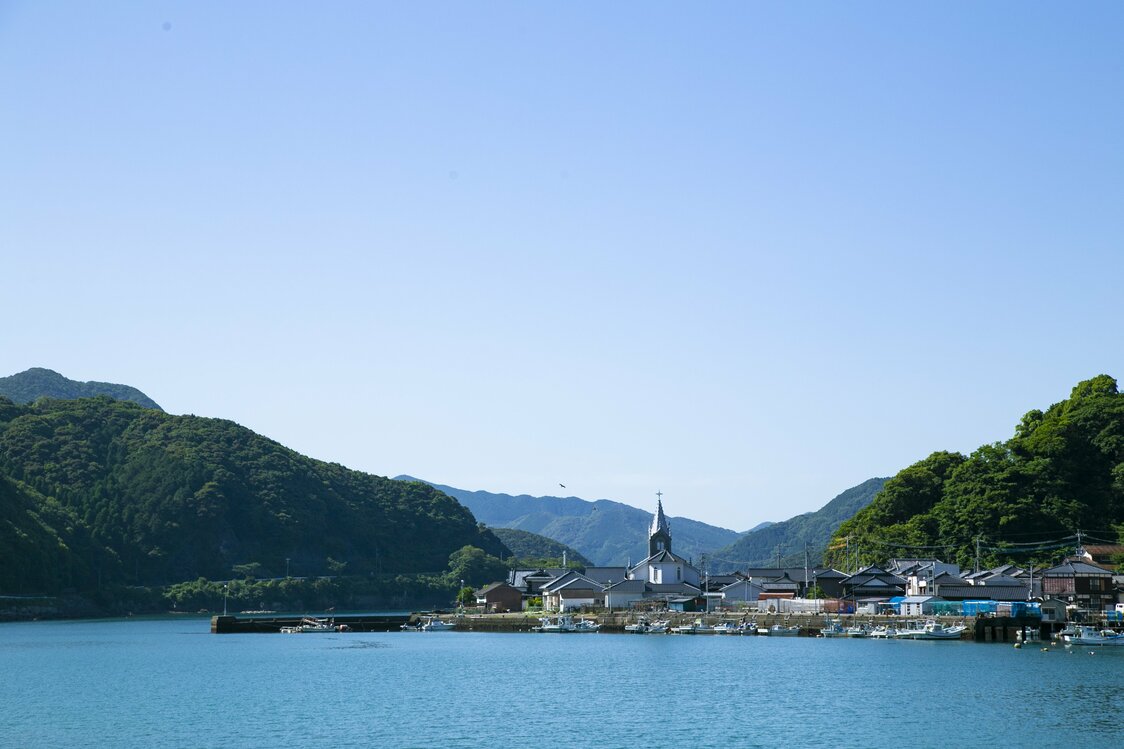
Looking out toward the hamlet from the Sakitsu Village Guidance Center.
-
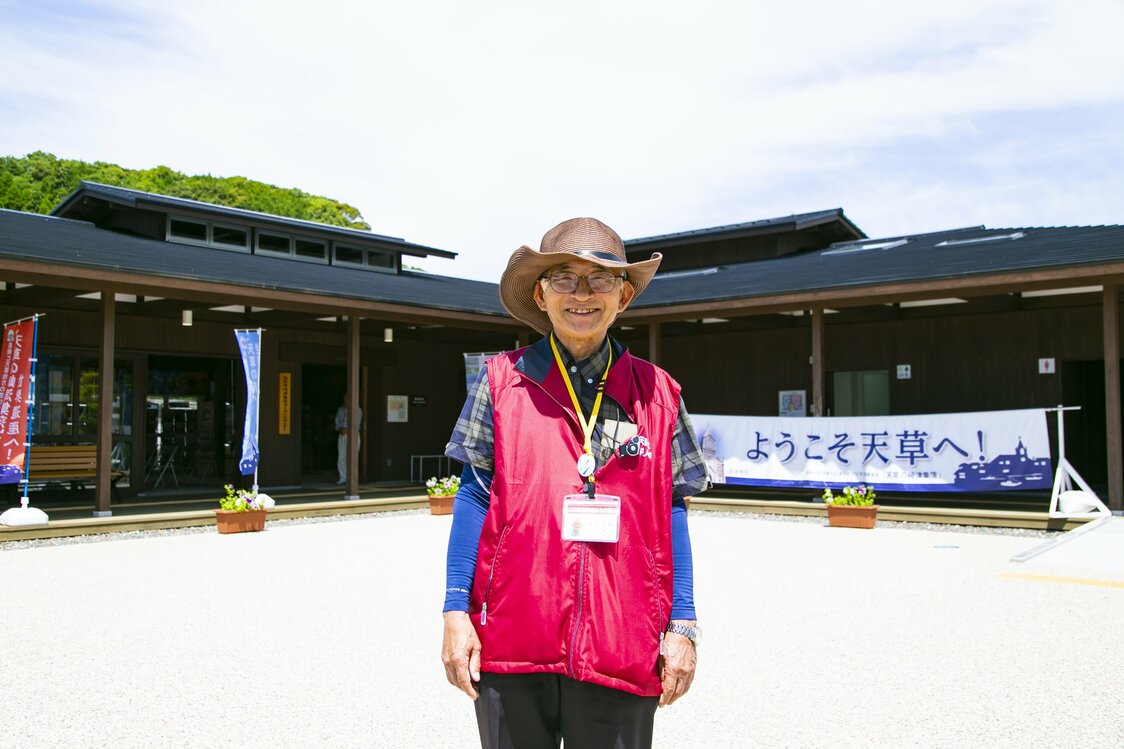
Kanazawa Hiroyoshi offers guided tours of the area’s sights.
-
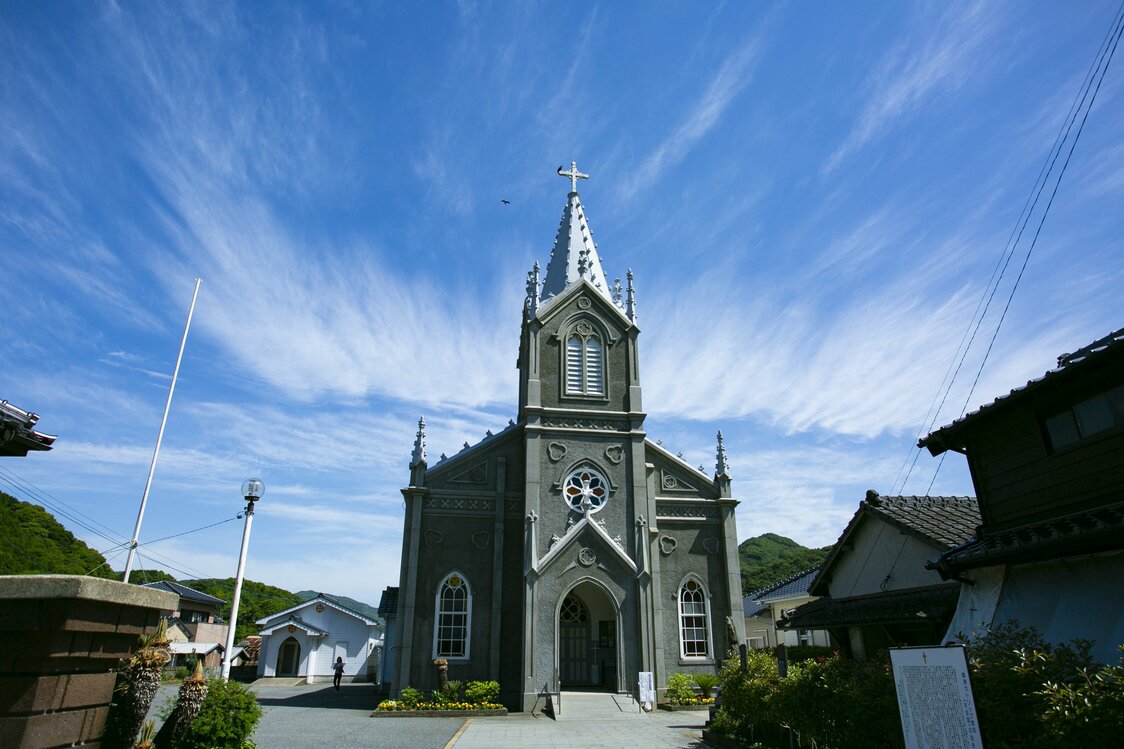
The Sakitsu Church is a beautiful example of gothic architecture on the outside but has traditional tatami flooring inside.
-
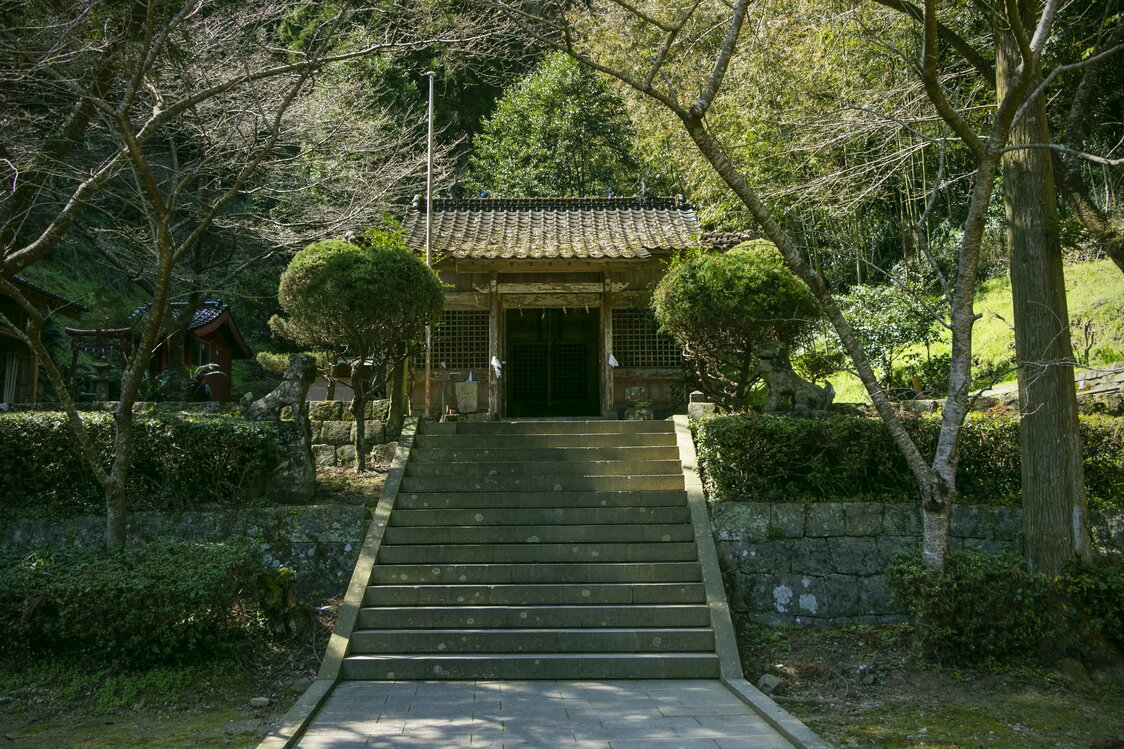
The Sakitsu Suwa Shrine, where the hidden Christians were forced to abandon their faith.
-
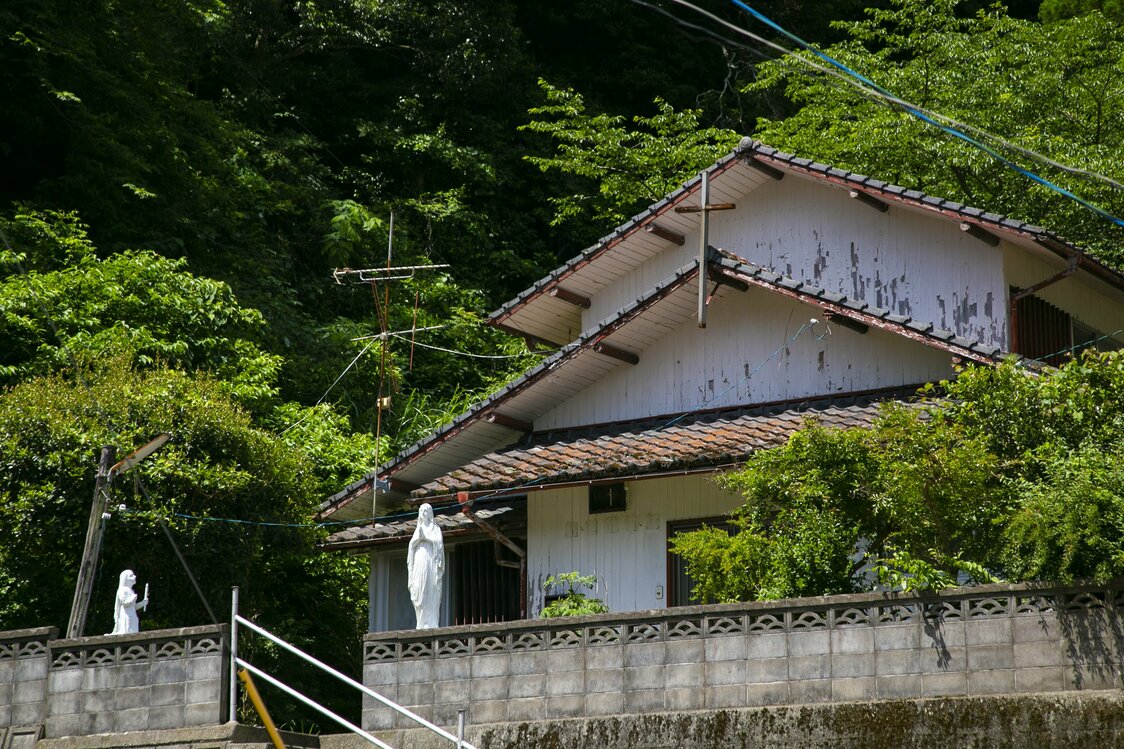
The site of the old wooden church, built in 1888 alongside the main approach to the Sakitsu Suwa Shrine.
-
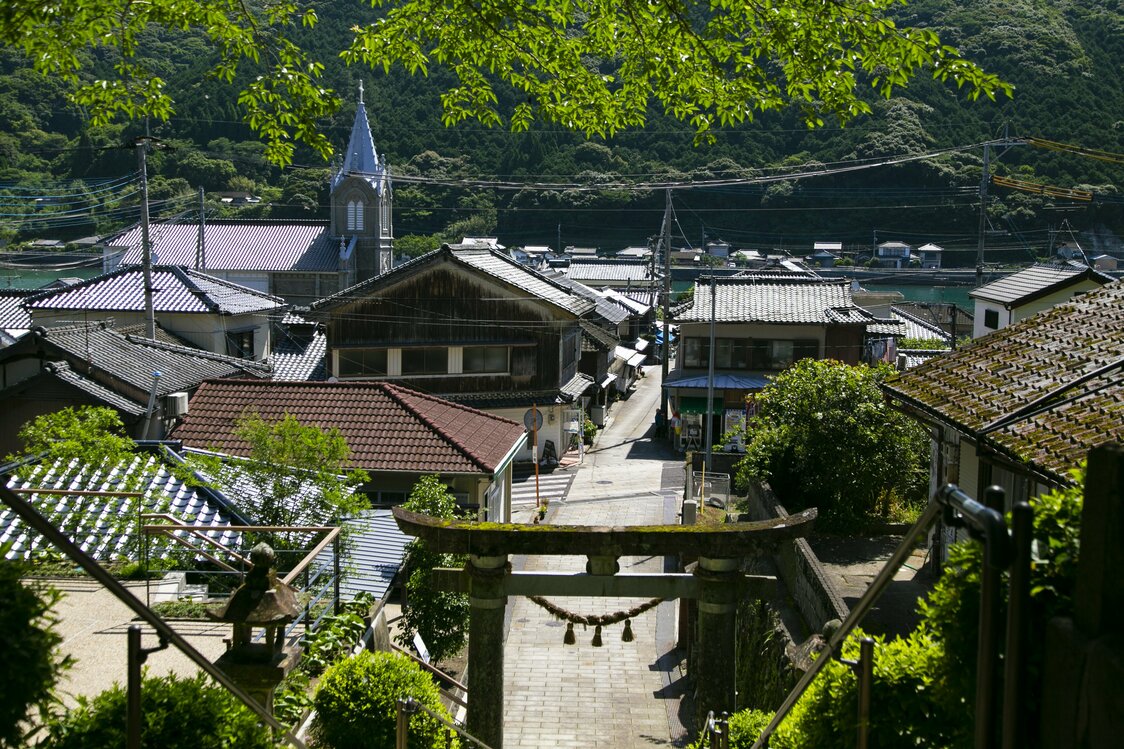
The intriguing juxtaposition of the torii gate to the Shintō shrine and the church.
-
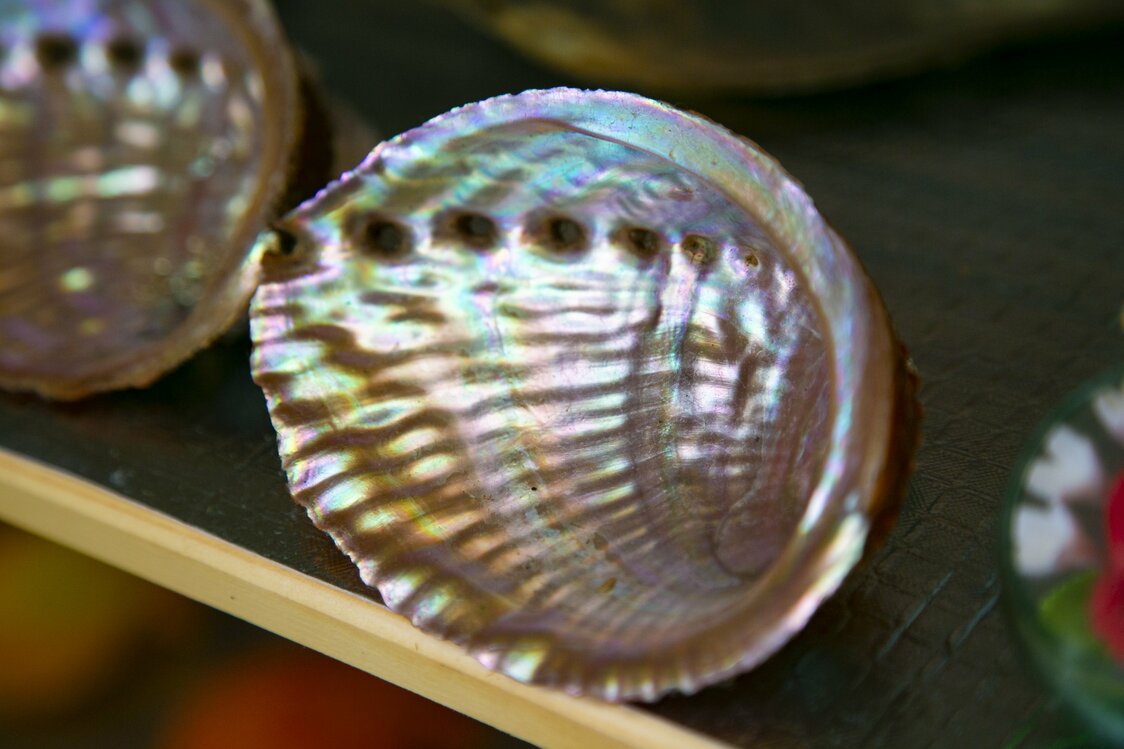
The hidden Christians of Sakitsu used a tairagi pen shells and abalone shells as objects of worship. They saw images of Mary in the pearly patterns.
-
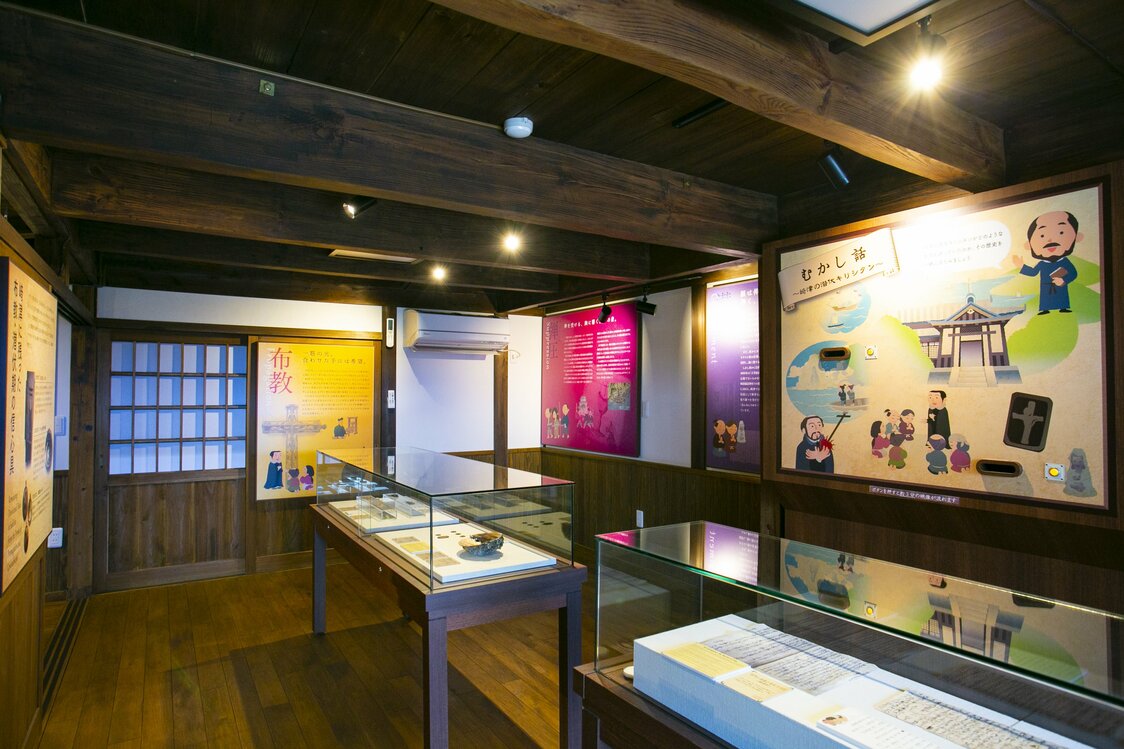
Inside the Minatoya Sakitsu Museum. Admission is free.
-
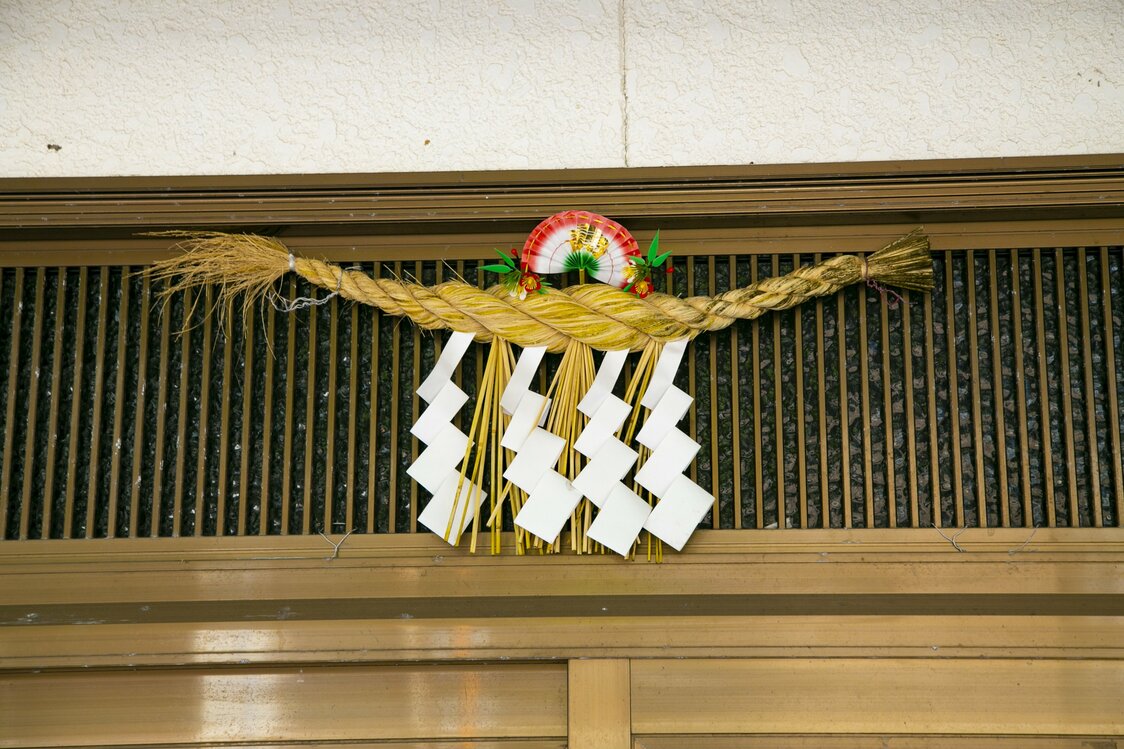
New Year’s decorations of sacred straw rope placed over the entrance to houses were once kept up throughout the year as proof that no hidden Christians lived there. This practice has been retained in some areas of Amakusa and Shimabara in Nagasaki.
-
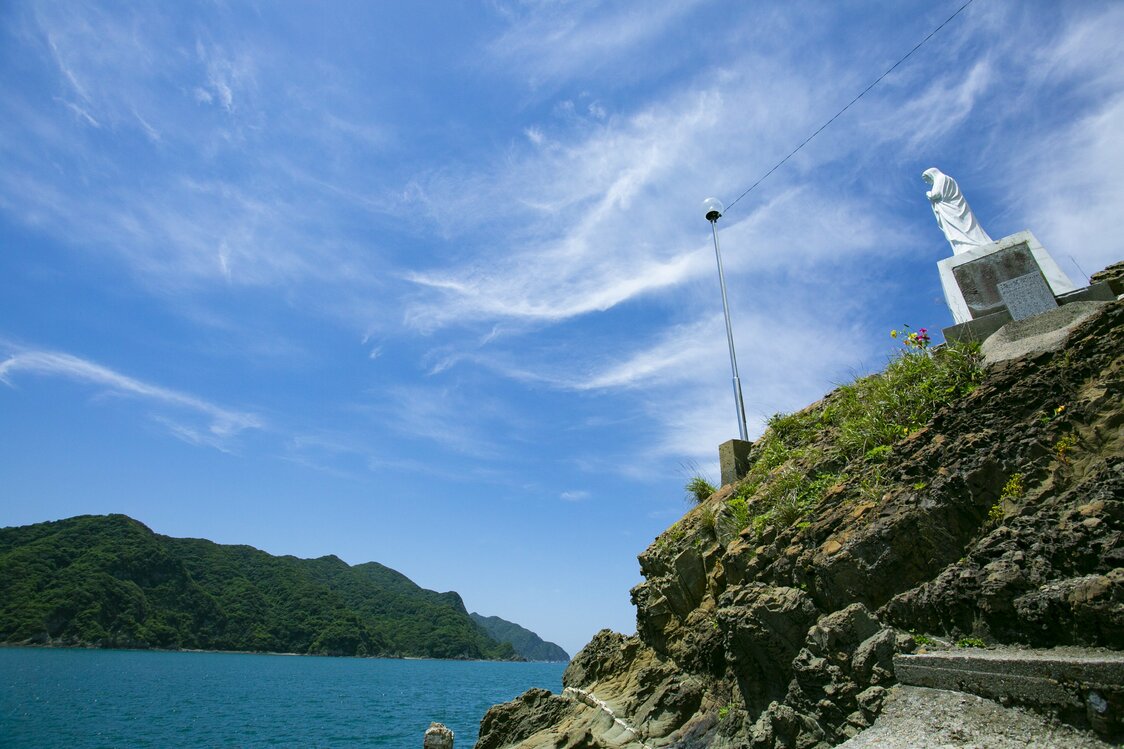
A statue of Mary gazes out over Yōkaku Bay. The fisherfolk of Sakitsu still pray to the statue for safe sailing before they go out on their fishing expeditions.
-
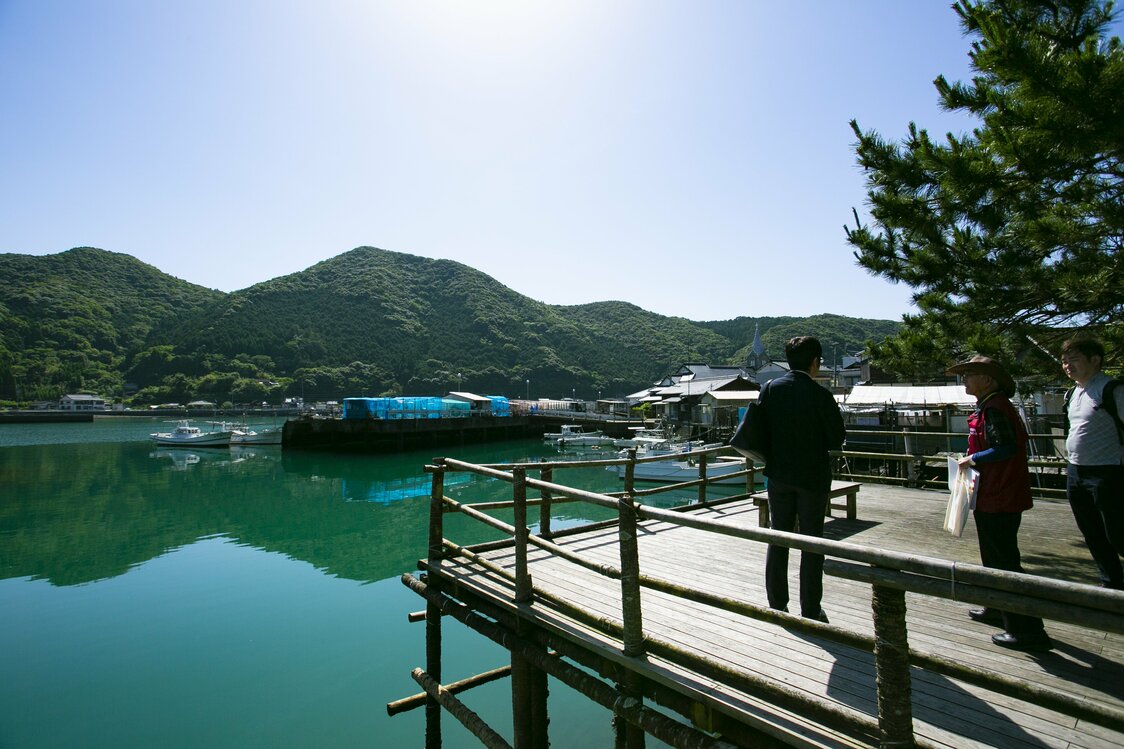
A deck used by the fisherfolk, called a kake, is one of the unique features of the Sakitsu landscape.
-
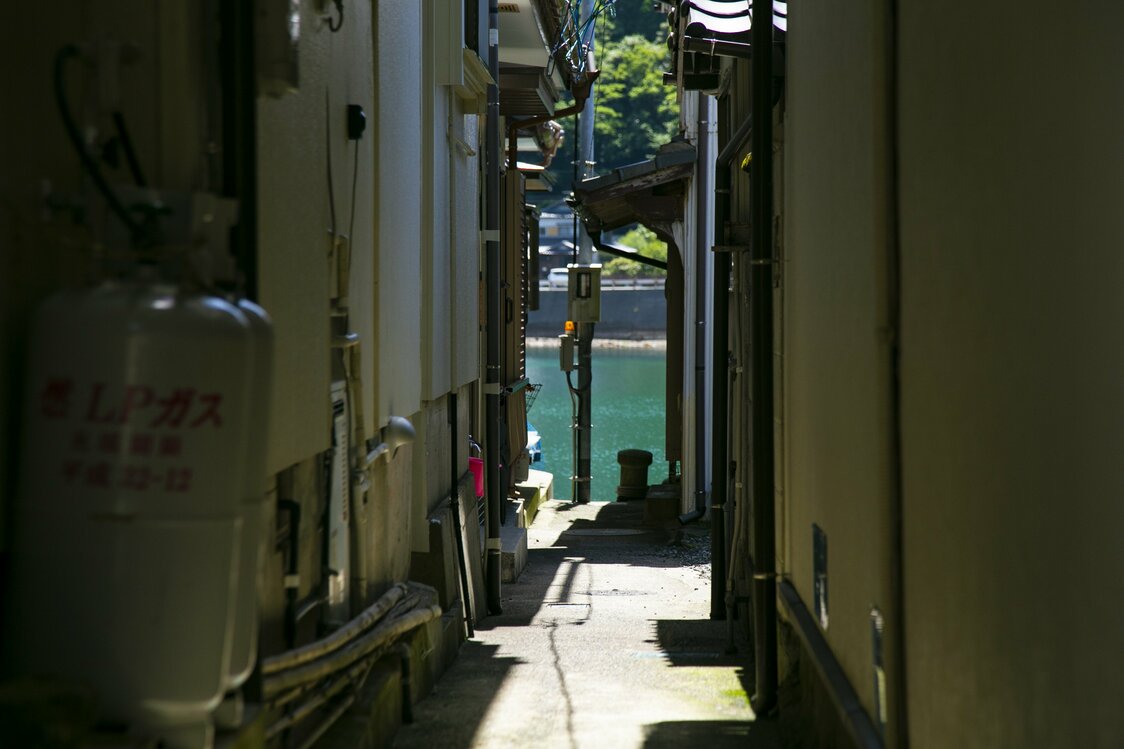
Alleyways called tōya weave their way among the tightly packed houses of the village.
-
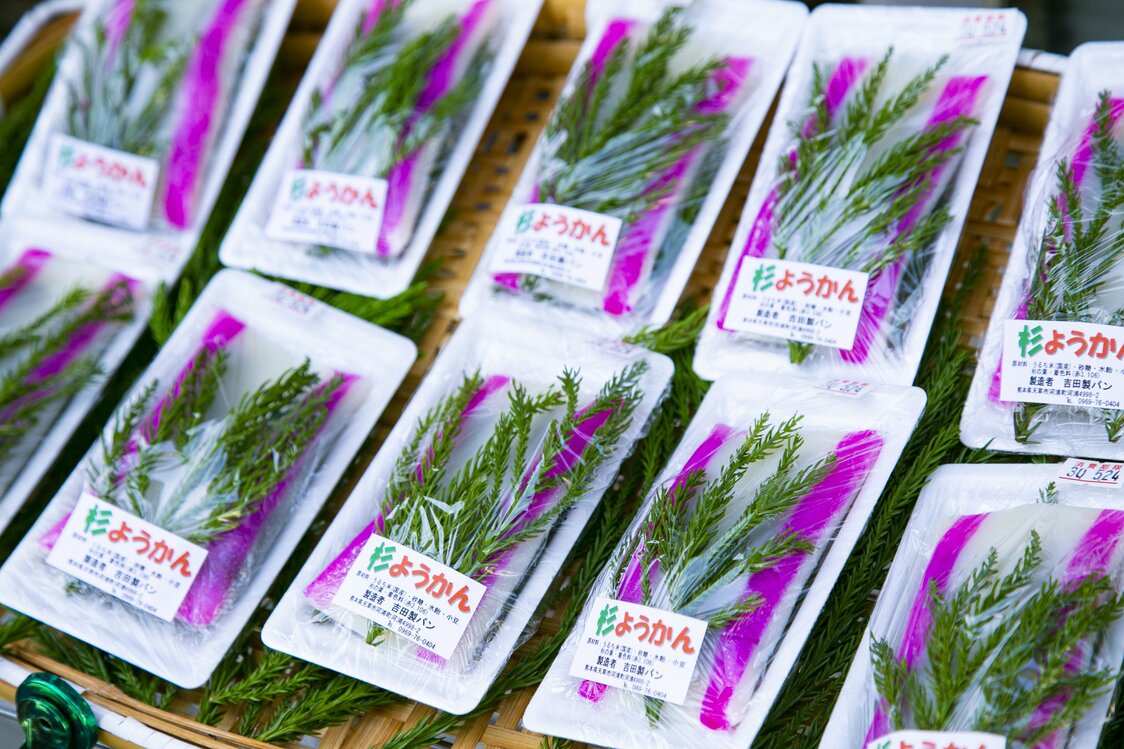
Sugi yōkan, a local specialty, is said to have been introduced to the village around 200 years ago by shipwrecked emissaries from the Ryūkyū kingdom.


 Read in other languages