-
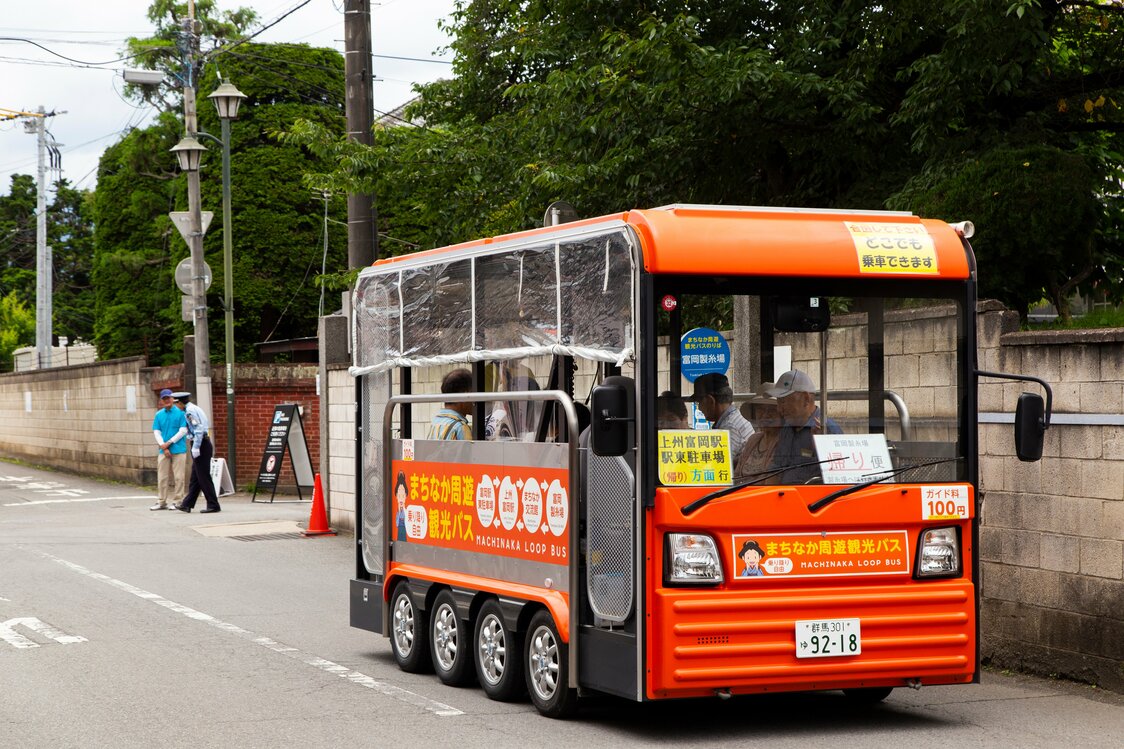
The Machinaka sightseeing excursion bus makes the leisurely 20-minute trip between the parking lot near Jōshū Tomioka station and the Tomioka Silk Mill.
-
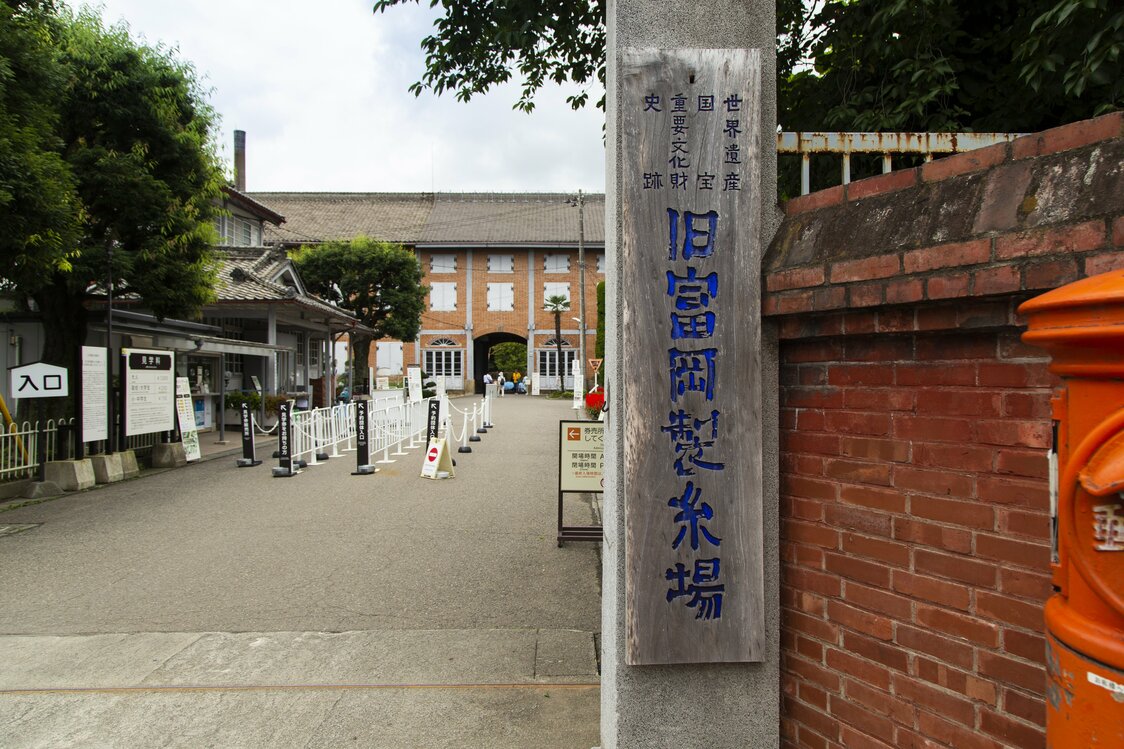
The East Cocoon Warehouse in the background is visible from the mill entrance. Audio guides for available for rent from the ticket booth on the left.
-
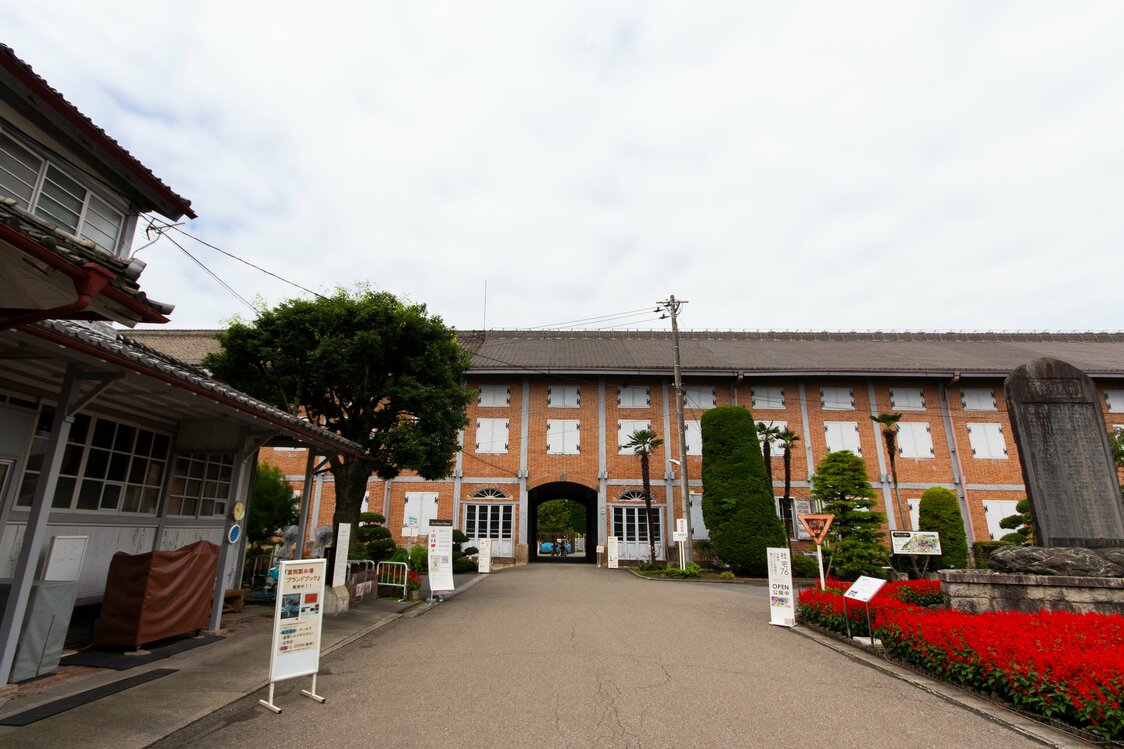
The buildings were constructed with bricks laid between wooden posts and beams in a style known as timber framing. The stone monument to the right commemorates a visit to the mill by Empress Shōken and Empress Dowager Eishō in 1873.
-
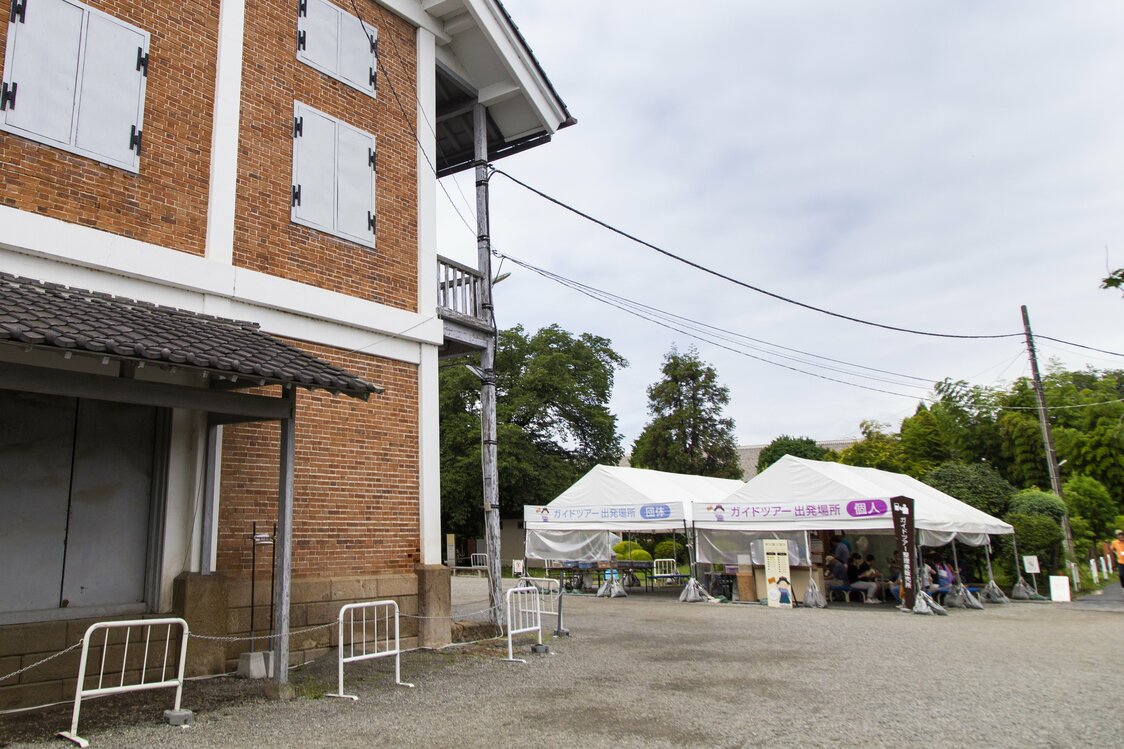
Guided tours start from the tent at the rear of the East Cocoon Warehouse. Tickets go on sale 30 minutes before the start of each tour.
-
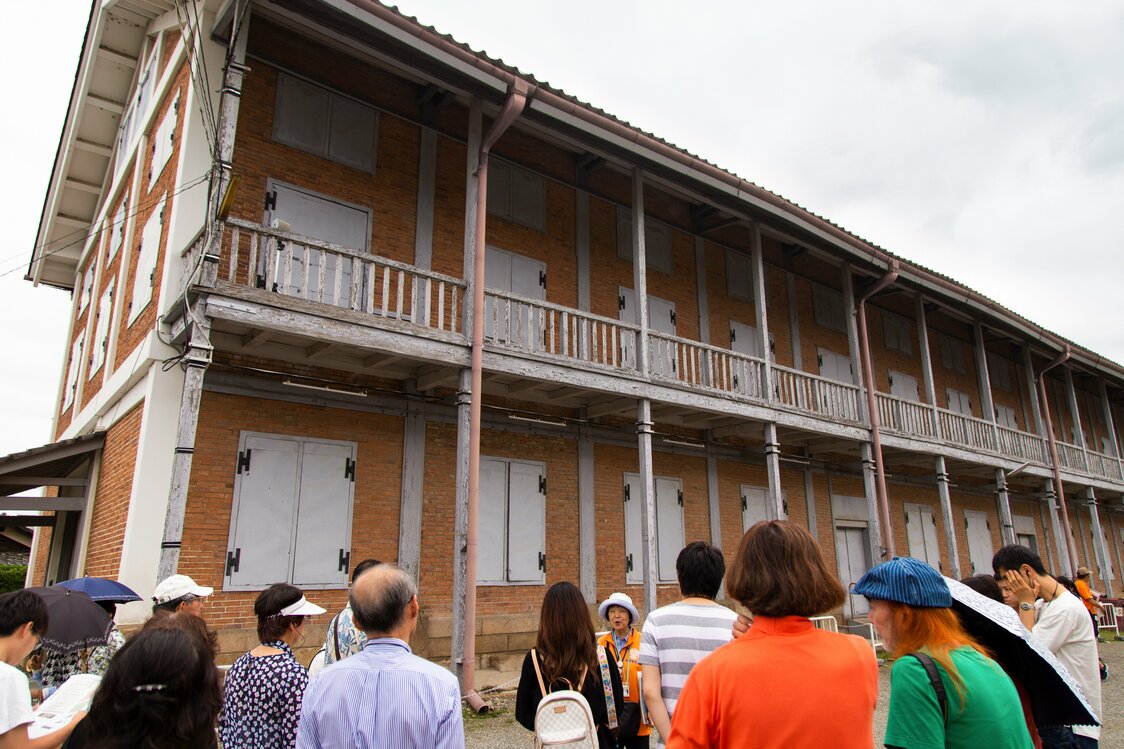
The guided tours, which give a brief rundown of the history and significance of the mill, are a popular attraction.
-
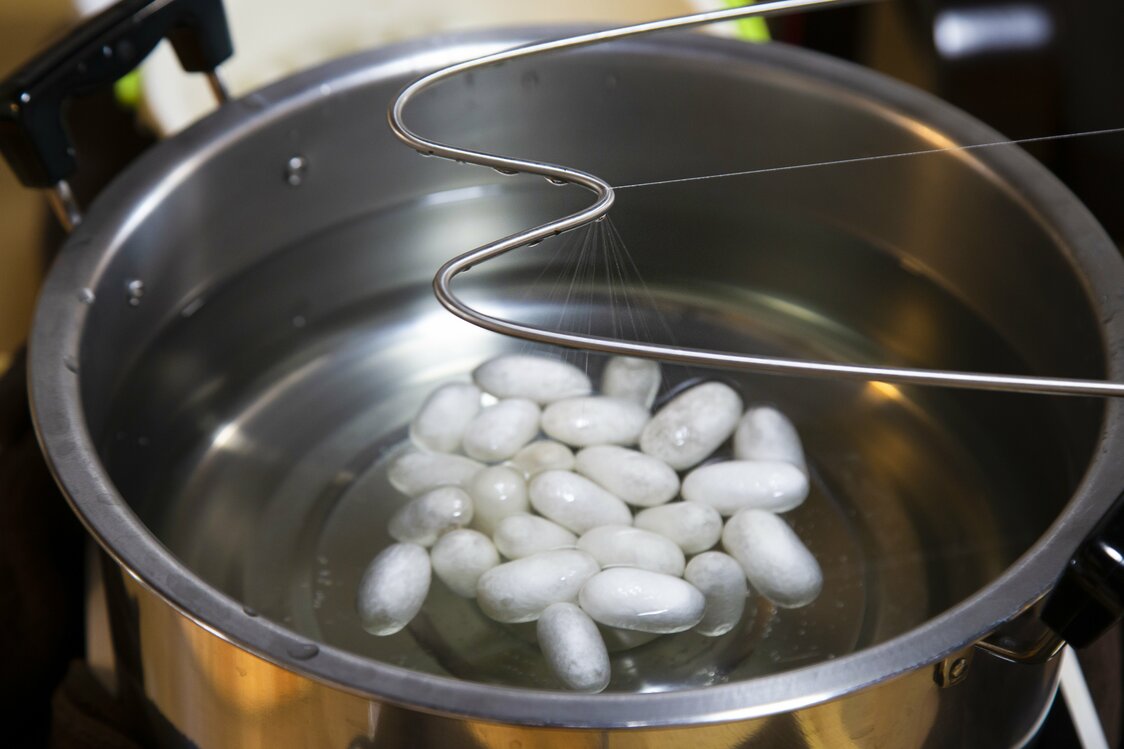
At company residence 76, visitors can try their hand at hand-reeling silk thread using old-fashioned equipment.
-
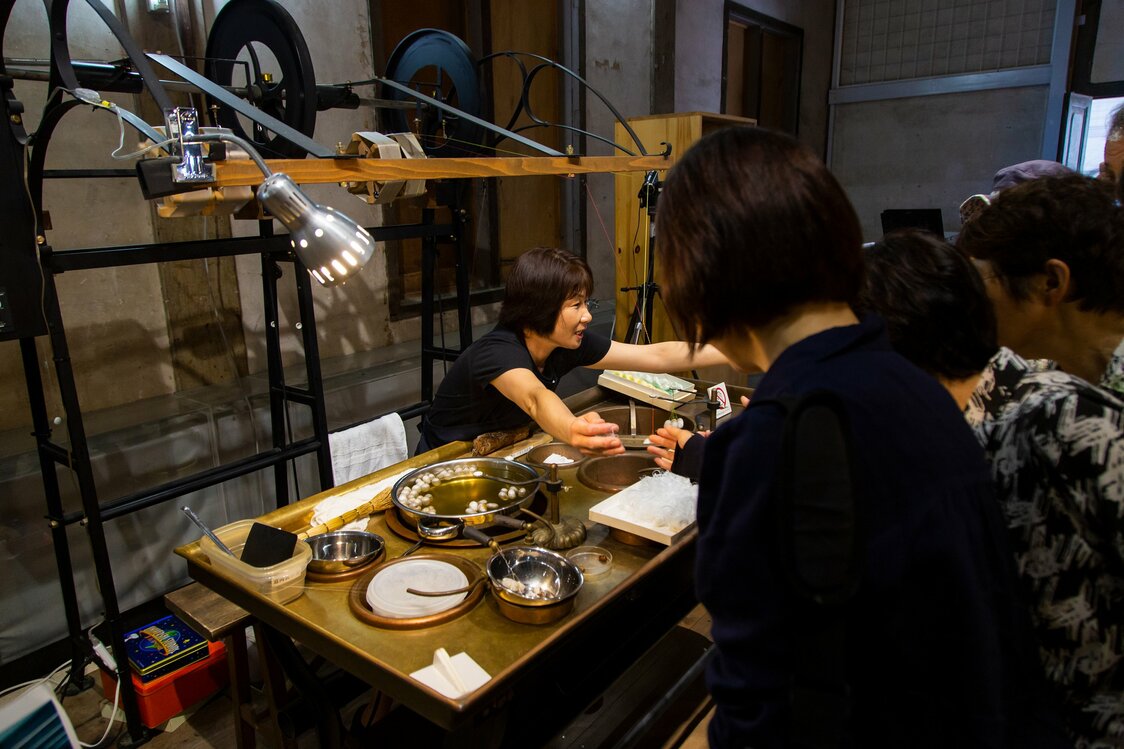
A demonstration using a French-style silk reeling machine is staged in front of the Silk Gallery at the East Cocoon Warehouse from 10:00 am to 11:30 am and 2:00 pm to 3:30 pm on weekdays. On weekends and holidays, visitors can view and take part in a reeling demonstration.
-
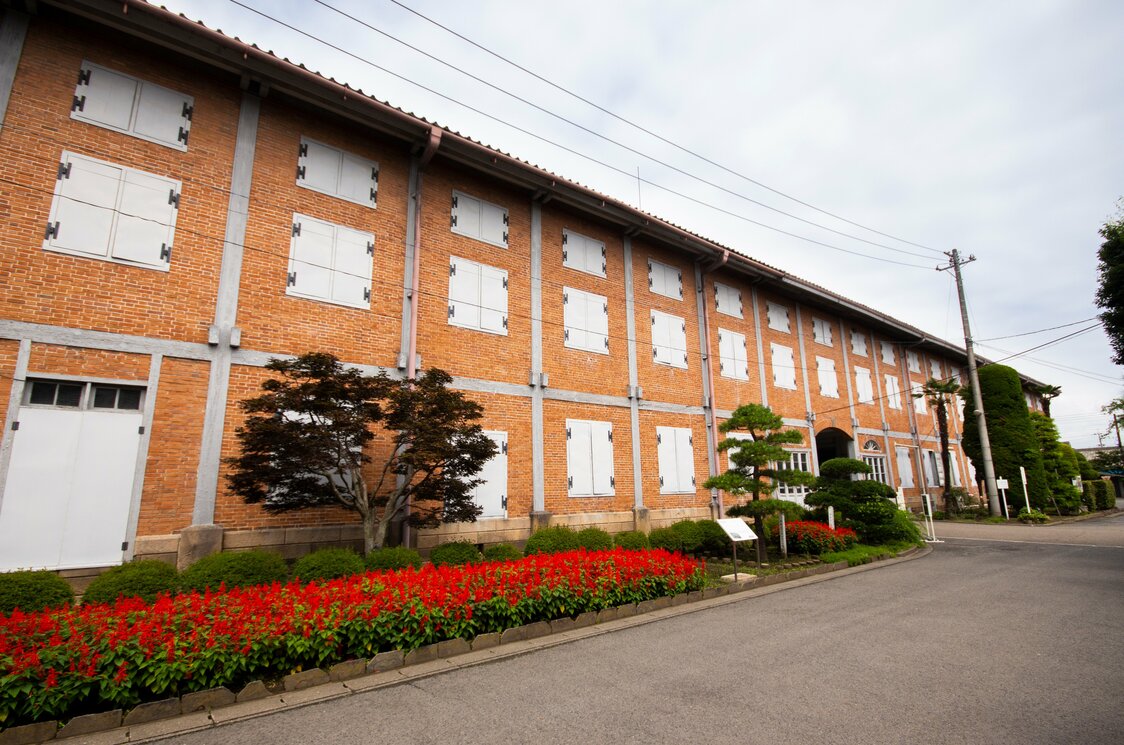
The East Cocoon Warehouse has many windows, ensuring good ventilation and protecting the cocoons from mold.
-
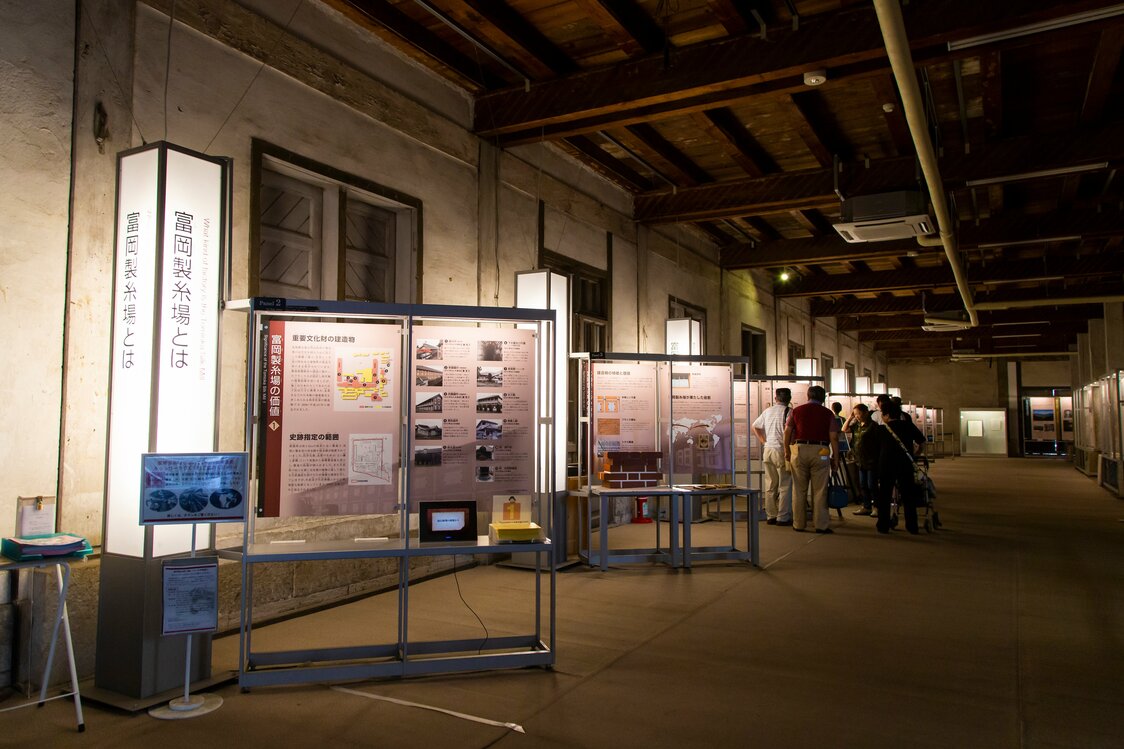
The first-floor display area includes display panels describing the history of the mill and explaining the features of the buildings on the site. There is also a video viewing area here.
-

The second floor of the East Cocoon Warehouse is open to visitors for a limited period. This is where the cocoons used for silk reeling were stored.
-
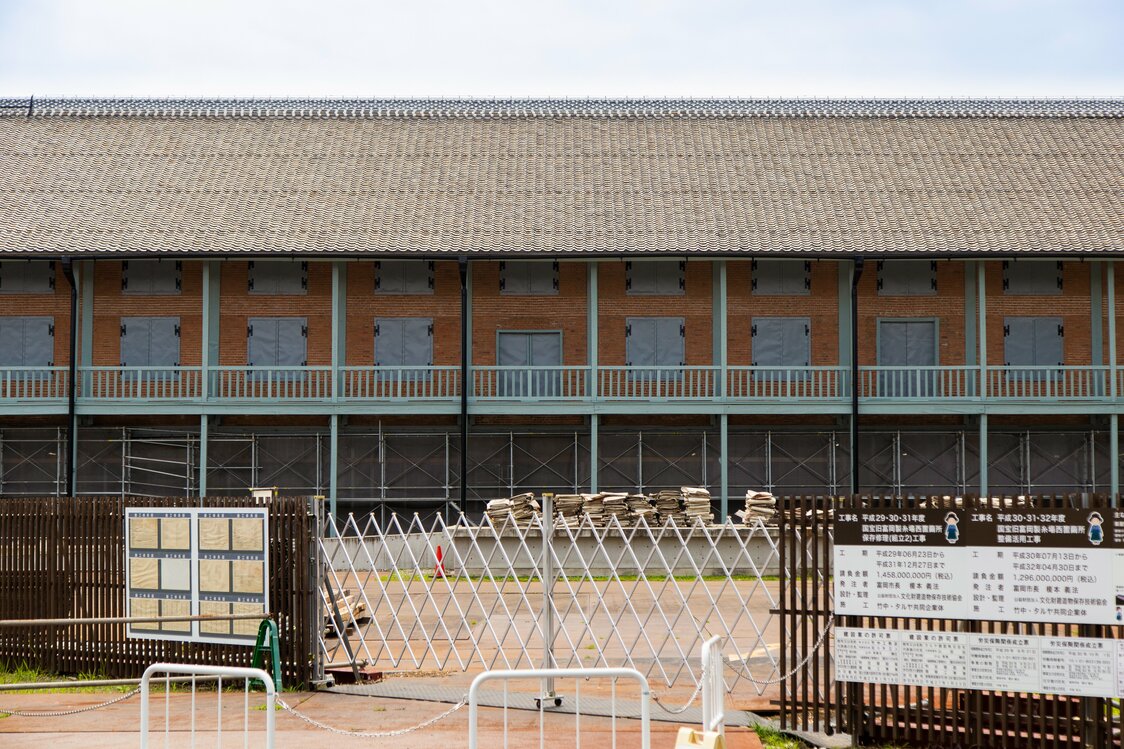
Restoration work at the West Cocoon Warehouse is underway. The building is scheduled to open to the public in autumn 2020.
-
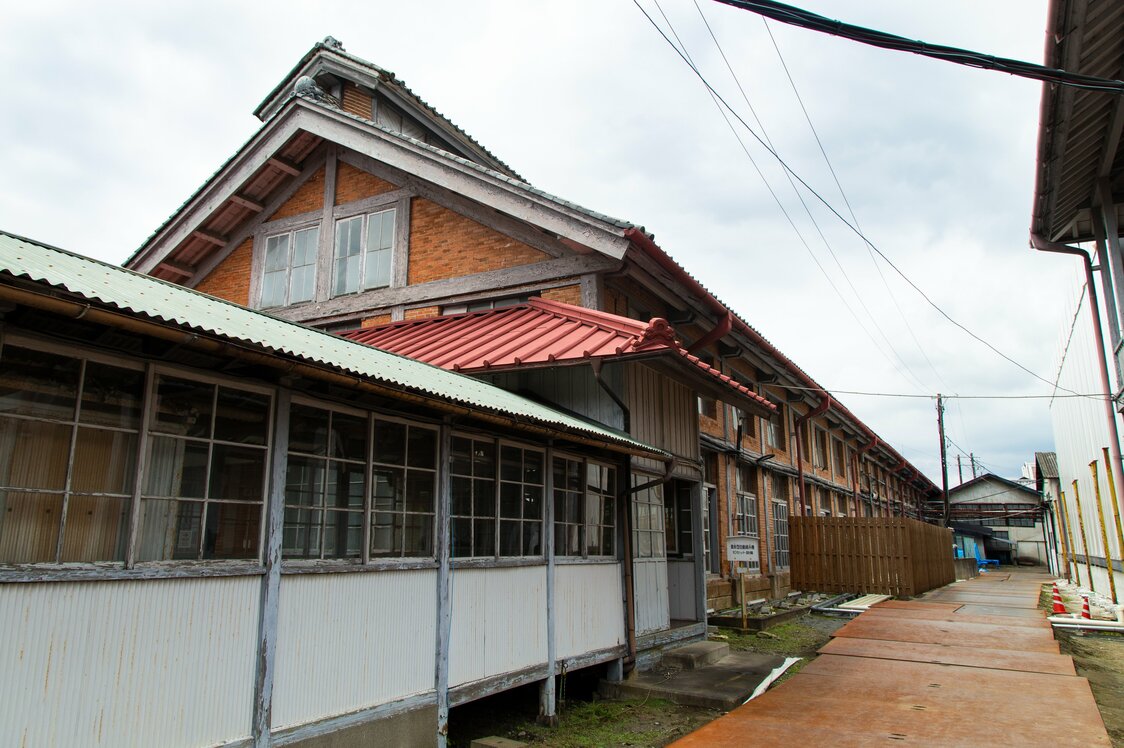
A small monitor roof sits atop the roof of the mill to provide ventilation.
-
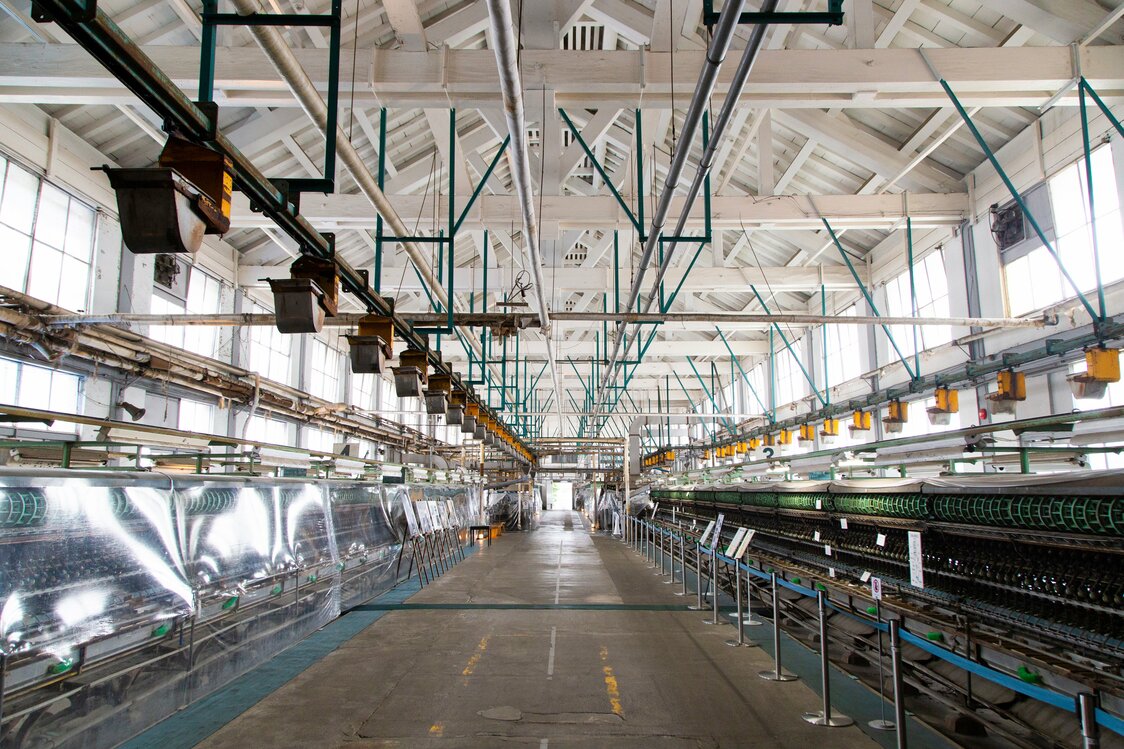
The mill’s ceiling is held up by steel roof trusses to create a spacious, pillar-free interior.
-
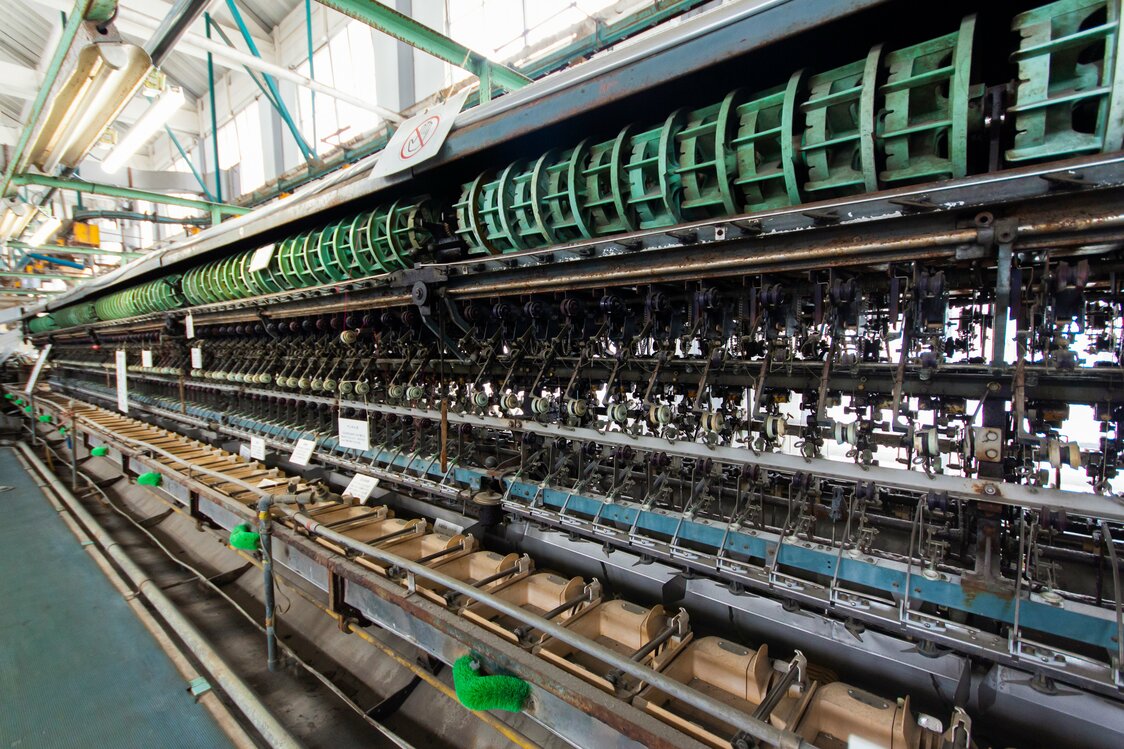
Automated reeling machines, which first appeared in the 1930s, greatly reduced the number of workers needed for operations.
-

The size of mill director Brunat’s house is evident in this view of the building from the south. The lightning rod on the roof was unusual for the era.
-
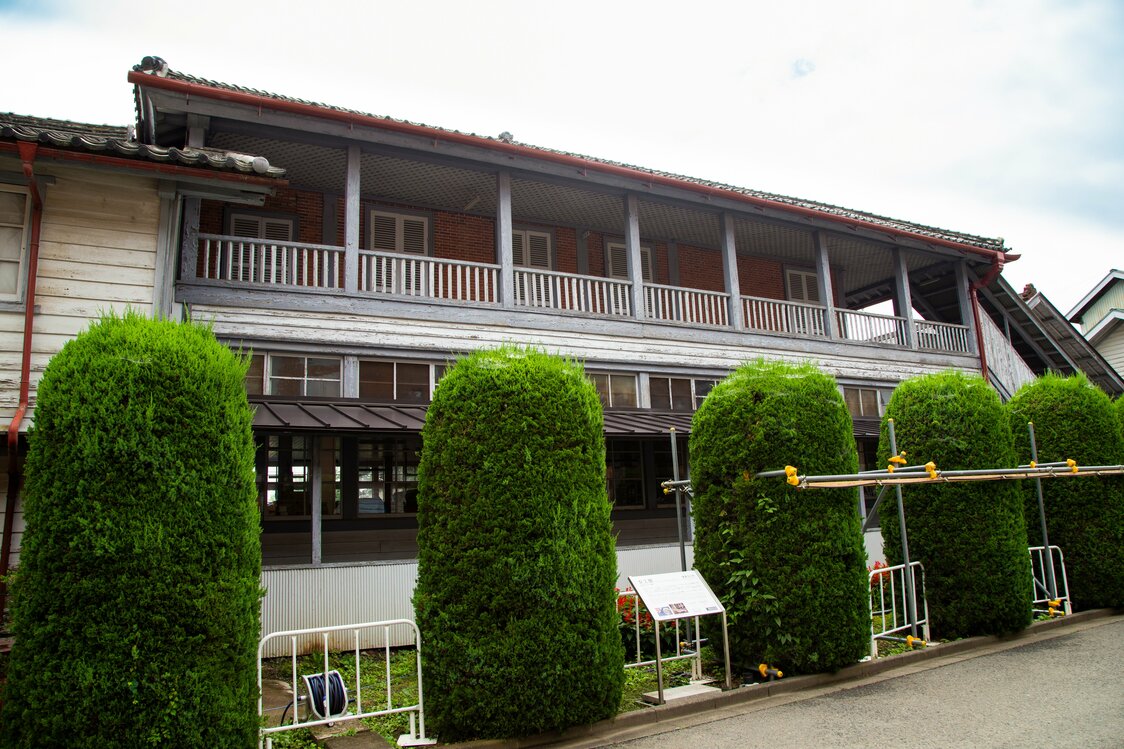
The residence for French female instructors is an elegant timber-framed structure.
-
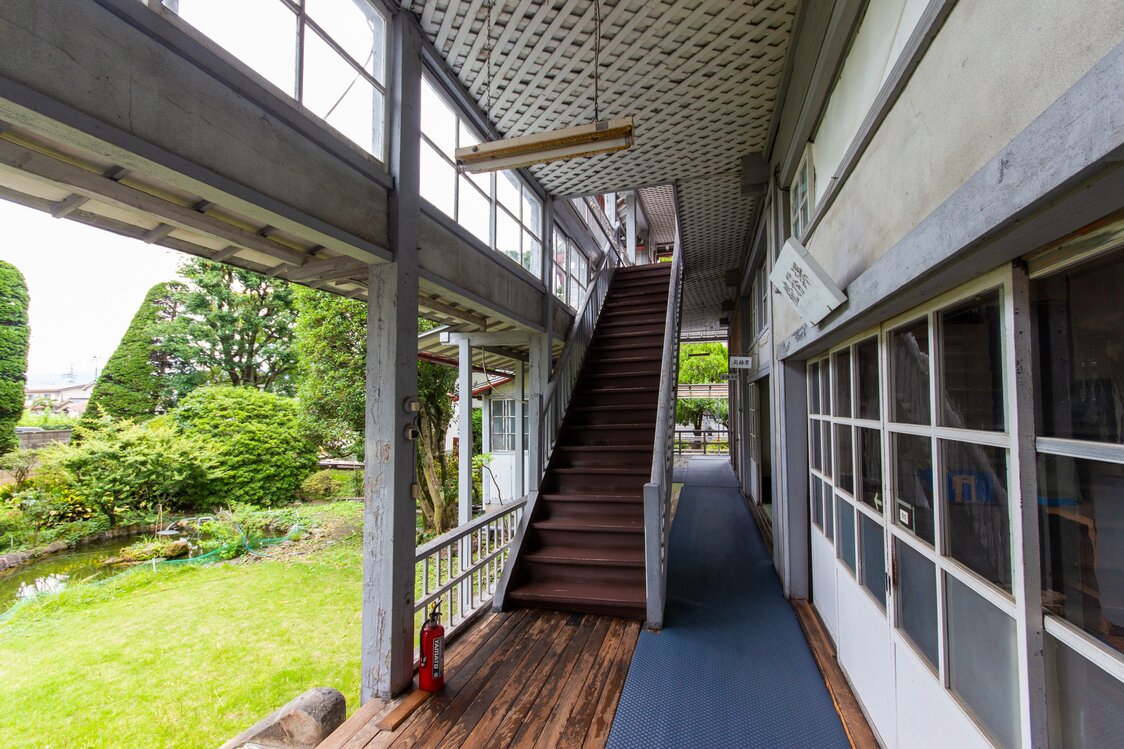
The Inspector’s House, closed to the public, is used as the office for the Tomioka Silk Mill site.
-
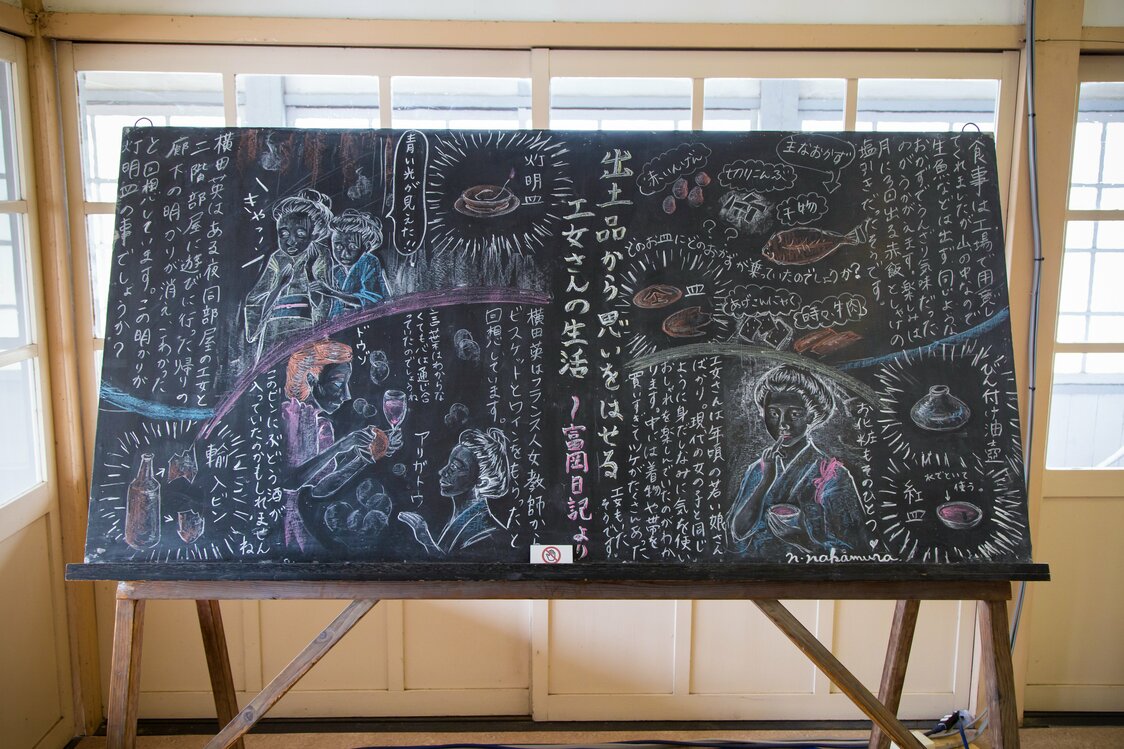
An excerpt from Tomioka Diary, a lively account of life at the mill written by one of the mill’s trainees, is copied onto this blackboard from the Haruna Dormitory, which was erected during the Taishō period.
-
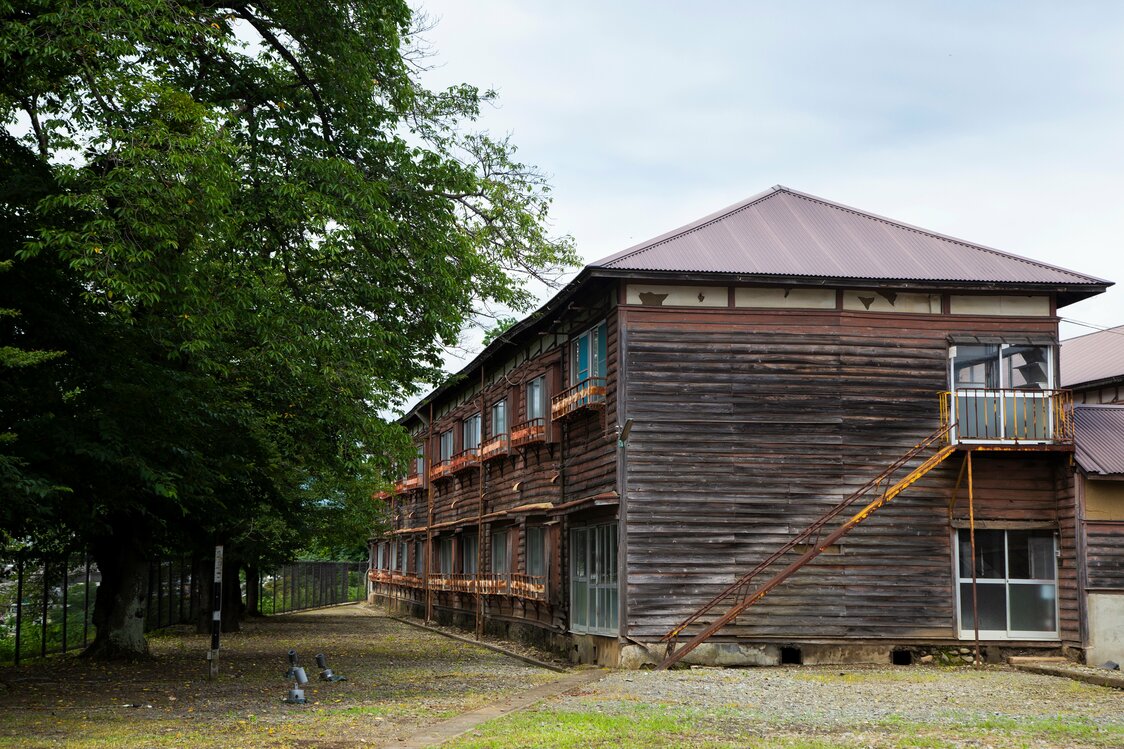
The Myōgi Dormitory, built in 1940 when the mill was under private ownership.
-
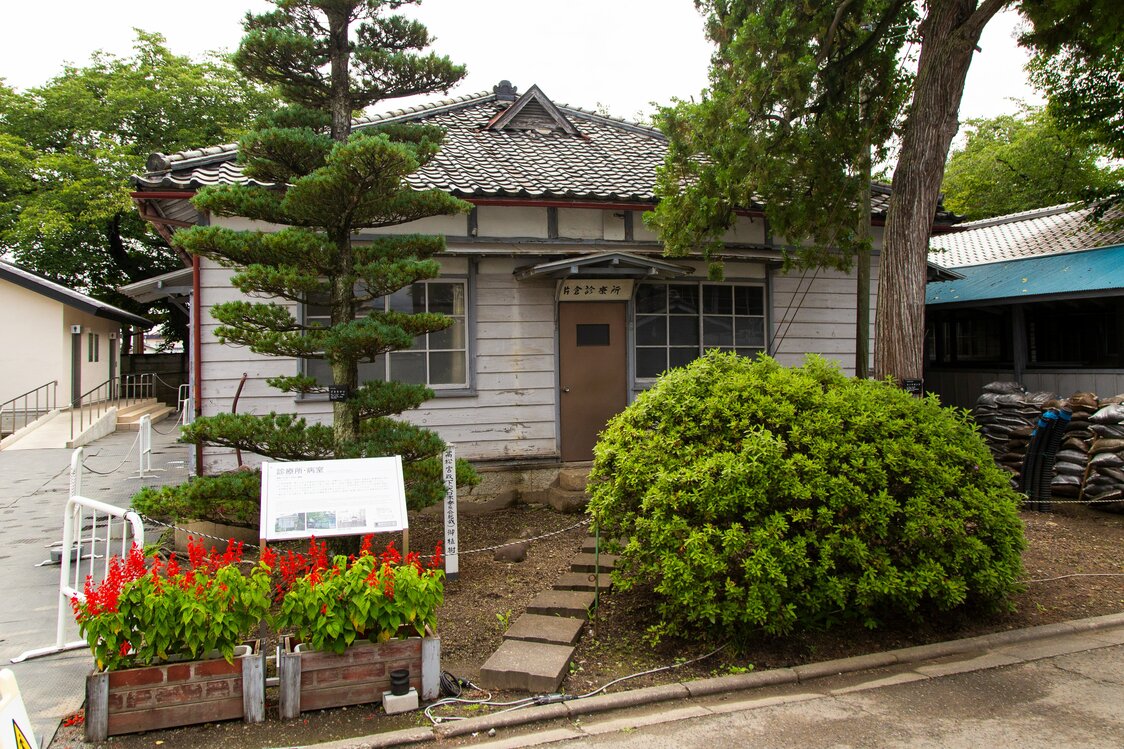
This clinic, also built in 1940, was the third such facility erected since the mill’s opening.
-
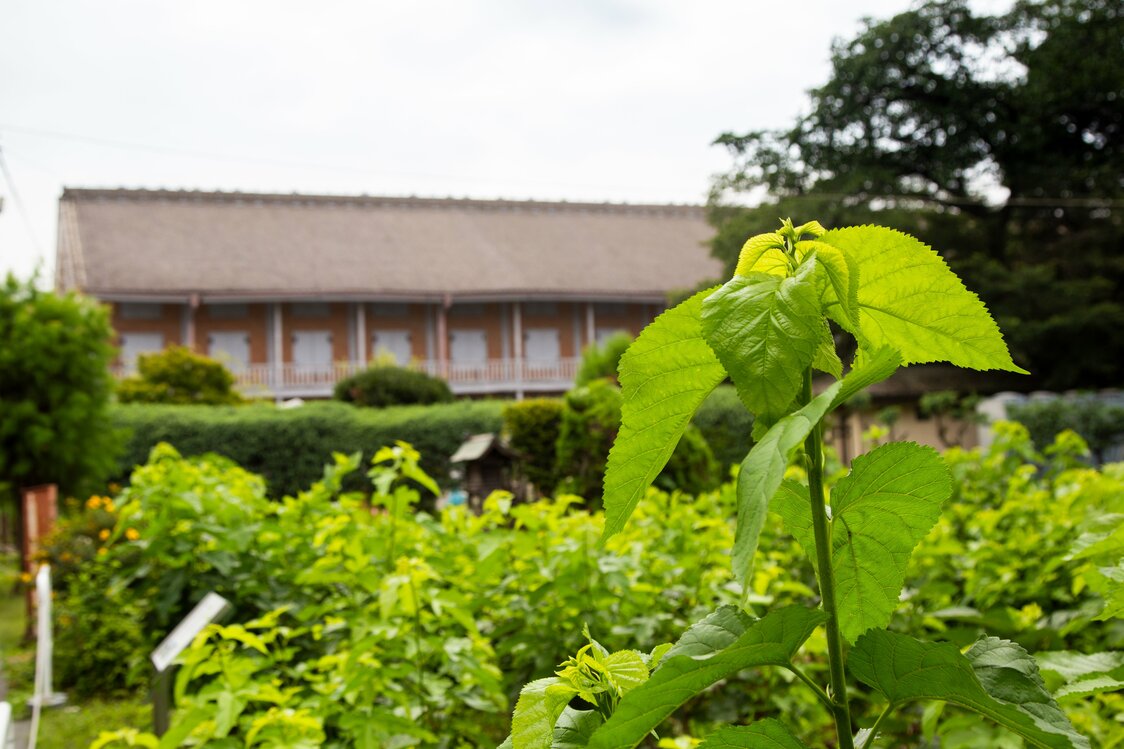
A field of mulberry leaves, on which silkworms feed.
-
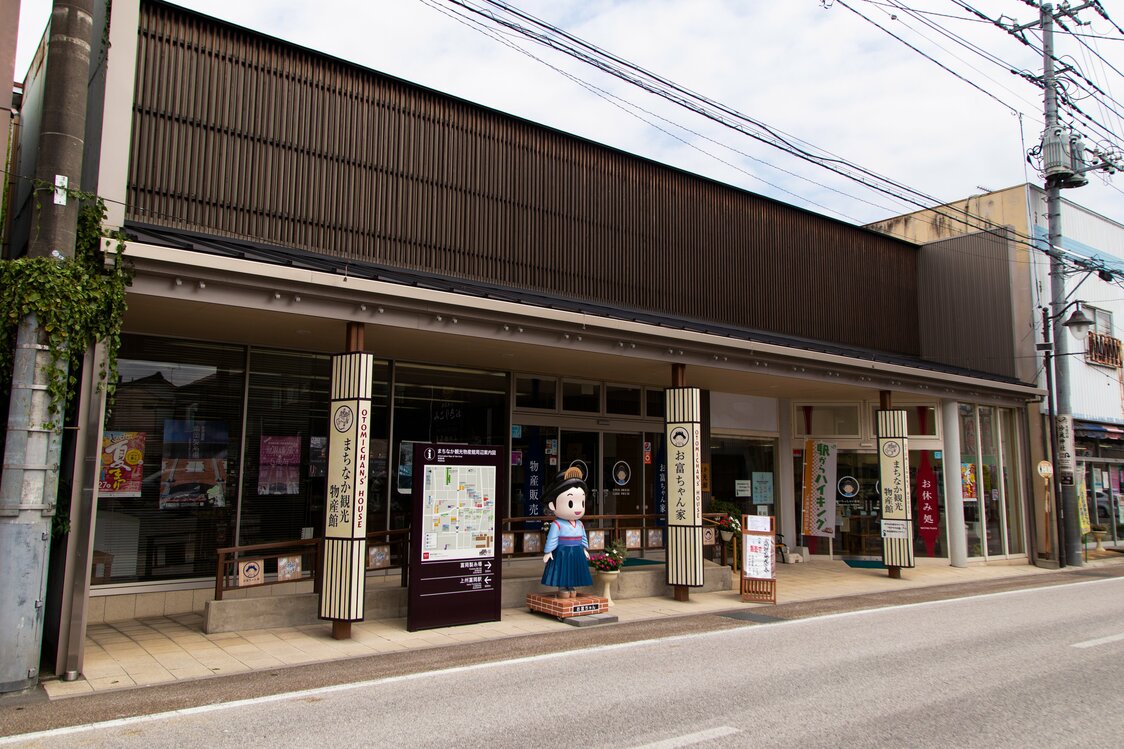
The Machinaka Sightseeing Information Center, a 5-minute walk from the mill, sells local specialties and goods featuring Otomi-chan, the mill’s mascot character modeled after a female mill worker.


 Read in other languages