-
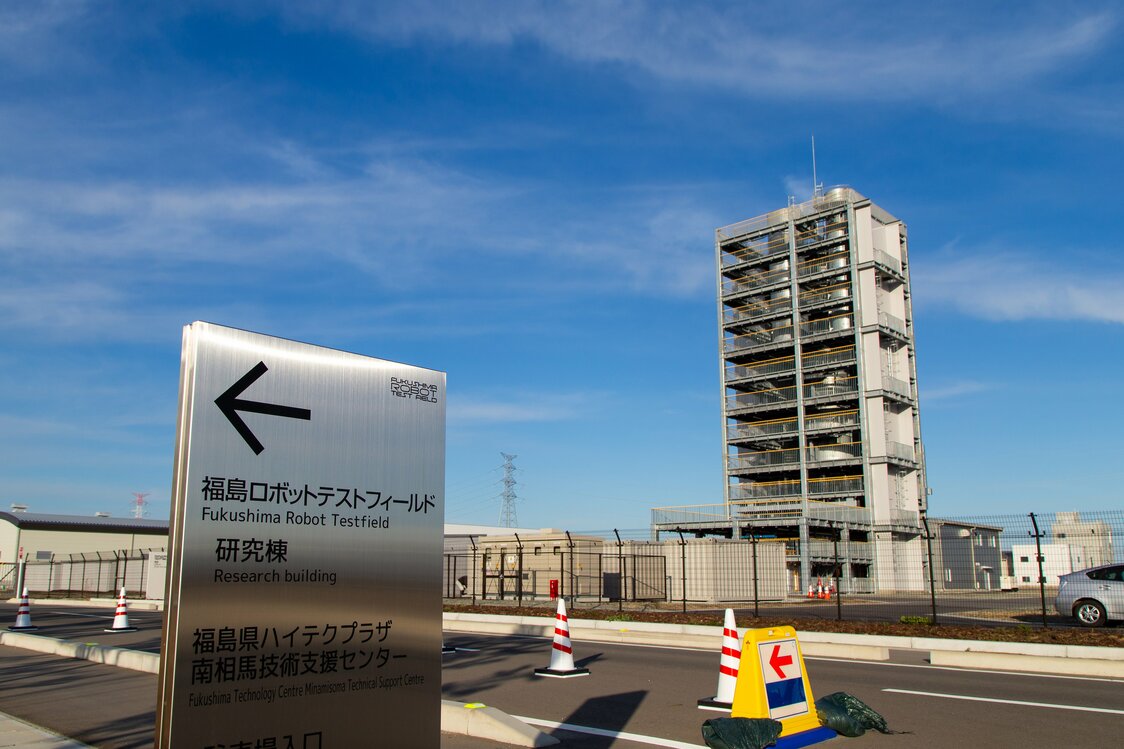
The Robot Test Field is located in an industrial park that was established in Minamisōma as part of the reconstruction of the city. The test factory is visible in the right of the photo.
-
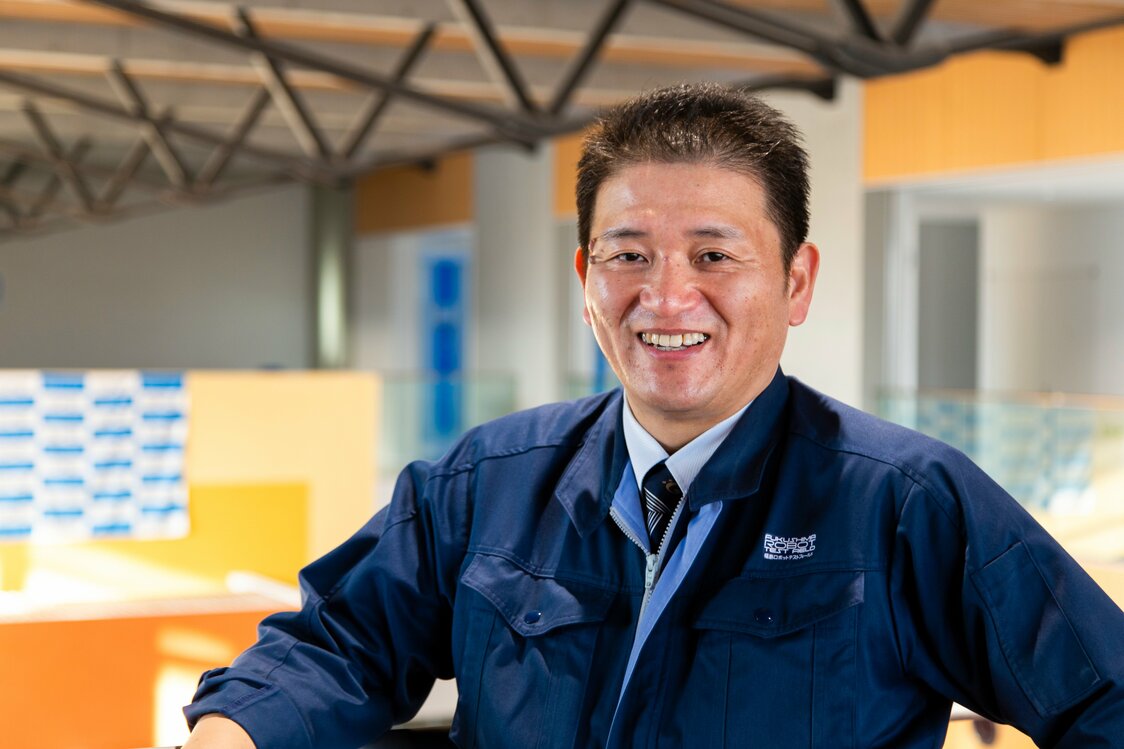
Ishikawa Jin is himself from Fukushima.
-
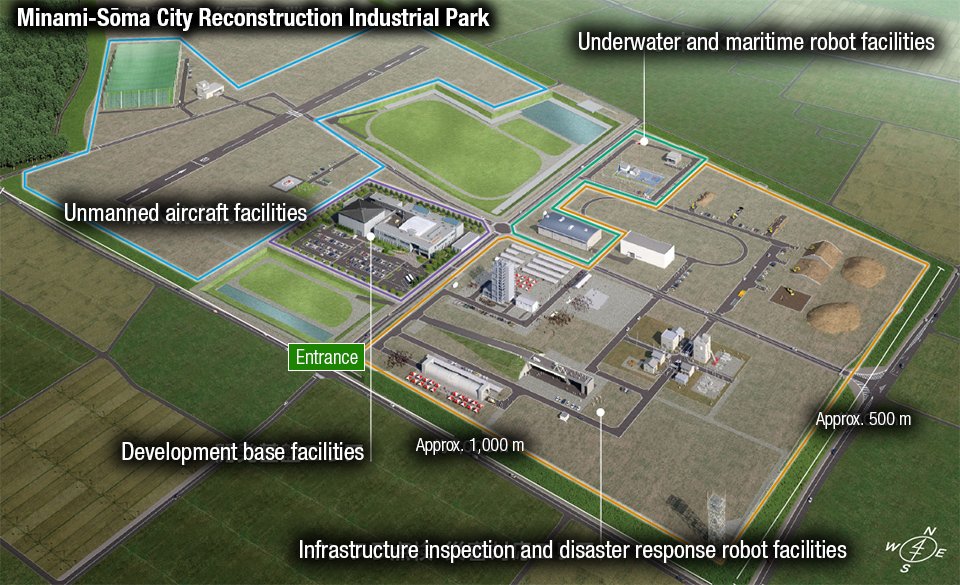
A plan of the Robot Test Field’s 50-hectare site. (© Fukushima Robot Test Field)
-
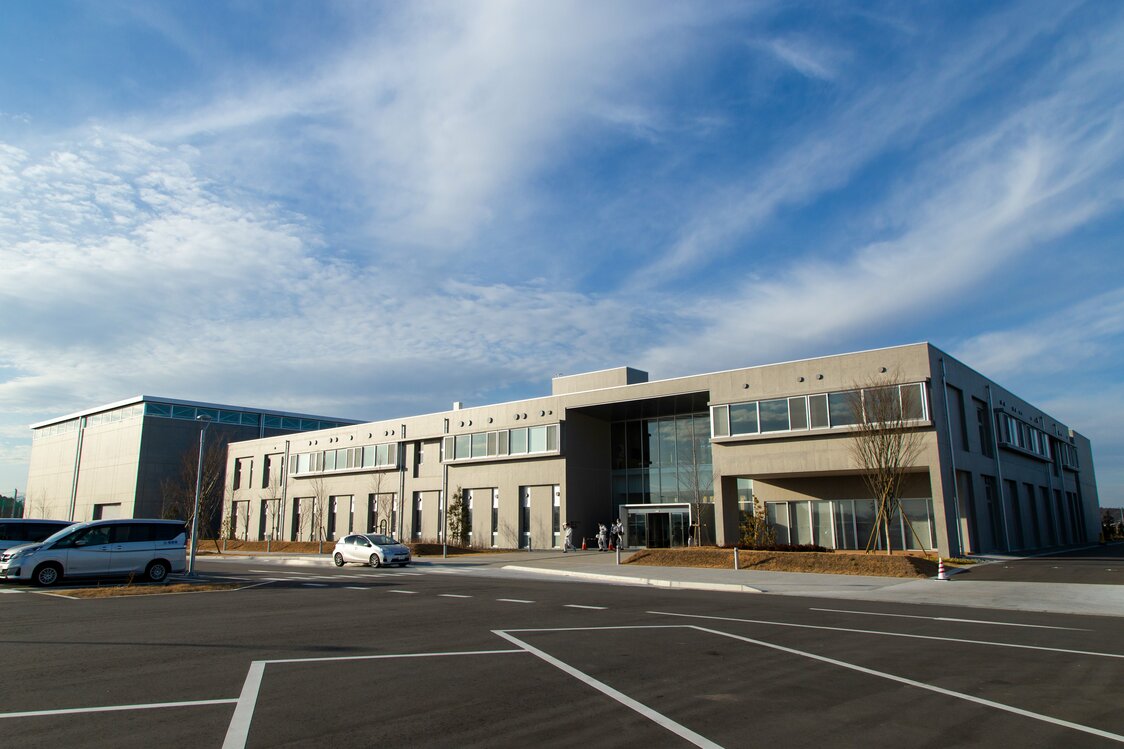
This research wing serves as the RTF’s headquarters, accommodating corporate and institutional tenants and featuring a conference hall and meeting rooms.
-
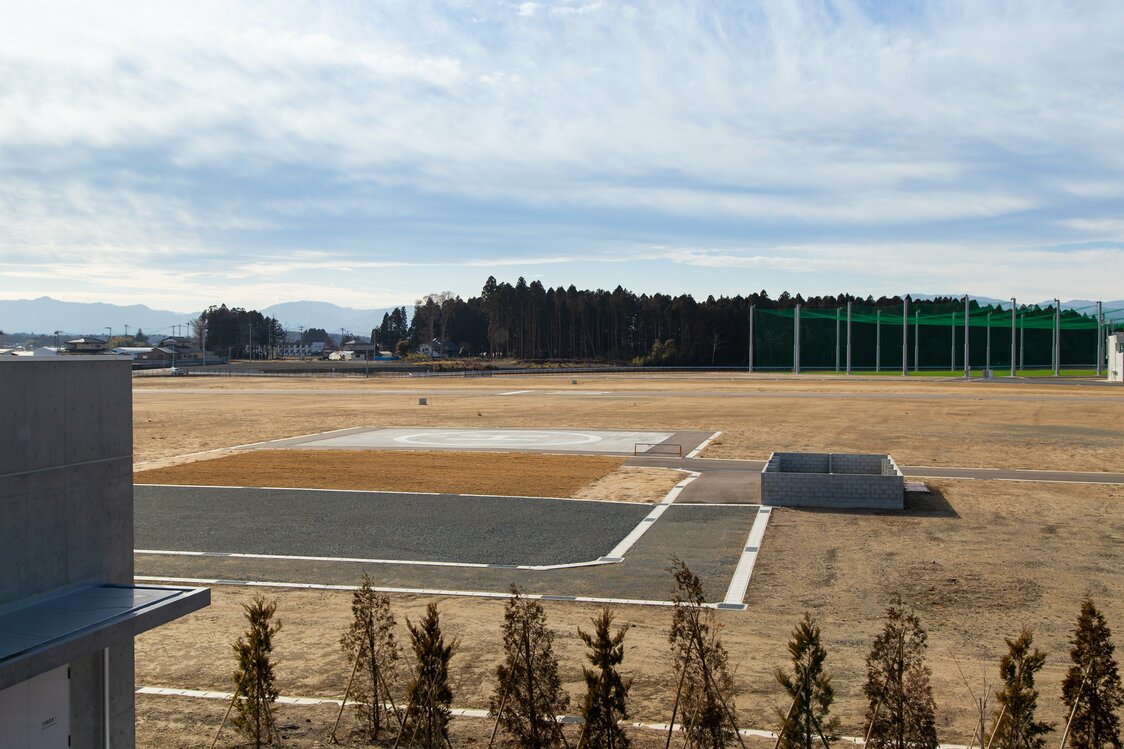
The 2011 tsunami reached the forest visible beyond the helipad, 1.4 kilometers inland.
-

The Minamisōma runway is 500 meters long and 20 meters wide and features a hangar with basic servicing facilities.
-
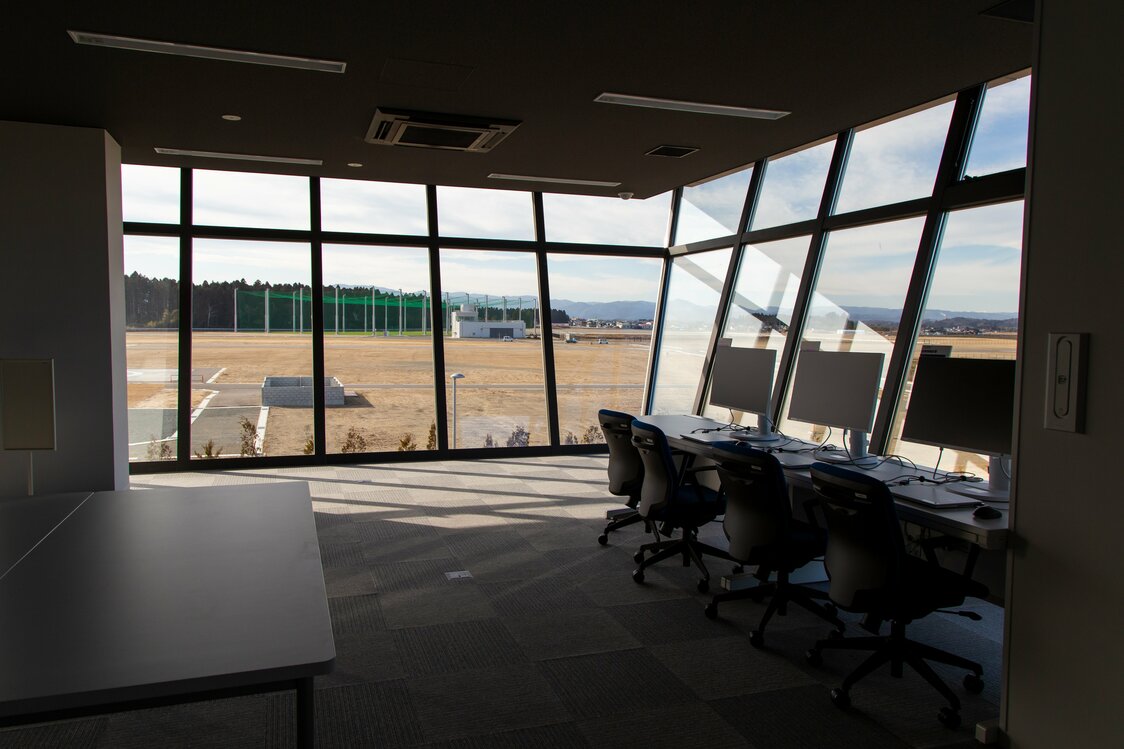
Tests conducted on the runway and heliport can be controlled from the central control tower in the research wing.
-
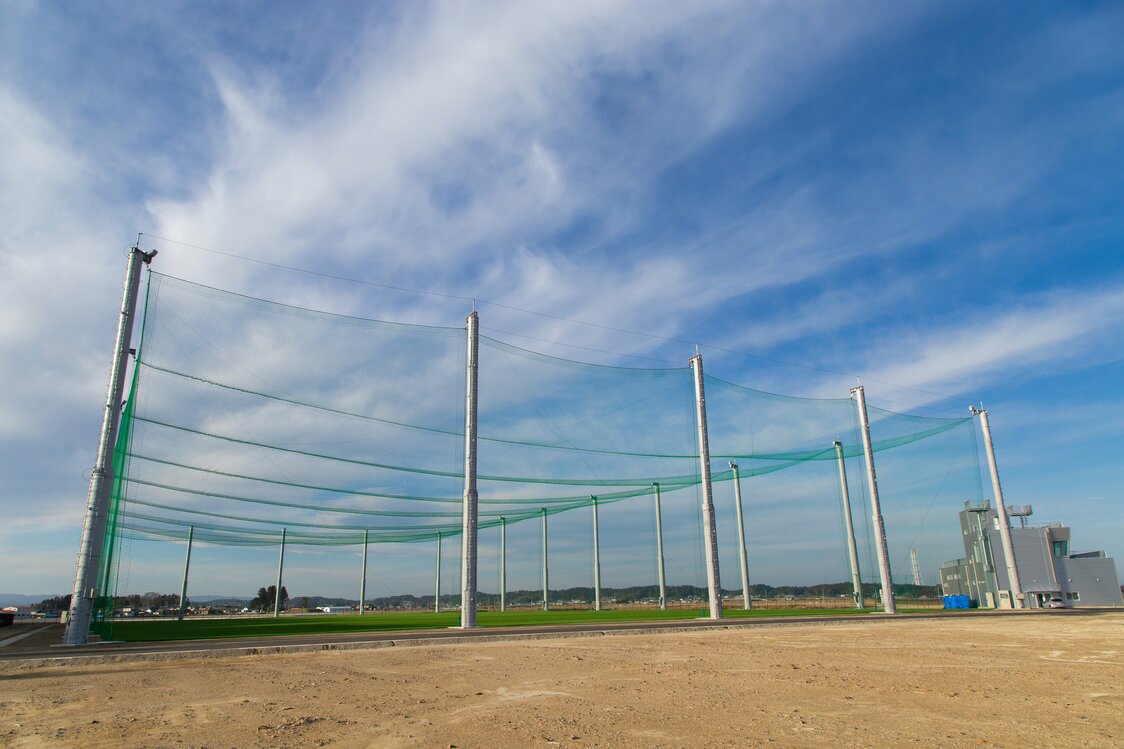
Flights performed in this netted-off testing range are exempt from aviation law.
-
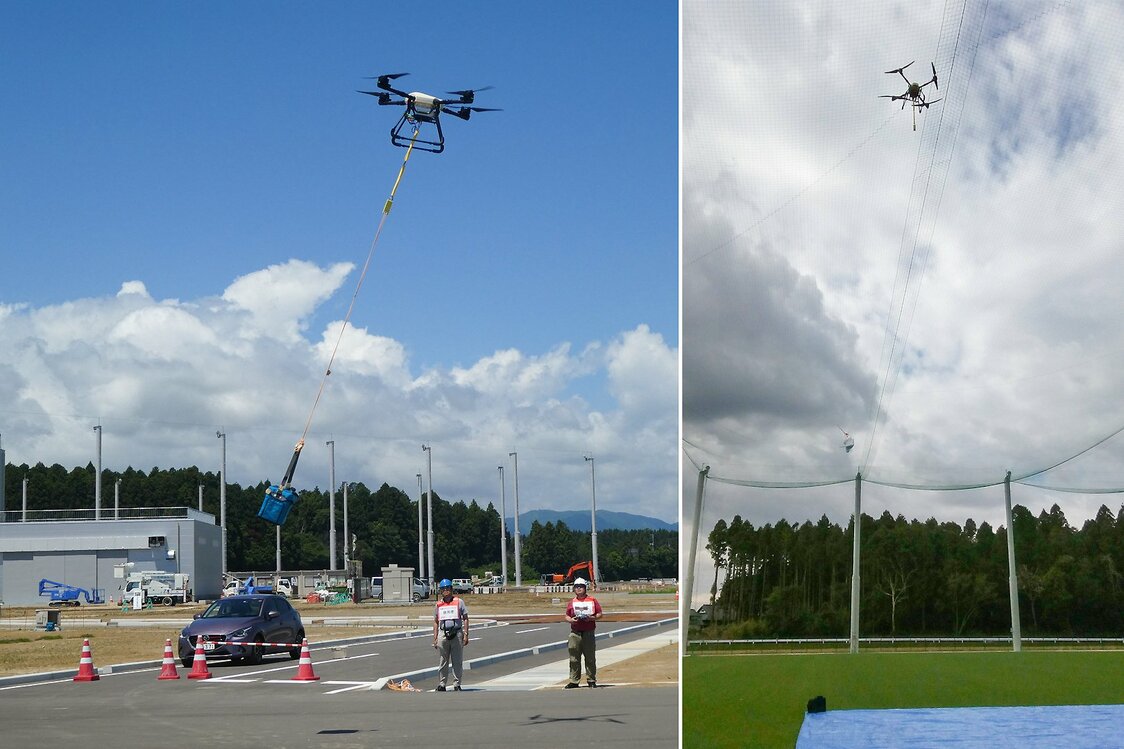
Staff from Tokyo Metropolitan Bokutoh Hospital use an unmanned aerial vehicle to simulate the transportation of blood for transfusion (left) and drop a blood pack in the enclosed testing range (right). (© Fukushima Robot Test Field)
-
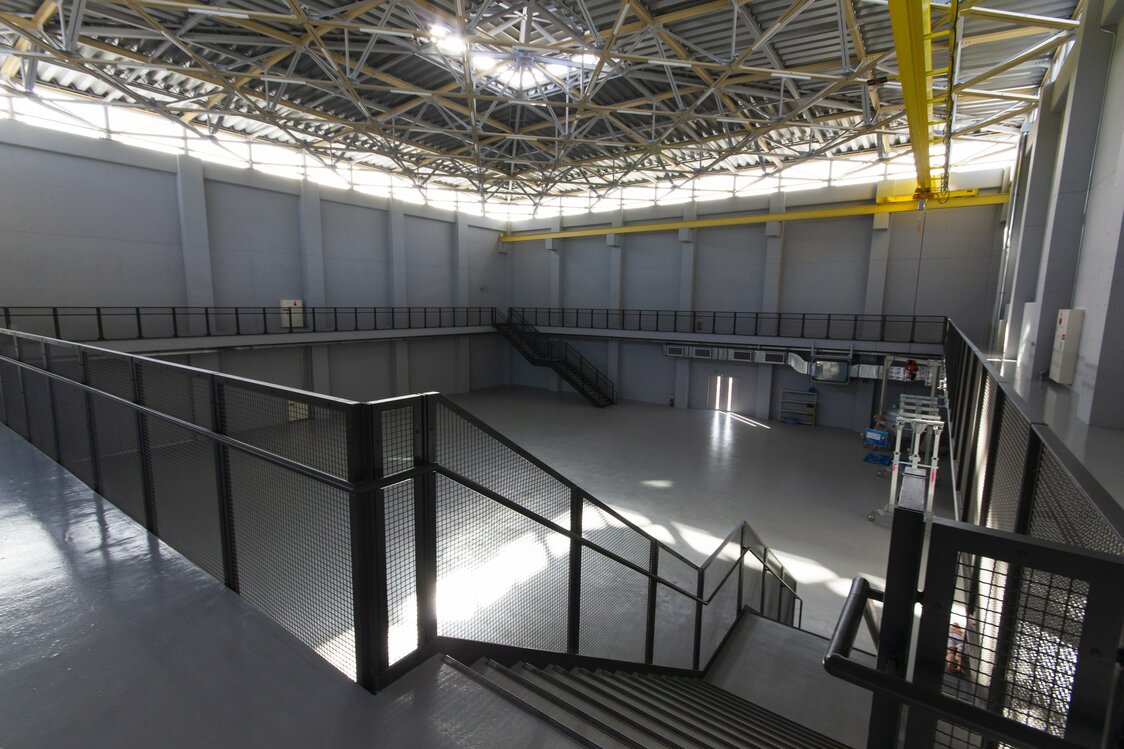
At 32 by 30 meters with an 11-meter-high ceiling, the indoor testing range is suitable for a wide range of tests.
-
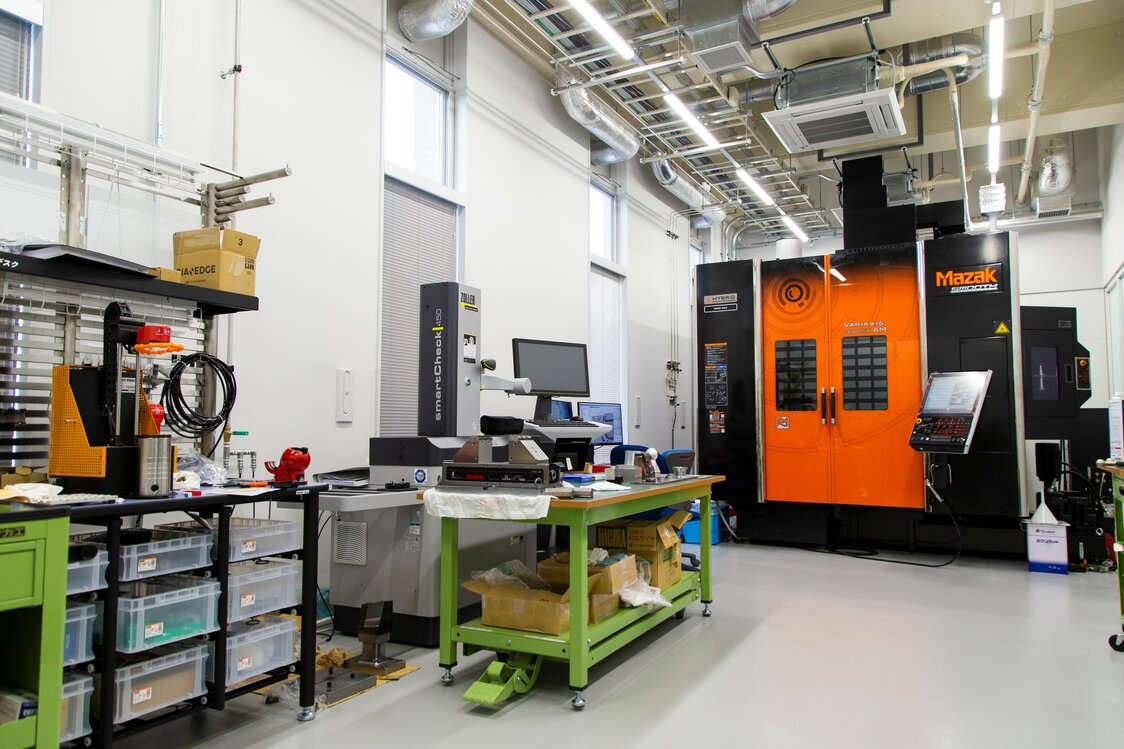
The sophisticated machining facilities are popular with university groups and small businesses that cannot afford to invest in tools of their own.
-
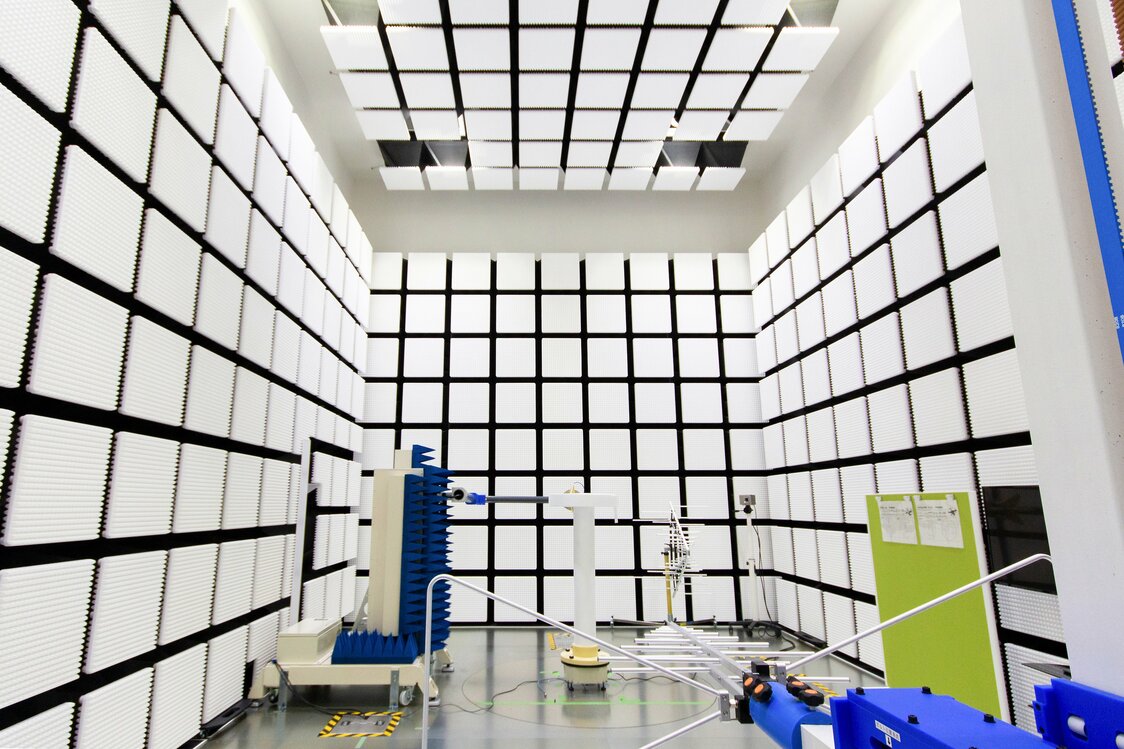
This shielded room blocks electromagnetic radiation from the outside, while containing internally produced radiation and damping reflections. Clean rooms, X-ray and CT scanners, and 3D motion capture facilities are also available.
-
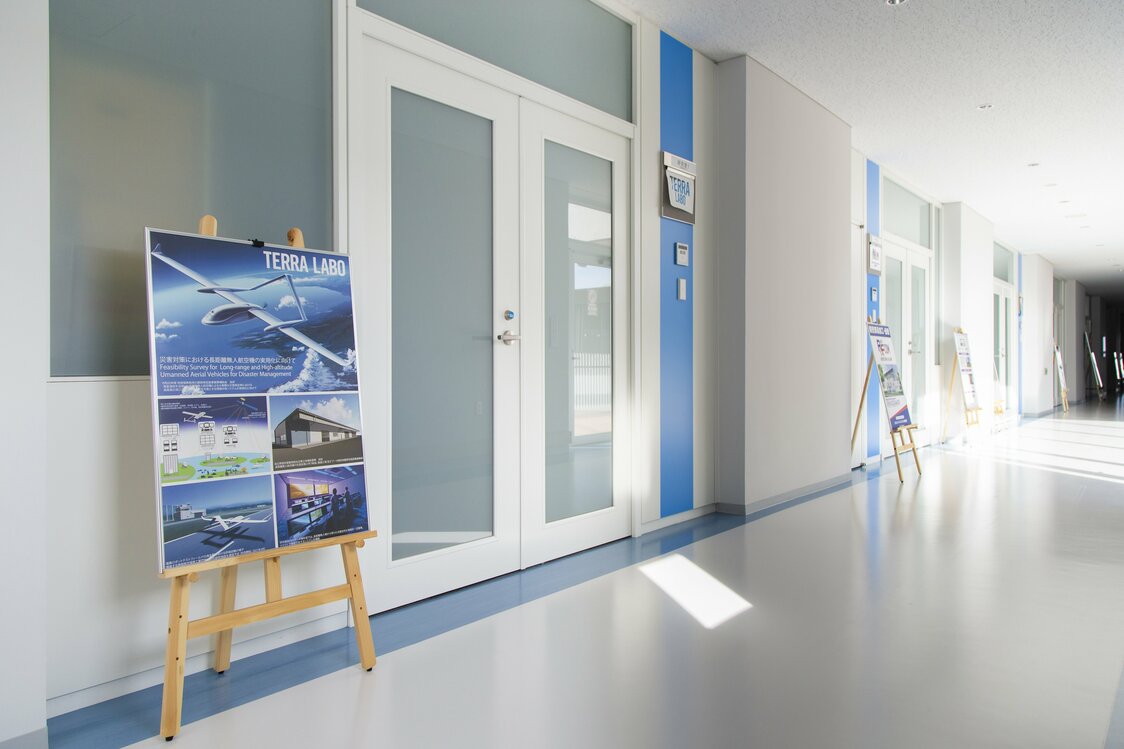
Tenant organizations in the laboratory area actively share information.
-
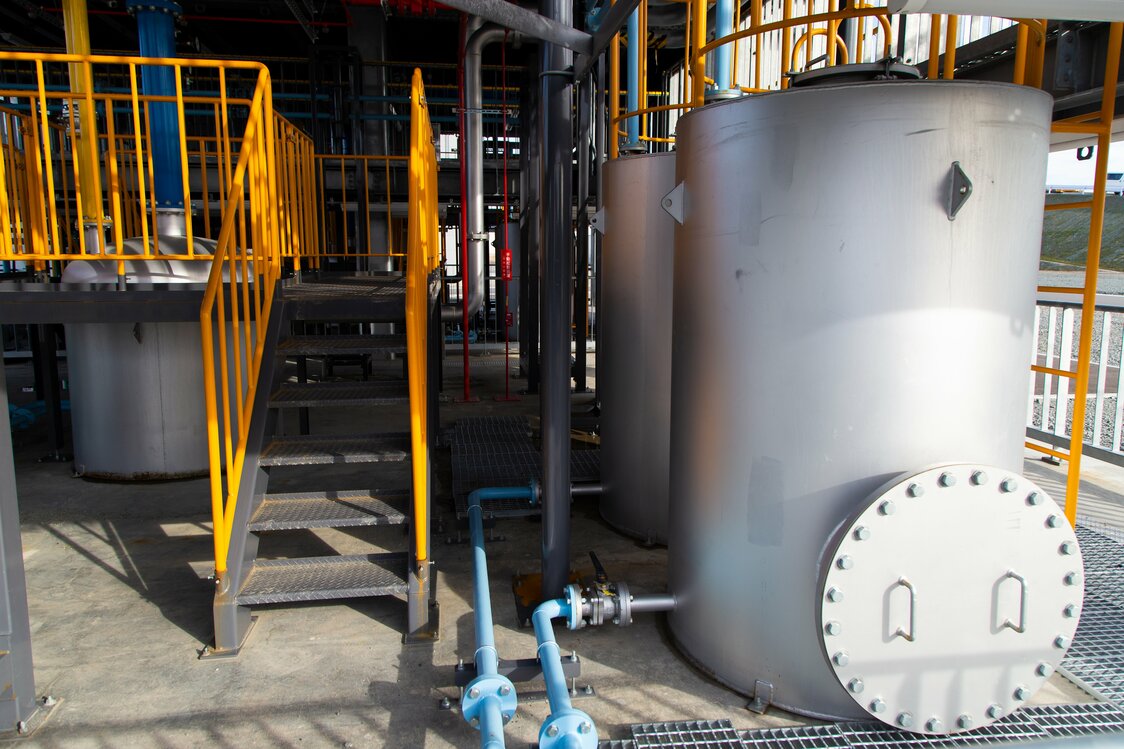
The test plant simulates an obstacle-ridden chemical plant.
-
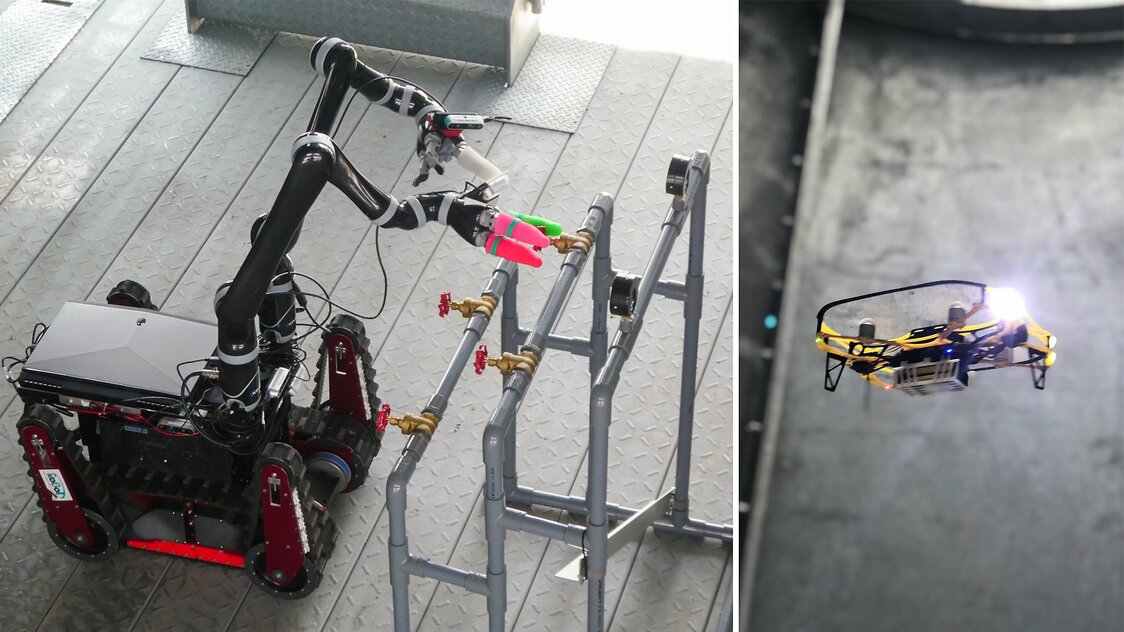
The University of Aizu’s Spider probe, at left, attempts to operate valves in the test plant. At right, a miniature facility-inspection drone named IBIS manufactured by Liberaware flies around taking footage. (© Fukushima Robot Test Field)
-
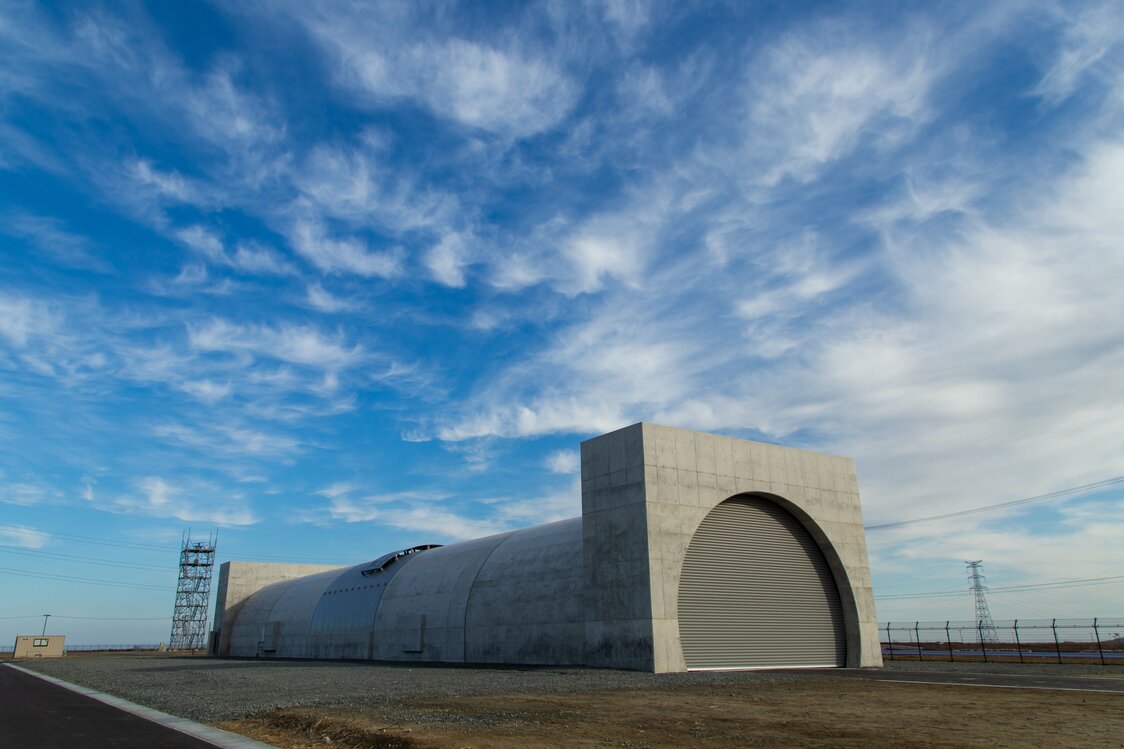
The test tunnel can be sealed with shutters on both ends.
-
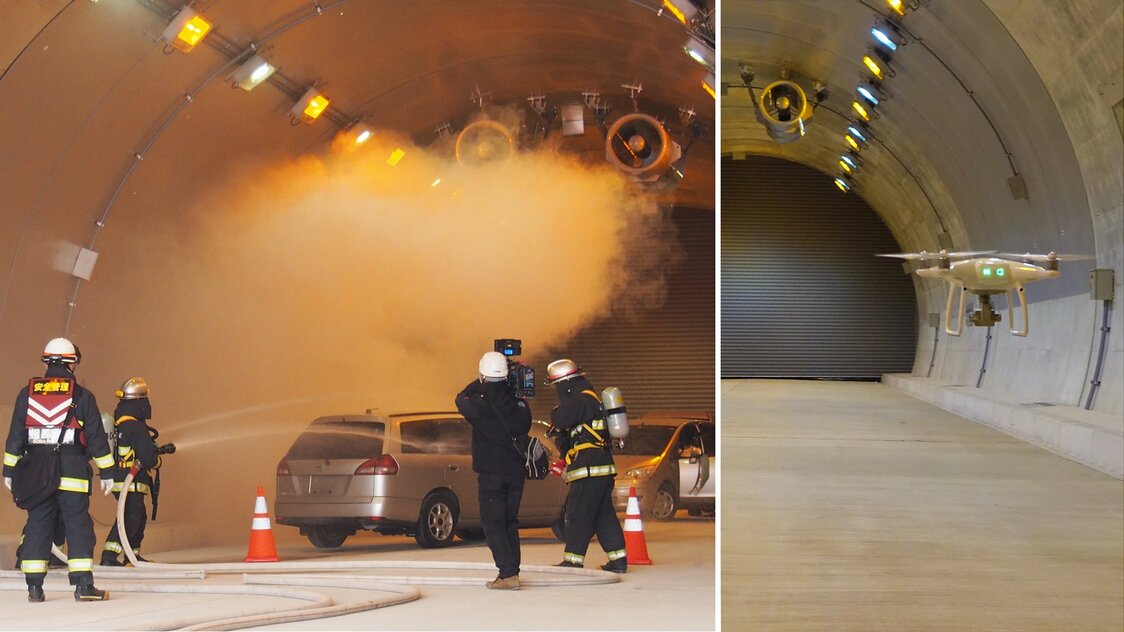
In February 2020, the RTF hosted a firefighting drill, shown at left. At right, a Wiz drone inspects the facility in December 2019. (© Fukushima Robot Test Field)
-
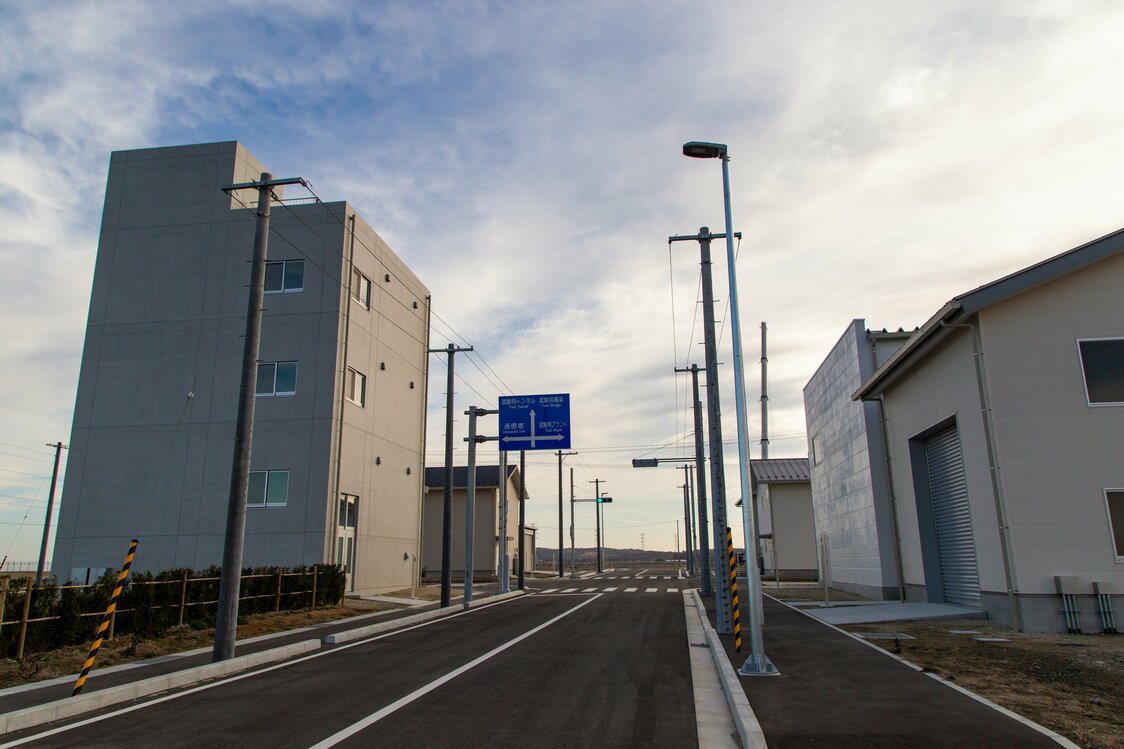
Three of the buildings in the urban zone can be used for testing.
-
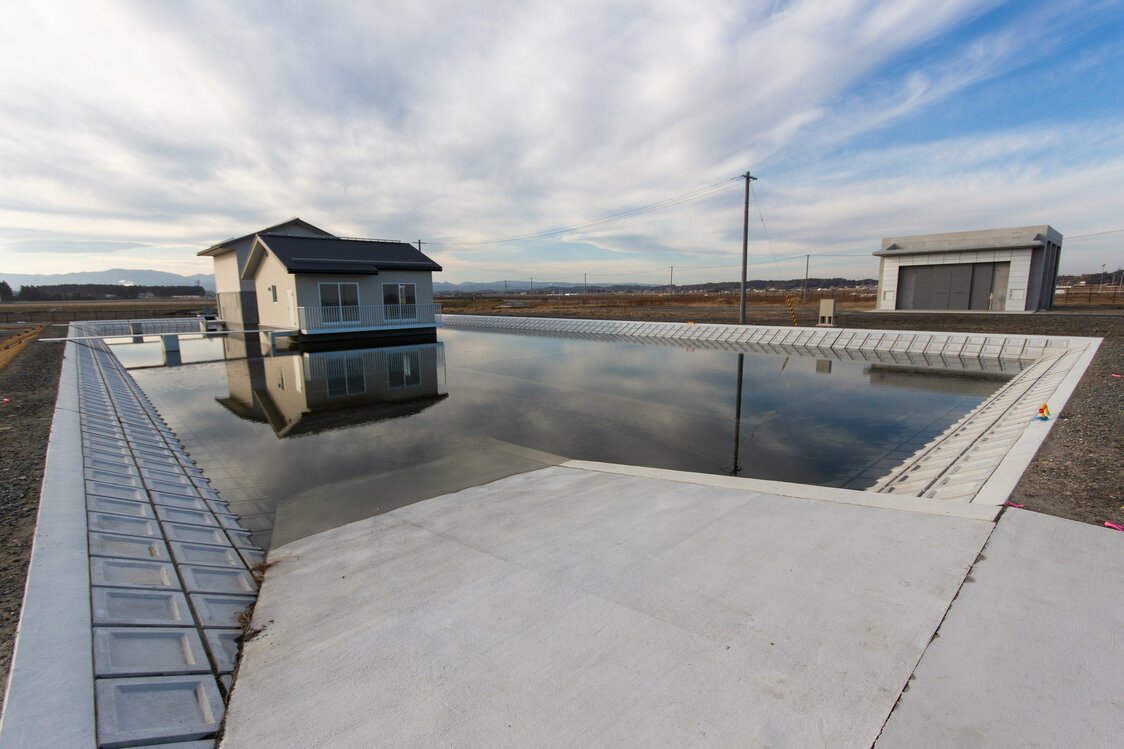
Measuring 50 by 19 meters, the outdoor pool is up to 5 meters deep in places.
-
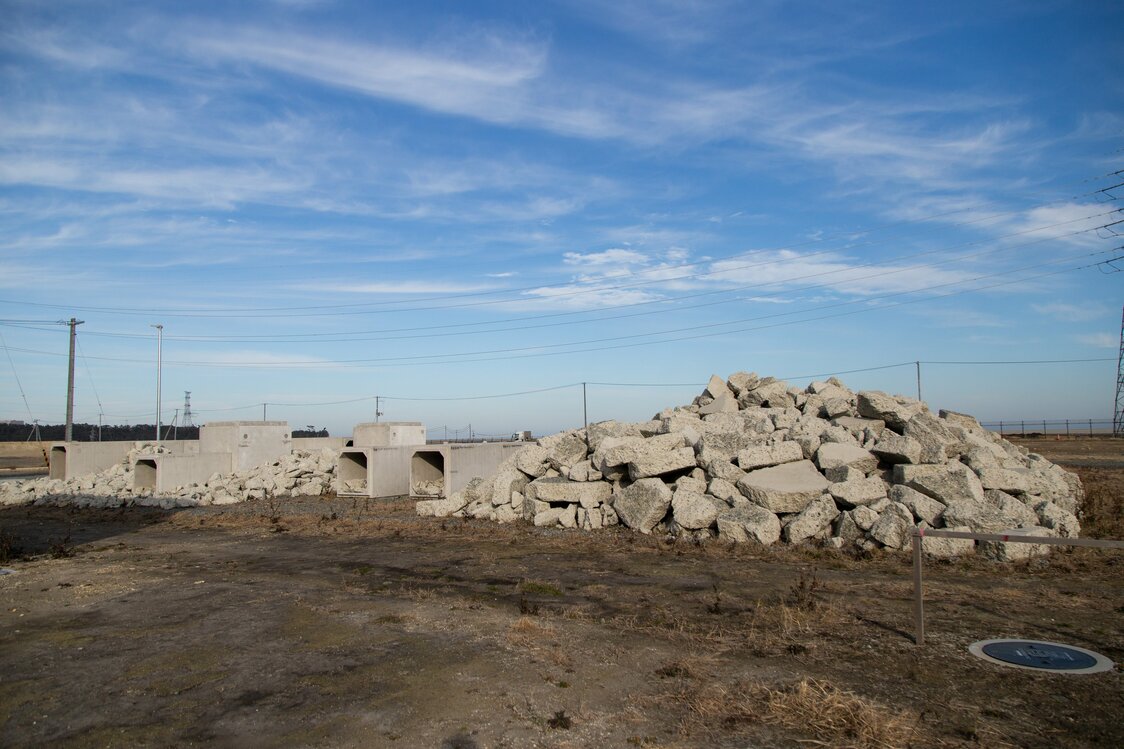
The rubble and landslide zones enable search and rescue drills, in addition to drills that simulate efforts to restore services. This area can also be used to train rescue dogs.
-
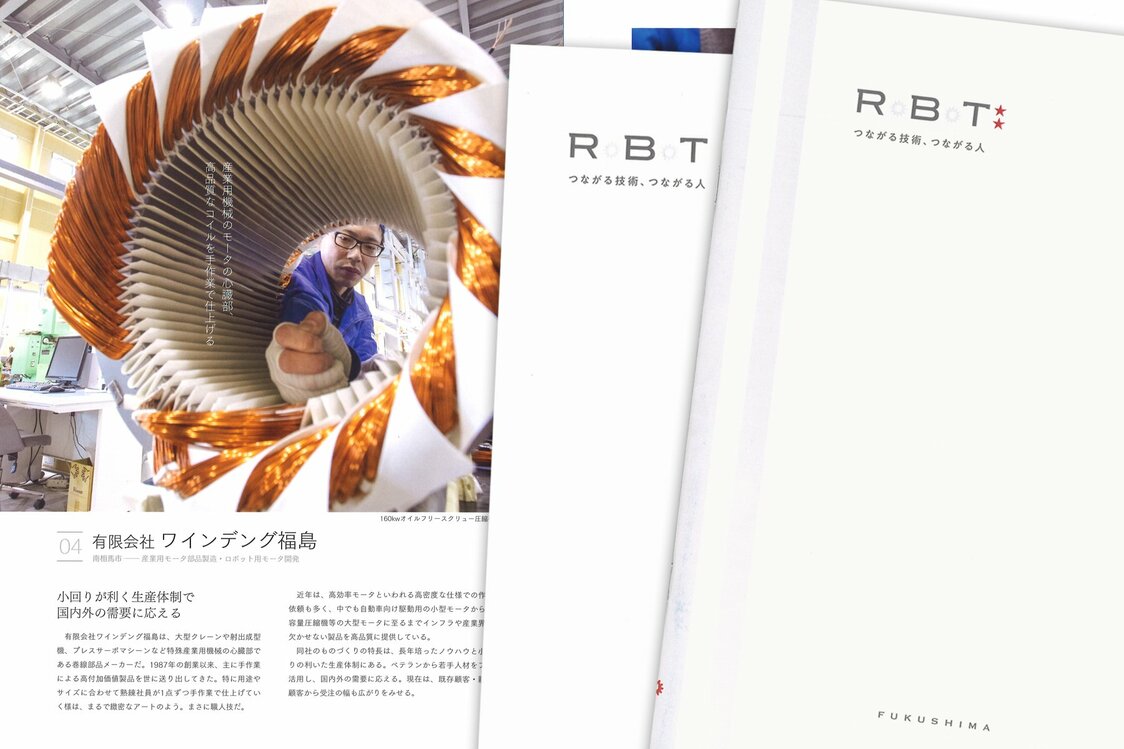
A pamphlet showcasing local suppliers.
-
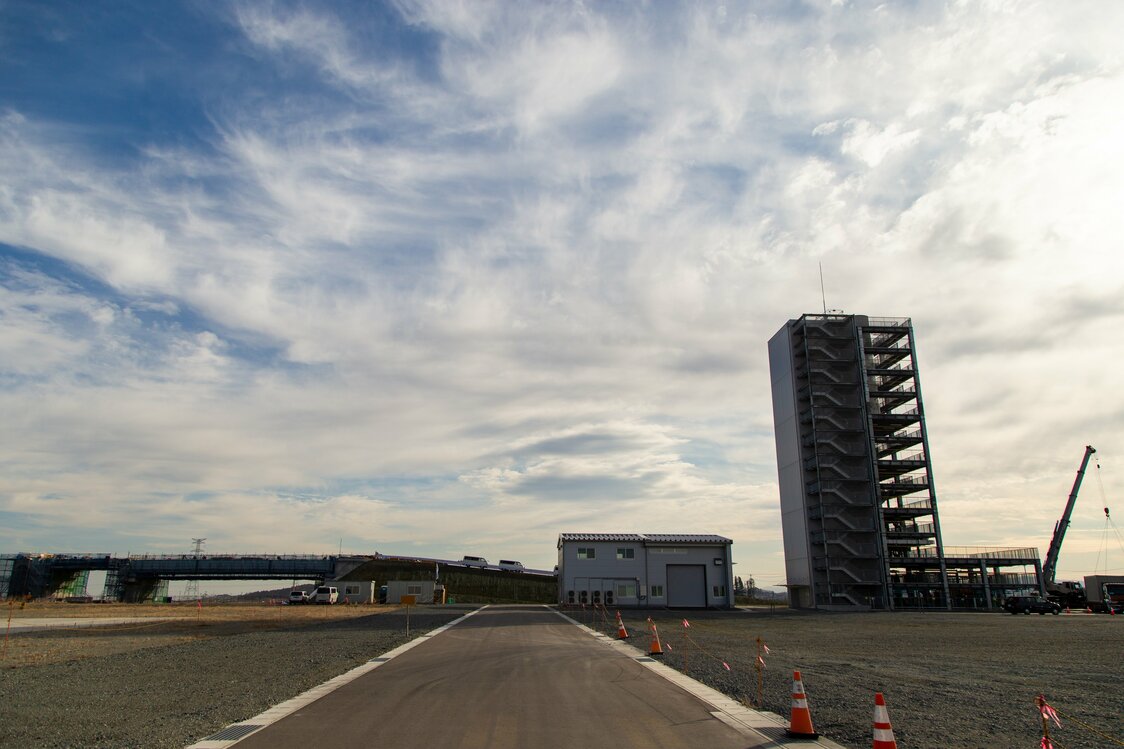
The test bridge (at left) will soon be completed.


 Read in other languages