-
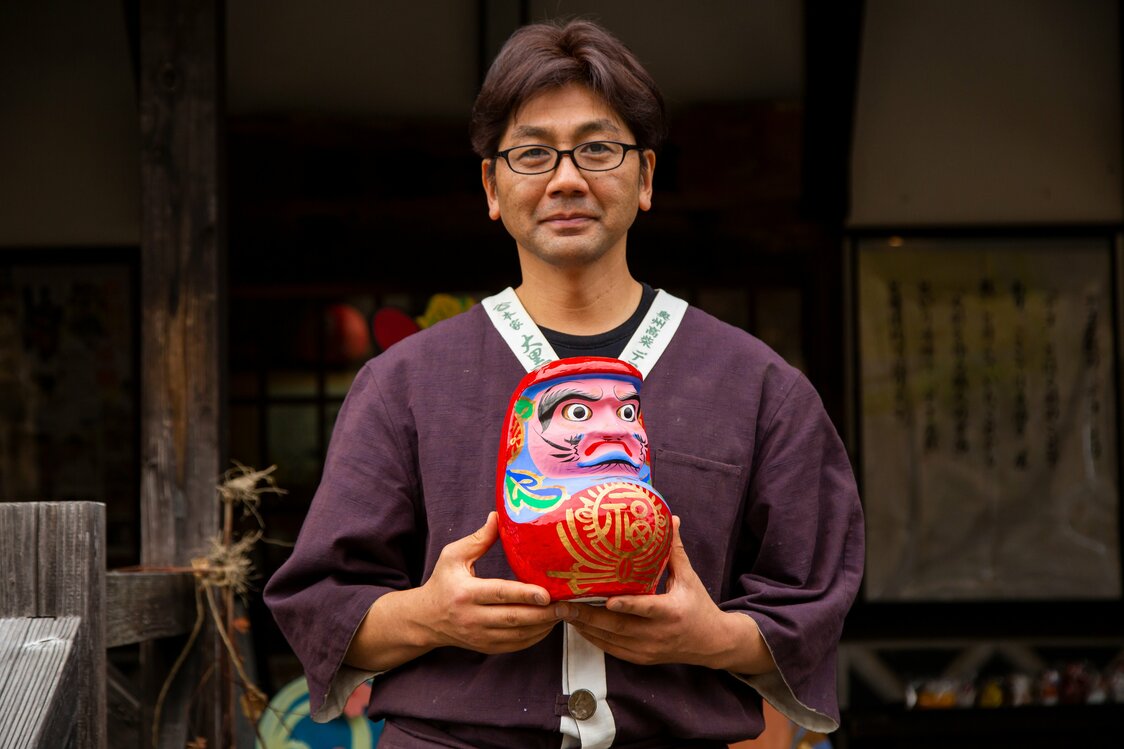
Hashimoto Shōichi holding a Miharu-hariko daruma doll.
-
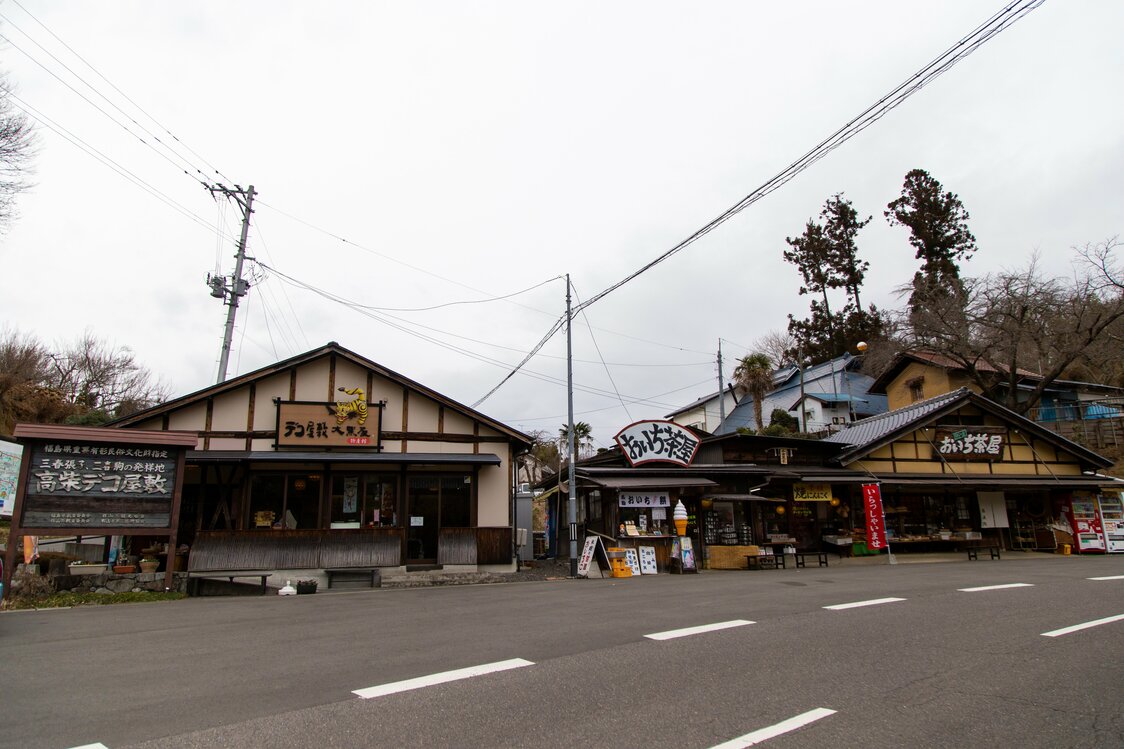
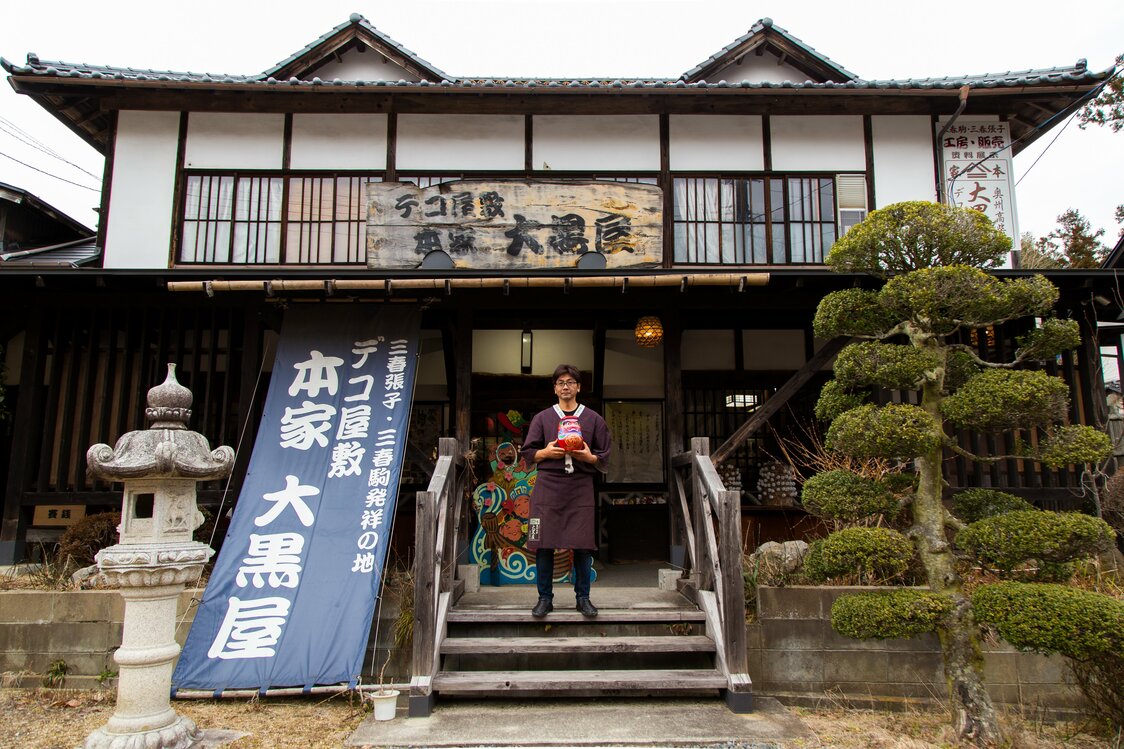
The Deko Yashiki Daikokuya Product Hall is the gateway to the Takashiba Deko Yashiki complex. The Oichi-chaya structure to the right is a combined rest stop and lunchroom.
-
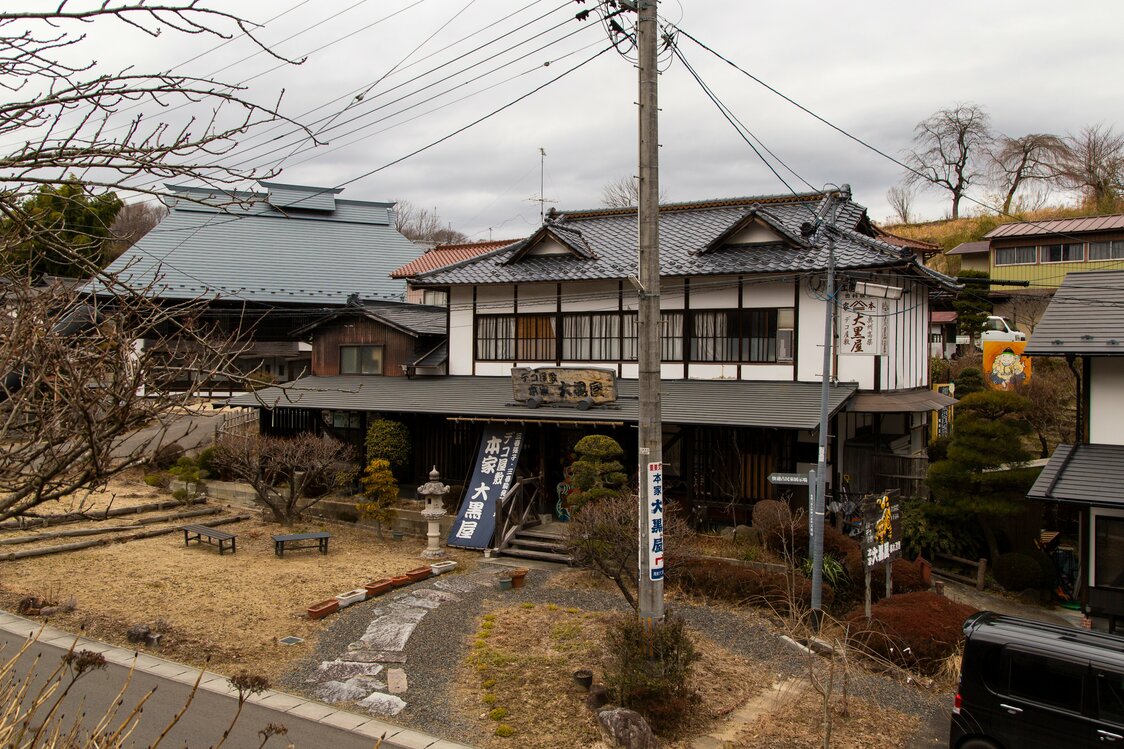
Exterior view of the Honke Daikokuya workshop. The gray-roofed building to the left is a restored traditional farmhouse where Hashimoto exhibits his works.
-
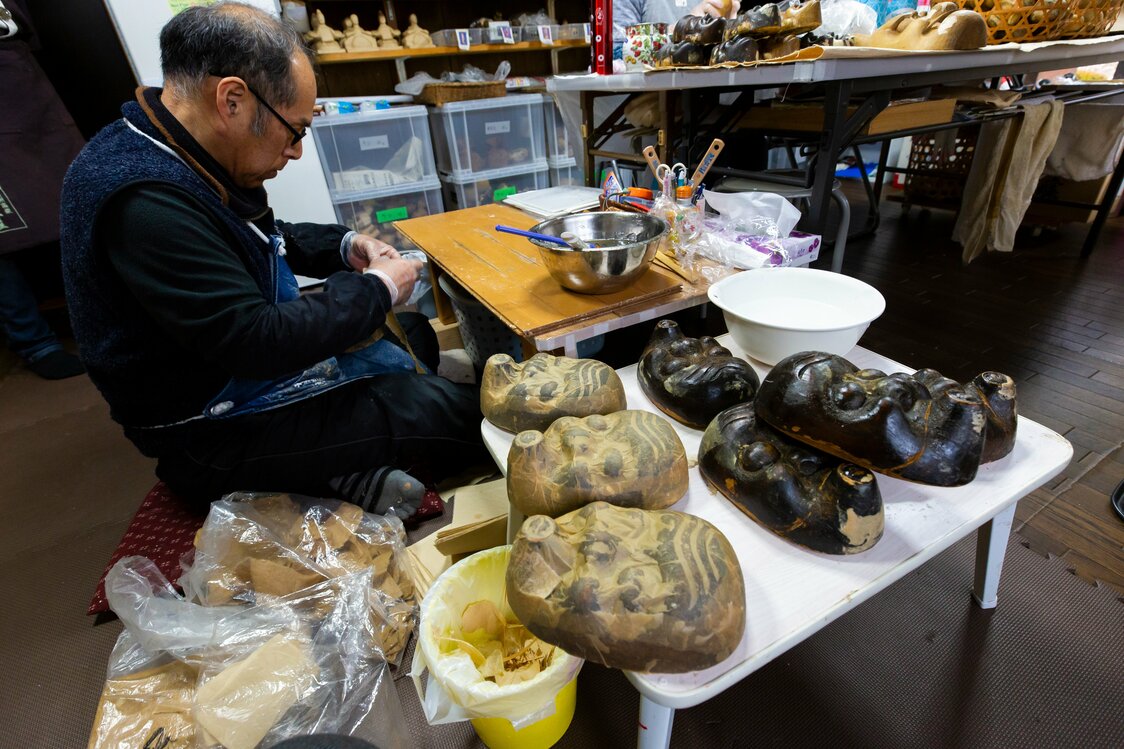
Wooden forms for a hyottoko mask, a humorous depiction of a man sometimes used in dances at local festivals. The forms, blackened with age, are brushed with oil to make the dried washi easier to remove.
-
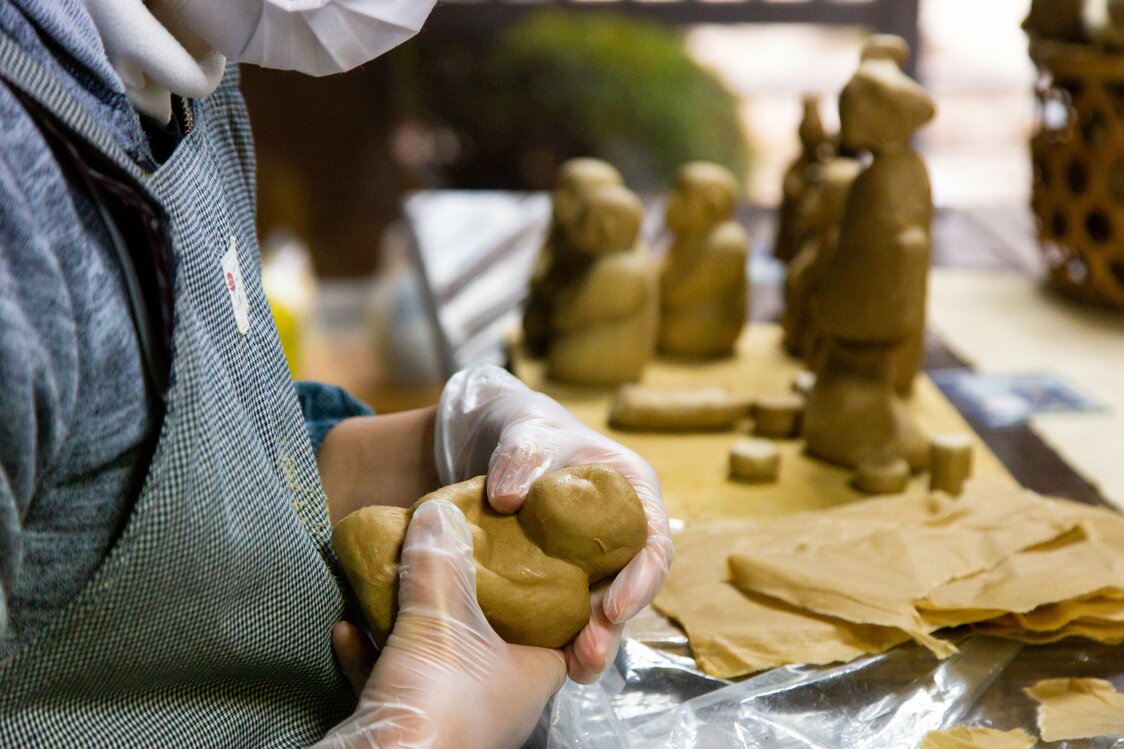
Torn pieces of wet washi are pressed firmly onto a wooden form.
-
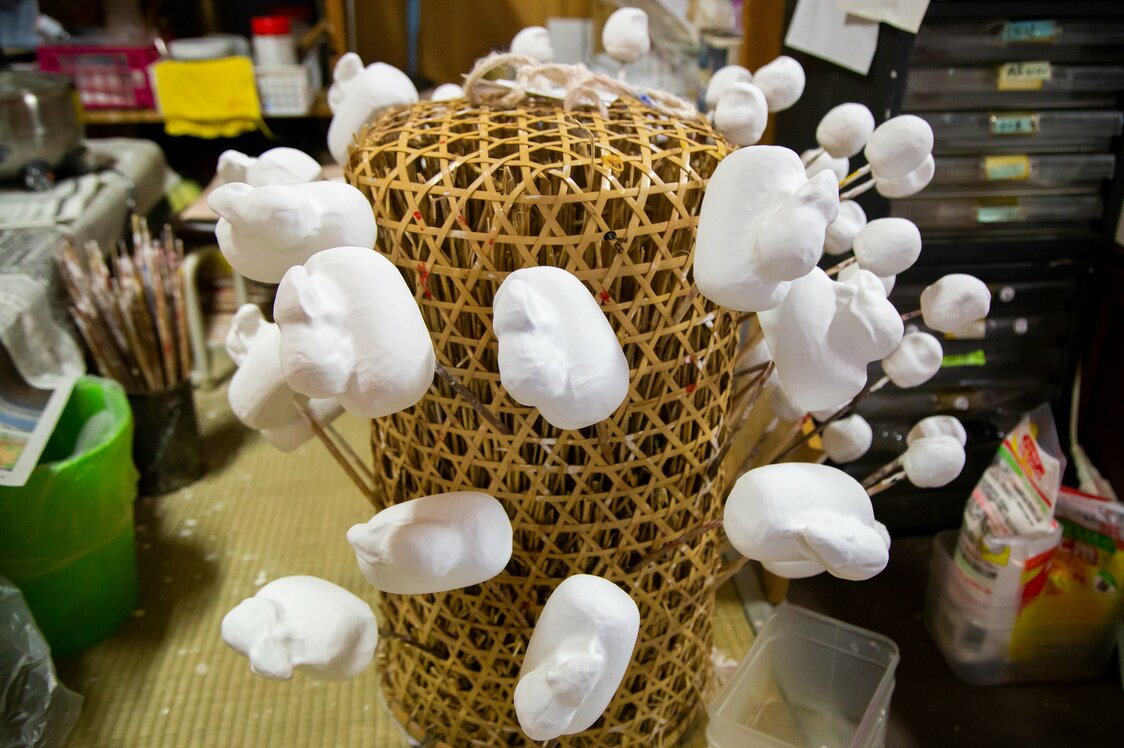
The forms are given a wash of gofun, a white powder made from roasted, crushed seashells. Eto figures for the Year of the Rat are shown here, drying on a bamboo basket representing a rice bale.
-
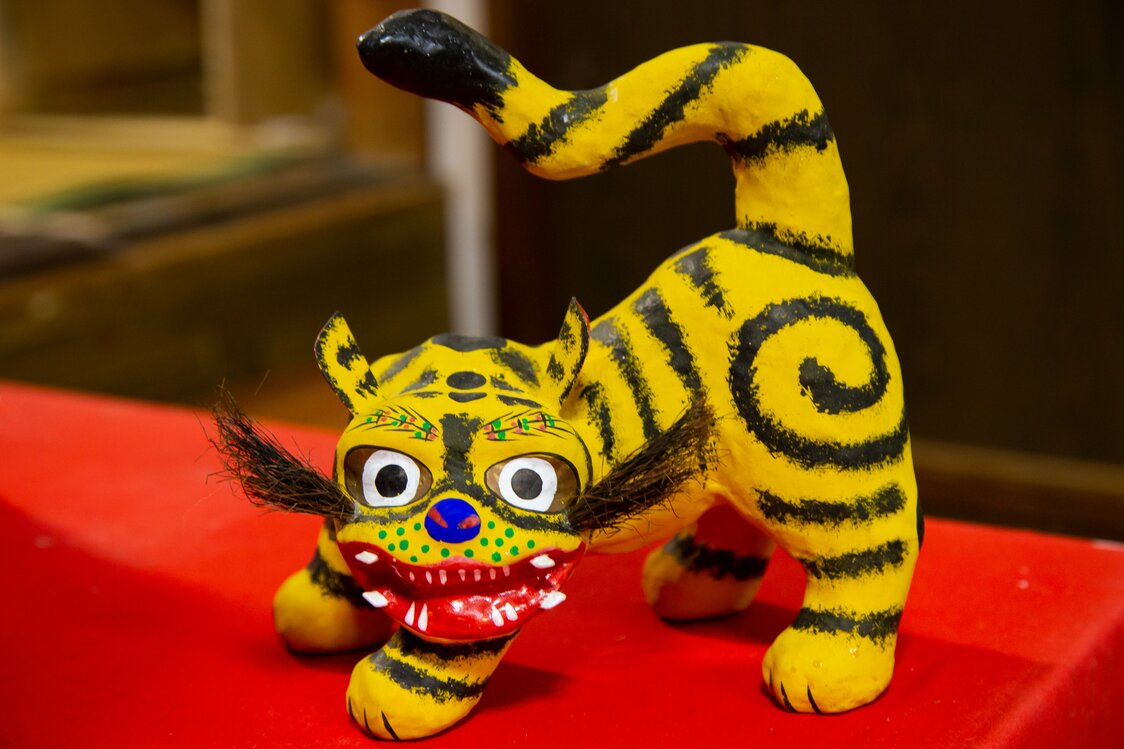
Flexible washi lends itself to creating the dynamic, raised-rear pose of the koshidaka tora.
-
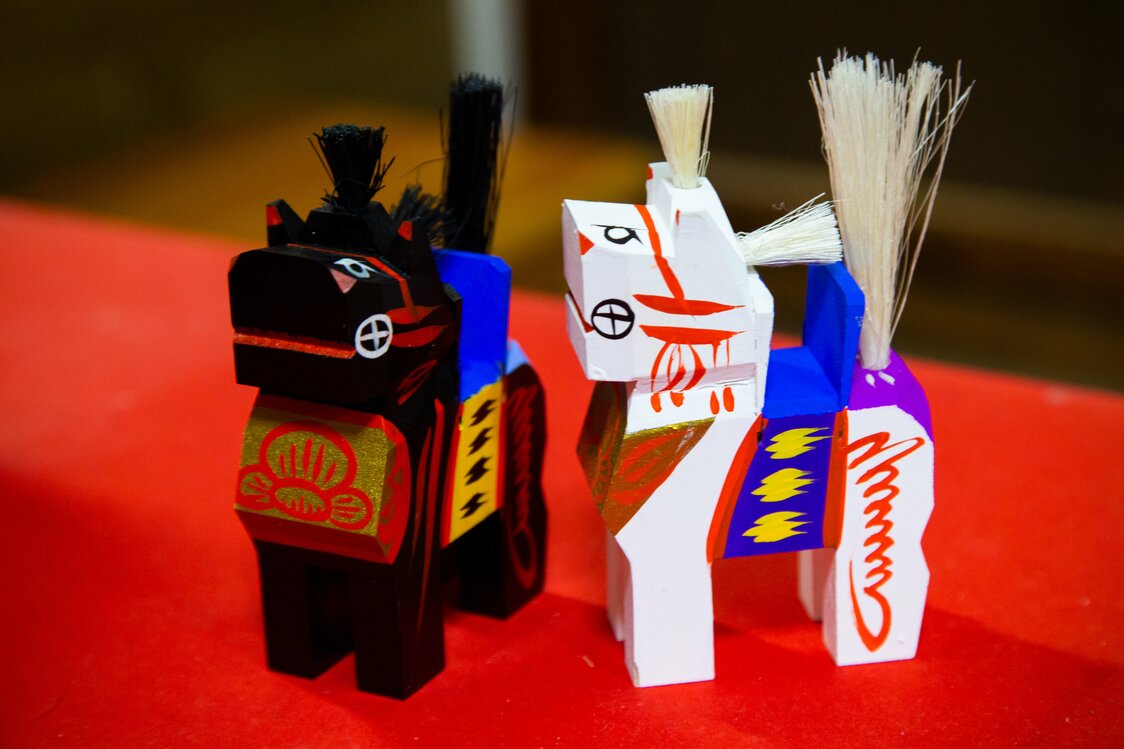
The crisp, angular lines of Miharu-goma horses contrast with the rounded forms of hariko. A Miharu-goma was featured on the New Year stamp for the 1954 Year of the Horse.
-
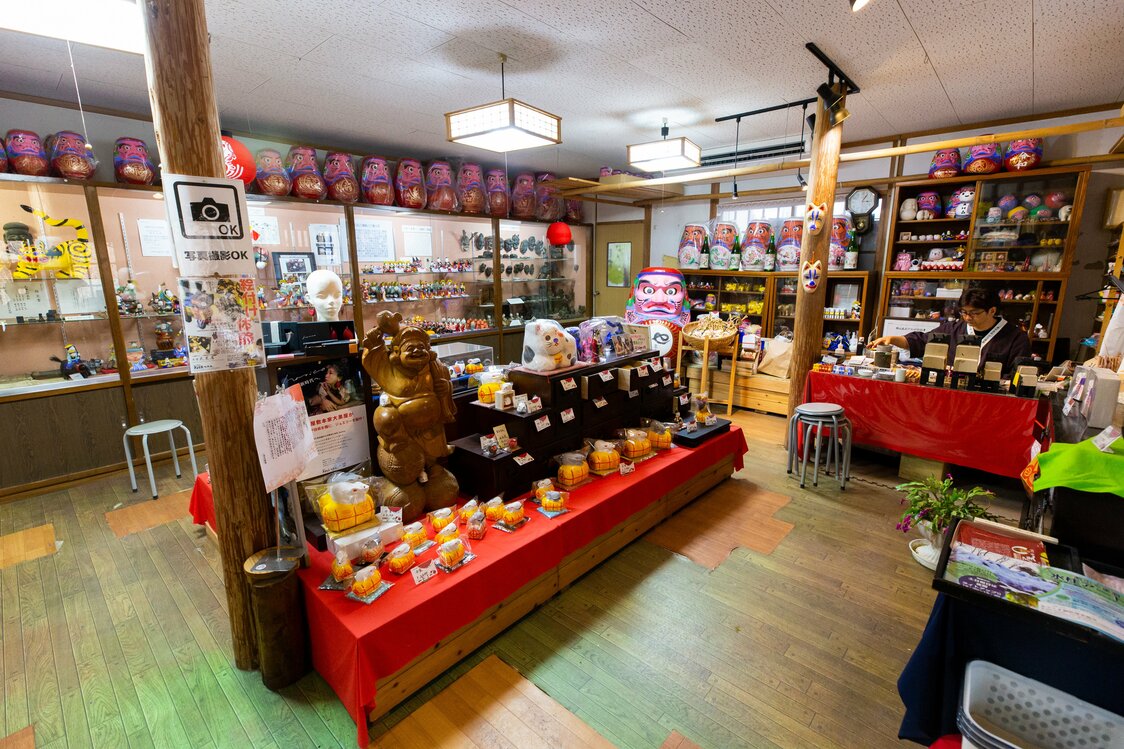
Hashimoto’s creations are on display at the Honke Daikokuya atelier, among a colorful array of hariko figures.
-
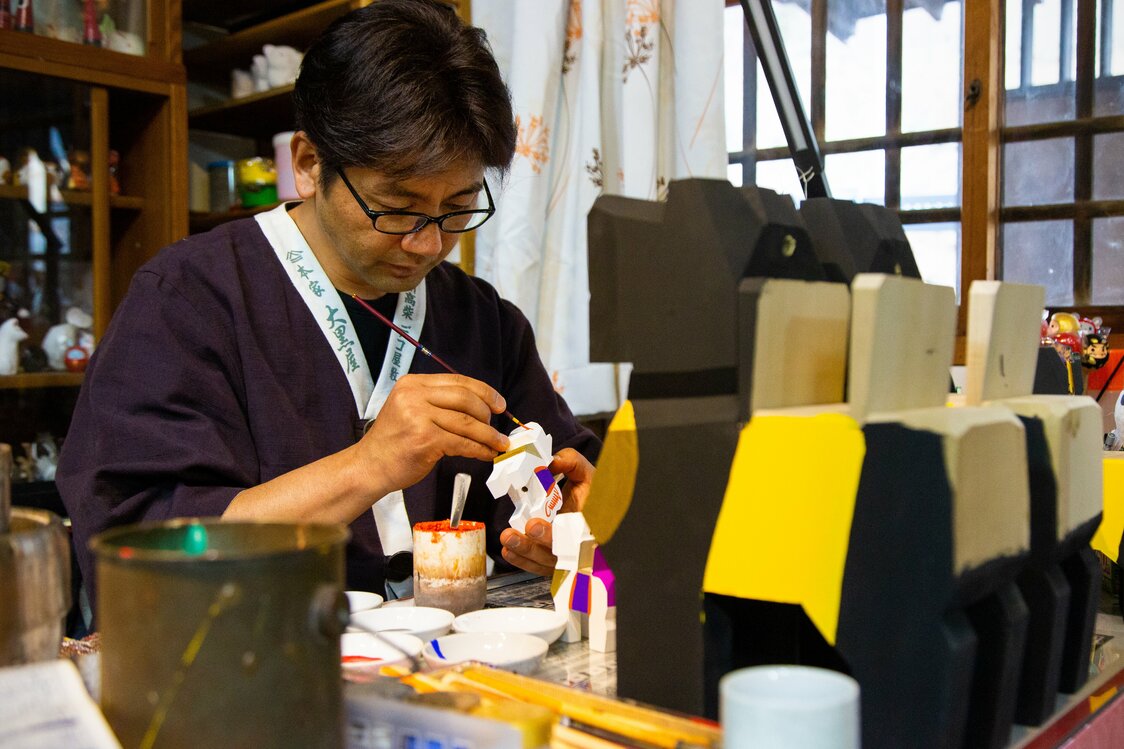
Hashimoto in a corner of his shop, painting a design onto a Miharu-goma figure.
-
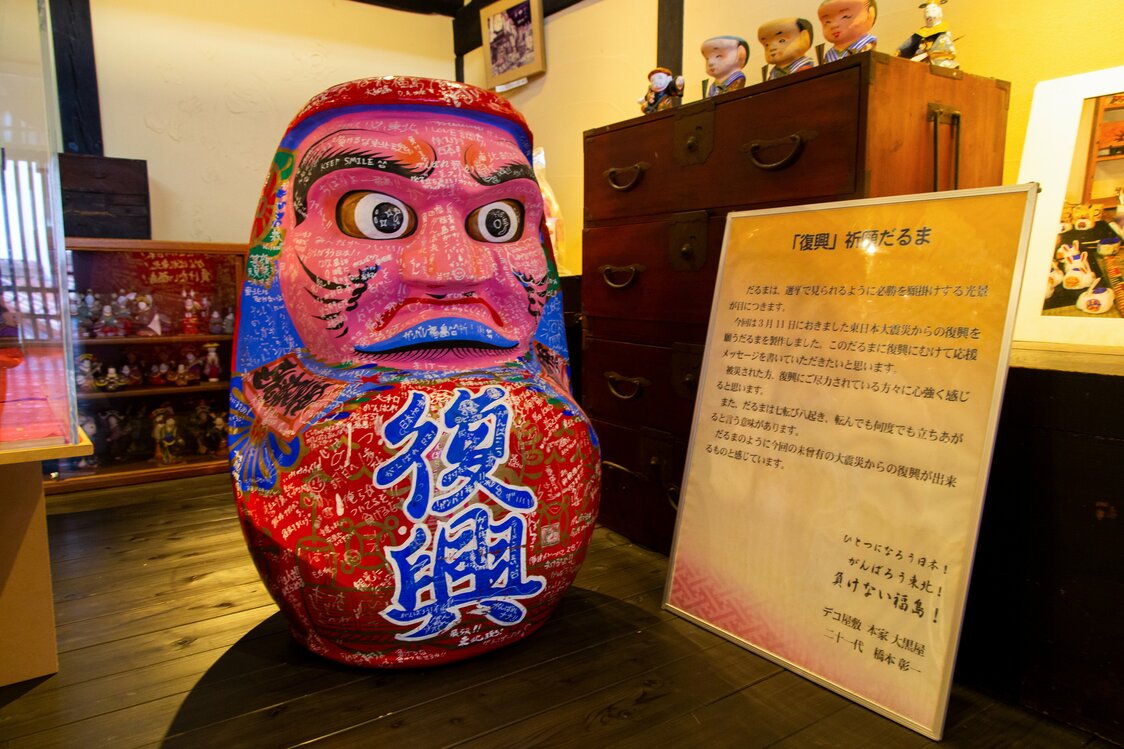
The “Pray for Reconstruction” daruma, covered in messages praying for the revival of the devastated Tōhoku region.
-
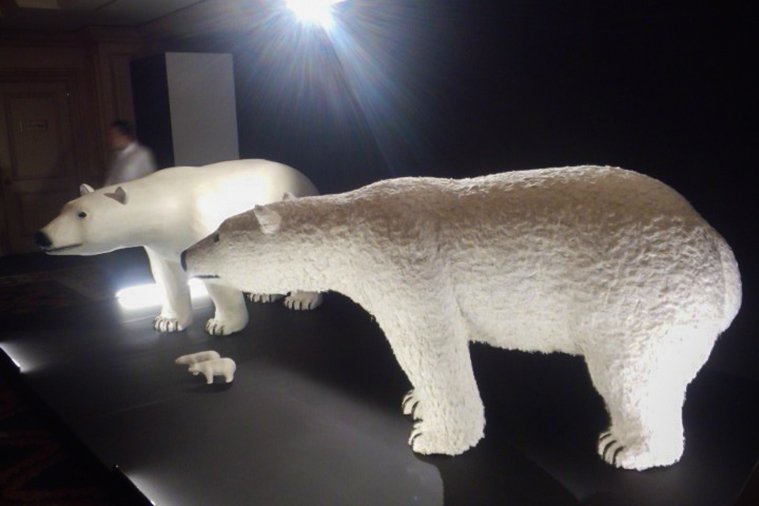
The polar bear hariko exhibited at the Take Action Charity Gala 2011. The washi is feathered to create realistic-looking fur. (Courtesy Hashimoto Shōichi)
-
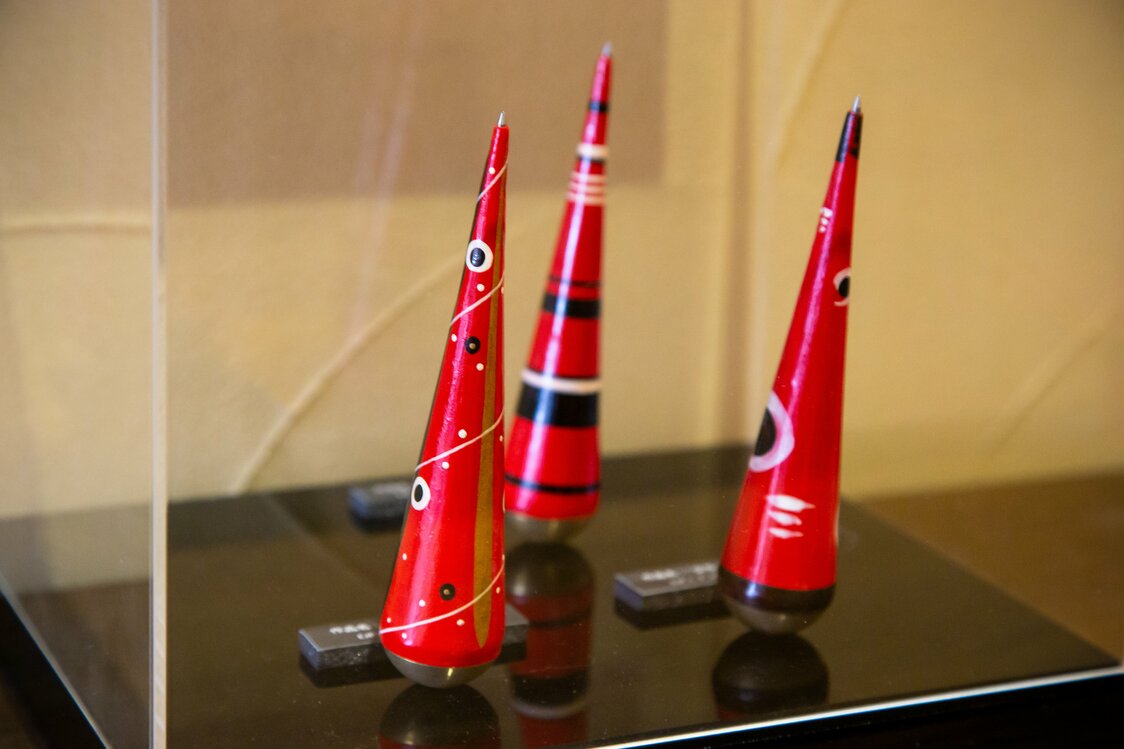
Hashimoto created these folk-design inspired pens, which stand upright when tipped over, in 2013. They feature designs by Harada Masahiro, principal of Mount Fuji Architects Studio.
-
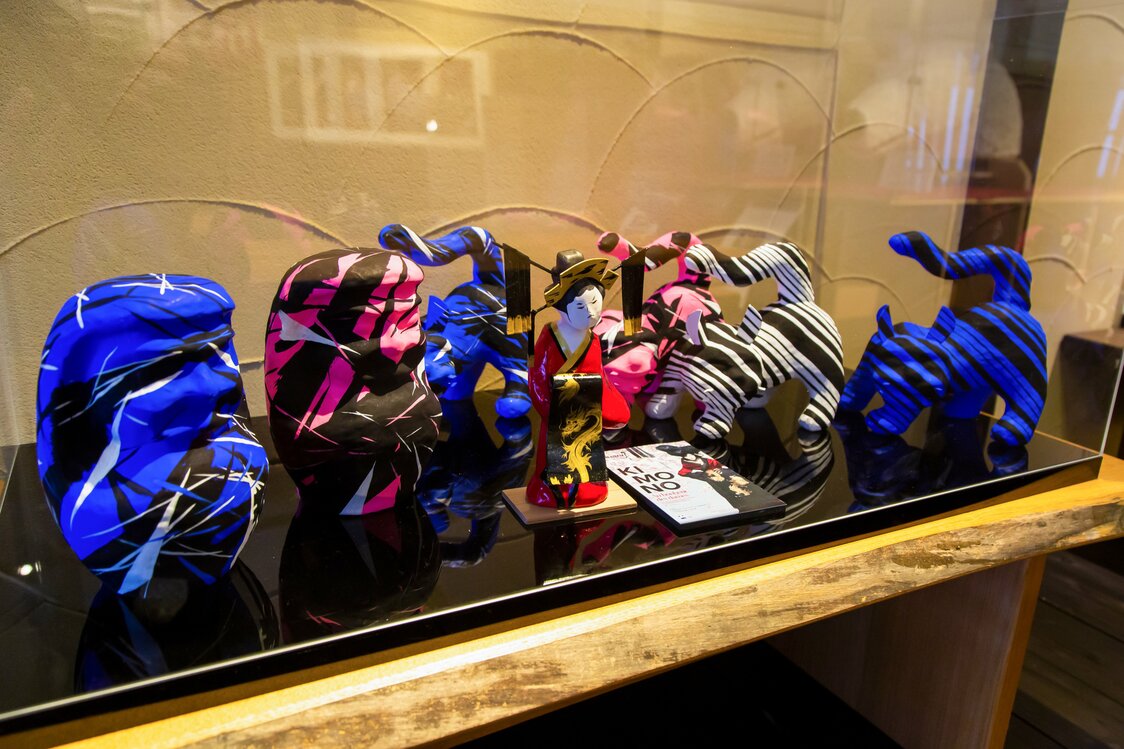
Tiger figures by Koshino Junko sport distinctive zebra stripes.
-
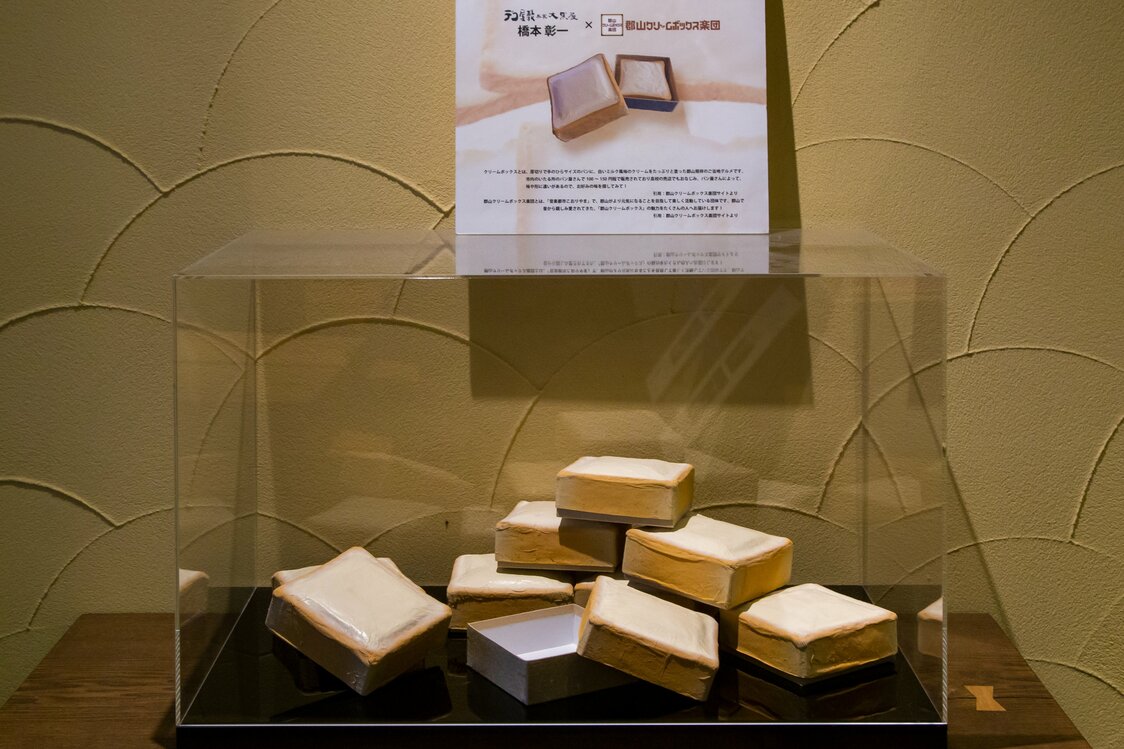
This hariko packaging mimics the original Cream Box, a popular local bread-based treat with a creamy filling.
-
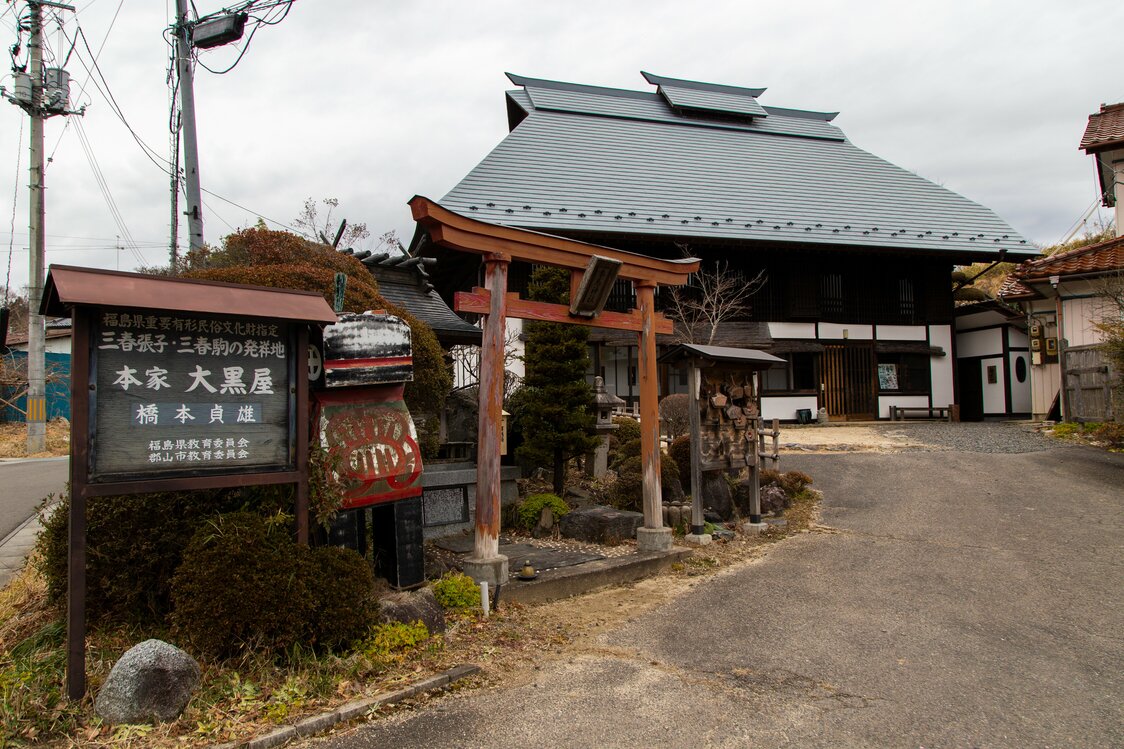
The Honke Daikokuya building is used for hands-on painting sessions by large groups. But fewer school groups come through nowadays, so the building is not used as often as before.
-
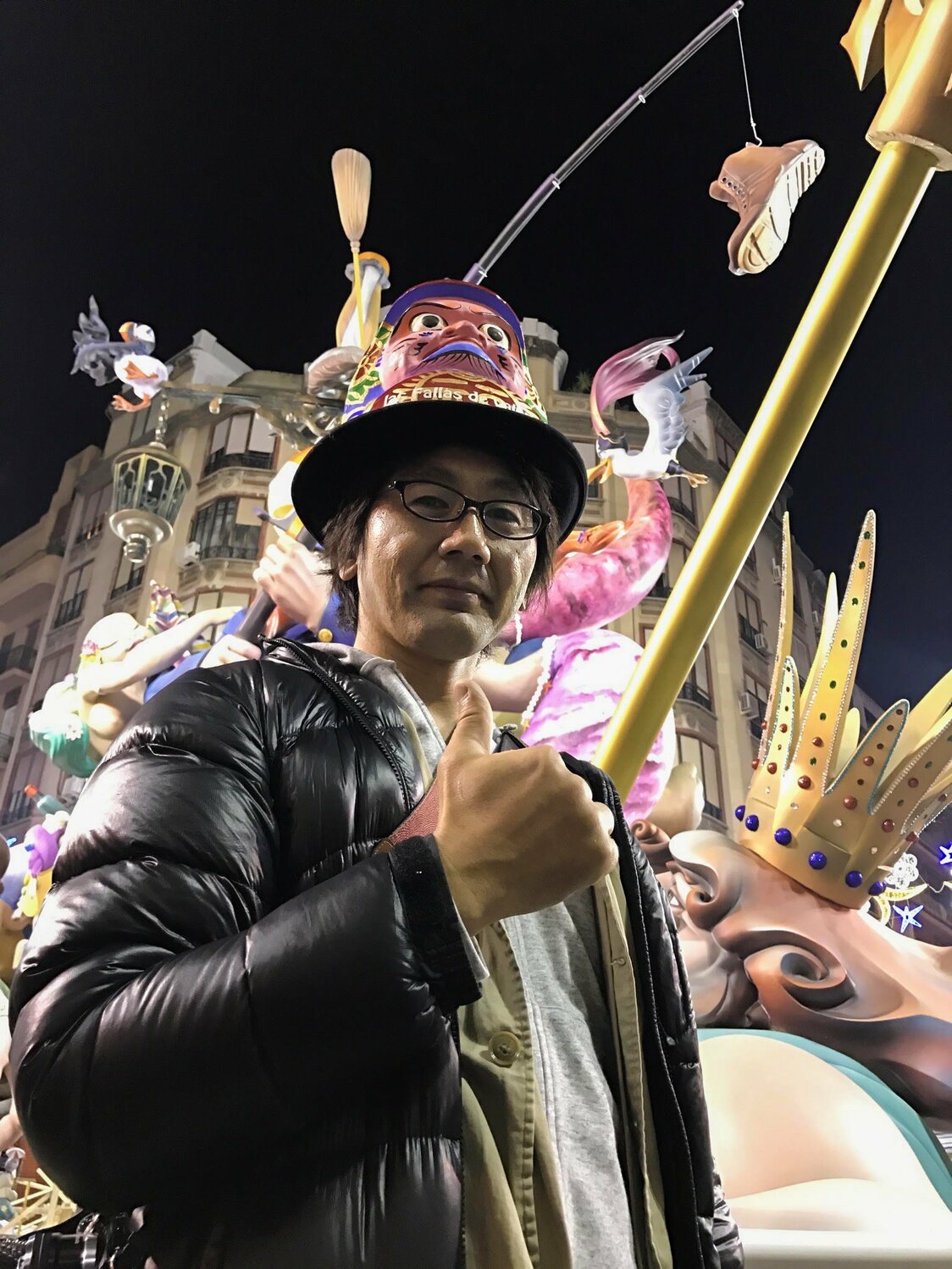
Hashimoto at the Fallas festival, wearing a Miharu-hariko hat. (Courtesy of Hashimoto Shōichi)
-


 Read in other languages