-
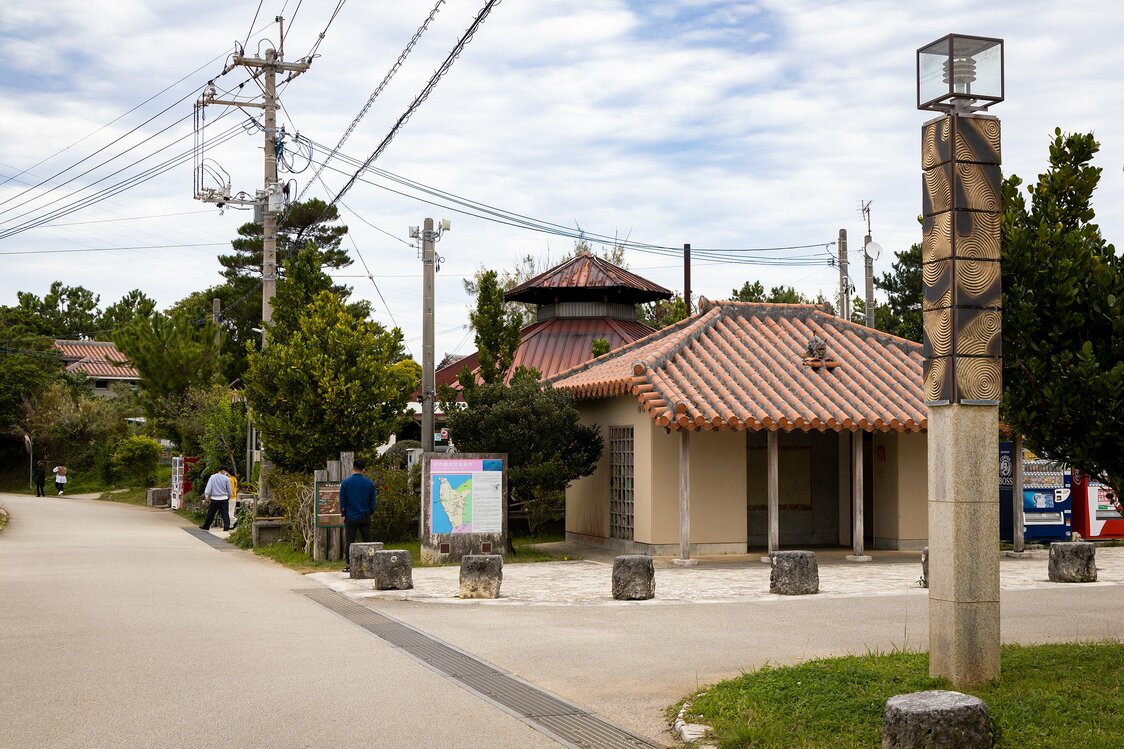
Yomitan has plentiful clay, water, and firewood, all essential for making ceramics.
-
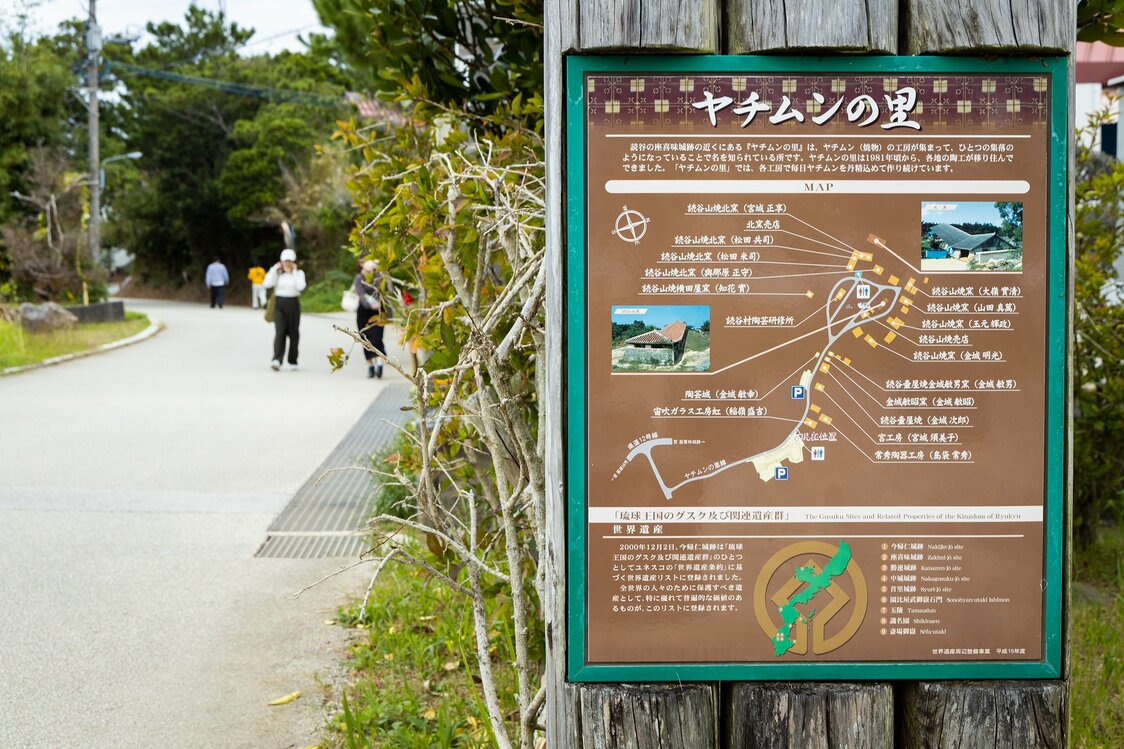
A map showing the various studios and other attractions. Visitors walking at a brisk pace can tour the village in about an hour and a half.
-

The Yomitanzan-yaki cooperative shop is in the center of the village. In the background is the ascending red-tiled roof of the “climbing kiln.”
-
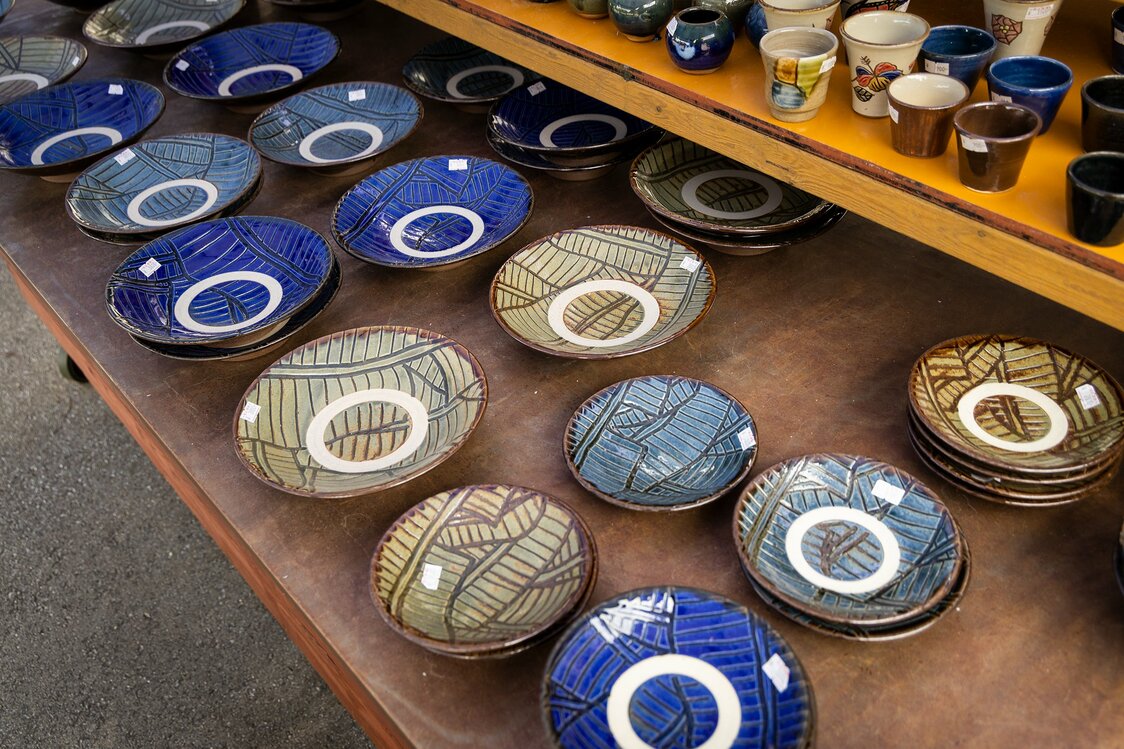
Okinawa’s yachimun often feature a white ring in the center. As plates are stacked for firing, the foot of the vessels on top wears away the glaze, creating an accent to the pattern.
-
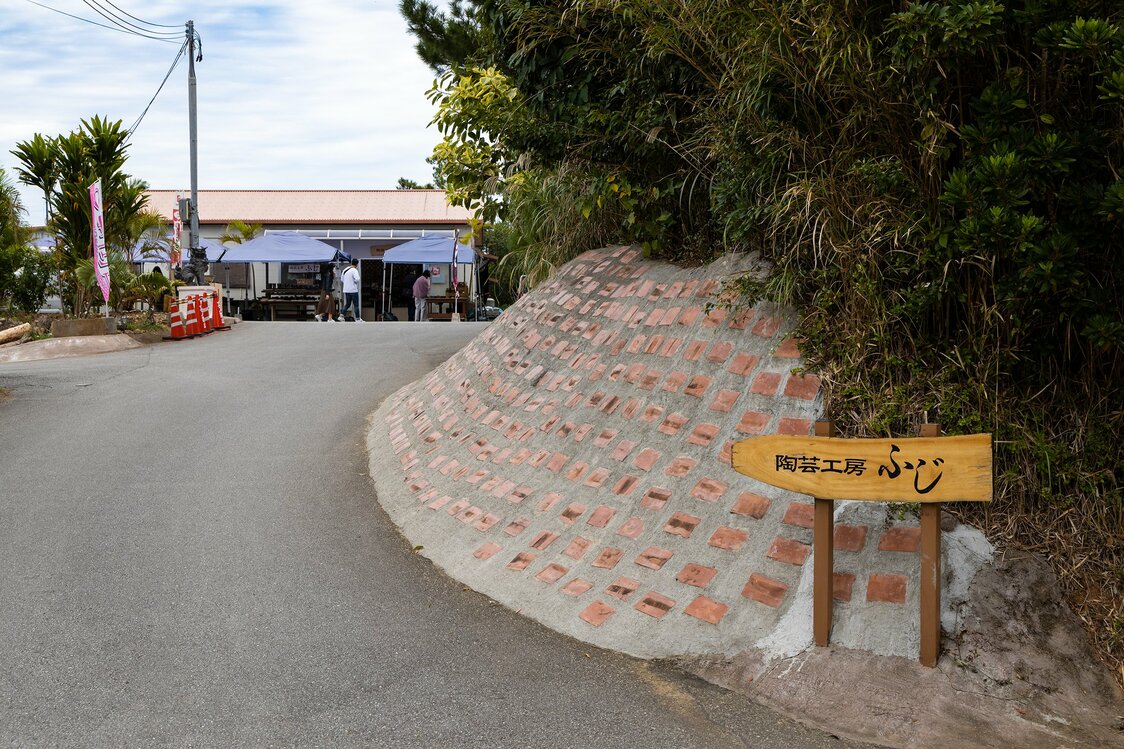
Some Yachimun no Sato studios are operated by relatives of Kinjō, including the gallery Tōgei Kōbō Fuji run by Fujioka Kanako, a granddaughter of the famed potter.
-
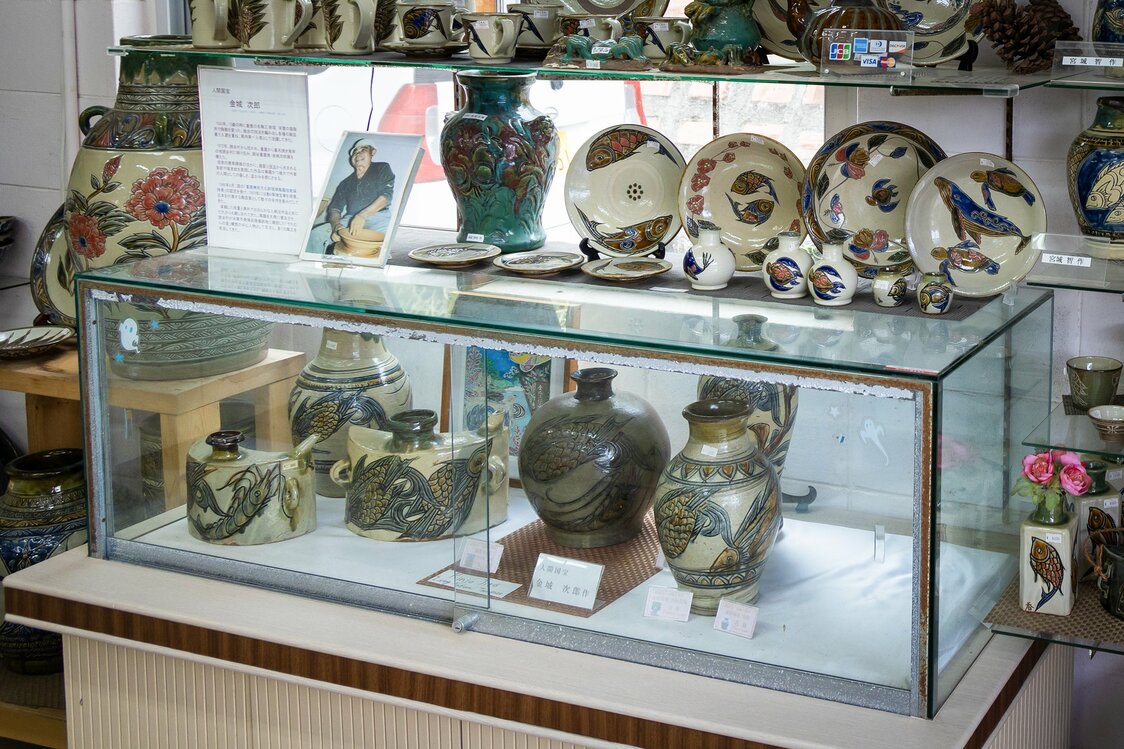
Works by Kinjō on display at Tōgei Kōbō Fuji.
-
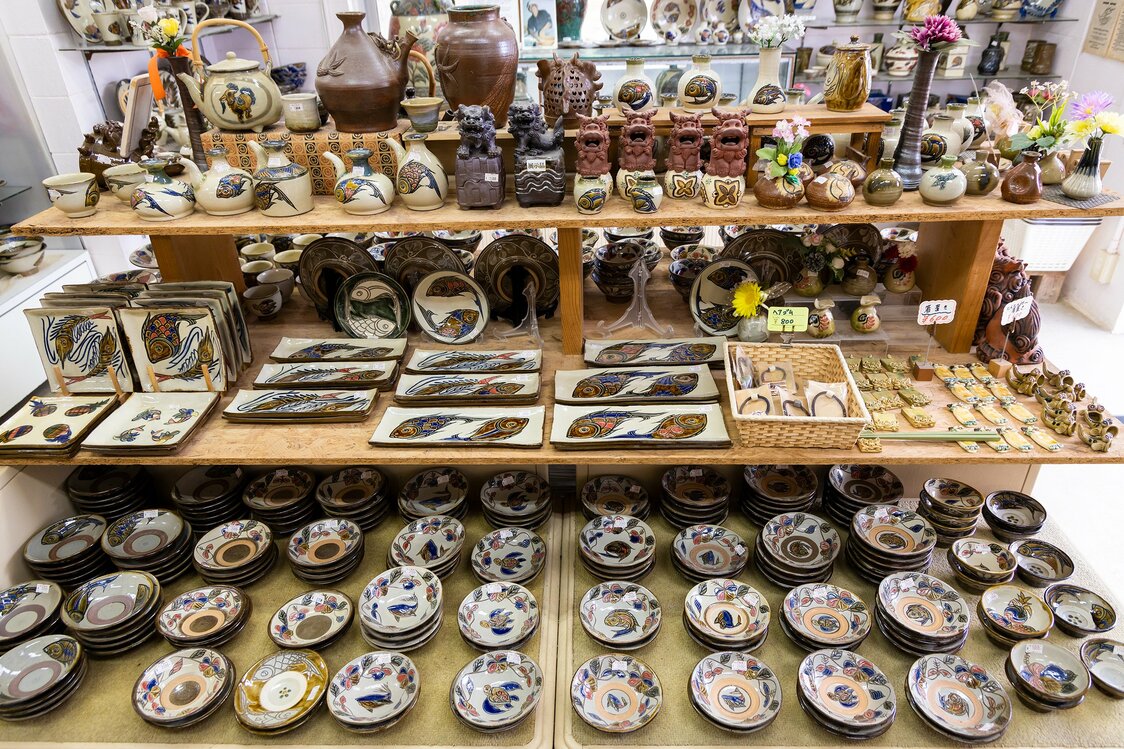
Plates with fish motifs, which Kinjō excelled at making, form an eye-catching display. Shīsā in all shapes and sizes are also for sale.
-
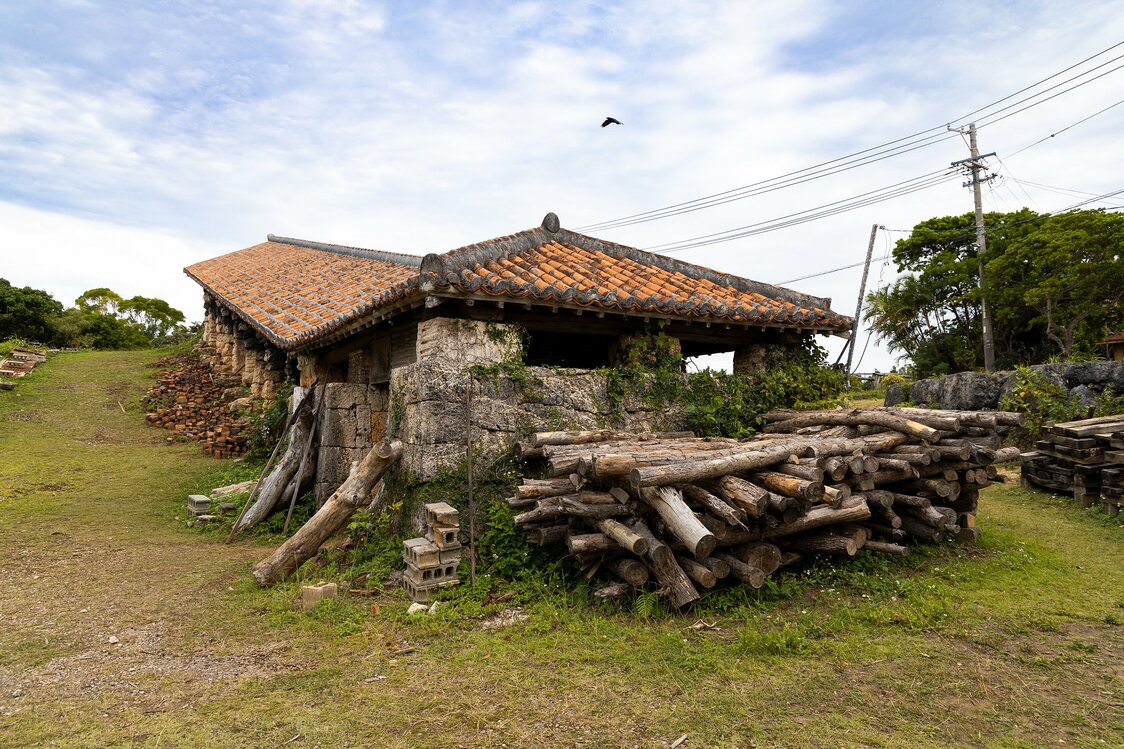
The Yomitanzan-yaki cooperative kiln is topped by a traditional red-tile roof. The kiln is at the center of the village and is near several pottery studios.
-
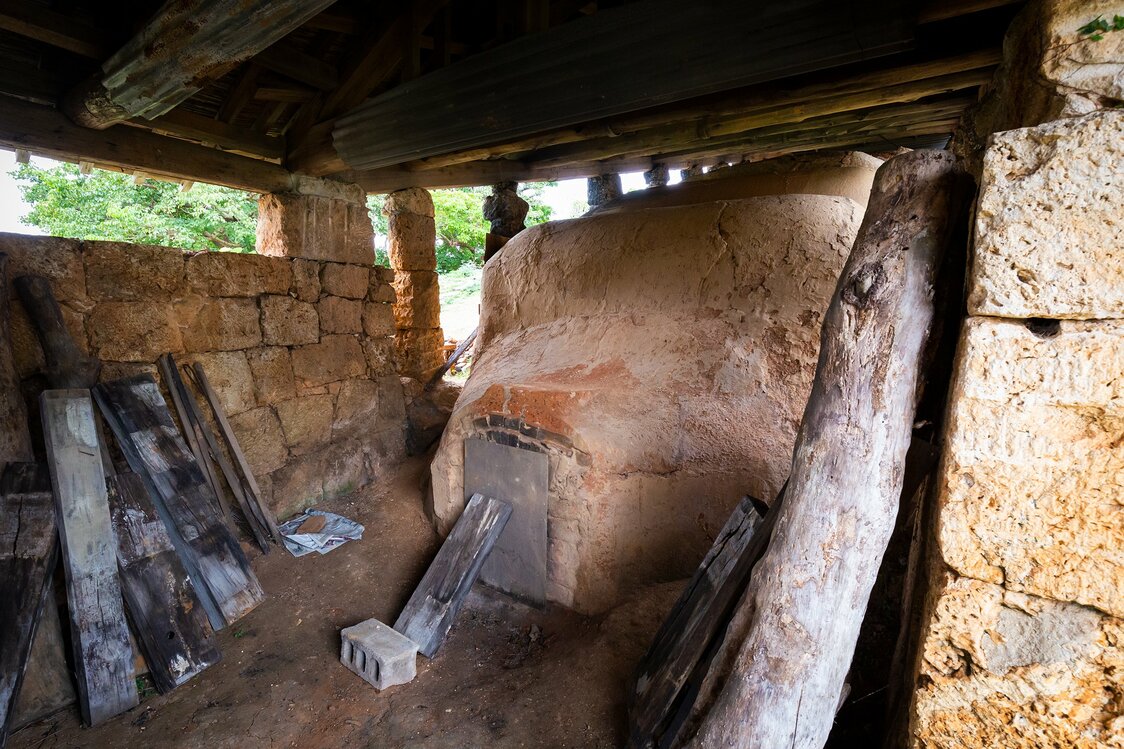
The heat from firewood fed from the stoke hole in the bottommost chamber of the kiln travels upward to fire the pots and plates inside.
-
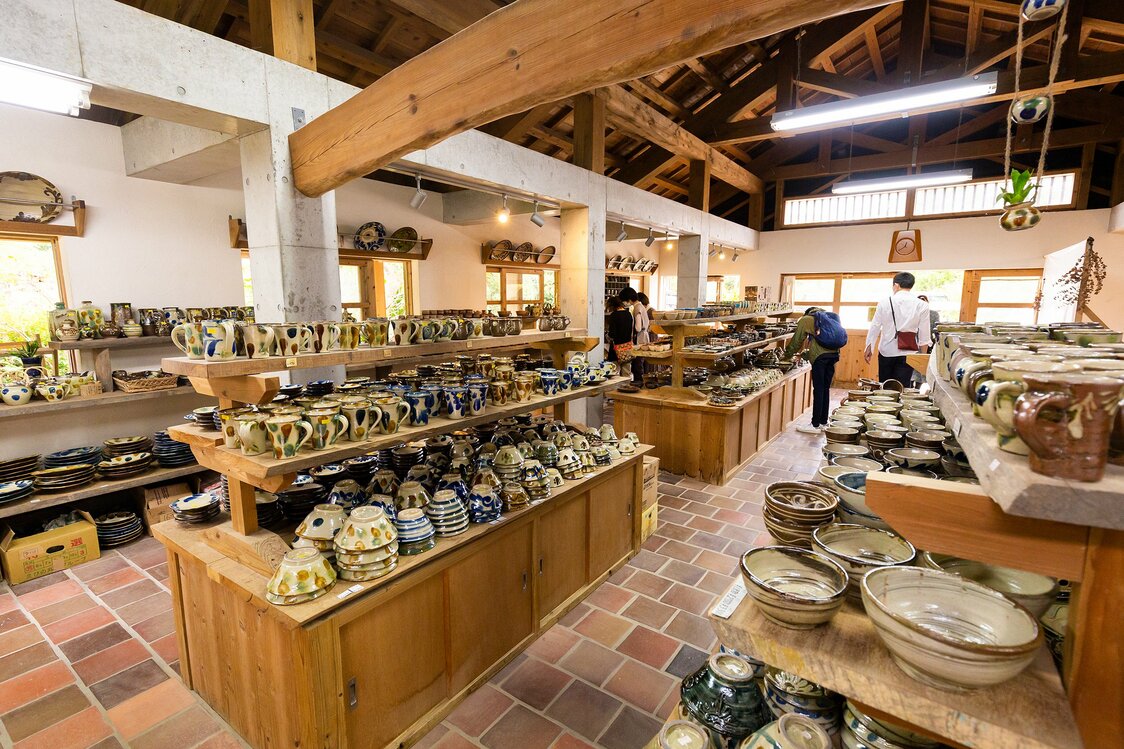
The north kiln cooperative shop brims with ceramicware of all types.
-
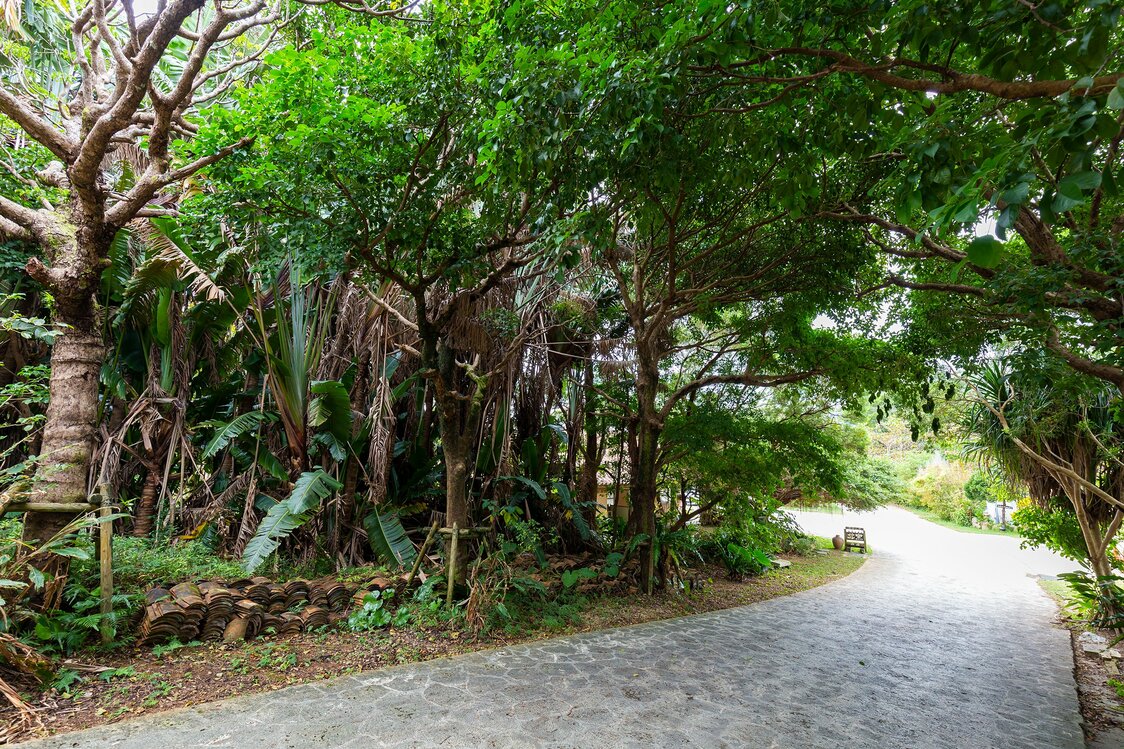
A tree-lined path winds through the village.


 Read in other languages