-
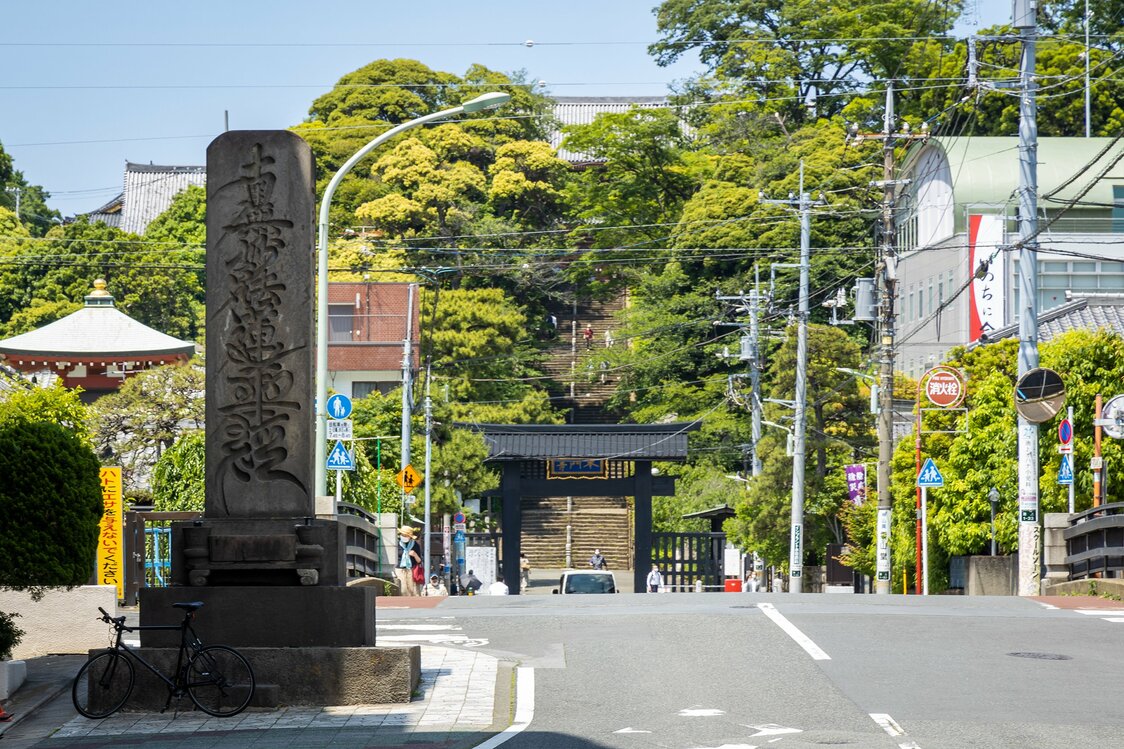
The temple buildings are visible from Ryōzen Bridge, which spans the Nomi River. A stone pillar engraved with the words Namu Myōhō Renge Kyō stands at the site.
-
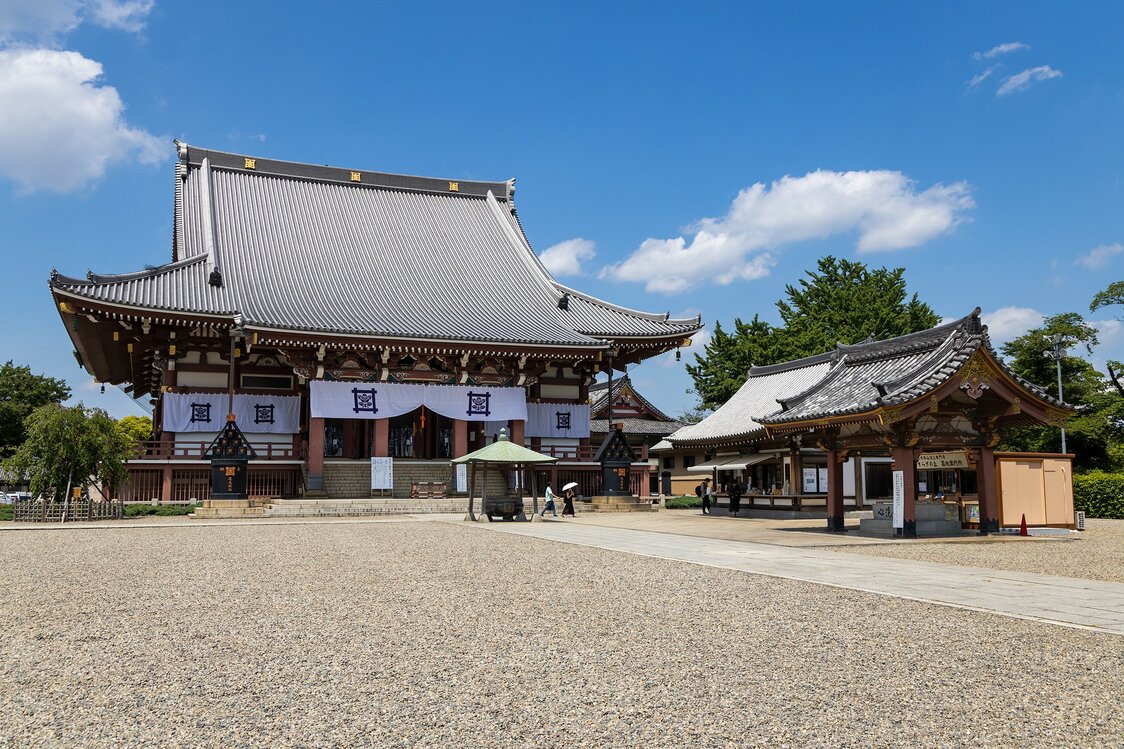
The Daidō, reconstructed in 1964, houses a seated figure of Nichiren that is designated an important cultural asset.
-
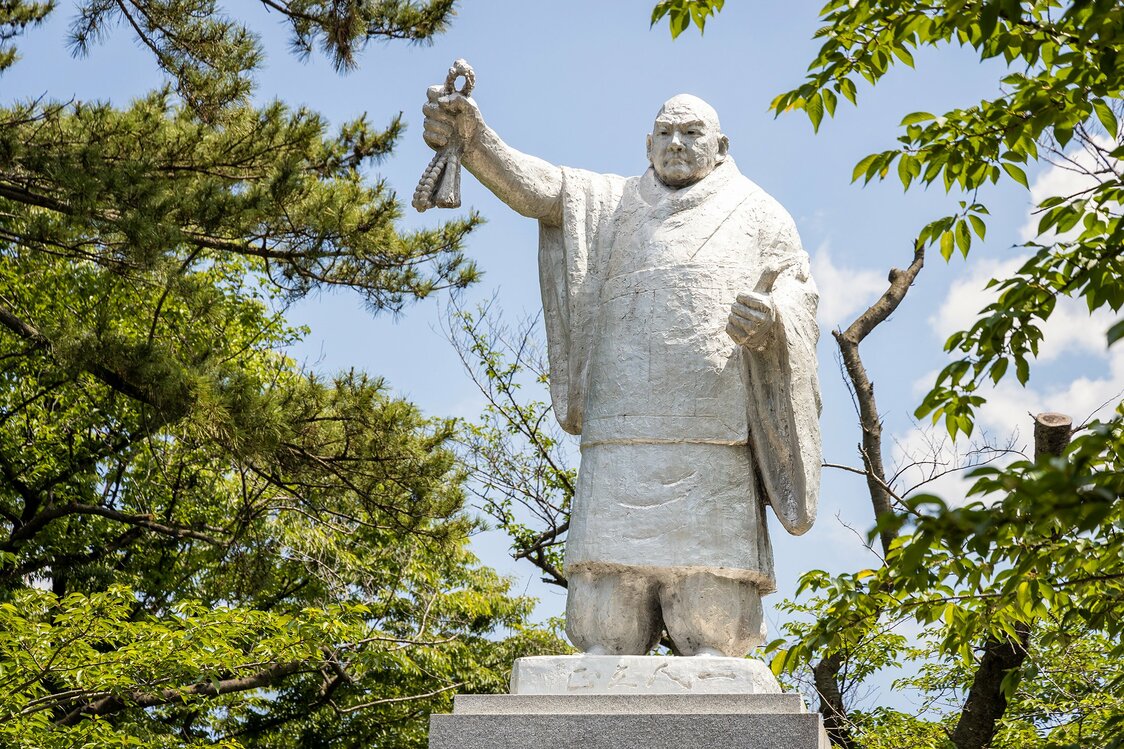
A statue of Nichiren stands in front of the Niōmon.
-
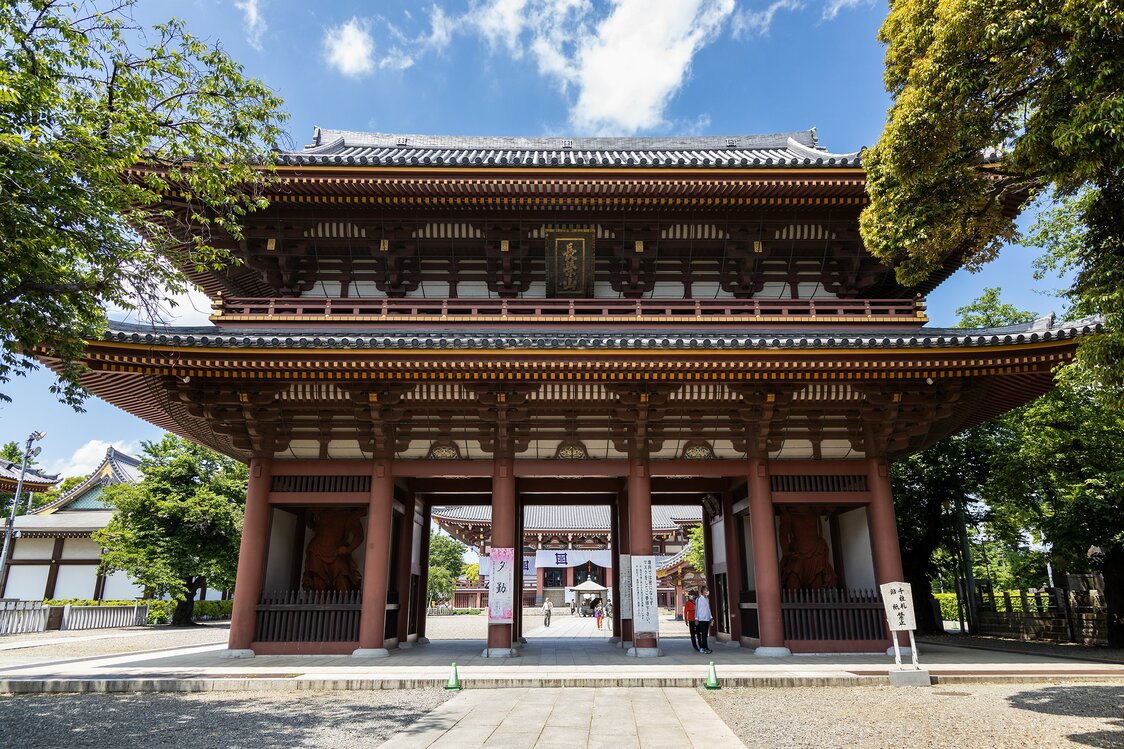
The Niōmon gate was rebuilt in 1977.
-
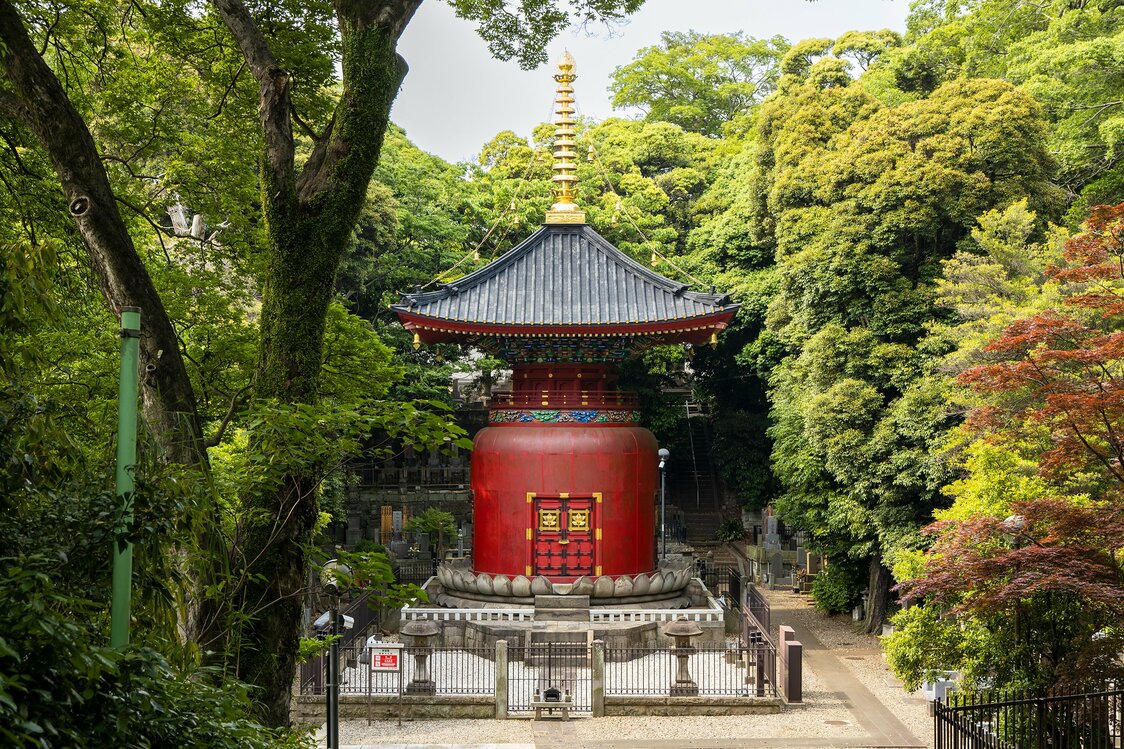
The two-story pagoda, an important cultural property, was erected in 1828 on the site of Nichiren’s cremation.
-
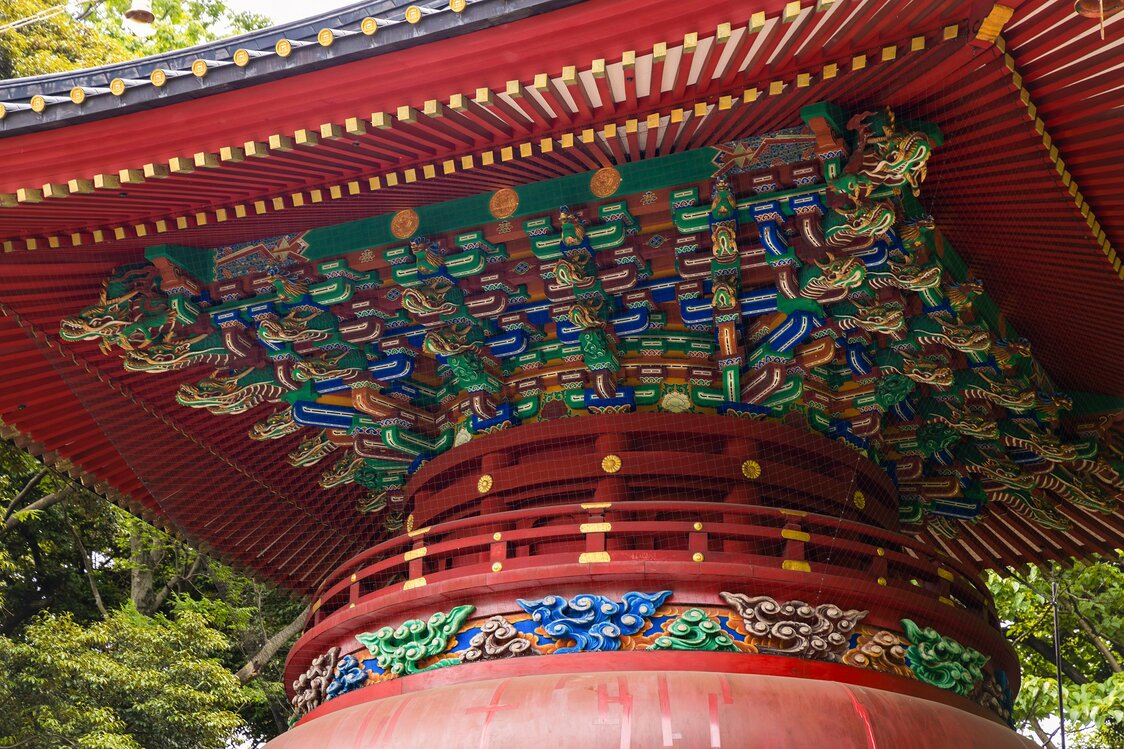
The two-story pagoda’s brilliantly colored ornamentation brings to mind the architectural style of the Nikkō Tōshōgū in Tochigi Prefecture.
-
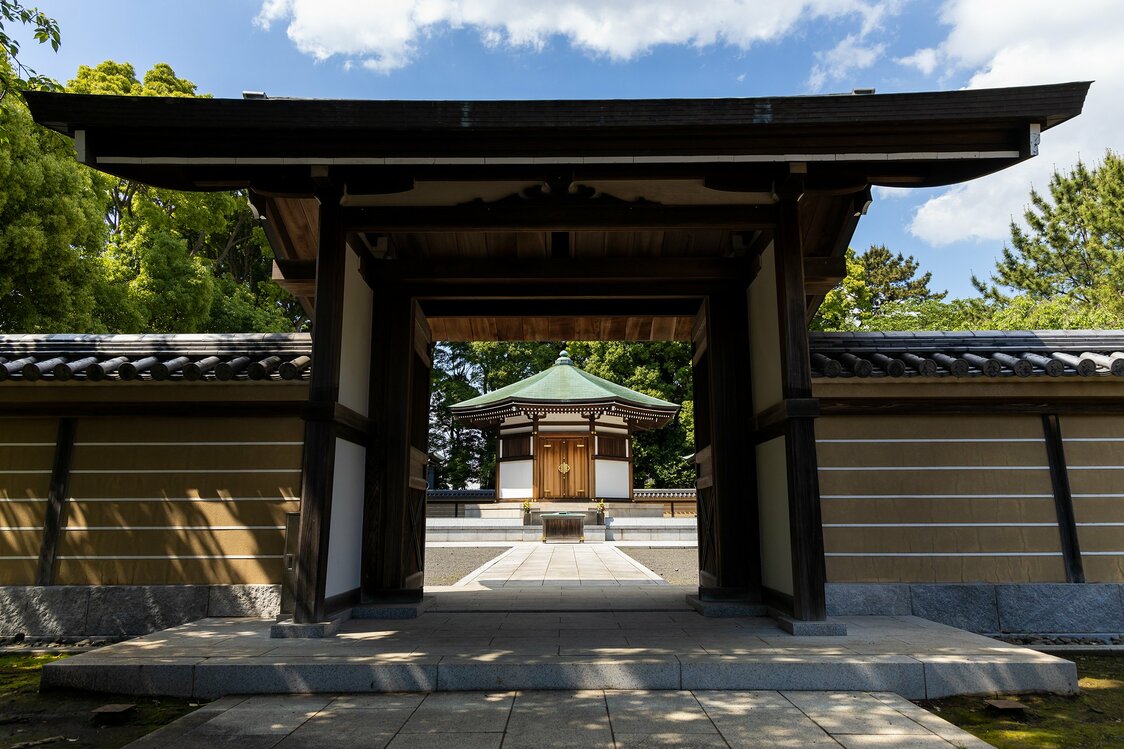
The Hakkakudō holds Nichiren’s cremated remains.
-
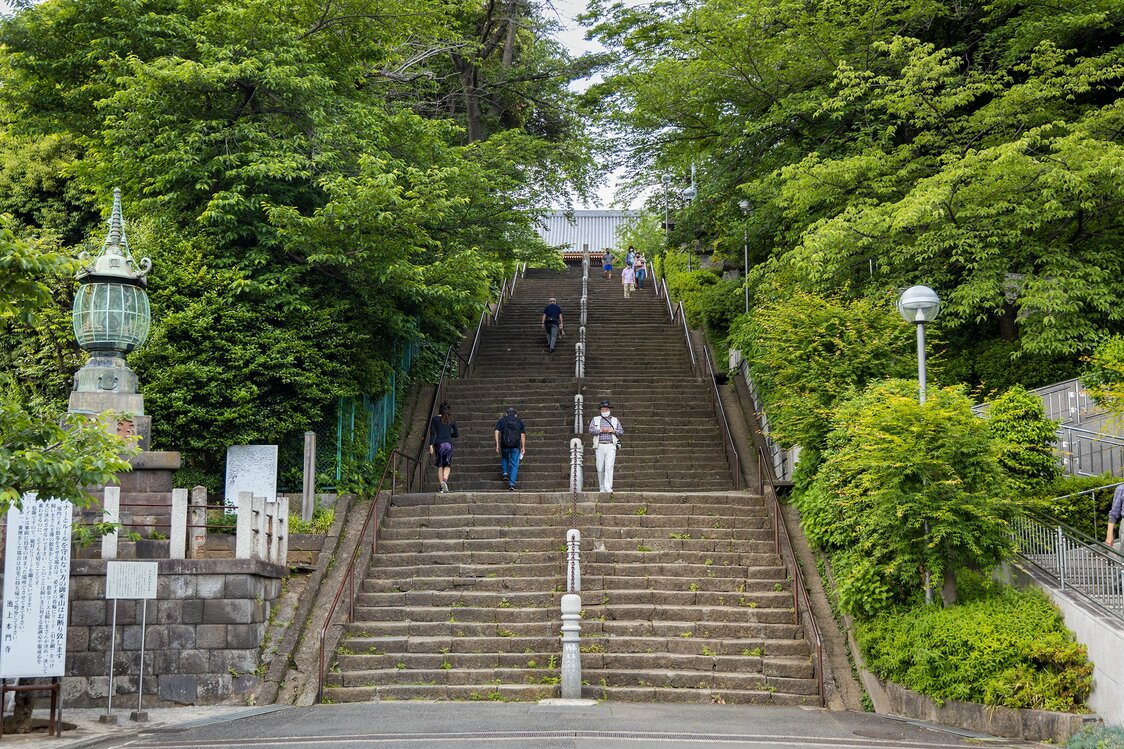
The 96-step stone stairway was built by Katō Kiyomasa.
-
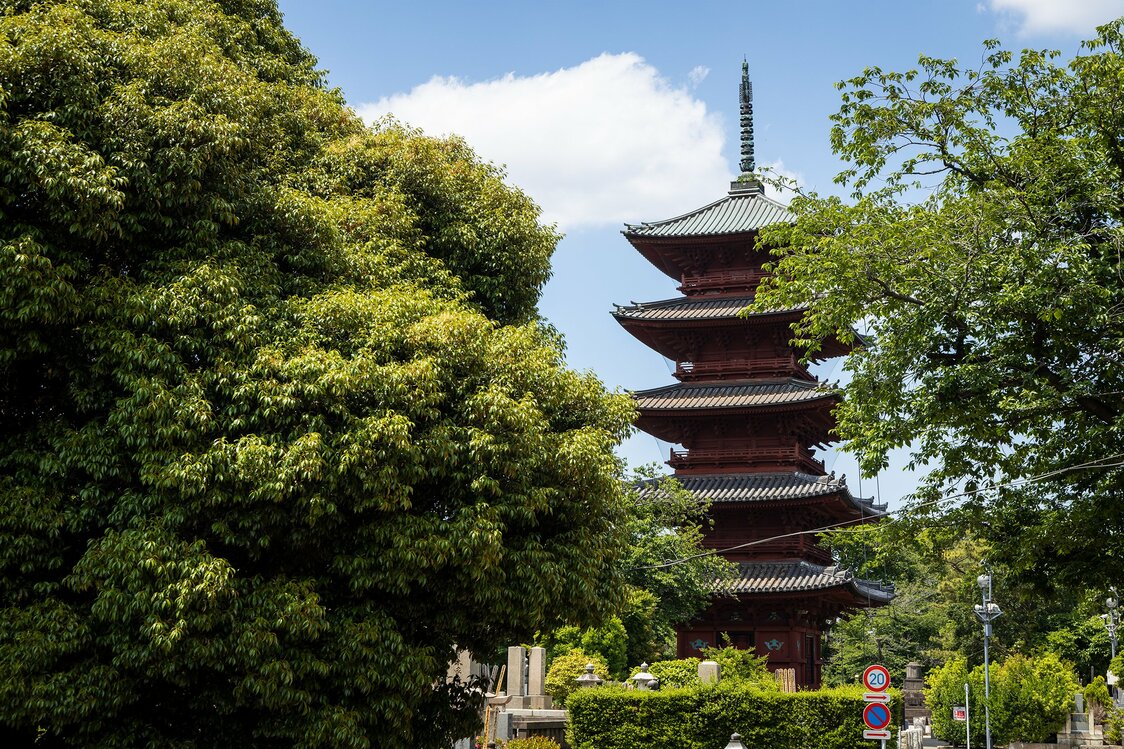
The pagoda was erected at the wish of shōgun Tokugawa Hidetada’s wet nurse Okabe no Tsubone.
-
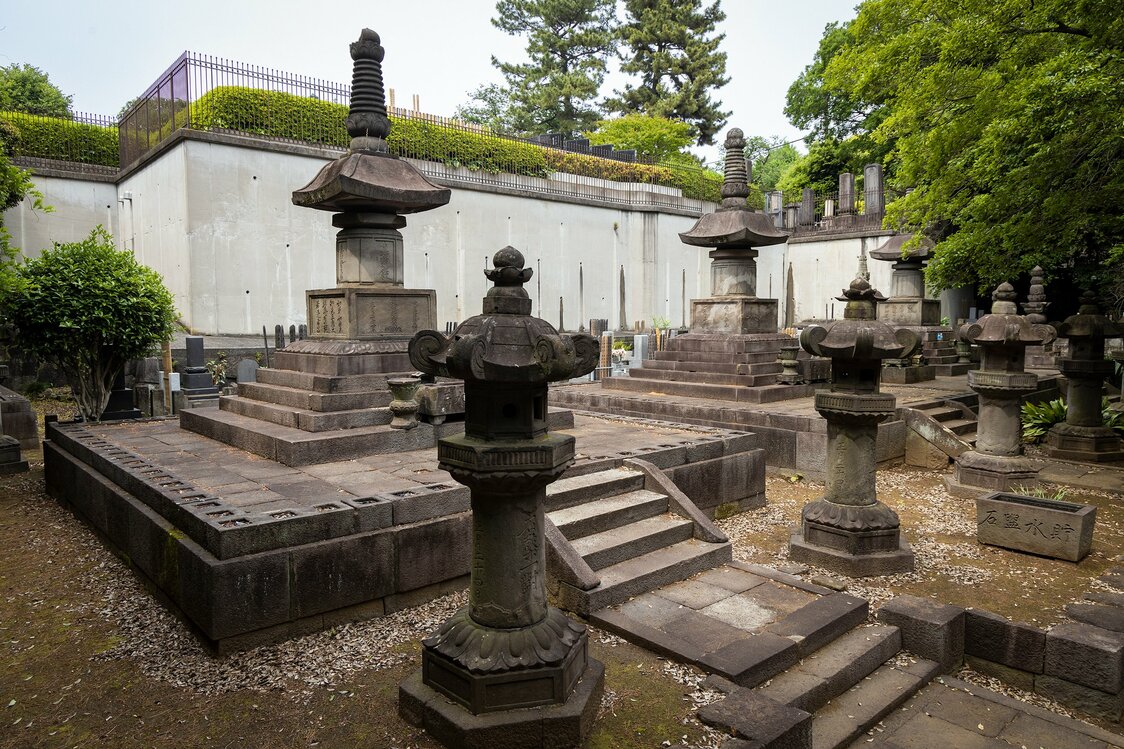
The site is the final resting place for many women of the Kishū branch of the Tokugawa family, including Oman no Kata, the concubine of first shōgun Tokugawa Ieyasu.
-
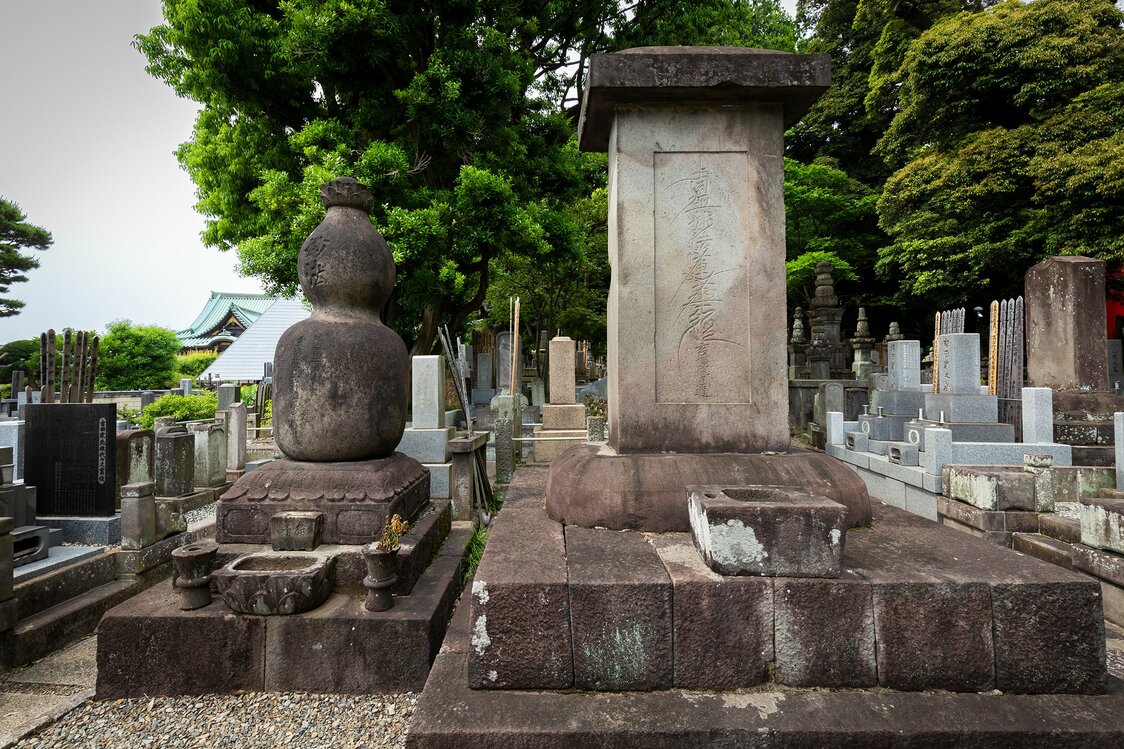
The grave of Kanō Tan’yū, who moved from Kyoto to Tokyo and was the official painter to the shogunate.
-
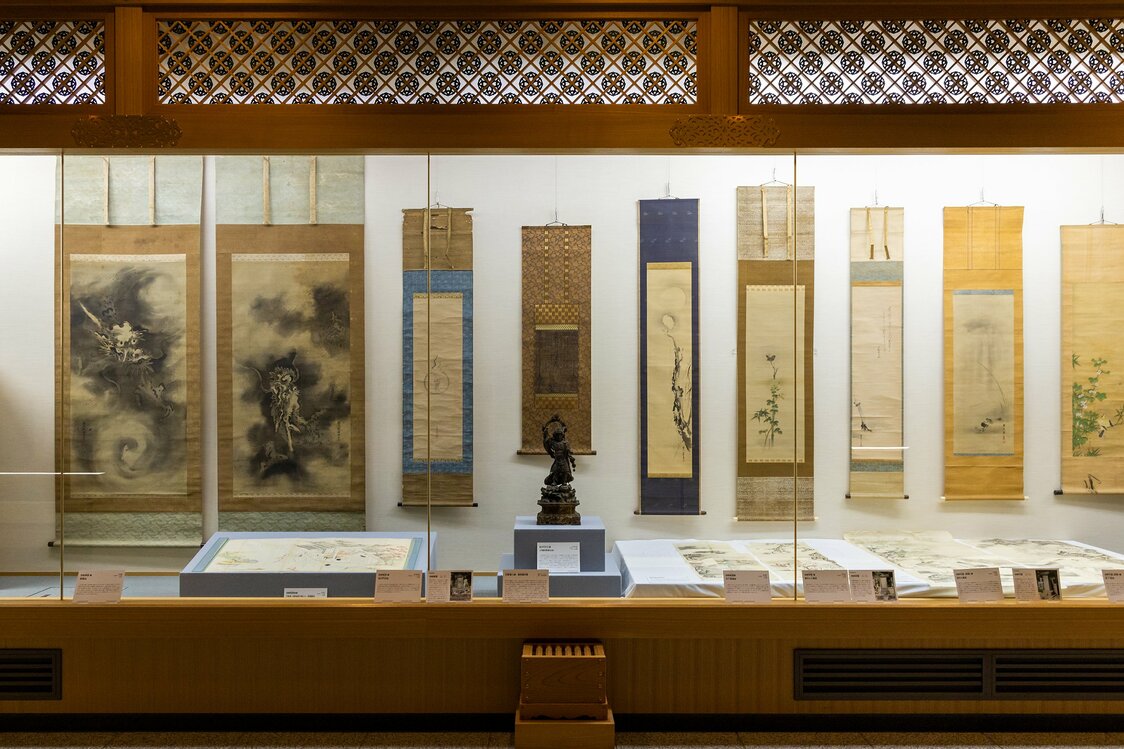
Works by Kanō school painters on display at the Reihōden.
-
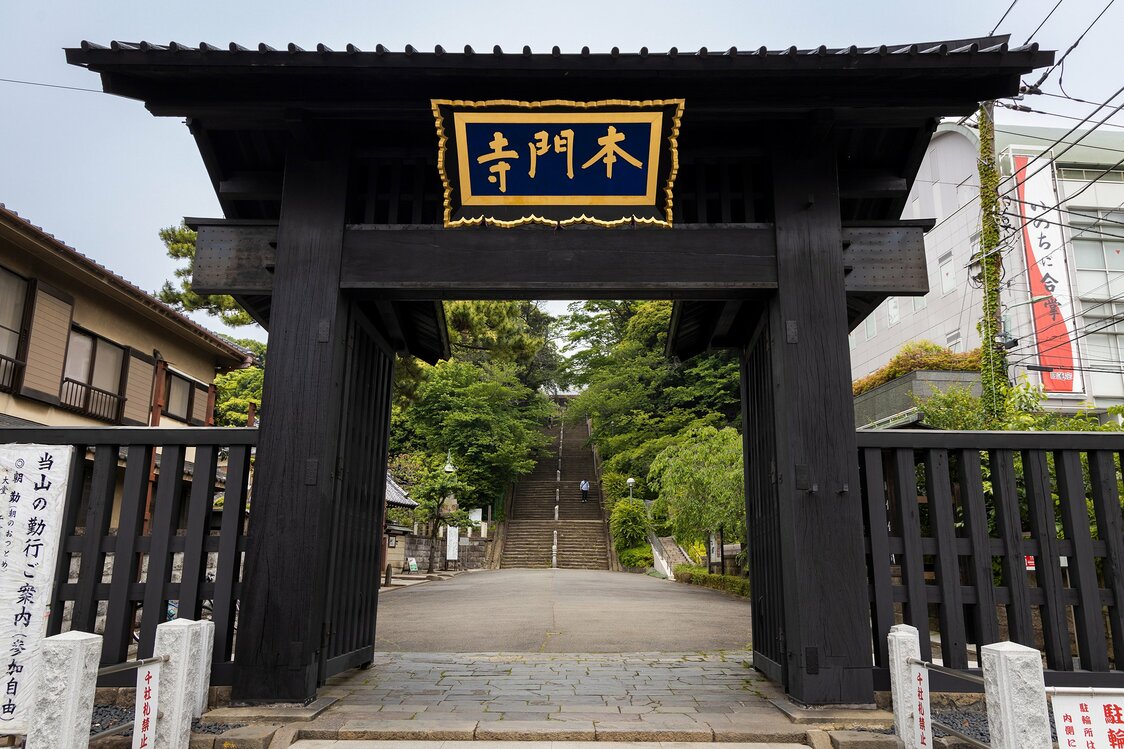
The main gate to the temple was erected during the Genroku period (1688–1709). The 1627 calligraphy by Kōetsu predates it.
-
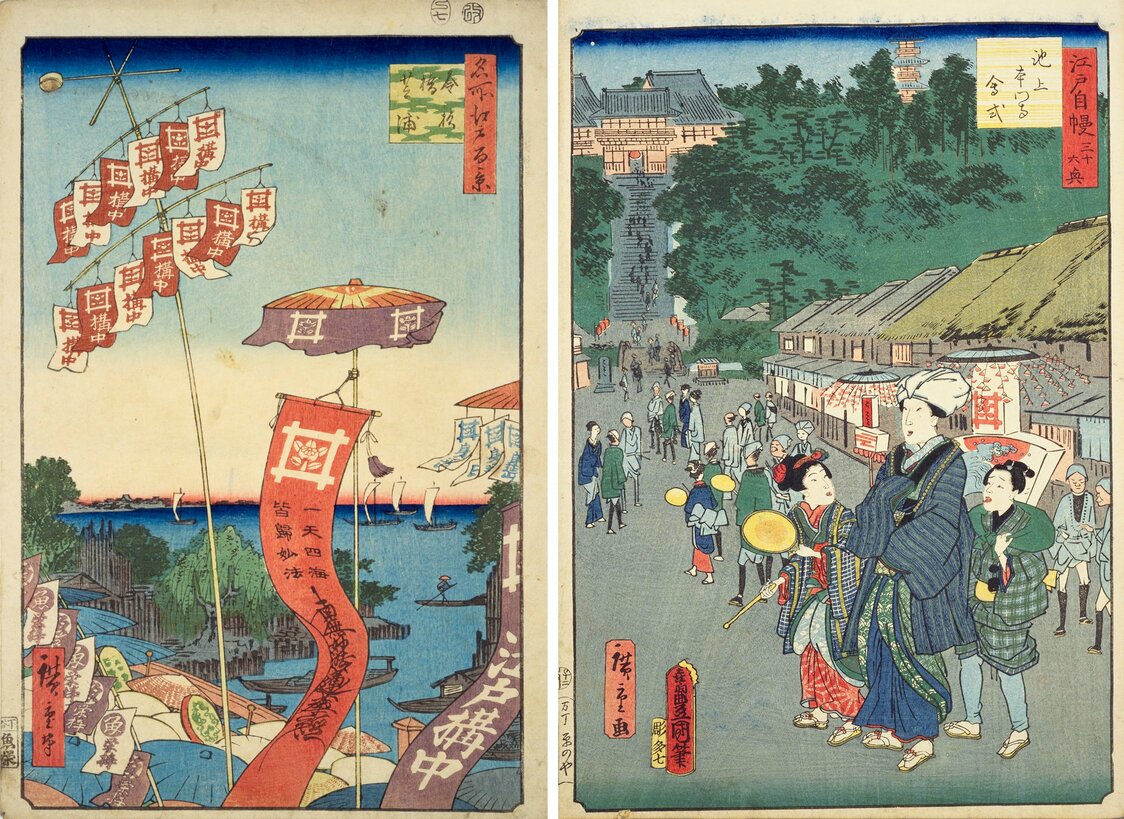
On the left, “Kanasugibashi Shibaura,” a woodblock print dating from 1857 in the One Hundred Famous Views of Edo series by Hiroshige, depicts a crowd heading for o-eshiki. On the right, “O-eshiki at Honmonji,” part of the Thirty-six Scenes of Edo, printed in 1864. Hiroshige II (1826–1869) drew the background and Utagawa Kunisada (1786–1864) provided the human figures. (Property of the National Diet Library)
-
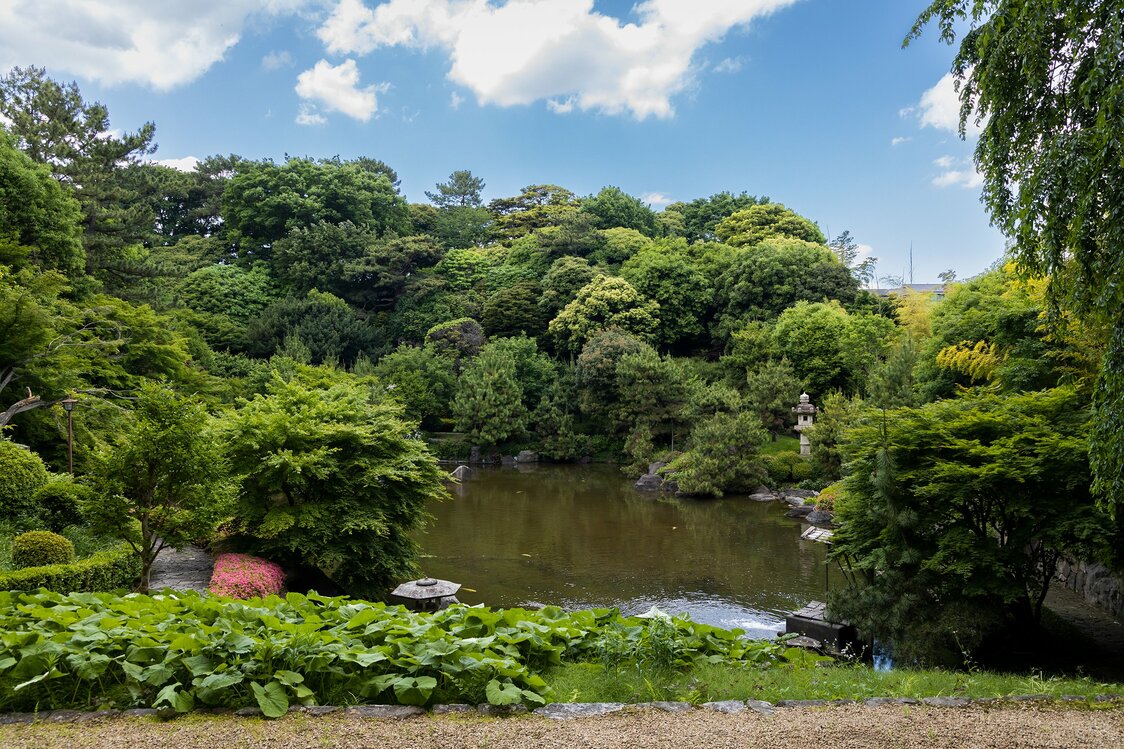
The Shōtōen is open to the public only at certain times of the year. Saigō and Katsu conferred under the pergola visible across the water.
-
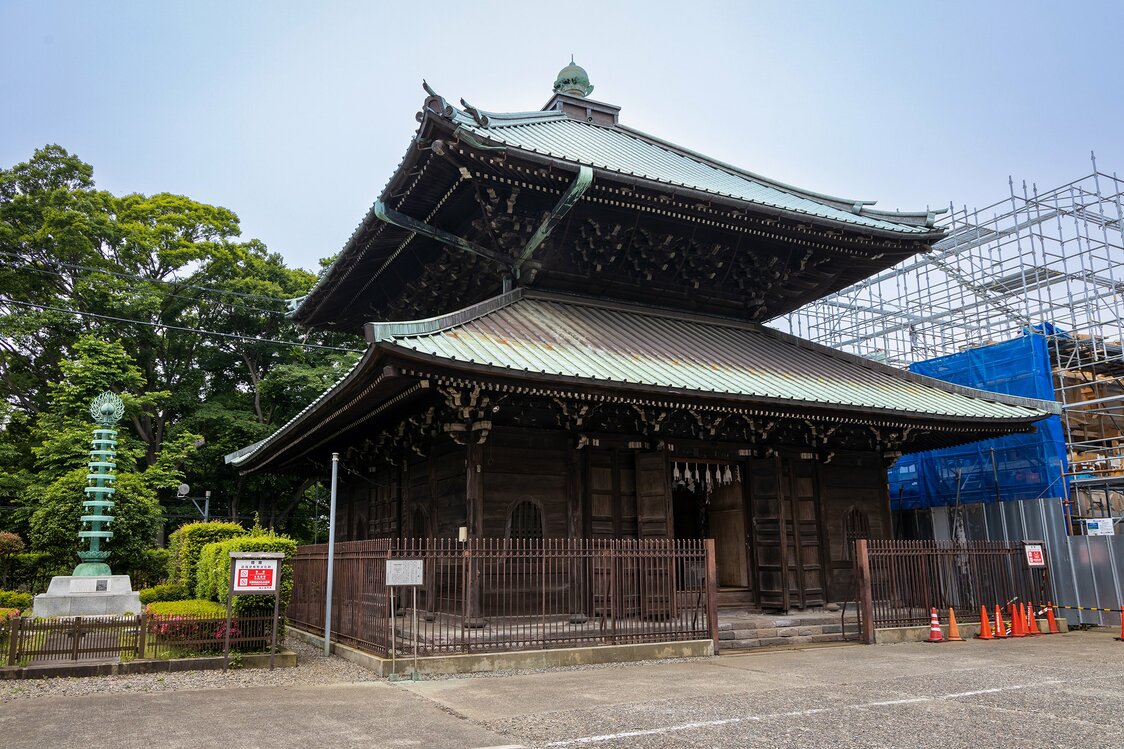
The sutra repository, reconstructed in 1784, miraculously survived wartime fire bombings.
-
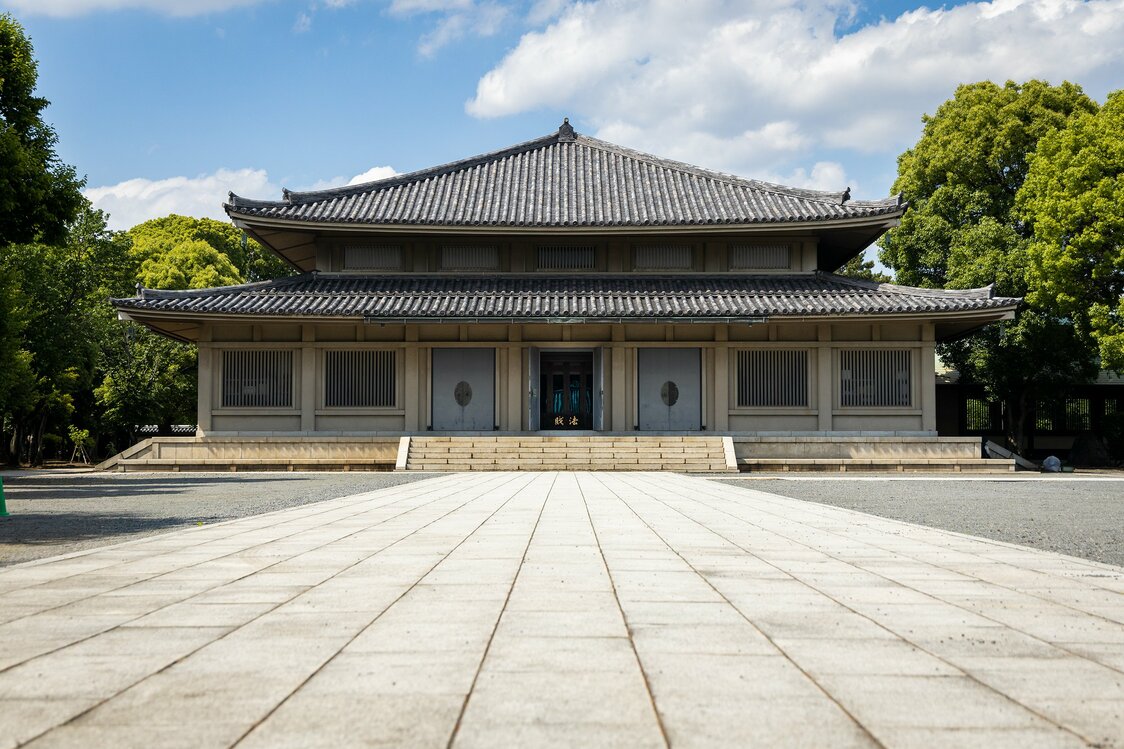
The Shakaden main hall was built in 1969.
-
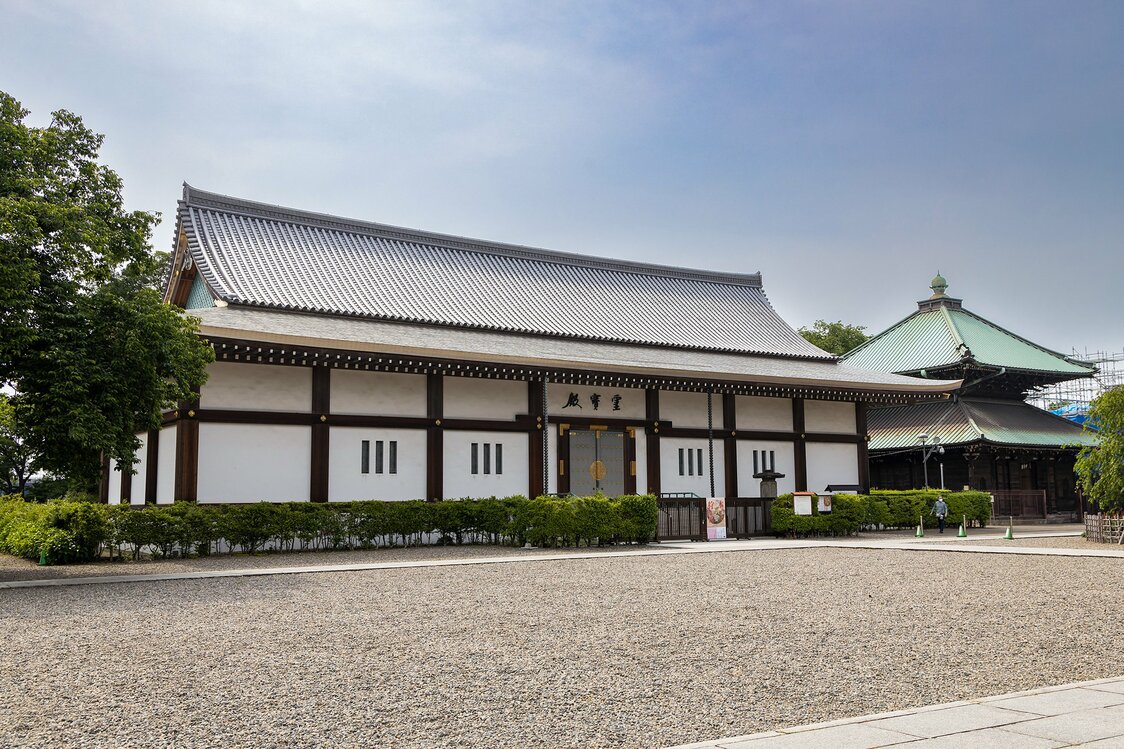
The Reihōden, which opened in 2003, exhibits valuable artifacts belonging to the temple.


 Read in other languages