-
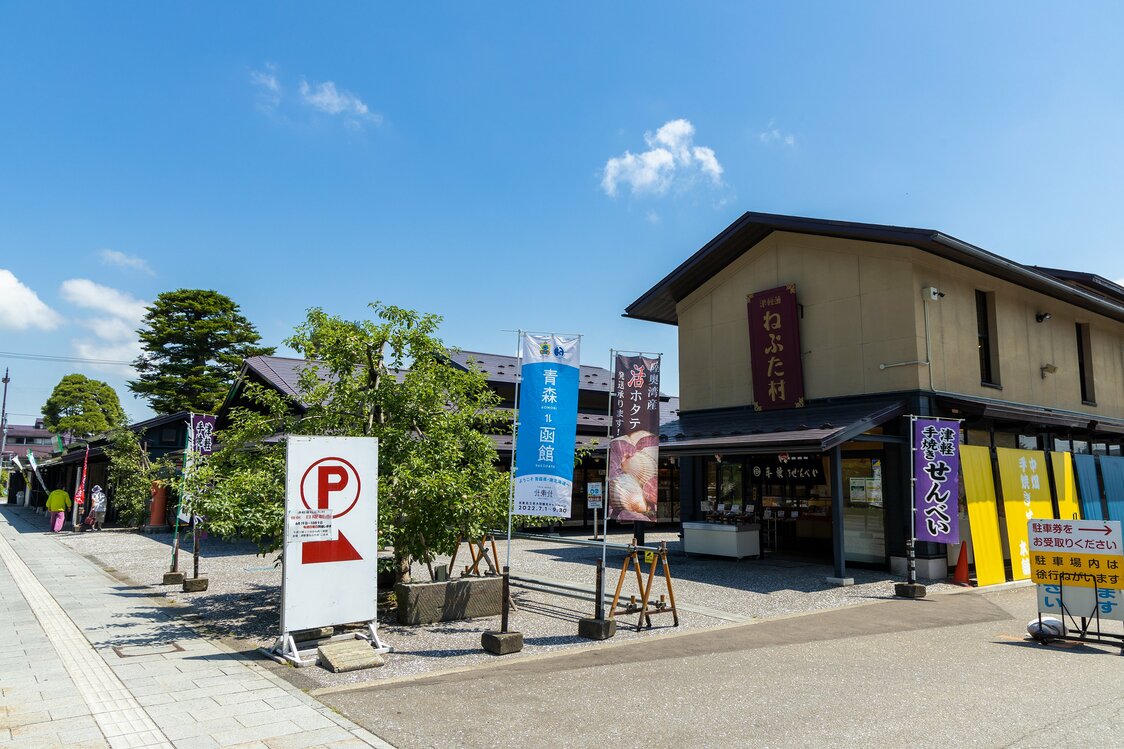
The Tsugaru-han Neputa Village includes free- and paid-admission areas, a souvenir shop where visitors can purchase locally grown agricultural products, and a restaurant serving regional cuisine.
-
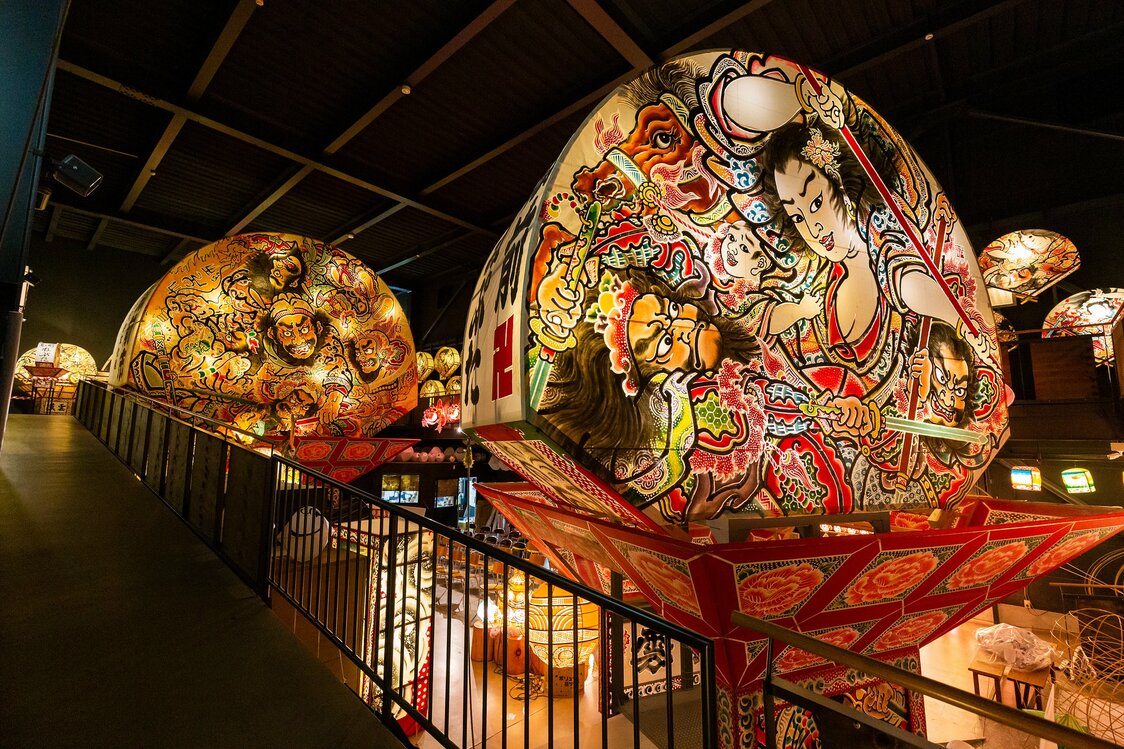
A display of floats from the Neputa Matsuri. The large structures are designed to look like a folding fan that is open.
-
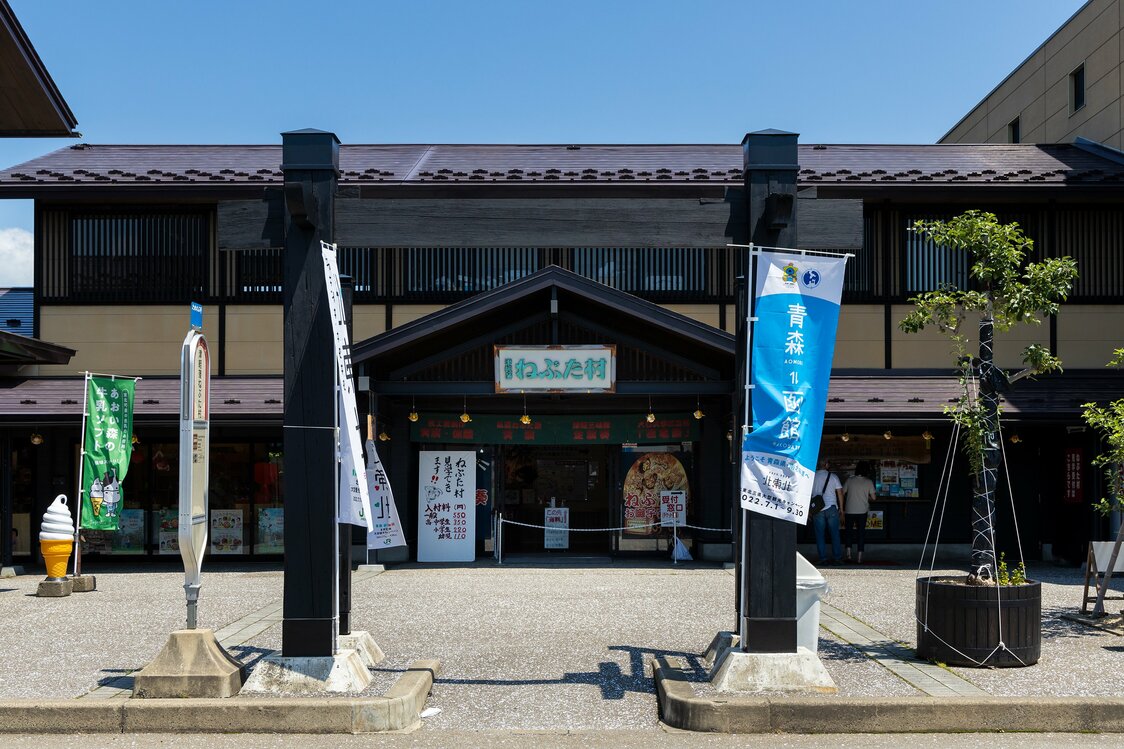
The entrance of the Hirosaki Neputa Hall.
-
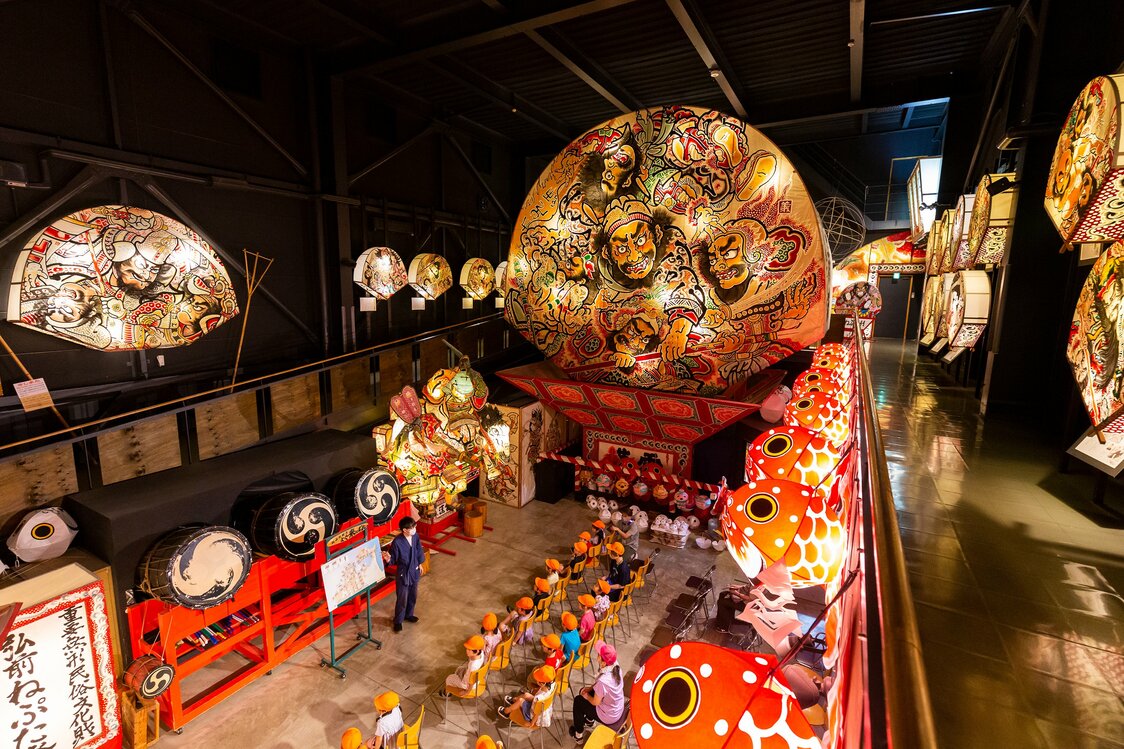
Floats on display inside the Hirosaki Neputa Hall. Visitors can listen to a brief lecture on the history and characteristics of the festival while enjoying the intricate designs of the structures.
-
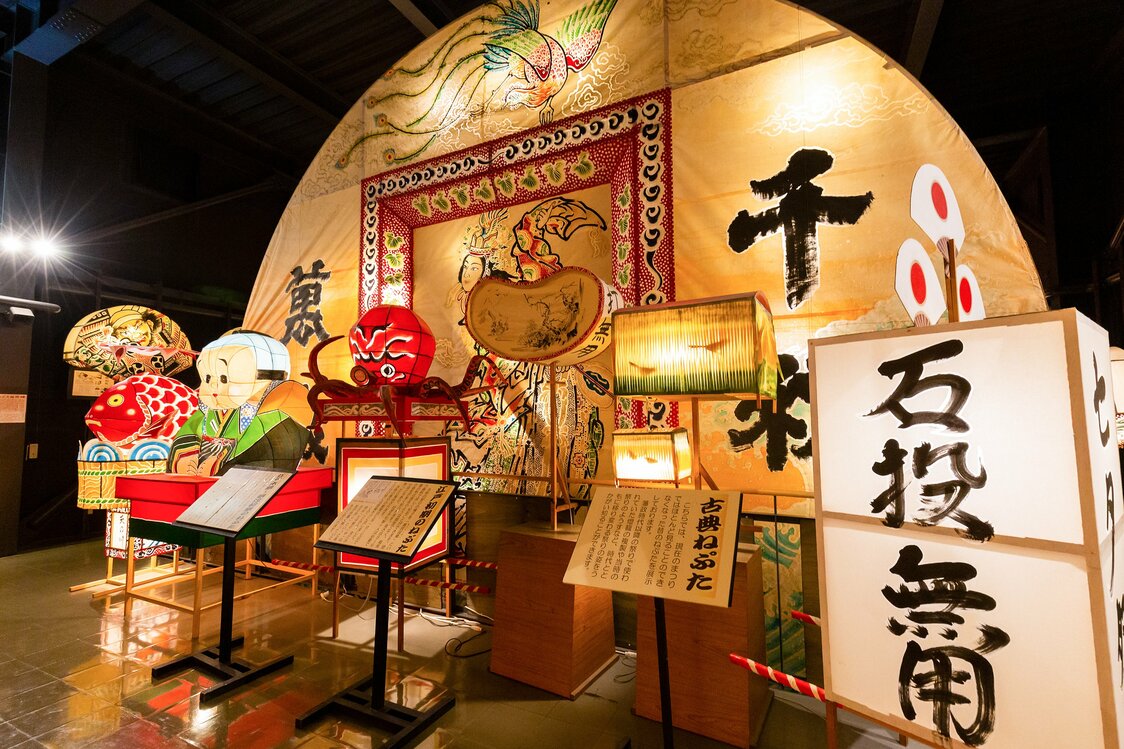
A display of different neputa lanterns from the early Edo period shows their development.
-
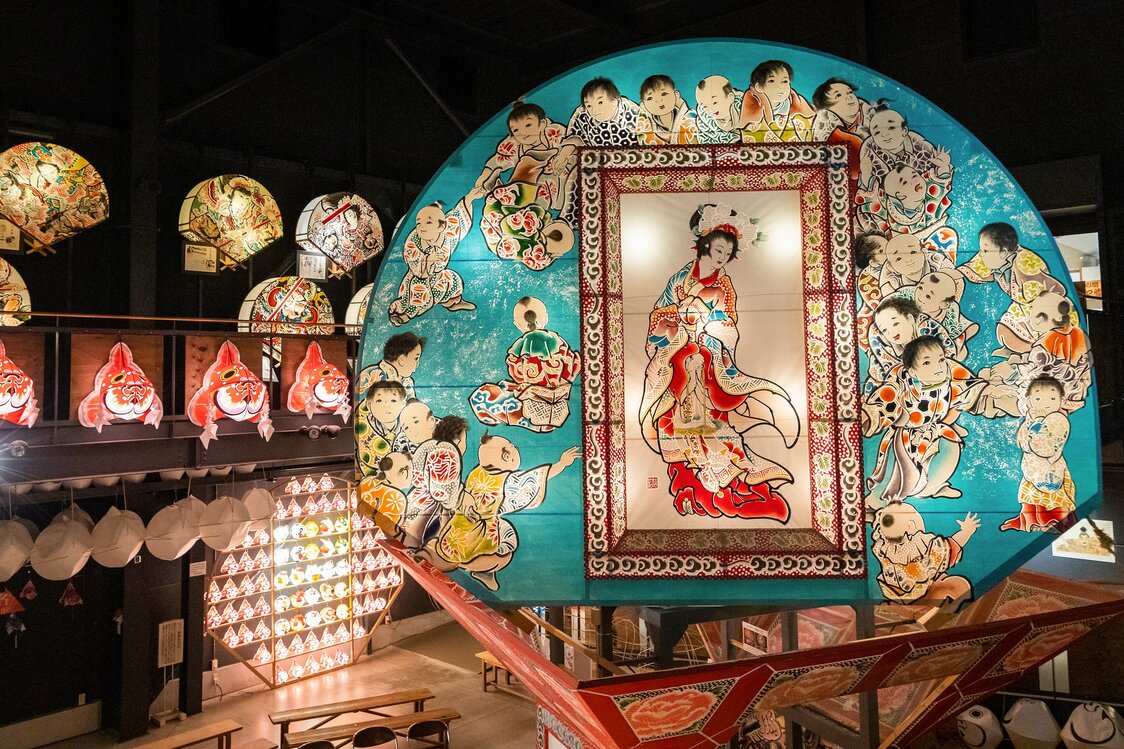
A float in mid turn reveals the okuri-e of a classical beauty painted on the reverse side.
-

Hirosaki’s festival features doll-like floats alongside the more common ōgi-neputa.
-
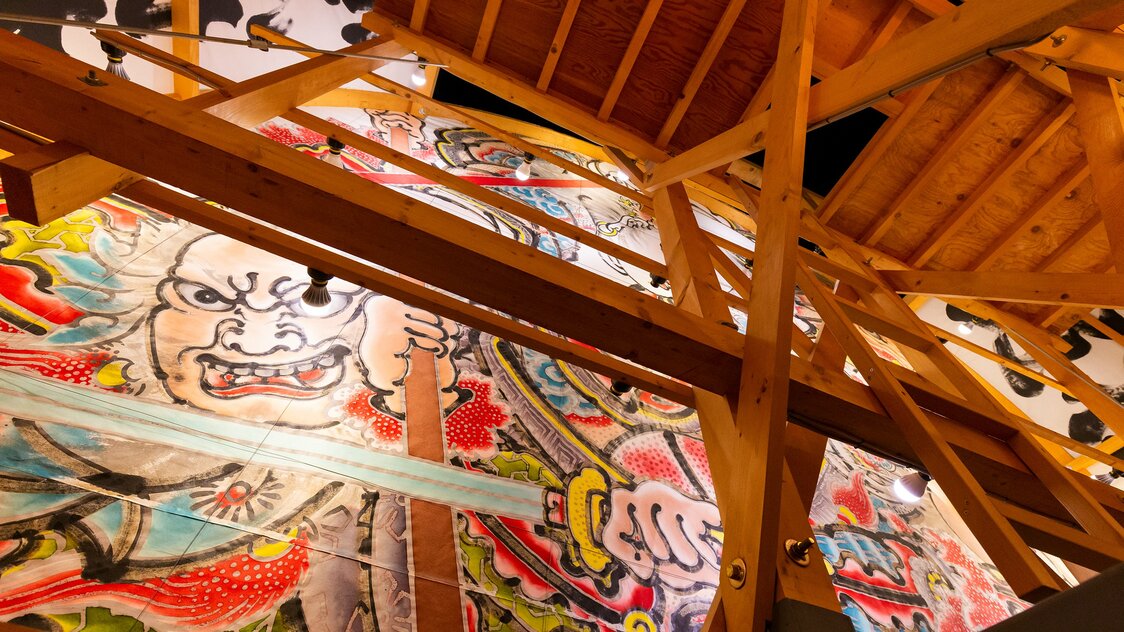
A float seen from the inside. The frame is made from a locally grown variety of native cypress.
-
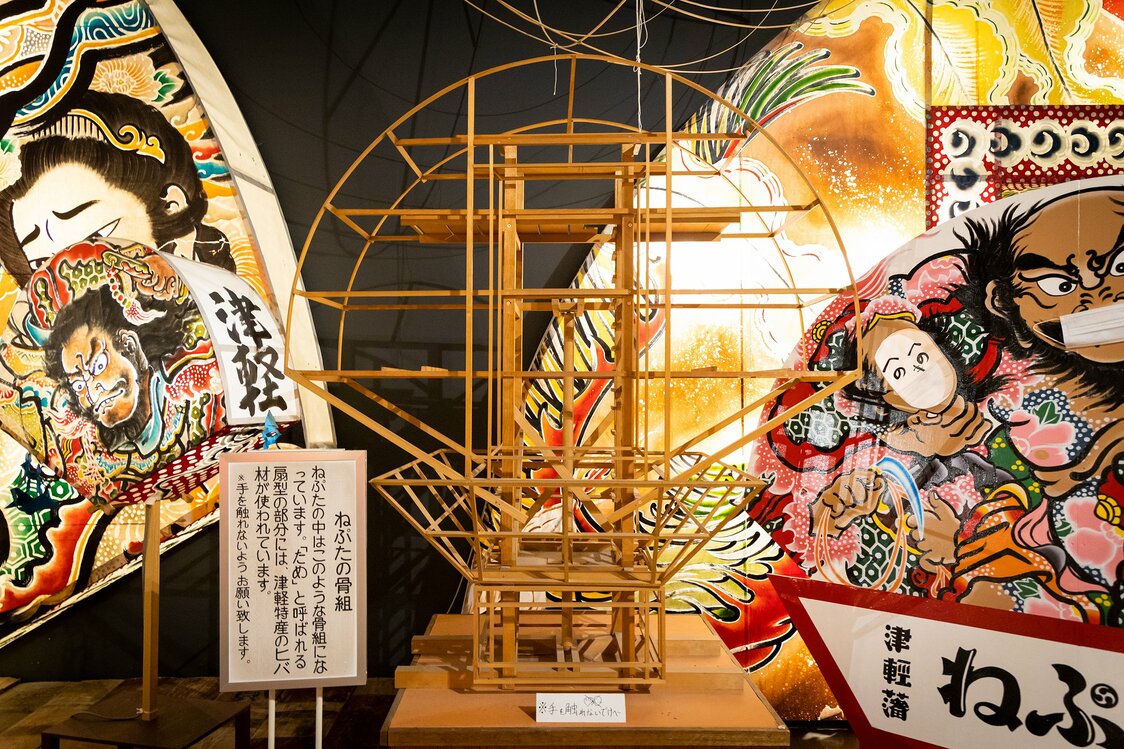
A model of the wooden frame of a float.
-
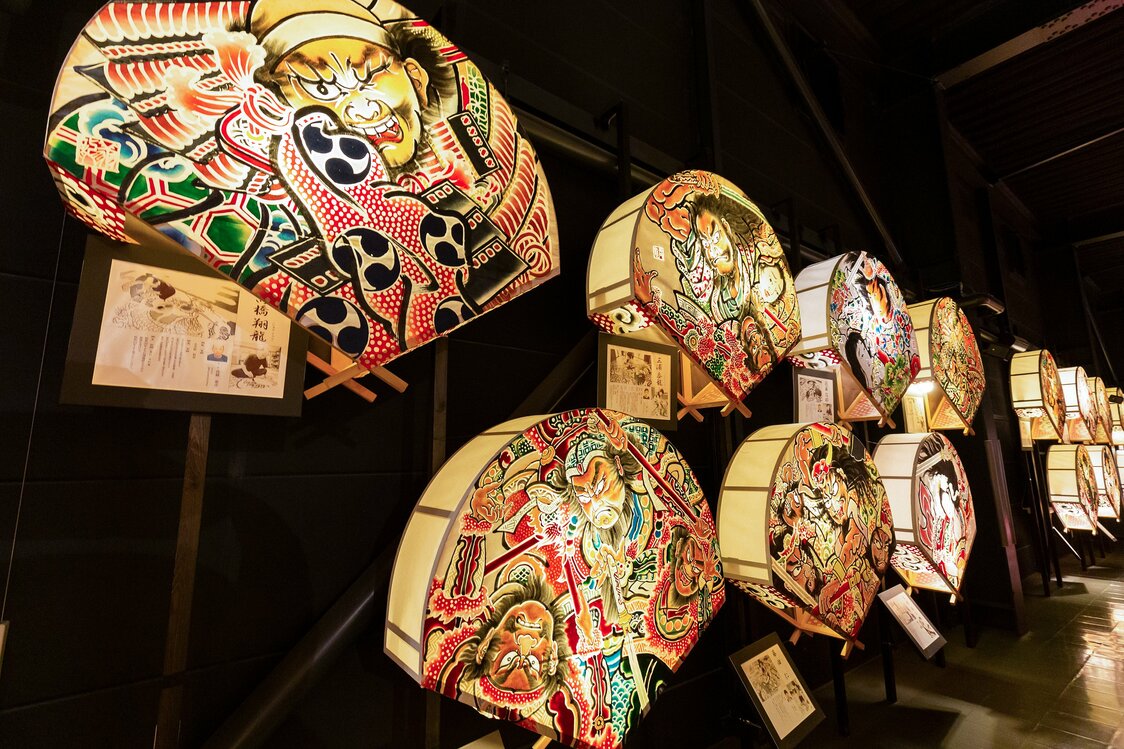
A display of pictures by different neputa-e artists. Work on the floats is seasonal, and most of the painters have regular day jobs.
-
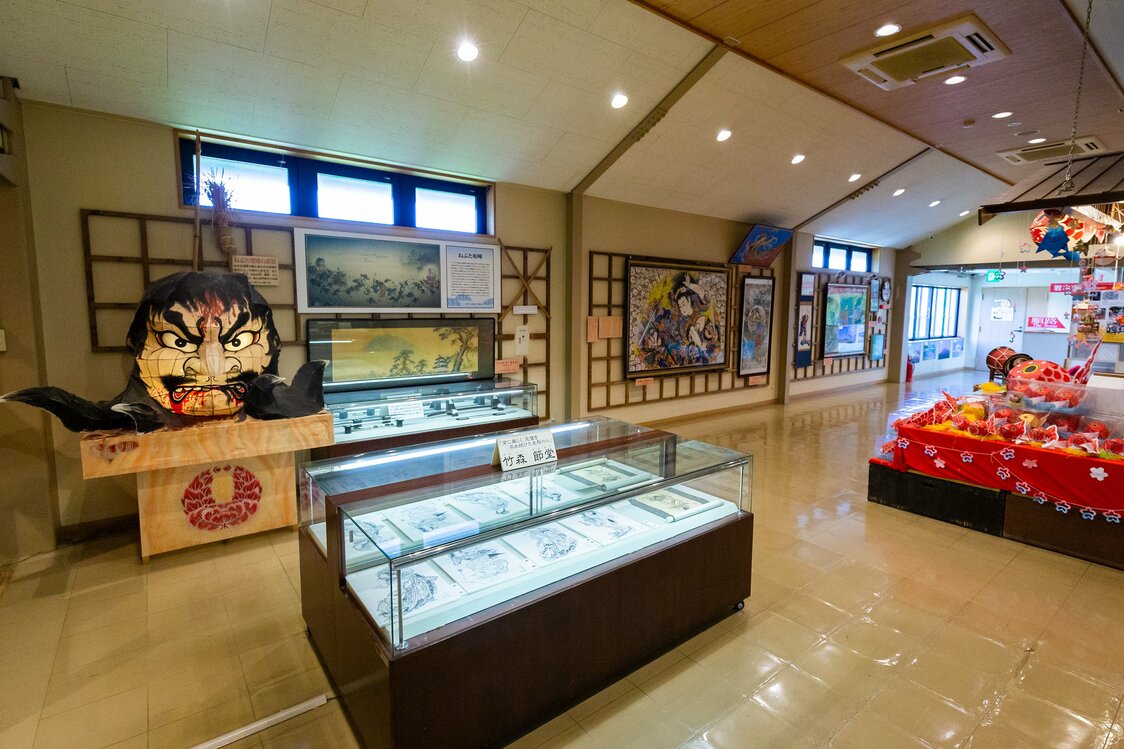
Drafts of neputa-e and other items are on display inside the Neputa Gallery.
-
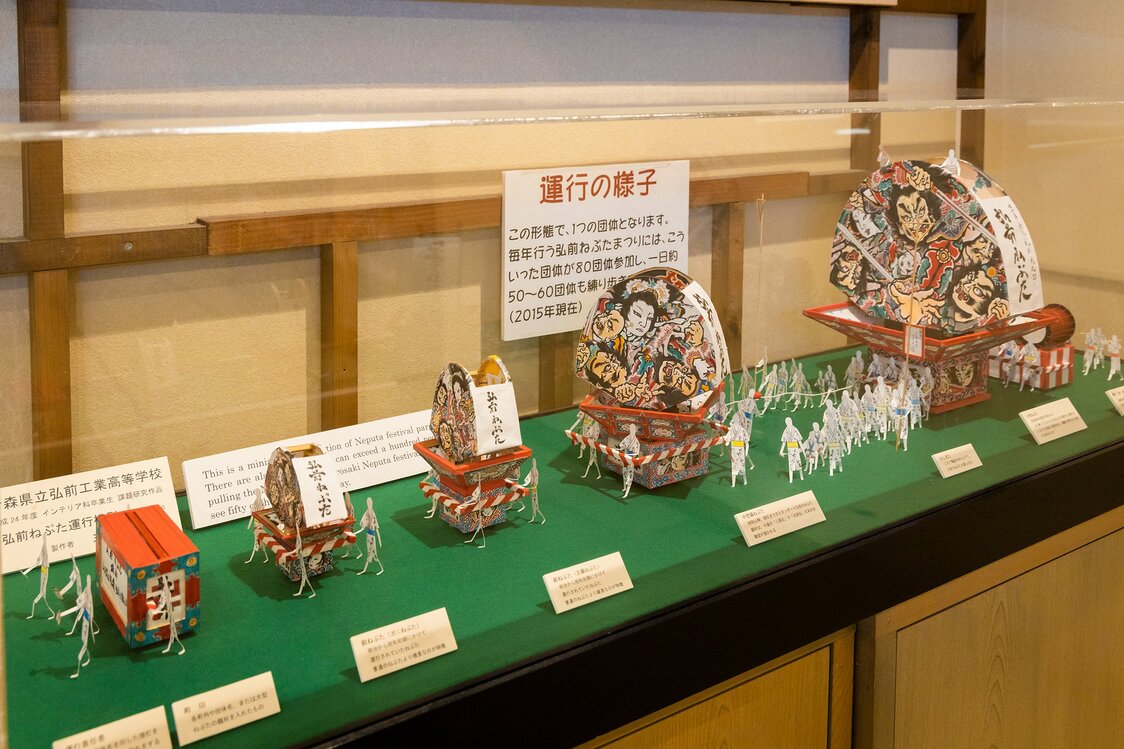
A diorama of a neputa procession.
-
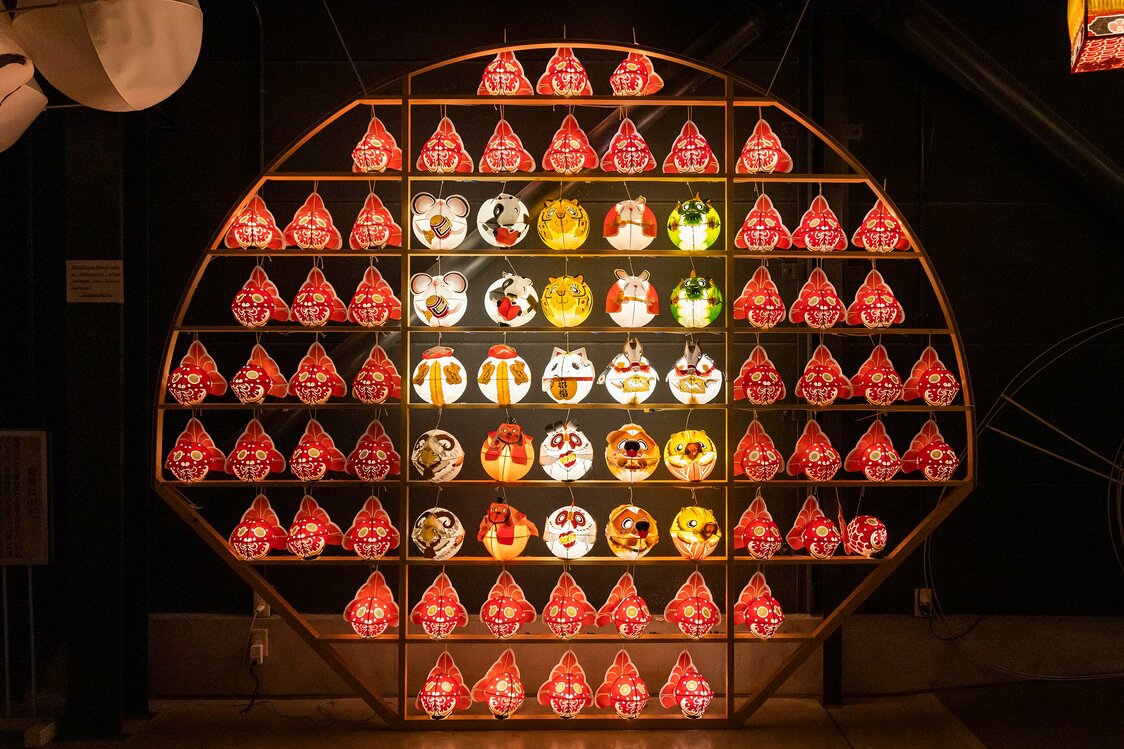
An array of kingyo-neputa. Along with goldfish are models based on eto, the 12 animals of the zodiac.
-
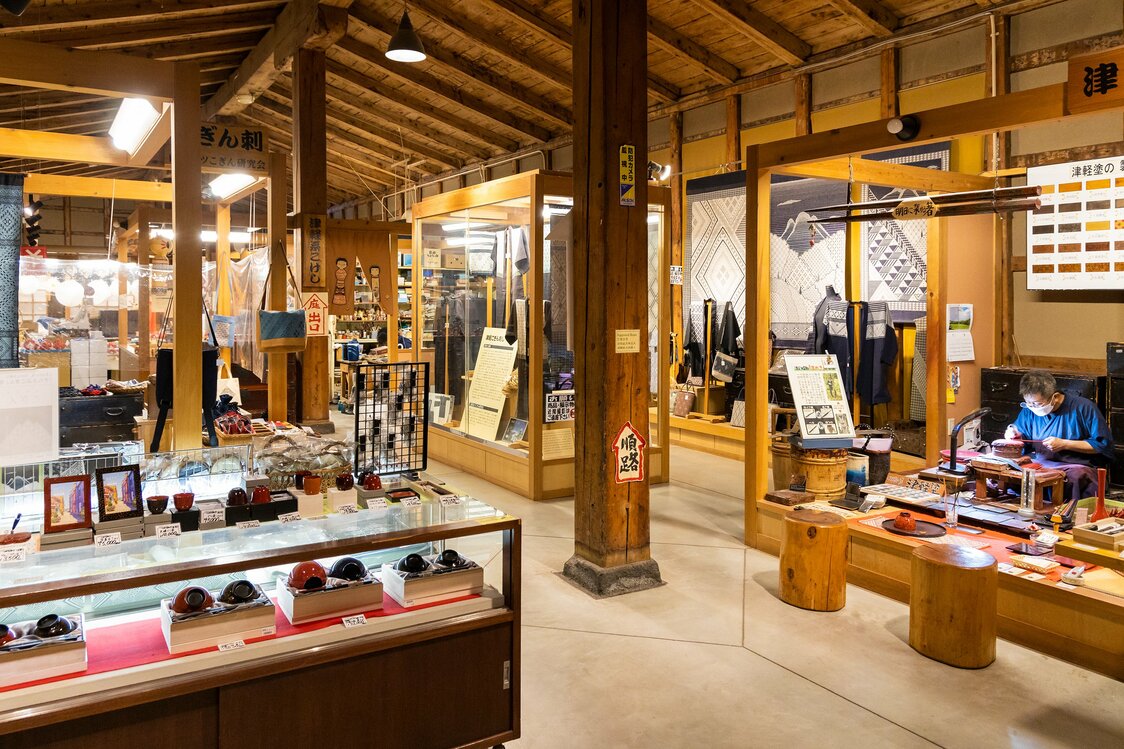
Traditional craft items on display at the Tsugaru Craft Center.
-
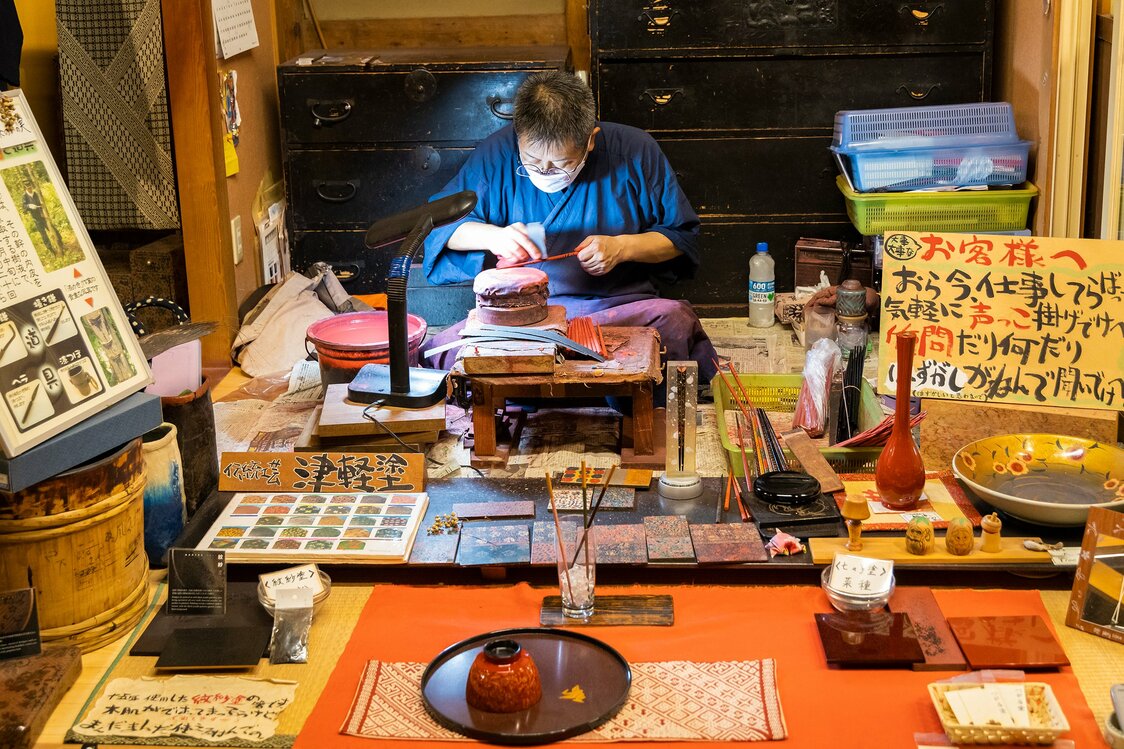
An artisan works on a piece of Tsugaru lacquerware. Visitors are welcome to ask questions.
-
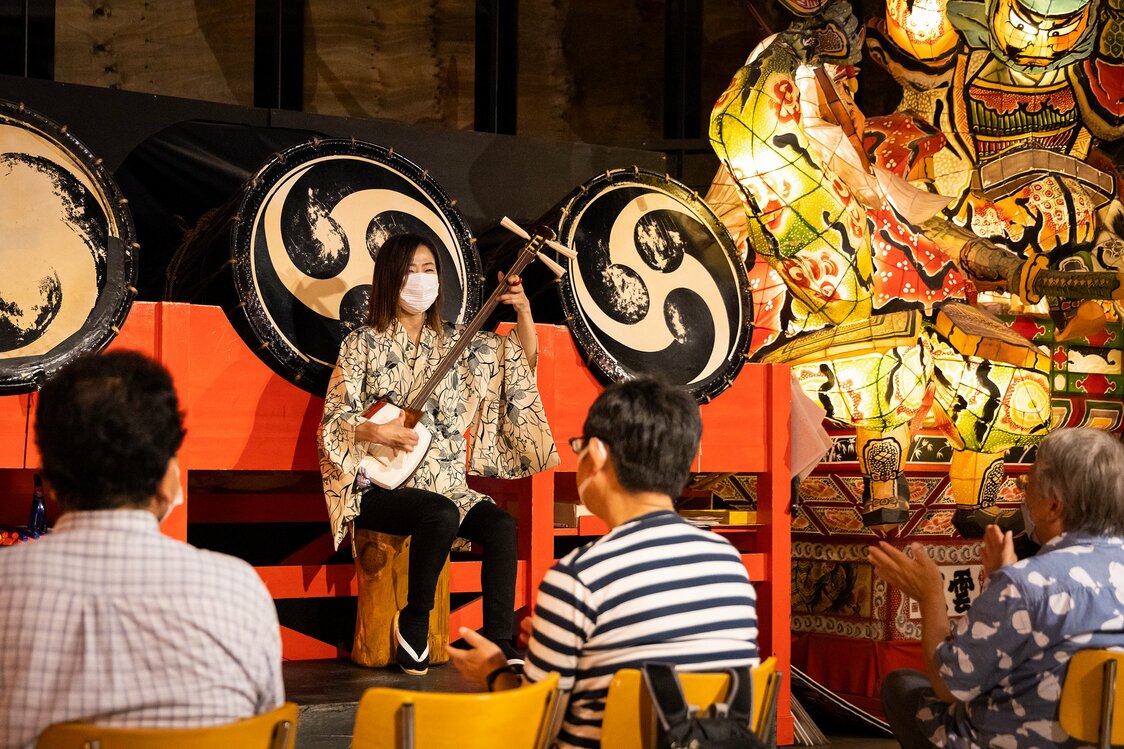
Yamada Sachimi, a two-time winner of the women’s division at the all-Japan Tsugaru-jamisen championship, performs for visitors.
-
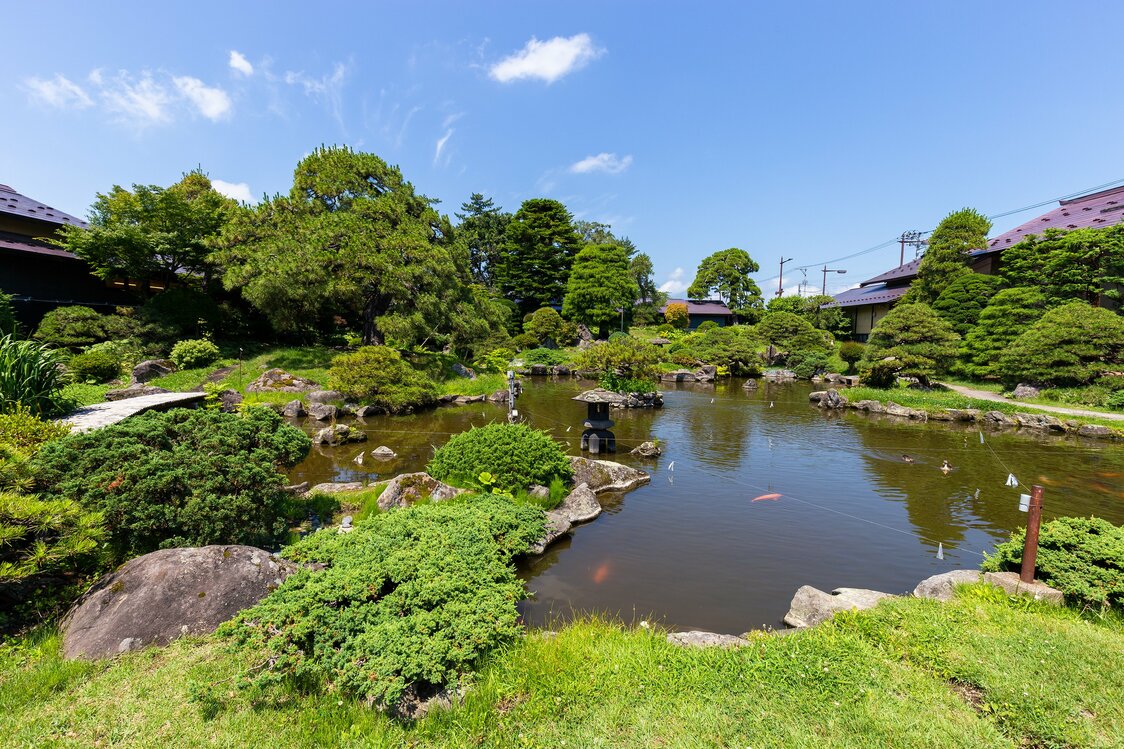
The Yōkien is designed in the Ōishi-bugaku style that is distinct to the Tsugaru region.
-
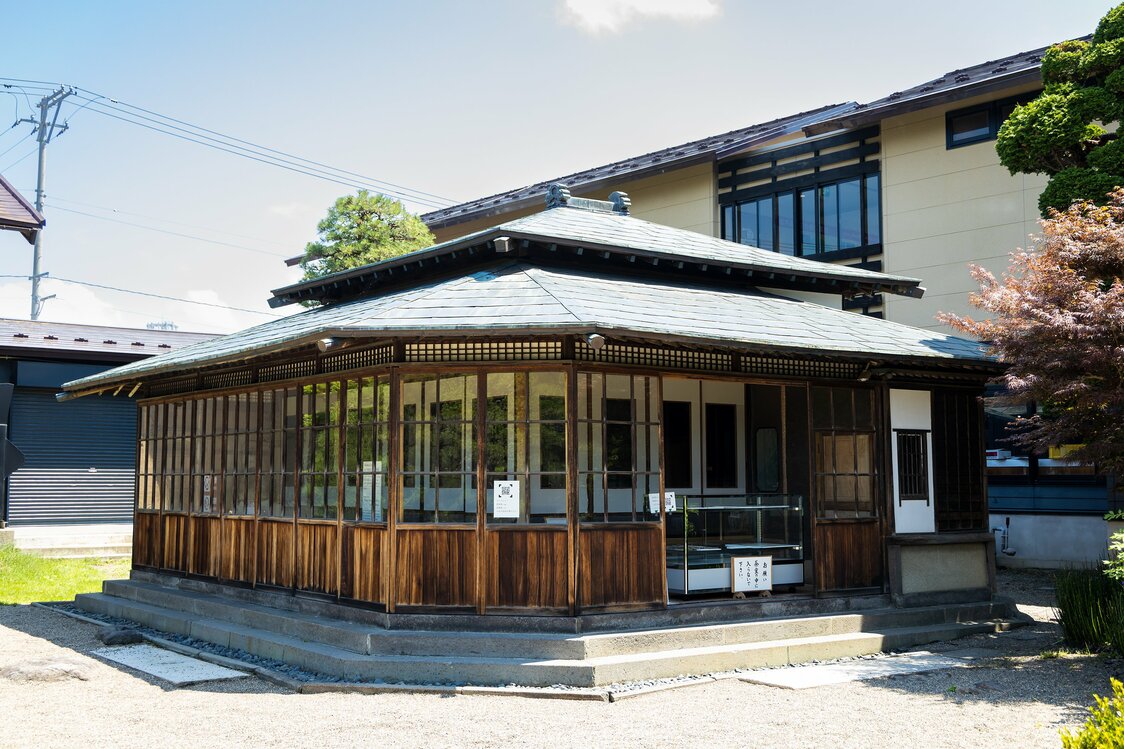
The teahouse Yōki-an on the grounds of the Japanese garden.


 Read in other languages