-
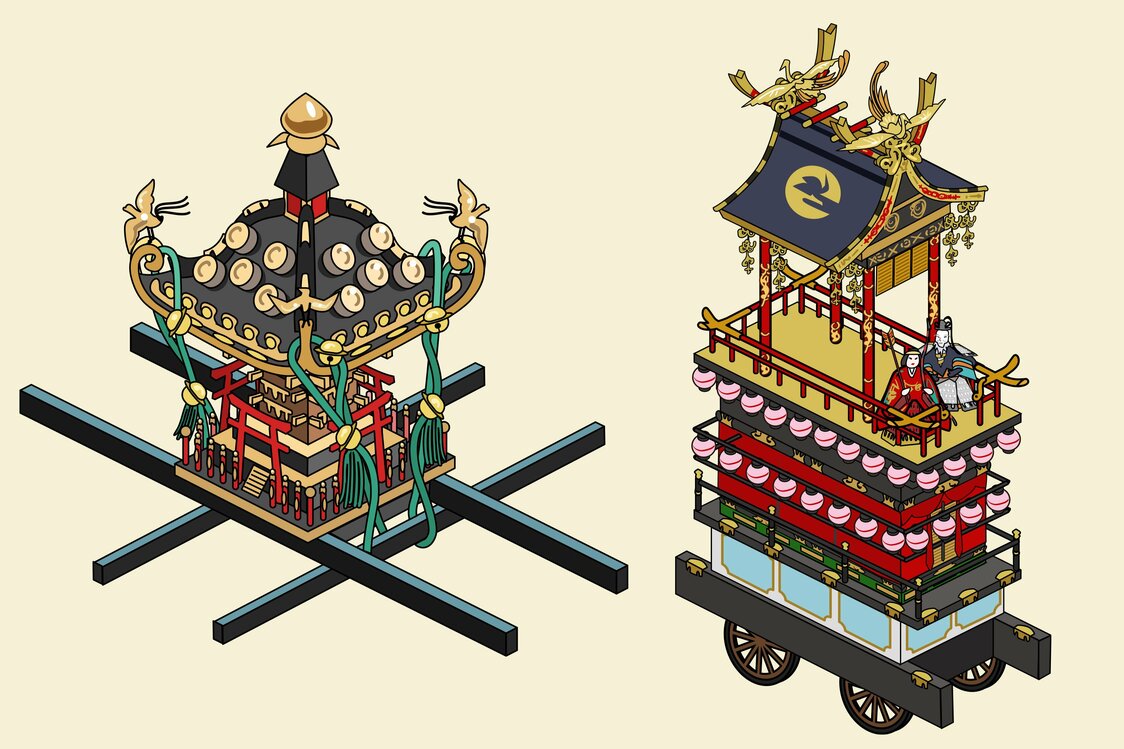
Mikoshi are considered vehicles of the kami, and the faithful of the connected shrine carry them across the earth. Many are modeled on a traditional shrine design (at left). On dashi floats, people join the kami on board to offer up performances. They take a variety of shapes and are also sometimes called hikiyama or yatai (at right). (© Pixta)
-
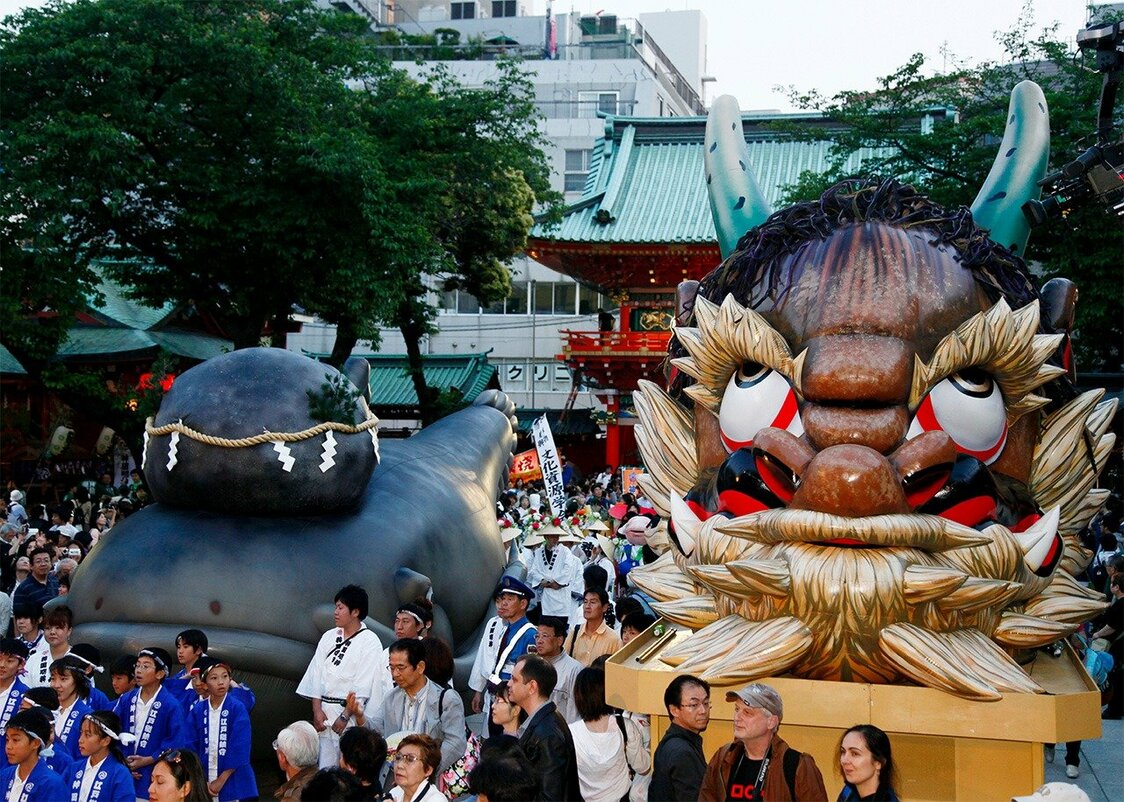
Yatai with yōkai, or mystical creatures, in the Kanda Matsuri, held in Chiyoda, Tokyo, in mid-May. Shuten Dōji (right) is a powerful oni, and the namazu catfish (left) is said to cause earthquakes. A sacred kanameishi stone holds it still.
-

The Niihama Taikomatsuri—held in Niihama, Aichi Prefecture, from October 16 to 18—features floats called taikodai with elaborate canopies embroidered with male and female dragons.
-
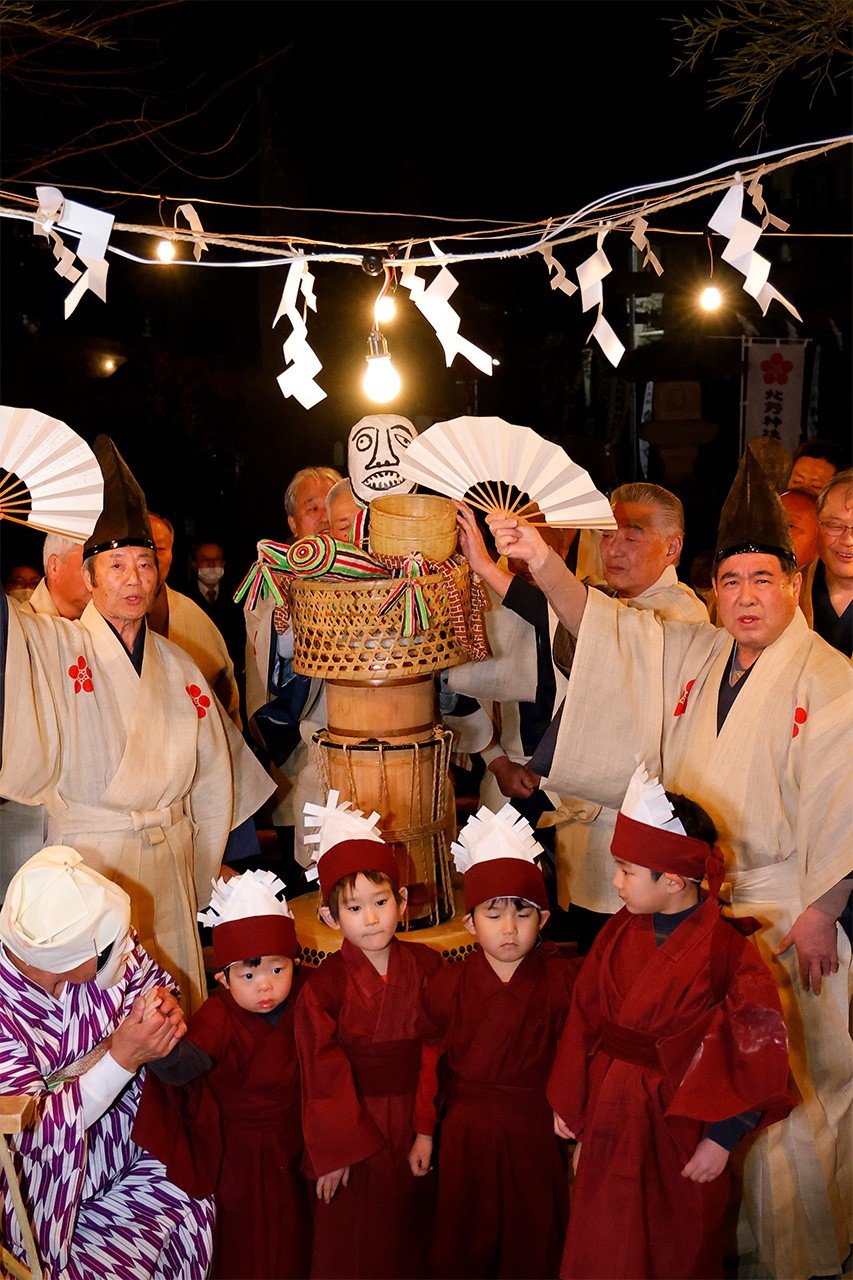
The Tokumaru Kitano Shrine Taasobi, which prays for healthy growth for both rice and children. Held every February 11, in Itabashi, Tokyo.
-
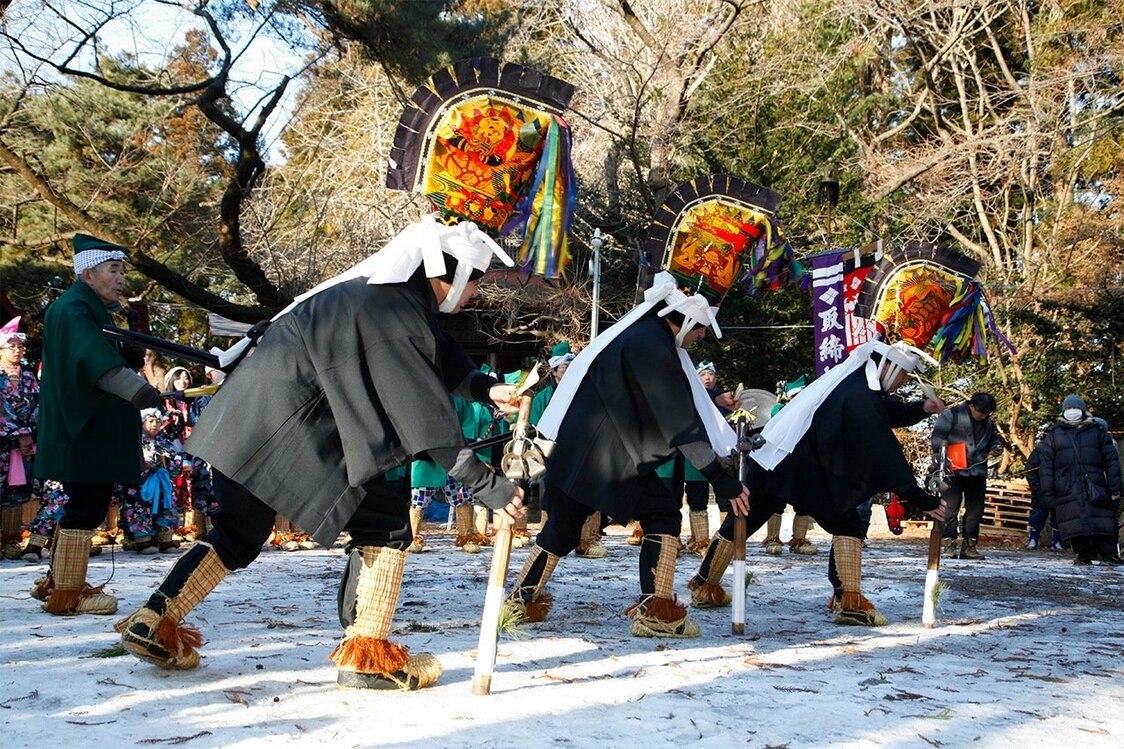
Hachinohe enburi, a dance carrying prayers for field fertility. Held annually February 17–20 in Hachinohe, Aomori Prefecture.
-
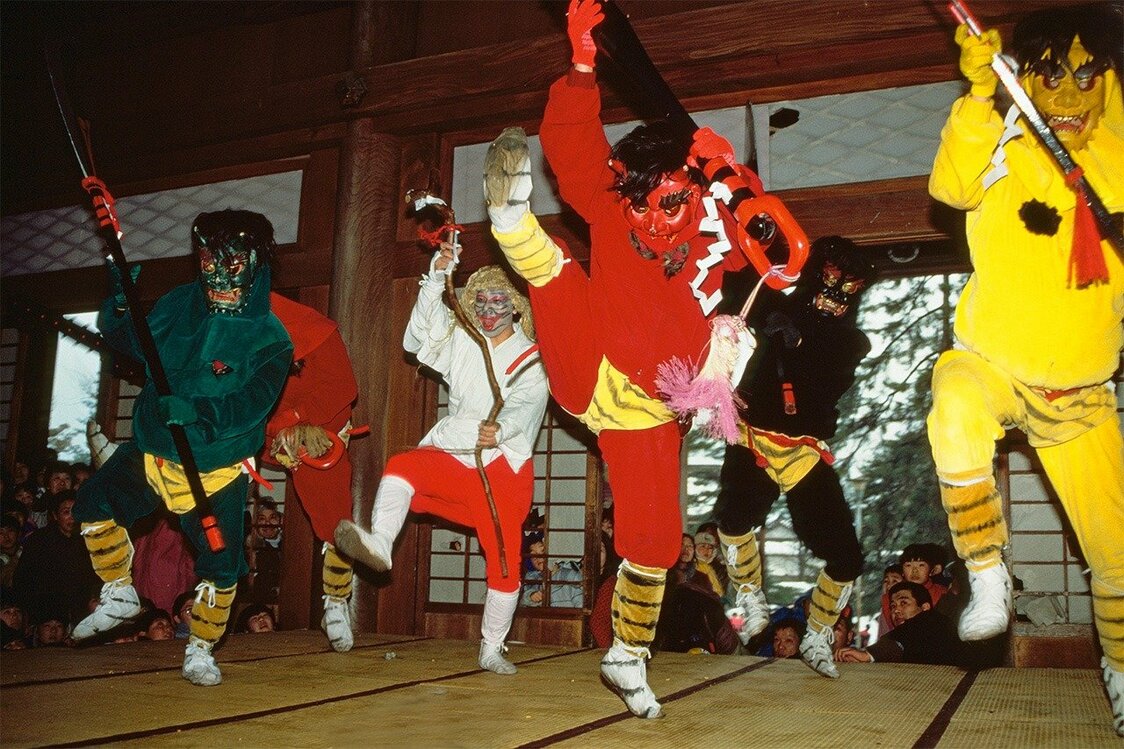
Colorful oni run wild as onlookers throw beans to drive them away in the Honjōji Oniodori ritual held in Sanjō, Niigata Prefecture, every February 3.
-
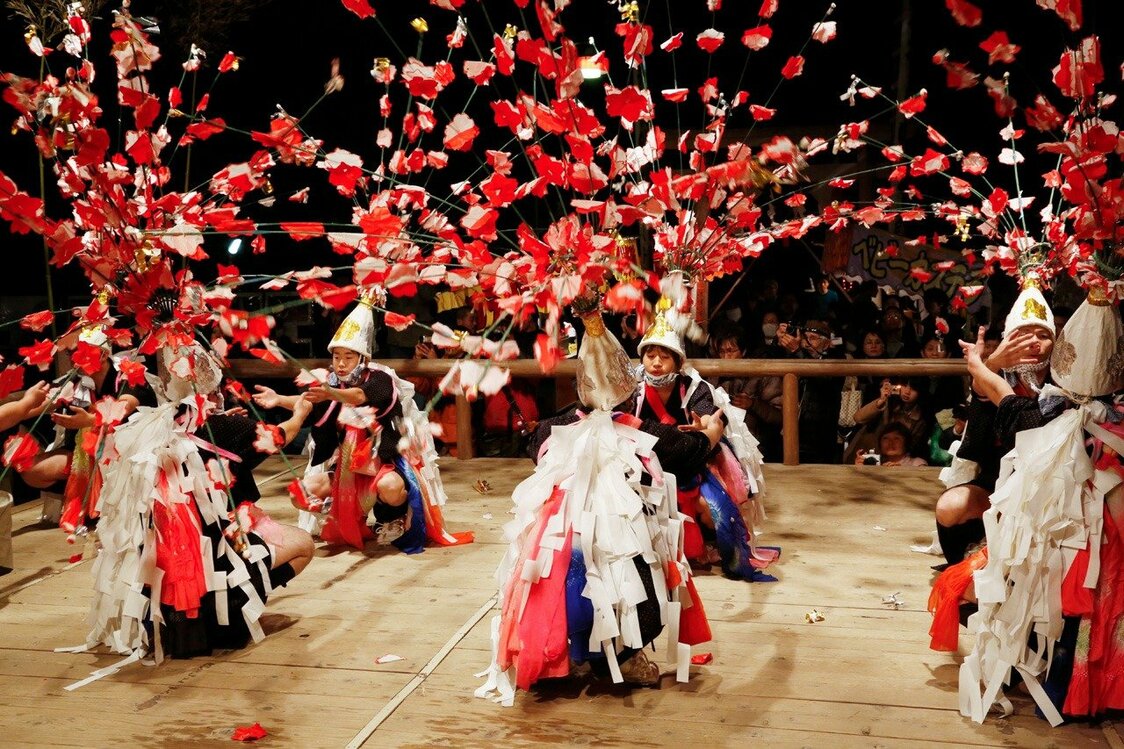
The Fujimori no Taasobi festival represents the yearly farming cycle on stage. Held in Yaizu, Shizuoka Prefecture, every March 17.
-
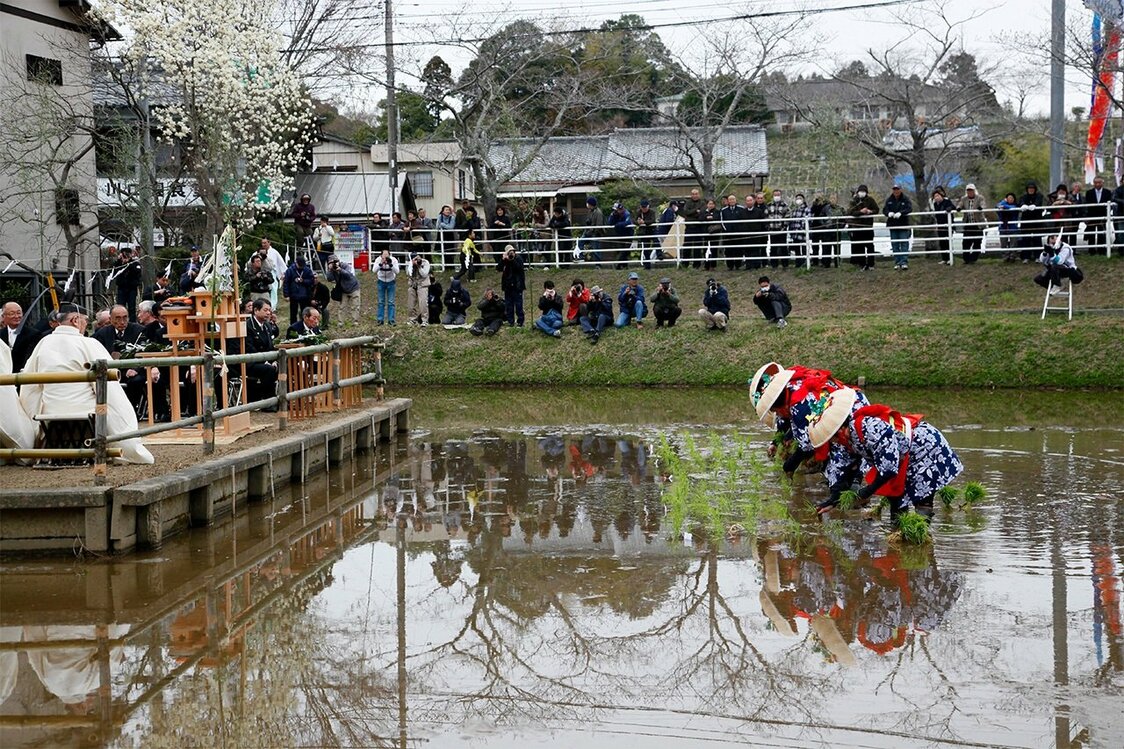
Saotome sing rice planting songs as they transplant rice seedlings into a shrine’s sacred paddy in the Katorijingū Otauesai in Katori, Chiba Prefecture. Held every year April 1–2.
-
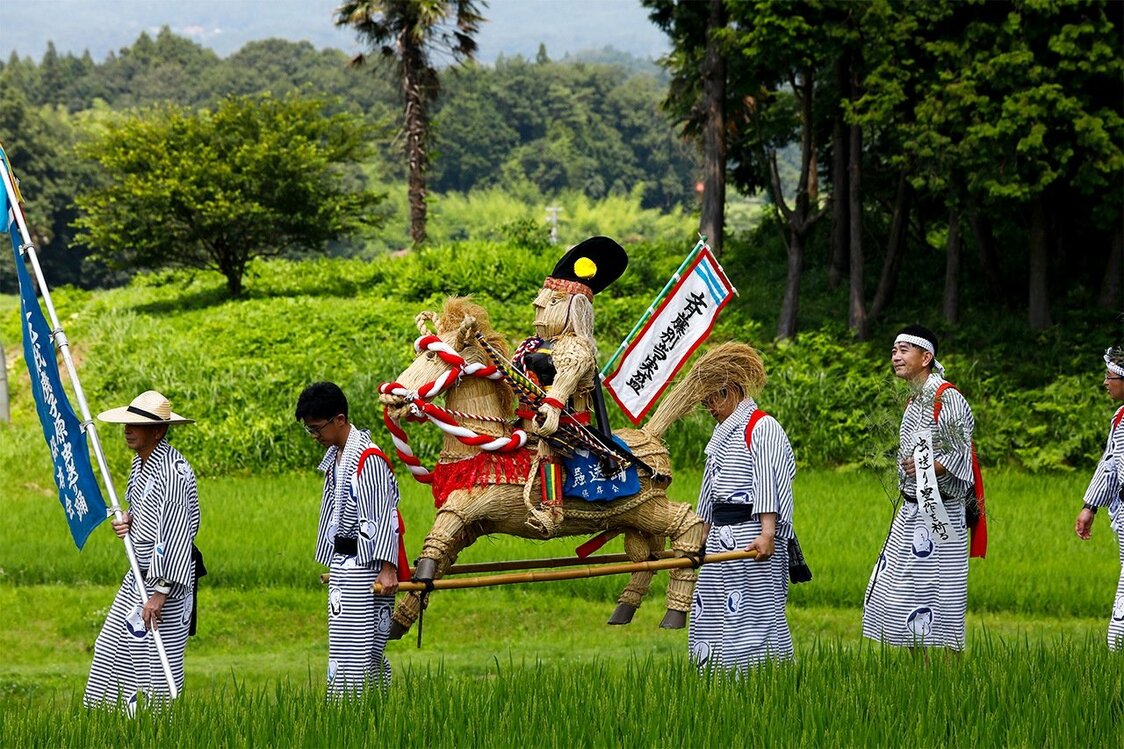
A Sanemori doll for the Kanekobara no Mushiokuri Odori ritual in Ōnan, Shimane Prefecture, on July 20.
-
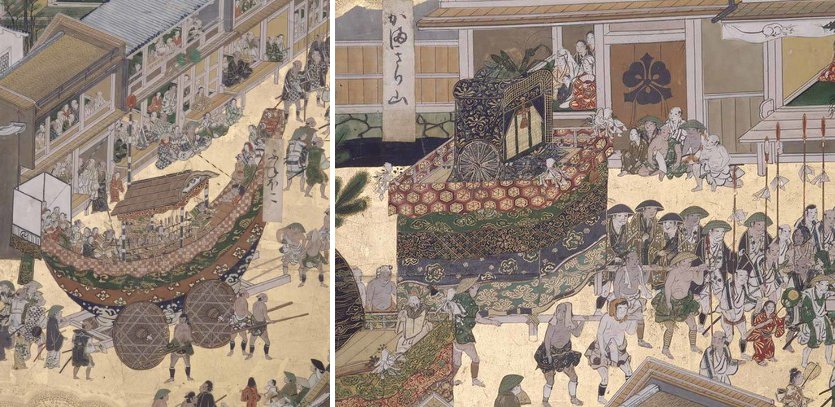
Images of yamahoko floats from the seventeenth century decorated much the same as modern ones. Taken from the Gionseireizu byōbu (Scenes of the Gion Festival). (Courtesy Kyoto National Museum)
-
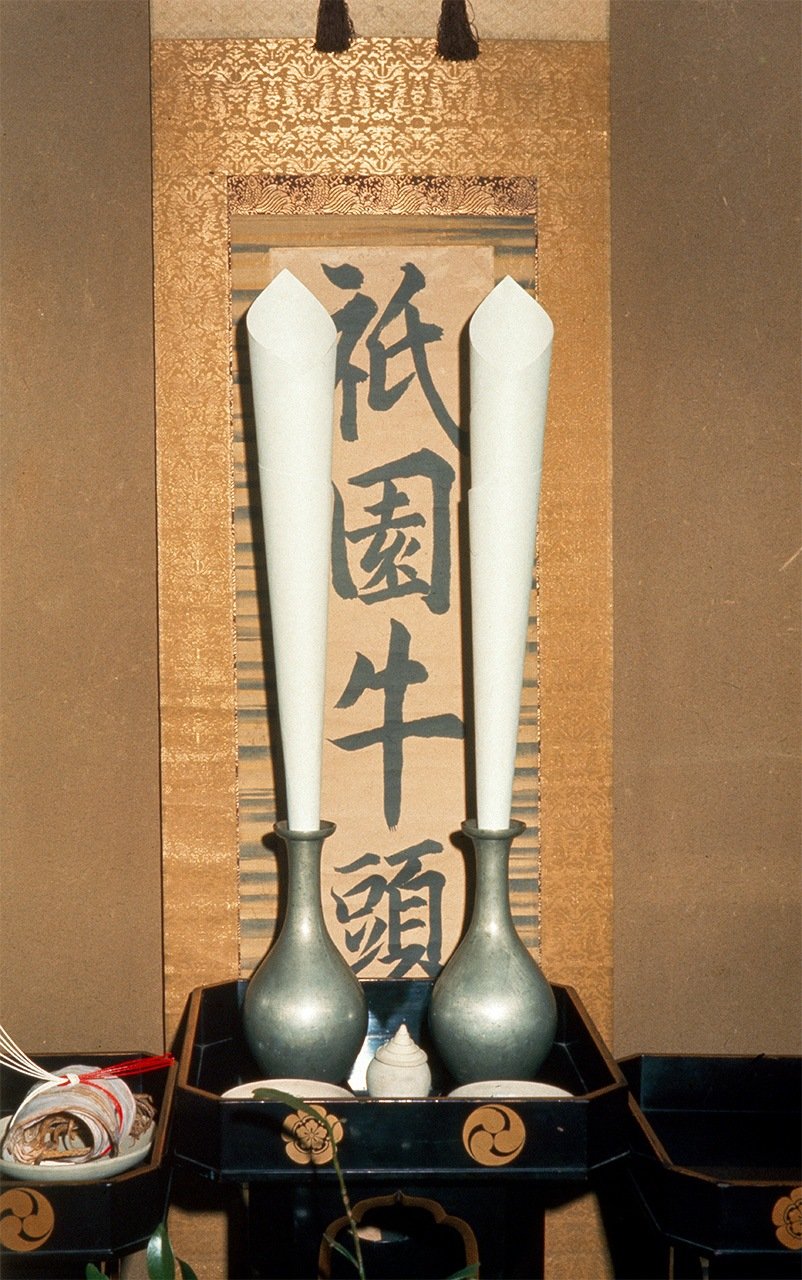
A hanging altar scroll dedicated to Gozu Tennō.
-
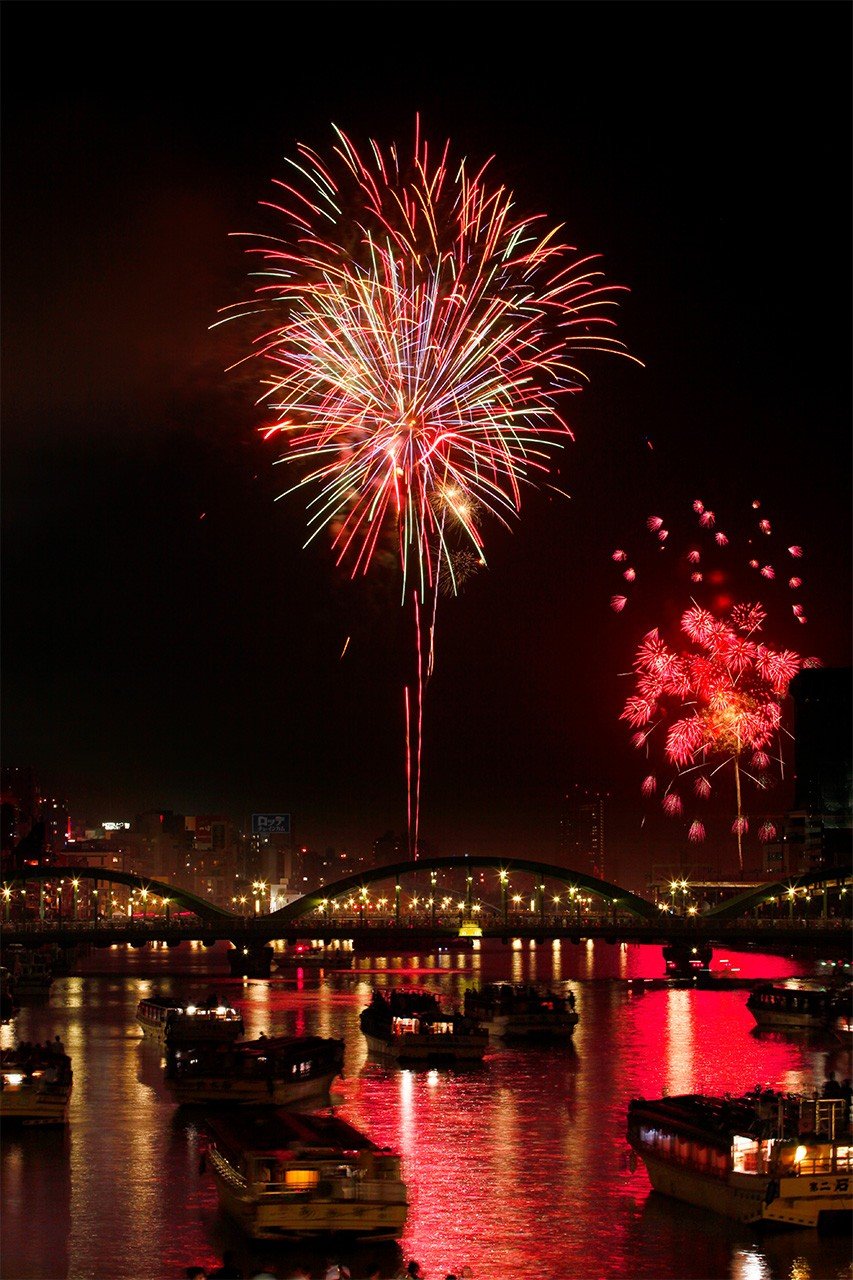
Leisure boats for viewing the thrilling Sumidagawa Fireworks Festival in Taitō and Sumida, Tokyo, on the last Saturday in July.
-
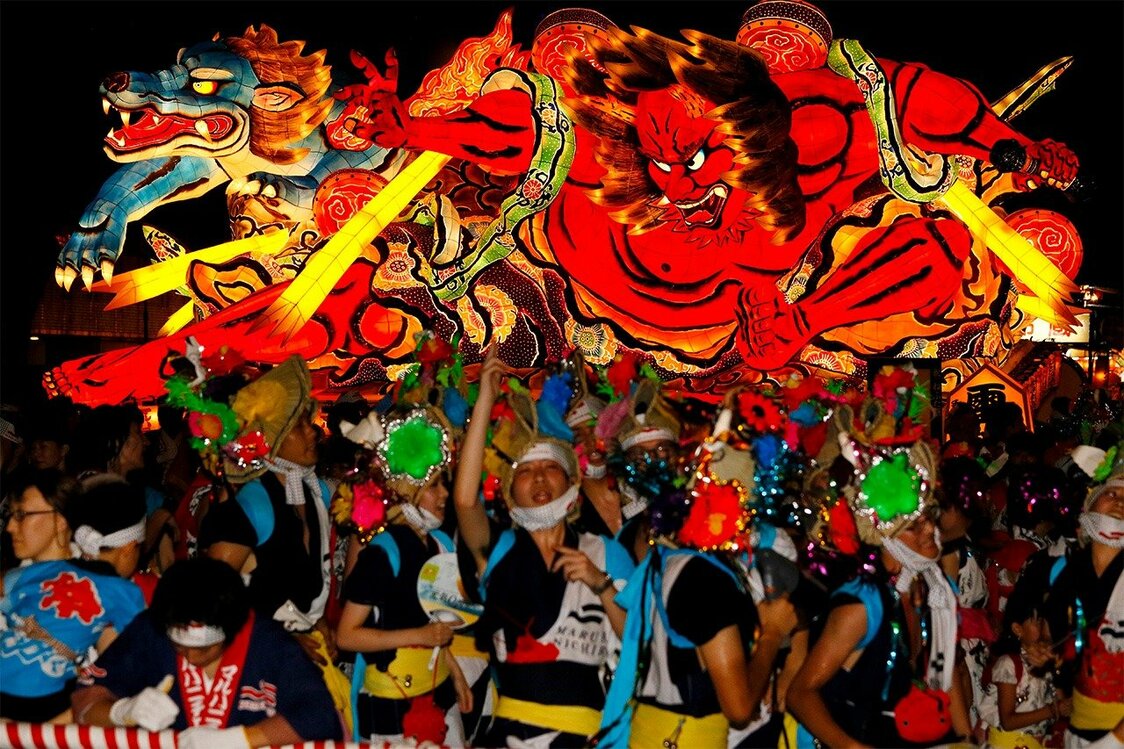
The Aomori Nebuta Matsuri features enormous lantern floats and dancers called haneto parading through the city. The origin is believed to be a lantern floating ceremony. Held in Aomori, Aomori Prefecture, August 2–7.
-
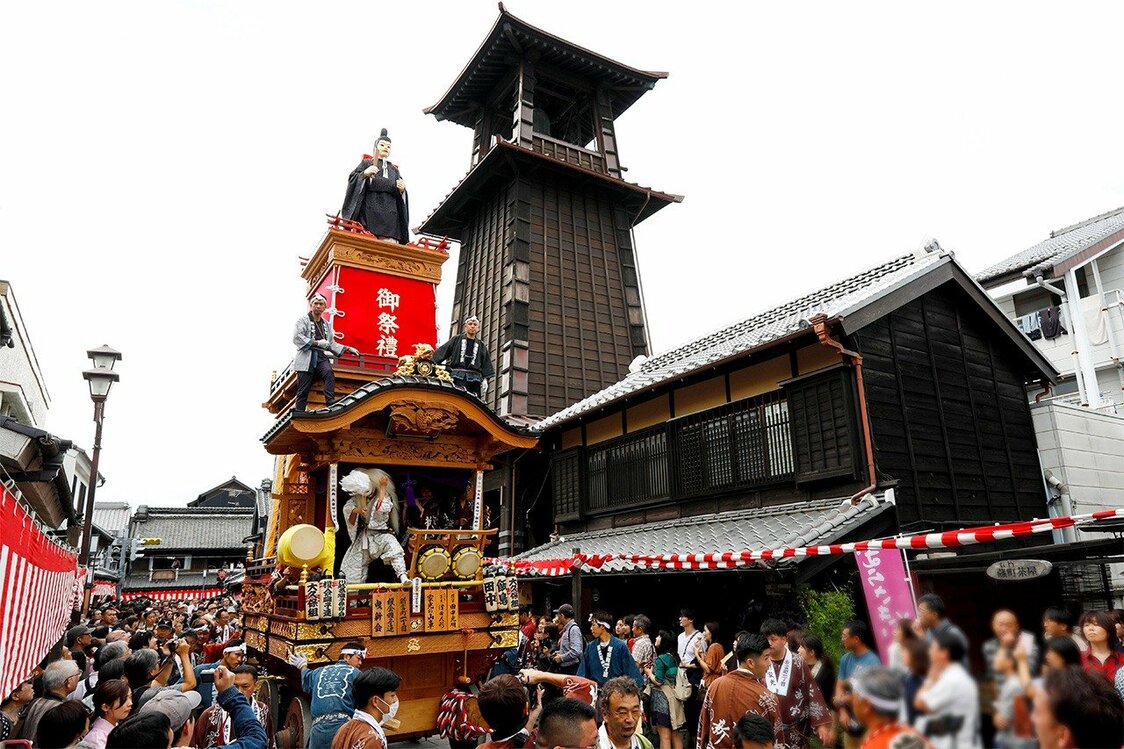
Hikawa Shrine’s annual festival, the Kawagoe Matsuri. Each district has its own floats with images of kami and people on board, playing music and dancing. Held in Kawagoe, Saitama Prefecture, on the third Saturday and Sunday in October.
-
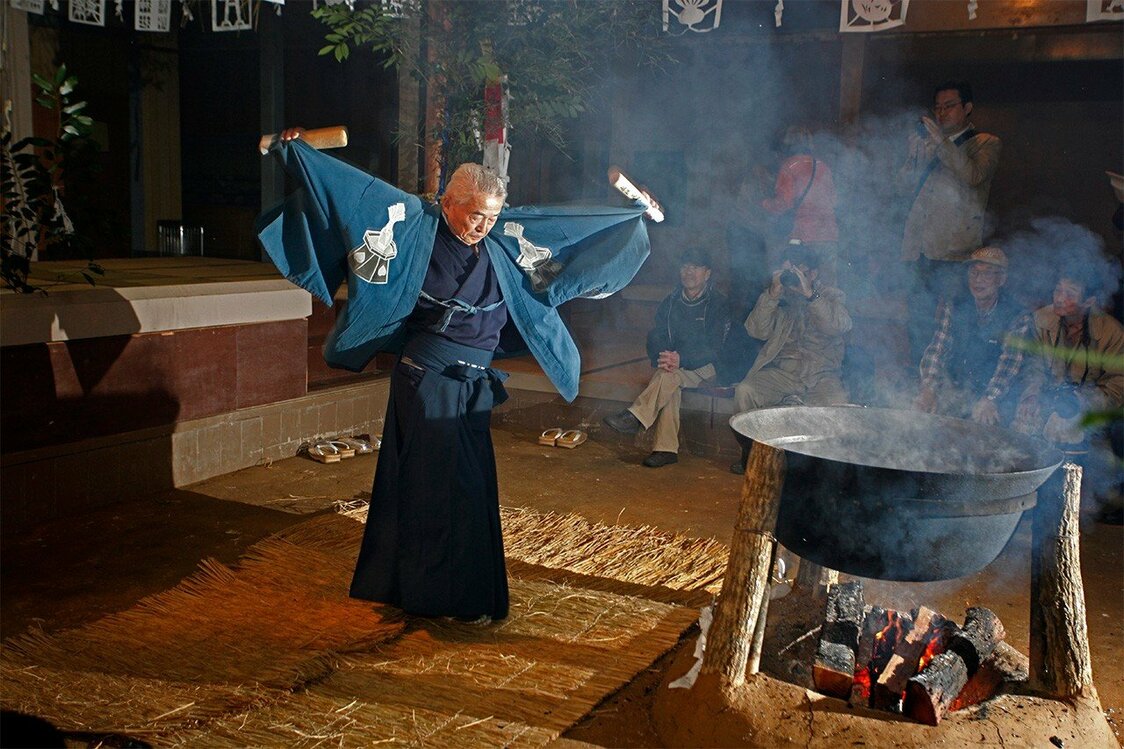
The Hanamatsuri of Okumikawa features an evening dance that has been passed down over the years in Kitashitara County, Aichi Prefecture. The performance period lasts from November to January.


 Read in other languages