-
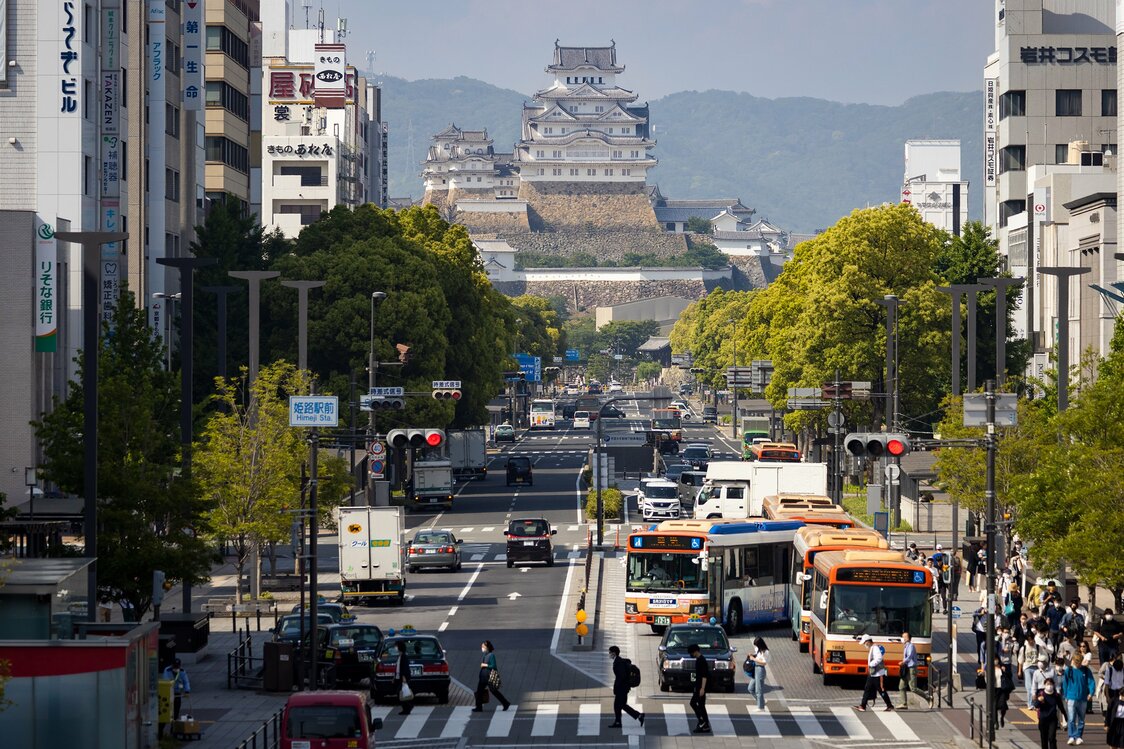
Himeji Castle hovers over the bustling city. The sprawling complex is around 1 kilometer from Himeji Station, which has a dedicated viewing deck where passengers can admire the keep.
-
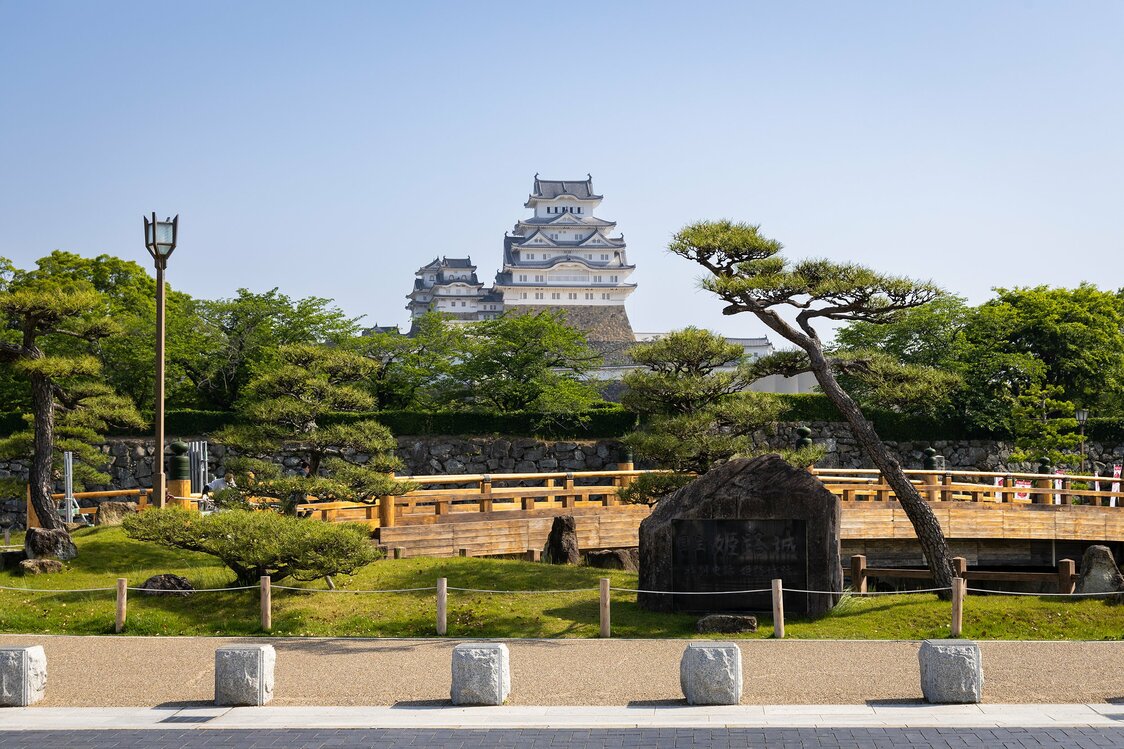
Sakuramon Bridge marks the entrance to Himeji Park, which contains the vast castle grounds. The main keep and other central structures lie some 450 meters away along the twisting routes of the castle complex.
-
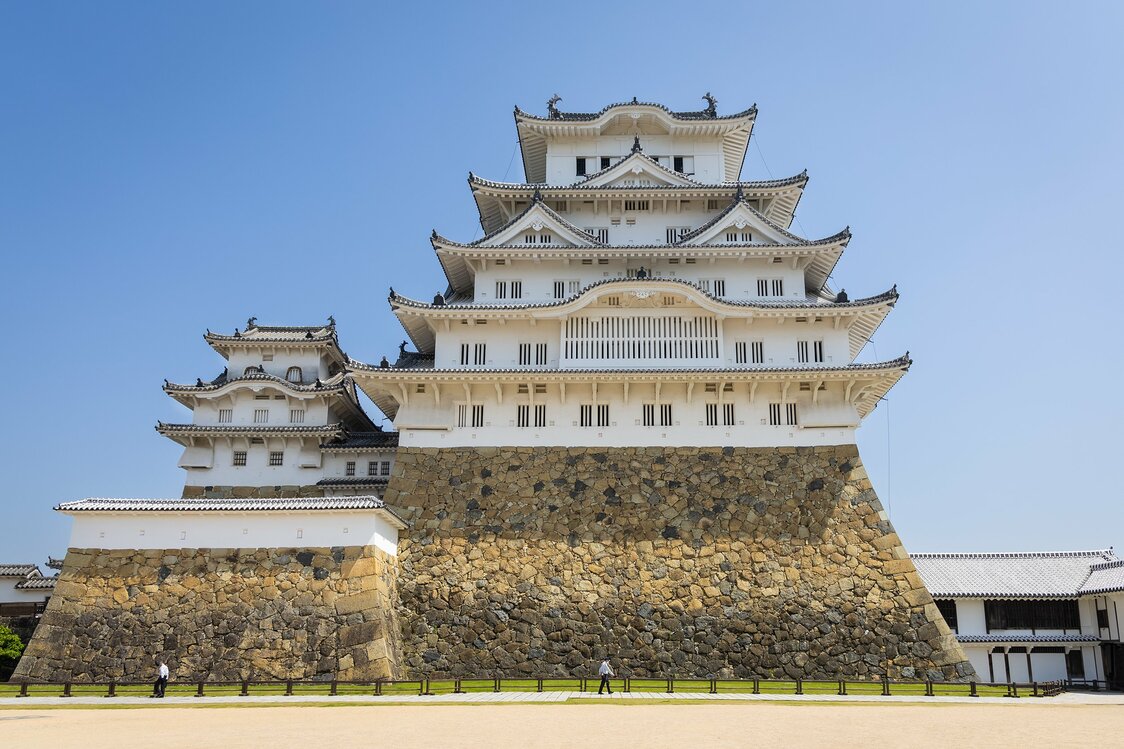
The main keep and secondary nishi-kotenshu. Viewed from near or far, Himeji Castle is an impressive sight.
-

The view from Otokayama Haisuiike Park to the northwest of the castle reveals the main keep and the three secondary keeps, from left, higashi-kotenshu, inui-kotenshu, and nishi-kotenshu.
-
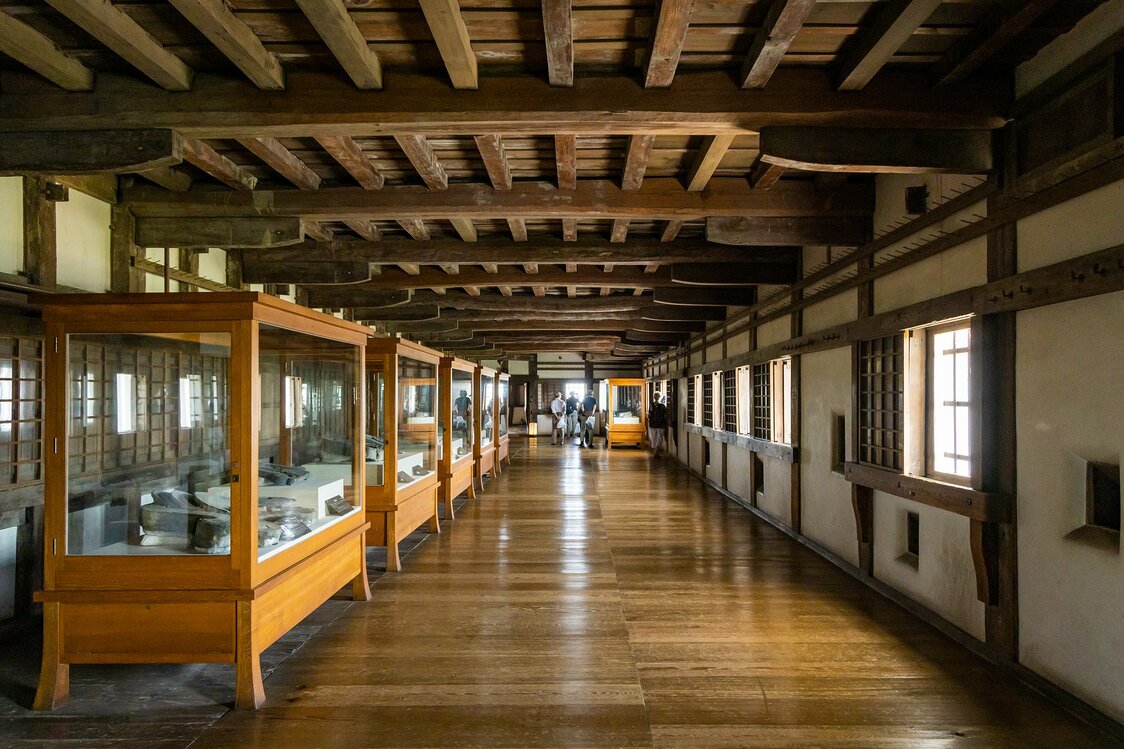
One of the covered passageways linking the castle’s secondary keeps.
-

White plaster applied along the seams of roof tiles adds to the overall luster of the castle.
-
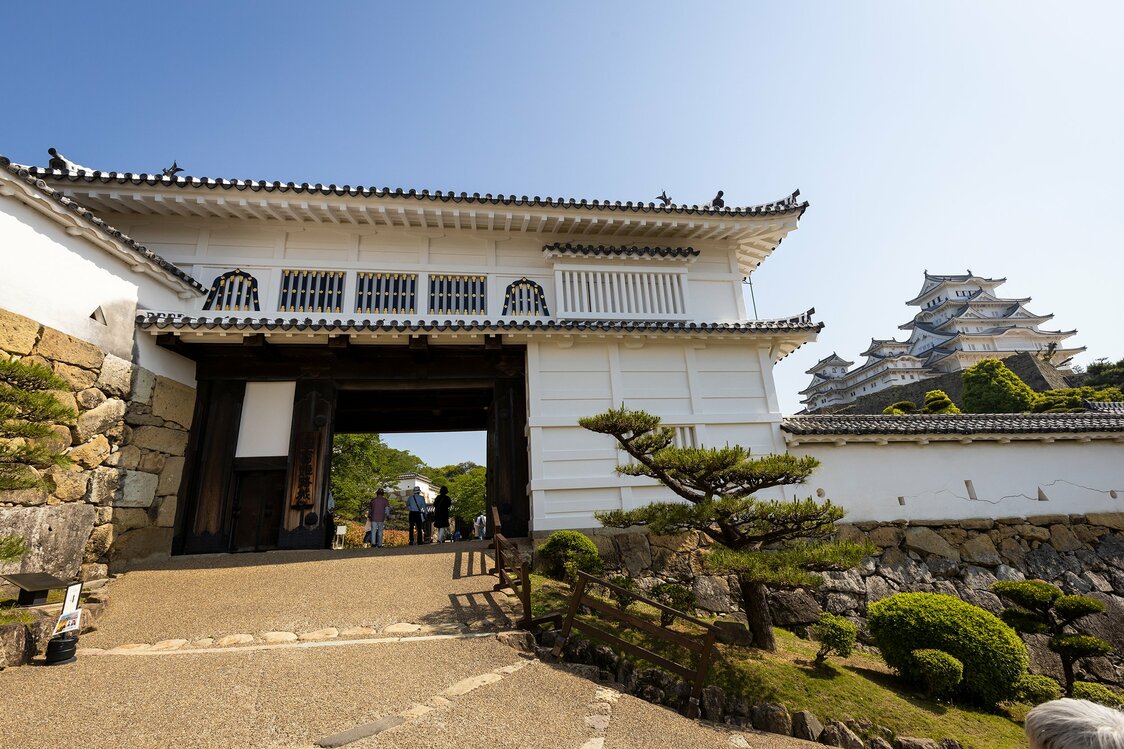
The Hishi Gate leading to the castle’s second compound (ninomaru) conceals defensive capabilities in its beauty, including “murder holes” from which defenders can drop rocks on attackers or assault them with spears.
-
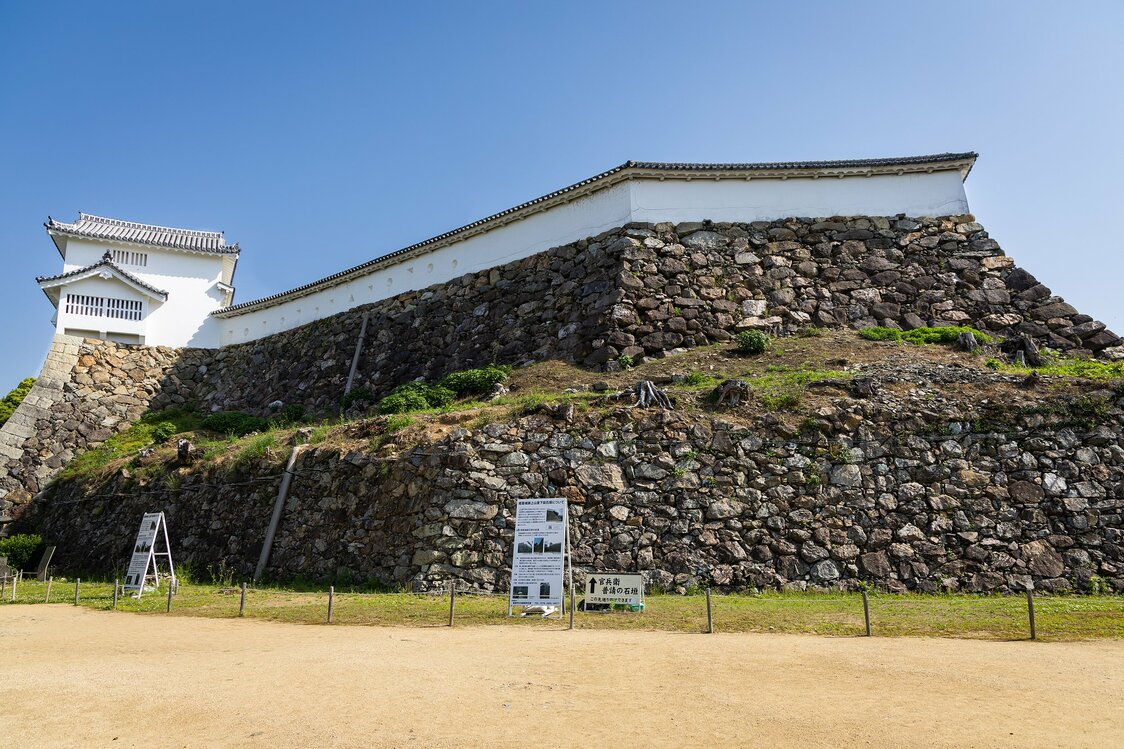
A piled stone wall built by Kuroda Kanbei, a lieutenant of Toyotomi Hideyoshi, prior to the warlord taking up residence at the castle.
-
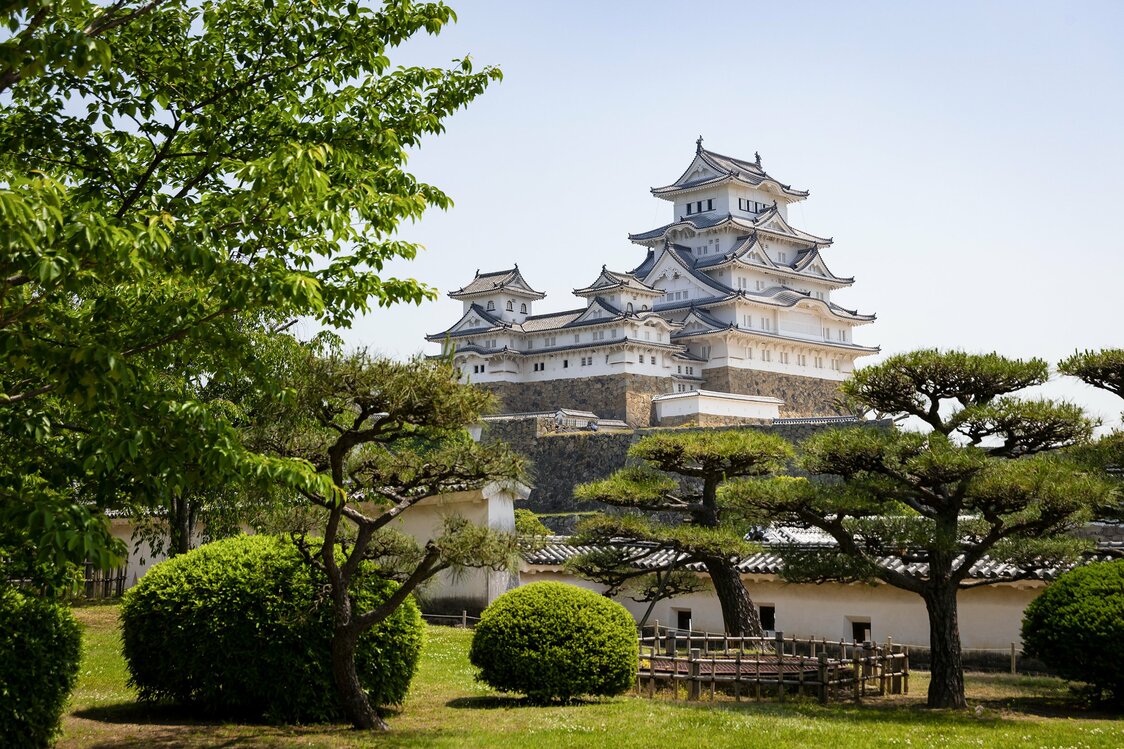
The main and smaller donjons soar above the Nishinomaru Gardens.
-
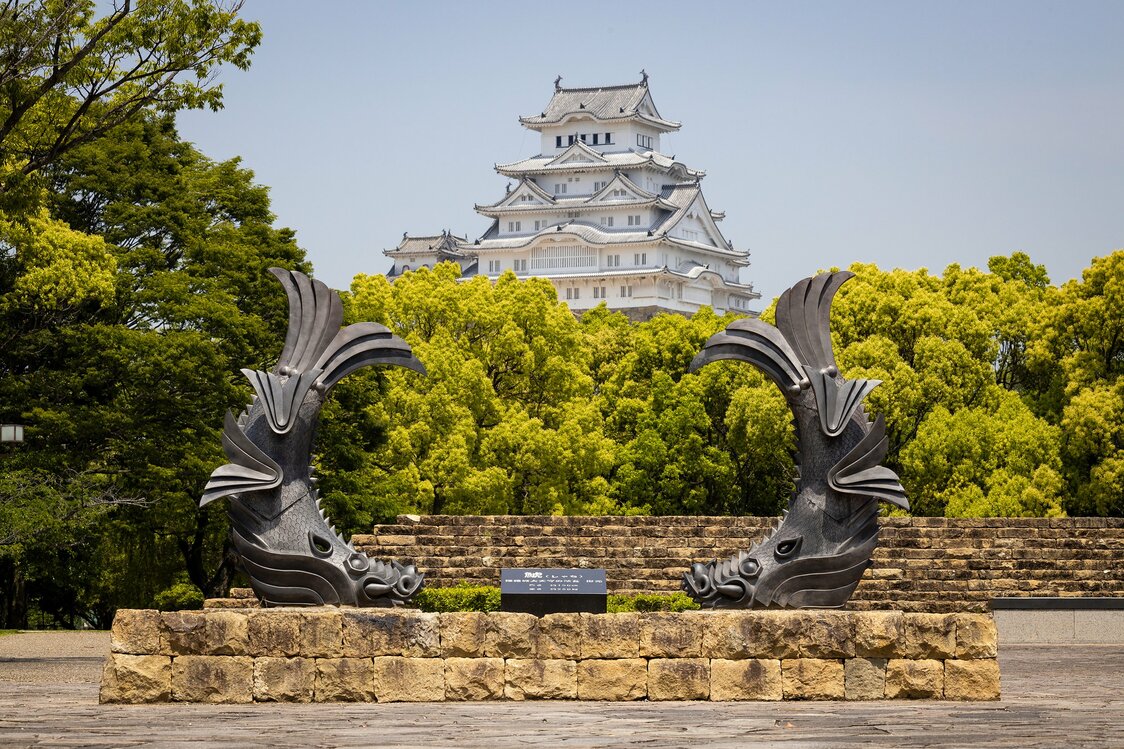
Shiromidai Park is designated as one of the 10 best places to view Himeji Castle.
-
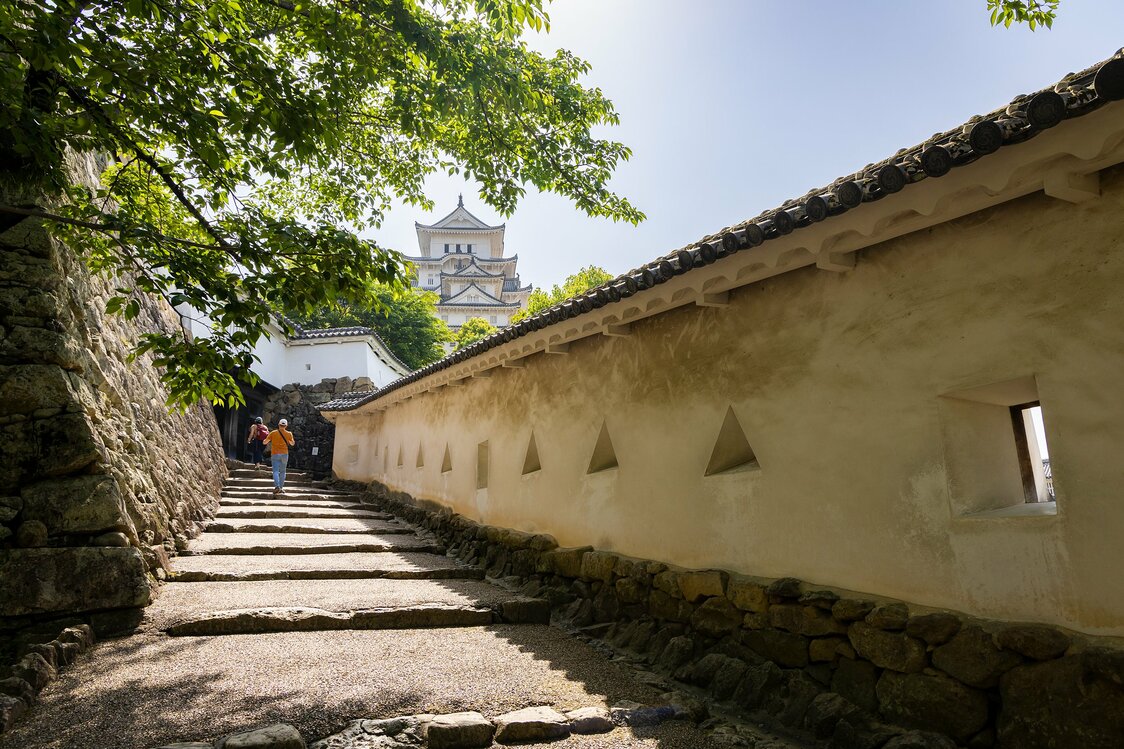
Circular, square, and triangular holes enabled defenders to fire matchlock guns (teppō) and other weapons at approaching forces.
-
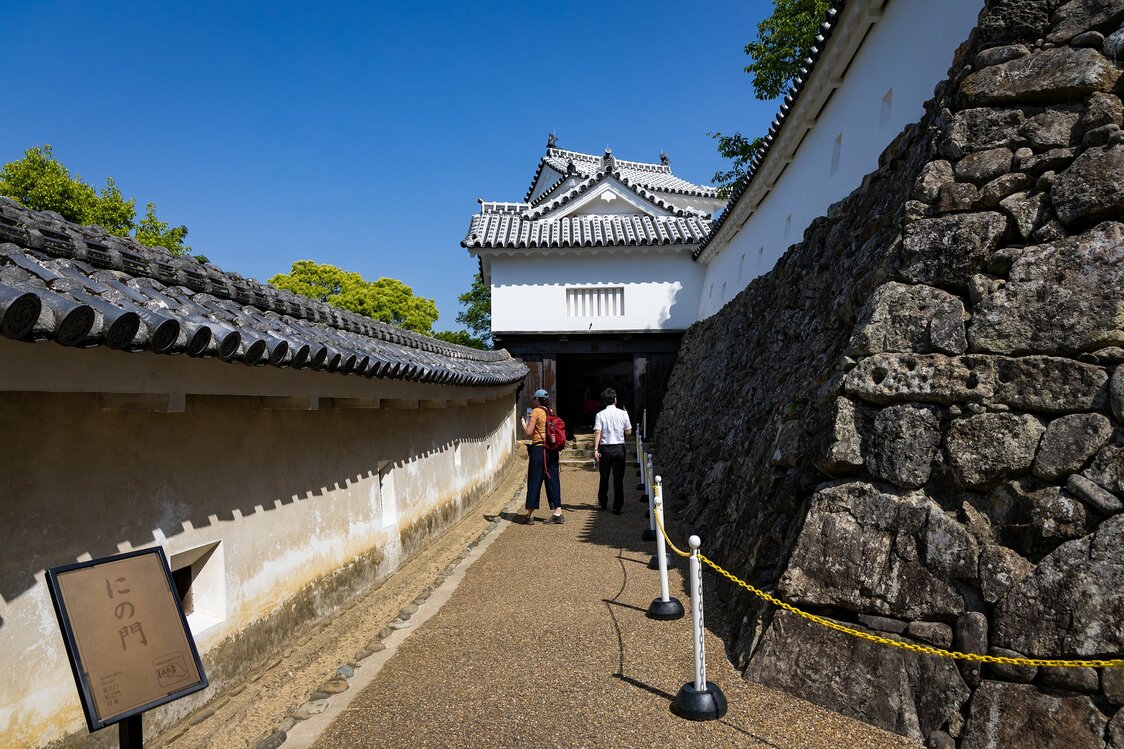
The Ninomon, or “second gate,” blocks a narrow passage leading to the main keep, preventing an assault from a large force.
-
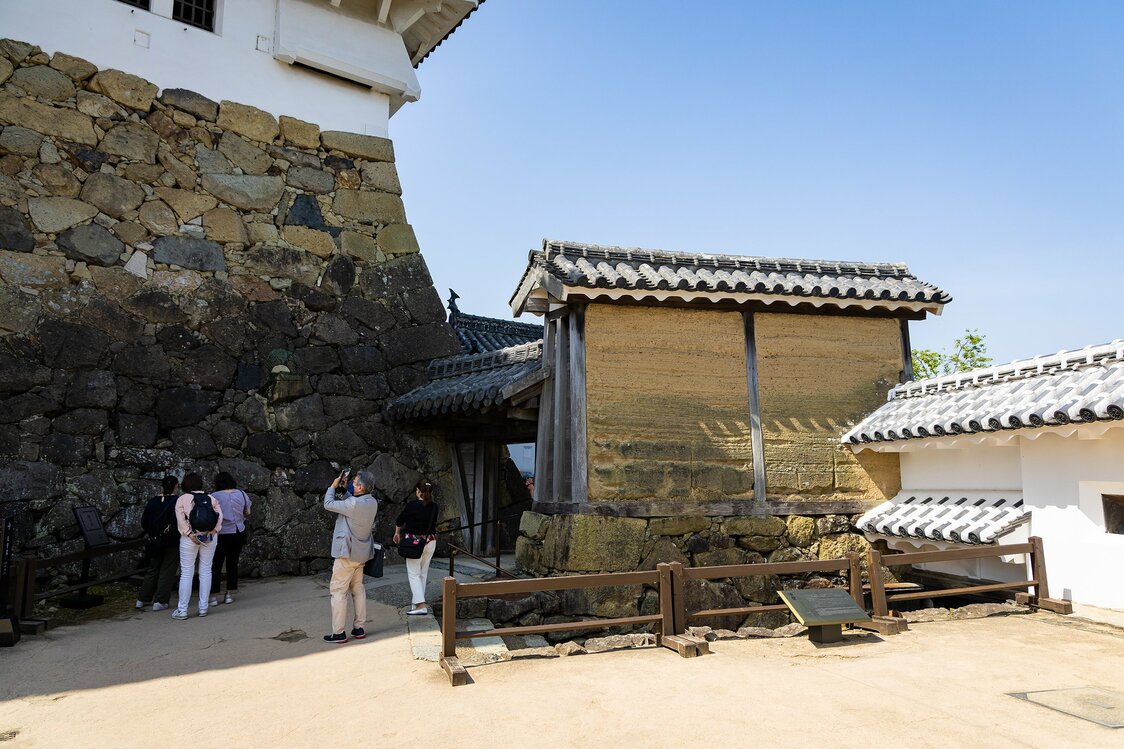
The base of the main keep, flanked by a small gate whose walls were made by applying layers of a concrete-like material consisting of sand, soil, and other materials.
-
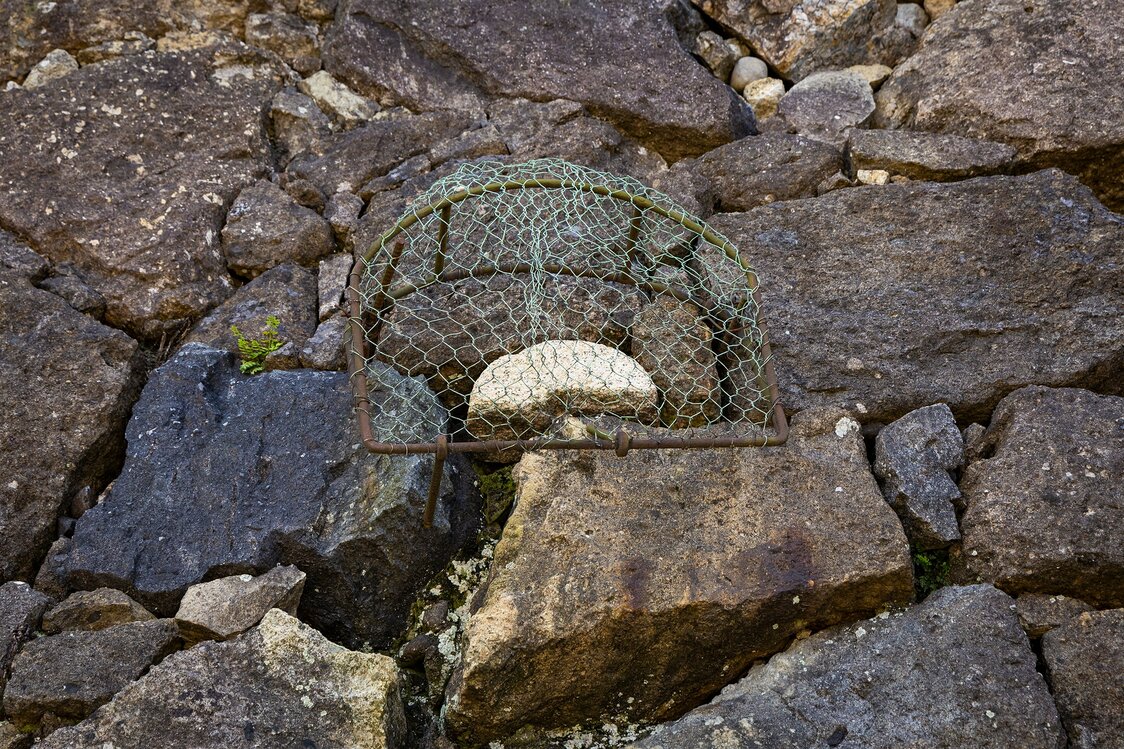
The famed ubagaishi stone sets in its place of honor.
-

A stone wall built in the ōginokōbai style resembles an inverted open fan.
-
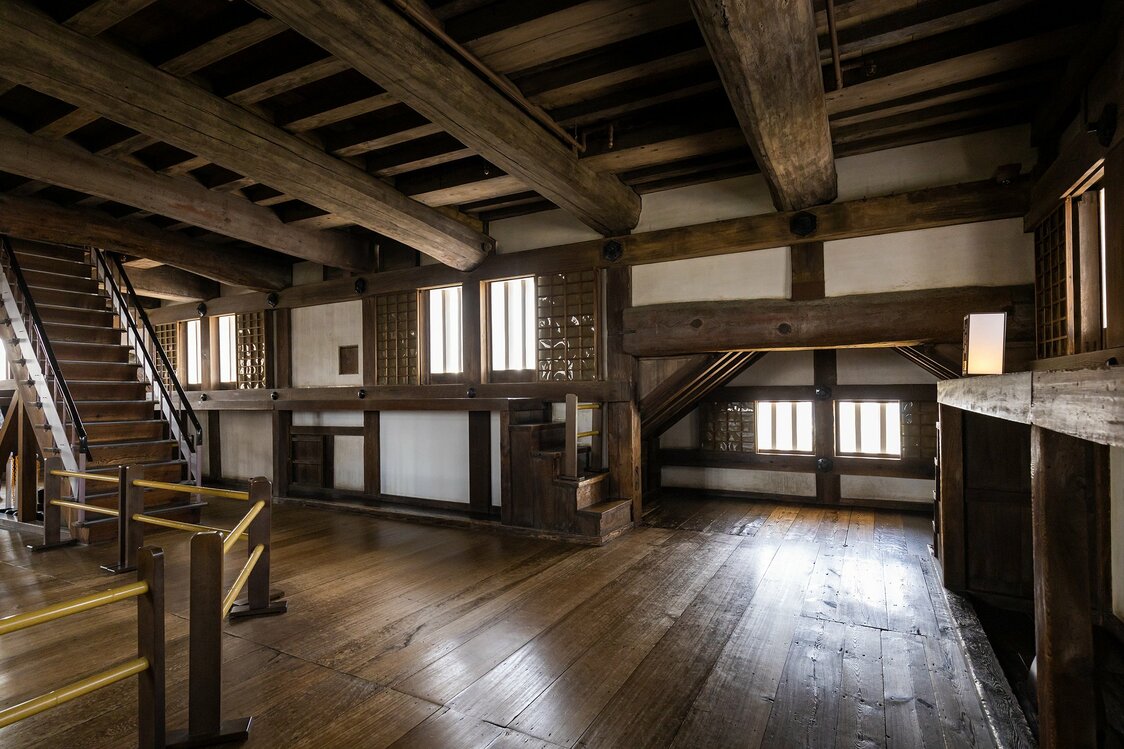
The interior of the ōtenshu was constructed for defense, including windows and raised platforms for dropping stones on assailants. The donjon’s different floors were connected by steep stairways.
-
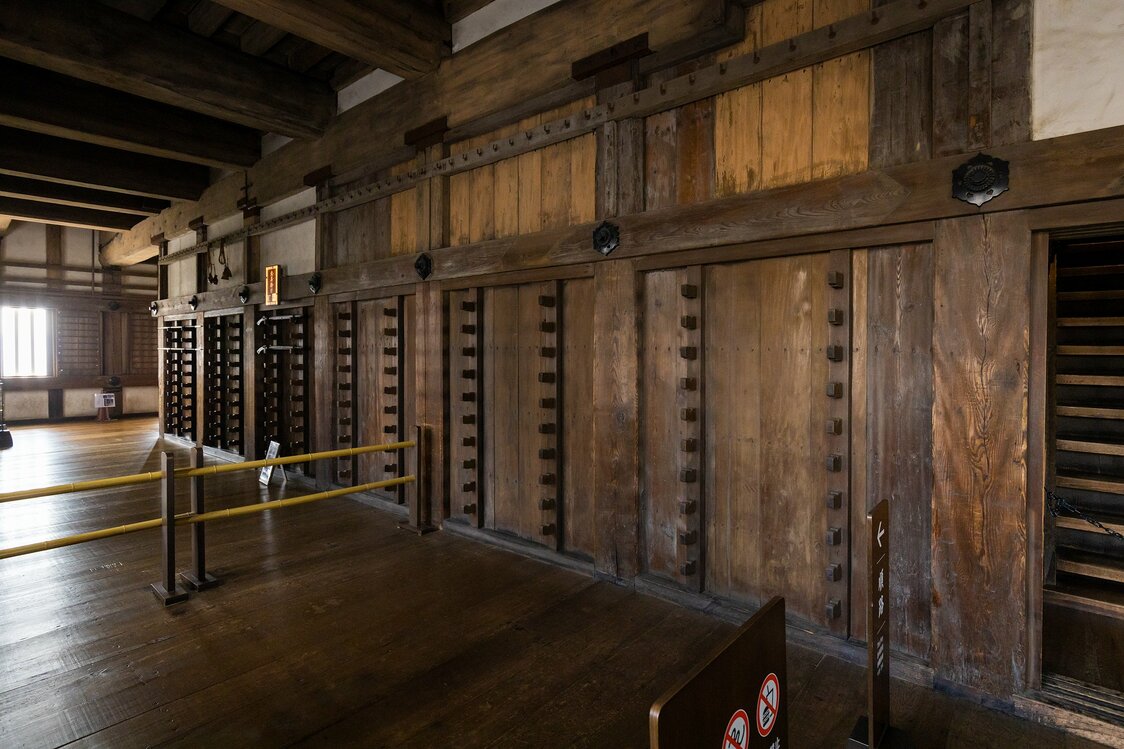
A wall for storing weapons like lances and matchlock rifles, which hanging in the open could be quickly retrieved.
-
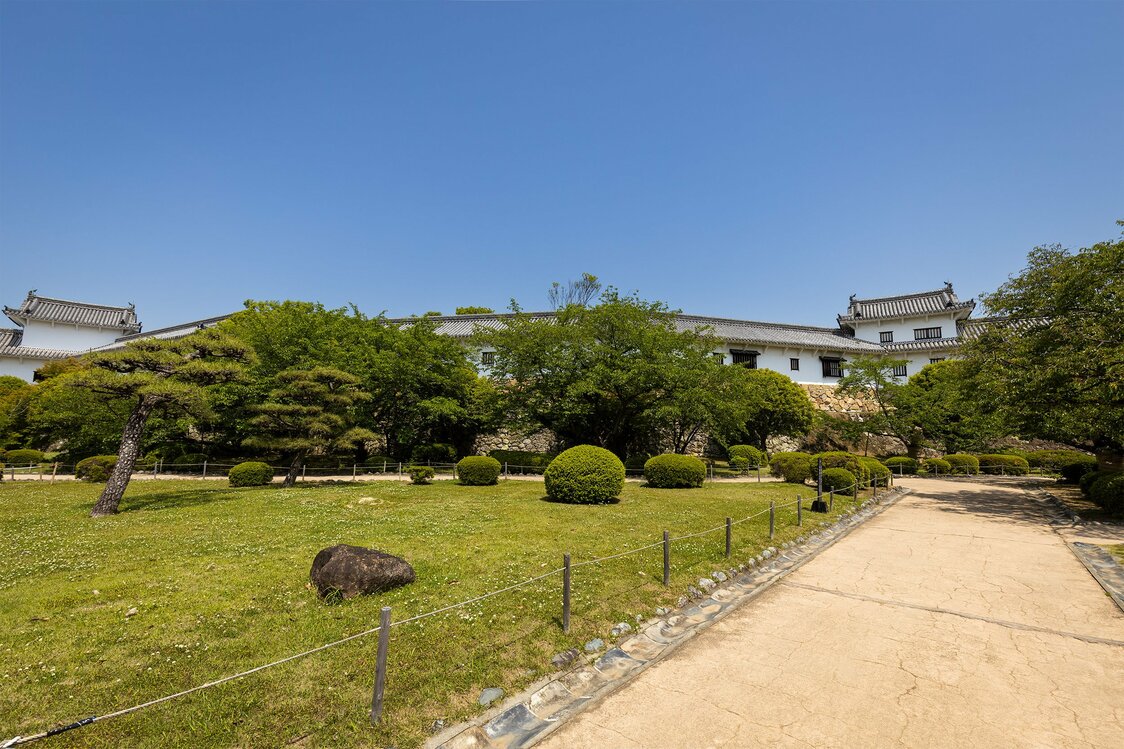
The site inside the west bailey where the residence of Honda Tadatoki and his bride Senhime, a granddaughter of Tokugawa Ieyasu, once stood.
-
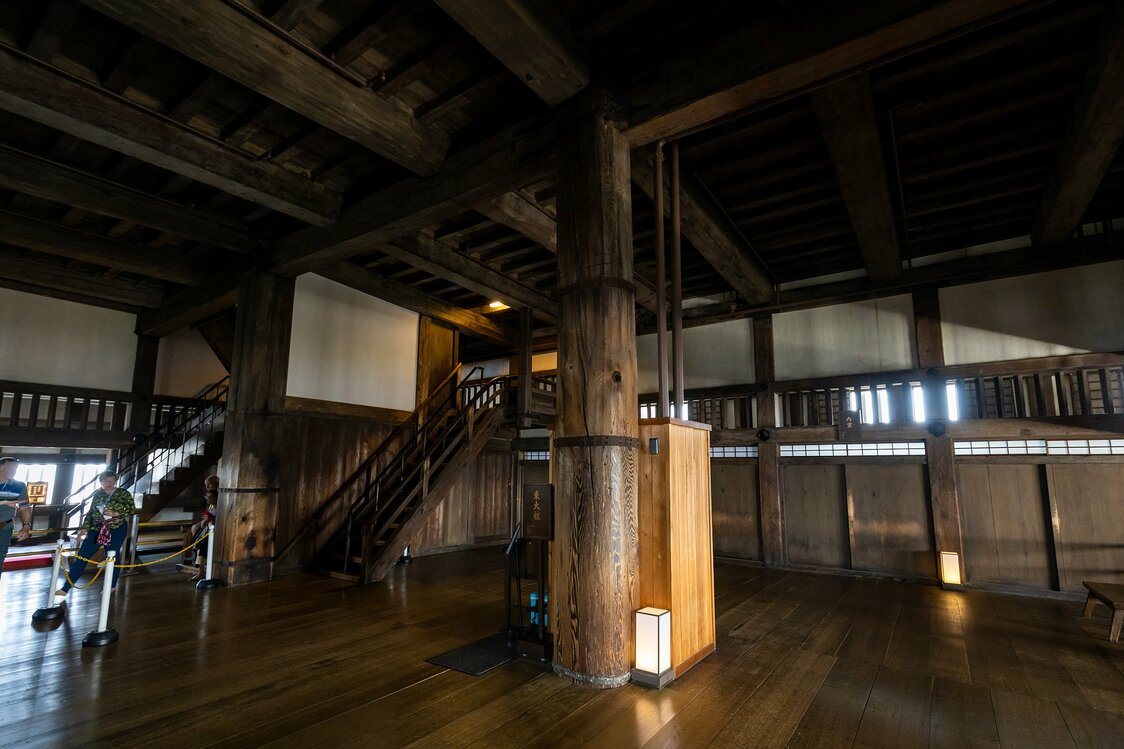
The higashi-ōhashira (foreground) and nishi-ōhashira (adjacent to the stairs) on the third floor of the donjon.
-
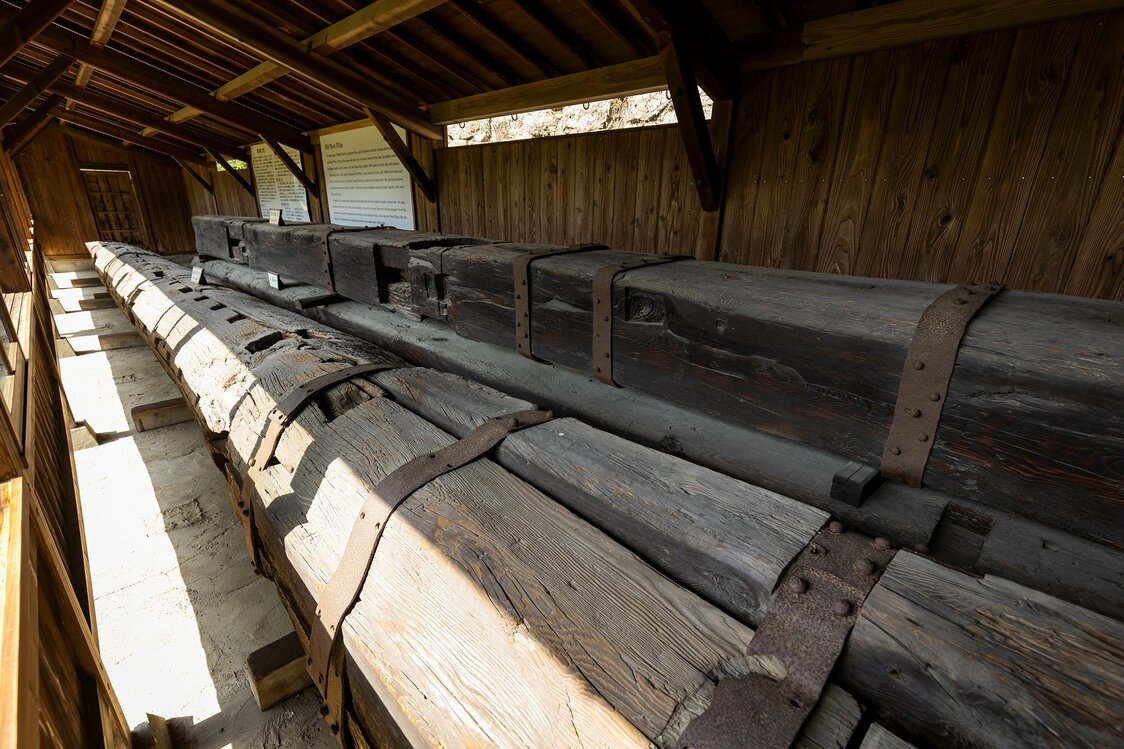
The nishi-ōhashira underwent extensive repairs in 1956–64 and part of the pillar was replaced. The original section is on display at Sannomaru Square.
-

A shachihoko keeps watch over Himeji Castle.
-
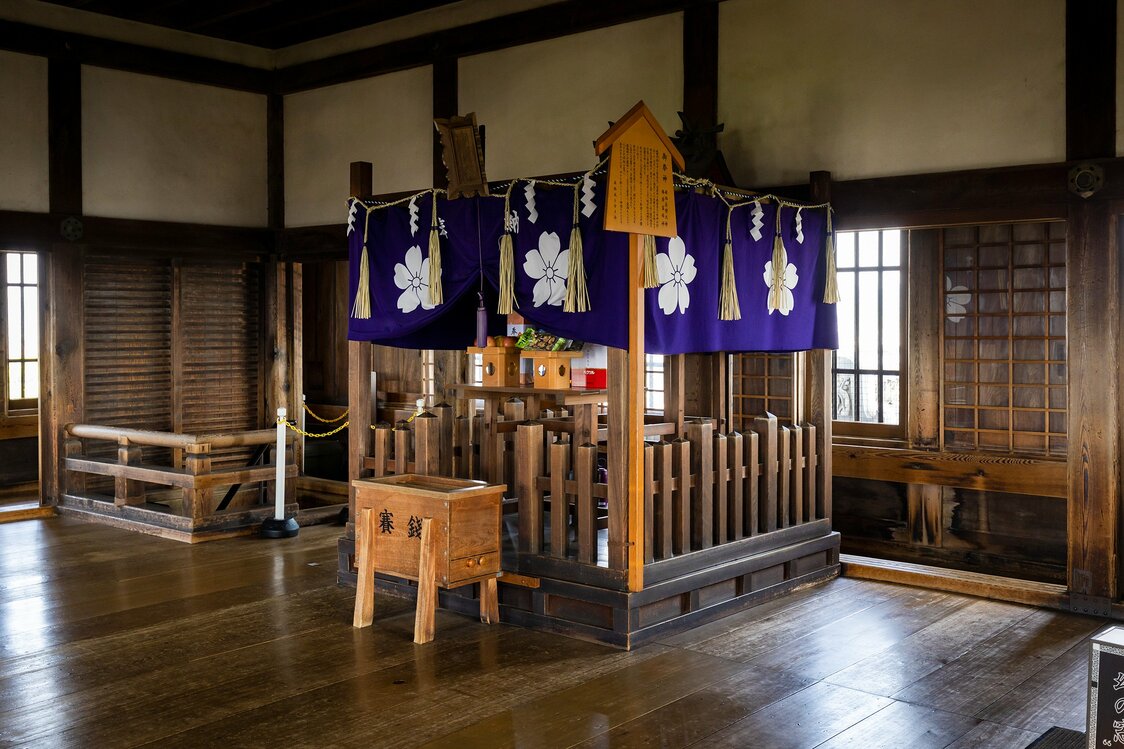
The Osakabe Shrine on the top floor of the main donjon.
-
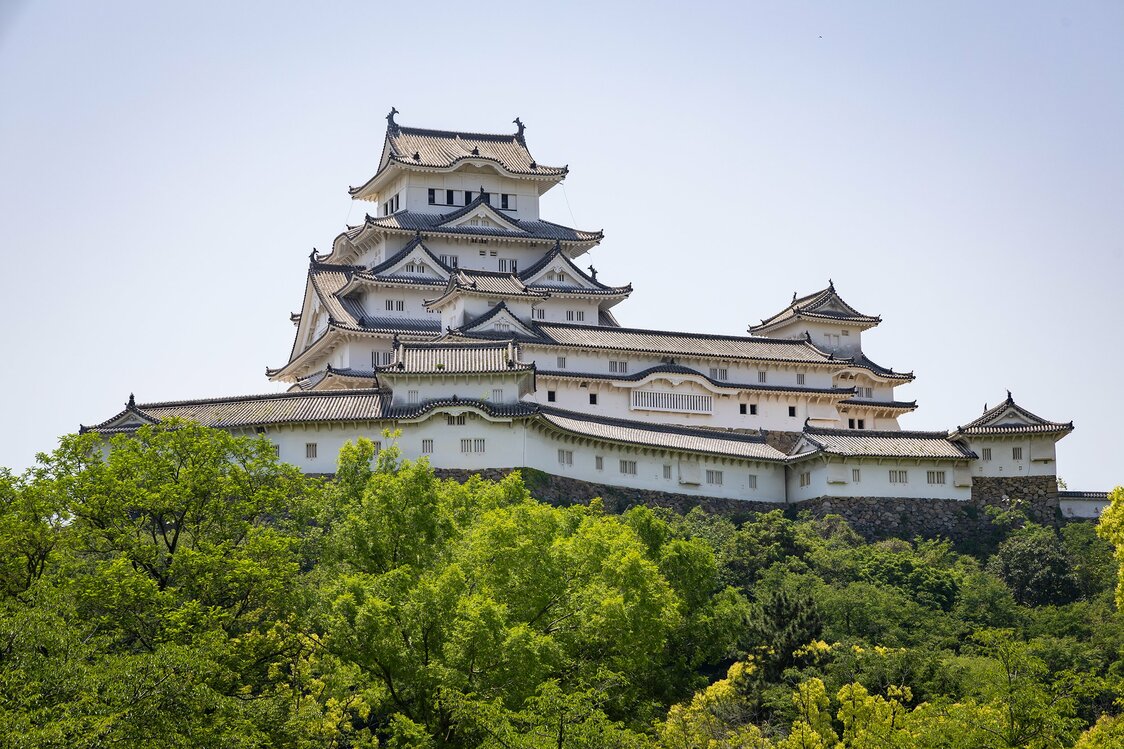
Himeji Castle as seen from Shirotopia Memorial Park.
-
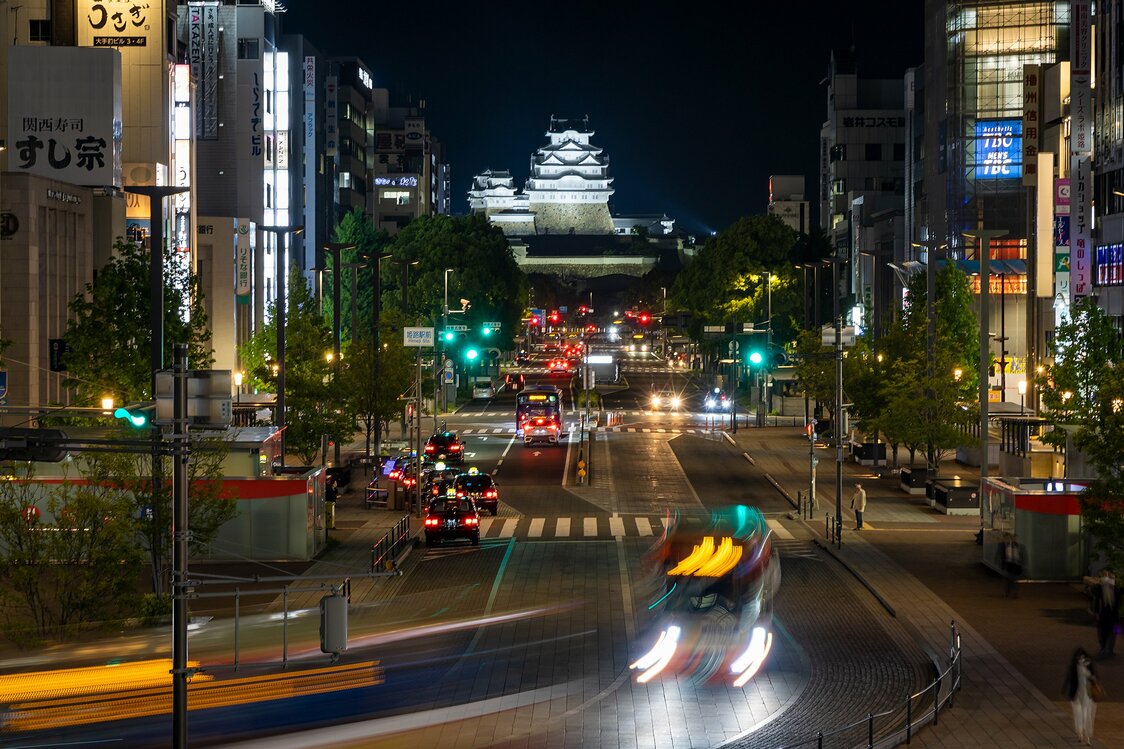
Lights illuminate Himeji Castle at night.


 Read in other languages