-
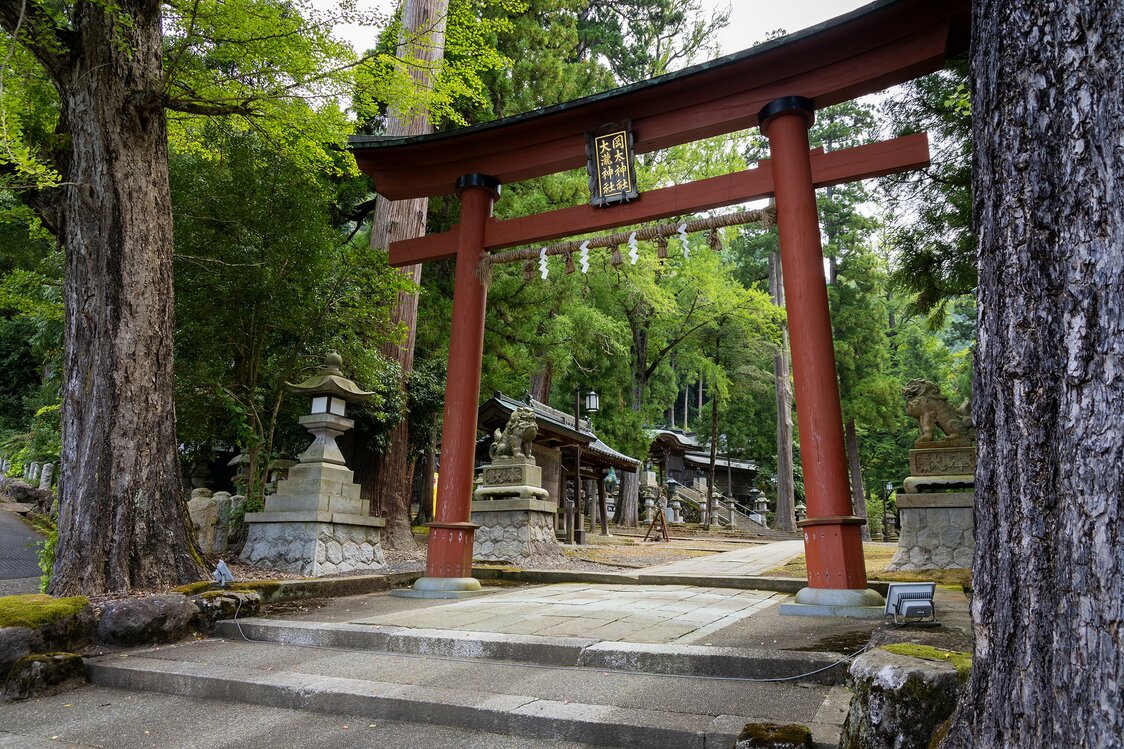
A single torii gate, unusual for an entrance to multiple shrines, is the entrance to both Okamoto and Ōtaki. (© Nippon.com)
-
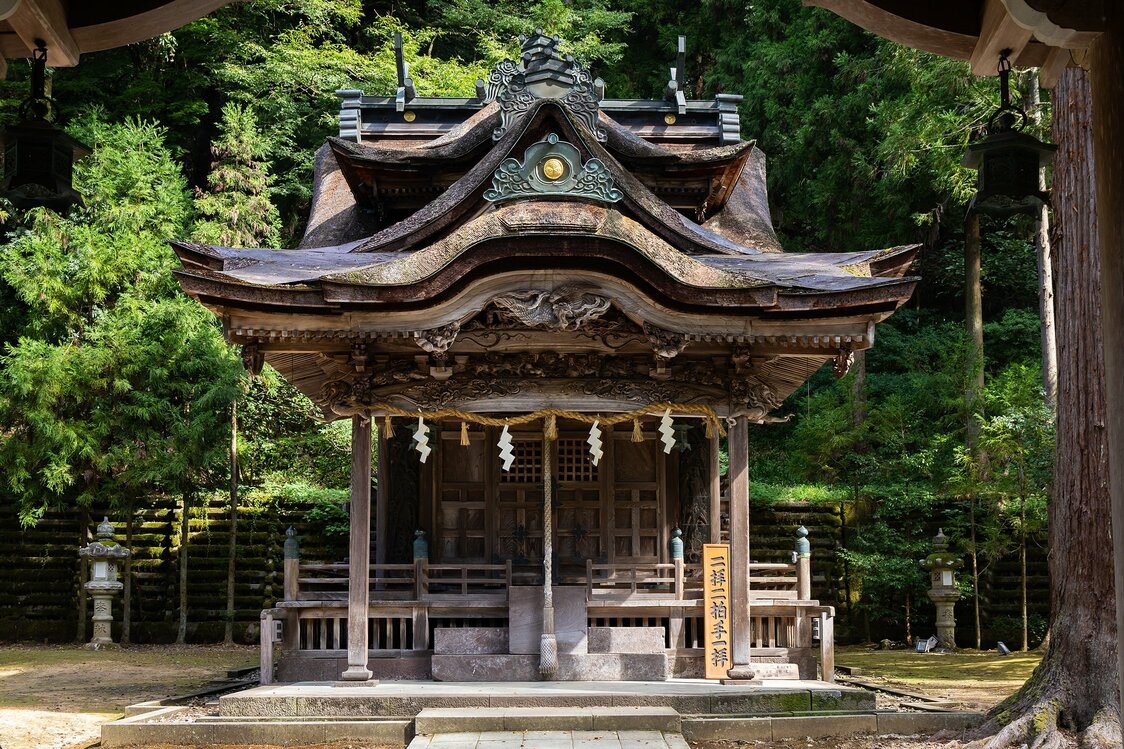
The front shrine and main hall of the lower section of the shrine, dedicated to Kawakami Gozen, the legendary creator of washi. (© Nippon.com)
-
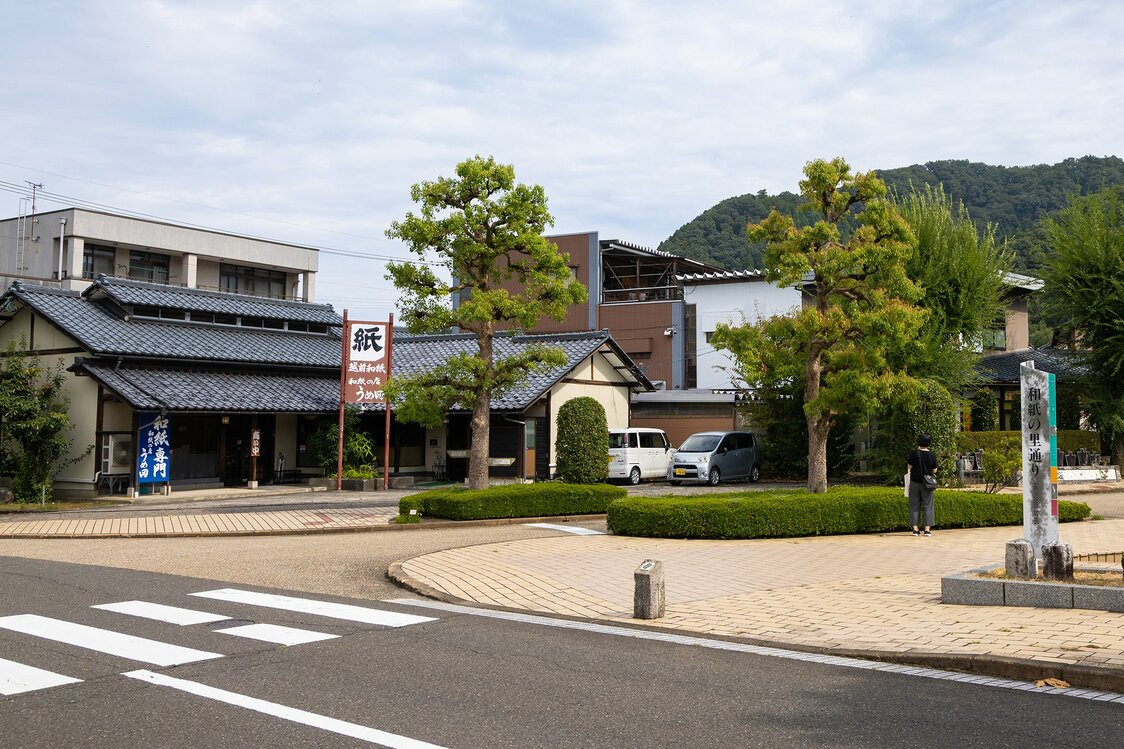
The street Washi no Sato Dōri runs northwest from the shrine for almost a kilometer. (© Nippon.com)
-
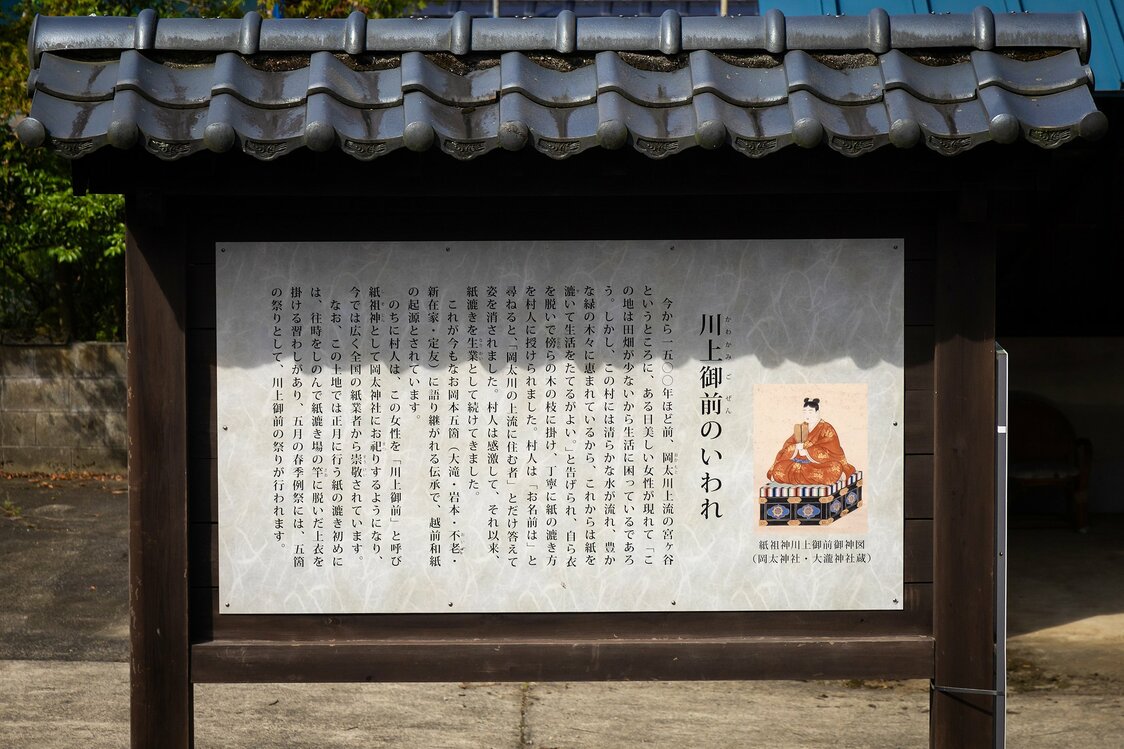
A sign explaining the legend of Lady Upstream. (© Nippon.com)
-
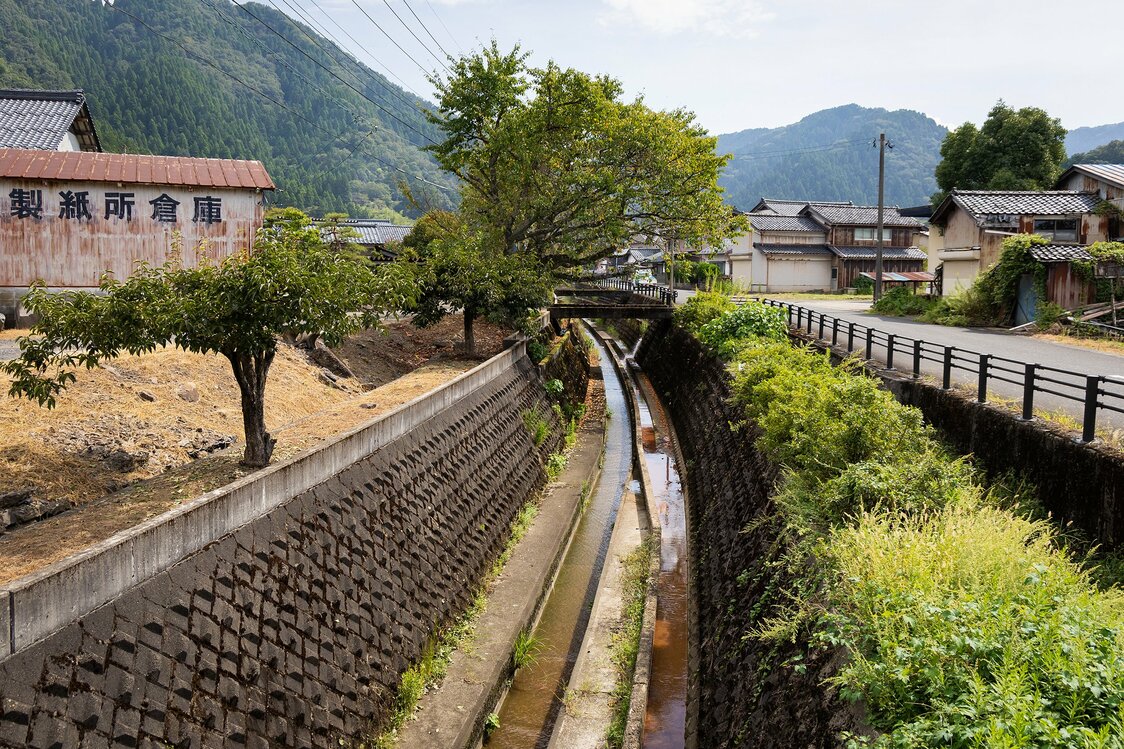
The Okamoto River passes through “Washi Village.” (© Nippon.com)
-
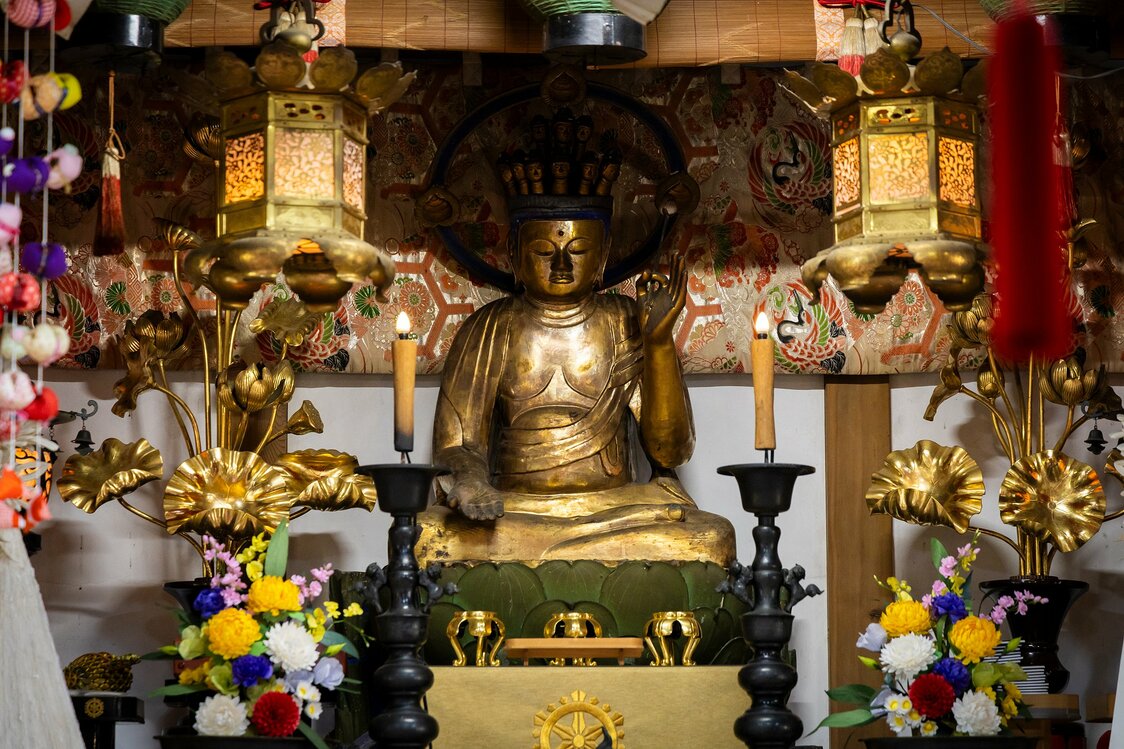
The 11-faced Kannon statue enshrined in the Kannon-dō hall, dating back to the Heian period (794–1185), is a vestige of the site’s syncretic history. (© Nippon.com)
-
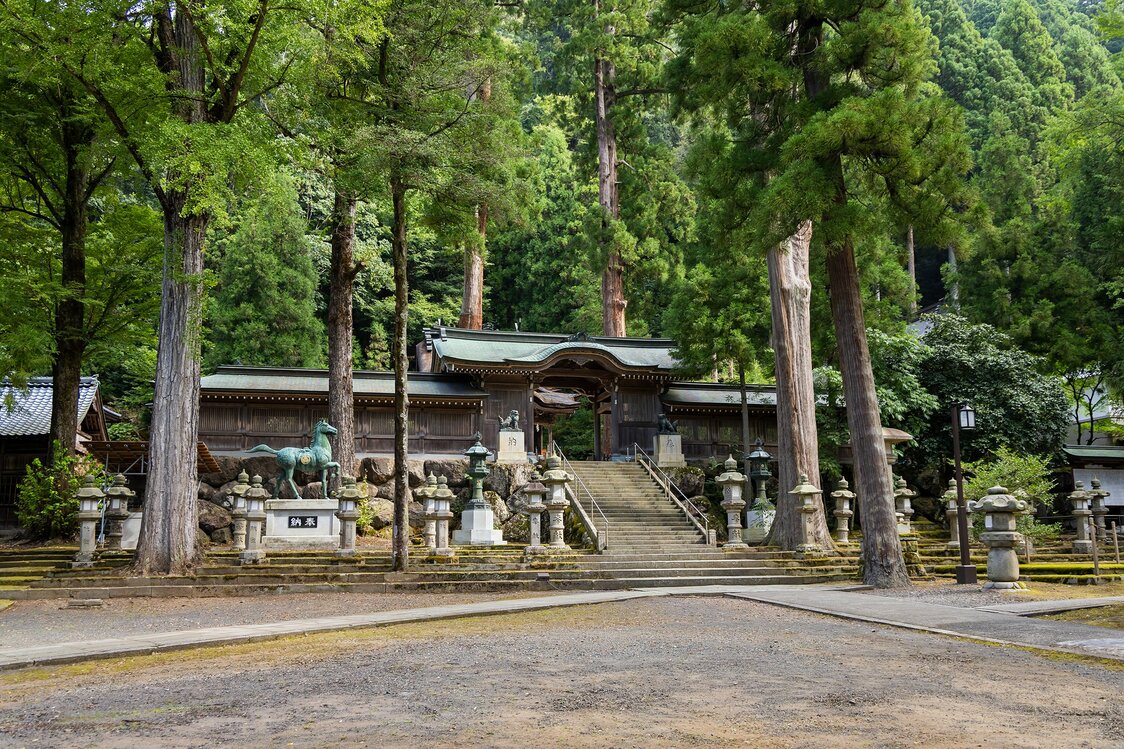
The air of the sacred grounds is appropriately peaceful. (© Nippon.com)
-
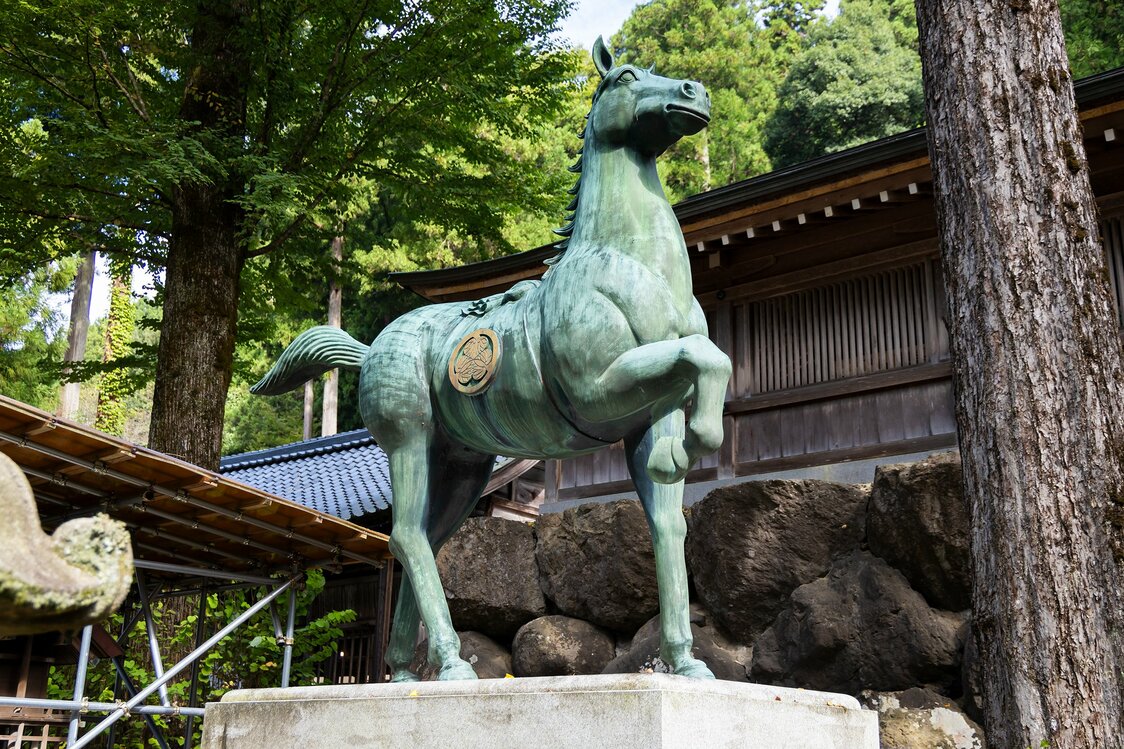
The triple-leaf family crest of the Tokugawa clan, which adorns the shrine’s main building and its sacred horse statue, suggests the degree of faith of the Matsudaira family, the local feudal lords in the Edo period. (© Nippon.com)
-
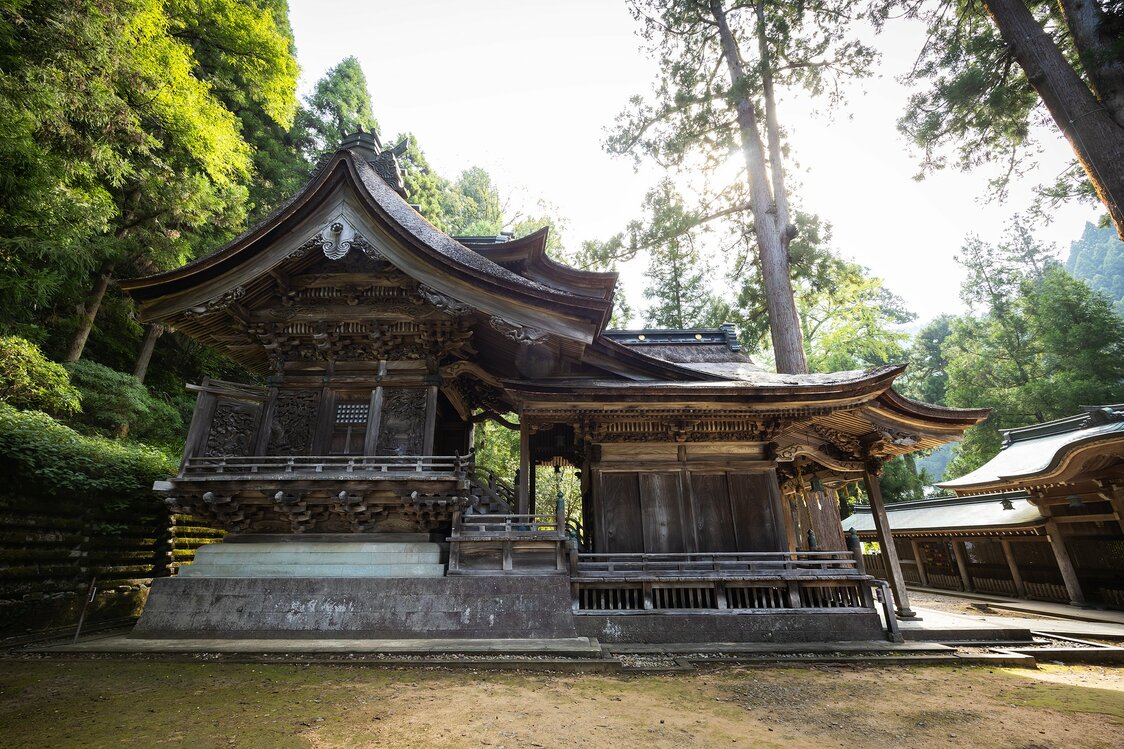
The combined hall for the two shrines at the base of the mountain. The rear building (at left) is the main hall, and the front shrine, or hall of worship, is shown on the right. (© Nippon.com)
-
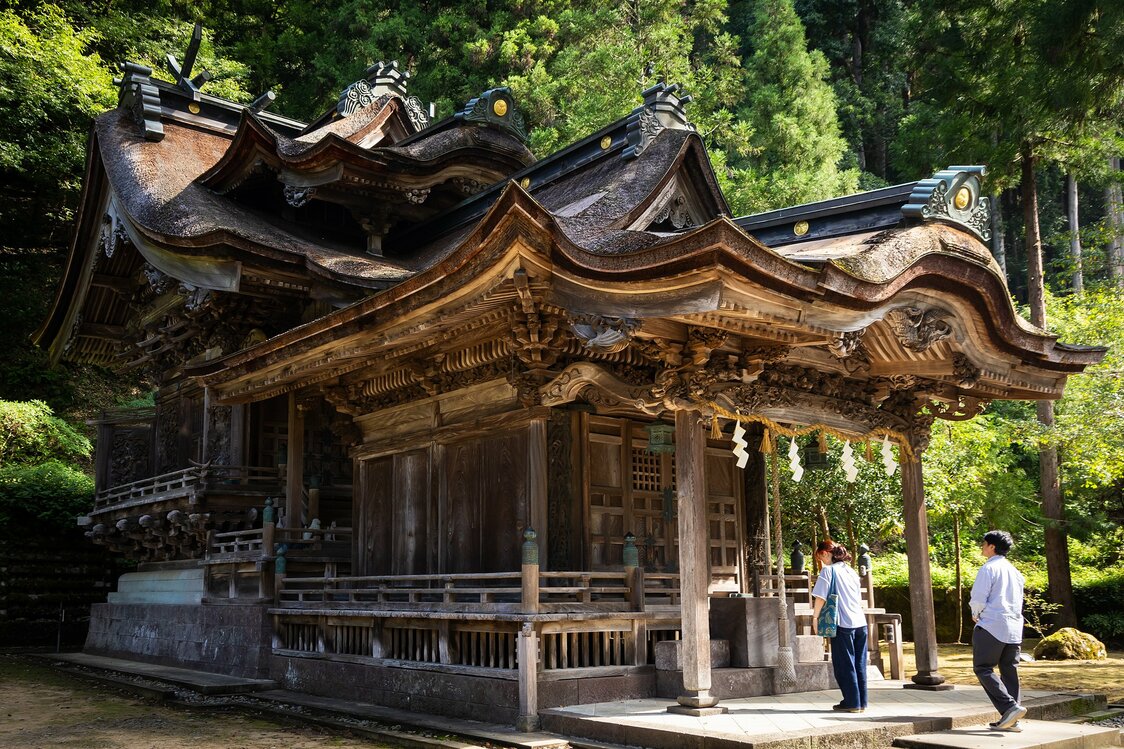
The roof is a uniquely beautiful structure. (© Nippon.com)
-
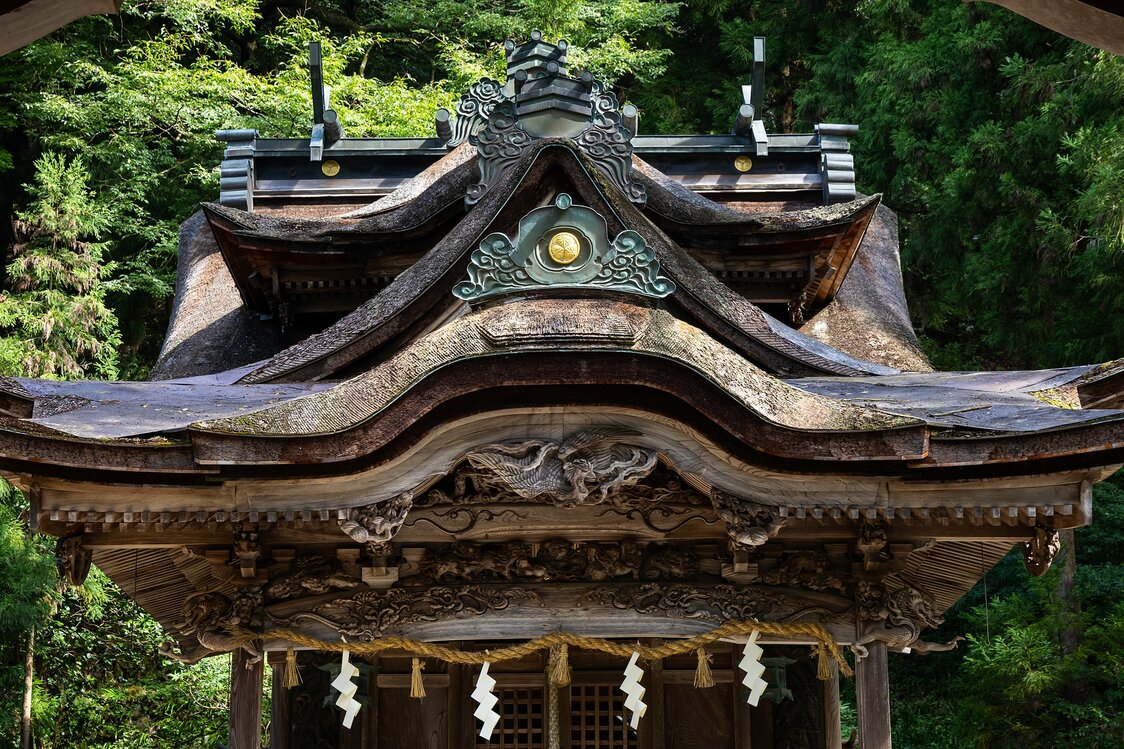
If you look closely, you will notice that the vergeboard at the rear is slightly off-center. Some believe that the structure began to collapse at the time it was completed, while others feel it was by deliberate design. (© Nippon.com)
-
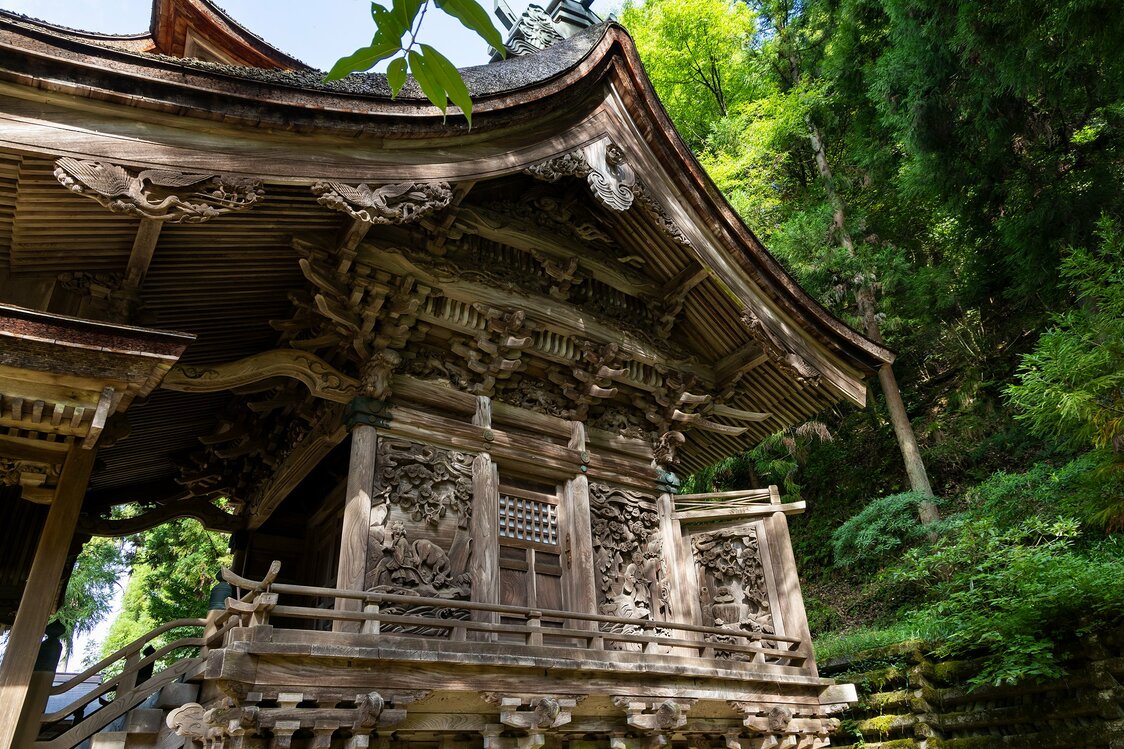
The carvings on the main hall are so elaborate, visitors can find themselves entranced for hours. (© Nippon.com)


 Read in other languages